


Education Roadmap Powerpoint Presentation Slides




Try Before you Buy Download Free Sample Product
 Impress Your
 Audience
 100%
100% Editable
 Save Hours
 of Time


Emphasize on the role and impact of computing and technology in education by employing our content ready Education Roadmap Powerpoint Presentation Slides. Present the interactive learning roadmap that promotes collaboration between students and teachers using the training roadmap PPT slideshow. Make a learning process smoother by developing a company learning roadmap with the aid of this professionally designed training and development PowerPoint visuals. Map out a training roadmap to keep the employee on course. Explain the four phases of learning roadmap such as assessment, curriculum development, logistics, certification with the aid of educational transformation PowerPoint graphics. Present new approaches and strategies for efficient learning and training process by taking assistance of learning roadmap PPT layouts. Make your presentation meaningful and attention-grabbing with the help of high-grade icons & layouts present in the slideshow. Download our content-ready education framework PPT presentation to demonstrate learning & development strategies
People who downloaded this PowerPoint presentation also viewed the following :
Content of this Powerpoint Presentation
Slide 1: This slide introduces Education Roadmap. State your company name and begin.
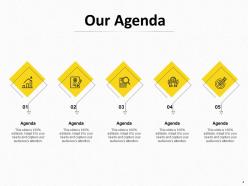
Slide 2: This is Our Agenda slide. State your agendas here.
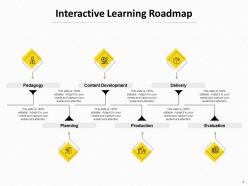
Slide 3: This slide showcases Interactive Learning Roadmap.
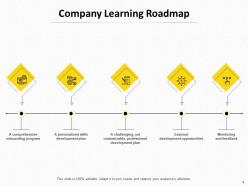
Slide 4: This slide presents Company Learning Roadmap with- A comprehensive onboarding program, A personalized skills development plan A challenging, yet customizable, professional development plan, development opportunities, Monitoring and feedback.
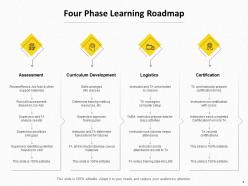
Slide 5: This slide describes Four Phase Learning Roadmap.
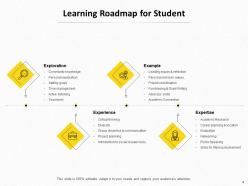
Slide 6: This slide presents Learning Roadmap for Student such as- Critical thinking, Diversity, Group dynamics & communication, Project planning, Introduction to social issues/ civics, Experience, Community knowledge, Personal exploration, Setting goals, Time management, Active listening, Teamwork, etc.
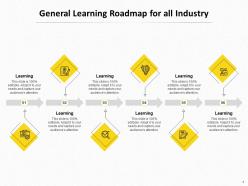
Slide 7: This slide showcases General Learning Roadmap for all Industry.
Slide 8: This is Education Roadmap Icons Slide.
Slide 9: This slide is titled as Additional Slides for moving forward.
Slide 10: This is About Us slide to showcase company specifications.
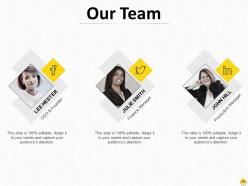
Slide 11: This is Our Team slide with names and designation.
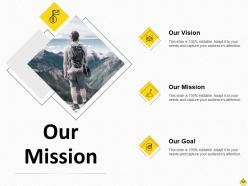
Slide 12: This is Our Mission slide with Vision, Mission and Goal.
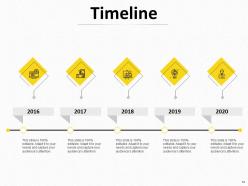
Slide 13: This is five years Timeline slide.
Slide 14: This is Thank You slide with address, email address and contact number.
Education Roadmap Powerpoint Presentation Slides with all 14 slides:
Our Education Roadmap Powerpoint Presentation Slides abound with various options. They will assist in absorbing the essence of your thoughts.
FAQs for Education Roadmap
Okay so first thing - figure out what you actually don't know yet. Be honest about the gaps. Set some realistic goals with deadlines (not like "master Python in 2 weeks" lol). Find your resources - could be courses, YouTube, whatever clicks for you. I'd definitely set up progress checks because I totally wandered around lost during my bootcamp without them. Review regularly and pivot if something's not working. Oh, and don't plan too far ahead - just focus on the next few months. You can always adjust later.
Honestly, don't just buy tablets because they look fancy. Figure out what you actually need first - like coding apps for science or collaboration tools for group work. Start with maybe one or two things that fix real problems in your classroom. I learned this the hard way when I went overboard at first lol. Get comfortable with those tools, then add more later. Also weave in some digital literacy stuff while you're teaching regular content. The whole point is solving actual issues, not collecting shiny tech that'll sit in a drawer.
Look, stakeholders are your sanity check when planning any education stuff. Teachers, parents, students, administrators - they're all living with whatever you cook up, so get their input early. Otherwise you'll build something that sounds amazing but crashes and burns in real life. They spot problems you'd never think of and help you figure out what people actually need. Plus - and this is huge - if they help create it, they'll actually support it instead of fighting you every step. Trust me, I've seen too many "brilliant" plans die because nobody asked the right people what they thought first.
Honestly, the trick is giving people options instead of one boring path everyone has to follow. Map out different ways to hit the same goals - videos for visual people, case studies for the data nerds, whatever works. Let them pick their own adventure basically. Some folks want to binge-learn everything in a weekend (crazy but okay), others need to go slow and steady. Oh, and definitely survey people first about what they actually prefer - you'd be surprised how much their past learning experiences shape what they want now. Makes the whole thing way more engaging.
Honestly, track the boring stuff first - completion rates, skill tests, how fast people actually get competent. But the real gold? Those random hallway conversations where people tell you what's actually broken. I do quarterly surveys too, though half the time the informal feedback tells me more than the official responses. Oh, and see if they're using what they learned in actual work situations - that's when you know it stuck. Set up your measurement points before you start or you'll be scrambling later trying to figure out what worked.
Honestly, treat your education plan like it's alive - it needs to change when the world does. Look at COVID - nobody saw that digital skills explosion coming, right? Set up yearly check-ins where you're actually looking at what jobs need, new tech, social shifts, all that stuff. Then switch up your learning goals and how you teach based on what you find. Don't try to force old methods into new problems. Build flexibility in from day one instead of scrambling to catch up later. Make reviewing and pivoting a regular thing, not something you remember to do once.
Honestly, mapping out your education plan visually just hits different than boring text lists. You can spot gaps way easier and see how everything connects - like which course you need before tackling that certification. Templates make it dead simple to plot out 6-12 months of learning goals on a timeline. My brain works better seeing milestones laid out than reading through endless bullet points (maybe I'm just visual like that). Plus sharing your roadmap with a mentor or your boss becomes way less awkward when it's clean and organized. Just grab a basic timeline template and start there.
Honestly, just start asking kids what they actually want to learn during quick one-on-ones. Sounds obvious but we forget to do it. Let them pick their own project topics and self-assess how they're doing - they usually know what works for them anyway. I've seen student-led conferences work really well too, where they present their goals to parents. The whole thing shifts from "do this assignment" to "let's figure out how to get you where you want to be." Maybe try it with just one unit first? Have them create their own learning objectives instead of following the textbook. Way less overwhelming than changing everything at once.
Honestly, budget approval is gonna be your biggest headache - especially when execs can't see immediate ROI. Resource constraints are brutal too. Getting different departments on board? Good luck with that. Your timeline will definitely get wrecked by competing priorities (seriously, plan for it). Oh, and forget one-size-fits-all training since everyone learns differently and has different skill levels. The whole balancing act between urgent needs and long-term goals is exhausting. Start with a small pilot program first though - way easier to get full buy-in once you've proven it actually works.
Figure out what you actually suck at first - like where real-world experience would help most. Then hunt down mentors through work programs, your network, whatever. Pick 2-3 specific things you want coaching on instead of just "help me grow" or some vague BS like that. The trick is being super clear about what you need and scheduling regular check-ins. Oh and don't waste their time - come with actual questions and updates on what you've been working on. Honestly, having someone who's been there before makes all the difference.
You definitely need both the hard numbers and the softer stuff. Completion rates, test scores, how fast people actually get competent - that's your baseline data. But honestly? The surveys where people tell you how confident they feel usually reveal way more than spreadsheets do. Engagement's huge too - if nobody's showing up or using your resources, that's a red flag right there. Oh, and don't make my mistake of waiting until everything's done to check progress. Set your starting point first, then keep tabs on things regularly. Otherwise you're just hoping for the best.
Honestly, you need to figure out where your curriculum is actually failing first. Map out the real skill gaps - coding, data analysis, lab work, whatever's missing. Then create pathways that connect to actual jobs, not just busywork that sounds impressive. Partner with local companies if you can (they'll tell you what skills matter). Don't forget your teachers need training on this stuff too, plus you'll probably need better equipment. The whole thing falls apart if you don't check regularly whether kids are learning what employers want.
Ugh, government policies basically control your entire education path. Funding, curriculum requirements, which programs get money - all that stuff comes from policy decisions. Federal aid, state budgets, workforce programs too. It's actually pretty crazy how much they dictate. But here's what I've learned: you can totally use this to your advantage. Instead of fighting it, just keep tabs on what's happening policy-wise in your state. Then structure your plan around whatever they're prioritizing right now. Way easier than going against the grain, you know?
Get families involved right from day one - their perspective is everything for understanding your kids' backgrounds. Build flexibility into your plans so you can pivot when needed. Honestly, we should've been doing this forever, but here we are! Mix different learning styles and cultural knowledge into your milestones. Regular reflection is key - does your roadmap actually match what students are living? Oh, and definitely set up those quarterly family check-ins. They'll tell you what's working and what isn't. Sometimes the best insights come from just asking parents directly instead of guessing.
Honestly, AI integration is where everyone's headed - you can't ignore it anymore. Personalized learning paths and remote/hybrid stuff are also reshaping everything. Microlearning's huge too since people want quick, bite-sized content they'll actually use instead of sitting through long sessions. VR and AR are getting pretty cool for hands-on training, though that might be down the road for you. The whole "learning while you work" approach is becoming standard. I'd audit what you've got now against these trends first. Then pick maybe one or two to test out - don't try fixing everything at once or you'll go crazy.
No Reviews