


Profession Planning Roadmap Powerpoint Presentation Slides




Try Before you Buy Download Free Sample Product
 Impress Your
 Audience
 100%
100% Editable
 Save Hours
 of Time


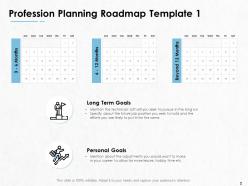
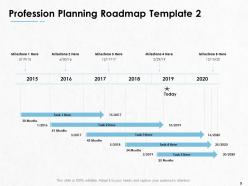
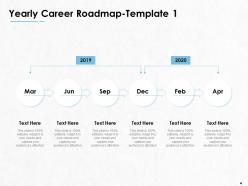
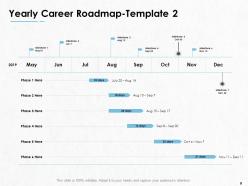
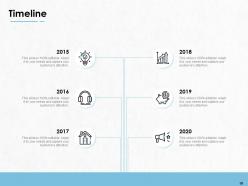
Create a sound career plan today using these Profession Planning Roadmap PowerPoint Presentation Slides. Take the assistance of these career development PowerPoint visuals to unveil your career goals or objectives in an organized way. Take advantage of these career management PowerPoint visuals to depict long-term career goals. Portray the steps of career planning such as self-assessment, career information, decision-making, and selection of the right profession. Reveal the yearly career roadmap and showcase your milestones or achievements using this career management PowerPoint slideshow. Implement a career strategy for getting success in your desired profession with these professional roadmap PPT infographics. Combine structured planning with career choices and accomplish your desired goal with ease using these professional development PowerPoint templates. Demonstrate your educational qualifications, achievements, work experience, etc. with these career plan roadmap PPT slides. Download this amazing career planning PPT deck to achieve your professional goals.
People who downloaded this PowerPoint presentation also viewed the following :
Profession Planning Roadmap Powerpoint Presentation Slides with all 16 slides:
Use our Profession Planning Roadmap Powerpoint Presentation Slides to effectively help you save your valuable time. They are readymade to fit into any presentation structure.

FAQs for Profession Planning Roadmap
Honestly, communication and problem-solving skills will take you way further than most people think. I've watched coworkers with mediocre technical abilities absolutely crush it because they could explain stuff clearly and adapt when things went sideways. Emotional intelligence is underrated too - being able to work well with people and influence decisions even when you're not the boss? That's gold. Oh, and don't try fixing everything about yourself at once (been there). Pick one thing that's actually holding you back right now and focus on that first. Way more effective than spreading yourself thin across ten different skills.
Dude, networking seriously changes everything career-wise. Most jobs aren't even posted anymore - like 70% or something crazy like that. People just think of someone they know when stuff opens up. Coffee with someone from another department? That could lead anywhere. Industry events are good too, though honestly some are kinda boring. But your colleagues become your biggest advocates when they actually know what you're good at. It's wild how one conversation can snowball into opportunities you never saw coming. Start with whoever's easiest to grab lunch with.
Honestly, getting a mentor changed everything for me. You'll get insider info about your field that you'd never figure out on your own. They help you dodge major mistakes and connect you with opportunities you didn't even know were out there. When you're second-guessing yourself (which happens to everyone), they're amazing reality-checkers. The confidence boost alone is worth it - imposter syndrome is real. Find someone whose career trajectory you actually admire, then just ask for 30 minutes every few months. Most people are flattered when you ask, weirdly enough.
Okay so first thing - write down actual specific goals with deadlines. Like "become senior analyst by December 2025" instead of just "get promoted." Way more helpful that way. Break those big goals into smaller chunks you can track every few months. I'm telling you this because I wasted SO much time just wandering around without a real plan lol. Figure out what skills or connections you're missing to get there. Oh and definitely do monthly check-ins with yourself - sounds dorky but it works. Your goals will probably shift as you grow anyway, which is totally normal.
Pick one skill you actually want to get better at this month. Break it into tiny wins - way easier than staring at some huge goal. I keep a notes app for tracking progress because honestly, when you're feeling unmotivated you forget how far you've come. Mix it up too - podcasts, courses, whatever doesn't make you want to fall asleep. Having someone check in on you helps tons, whether it's a mentor or just a friend who'll ask how it's going. The key thing is connecting it to stuff you genuinely care about, not just what sounds impressive on LinkedIn.
Honestly, try one of those strengths tests like CliftonStrengths first - or just ask your coworkers what you're actually good at. We're weirdly blind to our own talents. Think about your biggest wins too and what made them happen. Once you figure that out, hunt down projects that use those skills every day. Don't save this stuff just for interviews either - start doing it now so people know you for it. The whole point is becoming the person everyone thinks of when they need whatever you're naturally amazing at. Trust me, it works way better than trying to fix your weaknesses.
Honestly depends what you do, but remote work is totally changing career advancement - like, networking feels completely different now. AI's hitting every industry, so figure out how it affects your specific job. Also sustainability stuff is huge for business decisions these days, even in random sectors you wouldn't expect. Short sentences work better sometimes. Follow a few industry blogs and join some LinkedIn groups that actually post useful content (not just spam). Virtual conferences quarterly are solid too - way easier than traveling everywhere. The key is picking 2-3 good sources instead of drowning in random articles.
Honestly, just sit down and figure out where you actually are vs where you wanna be in like 2-3 years. Are your current skills and responsibilities actually moving you forward, or are you just spinning your wheels? Because staying busy isn't the same as making progress - learned that the hard way. Hit up people who have the jobs you want. Ask them how they got there. You'll probably find some gaps you didn't even know about - maybe it's leadership stuff, maybe technical skills, or you need a sideways move first. I'd set up quarterly check-ins with yourself so you don't drift off course.
Look, continuous learning is basically career insurance - keeps you relevant when things change fast. The skills that got you hired? They might not cut it in two years. I found this out when suddenly everyone needed data analysis skills (oops). Good news though - you don't need to go back to school. Online courses work. Certifications too. Hell, even YouTube tutorials count if they're decent. Stay curious and pick up stuff before you're scrambling for it. I'd start small with something that directly helps your current job. Way less overwhelming that way.
Figure out what makes you different - your skills, experience, wins. Numbers are everything here, so say "boosted sales 30%" not just "helped with sales." I get it, talking yourself up feels gross, but seriously this is when you have to. Research each company's actual problems and show how you'd fix them. The whole elevator pitch thing matters too - practice your story for interviews, cover letters, whatever. Honestly, most people suck at this part. Make it obvious that hiring you solves their headaches and improves their bottom line.
Honestly, numbers are everything - throw in percentages and specific achievements instead of just listing what you did. Yeah, customizing for each job is annoying but it actually gets you interviews. Don't go over two pages, and make it super clean since hiring managers barely glance at these things. Put your best stuff right at the top. Those objective statement things? Skip 'em - waste of space. Oh, and seriously proofread like your life depends on it. I've seen great candidates get tossed for stupid typos.
First thing - clean up your LinkedIn and make sure it matches your other profiles. Twitter too if you're in tech. I'd post about projects you're working on, share articles that actually interest you, maybe drop some quick thoughts on what's happening in your industry. Don't just lurk though, actually comment on people's stuff. Be real but keep it professional - like, show your personality without going full overshare mode. Honestly, even 15 minutes a couple times a week beats posting whenever you remember to.
Yeah, certs are totally worth it if you pick the right ones. Companies love seeing them on resumes, and some literally won't promote you without specific ones. Honestly, the networking part surprised me - met some cool people in my last program who actually helped me land interviews later. They're also great when you're feeling stuck and need direction on what to learn next. The structured approach keeps you focused instead of just randomly watching YouTube tutorials lol. Just do your homework first - some certs look impressive but employers don't actually care about them in your field.
Honestly, research the hell out of that industry first - I bombed an interview once because I knew nothing about their market trends. LinkedIn is your best friend here, plus try to grab coffee with people already working there (informational interviews work surprisingly well). Your resume needs a total makeover using their language to show how your skills transfer over. Maybe grab some certifications too? Shows you're not just bailing on your current job. The biggest thing though - you need a solid story about WHY you want this change. Employers can smell desperation from a mile away, so make it genuine.
Honestly, start with your industry association - they usually have solid webinars and networking stuff. LinkedIn Learning's pretty good too, though some courses are hit or miss. Trade publications keep you in the loop on what's happening. Oh, and check if your company has training budgets you don't know about - mine had partnerships I'd never heard of until I asked HR. Local meetups are underrated for meeting people in your field. Coursera has decent sector-specific stuff if you're into the online learning thing. Conference networking is clutch even if the sessions suck sometimes.
-
Really like the color and design of the presentation.
-
Qualitative and comprehensive slides.
-
Commendable slides with attractive designs. Extremely pleased with the fact that they are easy to modify. Great work!
-
Innovative and attractive designs.