


Cascade Goals Department Strategic Process Flow Distribution





Try Before you Buy Download Free Sample Product
 Impress Your
 Audience
 100%
100% Editable
 Save Hours
 of Time


Our Cascade Goals Department Strategic Process Flow Distribution are topically designed to provide an attractive backdrop to any subject. Use them to look like a presentation pro.
People who downloaded this PowerPoint presentation also viewed the following :
Cascade Goals Department Strategic Process Flow Distribution with all 12 slides:
Use our Cascade Goals Department Strategic Process Flow Distribution to effectively help you save your valuable time. They are readymade to fit into any presentation structure.

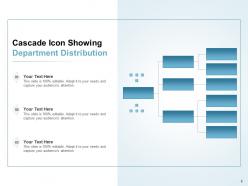
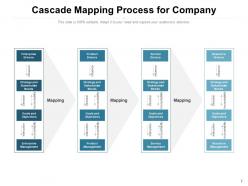
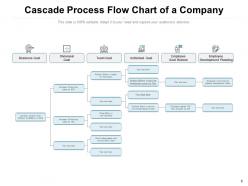
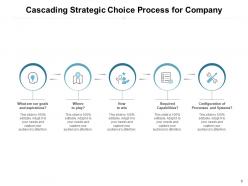

FAQs for Cascade Goals Department Strategic
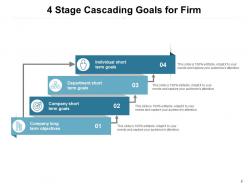
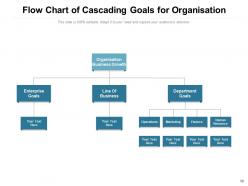
So cascade goals are just breaking down big company stuff into smaller pieces that actually connect. Your CEO sets goals, then VPs make theirs based on that, directors do the same, and it trickles down to you. Way better than everyone doing random work that doesn't matter. The whole point? Your daily tasks should tie back to what your boss is trying to hit. It's honestly pretty smart - keeps teams from going in totally opposite directions. I'd start by checking what your manager's goals are. Then figure out how your work fits in. Makes everything feel less pointless, you know?
First thing - get your department heads to translate those big company goals into stuff their teams actually care about. Sales quotas, sprint deadlines, campaign metrics, whatever. Most places totally bomb this step because nobody explains how their daily work connects to the bigger picture. Set up regular check-ins between departments so they can catch problems early. Oh, and build some kind of dashboard where people can actually see their impact on company goals in real-time. Don't be one of those "set goals in January then ignore them" companies.
Honestly, the best part is just being able to see everything laid out - how each little task actually connects to your big goals. Makes prioritizing way less of a headache. Your team gets it too since they can finally see why their work matters beyond just checking boxes. Plus you can track stuff at different levels without losing your mind. Resource allocation becomes obvious when you spot which areas need more help. Oh, and gaps in your planning? They jump right out at you. I'd just start mapping what you're already doing - even messily at first.
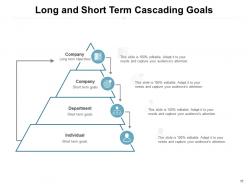
Honestly, cascade goals are a game-changer for that whole "wtf am I even doing" feeling at work. You can literally trace your daily tasks up through team goals, then department stuff, all the way to the big company vision. Pretty cool when you think about it. Plus everyone can see what other teams are working on, which makes collaboration way less awkward. No more guessing games about priorities. I'd start by just mapping out how your current projects connect to the bigger picture - might surprise you how much sense it all makes once you see it laid out.
Yeah totally! Break down the big company goals into stuff each person can actually control. Like if the company wants 20% more revenue, maybe your sales guy needs to hit 15 qualified leads per month. Way more concrete than those weird corporate metrics that don't mean anything. Each person should be able to draw a clear line from their daily work to the team's bigger objectives - honestly makes reviews so much less painful. I'd start with maybe 2-3 individual goals that connect up to what the team's trying to accomplish. Makes everything feel more purposeful too.
Honestly, you can't do cascade goals without decent tech - it's just impossible to track everything manually. I learned this the hard way with endless spreadsheets that were always wrong. Good software lets you see progress instantly and keeps teams aligned with company objectives. Plus it catches when stuff goes sideways before it becomes a disaster. The trick is picking something that works with tools you're already using daily instead of adding another headache to your workflow. Maybe start by looking at what your teams actually use now?
So you basically want to check if your goals actually connect, right? Start by seeing if lower-level stuff genuinely feeds into the bigger picture. Survey people to make sure they get how their work matters - you'd be surprised how often teams are totally lost on this. Track completion rates, obviously, but also do regular check-ins on goal quality. Honestly the whole thing falls apart if people don't buy in. The real test though? Whether hitting individual targets actually moves your main numbers. It's kinda like dominoes - gotta make sure they're lined up before you knock them over.
Honestly? The main thing that trips people up is alignment confusion - like, nobody knows how their work actually connects to the bigger goals. Teams waste weeks arguing about whether their objectives make sense together. When leadership pivots (which they always do), it screws up everyone's quarterly plans. People hate the extra work of tracking all these interconnected goals too. Communication gets messy fast. Oh, and the cascading thing is harder than it looks - one change up top creates chaos below. I'd say start super small with maybe 2-3 objectives first. Get that down before rolling it out everywhere.
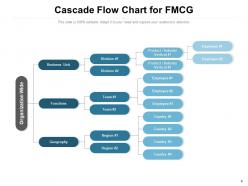
Here's the thing - people get way more fired up when they actually see how their work matters. Cascade goals show your team the direct line between what they're doing daily and the big picture stuff. It's wild how much this changes motivation levels. Your employees suddenly feel like they're contributing to something real instead of just checking boxes. Teams stop working against each other too, which honestly should've happened ages ago. Map out how everyone's tasks connect upward - like, literally draw the lines from individual work to department goals to company objectives. That visual hits different.
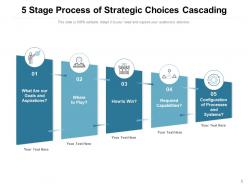
Okay so first thing - tie everything back to your main project goal, that's your baseline. Each level should get more detailed as you work down, but seriously don't go overboard with layers because people just tune out. Get your team leads involved in writing their own goals instead of micromanaging from the top. They actually know what they're doing day-to-day. Make sure you can measure the goals and set deadlines. Check in regularly so you can pivot if something's not working. Oh and write it all down clearly - I've seen too many projects fail because nobody knew what "done" looked like.
So cascade goals are basically connecting the dots between your company's big vision and what people actually do every day. Each level gets more specific - like your CEO cares about revenue growth, but your marketing team focuses on lead gen numbers. Honestly, most places suck at this part. When it works though, nobody sits in meetings wondering why they're wasting time on random projects. You'll want to map out what you've got first and spot where things don't connect. It's pretty cool when everyone finally gets how their work matters to the bigger stuff happening.
Honestly, just start by mapping your sprint goals back to whatever big company OKRs you're supposed to hit. Break those quarterly targets into sprint-sized pieces that actually make sense. The cool thing about Agile is you can tweak goals during retros when you figure out what's working (or isn't). But here's where teams mess up - they make everything too rigid. Your cascaded goals need room to breathe and adapt mid-sprint. I'd literally just look at your current sprint goals first and see how they connect to broader objectives. You'll probably find some weird gaps that need fixing.
Honestly, you've gotta model this stuff yourself first. Talk about how your work connects to the bigger picture, and your team will start doing it too. Don't save these conversations for annual planning - bring them up regularly. I love asking "how does this ladder up to our main goals?" in random meetings. Sounds cheesy but it works. Also celebrate when people make those connections on their own - call it out publicly. The trick is getting your team to help identify these links instead of you just lecturing them about it. Way more effective when it feels collaborative.
So I'd check out Weekdone, Lattice, or 15Five first - they're made for this exact thing and have solid visual mapping. Honestly though, don't sleep on basic spreadsheets or Miro boards. Sometimes the fancy tools just complicate things when you're getting started. Monday.com and Asana have decent goal templates too that connect objectives across teams. The real trick is finding whatever your people will actually stick with (because the best system is useless if nobody opens it). I always tell people to grab a platform template first, then tweak it once you see how your goals actually cascade down.
Yeah, just talk to your manager about shifting things around - most companies do quarterly check-ins where you can actually modify targets or dump goals that don't make sense anymore. Honestly happens all the time, even though it probably shouldn't need to lol. Document why you're changing stuff and give your team a heads up if their goals need to shift too. Don't wait until year-end when it's too late to fix anything. If your priorities have already moved, schedule something with your manager next week. Way better to address it now than pretend everything's still aligned.
-
Excellent design and quick turnaround.
-
Visually stunning presentation, love the content.