


Chronological Timeline Organization Leadership Partnership Business Expansion Acquisition




Try Before you Buy Download Free Sample Product
 Impress Your
 Audience
 100%
100% Editable
 Save Hours
 of Time


Our Chronological Timeline Organization Leadership Partnership Business Expansion Acquisition are topically designed to provide an attractive backdrop to any subject. Use them to look like a presentation pro.
People who downloaded this PowerPoint presentation also viewed the following :
Chronological Timeline Organization Leadership Partnership Business Expansion Acquisition with all 12 slides:
Use our Chronological Timeline Organization Leadership Partnership Business Expansion Acquisition to effectively help you save your valuable time. They are readymade to fit into any presentation structure.
-
Chronological Timeline
-
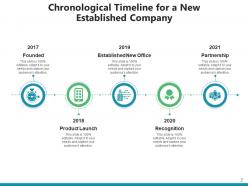
Chronological Timeline for a New Established Company
-
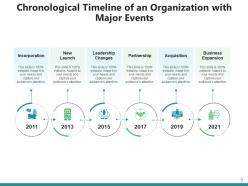
Chronological Timeline of an Organization with Major Events
-
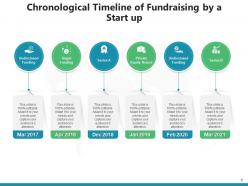
Chronological Timeline of Fundraising by a Start up
-
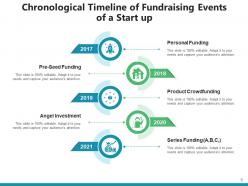
Chronological Timeline of Fundraising Events of a Start up
-

Chronological Timeline of Future Growth Plans
-
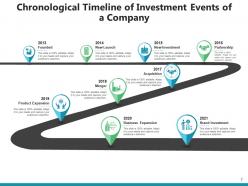
Chronological Timeline of Investment Events of a Company
-
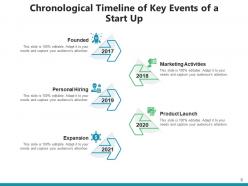
Chronological Timeline of Key Events of a Start Up
-
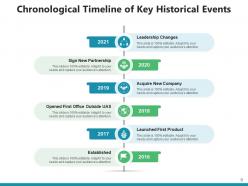
Chronological Timeline of Key Historical Events
-
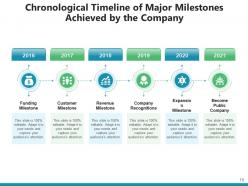
Chronological Timeline of Major Milestones Achieved by the Company
-
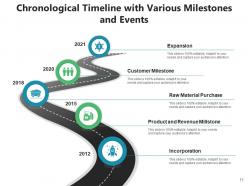
Chronological Timeline with Various Milestones and Events
-
Thank You
FAQs for Chronological Timeline Organization Leadership Partnership
Honestly, you need at least 6-12 months of steady profits first - don't even think about it before then. Cash flow is huge too since expansion eats money fast. Are customers actually demanding more than you can handle? That's a good sign. Your systems better be running smooth because scaling a broken process is a nightmare (learned that one the hard way). Do some real market research on new locations. You'll also need a solid team who won't freak out when things get complicated. The biggest question though - can you fund this without screwing over your main business? Map out those numbers honestly.
Honestly, you need that data before making any big moves. Market research shows you if people actually want what you're selling and what competitors are up to. Pricing becomes way clearer too. I mean, some folks just wing it, but that's basically gambling with your money. Look into market size first, then customer preferences and any regulatory stuff you'll hit. Partnership opportunities usually pop up during research too - which is a nice bonus. Start with free online research, then maybe do surveys or focus groups. Don't dump serious cash until you've got the basics down.
Honestly, tech is like a growth multiplier for your business. You can automate the boring stuff, reach way more customers without hiring tons of people, and actually make data-driven decisions instead of just guessing. Cloud tools are amazing too - no more buying expensive servers upfront like we used to. But here's the thing: don't just chase whatever shiny new tech everyone's talking about. Figure out what's actually slowing you down first. Maybe it's customer service taking forever, or you can't track inventory properly. Then find tech that fixes those specific problems. Way more effective than randomly adopting stuff.
Honestly, don't put everything on one funding source - that's asking for trouble. Mix it up with debt, equity, whatever retained earnings you've got. I've watched so many startups crash because they were way too optimistic about revenue timelines. Build your projections assuming everything takes 20-30% longer than you think (trust me on this one). Map out your cash flow for worst-case scenarios first, not best-case. Set milestones you can actually hit. And yeah, have a backup plan ready if things go south - because they might.
Honestly, start with some solid market research first - figure out what locals actually want and how they buy stuff. Get yourself a local partner or hire someone who knows the area inside and out. Seriously, this'll save you from so many mistakes later. Depending on your budget and how much risk you can handle, you could try franchising, joint ventures, or just dive in with your own investment. Don't forget to tweak your product for local tastes too. Oh, and maybe test things out small-scale before you commit big money? Smart move.
Honestly, scalability can make or break you. It's what separates businesses that grow smoothly from ones that crash when they get busy. Picture building a highway vs. a dirt road - you'll thank yourself later. The systems you set up now decide if going from 100 to 10,000 customers feels manageable or like total chaos. Without it, expansion turns into this expensive mess where you're constantly rebuilding everything (been there, seen it happen). I'd start by figuring out your biggest bottlenecks first. Then design solutions that won't break when you actually succeed.
Dude, cash flow will mess you up faster than anything else - that's what kills most expansions. Finding decent people in new markets is brutal too, and don't even get me started on keeping your company vibe intact when you're suddenly three times bigger. Oh, and whatever systems work perfectly at home? Yeah, they'll probably need tweaking elsewhere. Different states have their own weird rules and regulations to navigate. Honestly though, nail down your finances first and pace yourself - expanding faster than you can actually staff properly is a recipe for disaster.
Honestly, partnerships are a game-changer for growth. You get instant access to stuff you don't have - their customers, skills, whatever. Way better than building everything yourself from zero. I've watched companies literally double their reach in like a month just by teaming up with the right people. The trick is finding partners who are strong where you're weak, not trying to compete with you. Map out what you need vs what you bring to the table first. Oh, and if you want to break into new markets? Find someone local who actually knows how things work there. Saves you tons of time and mistakes.
Honestly, focus on the basics first - revenue growth, how much you're spending to get each customer, and when you'll actually turn a profit. Market penetration tells you if people actually want what you're selling there. Keep an eye on your cost per unit too, because scaling gets messy fast. Customer satisfaction is huge - pissed off customers will torpedo you before you even get started. Cash flow though? That's the real killer. Expansions eat money like crazy. Set up some kind of weekly tracker so you're not flying blind. Trust me, you want to catch problems early rather than scrambling later.
Dude, international expansion is no joke legally. Corporate structure is your first move - figure out what entity type works in that country. Employment laws are completely different everywhere, so research hiring rules and contracts. Tax stuff will make your head spin because you're dealing with local taxes plus avoiding double taxation. IP protection varies wildly too. If you're going into Europe, data privacy rules are intense. Oh and some industries need special licenses. Honestly? Just hire a local lawyer from day one. I learned this the hard way - don't try going solo on this mess.
Honestly, your customers are basically telling you exactly where to expand next. Pay attention to what they keep asking for - new locations, different services, stuff you don't carry yet. I actually love reading the bad reviews because people get really specific about what's missing. Survey your regulars about what would get them coming back more often or spending extra. Then just rank your ideas by how many people want it vs. how realistic it actually is. Oh and definitely test things small first - like a pop-up or limited run - before you commit to anything big. Way less risky that way.
Culture's huge for expansion - probably the biggest thing people mess up. You'll lose it fast if you're not intentional about passing it on to new locations. I've watched companies grow and suddenly their different offices feel like totally separate businesses, which is weird and counterproductive. Strong culture keeps everyone making decisions the same way and helps new people fit in quicker. Quality stays consistent too. My advice? Write down your core values before you expand (like actually document them) and build systems to get new hires bought into them immediately. Otherwise you're just creating a bunch of mini-companies under one name.
Look, you've gotta bake training into your plan right from the start - don't wait until you're drowning. Document literally everything so knowledge isn't stuck in one person's brain (learned this the hard way). Pair newbies with your solid people for mentoring - honestly works better than boring training sessions half the time. Do regular check-ins those first 90 days to spot problems early. Budget real money and time for this stuff too. Without proper training, growth just turns into expensive chaos. Oh, and start writing down your processes like... now.
Honestly? Franchising's pretty sweet for fast expansion since other people fund the locations. You get local expertise too, which helps. But here's the thing - you're basically handing over control of your brand to strangers. That would stress me out big time. Sure, you'll collect franchise fees, but there's legal stuff to deal with and you can't micromanage daily operations anymore. Really depends if you can handle watching from the sidelines while your business grows faster with less risk. I'd definitely chat with some franchisors first - maybe grab coffee with a few?
Dude, digital marketing is perfect for this. Way cheaper than old-school advertising and you can actually target people in specific cities or regions. I'd start with one area first - maybe run some Facebook or Google ads to test the waters. The cool thing is you'll see pretty quickly what's working. A/B test different messages, see which demographics bite. Then just throw more money at whatever's converting. Social media's probably your best bet honestly. You get all this data showing exactly who's interested, so you're not just throwing darts in the dark. Scale up from there once you've got some wins.
-
Unique and attractive product design.
-
Great product with highly impressive and engaging designs.
-
The content is very helpful from business point of view.
-
I discovered this website through a google search, the services matched my needs perfectly and the pricing was very reasonable. I was thrilled with the product and the customer service. I will definitely use their slides again for my presentations and recommend them to other colleagues.
-
Qualitative and comprehensive slides.
-
Innovative and attractive designs.
-
Appreciate the research and its presentable format.
-
Presentation Design is very nice, good work with the content as well.
-
Good research work and creative work done on every template.
-
Great designs, really helpful.
-
Page:
- You're currently reading page 1
- Page 2
-
