

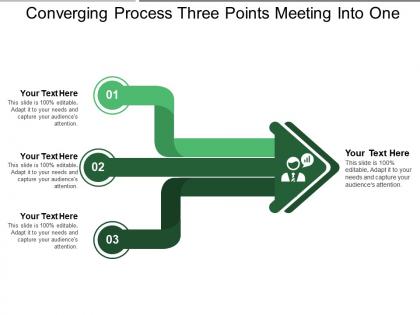
Converging process three points meeting into one





Try Before you Buy Download Free Sample Product
 Impress Your
 Audience
 100%
100% Editable
 Save Hours
 of Time


Flesh out your plans with our Converging Process Three Points Meeting Into One. Your thoughts will get the muscle they need.
People who downloaded this PowerPoint presentation also viewed the following :
Converging process three points meeting into one with all 5 slides:
A client's faith is your central need. Our Converging Process Three Points Meeting Into One excel in this aspect.




FAQs for Converging process three points
Honestly, integration is a game-changer for data flow between your systems. No more manual copying stuff around (which always leads to mistakes anyway). Your tools actually start talking to each other instead of just sitting there doing their own thing. Real-time visibility across teams becomes possible, decisions happen faster, and your people stop wasting hours on boring repetitive work. The ROI usually pays off since you're not duplicating efforts everywhere. I'd map out your current data flows first - that'll show you where integration would make the biggest difference day-to-day. Trust me, it's worth the upfront effort.
Ugh, data silos are the worst - like when marketing says you have 500 customers but sales insists it's 750. Nobody knows who's right! Getting your systems to actually talk fixes this mess. You'll have one version of the truth instead of everyone working off different spreadsheets. Real-time syncing means no more awkward meetings where Karen from accounting has totally different numbers than everyone else. Manual data entry errors basically disappear too. I'd start with whatever's causing your biggest headaches between departments first - probably customer data or sales figures.
APIs are how you get different services talking to each other without losing your mind. Why build a payment system from scratch when Stripe already nailed it? Same goes for auth, messaging, data stuff - whatever you need. You just connect these services together and boom, your users think you built this massive platform when really you're just the conductor. I learned this the hard way after spending weeks building features that already existed elsewhere. Map out what third-party services could replace the boring stuff you're coding yourself.
Look, integration patterns will absolutely make or break your system's performance. REST APIs are dead simple but they create nasty bottlenecks - everything just sits there waiting for responses. Async messaging with queues? Way better throughput and your services aren't stuck waiting on each other. Event-driven stuff scales like crazy but honestly the complexity can get out of hand fast. Batch processing crushes heavy data loads but obviously no real-time there. I'd probably go async messaging for most things - gives you solid performance without making your life miserable managing all that complexity.
Ugh, where do I even start? Outdated APIs are brutal - half the time there's zero documentation. Your legacy stuff wasn't made for integration, so you're stuck with weird proprietary protocols and ancient databases. Security's a total headache since old systems don't play nice with modern authentication. Performance bottlenecks are basically inevitable too. Honestly, I'd map out your data flows first and figure out which integrations you absolutely need. Start there instead of going crazy trying to connect everything at once.
Honestly, cloud integration is a game changer - you can get new connections running in days instead of waiting months like the old way. When your business needs change (and they always do), you're not stuck in some endless dev cycle. The best part? Someone else deals with all the server maintenance garbage while your team actually works on stuff that matters. Most platforms come with connectors already built for popular apps, plus they scale automatically. Oh, and definitely start by mapping out your most important data flows first. Then just find whichever platform plays nicest with what you're already using.
Honestly, you'll want to nail three things: get everyone talking clearly, secure buy-in from stakeholders, and roll it out in chunks. Don't try doing everything at once - that's a recipe for disaster. Getting executive support upfront is huge because without it, your project gets pushed to the back burner real quick. Break the whole thing into smaller phases you can actually manage. Test each one before moving on. Oh, and pick some integration champions from each team - trust me, you'll need people who can jump on problems when stuff inevitably goes sideways. Clear goals and timelines prevent most of the headaches.
Honestly, integration is a game-changer because all your data lives in one spot. Sales, inventory, customer stuff - it all syncs up so you can actually see what's happening in real time. No more hopping between three different systems like some kind of data detective. You'll spot trends way faster and can pivot immediately instead of that whole "let me pull some reports and circle back" dance we've all done. The trick is making sure the most important data flows to wherever you're actually making the calls. Trust me, once you have it set up right, you won't know how you lived without it.
Yeah, integration totally opens up more attack vectors - more connections means more ways for bad actors to get in. Each system you connect inherits the other's security flaws, which honestly keeps me up at night sometimes. The data flowing between platforms creates these pathways that need constant monitoring. Good API security helps a ton though. Encrypt everything in transit and audit your endpoints regularly. Oh, and map out your data flows first - sounds boring but you can't secure what you don't understand. Start there and work backwards.
Track your tech stuff first - API response times, sync accuracy, error rates. That's the foundation. But honestly? The business side matters more. Are people less annoyed doing their jobs? Manual work dropping? I'd set up a simple dashboard, nothing fancy. Check it monthly, not daily (you'll drive yourself crazy). The soft metrics are huge - if your team's still complaining constantly, something's broken regardless of what the numbers say. Process efficiency gains are nice, but happy users mean you actually succeeded.
Honestly, start by making sure it actually connects to everything you're using now - learned that the hard way when our old CRM was basically incompatible with half the platforms we looked at. Some are really technical and need a developer, others you can just drag stuff around. Budget's obviously a thing, but also think about whether it'll grow with you. Security matters depending on what kind of data you're moving around. I'd definitely try a small test project first instead of going all-in. Way easier to pivot if it doesn't work out how you expected.
First thing - map out your data flows and clean up those duplicates. Seriously, fixing messy data later is such a headache. Get your field mappings sorted between CRM, marketing tools, support stuff, accounting software, whatever you're using. APIs beat manual exports every time (unless you enjoy repetitive tasks, which... why?). Automated syncs are great but throw in some validation rules so errors don't slip through. Oh, and definitely test in sandbox first - learned that one the hard way. Train your team on new workflows before flipping the switch or you'll get a million confused Slack messages.
Integration just means making your apps talk to each other instead of working in separate bubbles. Like when Slack shows GitHub updates automatically, or Jira feeds into your dashboards without you doing anything. Honestly? It saves so much time on those "hey what's happening with..." messages. People can jump in and see what they missed while they were sleeping (super helpful with global teams). No more boring status meetings either - well, fewer anyway. Start with whatever tools you use most. That's where you'll actually notice the difference instead of connecting random stuff that doesn't matter.
API-first stuff is everywhere now, plus event-driven systems are taking off. Low-code platforms let non-tech people build integrations too, which is pretty cool. Everything's going cloud-native with microservices that actually talk to each other properly. AI is starting to handle the boring data mapping work automatically - honestly about time. Real-time streaming beat out batch processing. Oh, and here's the thing that matters most: treat your integrations like products. Make them reusable and document them well. Trust me, you'll hate yourself later if you don't. Your teammates will too.
Dude, integration is like magic once you get it right. Your CRM talks to your support tools, marketing stuff connects - everything flows together. Customers stop having to repeat their whole story every time they contact you (which honestly drives people insane). Your team sees the full picture of what's been happening. You can actually predict what someone needs before they even ask. Issues get solved way faster too. I'd start by just writing down everywhere customers interact with you, then figure out where the biggest gaps are. Trust me, it makes a huge difference.
-
Appreciate the research and its presentable format.
-
Excellent products for quick understanding.