


CTI Cybersecurity Powerpoint PPT Template Bundles




Try Before you Buy Download Free Sample Product
 Impress Your
 Audience
 100%
100% Editable
 Save Hours
 of Time


Enhance your cybersecurity defense with our comprehensive CTI Cyber Threat Intelligence presentation. Dive into the world of proactive security measures, leveraging Threat Detection, Incident Response, and Security Analysis. Understand the significance of Threat Indicators and explore the power of Threat Intelligence Sharing to fortify your cybersecurity operations. This presentation equips you with strategic insights into identifying, analyzing, and mitigating potential threats, providing a robust defense against evolving cyber risks. Elevate your security posture and stay ahead in the cybersecurity landscape with the knowledge and tools presented in this CTI focused presentation.
People who downloaded this PowerPoint presentation also viewed the following :
CTI Cybersecurity Powerpoint PPT Template Bundles with all 24 slides:
Use our CTI Cybersecurity Powerpoint PPT Template Bundles to effectively help you save your valuable time. They are readymade to fit into any presentation structure.















FAQs for CTI Cybersecurity Powerpoint
Your CTI program needs four core things to actually work. First, collect data from everywhere - internal logs, threat feeds, dark web stuff. Then you need analysts who can cut through the BS and find what matters. Good analysis tools are obviously crucial too. But here's where everyone screws up: intelligence sharing. I've seen so many teams with killer intel that just dies in some report nobody reads. Honestly, figure out what decisions you're trying to support first, then work backwards. Don't just hoover up random threat data and hope it'll be useful later.
So CTI is basically like having a heads-up on what hackers are planning before they hit you. Your security team gets to see their actual tactics and what vulnerabilities they're going after. Way better than just scrambling after an attack happens. It feeds into pretty much everything - threat hunting, incident response, how you configure your tools. Honestly, most companies just collect reports and let them gather dust though. The whole point is using that intel to actually update your defenses. Otherwise you're just paying for expensive paperwork.
You'll want to start with the free stuff - government feeds from CISA and MISP communities are solid. Commercial feeds like Recorded Future come later when you've got budget. Your own incident logs are goldmines that people overlook. Security blogs and vuln databases are obvious ones. Social media monitoring is weirdly effective since hackers can't help but show off online. Dark web stuff too if you can swing it. Industry sharing groups are clutch for real-world intel. Don't forget your security vendors - they usually have decent threat research teams. Honestly, there's almost too much data out there, but that's better than flying blind.
Look at their track record first - have they been right before? Their collection methods matter too, like whether they're citing actual primary sources or just recycling stuff everyone else already reported. Timing's huge since old threat data won't help you much. Make sure they actually cover your industry - some feeds are pretty niche. I always cross-check with 2-3 other solid sources to catch any weird inconsistencies. Oh, and set up some basic scoring system for accuracy, relevance, and how fresh the intel is. Honestly saves you from wasting budget on garbage feeds that look impressive but deliver nothing useful.
Honestly, automation is what saves your sanity in CTI work. Without it, you'd be drowning in manual data collection and feed processing all day - trust me, been there. Set up scripts for the boring stuff: indicator enrichment, basic threat hunting queries, initial analysis. Your analysts need to focus on the actual thinking and strategic calls, not copying data around. I'd start by looking at whatever manual process is eating up the most time each week. That's your first automation target. The repetitive tasks? Those should basically run themselves while your team tackles the complex problems that actually matter.
Yeah, so here's the thing - bad actors actually read all the same threat intel we do. They're constantly checking security blogs and IOC feeds to see if their stuff got exposed. Once they spot themselves, boom, they switch everything up. I noticed some even follow security conferences to stay ahead of new defenses, which is honestly pretty clever of them. It's this bizarre cat-and-mouse game where everyone's working from the same cheat sheet. My advice? Don't rely too heavily on signature detection since they know what you know. Focus more on spotting weird behaviors instead.
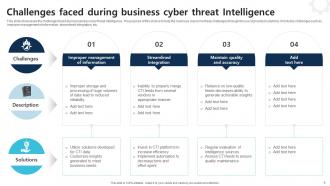
Honestly, the data overload thing will hit you first - you'll drown in threat feeds that don't even apply to your setup. Integration's a nightmare too since nothing talks to each other properly. Your SIEM will hate half the formats you throw at it. Training your team is trickier than you'd think because CTI work is pretty different from regular security stuff. Oh, and everyone wants to go big immediately which is a mistake. Pick one solid feed that actually matches what you're defending against. Let your team figure out the process first, then add more feeds later. Trust me on this one.
Track both the hard numbers and the softer stuff. Mean time to detection, response times, how many threats you're actually stopping - that's your baseline. But honestly, the qualitative metrics are just as crucial. Survey your analysts regularly - are they finding the intel useful or just noise? 3-4 solid metrics that match your security goals work better than trying to measure everything. Here's the thing though: if your CTI isn't actually changing how you defend, you're probably wasting time and money. Focus on what moves the needle.
Dude, first thing - strip out any personal info or stuff that exposes your own network weaknesses before sharing anything. Privacy laws are no joke. Check if you're even allowed to share that intel in the first place - some of it might be classified or proprietary. Legal agreements are huge too, like NDAs or formal sharing pacts with whoever you're working with. Honestly, I'd start by digging into your company's data classification rules. CTI sharing can get messy fast if you don't cover your bases legally. It's worth being paranoid about this stuff.
Threat intel platforms are all over the place honestly. Anomali and ThreatConnect are like the Swiss Army knives - packed with features but good luck figuring out where everything is without a manual. MISP's more straightforward, and Recorded Future does specific stuff really well. Budget matters obviously, but so does whether your team can handle the complex ones or needs something simpler for basic IOC stuff. I'd definitely trial a few first - what looks good on paper might be a nightmare to actually use daily. Your workflow's gonna tell you more than any feature list will.
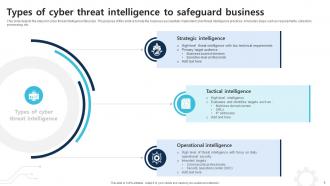
So strategic intel is the big picture stuff - geopolitical risks, emerging threat trends that'll hit your business in like 6 months to years. Your C-suite actually cares about this one. Operational intel focuses on specific campaigns targeting your industry. Honestly most security teams live here because it's super practical. Then tactical intel is your immediate technical stuff - IPs, file hashes, malware signatures you can throw right into your tools. I always think of it like a pyramid, you know? Strategic up top for planning, operational for understanding what's coming at you, tactical for blocking attacks today.
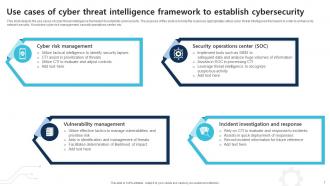
Honestly, sharing threat intel is a game changer. You can't see every attack vector on your own - nobody can. When you pool data with other orgs, you're filling gaps you didn't even know existed. False positives drop because you can cross-check findings with peers. Detection gets way faster too. I'd start with an industry ISAC or one of those threat sharing platforms where you can stay anonymous at first. The collective intelligence thing actually works - you'll spot campaigns that would've totally blindsided you otherwise. It's like having extra eyes everywhere.
So AI/ML is totally changing the CTI game right now. Instead of analysts spending hours sifting through data, you can automate most of that grunt work - pattern detection, threat hunting, predicting attack methods. The speed improvements are honestly insane. But don't think you can just fire all your human analysts yet. They're still crucial for validating what the AI finds and catching those weird edge cases that slip through. False positives are definitely still a thing. My advice? Don't try to revolutionize everything overnight. Pick one or two AI tools and work them into your current setup first.
Look at three main things when you're sorting through threat intel. First, does it actually matter for your setup? I wasted so much time early on tracking threats for tech we didn't even use - total rookie move. Second, how solid is your intel source? Some feeds are garbage, honestly. Third factor is potential damage to your business. Start with the high-confidence stuff that could really mess up your operations. Work through those first, then tackle the rest. Don't get caught up trying to address every single threat - you'll burn out your team and miss the ones that actually count.
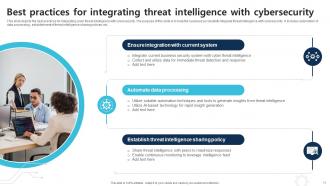
Honestly, ISACs are your best bet - they're the real deal for sector-specific threat sharing. Just make sure you anonymize anything sensitive first, goes without saying. Share IoCs, attack patterns, that kind of stuff rather than dumping raw data everywhere. The community thing is huge though - you can't just take intel without giving back or people will notice. STIX/TAXII formats help since everyone can actually parse what you send. Oh, and trust comes first. I learned that one the hard way. Once you've got solid relationships, share everything early.
-
Great product with highly impressive and engaging designs.
-
A library of engaging, customizable and content-ready templates.