

Cyber Security In Automotive Powerpoint Ppt Template Bundles




Try Before you Buy Download Free Sample Product
 Impress Your
 Audience
 100%
100% Editable
 Save Hours
 of Time


Introducing our comprehensive PowerPoint presentation PPT on Cybersecurity in Automotive your definitive guide to fortifying your vehicles with cutting-edge measures such as Automotive Cyber Defense, Vehicle Cybersecurity, and Connected Car Security. In the era of smart and connected vehicles, safeguarding against cyber threats is paramount. This presentation delves into the intricacies of Automotive Cyber Defense, ensuring that your vehicles are fortified against evolving cyber risks. Explore the critical dimensions of Vehicle Cybersecurity, where robust protocols and technologies shield your automobiles from unauthorized access and digital breaches. Delve into the world of Connected Car Security, understanding how to secure the communication networks that make modern vehicles intelligent. Whether you are an automotive professional, a cybersecurity expert, or an enthusiast, this PPT equips you with the knowledge and strategies to navigate the complex landscape of cybersecurity in the automotive industry. Elevate your understanding and defenses against cyber threats with our Cybersecurity in Automotive presentation.
People who downloaded this PowerPoint presentation also viewed the following :
Cyber Security In Automotive Powerpoint Ppt Template Bundles with all 28 slides:
Use our Cyber Security In Automotive Powerpoint Ppt Template Bundles to effectively help you save your valuable time. They are readymade to fit into any presentation structure.








FAQs for Cyber Security In Automotive Powerpoint
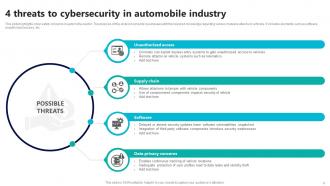
So the main stuff to worry about is hackers getting in through your internet connection, malware messing with your touchscreen/entertainment system, and attacks on car-to-car networks. It's crazy how many ways in there are now. They can steal your location data or even mess with brakes and steering - though that's like worst-case scenario stuff. Oh, and they're cloning key fobs now too, which is annoying. Fleet vehicles get hit with ransomware pretty often. Just keep your car's software updated and don't plug random stuff into it.
Code signing and encrypted channels are your starting point - get those locked down first. Secure boot processes will verify firmware before installation, which honestly saved my butt once when a sketchy update almost bricked everything. Set up rollback mechanisms too because updates love to fail at the worst moments. Digital certificates authenticate your sources, and definitely segment update systems from critical vehicle stuff. Think of it like building layers of security - multiple verification steps, secure storage, never trust without authentication. Oh, and audit your current process for holes first.
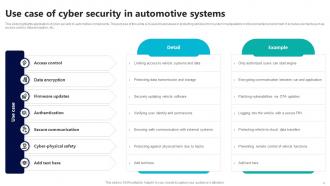
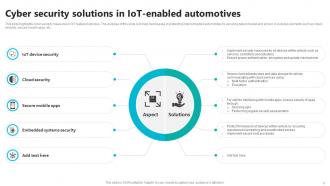
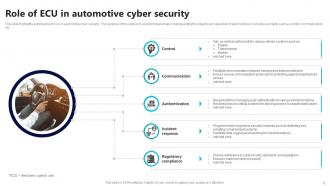
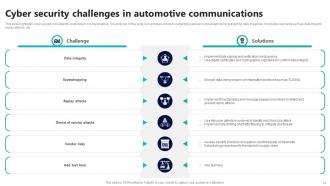
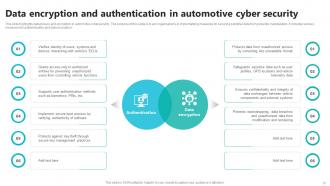
So basically your car needs two things to stay safe - encryption and authentication. Encryption scrambles all the data flying around so hackers can't read it even if they grab it. Authentication checks that whoever's talking to your car is legit, not some sketchy person pretending to be Toyota or whatever. Without both of these, someone could totally spy on your car's communications or mess with it remotely. Honestly, it's wild how connected cars are these days. You'll want strong encryption protocols and multi-factor authentication - that's your best bet for keeping the bad guys out.
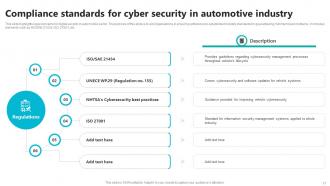
So basically these new rules like ISO 21434 and UN-R 155 are making car companies actually think about cybersecurity from the start instead of slapping it on later. Which honestly should've happened years ago with how connected everything is now. They have to do proper risk assessments, set up monitoring systems, keep pushing security updates - the whole deal. You can't just build a car and forget about it anymore. My buddy in automotive says the smart companies are building this compliance stuff into their process early because scrambling to meet requirements at the last minute is a nightmare.
Dude, self-driving cars are basically computers on wheels with tons of sensors and wireless stuff - huge security nightmare. Physical safety's at stake here, not just data. Hackers could mess with steering or brakes, which is honestly scary as hell. You'd need solid encryption, secure boot systems, intrusion detection, plus constant security patches pushed wirelessly. Oh, and this all has to be built in from the start - can't just slap security on afterward like some afterthought. The attack surface is just massive compared to regular tech.
So for V2X security, you'll want to layer your defenses. First thing - get IEEE 1609.2 encryption running on all vehicle-to-vehicle and infrastructure communications. PKI with proper certificate management lets cars actually verify who they're talking to before sharing data. The attack surface is honestly nuts when everything's connected like this, but what can you do? Zero-trust is your friend here - don't trust any message by default. Also throw in some intrusion detection systems and stay on top of security patches. I know it sounds like a lot, but connected cars are basically rolling computers now.
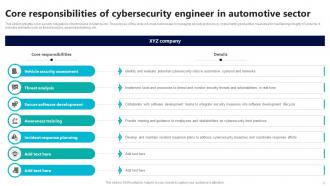
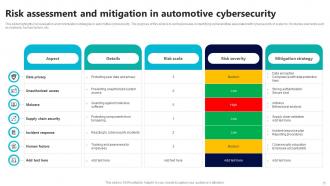
Honestly, you're gonna need a rock-solid incident response plan - detection, containment, recovery, the whole deal. Get 24/7 monitoring running and nail down your communication with customers, dealers, regulators. The scary part? People could literally die if you mess this up, so forget normal IT timelines. Push those over-the-air patches fast. Have offline backups ready to go. Oh, and run tabletop exercises every quarter - I can't stress this enough. You've gotta simulate real attacks and keep updating based on fresh threat intel. Practice makes perfect, especially when lives are on the line.
Third-party vendors are honestly your biggest headache. They usually have terrible security but still get access to critical vehicle systems - one bad supplier can mess up thousands of cars across different manufacturers. Before bringing anyone on, do thorough security checks and keep auditing them regularly. Make sure your contracts spell out exactly what security standards they need to meet. Network segmentation is huge too - only let them access what they actually need, nothing more. I've seen too many companies get burned by being too trusting with vendor access.
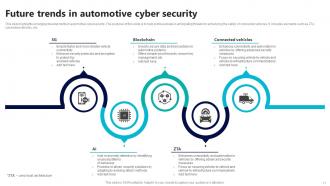
So blockchain basically creates this unchangeable record of all your car's software updates and internal communications. If hackers try to mess with anything, you'd spot it right away since it won't match the verified blockchain data. There's also AI threat detection that learns how you drive - which is honestly kind of creepy but useful. Zero-trust systems are another approach where every single data exchange gets verified. I'd check out what car manufacturers are doing with blockchain for over-the-air updates first. That's where you'll actually see this stuff working in real cars instead of just theory.
So car privacy is kinda all over the place right now - each manufacturer does their own thing. They sort your data by how sensitive it is, with location and biometric stuff getting the heavy encryption treatment. Most cars now have privacy dashboards where you can control what gets shared. Honestly, you should actually check those settings when you first connect instead of just clicking through everything (guilty as charged). The whole system uses data minimization and consent frameworks, but yeah, it's still pretty messy across different brands. At least you've got some control over it.
Honestly, you'll want to hit both the basics and the car-specific stuff. Phishing training is still huge - your dev teams especially need solid secure coding practices. Those factory floor systems? Total hacker candy, so don't sleep on manufacturing security. Get your engineers up to speed on threat modeling for connected cars, and make sure sales/service folks know how to protect customer data properly. Oh, and run some tabletop exercises with real automotive attack scenarios. Skip the death-by-PowerPoint approach though - hands-on training actually sticks. CAN bus attacks and OTA vulnerabilities are where things get interesting.
So basically cybersecurity insurance for cars protects you when hackers target your connected vehicles - data breaches, ransomware, someone remotely messing with your fleet. Pretty scary stuff honestly. It'll cover incident response, legal fees, business downtime, plus liability if a hacked vehicle causes damage. Here's the thing though - regular cyber policies weren't built for vehicles cruising at highway speeds! You need specific automotive coverage for things like failed software updates or compromised telematics systems. Just watch out for exclusions since some insurers still see car hacking as this weird experimental risk they don't fully get yet.
Dude, the timing is perfect for this stuff. Car companies are freaking out because vehicles are basically rolling computers now. They're partnering with cybersecurity firms left and right - threat intel sharing, secure design collabs, incident response teams. Even seeing custom cyber insurance for connected cars, which is pretty smart honestly. The whole space is moving crazy fast. My advice? Hit up the security teams at major automakers directly. They're desperate for these partnerships right now. Well, not desperate... but you know what I mean. Very interested.
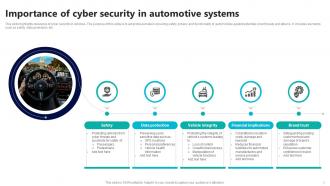
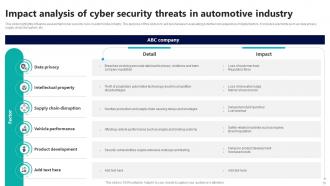
Dude, your car is basically a computer with wheels now, and hackers know it. Back in 2015, some researchers hacked a Jeep Cherokee and took control of the steering and brakes through the damn entertainment system - scary stuff. Toyota and Honda have both gotten hit with ransomware that shut down their factories too. Keep your car's software updated, turn off wireless features you don't actually need, and don't think you're safe just because something seems disconnected. Those USB ports? They're entry points waiting to happen. Honestly, I treat my car's security like my phone now.
Start with the obvious stuff - infotainment systems, telematics, Bluetooth, cellular connections. CAN bus is huge since that's how all the car's computers talk to each other. Honestly, you'll probably want specialists who actually know automotive protocols because regular pentesters might completely miss car-specific issues. Test everything both parked and during simulated driving - some bugs only show up when systems are stressed. Oh, and document like crazy. When you're prioritizing fixes though, think safety impact first, not just how technically bad something looks on paper.
-
This design is not only aesthetically pleasing but it has many uses making the cost worthwhile. The graphics look stunning, and you can edit them as per your needs.
-
SlideTeam is my one-stop destination for templates. Highly recommended!