

Decision making process complete powerpoint deck with slides





Try Before you Buy Download Free Sample Product
 Impress Your
 Audience
 100%
100% Editable
 Save Hours
 of Time


Decision making process let professionals solve the problems by weighing and examining the alternatives. At times, you are at the crossroads where it becomes difficult to choose the right path for yourself and your organization. Therefore, it becomes utmost important to make the right decision. We present you professionally designed decision-making process PowerPoint presentation to make it easy for your business meetings. This readymade complete deck has slides on decision-making process, purpose of the decision, evaluation of alternatives etc. This decision-making process PPT sample covers everything you need to come to the right decision. These decision-making presentation templates support a decision maker to overcome the roadblocks to ultimately lead a company to zenith. Apart from this, with support of our presentation deck, you can also discuss various decision-making methods or decision-making models to inspire each employee to become a part of this critical process. In a nutshell, you can motivate them to go for best alternatives for successful business operations.
People who downloaded this PowerPoint presentation also viewed the following :
Content of this Powerpoint Presentation
Slide 1: This slide introduces Decision Making. State your company name and begin.
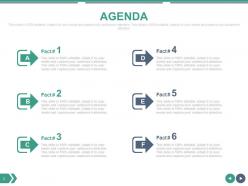
Slide 2: This is an Agenda slide. State your agenda facts here.
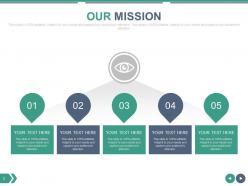
Slide 3: This is Our Mission slide showcasing mission, vision, goals etc.
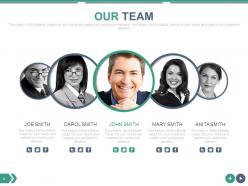
Slide 4: This slide showcases Our Team with name, designation etc. to state information for.
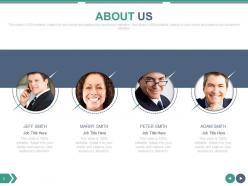
Slide 5: This is an About us slide with name, designation, images and text boxes.
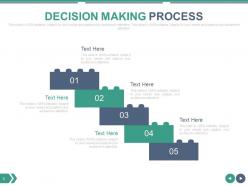
Slide 6: This slide states company Decision Making Process. State them here.
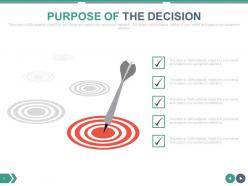
Slide 7: This slide states the Purpose Of The Decision with arrow and target imagery.
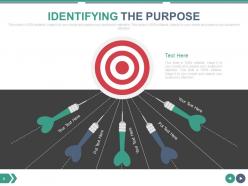
Slide 8: This is Identifying The Purpose slide. State company purpose etc. here.
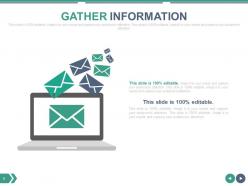
Slide 9: This is Gather Information slide. State informative aspects here.
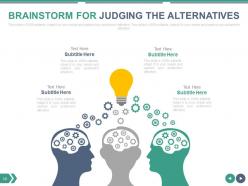
Slide 10: This slide displays Brainstrom For Judging The Alternatives with creative imagery.
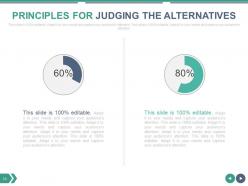
Slide 11: This slide states Principles For Judging The Alternatives presented in percentage.
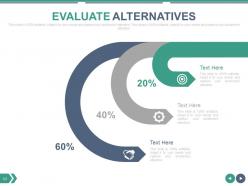
Slide 12: This is Evaluate Alternatives slide.
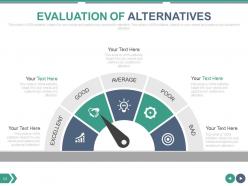
Slide 13: This slide states Evaluation Of Alternatives with creative metrix.
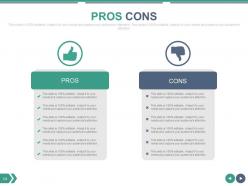
Slide 14: This slide showcases Pros Cons. Mention your company advantages, diadvantages etc. here.
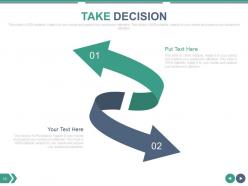
Slide 15: This is Take Decision slide with arrow imagery and text boxes to be filled as desired.
Slide 16: This is another Take Decision slide.
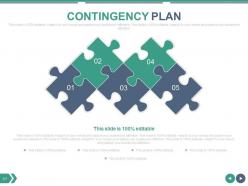
Slide 17: This slide presents Contingency Plan with puzle imagery. Use it as per need.
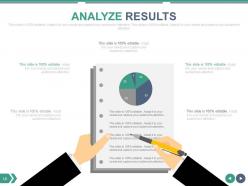
Slide 18: This is Analyze Results with creative imagery and text boxes. You can utilize these as per need.
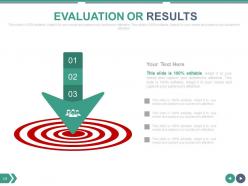
Slide 19: This slide showcases Evaluation Or Results using arrow and target imagery.
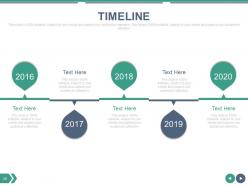
Slide 20: This slide showcases Timeline to present milestones, information etc.
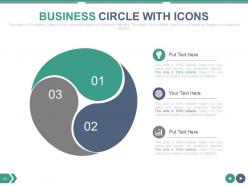
Slide 21: This is a Business Circle With Icons image slide. You can alter/ change them as per need.
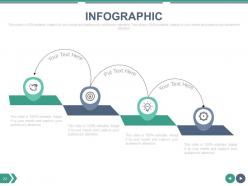
Slide 22: This is an Infographic slide. You can change/ alter the contents as per need.
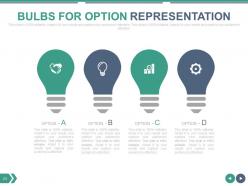
Slide 23: This is Bulbs For Option Representation slide. You can add your options here.
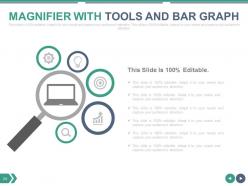
Slide 24: This slide showcases Magnifier With Tools And Bar Graph.
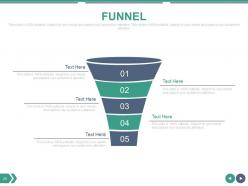
Slide 25: This is a Funnel slide. Showcase the funneling aspect of your team, company, product etc.
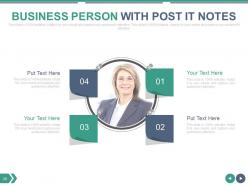
Slide 26: This is Business Person With Post It Notes to showcase important information, reminders etc. You can add/ change image as per need.
Slide 27: This is a Newspaper slide to add memorabilia or highlight important pointers.
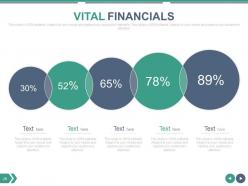
Slide 28: This slide showcases Vital Financials scores, aspects etc. You can alter as per need.
Slide 29: This is a BUSINESS QUOTES slide to present beliefs, convey messages etc.
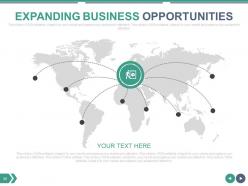
Slide 30: This is Expanding Business Opportunities slide presented on a world map to showcase global growth, segragation etc.
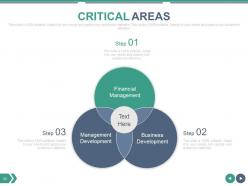
Slide 31: This slide showcases Critical Areas with a venn diagram image. You can add/ change contents as per need.
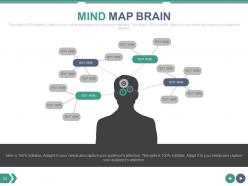
Slide 32: This is Mind Map Brain slide showcasing behavioural segmentation or anything relative.
Slide 33: This is Customer Growth Matrix slide showing- Grow Market share, Market Expansion, Customer Retention, Cross Selling.
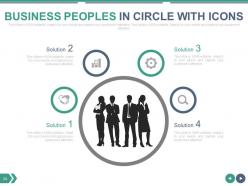
Slide 34: This is Business Peoples In Circle With Icons slide showcasing solutions. These can be modified on the basis of your requirement.
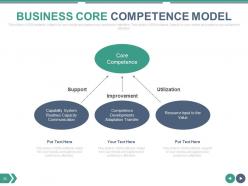
Slide 35: This slide showcases Business Core Competence Model consisting of- Support, Improvement, Utilization.
Slide 36: This is a THANK YOU slide for acknowledgement.
Decision making process complete powerpoint deck with slides with all 36 slides:
Use our Decision Making Process Complete Powerpoint Deck With Slides to effectively help you save your valuable time. They are readymade to fit into any presentation structure.



FAQs for Decision making process complete powerpoint
So there's basically 7 steps: spot the problem, gather info, brainstorm options, weigh them out, decide, actually do it, then see how it went. Honestly, most teams I've seen totally skip the brainstorming part and just go with whatever seems obvious first. Getting good info upfront really matters - you want different viewpoints and actual data, not just gut feelings. The doing part is where things usually fall apart though. Don't just make the decision and walk away! I'd set up little check-ins throughout so everyone stays on track and you'll catch problems before they get ugly.
So basically your brain takes shortcuts instead of actually thinking things through properly. Like confirmation bias - you'll just look for stuff that proves you're already right and ignore everything else. Then there's anchoring bias where you get stuck on whatever you heard first. I swear our brains are kinda dumb sometimes lol. Past experiences mess with how you see new situations too. The trick is catching yourself doing it - just stop and think "wait, what am I not seeing here?" Once you know these biases exist, you can actually fight back against them.
Honestly, data analysis just takes all the guessing out of decisions. You're not relying on gut feelings anymore - you can actually see patterns and trends that show what's really going on. It's kind of like having superpowers for spotting problems you'd totally miss otherwise. Way better than those "oops, that backfired" moments we've all had. The trick is focusing on metrics that actually matter for whatever you're deciding. Otherwise you'll just get buried under a mountain of random numbers that don't help anyone.
Oh man, group dynamics are wild - I've watched smart people make absolutely garbage decisions because of peer pressure. Groupthink is the worst culprit where everyone just nods along to avoid rocking the boat. Then you've got that one person who talks over everyone else. Plus hierarchies totally screw things up since newer folks won't speak up even when they're spot on. My advice? Start with anonymous suggestions first, assign someone to play devil's advocate (kind of annoying but it works), and actually drag the quiet people into the conversation. Those are usually the ones with the good ideas anyway.
Dude, visual stuff is a game changer for tough decisions. I always grab a whiteboard and sketch things out first - flowcharts, decision trees, whatever works. Something about seeing it laid out just makes everything click, you know? Abstract concepts suddenly make sense when they're right there in front of you. Your brain catches patterns it would totally miss otherwise. Oh and if you're working with others, everyone's literally on the same page instead of talking past each other. Honestly can't make big calls without drawing something out first.
Ugh, analysis paralysis is the worst! Here's what actually works for me: set a hard deadline and stick to it. Like "I'm deciding by 3pm today" or whatever. The 80% rule is huge too - if something hits most of your boxes, just go with it. Perfect doesn't exist anyway, and you'll drive yourself crazy looking for it. Oh, and break massive decisions into bite-sized pieces. Way less overwhelming that way. Honestly though? The coin flip trick is underrated. You don't even need to follow what it says - just pay attention to whether you're secretly hoping for heads or tails. Your gut usually knows.
Honestly, there's no magic "best" way to make decisions - it really just depends on what you're dealing with. When you've got time and solid data, the logical approach usually pays off. You can defend those choices later too. But intuitive decisions? They're actually pretty solid when you know your stuff - your brain picks up on patterns way faster than you think. I've seen people overthink simple hiring choices when their gut reaction after interviews was spot-on. Complex budget stuff though? Yeah, definitely crunch those numbers. The key is just matching your approach to what's in front of you.
Look at who gets affected by whatever you're deciding - are you being fair to everyone? Can you actually defend your reasoning if someone calls you out? I picture myself explaining it to whoever's most impacted, which honestly just makes me less likely to BS myself. Watch for conflicts of interest too, even tiny ones. The real question is whether you're doing this because it's actually right or just because it's convenient for you. Oh and definitely bounce it off someone you trust - sometimes you need that outside perspective when you're too close to see clearly.
So basically you create 3-4 different scenarios instead of just assuming one thing will happen - like what if the economy tanks, or a new competitor shows up, whatever. Then you test how your strategy would actually work in each situation. Honestly, it's way better than trying to predict the future (which never works anyway). The whole point is catching your blind spots and making sure you're not totally screwed if things go sideways. Just pick whatever big decision you're wrestling with and map out three possible ways it could play out. You'll definitely notice risks you missed before.
Honestly, AI is a game-changer for making decisions faster. It'll crunch through tons of data in seconds and spot patterns you'd never catch. Plus it can run scenarios and show you what might happen before you actually do anything - which has saved me from some questionable choices, not gonna lie. The bias thing is huge too since it just gives you straight facts instead of whatever your brain wants to see. You're still calling the shots obviously. But now you've got way better info to work with. I'd start with smaller stuff first though, just to get the hang of it.
Honestly, measuring decision effectiveness isn't rocket science - just track both the hard numbers and the fuzzy stuff. Did you hit your original targets? Check ROI, cost savings, time saved, whatever you were aiming for. Process-wise, look at implementation speed and whether people were happy with how things went. But here's what I think matters most - would you make that same call again? That question tells you everything. Oh, and definitely set up your measurements beforehand so you're not desperately trying to prove it worked later. Team morale changes are huge too, even if they're harder to measure.
Yeah, this stuff gets tricky fast. Some cultures want everyone to agree before moving forward, while others just expect the boss to decide. I've seen people from hierarchical backgrounds stay super quiet until someone senior speaks up. Then you've got teammates who dive straight into arguments - honestly can be jarring at first! Direct communicators will just tell you what's up, but others hint at things and assume you'll figure it out. My advice? Figure out how each person operates early on. Set up processes that don't leave anyone confused or steamrolled.
Start by mapping out who actually needs a voice in this - then mix it up with workshops, surveys, and regular check-ins. Focus groups work well, or just do one-on-one interviews if that's more your style. Online polls are clutch too since people like options for giving feedback. Here's the thing though - you've got to be upfront about how you'll use what they tell you. Actually show them what happened with their input afterward. Set clear expectations about their role from the start and don't flake on your communication timeline. People hate being left hanging.
Your timeline totally changes what matters most. Short-term? You're putting out fires and chasing quick wins. But long-term decisions are different - you'll invest in relationships, make strategic moves, even take some hits now for bigger gains later. I swear the "right" choice can be completely opposite depending on your timeframe. Before any major decision, just ask yourself: am I optimizing for this quarter or the next three years? That question alone will shift your whole priority list. Sounds obvious but most people never actually think about it.
Oh man, the worst ones are definitely analysis paralysis and confirmation bias. You know how you keep digging for "just one more piece of info"? That'll kill you. Plus we all just look for stuff that backs up what we already think anyway - it's so annoying but true. Pressure decisions are brutal too. I've made some truly dumb choices when I'm stressed lol. Here's what actually works though: give yourself a hard deadline first. Then force yourself to hunt down info that proves you wrong. Sounds weird but it helps. When you're panicking, just ask yourself what you'd pick if you had zero time pressure. Works way better than you'd think.
-
good
-
good
-
Nice and innovative design.
-
Perfect template with attractive color combination.
-
Unique research projects to present in meeting.