


Dietary supplements example of ppt




Try Before you Buy Download Free Sample Product
 Impress Your
 Audience
 100%
100% Editable
 Save Hours
 of Time


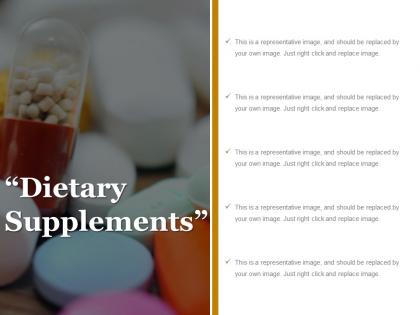
Highlight the essence of managing your health with our dietary supplements PPT image. It will help in defining the various supplements which may help in improving the body immunity. Define the need with this health supplements PowerPoint image template. Such as, it helps in reducing your blood sugars levels. Also helps in treating your body deficiencies like calcium, iron or more. It also helps in improving your body muscles too. Use this muscle supplement PowerPoint diagram to create an information Presentation on the use and precautions to be taken while taking such supplements. Such as one should only have a balanced diet which is full of proteins and nutrients. One should avoid the junk, fried, or oily food while taking such dietary pills and more. Other than this, define the side effects related with its long use with this nutritional supplements PowerPoint layout design. Like it may cause the nausea, diarrhea, low blood pressure, dizziness, dehydration, fever, headache, chills and etc. Thus, simply click on the download link now to start functioning over this professional PPT slide. Our Dietary Supplements Example Of Ppt enable co-ordinated action. They help forge a good group.
People who downloaded this PowerPoint presentation also viewed the following :
Dietary supplements example of ppt with all 5 slides:
Be aware of what's coming with our Dietary Supplements Example Of Ppt. They ensure you don't go ahead blindly.



FAQs for Dietary supplements
The most common dietary supplements include multivitamins, protein powders, omega-3 fatty acids, probiotics, vitamin D, calcium, and herbal extracts like turmeric and ginseng. These supplements enhance overall wellness by supporting immune function, muscle recovery, and nutritional gaps, with many health-conscious consumers finding that strategic supplementation delivers improved energy levels and long-term health outcomes.
Individuals can determine supplement needs through comprehensive blood work, consultation with healthcare providers, dietary assessments, and evaluation of specific health conditions or life stages. Healthcare professionals help analyze nutrient deficiencies, medication interactions, and individual absorption rates, while registered dietitians assess dietary gaps, ultimately delivering personalized recommendations that enhance health outcomes safely and effectively.
Dietary supplements enhance overall wellness by filling nutritional gaps, supporting immune function, promoting bone health, boosting energy levels, and addressing specific deficiencies in modern diets. While they complement balanced nutrition rather than replace whole foods, many health-conscious individuals find that strategic supplementation delivers improved vitality, better nutrient absorption, and enhanced physiological performance, ultimately supporting long-term wellness goals.
Creatine, beta-alanine, caffeine, protein powders, and branched-chain amino acids have demonstrated performance-enhancing benefits in athletic contexts. These supplements enhance performance by increasing power output, delaying muscle fatigue, and accelerating recovery processes, with many endurance athletes, strength trainers, and competitive sports teams finding that strategic supplementation delivers measurable improvements in training capacity and competitive outcomes.
Dietary supplement risks include contamination with harmful substances, interactions with medications, excessive dosing leading to toxicity, mislabeling of ingredients, and adverse reactions in sensitive individuals. While many supplements enhance health when used appropriately, healthcare providers increasingly recommend professional consultation before starting regimens, with patients finding that guided supplementation minimizes risks while delivering targeted nutritional benefits and optimal safety outcomes.
Consumers can identify high-quality dietary supplements by checking for third-party testing certifications, FDA-registered facilities, clear ingredient labeling, and transparent manufacturing processes. Reputable brands typically display NSF or USP verification marks, provide detailed product information, and maintain consistent quality standards, with many health-conscious consumers finding that researching brand reputation and consulting healthcare providers ultimately delivers safer, more effective supplementation outcomes.
Effective supplements for aging populations include vitamin D for bone health, omega-3 fatty acids for cognitive function, calcium for skeletal strength, vitamin B12 for energy metabolism, and magnesium for muscle function. These nutrients address common age-related deficiencies, with many healthcare providers finding that targeted supplementation enhances mobility, mental clarity, and overall vitality in senior care programs.
Dietary supplements can interact with prescription medications through various mechanisms, including altering absorption rates, competing for metabolic pathways, and affecting drug efficacy or toxicity levels. Healthcare providers increasingly recommend comprehensive medication reviews before supplement integration, with many patients in cardiology, diabetes management, and mental health finding that coordinated approaches ultimately enhance treatment outcomes while minimizing adverse interactions.
Dietary supplements support weight management through appetite suppressants, metabolism boosters, fat burners, fiber supplements, and meal replacements that enhance caloric control and metabolic efficiency. While these supplements streamline weight loss efforts by reducing cravings and accelerating fat oxidation, they deliver optimal results when combined with balanced nutrition and exercise, ultimately enabling sustainable weight management strategies.
Vegetarians and vegans can address potential nutrient gaps through targeted supplementation including vitamin B12, iron, omega-3 fatty acids, vitamin D, and zinc. These supplements enhance nutritional completeness by supporting energy metabolism, immune function, and cognitive health, with many plant-based individuals finding that strategic supplementation delivers improved vitality and long-term wellness outcomes.
Supplements for mental wellness include omega-3 fatty acids, B-complex vitamins, magnesium, vitamin D, and adaptogenic herbs like ashwagandha and rhodiola. These nutrients support cognitive function by enhancing neurotransmitter production, reducing inflammation, and managing stress responses, with many healthcare practitioners finding that strategic supplementation complements traditional mental health approaches effectively.
Regulatory practices vary significantly across countries, with the FDA treating supplements as foods in the US, while European nations classify them as medicinal products requiring stricter pre-market approval. Countries like Japan, Canada, and Australia maintain different registration requirements, labeling standards, and quality controls, with many manufacturers finding that navigating these diverse frameworks ultimately requires strategic compliance approaches and region-specific formulations to ensure market access.
Emerging research on herbal dietary supplements focuses on standardized extraction methods, bioavailability studies, microbiome interactions, personalized dosing protocols, and long-term safety profiles. These studies enhance understanding through clinical trials, advanced analytical techniques, and population-based assessments, with pharmaceutical companies and research institutions increasingly finding that evidence-based validation delivers improved therapeutic outcomes and regulatory compliance.
Lifestyle factors significantly influence supplement effectiveness through absorption rates, metabolic processes, and nutrient interactions. Poor sleep, high stress, excessive alcohol consumption, and inadequate hydration can reduce bioavailability, while regular exercise, balanced nutrition, and consistent timing enhance absorption and utilization, ultimately delivering optimal health outcomes.
Common misconceptions include that all supplements are FDA-regulated like medications, that "natural" always means safe, that more is better, and that supplements can replace a balanced diet entirely. These misunderstandings often lead consumers to overlook potential interactions with medications, ignore dosage guidelines, and expect immediate results, ultimately affecting their health outcomes and investment in wellness strategies.
-
Great designs, Easily Editable.
-
The Designed Graphic are very professional and classic.
-
Editable templates with innovative design and color combination.
-
Awesome presentation, really professional and easy to edit.