

Digital Healthcare Solution Pitch Deck Ppt Template




Try Before you Buy Download Free Sample Product
 Impress Your
 Audience
 100%
100% Editable
 Save Hours
 of Time


Health apps are smartphone and tablet PC application programs that provide health related services. Health apps are part of the movement toward mobile health programs in health care because they are accessible to patients both at home and on the go. Check out our efficiently designed Digital Healthcare Solution Pitch Deck that showcases the significant problems faced by the healthcare sector along with the solutions offered by the company. Doctors and hospital staff can communicate with patients more easily with the help of a custom mobile app. It can also streamline the process within the same facility between different departments, labs, and employees. Doctors can inform patients about their prognosis and prescribe appropriate medications. This deck includes various slides about the benefits of using healthcare data management mobile app, the benefits of using a web portal for managing healthcare data, etc. This deck also has various slides such as healthcare application market details, market breakdown of electronic medical Healthcare, the market opportunity in digital health technology, growth potential in digital healthcare technology, and many more. In the end, the deck covers slides for competitor analysis, target customer segments with key partners details, etc. Download it now.
People who downloaded this PowerPoint presentation also viewed the following :
Content of this Powerpoint Presentation
Slide 1: This slide introduces Digital Healthcare Solution Pitch Deck. State Your Company Name and begin.
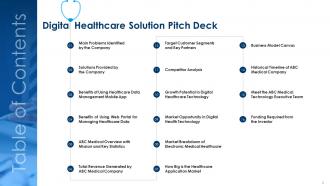
Slide 2: This slide presents Table of Content for the presentation.
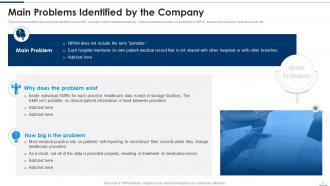
Slide 3: This slide shows the main problems identified by the ABC company in the Healthcare Industry.
Slide 4: This slide depicts the solutions provided by the ABC medical.
Slide 5: This slide shows the benefits of using healthcare data management mobile app.
Slide 6: This slide addresses the benefits of using web portal for managing healthcare data.
Slide 7: This slide identifies the ABC Medical overview with mission and vision.
Slide 8: This slide depicts the graph of total revenue generated by ABC Medical.
Slide 9: This slide shows the information related to available healthcare market in the USA.
Slide 10: This slide depicts the market breakdown of electronic medical healthcare.
Slide 11: This slide depicts the various market opportunities in digital health technology.
Slide 12: This slide shows the growth potential of digital healthcare technology.
Slide 13: This slide shows the competitor analysis of medical software application providers.
Slide 14: This slide depicts the information for target customer segments of ABC Medical Technology. i.e., physicians, hospital executives, etc.
Slide 15: This slide identifies the ABC Medical Company Business Model Canvas.
Slide 16: This slide depicts the historical timeline of ABC Medical Company.
Slide 17: This slide shows the team executive details of ABC Medical Technology.
Slide 18: This slide depicts the ABC Medical funding required from the investor.
Slide 19: This slide shows the contact details for Healthcare pitch deck which includes company logo, company name, location, company address, etc.
Slide 20: This slide displays Icons for Digital Healthcare Solution Pitch Deck.
Slide 21: This slide is titled as Additional Slides for moving forward.
Slide 22: This is a Financial slide. Show your finance related stuff here.
Slide 23: This slide shows Post It Notes. Post your important notes here.
Slide 24: This slide provides 30 60 90 Days Plan with text boxes.
Slide 25: This is a Timeline slide. Show data related to time intervals here.
Slide 26: This slide describes Line chart with two products comparison.
Slide 27: This is an Idea Generation slide to state a new idea or highlight information, specifications etc.
Slide 28: This slide showcases Magnifying Glass to highlight information, specifications, etc.
Slide 29: This is Our Target slide. State your targets here.
Slide 30: This is a Thank You slide with address, contact numbers and email address.
Digital Healthcare Solution Pitch Deck Ppt Template with all 35 slides:
Use our Digital Healthcare Solution Pitch Deck Ppt Template to effectively help you save your valuable time. They are readymade to fit into any presentation structure.
-
Digital Healthcare Solution Pitch Deck
-
Digital Healthcare Solution Pitch Deck
-
Main Problems Identified by the Company
-
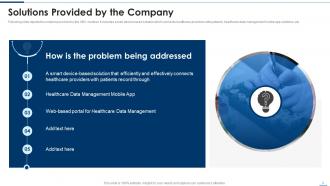
Solutions Provided by the Company
-
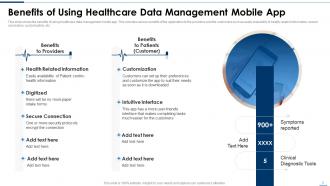
Benefits of Using Healthcare Data Management Mobile App
-
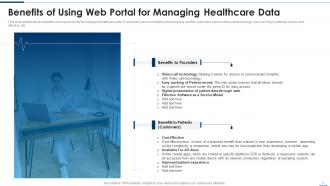
Benefits of Using Web Portal for Managing Healthcare Data
-
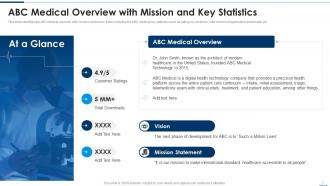
ABC Medical Overview with Mission and Key Statistics
-
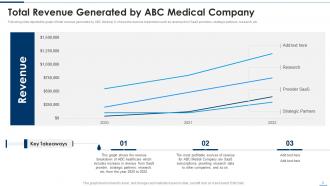
Total Revenue Generated by ABC Medical Company
-
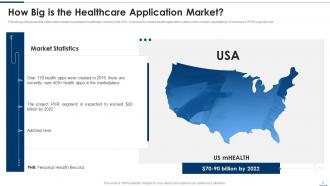
How Big is the Healthcare Application Market
-
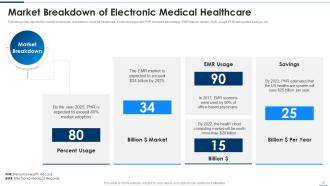
Market Breakdown of Electronic Medical Healthcare
-
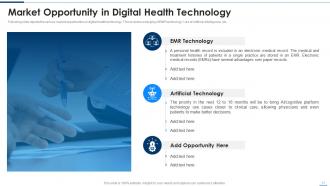
Market Opportunity in Digital Health Technology
-
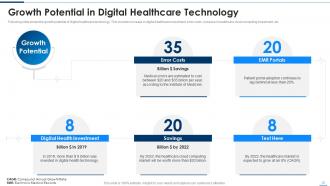
Growth Potential in Digital Healthcare Technology
-
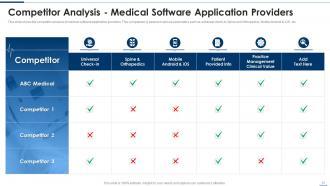
Competitor Analysis Medical Software Application Providers
-
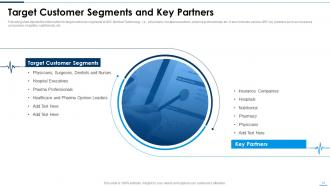
Target Customer Segments and Key Partners
-
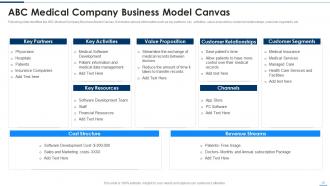
ABC Medical Company Business Model Canvas
-
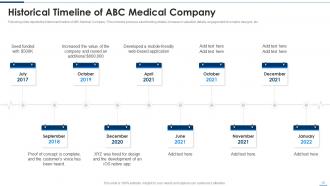
Historical Timeline of ABC Medical Company
-
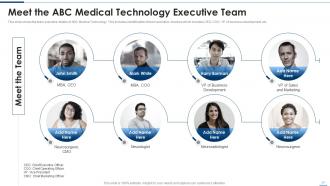
Meet the ABC Medical Technology Executive Team
-
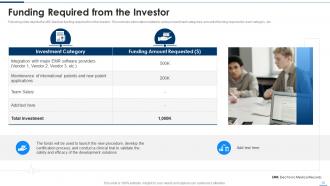
Funding Required from the Investor
-
Our Contact Details for Digital Healthcare Solution Pitch Deck
-
Icons Slide for Digital Healthcare Solution Pitch Deck
-
Additional Slides
-
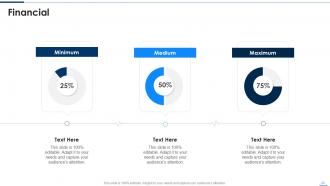
Financial
-
Post it Notes
-
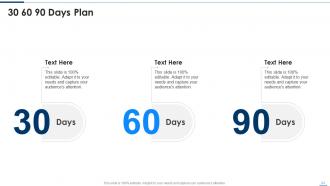
Digital Healthcare Solution Pitch
-
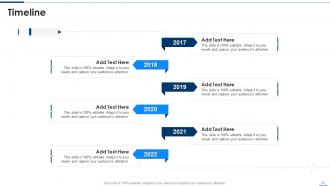
Timeline
-
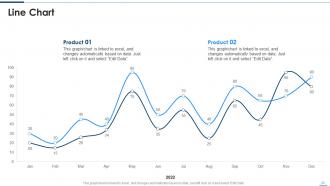
Line Chart
-
Idea Generation
-
Magnifying Glass
-
Target
-
Thank You
-

-

-

-

-

FAQs for Digital Healthcare Solution Pitch
Honestly, the remote access thing is huge - patients don't have to drive in for every little thing anymore. Your staff will thank you too because they're dealing with way less paperwork and can actually focus on patients instead of filing forms all day. The data side is pretty cool, you start seeing patterns you never noticed before which helps with treatment plans. Oh and patients are obsessed with those digital portals where they can check their results at 2am if they want to. I'd just figure out what's driving everyone crazy workflow-wise first, then tackle those problems with whatever tech makes sense.
Honestly, telemedicine just cuts through all the usual BS that stops people from getting healthcare. Rural folks don't need to drive 3 hours to see a specialist anymore - they can hop on a video call instead. Same goes for people who can't take time off work or don't have reliable transportation. Wait times drop too, which is huge. The tricky part is making sure your platform actually works on older phones and stuff, plus having it available in different languages. Otherwise you're kinda defeating the purpose, you know? But when it's done right, connecting underserved communities to doctors who might be states away is pretty incredible.
Dude, the diagnostic accuracy with AI is insane now. These systems catch early cancers in scans, spot heart issues from ECGs, find stuff we'd totally miss. Pattern recognition has gotten scary good - honestly didn't think we'd be here this fast. Think of it like having another doc looking over your shoulder, catching things earlier when you can actually do something about it. Way fewer missed diagnoses too. I'd start small though, maybe check out AI tools specific to whatever you're doing. Don't try to revolutionize everything at once.
Honestly, just start with connecting a couple popular devices like Apple Watch or Fitbit through their APIs. Once that's working, patient data flows automatically into their health records - no manual entry needed. The cool part is triggering personalized stuff based on their actual activity. Like if someone's steps are way down, send them a gentle nudge or medication reminder. Patients get weirdly obsessed with those real-time progress dashboards too (which is great for engagement, obviously). My advice? Don't try to integrate everything at once - nail the API connection with one or two devices first, then expand. Way less headache that way.
Get encryption going first - both for stored data and when it's moving around. MFA is a must for everyone logging in. Honestly, train your staff because most breaches happen when someone clicks the wrong thing, not from some genius hacker. Set up role-based access so people only see what they need for their actual job. Regular security audits will catch problems early. Oh, and have a solid backup system plus an incident response plan ready to go. Those two things - encryption and MFA - will stop most attacks right there.
Honestly, automation is where you'll see the biggest savings. Things like auto-scheduling appointments and billing cut way down on admin work. EHRs are a game-changer too - no more paper costs or staff wasting time digging through files (which is honestly the worst). Telemedicine means you don't need as much physical space for consultations. Remote monitoring catches problems early so you're not dealing with costly ER visits later. The real money-saver though? Staff actually being productive instead of doing the same redundant tasks over and over. I'd start by figuring out what manual stuff eats up most of your time.
Honestly, it's mostly about money and getting people on board. You're looking at millions upfront for big health systems - software, hardware, all that training. Staff resistance is brutal too. Doctors who've used paper charts forever suddenly can't find anything, which slows everything down at first. Different EHR systems barely talk to each other, which drives everyone nuts. Oh, and don't get me started on all the privacy regulations you've gotta follow. My take? Try a pilot program in just one department first. Find some doctors who actually want this change to champion it. Budget way more training time than seems reasonable - trust me on that one.
So patient engagement tech is honestly a game-changer for chronic disease management. When people use apps or monitoring devices regularly, they stick to their meds way better and catch issues early. Simple reminder notifications work surprisingly well - like, who knew? Engaged patients feel more in control of their health, which makes them way more likely to follow treatment plans. Remote monitoring helps too since doctors can spot problems between visits. If you're thinking about this for your practice, just start small with tools patients will actually want to use. No point in fancy stuff that sits ignored.
Honestly, it's mostly about privacy and bias stuff. Patient data gets collected everywhere now, so breaches are always a risk. Plus AI systems can totally screw over certain groups if they're trained on biased data - happens all the time unfortunately. Most patients probably don't even realize what they're agreeing to when hospitals use their info for these algorithms. Oh, and consent is tricky too. You really need transparency from the start and should audit your systems regularly. Otherwise you'll just end up making healthcare disparities worse instead of better.
Honestly, those health apps are pretty clutch for staying on top of stuff. You can track steps, sleep, meds - basically everything without having to write it down like it's 1995. They'll bug you with reminders (which is annoying but helpful) and catch weird patterns before things get bad. I mean, who actually remembers to check their blood pressure regularly otherwise? The trick is finding ones that don't suck and actually talk to your doctor's system. Makes everything way easier than trying to remember what your heart rate was last Tuesday.
Honestly? Digital stuff usually makes the doctor-patient thing better, not worse. You're talking to patients way more through apps and messages, catching problems before they get bad. Yeah, you lose some in-person time, but patients love being able to check their results online and actually text their doctor between visits. Makes them feel more involved in their own care, you know? The trick is just using tech to add to what you're already doing - not trying to replace actually talking to people. Though I'll admit some patients still prefer everything old school.
So honestly, privacy stuff is huge here - people need to trust you're not gonna leak their therapy sessions, so get that HIPAA compliance locked down first. Make scheduling super flexible since mental health crises don't exactly wait for Monday morning appointments. The whole experience should feel more like texting than dealing with some clunky medical portal. Build in ways to track progress and let people message between sessions too. Oh, and definitely ask your current patients what's annoying them about the system - they'll tell you exactly what's broken.
So FHIR APIs and HL7 messaging are your best friends here - they're like universal translators for healthcare systems. Data mapping between platforms is crucial, and you'll need consistent patient IDs everywhere. API management will save you so many headaches later, trust me on this one. I'd honestly start with pilot integrations between your core systems first. Document everything obsessively because you'll forget details. Oh, and test regularly with your vendors - that communication piece gets overlooked way too often but it's where things usually break down.
Start by actually talking to the communities you're trying to reach - find out what they believe about health, what languages they prefer, how comfortable they are with tech. Your interface needs imagery that actually resonates with them, not stock photos of diverse people looking thoughtful lol. Don't just translate content either - adapt it culturally. Some families make health decisions as a group while others don't, so design for that. Oh, and remember not everyone has the latest iPhone or reliable internet. Partner with community leaders and local healthcare workers from day one. Getting their input only at the end? That's backwards and honestly kind of insulting.
Dude, AI diagnostics are about to be huge - doctors will catch stuff way faster than before. Telemedicine is basically becoming standard for regular checkups now. Your smartwatch? It's gonna get crazy good at tracking health stuff constantly. Finally, those annoying medical record systems might actually start talking to each other (thank god). Mental health apps are blowing up too. Oh, and personalized medicine based on your DNA is getting real. Honestly the speed of all this is kinda nuts. I'd just keep an eye on whatever tech your doctor's office starts using.
-
Innovative and creative templates with high-quality designs. Helped me with my presentation as the slides were easy to edit.
-
Unique research projects to present in meeting.