


Healthcare management system powerpoint presentation slides




Try Before you Buy Download Free Sample Product
 Impress Your
 Audience
 100%
100% Editable
 Save Hours
 of Time


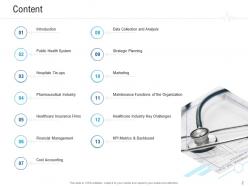
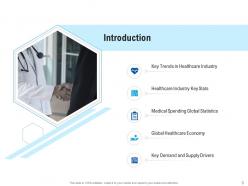
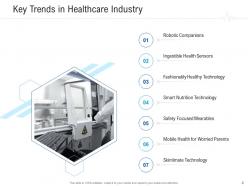
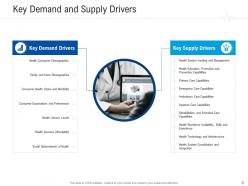
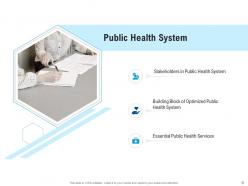
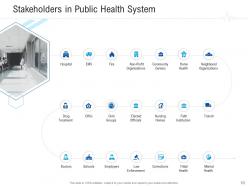
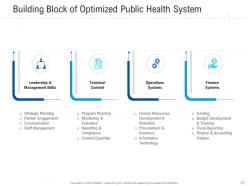
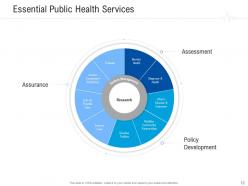
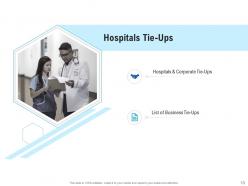
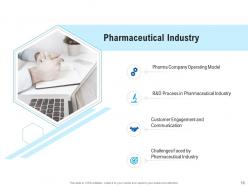
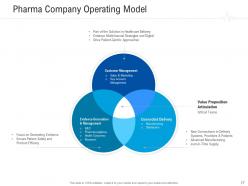
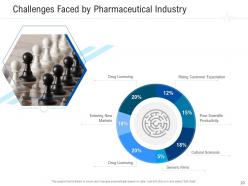
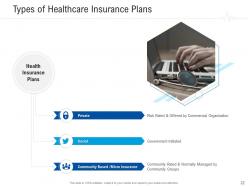
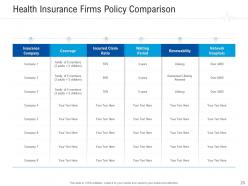
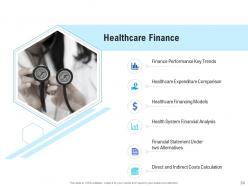
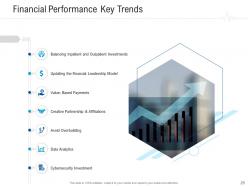
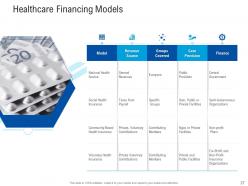
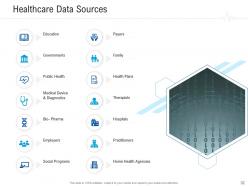
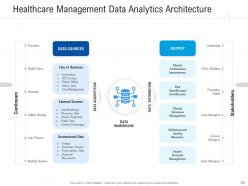
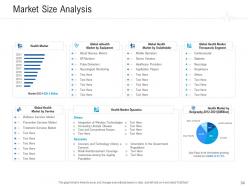
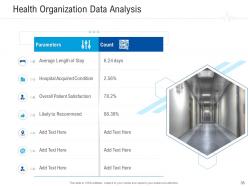
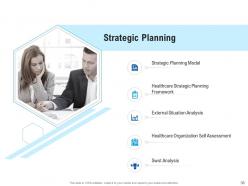
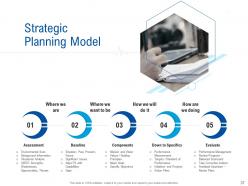
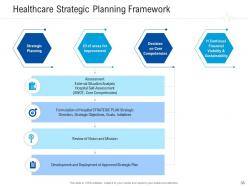
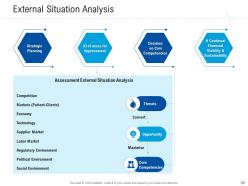
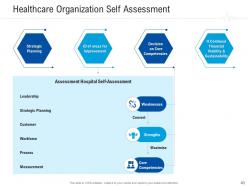
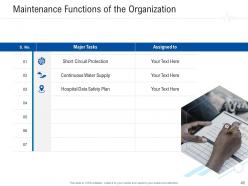
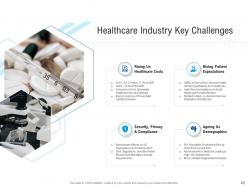
Display key trends in the healthcare industry by employing Healthcare Management System PowerPoint Presentation Slides. Provide information on stakeholders in the public healthcare system with the help of content-ready hospital management system PPT visuals. Mention the building blocks of an optimized public health system such as technical content, operation, and finance system with these readily available PowerPoint infographics. Essential public healthcare services such as assurance, assessment, and policy development are also mentioned in this PPT slide deck. You can modify the slides to display information on hospital and corporate tie-ups with the help of these PPT slides. Present the operating model of a pharmaceutical company with the use of healthcare management PowerPoint templates. You can also depict the challenges faced by the pharmaceutical industry by taking the advantage of readily available PPT themes. Our content-driven presentation also describes the types of healthcare insurance plans and displays the comparison of different firms’ health insurance policies.
People who downloaded this PowerPoint presentation also viewed the following :
Healthcare management system powerpoint presentation slides with all 69 slides:
Use our Healthcare Management System Powerpoint Presentation Slides to effectively help you save your valuable time. They are readymade to fit into any presentation structure.
FAQs for Healthcare management system
So you'll definitely need patient records, appointment booking, and billing stuff - that's like the holy trinity. Clinical documentation too, obviously. Inventory management is huge for tracking supplies and meds. Oh, and reporting dashboards are honestly where the magic happens - you'll spot problems you didn't even know existed. Staff scheduling modules help with the chaos of managing everyone's credentials and shifts. But here's the thing - make sure whatever you pick actually integrates well. I've seen places with systems that don't talk to each other and it's a nightmare. Get your front-line people involved in the decision too, they know what actually works day-to-day.
So basically these systems keep all patient info in one place, which is huge for preventing screwups. Doctors can pull up medical histories and lab results instantly - no more waiting around. The alert features are pretty solid too, catching drug interactions and allergy issues before they become problems. Your staff can actually talk to each other instead of that endless phone tag nonsense. Oh, and the analytics help spot risky patients early so they don't end up in emergency later. If you're starting out, go with the medication module first. That's where you'll notice the safety improvements fastest.
So data analytics takes all that messy healthcare info and turns it into stuff you can actually use. Pretty neat once you see it in action. You'll spot patient outcome trends, figure out when you need more staff, find ways to save money - even catch health risks early. Honestly, the readmission tracking alone is worth it. Resource patterns become super obvious too. My advice? Pick one annoying metric your team keeps complaining about and start there. The insights build up faster than you'd think.
So basically EHRs are like the brain of your whole healthcare setup. Patient walks in? All their history, labs, treatment stuff automatically shows up across scheduling, billing, clinical areas. Way better than digging through paper charts - that was such a nightmare. Radiology uploads an X-ray and boom, your doctors can see it right away while billing grabs the procedure codes. The trick is making sure your EHR actually talks to your other systems through decent APIs. Otherwise you're stuck with these annoying data islands that make everything harder than it needs to be.
Honestly, the money thing hits first - software, training, downtime during setup adds up fast. Your team will probably hate you initially because nobody wants to learn new systems when they're already drowning in work. Legacy system integration is a total mess too. Oh, and don't get me started on compliance stuff with patient data - that's its own headache. Productivity tanks at first while everyone figures it out. My advice? Pick your worst current problem and fix that first. Makes it way easier to show everyone why the pain was worth it.
So basically you'll want to add video consultation modules and remote monitoring dashboards to your current HMS setup. Most systems play nice with telehealth APIs like Zoom Healthcare or Doxy.me these days. Honestly? The tech setup isn't the nightmare - it's getting your staff on board that's the real pain. Your patient portal should handle both virtual and in-person scheduling, plus secure messaging for follow-ups. Oh, and definitely start with just one department first to test things out. Way less stressful than going all-in and having everything break at once.
Look, you're gonna need multiple security layers for this. Encryption for data in transit and at rest is non-negotiable. Role-based access controls so people only see what they need - pretty standard stuff. Multi-factor authentication too (yeah, I hate it as much as you do, but whatever). Train your staff regularly because honestly, most breaches happen because someone clicked the wrong thing. Set up automated monitoring for weird activity. Oh, and run security audits plus pen testing to catch problems early. Have an incident response plan ready because something will go wrong eventually.
Look, these systems basically do all the tedious compliance work for you. They'll automatically track patient data per HIPAA rules and create those audit trails that regulators obsess over. The smart ones catch potential violations early - way better than finding out during an audit, trust me. Most update themselves when regs change (which is constantly, ugh). You can automate reporting for quality measures and safety stuff, plus they keep documentation standards in check without your team memorizing every single rule. Set up role-based access and compliance dashboards. You'll actually be able to relax when audit season rolls around.
Dude, automation is seriously worth it. You'll cut out so much tedious stuff - appointment booking, patient check-ins, billing, inventory management. No more dealing with messy handwriting or typos from manual data entry either. Your staff can actually spend time with patients instead of drowning in paperwork. Everything processes way faster too. Honestly, the scheduling automation alone will probably save you hours each week. I'd start with whatever eats up the most time right now and automate that first. Makes the biggest impact.
Honestly, role-based training is everything here - doctors need totally different stuff than admin people. Skip the boring presentations and do actual hands-on workshops with fake patient data. Pick a few tech-savvy people in each department to be your "champions" (hate that word but whatever). Time it right before go-live so they don't forget everything by launch day. Short video tutorials are clutch for later when people inevitably forget how to do basic tasks. Oh, and stack your support team heavy those first couple weeks - trust me, you'll need them!
Honestly, cloud systems are way more scalable and cheaper than keeping everything in-house. Remote access is clutch - your staff can pull up patient records from anywhere. Security's actually better too, which sounds weird but cloud companies dump serious money into cybersecurity that small practices just can't match. Updates and backups happen automatically so your IT people aren't constantly putting out fires. The integration piece is probably the biggest win though - connecting with labs and pharmacies becomes seamless instead of a headache. I'd definitely shop around with a few vendors first to see what clicks with how you guys already work.
So patient engagement tools are basically like turning healthcare into a two-way conversation instead of just doctors talking at you. Patients can check their records, book appointments, message their doctors directly - all through apps or online portals. Honestly, it cuts down on so much phone tag for your staff! People love feeling more in control of their health, which actually leads to better outcomes since they stay more involved. You'll see fewer missed appointments and people actually taking their meds. I'd start with a simple patient portal - your admin team will thank you and patients stay way happier.
Honestly, interoperability is make-or-break for healthcare systems. You don't want data stuck in separate silos - that's a nightmare. When everything connects properly, doctors can pull up complete patient histories instantly, lab results sync automatically, and patients stop having to repeat their entire medical story every single visit (seriously, who has time for that?). Your EHRs need to mesh with billing and diagnostic tools seamlessly. I learned this the hard way watching our old system crash and burn. Go for platforms that integrate well with others. Otherwise you'll waste hours doing manual data entry that should've been automatic.
So you want software that's built modular from day one - that's key. Look for configurable workflows and API integrations that let you pivot fast when new rules hit. Honestly, the good platforms feel like they're always updating something (kinda annoying but necessary). Your vendor should have a solid track record with compliance stuff and can push policy changes quickly. Don't get stuck with a system that needs total rebuilds every time healthcare regs shift. Oh, and customizable fields are huge - you'll thank me later when you need to tweak things on the fly.
AI and machine learning are about to explode - think predictive patient outcomes and smarter scheduling. Systems will finally start talking to each other properly (hallelujah). Cloud adoption's picking up speed, especially for smaller practices who want the good stuff without breaking the bank. Patient portals and mobile-first designs are becoming standard. The real game-changer though? We're shifting from just reacting to problems to actually predicting them. Oh, and definitely start looking at vendors now who've got this stuff already baked into their plans.
-
Informative presentations that are easily editable.
-
Thanks for all your great templates they have saved me lots of time and accelerate my presentations. Great product, keep them up!
-
Great quality product.
-
Great designs, Easily Editable.
-
Designs have enough space to add content.
-
Very unique and reliable designs.
-
Awesomely designed templates, Easy to understand.
-
Commendable slides with attractive designs. Extremely pleased with the fact that they are easy to modify. Great work!