


Discussion brainstorming decision making process powerpoint presentation slides





Try Before you Buy Download Free Sample Product
 Impress Your
 Audience
 100%
100% Editable
 Save Hours
 of Time


Brainstorming is the fundamental step for having a solid foundation to build a lasting business. Taking this into consideration here we are presenting a discussion brainstorming and decision making process PowerPoint slide deck. You can pick this readymade PPT model highlighting brainstorming process so as to inspire your work force to generate new ideas. Going further, with help of this complete PPT example you can also deliver PowerPoint presentations on decision making methods, problem solving and facilitation techniques. Additionally, to craft a good PPT example we have included exclusive slide templates like Identifying the Purpose, Evaluation of Alternatives, Contingency Plan, Analyze Results and many more. Apart from this, you can portray various concepts like brilliance of mind, racing mind, depth of thought process etc. by utilizing this readymade PowerPoint show. In short, grab this readymade PPT sample file to develop a critical thinking approach among audience. Our Discussion Brainstorming Decision Making Process Complete Powerpoint Deck With Slides are extremely economical. They are designed for every budget.
People who downloaded this PowerPoint presentation also viewed the following :
Content of this Powerpoint Presentation
Slide 1: This slide introduces Discussion Brainstorming Decision Making Process. State Your Company Name and get started.
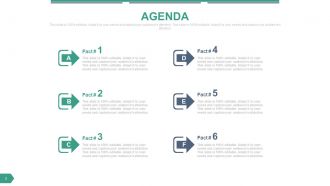
Slide 2: This is an Agenda slide. State your agendas here.
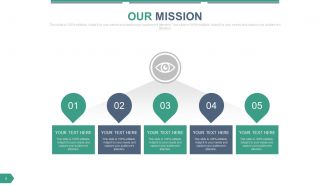
Slide 3: This is Our mission slide. State your mission here.
Slide 4: This slide presents Our team with name, image box and designation. Present your team here.
Slide 5: This is an About Us slide. State about your company, team goals etc. here.
Slide 6: This slide presents Decision Making process in Lego boxes form.
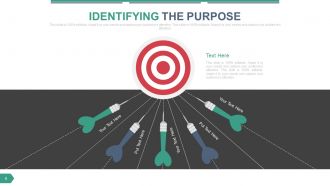
Slide 7: This slide present Purpose of the Decision to be taken with target imagery and text boxes.
Slide 8: This slide displays Identifying the Purpose to make necessary changes.
Slide 9: This slide shows imagery of Gather Information with text boxes.
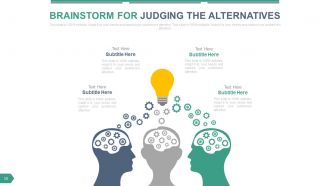
Slide 10: This slide shows Brainstorm for judging the alternatives of the decision making process.
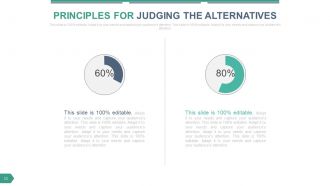
Slide 11: This slide shows Principle for judging the alternatives.
Slide 12: This slide displays Evaluate Alternatives for the decision to be taken.
Slide 13: This slide shows Evaluation of Altenatives on the scale of Bad, Poor, Good, Excellent and Average.
Slide 14: This slide shows Pros and Cons List with relative thumb imagery.
Slide 15: This slide presents Take Decision in actually taking up the decision after brainstorming.
Slide 16: This slide shows another image on Take decision with text boxes.
Slide 17: This slide presents a Contingency plan in puzzle form.
Slide 18: This slide showcases Analyses Results of the respective results.
Slide 19: This slide shows Evaluation or Results with text boxes.
Slide 20: This slide presents a Timeline to show milestones, growth etc.
Slide 21: This slide showcases a Business circle with icons.
Slide 22: This slide shows an Infographic template.
Slide 23: This slide showcases Bulb images with icons for presentation.
Slide 24: This slide shows a Magnifier with tools and Bar graph.
Slide 25: This slide presents a Funnel to show anything in funnel form.
Slide 26: This slide shows an image with text boxes titled Business Person with Post It notes.
Slide 27: This slide presents a Newspaper image with text boxes to flash company news, position etc.
Slide 28: This slide shows Vital financial circles with percentage and text boxes.
Slide 29: This is a Business Quotes slide to quote something you believe in.
Slide 30: This slide shows Expanding Business Opportunities on a world map to mark and present.
Slide 31: This slide shows Critical areas to be assessed and worked on.
Slide 32: This slide presents a Mind map with text boxes.
Slide 33: This slide presents a Customer Growth Matrix with- Grow Market share, Market Expansion, Customer Retention, Cross Selling in terms of CUSTOMERS & PRODUCTS.
Slide 34: This slide shows Business People in circle with icons.
Slide 35: This slide showcases Business Core Competence model with the following parts- Support (Capability System Routines Capacity Communication), Improvement (Competence Developments Adaptation Transfer), Utilization (Resource Input to the Value).
Slide 36: This is a Thank You slide with image.
Discussion brainstorming decision making process powerpoint presentation slides with all 36 slides:
Our Discussion Brainstorming Decision Making Process Complete Powerpoint Deck With Slides are exclusively crafted. They can be alluringly awesome.
-
Discussion Brainstorming Decision Making Process
-
Agenda Slide
-
Our Mission
-
Our Team
-
About Us
-
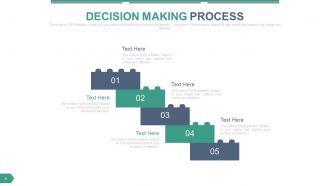
Decision Making Process
-
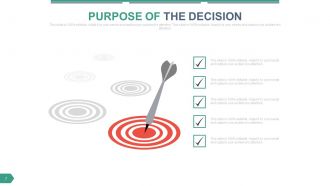
Purpose of the Decision
-
Identifying The Purpose
-
Gather Information
-
Brainstorm for Judging the Alternatives
-
Principles for Judging the Alternatives
-
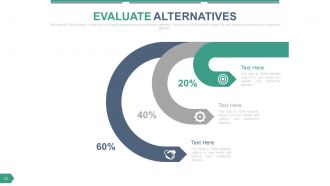
EVALUATE ALTERNATIVES
-
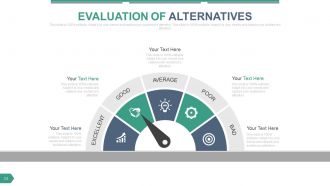
Evaluation of Alternatives
-
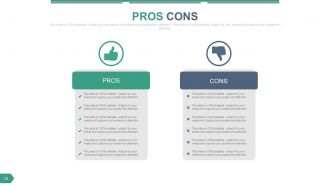
Pros Cons
-
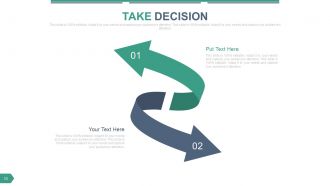
TAKE DECISION
-

TAKE DECISION
-
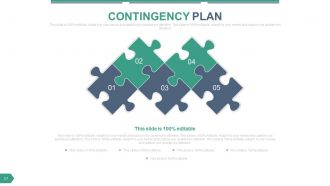
Contingency Plan
-
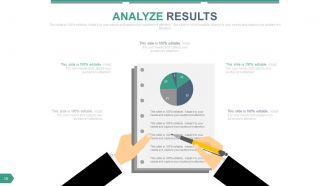
ANALYZE RESULTS
-
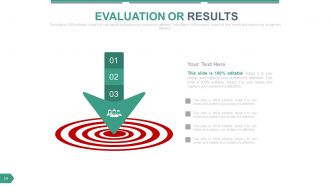
Evaluation or Results
-
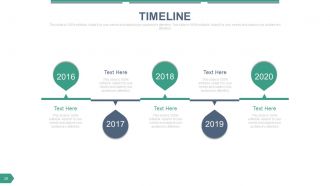
Timeline
-
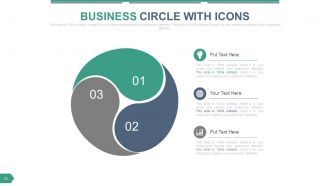
Business Circle with Icons
-
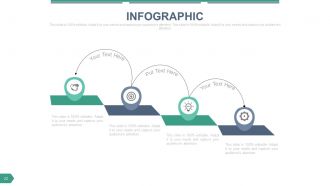
Infographic
-
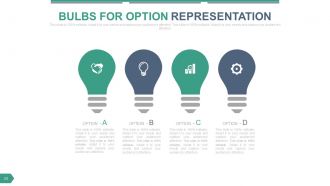
Bulbs for Option Representation
-
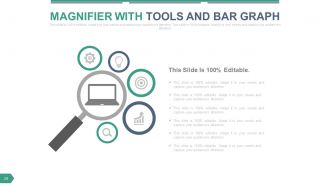
Magnifier with Tools and Bar Graph
-
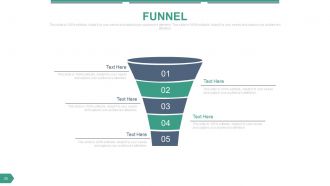
Funnel
-
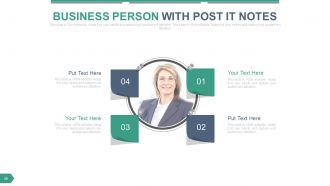
Business Person with Post It Notes
-

COMPANY NEWS
-
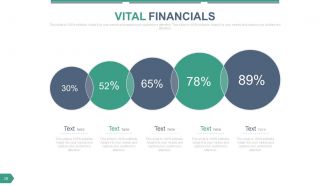
Vital Financials
-
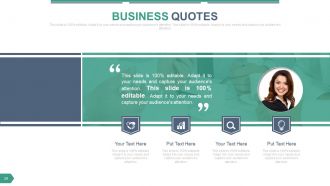
Business Quotes
-

Expanding Business Opportunities
-
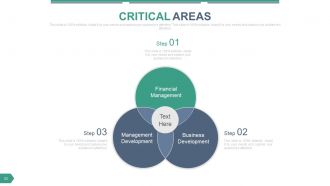
Critical Areas
-
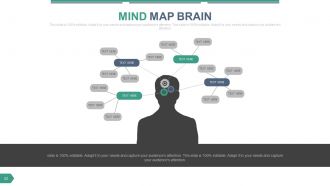
Mind Map Brain
-
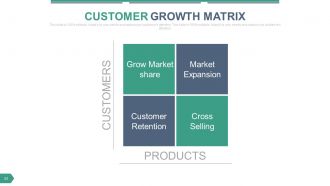
Customer Growth Matrix
-
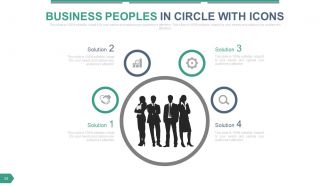
BUSINESS PEOPLES IN CIRCLE WITH ICONS
-
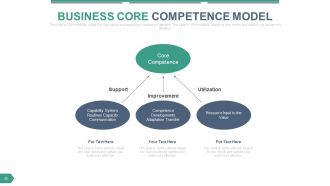
BUSINESS CORE COMPETENCE MODEL
-

Thank You
FAQs for Discussion brainstorming decision making process
Honestly, start by figuring out what you're actually deciding - sounds obvious but most people skip this part. Then gather info, brainstorm options, and evaluate them. Don't rush the evaluation bit though, that's where people usually mess up and kick themselves later. Pick something and go with it. Here's the thing nobody talks about - you've gotta keep an eye on how it's working out afterward. If it's going sideways, you can always adjust. I know it sounds simple written out like this, but real life makes everything way more complicated than it needs to be.
Your emotions totally mess with decision-making, but not in a bad way necessarily. When you're stressed or pumped up, your brain literally weighs risks differently. I've watched whole teams make awful calls just because everyone felt rushed by some deadline - it's wild how that spreads. Past emotional baggage from similar situations? Yeah, that colors everything too. Groups make it worse since feelings bounce around and create these weird echo chambers. Don't pretend you're some logical robot though. Just pause before big choices and honestly ask yourself what headspace you're in right now.
Honestly? I'm still sketching stuff out on napkins half the time, but here's what actually works. Decision matrices are clutch for big choices - just rate each option against what matters to you. SWOT analysis sounds fancy but it's basically organized pros/cons thinking. The 10-10-10 rule is genius though: picture how you'll feel about this choice in 10 minutes vs 10 months vs 10 years. Totally shifts your perspective. Oh, and WRAP framework helps you explore more options instead of getting tunnel vision. Start simple with whatever clicks for your brain, then get fancier if you need it.
Look, data analytics is just swapping your hunches for actual proof. You can see real patterns instead of guessing what customers want or which moves make sense. Way better than relying on what we *think* we know, right? Numbers don't lie like our instincts sometimes do. You'll catch opportunities hiding in plain sight and avoid those cringe-worthy mistakes that cost serious money. Honestly, predicting outcomes becomes so much easier once you have the data backing you up. Start simple though - grab whatever data you already have for one decision you're making right now.
Honestly, you can't do good collaborative decisions without solid teamwork - they're totally connected. Having different people means you get perspectives you'd never think of on your own, plus everyone's more likely to actually follow through when they had a say. The downside? Managing all those opinions without meetings that drag on forever (ugh, the worst). As a team member, share what you know but don't get stubborn when someone has a better idea. Oh, and figure out your decision process early - like who gets the final call - or you'll just talk in circles.
Your brain takes shortcuts that can totally screw you over. Like confirmation bias - you'll literally ignore facts that don't fit what you already think. Then there's anchoring, where the first number you hear becomes this weird reference point for everything else. Honestly, the sunk cost thing is the worst though. You keep throwing money at a bad situation just because you've already wasted so much. It's like staying in a terrible relationship because you've been together for three years. The trick? Just pause before big decisions and ask yourself what you might be missing. Sounds simple but it actually works.
Honestly, just grab whatever info you can get without going crazy over it. I used to overthink this stuff for weeks - total waste of time. Picture your best case, worst case, and what'll probably actually happen. Then figure out what you'd do for each one. Set yourself a deadline or you'll spiral forever. Talk to people who've been there before - they usually have good insights you won't think of. Have a backup plan ready because things rarely go exactly as expected. Look, you're never gonna have perfect info anyway. Make the best call you can and move forward.
Honestly, just start with wherever you're wasting the most time pulling data together - that's your biggest win right there. Dashboards can grab everything from your spreadsheets automatically instead of you doing it manually. AI stuff is pretty good at spotting patterns you'd miss and can predict what'll happen based on old data. Oh, and those collaboration tools beat the hell out of email chains (thank god). Project management apps track your decisions so you can see what actually worked later. Pick one problem area first though - don't try to fix everything at once.
Oh man, this is so real. Your teammates from different cultures will totally approach decisions differently. Like, some need to talk everything through as a group before moving - drives me crazy sometimes but it's just how they work. Others expect the boss to decide and that's it. Germans I've worked with are obsessed with detailed timelines (honestly kind of love that about them), but other cultures are way more go-with-the-flow. Risk tolerance is huge too. Some want spreadsheets and data for days, others trust their gut. Best thing you can do? Figure out everyone's style early on and adjust how you run meetings accordingly.
Honestly, question everything you think you know first - we jump to conclusions way too fast. Try talking to people who'll disagree with you (yeah, it sucks but whatever). Check where you're getting info from and whether it's actually reliable. Here's what works for me: break big messy problems into smaller pieces instead of staring at the whole disaster. Also, don't make huge decisions when you're fired up about something. Sleep on it. Your first instinct might be right, but giving it a day won't kill you and you'll probably think clearer.
Honestly, scenario planning is a game-changer for big decisions. You basically map out 3-4 different futures instead of just hoping for the best case. So like optimistic, pessimistic, and a couple in-between versions. I know it sounds kinda tedious, but it actually saves you from getting blindsided later. Plus you'll spot problems with your thinking that you totally missed before. The whole point is building flexibility into whatever you're planning - because let's be real, things never go exactly as expected anyway. Next time you're facing something major, just sketch out three scenarios and see what happens.
Start with psychological safety - nobody's gonna speak up if they think you'll bite their head off. Ask the quiet people directly what they're thinking, especially before big decisions. When someone flags a problem early, thank them instead of shooting the messenger (I've seen so many teams where people just kiss ass instead). Maybe try a "what could go wrong" session before you commit to anything major? Oh, and when stuff inevitably doesn't work out, focus on what you learned rather than who screwed up. That's how you get people to be honest with you next time.
Look, you gotta weave ethics into your whole decision-making thing from the start - don't just slap it on later. Think about who's gonna get hurt or helped by what you choose. Can you actually live with yourself after? Honestly, sometimes it's messier than it sounds. Start by asking "what's actually right here?" instead of just going for what makes the most money. I know it sounds cheesy but run through a quick gut check before you pull the trigger on anything big. Trust me on this one.
Ugh, bad decisions from the top are the worst - they create this domino effect that hits everything. Morale tanks because nobody trusts leadership anymore. Teams end up spinning their wheels fixing problems that shouldn't have happened in the first place. Money gets wasted left and right, your reputation takes a beating with customers, and competitors start looking way better by comparison. Oh, and departments start pointing fingers at each other which is just messy. Honestly, having solid decision-making processes and getting the right people involved early saves so much headache later.
So basically, you want to turn your decisions into actual learning moments instead of just moving on to the next thing. After big choices, schedule a quick check-in maybe 30-60 days later - see what worked and what totally bombed. Most people skip this step and wonder why they keep screwing up the same way. Document everything, even the wins (especially the wins, actually). You'll start noticing patterns in how you make choices. It sounds boring but honestly? Game changer for not repeating dumb mistakes.
-
It saves your time and decrease your efforts in half.
-
Great product with highly impressive and engaging designs.