

E Commerce Marketing Strategies To Increase Sales Powerpoint Presentation Slides





Try Before you Buy Download Free Sample Product
 Impress Your
 Audience
 100%
100% Editable
 Save Hours
 of Time


Online platforms are essential for business growth in todays time. Digital platforms like e commerce sites, social media, Google shopping, and mobile shopping apps have given retailers a tremendous opportunity to increase their product sales using these platforms. Therefore, our team has crafted this E commerce marketing strategies to increase sales PPT to provide you with detailed insight into the online retail industry. The deck highlights the importance and benefits of these online platforms for retailers with key statistics and strategies. Retailers can use strategies like SEO, multichannel marketing, shopping cart, etc. mentioned in the template to convert new customers into loyal customers. The presentation also offers a complete marketing plan for developing an effective e commerce strategy for retailers. This module provides a step by step process that retailers can follow to list their products on the Google shopping platform. The social media platform includes channels like Facebook, Instagram, Twitter, Youtube, LinkedIn, etc. Retailers can use these channels to connect with their customers. Lastly, Mobile based apps are covered here, which are the most trending medium retailers can use to engage customers on a 24 or 7 basis. This channel is widely used because it becomes easier for retailers to offer products to customers based on what customers are searching for on their phones. Get access to our e commerce ppt now.
People who downloaded this PowerPoint presentation also viewed the following :
Content of this Powerpoint Presentation
Slide 1: This slide introduces E Commerce Marketing Strategies to Increase Sales. State your company name and begin.
Slide 2: This slide states Agenda of the presentation.
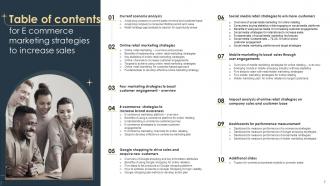
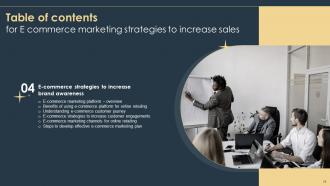
Slide 3: This slide shows Table of Content for the presentation.
Slide 4: This slide highlights title for topics that are to be covered next in the template.
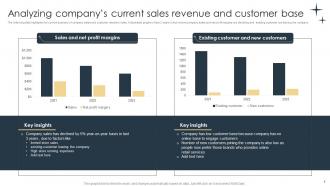
Slide 5: This slide presents Analyzing company’s current sales revenue and customer base.
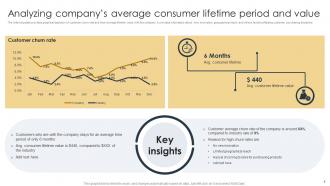
Slide 6: This slide displays Analyzing company’s average consumer lifetime period and value.
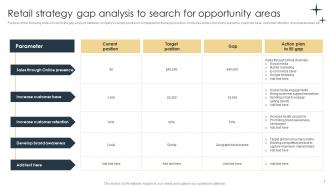
Slide 7: This slide represents Retail strategy gap analysis to search for opportunity areas.
Slide 8: This slide highlights title for topics that are to be covered next in the template.
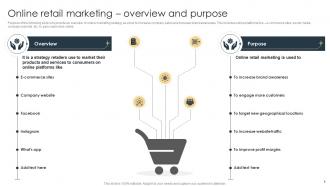
Slide 9: This slide showcases Online retail marketing – overview and purpose.
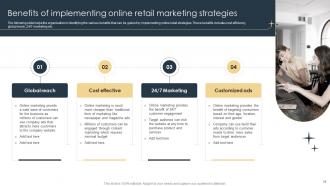
Slide 10: This slide shows Benefits of implementing online retail marketing strategies.
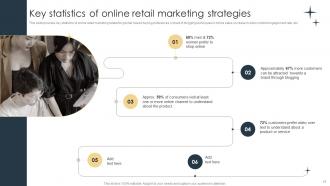
Slide 11: This slide presents Key statistics of online retail marketing strategies.
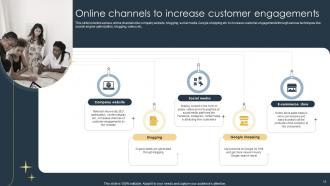
Slide 12: This slide displays Online channels to increase customer engagements.
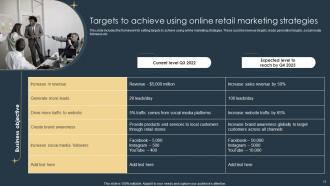
Slide 13: This slide represents Targets to achieve using online retail marketing strategies.
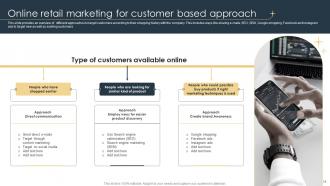
Slide 14: This slide showcases Online retail marketing for customer based approach.
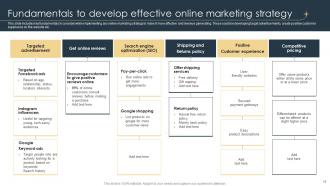
Slide 15: This slide shows Fundamentals to develop effective online marketing strategy.
Slide 16: This slide highlights title for topics that are to be covered next in the template.
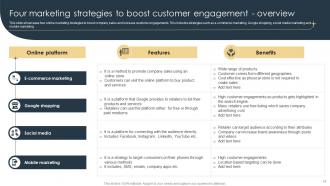
Slide 17: This slide presents Four marketing strategies to boost customer engagement - overview.
Slide 18: This slide highlights title for topics that are to be covered next in the template.
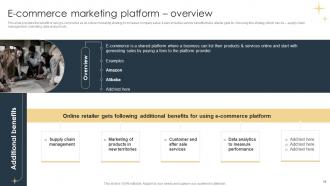
Slide 19: This slide displays E-commerce marketing platform – overview.
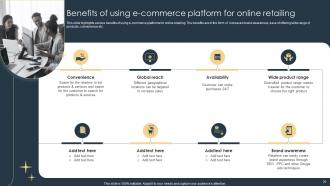
Slide 20: This slide represents Benefits of using e-commerce platform for online retailing.
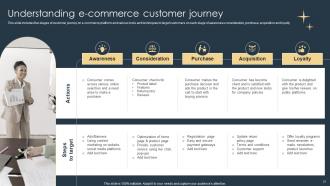
Slide 21: This slide includes five stages of customer journey on e-commerce platform.
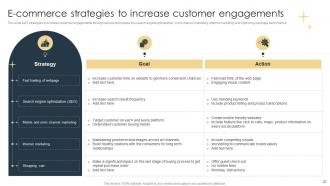
Slide 22: This slide showcases E-commerce strategies to increase customer engagements.
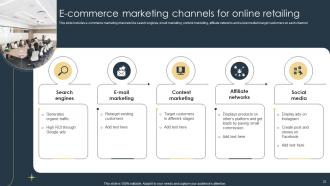
Slide 23: This slide shows E-commerce marketing channels for online retailing.
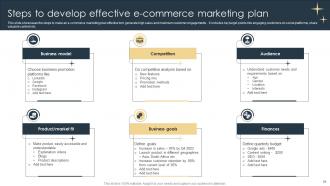
Slide 24: This slide presents Steps to develop effective e-commerce marketing plan.
Slide 25: This slide highlights title for topics that are to be covered next in the template.
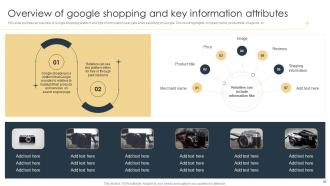
Slide 26: This slide displays Overview of Google shopping and key information attributes.
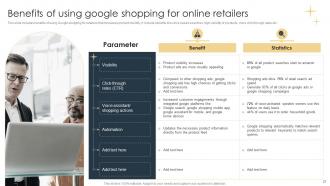
Slide 27: This slide represents Benefits of using Google shopping for online retailers.
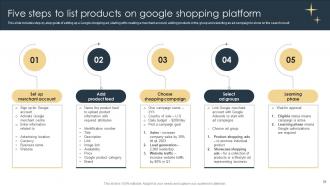
Slide 28: This slide showcases Five steps to list products on Google shopping platform.
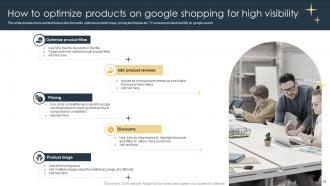
Slide 29: This slide shows How to optimize products on Google shopping for high visibility.
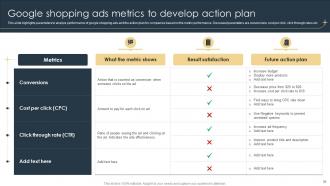
Slide 30: This slide presents Google shopping ads metrics to develop action plan.
Slide 31: This slide highlights title for topics that are to be covered next in the template.
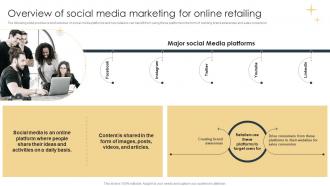
Slide 32: This slide displays Overview of social media marketing for online retailing.
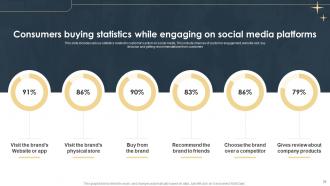
Slide 33: This slide represents Consumers buying statistics while engaging on social media platforms.
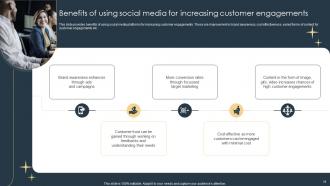
Slide 34: This slide showcases Benefits of using social media for increasing customer engagements.
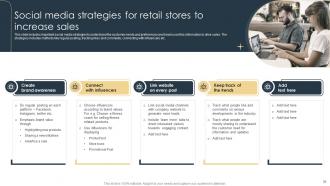
Slide 35: This slide shows Social media strategies for retail stores to increase sales.
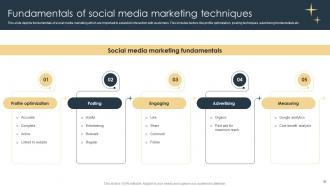
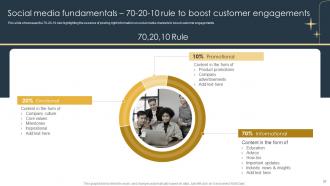
Slide 36: This slide presents Fundamentals of social media marketing techniques.
Slide 37: This slide displays Fundamentals of social media marketing techniques.
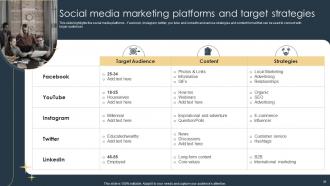
Slide 38: This slide represents Social media marketing platforms and target strategies.
Slide 39: This slide highlights title for topics that are to be covered next in the template.
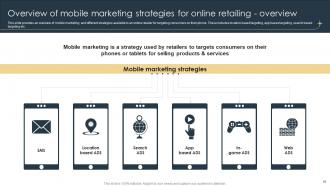
Slide 40: This slide showcases Overview of mobile marketing strategies for online retailing - overview.
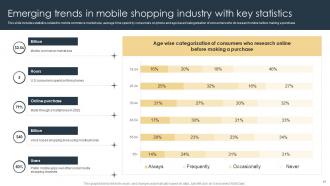
Slide 41: This slide shows Emerging trends in mobile shopping industry with key statistics.
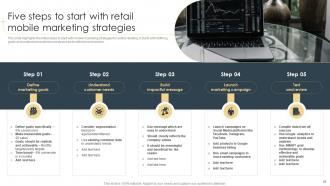
Slide 42: This slide presents Five steps to start with retail mobile marketing strategies.
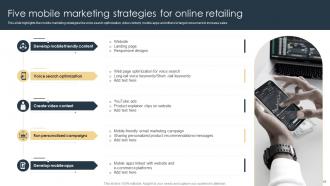
Slide 43: This slide displays Five mobile marketing strategies for online retailing.
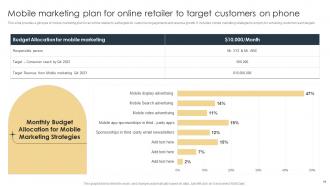
Slide 44: This slide represents Mobile marketing plan for online retailer to target customers on phone.
Slide 45: This slide highlights title for topics that are to be covered next in the template.
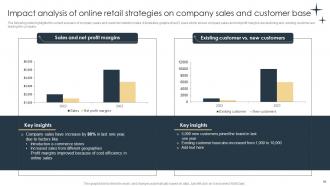
Slide 46: This slide showcases Impact analysis of online retail strategies on company sales and customer base.
Slide 47: This slide highlights title for topics that are to be covered next in the template.
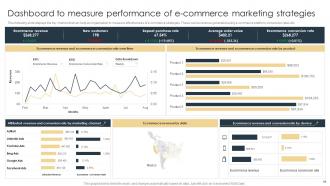
Slide 48: This slide shows Dashboard to measure performance of e-commerce marketing strategies.
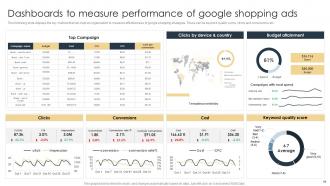
Slide 49: This slide presents Dashboards to measure performance of google shopping ads.
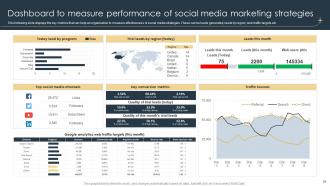
Slide 50: This slide displays Dashboard to measure performance of social media marketing strategies.
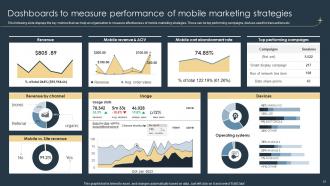
Slide 51: This slide represents Dashboards to measure performance of mobile marketing strategies.
Slide 52: This slide highlights title for topics that are to be covered next in the template.
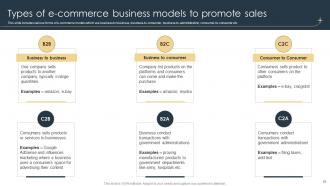
Slide 53: This slide showcases Types of e-commerce business models to promote sales.
Slide 54: This slide is titled as Additional Slides for moving forward.
Slide 55: This slide contains all the icons used in this presentation.
Slide 56: This is Our Team slide with names and designation.
Slide 57: This slide displays Mind Map with related imagery.
Slide 58: This slide contains Puzzle with related icons and text.
Slide 59: This slide shows Post It Notes. Post your important notes here.
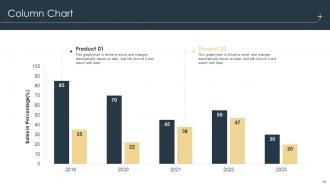
Slide 60: This slide displays Column chart with two products comparison.
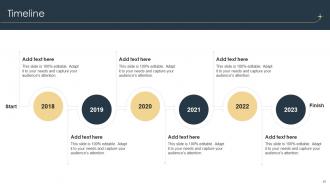
Slide 61: This is a Timeline slide. Show data related to time intervals here.
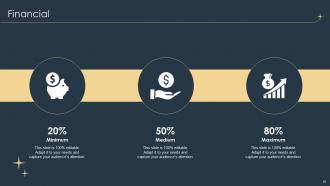
Slide 62: This is a Financial slide. Show your finance related stuff here.
Slide 63: This is a Thank You slide with address, contact numbers and email address.
E Commerce Marketing Strategies To Increase Sales Powerpoint Presentation Slides with all 68 slides:
Use our E Commerce Marketing Strategies To Increase Sales Powerpoint Presentation Slides to effectively help you save your valuable time. They are readymade to fit into any presentation structure.










FAQs for E Commerce Marketing Strategies To Increase Sales
Honestly? Instagram and Facebook are your best bet for starting out. You can run ads on both from the same dashboard which saves so much time. Instagram's shopping stuff is amazing for getting people to discover your products, and Facebook still has solid targeting even after Apple messed everything up. TikTok's where you want to be for younger crowds - if you nail the content, it can blow up fast. Pinterest is killer for anything lifestyle-y or visual. Oh, and YouTube's great for demos and reviews, though that takes more work. I'd definitely start with the Instagram/Facebook combo first.
Dude, personalized emails work so much better because you're actually speaking to real people instead of just throwing stuff at everyone and hoping it sticks. When I segment my list and customize subject lines based on what people bought before, my open rates go up like 20-30%. It's crazy how much difference it makes. Even something super basic like using their name and mentioning their last order gets way more clicks. People want to feel like you actually know them, not like they're just another email address. Start small though - you don't need to get fancy right away.
Dude, SEO is like having a 24/7 salesperson working for free. People search for stuff you're selling on Google, and if your product pages have the right keywords, boom - they find you instead of your competitors. The cool thing? These visitors actually buy because they're already looking for what you've got. Takes forever to build up though, not gonna lie. But once it's working, traffic keeps flowing even when you're sleeping or binge-watching Netflix. Start with your product titles and descriptions - that's honestly where most people see results first. Way better ROI than burning cash on ads.
Honestly, go with micro-influencers first - like 10k to 100k followers. Way better engagement than the mega ones and won't break your budget. The key is finding people who actually fit your brand, not just anyone with decent numbers. Let them do their thing creatively instead of giving them some weird script their followers will see right through. I'd probably start with just one or two to test the waters. Track the real stuff that matters - clicks, actual sales, engagement rates. Follower count is basically vanity metrics at this point. Once you find what clicks, then you can expand from there.
Honestly, just focus on the stuff that actually makes you money. Your conversion rate is huge - like, how many people buy vs just browse. Then track your customer acquisition cost and return on ad spend. Those three will tell you everything. Cart abandonment rates are super telling too, plus average order value and lifetime customer value. Oh, and if you're doing email campaigns, open rates matter. Everyone gets obsessed with follower counts but that's basically useless if they're not buying anything. The big thing is figuring out which channels actually drive sales, not just traffic. Start there and you'll know what's working pretty quick.
Okay so abandoned cart emails are genius because they hit people right when they're deciding whether to buy or not. Timing matters though - shoot one out within a few hours, then maybe try again after a day. I do this myself constantly, like I'll put stuff in my cart then get distracted by Netflix or whatever. You can throw in a small discount or free shipping to make it more tempting. The subject line's huge too - test different ones to see what actually gets people to open them. Start simple with something like "forgot something?" and go from there.
Honestly, skip talking about features and focus on what your product actually does for people. Like, don't say "waterproof material" - say "stays dry even when your toddler spills juice everywhere." Write short paragraphs because long blocks of text are annoying when you're shopping. People decide with their feelings first, then convince themselves with facts later. So help them picture actually using it and loving it. Throw in specific details that make it feel real. Oh, and always include reviews or testimonials - that stuff works way better than anything you write about yourself.
Dude, mobile optimization can seriously make or break your e-commerce site. Like, most people shop on their phones now - if your site's slow or looks awful on mobile, you're just losing money left and right. I saw this happen to a client who totally ignored mobile stuff and their conversions went down the drain. Fast loading times are huge. Easy navigation matters too, plus simple checkout (honestly, complicated checkout flows drive me crazy as a customer). Just test your site on a few different phones first and fix the obvious problems. That alone should help your conversions quite a bit.
Dude, PPC is seriously worth trying - you only pay when people click, so no wasted money on views. The targeting is crazy good too, you can hit exact keywords your customers use. Way faster than SEO, which takes forever honestly. Plus you control everything - daily spending, pause whenever, adjust what's working. It's literally like having a traffic switch you can flip on and off. I'd start small with your top products first, then expand once you figure out which keywords actually make sales. The data you get is pretty solid for tweaking things.
Honestly, put those reviews everywhere you can think of - homepage, product pages, emails, social media. Just don't use the crappy ones that say "good product!" with zero detail. Pick testimonials that actually address what people worry about or highlight benefits they care about. Video ones are gold since they feel way more real. Oh, and you gotta actively ask for reviews after someone buys. Most happy customers will help out if you just follow up with an email asking. Don't overthink it - set up some automated sequences and actually send them.
Make it super simple for people to post about your stuff - hashtag campaigns work great. Throw in some perks like discount codes when they leave reviews or share photos. Contests are gold too. Honestly, customers trust other customers way more than anything you'll say in your marketing. Put that content everywhere - product pages, emails, social media. Oh, and definitely hit up your best customers first to get the ball rolling. You need some kind of system though to collect and reuse all this content regularly. It's kind of a pain but totally worth it.
Okay so basically retargeting works because most people don't buy anything on their first visit - like 98% just bounce. Those ads follow them around afterward reminding them "hey remember that thing you were looking at?" It keeps your brand in their head when they're actually ready to purchase. Plus you can throw in discounts or free shipping to sweeten the deal. Honestly it's way less annoying than random cold ads since they already showed interest. Just don't wait too long - hit them within a few days while they still remember your site.
Honestly, points-based systems work best - just keep it simple so people don't get confused trying to figure out how much stuff is worth. Tiered benefits are solid too, like unlocking better perks when you spend more. I'd definitely add personalized offers based on what they actually buy, not random stuff they'll never want. Early access to sales makes customers feel special (everyone loves feeling like a VIP, right?). Oh, and exclusive member perks are clutch. Start with basic points first, then see what your customers respond to before adding the fancy tier stuff. Don't overcomplicate it from day one.
Pick one thing to test - could be subject lines, headlines, button colors, whatever. Split your traffic 50/50 between the original and your new version. Then comes the hard part: waiting. I'm terrible at this and always want to call it after like 48 hours, but you really need at least a week to get solid data. Don't get distracted by vanity metrics either. Focus on what actually moves the needle - conversions, revenue per visitor, that stuff. Once you've got a clear winner, roll it out and start testing something else. The key is being patient enough to let the numbers do their thing.
Your website is literally your 24/7 salesperson - sounds cheesy but it's true. Sketchy looking sites or slow loading times? People bounce before they even see what you're selling. Good design builds trust and makes buying stuff actually easy. Google loves mobile-friendly sites too, so you'll rank higher in search results. I learned this the hard way with my cousin's bakery site - looked terrible on phones and sales were awful. All your ads and social media posts send people back to your website anyway, so it better not suck. Start mobile-first, keep navigation simple.
-
The ease of modifying templates is just superb! Also, the vast collection offers plenty of options to choose from.
-
I am glad to have come across Slideteam. I was searching for some unique presentations and templates for my business. There are a lot of alternatives available here.