Distribution Strategies For Increasing Sales Powerpoint Presentation Slides
Try Before you Buy Download Free Sample Product
Audience
Editable
of Time
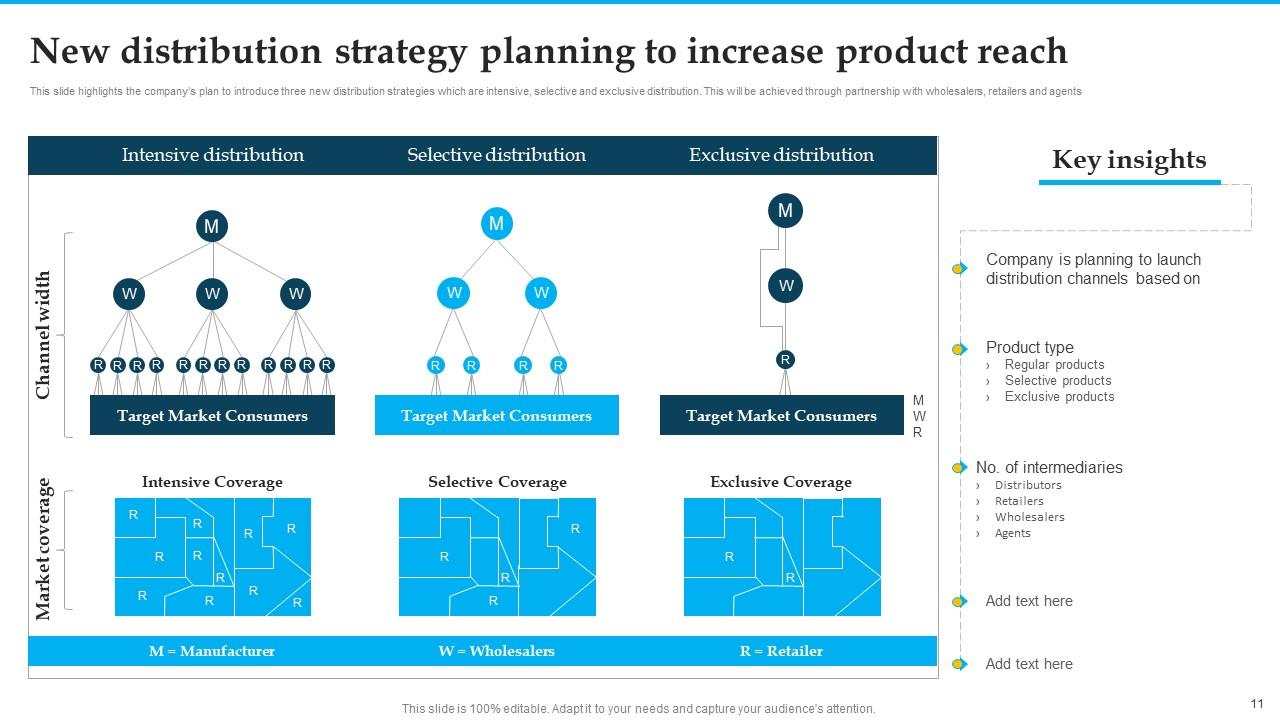
With increasing competition, meeting consumers demands in a timely manner and keeping up with the latest trends requires a lot of study and research. One such important aspect for a company is to maintain the right mix of its distribution channels which are important to first understand the consumers needs and expectation and then present them with the right solutions in the most effective manner. Our Distribution strategies for increasing sales template provides you with various distribution strategies your company can use to create a broader customer base. The PPT helps deal with this problem by offering different distribution strategies based on the product type and understanding consumer demand through various distribution intermediaries, wholesalers, retailers, sales representatives, etc. Product-based distribution channels discussed in this module are intensive distribution channels that are used for selling regular or low-value products like bread and cakes in all nearby convenience stores. Moreover, it shows selective distribution channels used for medium-value products like cars or perfumes for which the company hires selected distributors. At last exclusive distribution channels are covered, which the company uses to create a premium brand image in customers minds and generally use it for selling high-quality and technical products. Get access to our powerful sales strategy presentation templates now.
People who downloaded this PowerPoint presentation also viewed the following :
Content of this Powerpoint Presentation
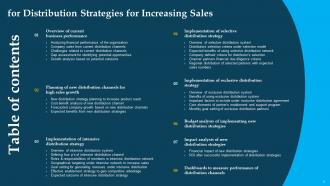
Slide 1: This slide introduces Distribution Strategies for Increasing Sales. State your company name and begin.
Slide 2: This slide states Agenda of the presentation.
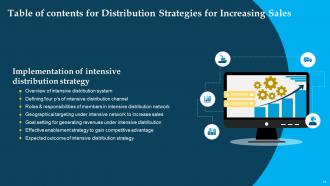
Slide 3: This slide shows Table of Content for the presentation.
Slide 4: This slide highlights title for topics that are to be covered next in the template.
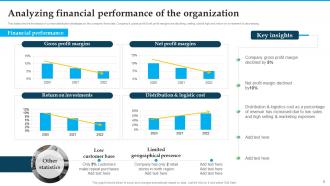
Slide 5: This slide presents Analyzing financial performance of the organization.
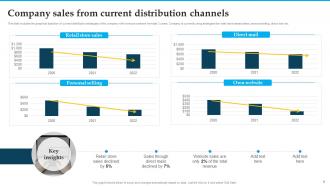
Slide 6: This slide displays Company sales from current distribution channels.
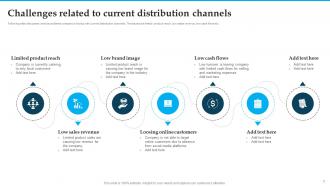
Slide 7: This slide represents Challenges related to current distribution channels.
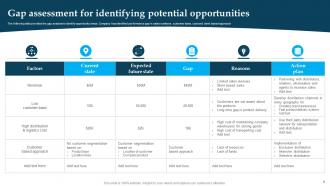
Slide 8: This slide showcases Gap assessment for identifying potential opportunities.
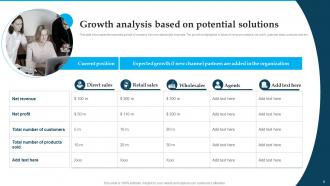
Slide 9: This slide shows Growth analysis based on potential solutions.
Slide 10: This slide highlights title for topics that are to be covered next in the template.
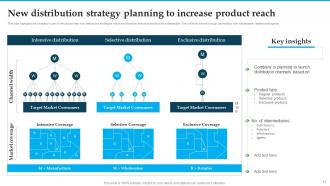
Slide 11: This slide presents New distribution strategy planning to increase product reach.
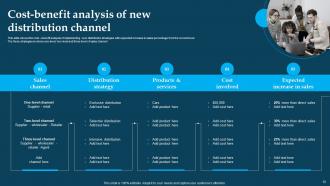
Slide 12: This slide displays Cost-benefit analysis of new distribution channel.
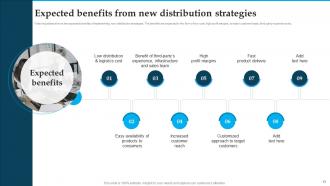
Slide 13: This slide represents Expected benefits from new distribution strategies.
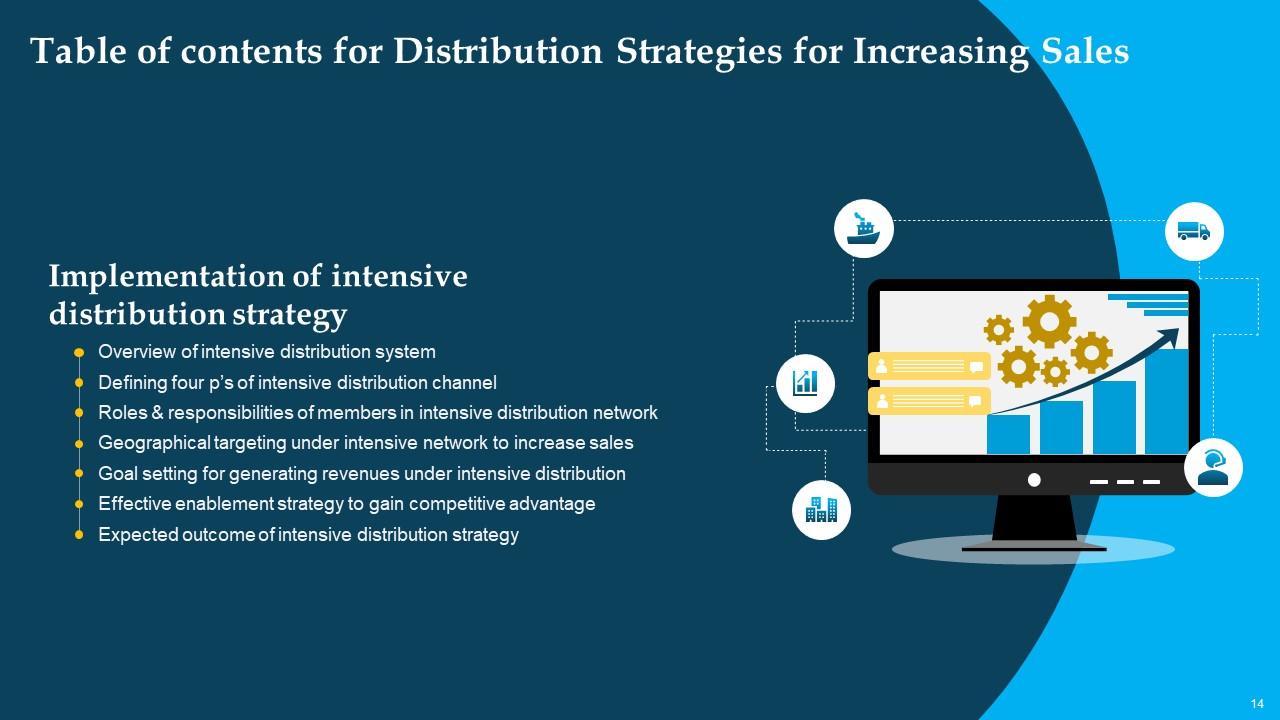
Slide 14: This slide highlights title for topics that are to be covered next in the template.
Slide 15: This slide showcases Overview of intensive distribution model.
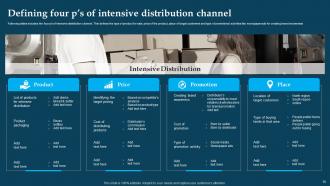
Slide 16: This slide shows Defining four p’s of intensive distribution channel.
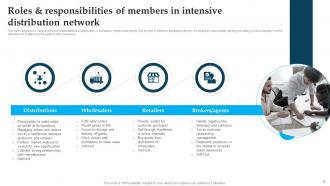
Slide 17: This slide presents Roles & responsibilities of members in intensive distribution network.
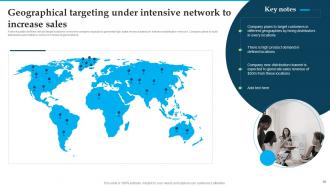
Slide 18: This slide displays Geographical targeting under intensive network to increase sales.
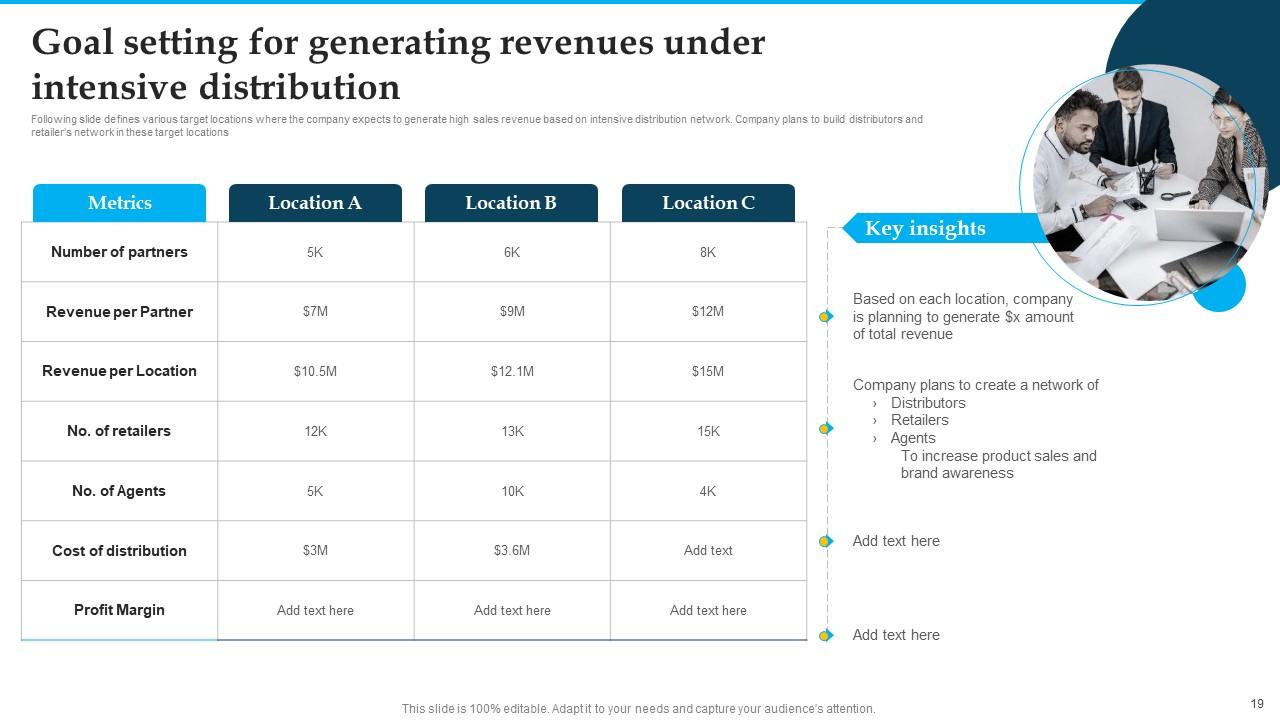
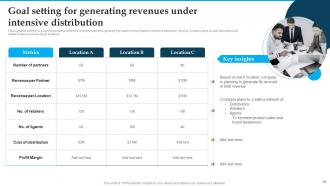
Slide 19: This slide represents Goal setting for generating revenues under intensive distribution.
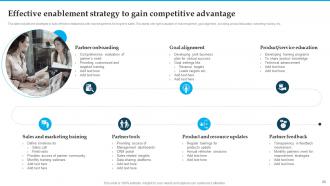
Slide 20: This slide showcases Effective enablement strategy to gain competitive advantage.
Slide 21: This slide shows Expected outcome of intensive distribution strategy.
Slide 22: This slide highlights title for topics that are to be covered next in the template.
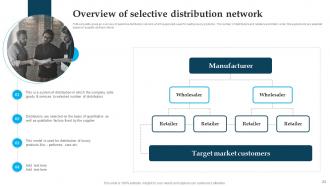
Slide 23: This slide presents Overview of selective distribution network.
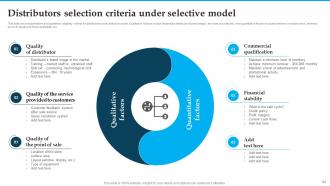
Slide 24: This slide displays Distributors selection criteria under selective model.
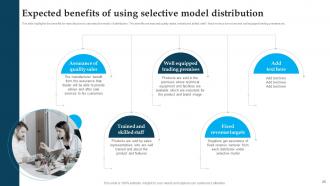
Slide 25: This slide represents Expected benefits of using selective model distribution.
Slide 26: This slide showcases Company defined criteria for distributor’s selection.
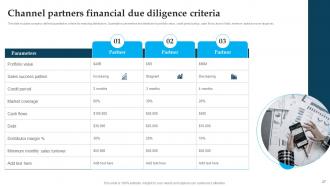
Slide 27: This slide shows Channel partners financial due diligence criteria.
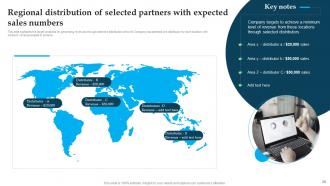
Slide 28: This slide presents Regional distribution of selected partners with expected sales numbers.
Slide 29: This slide highlights title for topics that are to be covered next in the template.
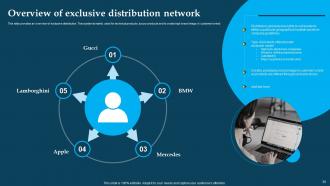
Slide 30: This slide displays Overview of exclusive distribution network.
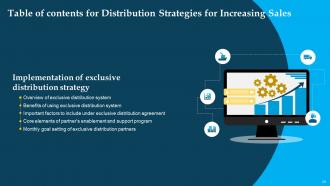
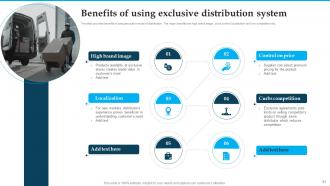
Slide 31: This slide represents Benefits of using exclusive distribution system.
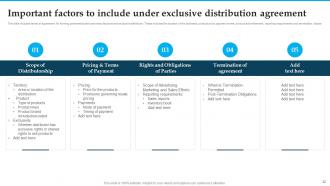
Slide 32: This slide showcases Important factors to include under exclusive distribution agreement.
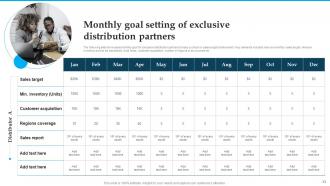
Slide 33: This slide shows Monthly goal setting of exclusive distribution partners.
Slide 34: This slide highlights title for topics that are to be covered next in the template.
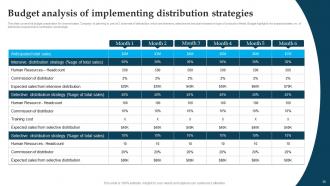
Slide 35: This slide presents Budget analysis of implementing distribution strategies.
Slide 36: This slide highlights title for topics that are to be covered next in the template.
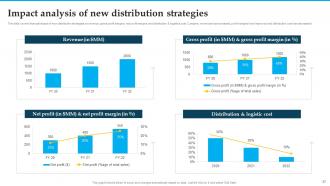
Slide 37: This slide displays Impact analysis of new distribution strategies.
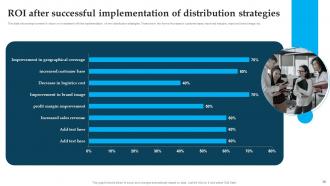
Slide 38: This slide represents ROI after successful implementation of distribution strategies.
Slide 39: This slide highlights title for topics that are to be covered next in the template.
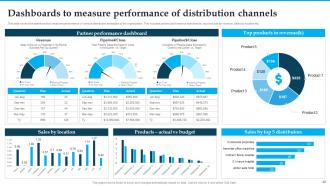
Slide 40: This slide showcases Partner performance dashboard.
Slide 41: This slide contains all the icons used in this presentation.
Slide 42: This slide is titled as Additional Slides for moving forward.
Slide 43: This slide shows SWOT describing- Strength, Weakness, Opportunity, and Threat.
Slide 44: This is About Us slide to show company specifications etc.
Slide 45: This slide provides 30 60 90 Days Plan with text boxes.
Slide 46: This slide showcases Magnifying Glass to highlight information, specifications etc
Slide 47: This slide shows Post It Notes. Post your important notes here.
Slide 48: This is a Timeline slide. Show data related to time intervals here.
Slide 49: This slide depicts Venn diagram with text boxes.
Slide 50: This is Our Team slide with names and designation.
Slide 51: This is a Thank You slide with address, contact numbers and email address.
Distribution Strategies For Increasing Sales Powerpoint Presentation Slides with all 56 slides:
Use our Distribution Strategies For Increasing Sales Powerpoint Presentation Slides to effectively help you save your valuable time. They are readymade to fit into any presentation structure.
FAQs for Distribution Strategies For Increasing Sales
Okay so first figure out who you're actually selling to and where they like to shop. Online people vs. the touch-and-feel crowd are totally different. Your product matters too - tech stuff needs specialized stores, but basic consumables? Those can go anywhere honestly. Budget's gonna be your reality check here, plus how much you can handle shipping and whether you care about controlling prices. I'd honestly just pick 2-3 channels that make sense and test them small first. Way better than betting everything on one approach and finding out your customers aren't even there.
Honestly, digital transformation is making companies completely rethink how they get products to people. Everyone's trying to cut out the middleman now - you've got car companies selling direct online, retailers going straight to consumers, even B2B manufacturers building their own digital channels. The data you get from direct sales is incredible too (no more guessing what people actually want). Healthcare and finance are probably the most interesting - they're distributing services through digital platforms in ways that literally couldn't happen before. I'd say look at your current setup and pick one area to test going more digital and direct.
Social media is honestly a game-changer for getting your stuff out there. You get direct access to your audience plus all that juicy real-time data about what's actually working. The targeting is insane now - you can get super specific with who sees your content and test different approaches on the fly. Here's the thing though - those algorithms are moody as hell these days. But when organic sharing kicks in, your reach can explode way beyond what you started with. Don't make the rookie mistake of posting identical content everywhere. Each platform has its own vibe and features you should actually use. Pick maybe 2-3 platforms where your people actually spend time and focus there instead of spreading yourself thin.
Honestly, customer feedback is everything when it comes to your distribution strategy. People will straight up tell you if they can't find your stuff in stores or if your website's checkout is a nightmare. I always tell people to survey customers about their buying experience - like, which stores actually had your product in stock? Was ordering online smooth or did they want to throw their laptop out the window? Track which channels get the most complaints too. Oh, and set up these feedback systems early so you're not scrambling later when something's clearly not working.
Your distribution strategy basically determines how you build out your whole supply chain. Direct-to-consumer? You need totally different warehousing and shipping than selling through retailers. Look at Amazon vs Coca-Cola - completely different logistics setups. Where you position inventory, what transportation you use, it all flows from your channel choices. Honestly, retrofitting later is a nightmare and costs way more. I'd start by figuring out your ideal customer journey first, then design the logistics to match that. Getting the alignment right upfront saves you so much headache down the road.
You'll keep way more money - like 50-70% margins vs the typical 30-40% after stores take their cut. Customer data is yours too, which is huge for building relationships and getting repeat buyers. The speed thing is what really gets me though - you can test products, change prices, tweak your messaging instantly based on what's working. Traditional retail still makes sense for reaching more people, but DTC lets you control the whole experience. I'd probably start with just one product line first, see how it goes before jumping in completely.
So geographic stuff is huge for getting products to people and what it costs you. Distance from your warehouses, how good the local roads/infrastructure are, transportation options - all that matters. Climate's a big one too (ice cream to Phoenix vs Alaska, right?). Population density tells you if you should sell direct or need retail partners. Rural markets are totally different beasts than cities. I'd start by looking at where your best customers are vs where you can actually reach them easily, then figure out which gaps are bleeding you the most money.
Track channel performance first - see which outlets actually drive sales vs just looking busy. Geographic reach matters if you're expanding. Customer acquisition cost per channel is huge though, some distributors seem amazing until you realize they're bleeding you dry. Also watch inventory turnover and stockouts across different partners. Honestly, just pick two metrics that match your biggest goals right now. I made the mistake of trying to measure everything at once and it was overwhelming. Focus on what actually moves the needle for your business.
Honestly, AI can totally change your distribution game. Route optimization is probably the easiest place to start - cuts down on fuel costs and delivery times like crazy. Automated picking systems are insane though, I've heard they can slash fulfillment times by 70%. The demand forecasting stuff is clutch too, helps you stock the right products in the right places so you're not scrambling with shortages. My advice? Don't go overboard right away. Pick one thing, maybe inventory tracking or route planning, see how it works out. Then expand from there. Baby steps work better than trying to revolutionize everything overnight.
Honestly, the two big things that'll bite you are channel conflict and brand control issues. Your partners might start undercutting each other on price - I've seen that get messy real quick. Plus you can't control how customers experience your brand at different places, which is kinda scary when you think about it. Different partners will represent you differently, so your messaging gets watered down. Oh, and managing all those relationships? Super time-consuming. I'd say start small with maybe 2-3 solid partners first. Set clear rules upfront about who sells where and at what prices.
Honestly, go after partners who already have your customers' trust - that's where the magic happens. Distributors, retailers, maybe even brands that complement yours without competing directly. Joint ventures are huge but weirdly overlooked by most people. Your partner needs solid infrastructure and actual market reach, not just a fancy name. Sometimes smaller, niche players will give you way more attention than the big guys anyway. Oh, and don't spread yourself thin at first - nail one good partnership before you start thinking about scaling up. Way less headache that way.
Honestly, consumer behavior runs the whole show when it comes to distribution. People started wanting same-day delivery? Companies had to scramble to make it happen. Look at how Amazon Prime ruined us all - now waiting more than two days feels like torture lol. Your customers migrate to mobile or start caring about eco-friendly packaging, and suddenly you're redesigning your entire supply chain. The social commerce thing is huge right now too. Bottom line: you gotta actually ask your customers what they want and watch how they're shopping. Don't just assume the strategy from 2019 still works because it probably doesn't.
Honestly, you've got one huge advantage - speed. Big companies get bogged down in meetings and red tape while you can change direction overnight. Don't try competing everywhere though, that's suicide. Instead, hunt for those niche markets they're ignoring (trust me, there's tons of them). Build real relationships with customers through direct sales, local partnerships, or find distributors who actually give a damn about your product. The corporate giants literally can't be bothered with smaller markets - their loss, your opportunity. Pick your battles smart and go where you can actually win.
So first thing - audit what you're doing now so you can actually see if changes help later. Route optimization software is honestly game-changing for cutting fuel costs. Try consolidating shipments and find carriers using electric/hybrid trucks if you can. Eco-friendly packaging makes a huge difference too. Local sourcing is clutch because shorter supply chains = way less environmental impact. I know it sounds like a lot, but start with measuring your current carbon footprint. Then tackle the low-hanging fruit like better routing and packaging materials. You'll probably be surprised how much waste you can cut just from smarter logistics.
Dude, cultural differences are huge for international distribution. Some places still love their local shops - Germans are super loyal to neighborhood retailers. Meanwhile, other markets went all-in on online shopping years ago. Japan's all about those personal distributor relationships, which honestly took me forever to understand when I first learned about it. Payment methods are totally different too - what works in the US might flop elsewhere. Religious practices and shopping habits? Complete wildcards depending where you're selling. You can't just copy-paste your home strategy and expect it to work. Really dig into how people actually shop in each market first, then build from there.
-
I was confident and well prepared for my presentation for the first time ever. With SlideTeam’s templates, I could deliver one of my best presentations. Will be coming back for more!
-
One word for SlideTeam–Versatile!