


Employee Development Plan Powerpoint Presentation Slides





Try Before you Buy Download Free Sample Product
 Impress Your
 Audience
 100%
100% Editable
 Save Hours
 of Time


With our 65 slides content-ready Employee Development Plan PowerPoint Presentation Slides, you can easily showcase all the essential information about an employee including Education, Career Objectives, Work Experience and more. To do this there are designs like introduction, who I am, education, work experience, career objectives, my mission, career path, projects and assignments, achievements, awards and certification etc. Not only this, you can also showcase strengths, weaknesses personality traits, why me, vision, my goals with these professionally designed slides to impress your boss or audience. This will save money, time and resources in planning from scratch. You can take advantage of this development plan presentation to understand various topics related to this. Apart from this, there are additional slide design examples like our team, financial, comparison, timeline, location, dashboards, important notes, targets, puzzle, mind map, matrix and many such slides. These templates examples can also be used to create presentation on self-introduction. Download our pre-made Employee Development Plan Presentation Slides to easily sail through the tough task of building everything on your own. So, don’t wait just click download and use this complete deck and shine. Our Employee Development Plan Powerpoint Presentation Slides will enhance your eloquence. They keep the flow of words going.
People who downloaded this PowerPoint presentation also viewed the following :
Content of this Powerpoint Presentation
Slide 1: This is an introductory slide for Employee Development Plan. State Your Company Name and begin.
Slide 2: This is an Agenda slide. Showcase your agendas here.
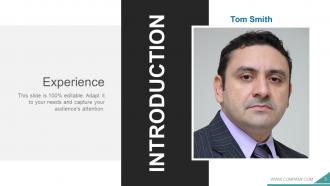
Slide 3: This slide showcases Introduction and Experience of the concerned employee.
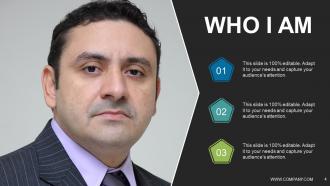
Slide 4: This slide showcases Who I am of the concerned employee.
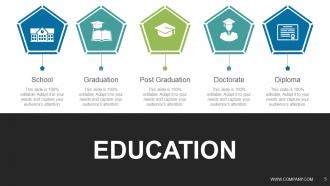
Slide 5: This slide displays Education of the concerned employee.
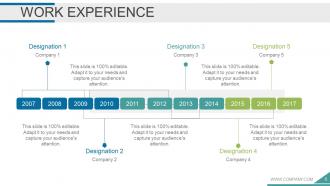
Slide 6: This slide displays Work Experience of the concerned employee.
Slide 7: This slide also displays Education of the concerned employee with relevant icon imagery.
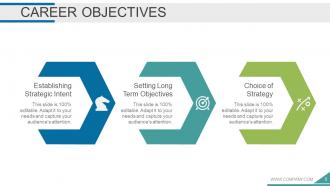
Slide 8: This slide showcases Career Objectives such as- Establishing Strategic Intent, Setting Long Term Objectives, Choice of Strategy.
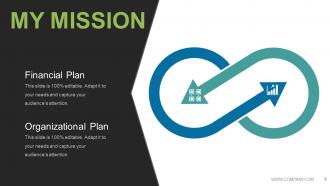
Slide 9: This slide presents My Mission displaying- Organizational Plan, Financial Plan.
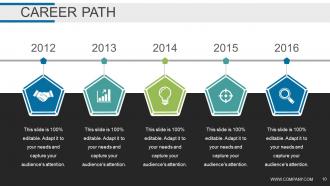
Slide 10: This slide displays Career Path of the concerned employee.
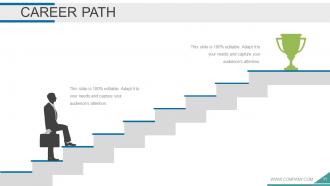
Slide 11: This slide displays Career Path of the concerned employee in a creative ladder form.
Slide 12: This slide showcases Projects and Assignments to be displayed.
Slide 13: This slide also showcases Projects and Assignments to be displayed.
Slide 14: This slide helps present My Achievements So Far to be displayed.
Slide 15: This slide helps present My Awards to be displayed for extra credentials.
Slide 16: This slide showcases Certification in professional or academic areas to be shown.
Slide 17: This slide displays How I helped My Current Team by a particular employee/ candidate.
Slide 18: This is a Coffee Break slide to halt. You can change the slide content as per need.
Slide 19: This slide shows What Promotion I am hoping for in the organization.
Slide 20: This slide showcases My Strengths and Weaknesses. List them out here.
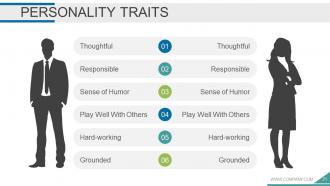
Slide 21: This slide showcases Personality Traits to be listed, such as- Thoughtful, Responsible, Sense of Humor, Play Well With Others, Hard-working, Grounded.
Slide 22: This slide showcases What Do I bring to the Table.
Slide 23: This slide presents Why Me chosen for a specific task etc.
Slide 24: This slide shows Job Career Promotion Request Icons Set. Use the icons as per requirement.
Slide 25: This slide is titled Additional Slides to move forward. You can change the slide content as per need.
Slide 26: This is Our Vision with Mission and Goals slide. State them here.
Slide 27: This is an About Me slide. State career/professional specifications here.
Slide 28: This is Our Team slide with names, designation and text boxes.
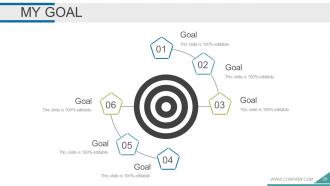
Slide 29: This is My Goal slide. State your goals here.
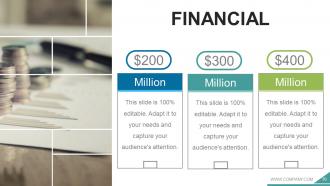
Slide 30: This is a Financial score slide. State financial aspects etc. here.
Slide 31: This is a Comparison slide to compare product/enitities etc.
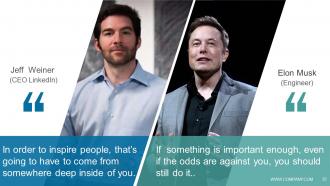
Slide 32: This is a Quotes slide. State business message, beliefs etc. here.
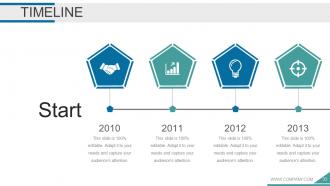
Slide 33: This is a Timeline image slide to show Beginning growth factors, milestones etc.
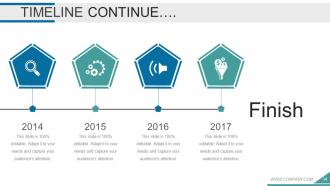
Slide 34: This is a Timeline continue image slide to show Beginning growth factors, milestones etc.
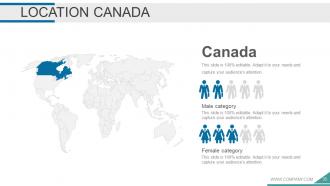
Slide 35: This is Location Canada image slide of world map image to show global growth, presence etc.
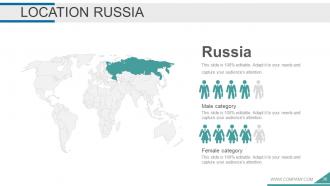
Slide 36: This is Location Russia image slide of world map image to show global growth, presence etc.
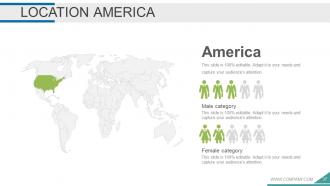
Slide 37: This is Location America image slide of world map image to show global growth, presence etc.
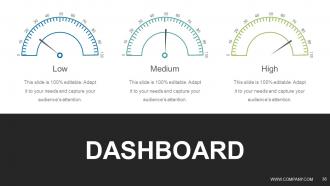
Slide 38: This is a Dashboard slide to show growth factors in terms of High, Low, Medium.
Slide 39: This slide showcases Important Notes to be displayed. Show events, important piece of infromation, events etc. here.
Slide 40: This is a Target slide to show targets, plans etc.
Slide 41: This is a Puzzle image slide to show information, specifications etc.
Slide 42: This slide displays Newspaper image to flash company event, news or anything to highlight. You may change the content as per need.
Slide 43: This is a Circular image slide to show information, specifications etc.
Slide 44: This is a Lego image slide. State information, specifications etc. here.
Slide 45: This is a Venn diagram image slide to present information, specifications etc.
Slide 46: This is a Mind map image slide to show information, segregation, specifications etc.
Slide 47: This is a Matrix slide to show information, comparison specifications etc.
Slide 48: This is a Silhouettes image slide to show people related information, specifications etc.
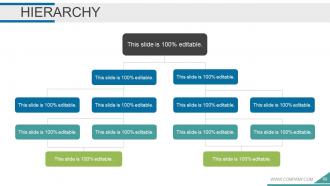
Slide 49: This is a Hierarchy image slide to show information, organization structural specifications etc.
Slide 50: This is an Idea bulb image slide to show information, innovation specifications etc.
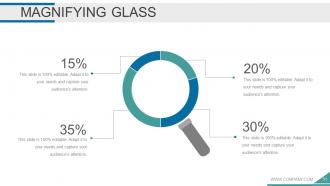
Slide 51: This slide shows a Magnifying glass image with text boxes. State information etc. here.
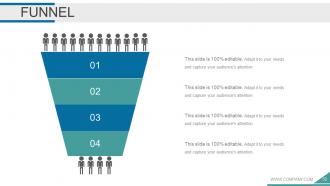
Slide 52: This slide displays a Funnel image. State information, funneling aspects etc. here.
Slide 53: This slide is titled Our Charts to move forward. You may alter/change the slide content as desired.
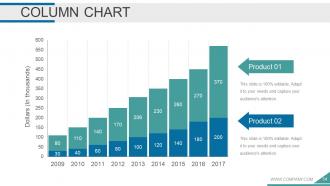
Slide 54: This slide presents a Column Chart for showcasing product/company growth, comparison etc.
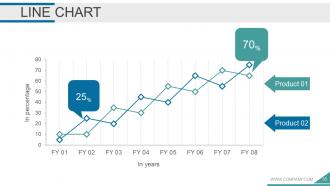
Slide 55: This slide presents a Line Chart for showcasing product/company growth, comparison etc.
Slide 56: This slide presents a Pie Chart for two product/entity comparison, information, specifications etc.
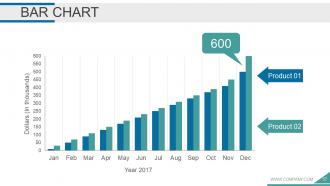
Slide 57: This slide presents a Bar Chart for two product/entity comparison, information, specifications etc.
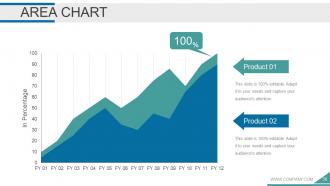
Slide 58: This slide presents an Area Chart for two product/entity comparison, information, specifications etc.
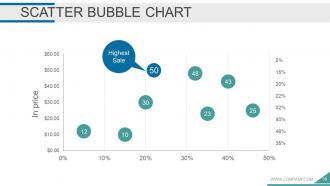
Slide 59: This slide showcases a Scatter Bubble Chart for two product/entity comparison, information, specifications etc.
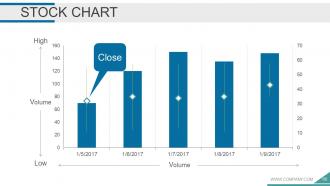
Slide 60: This slide showcases a Stock Chart for two product/entity comparison, information, specifications etc.
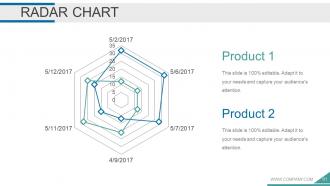
Slide 61: This slide showcases a Radar Chart for two product/entity comparison, information, specifications etc.
Slide 62: This slide showcases a Combo Chart for two product/entity comparison, information, specifications etc.
Slide 63: This slide displays a Stacked Line Graph for two product/entity comparison, information, specifications etc.
Slide 64: This is a Contact Me slide with Address# street number, city, state, Contact Numbers, Email Address.
Slide 65: This is a Thank You slide for acknowledgement or to end a presentation.
Employee Development Plan Powerpoint Presentation Slides with all 65 slides:
Use our Employee Development Plan Powerpoint Presentation Slides to effectively help you save your valuable time. They are readymade to fit into any presentation structure.
-
Employee Development Plan
-
Agenda Slide
-
Introduction Slide
-
WHO I AM
-
Education
-
Work Experience
-
Work Experience
-
Career Objectives
-
MY MISSION
-
Career Path
-
Career Path
-
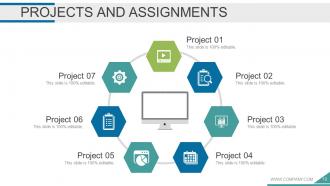
Projects and Assignments
-
Projects and Assignments
-
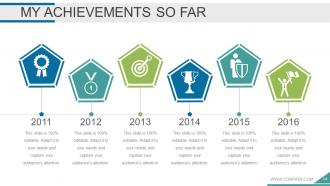
My Achievements So Far
-
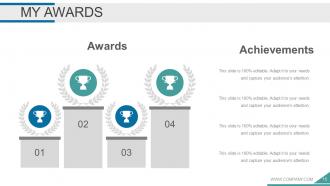
MY AWARDS
-
Certification
-

How I Helped My Current Team
-
Coffee Break
-
WHAT PROMOTION I AM HOPING FOR
-
My Strengths and Weaknesses
-
Personality Traits
-
What do I bring to the table
-

WHY ME
-
Job Career Promotion Request Icons Set
-
Additional Slides
-
Our Vision
-
About Me
-

OUR TEAM
-
MY GOAL
-
Financial
-

Comparison
-
Employee Development Plan
-
Timeline
-
Timeline Continue
-
Location Canada
-
Location Russia
-
Location America
-
Dashboard
-
Important Notes
-
Target
-
Puzzle
-
BUSINESS NEWS
-
Circular
-
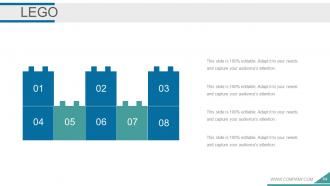
LEGO
-
Employee Development Plan
-

Mind Map
-
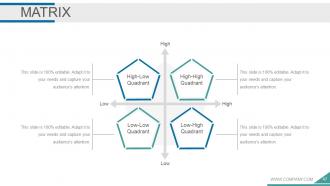
Matrix
-
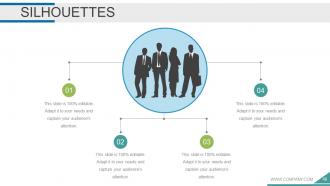
Silhouettes
-
Hierarchy
-
Employee Development Plan
-
Magnifying Glass
-
Funnel
-
Our Charts
-
Column Chart
-
Line Chart
-

Pie Chart
-
Bar Chart
-
Area Chart
-
Scatter Bubble Chart
-
Stock Chart
-
Radar Chart
-
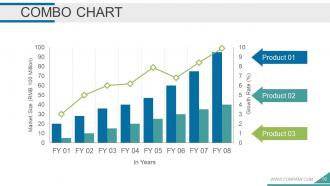
Combo Chart
-
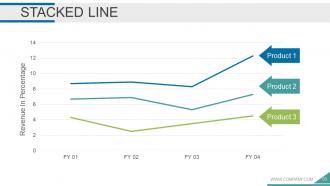
Stacked Line
-

Contact Me
-
Thank You Slide
FAQs for Employee Development Plan
You need four main things for a solid development plan: goals that actually match what they want AND what the business needs, the specific skills they're missing, real learning stuff (training, mentoring, new projects), and regular check-ins. Most people totally bomb the follow-up part though - they create these plans then never look at them again. Super common mistake. Make sure you can actually measure if it's working too. The key is making them feel involved in building it. Start by asking what they want to work on first. That one conversation will basically give you everything you need to know.
Honestly, just ask them what they actually want first - I can't believe how many companies don't do this basic step. Send out surveys or grab coffee with people individually. Figure out their goals and how they like to learn. Some people thrive with mentors, others want to dive into online courses solo, and some learn best by jumping into challenging projects. Don't force everyone down the same path though - that's where most places mess up. Create different tracks. Maybe leadership development for some, technical deep-dives for others. Let people pick what excites them. Oh and circle back every few months because people's interests shift more than you'd think.
So your performance review is basically where they figure out what you're good at and what needs work. That feedback becomes the blueprint for your development plan - instead of just randomly picking skills to improve. Way smarter approach, honestly. Your manager will use those review results to set actual goals with deadlines. The key is being engaged during the review process and pushing for specific examples (not vague "communication needs improvement" nonsense). That's how you get a development plan that actually helps instead of collecting dust in some folder you'll never open again.
Honestly, tech transforms how you do employee development - makes it super personal and way easier to track. Learning platforms adjust to how fast people work and their learning style. AI suggests courses that actually match their job and career goals. The tracking part is what really sold me though - you finally get real data on what's working instead of just crossing your fingers. People can learn on their phones during lunch breaks or whatever, which keeps them more engaged. I'd start with just one solid learning management system first. Get everyone used to that before you go crazy with fancy features.
Honestly, the worst thing you can do is make some generic plan that could work for literally anyone - that's just BS busy work. Don't set crazy unrealistic deadlines either. Oh, and actually talk TO them about what they want, not just tell them what to improve. I've seen so many managers pick skills that have nothing to do with someone's actual job or goals. Makes zero sense. Also don't be that person who creates this whole plan then disappears - you gotta check in regularly or it's pointless.
Honestly, just make it a real conversation from day one. Ask them what they actually want to learn and where they're struggling - don't just hand down some plan you made in isolation. I totally bombed this once by creating these elaborate development plans that nobody gave a shit about lol. During your regular check-ins, flip it around and ask if the stuff they're doing is actually useful or just feels like homework. Sometimes the "development" activities are completely useless but nobody tells you. The whole thing works way better when it's collaborative instead of you just assigning them tasks.
Ask them what they actually want to learn - not what you think they need. People get way more excited when it's their choice. Monthly check-ins work better than annual reviews that nobody remembers. Mix things up with real projects, not just those terrible online courses everyone skips through. When someone nails a goal, make a big deal about it in front of the team. Honestly, half the development plans I've seen just sit in folders gathering dust. Keep tweaking their plan as they grow. Give them ownership and they'll surprise you.
Honestly, just bake mentorship right into their development plan like it's any other goal. Figure out what skills they want to build first, then find someone internal who's crushing it in those areas. The structure matters but don't go overboard - regular check-ins work great. Track their progress the same way you'd track training milestones. What I've noticed is pairing specific mentorship goals with their bigger career objectives makes a huge difference. Oh, and treat it like a real development tool, not some feel-good afterthought. That's where most people mess up.
Track the obvious stuff first - promotion rates, training completion, skill scores. That's your baseline data. But don't sleep on the soft metrics either. Employee surveys and retention rates tell you if people actually feel like they're growing (which honestly matters more than we think). Manager feedback is huge too. Oh, and see if they're using what they learned day-to-day - that's where you'll spot if your program's actually working or just checking boxes. I'd do quarterly reviews of all this so you can adjust if something's not landing right.
Honestly, cross-training is such a smart move. Your team gets way more flexible when people can actually cover for each other - no more panic when someone's out sick. Employees love it too because they're learning new stuff instead of doing the same thing forever (which gets old fast). Plus it makes you way more valuable when review time comes around. The key is figuring out which roles make sense together - like, don't try to train your accountant on graphic design or whatever. But yeah, definitely worth doing if you can swing it.
Start with your company's big goals, then figure out what skills your team actually needs to hit them. Work backwards from there - it's like reverse engineering but for people development. Most companies just dump random training on everyone (huge waste of money tbh). Design programs that build those specific skills you identified. Check regularly if what people are learning actually helps your business move forward. The whole point is connecting personal growth to company wins, so employees can see their development isn't just busy work but actually matters for the bigger picture.
Honestly, your leaders make or break the whole thing. They've got to actually care - not just sign off and disappear. You need them checking in, giving people resources, showing they're learning new stuff too. Without real buy-in? Those development plans become fancy paperwork nobody looks at. I've watched it happen so many times. Plus your team needs to feel safe screwing up while they're figuring things out - that's on leadership to create. Get their commitment before you even start writing the policy. Their signature means nothing if they don't actually follow through.
Honestly, I'd set aside like 2-5% of your payroll for this stuff - that's what most companies do. Internal mentoring and cross-training are your best friends here. Way cheaper than sending people to fancy conferences, and they actually work better half the time. Save the big-ticket items (certifications, conferences) for your star employees. Oh, and definitely track how it's working - retention rates, who's getting promoted internally, that kind of thing. The biggest mistake I see? Companies doing these huge training pushes once a year instead of spreading it out. Consistency wins every time.
Honestly, there's so much cool stuff you can do! Mobile apps work great for quick learning bits. VR training is actually getting cheaper now - wild how realistic it's become. Set up learning circles where people teach each other random skills they know. Gamification is huge too. Everyone gets weirdly competitive about badges, trust me. Oh, and try reverse mentoring - younger folks teaching the veterans new tricks. Job shadowing between departments rocks too. Mix different approaches since everyone learns differently. Pick one thing first, see what your team actually uses, then expand from there.
Honestly, you've gotta make learning feel exciting instead of mandatory. Ask your team what skills they actually want to build - not just what you think they need. I've watched so many boring training programs flop because nobody asked what people cared about! Give them choices in how they learn and celebrate the wins. Mentorship programs work great, plus cross-department projects. Don't forget to budget for conferences or external courses too. Oh, and managers need to talk about growth regularly, not just once a year during reviews. People get way more motivated when they have some control over their development path.
-
Professional and unique presentations.
-
Awesomely designed templates, Easy to understand.
-
Very well designed and informative templates.