


Employee Performance Review Process Powerpoint Presentation Slides
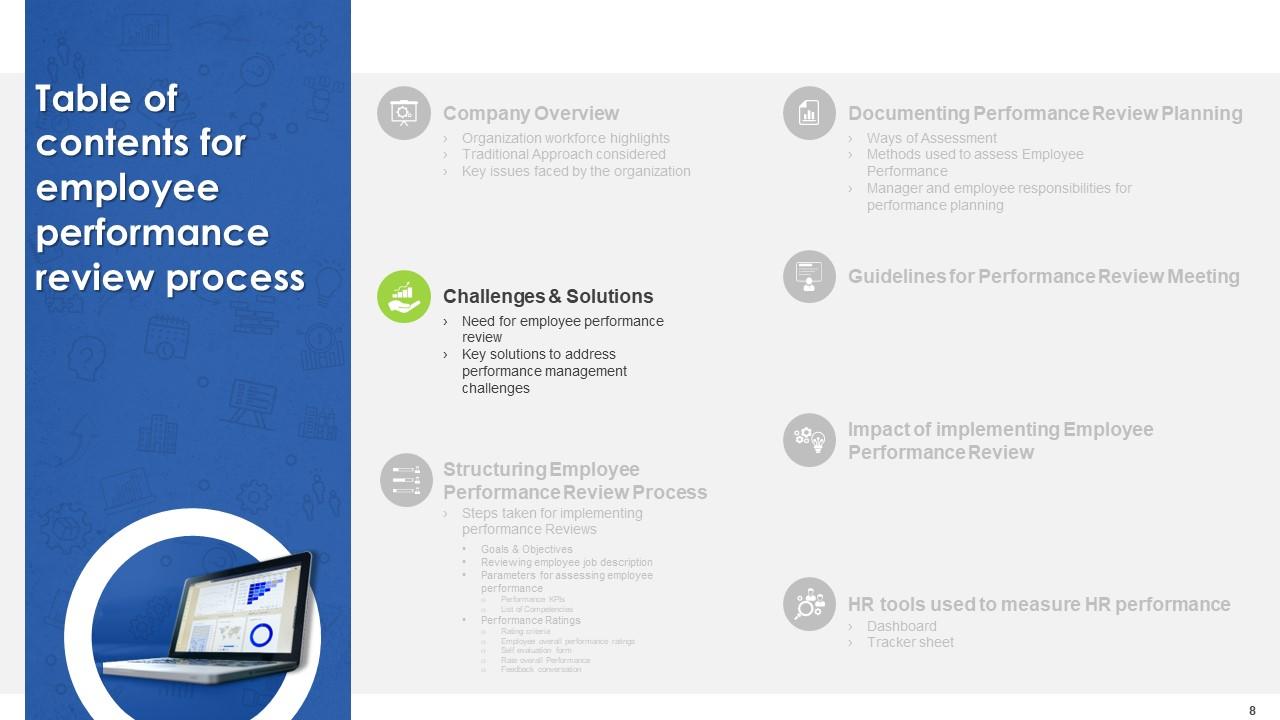
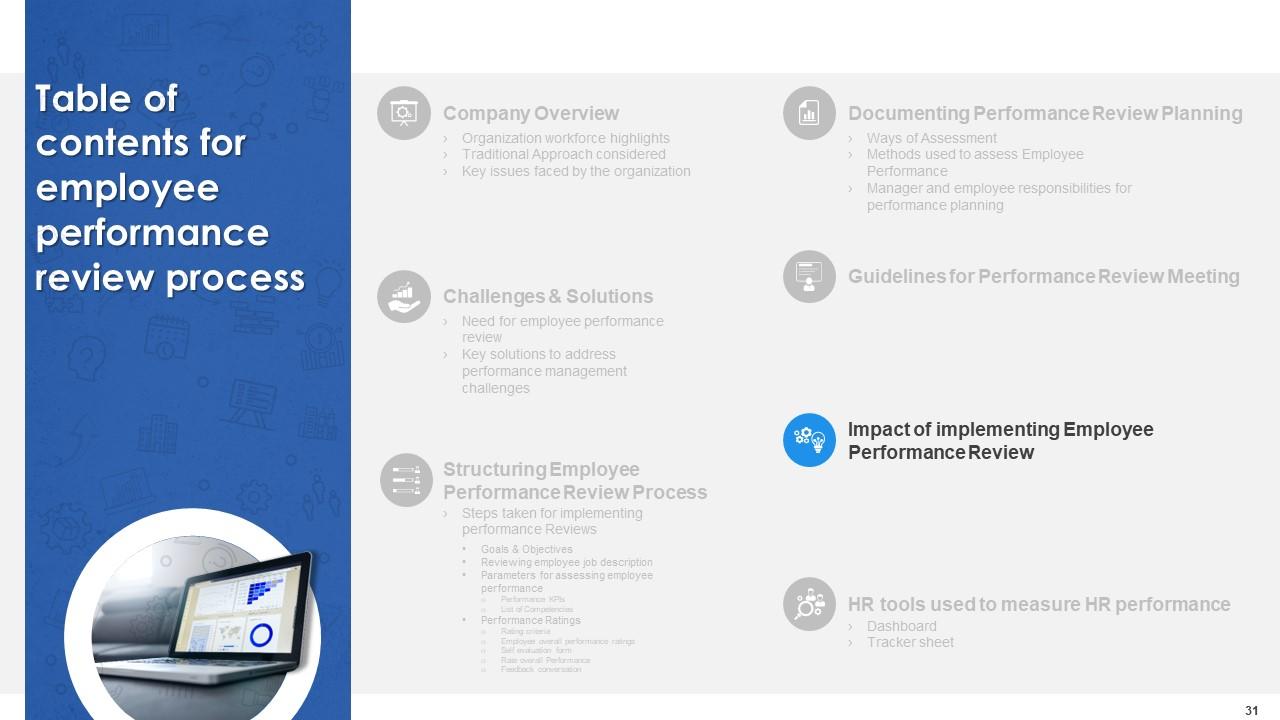
An employee performance review is a systematic evaluation of an individuals job performance and achievements, aimed at identifying strengths and weaknesses, setting goals, and providing feedback for future professional development. Grab our insightfully designed Employee Performance Review Process template. At first, it describes the company overview, including the organizations workforce, traditional approach, and key issues faced by the organization. Additionally, this human resource deck shows challenges faced during a performance review, along with solutions to overcome such challenges. Structuring the employee performance review process and documenting process review planning are also covered in this PPT. Furthermore, guidelines for performance review meetings are elaborated in this performance management module. Moreover, our rating criteria presentation showcases the impacts of implementing employee performance reviews. At last, a dashboard and tracker sheet is highlighted to measure HR performance. Customize our 100 percent editable Employee performance review through assistance from our highly skilled research or design team. Get access now.
An employee performance review is a systematic evaluation of an individuals job performance and achievements, aimed at iden..





















-

- Google Slides is a new FREE Presentation software from Google.
- All our content is 100% compatible with Google Slides.
- Just download our designs, and upload them to Google Slides and they will work automatically.
- Amaze your audience with SlideTeam and Google Slides.
-

Want Changes to This PPT Slide? Check out our Presentation Design Services
-

- WideScreen Aspect ratio is becoming a very popular format. When you download this product, the downloaded ZIP will contain this product in both standard and widescreen format.
-

- Some older products that we have may only be in standard format, but they can easily be converted to widescreen.
- To do this, please open the SlideTeam product in Powerpoint, and go to
- Design ( On the top bar) -> Page Setup -> and select "On-screen Show (16:9)” in the drop down for "Slides Sized for".
- The slide or theme will change to widescreen, and all graphics will adjust automatically. You can similarly convert our content to any other desired screen aspect ratio.
Compatible With Google Slides

Get This In WideScreen
You must be logged in to download this presentation.


Do you want to remove this product from your favourites?
PowerPoint presentation slides
Enthrall your audience with this Employee Performance Review Process Powerpoint Presentation Slides. Increase your presentation threshold by deploying this well-crafted template. It acts as a great communication tool due to its well-researched content. It also contains stylized icons, graphics, visuals etc, which make it an immediate attention-grabber. Comprising Fifty Three slides, this complete deck is all you need to get noticed. All the slides and their content can be altered to suit your unique business setting. Not only that, other components and graphics can also be modified to add personal touches to this prefabricated set.

People who downloaded this PowerPoint presentation also viewed the following :
Content of this Powerpoint Presentation
Slide 1: This slide introduces Employee Performance Review Process.
Slide 2: This slide depicts the Agenda of the presentation.
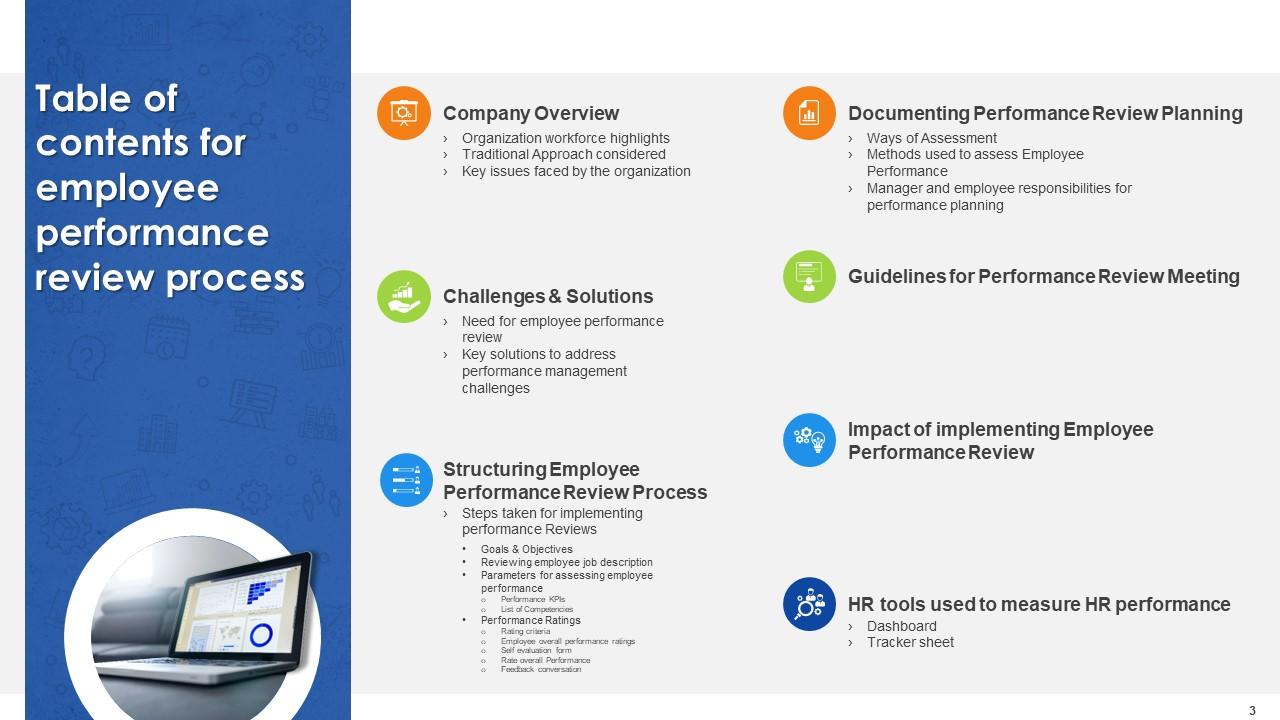
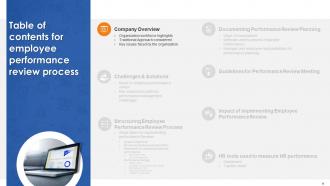
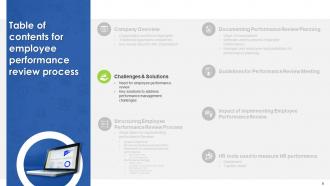
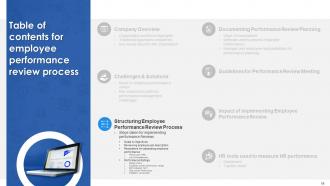
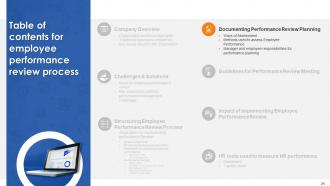
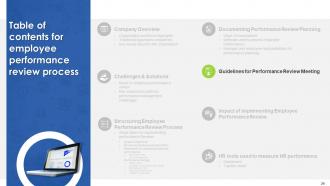
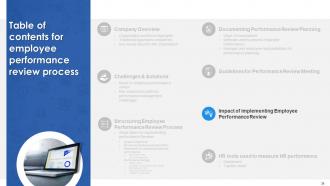
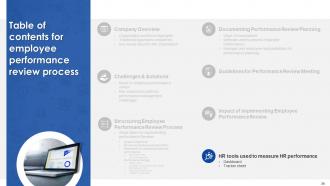
Slide 3: This slide incorporates the Table of Contents.
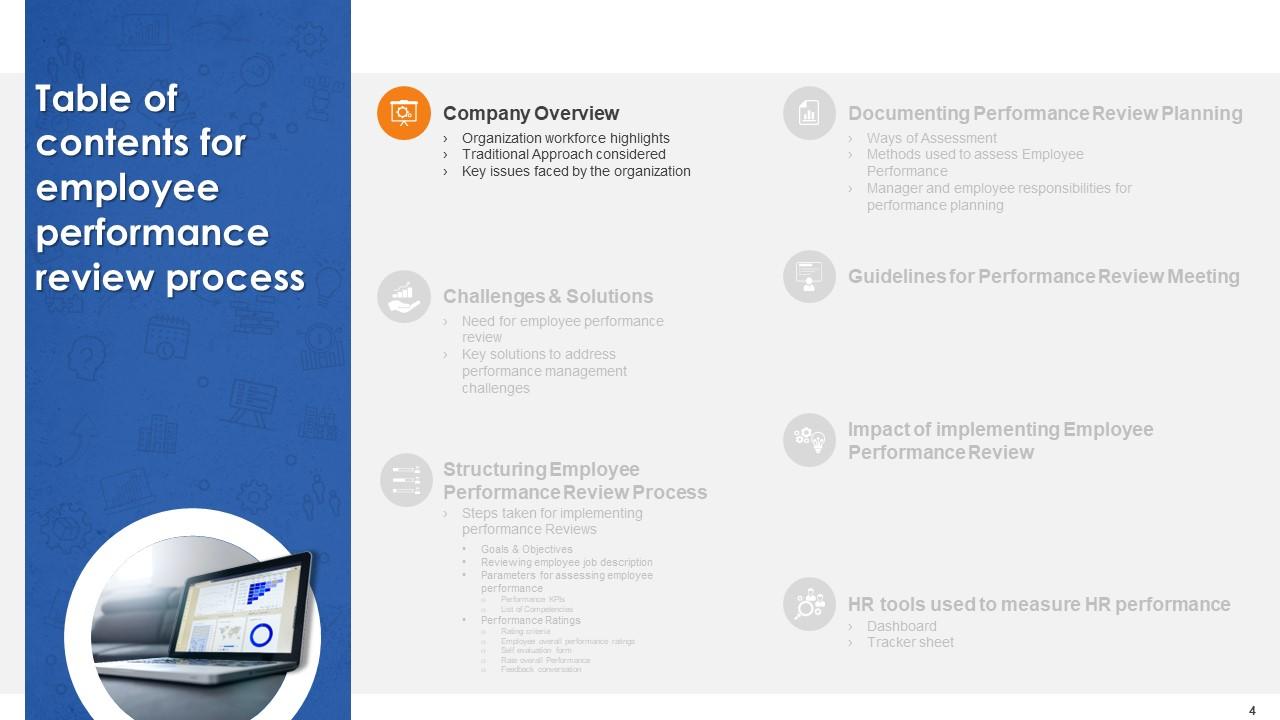
Slide 4: This slide highlights the Title for the Topics to be covered further.
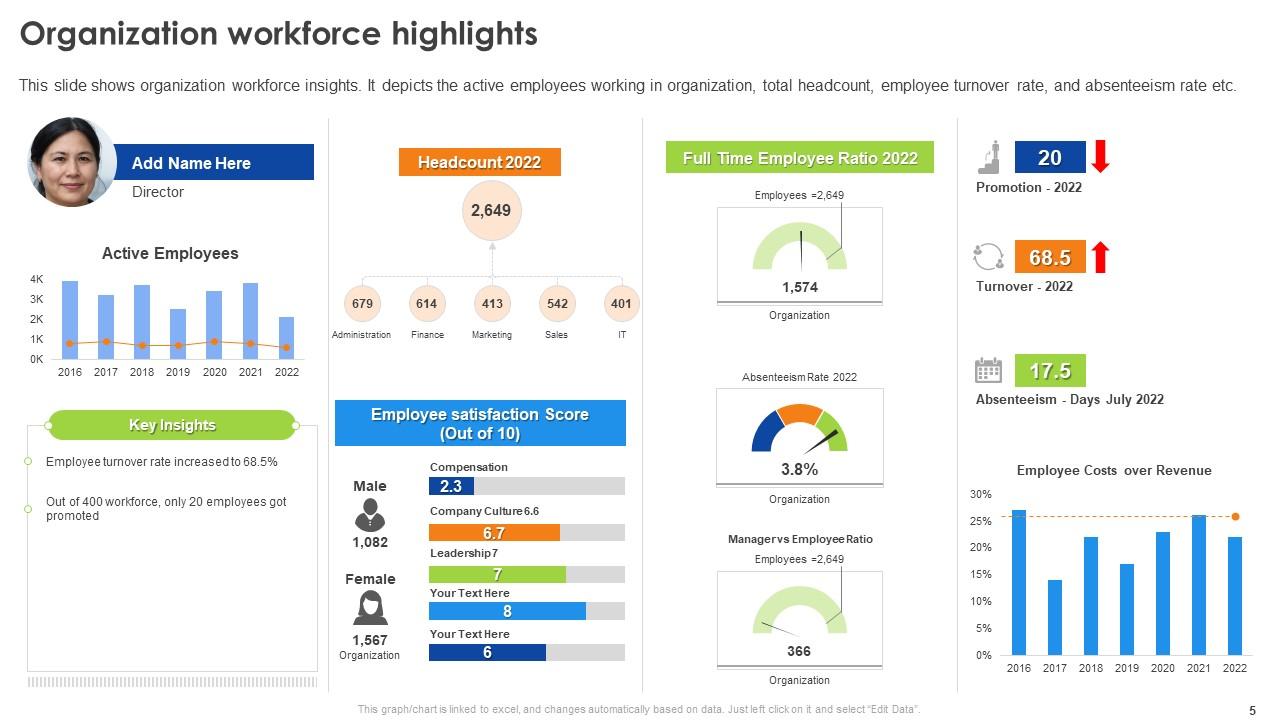
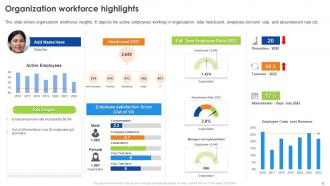
Slide 5: This slide shows organization workforce insights.
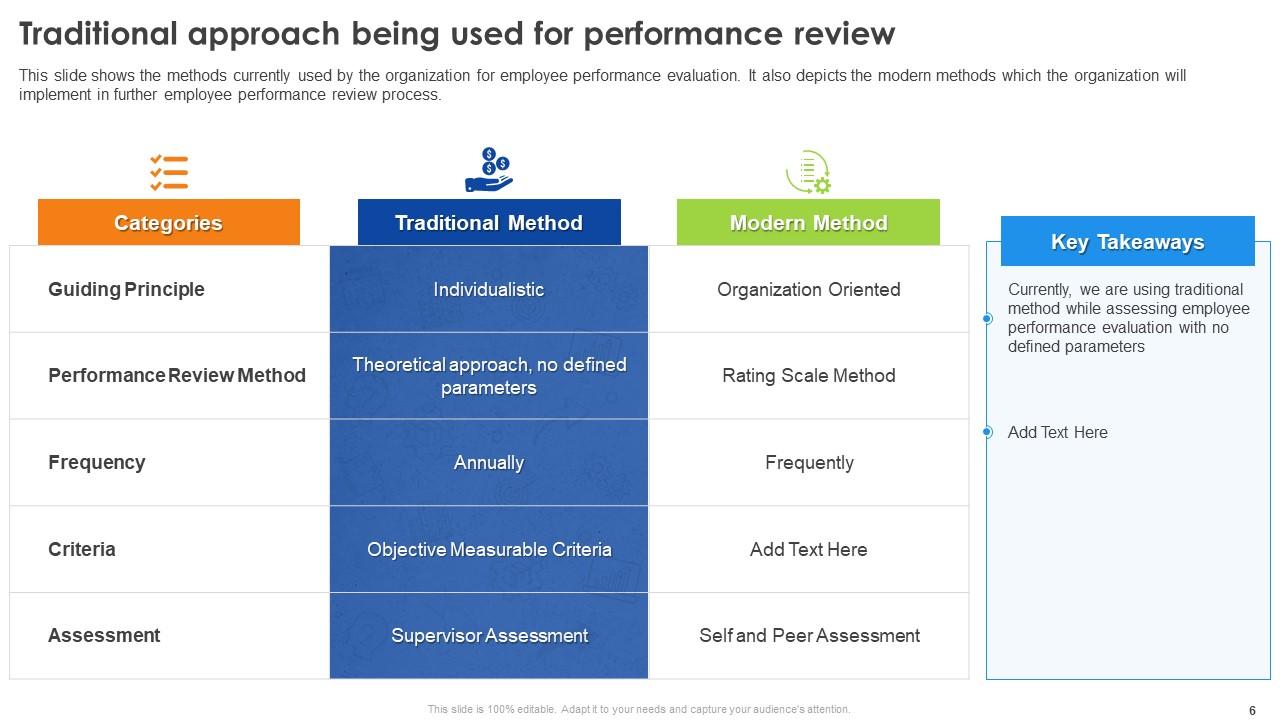
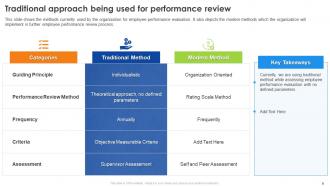
Slide 6: This slide displays the Traditional approach being used for performance review.
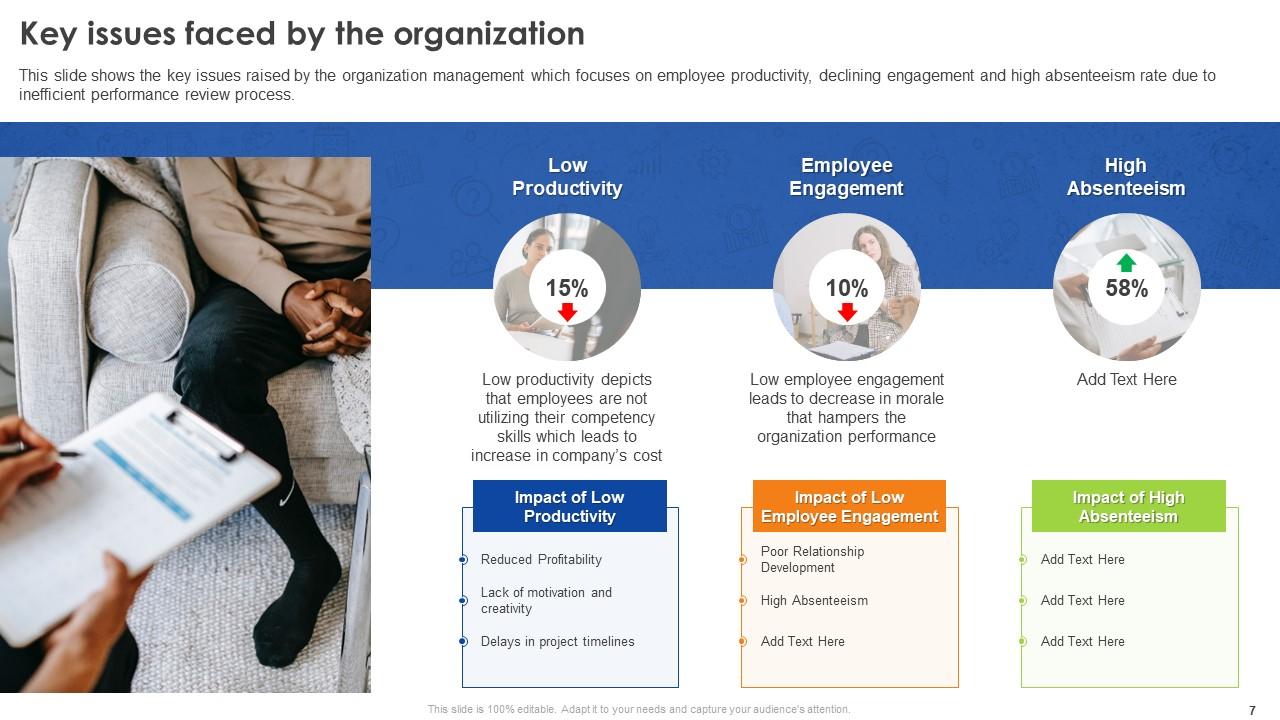
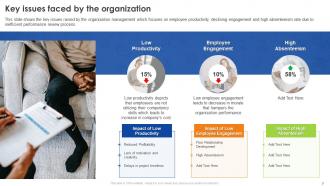
Slide 7: This slide highlights the Key issues faced by the organization.
Slide 8: This slide reveals the Heading for the Components to be discussed next.
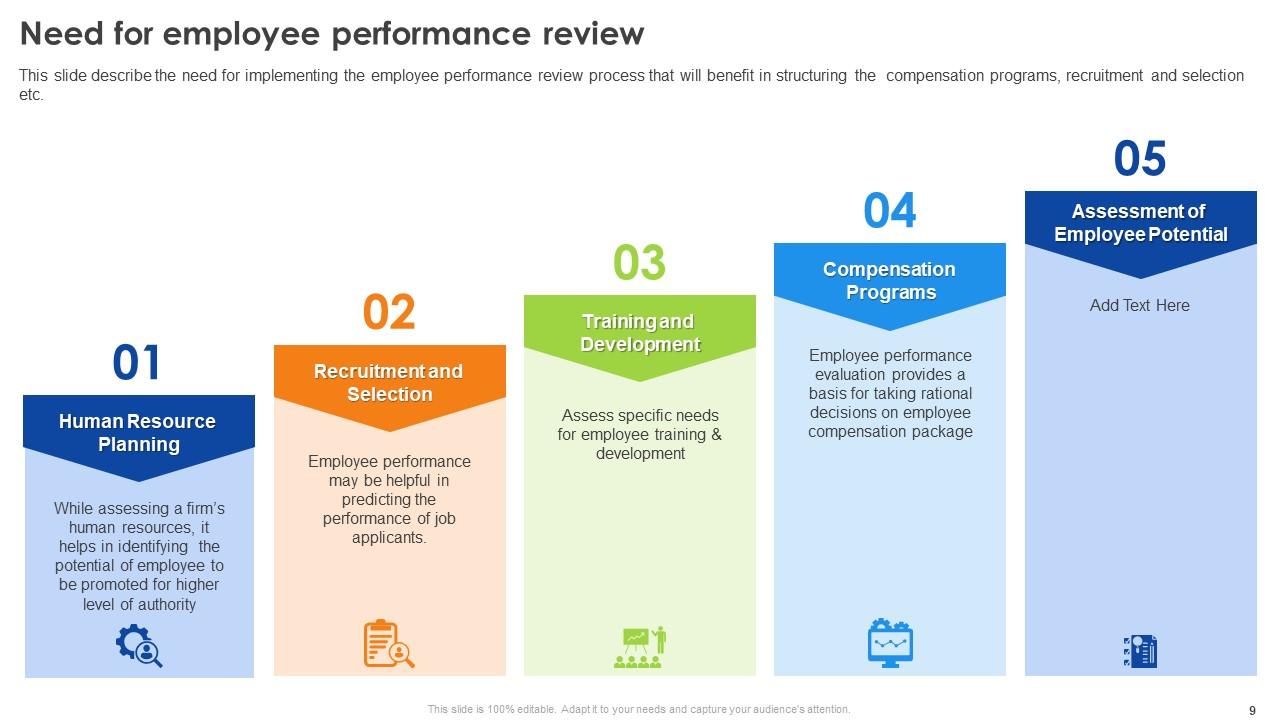
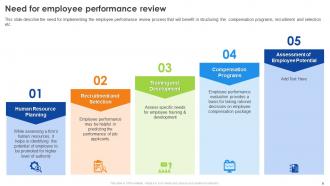
Slide 9: This slide describes the need for implementing the employee performance review process.
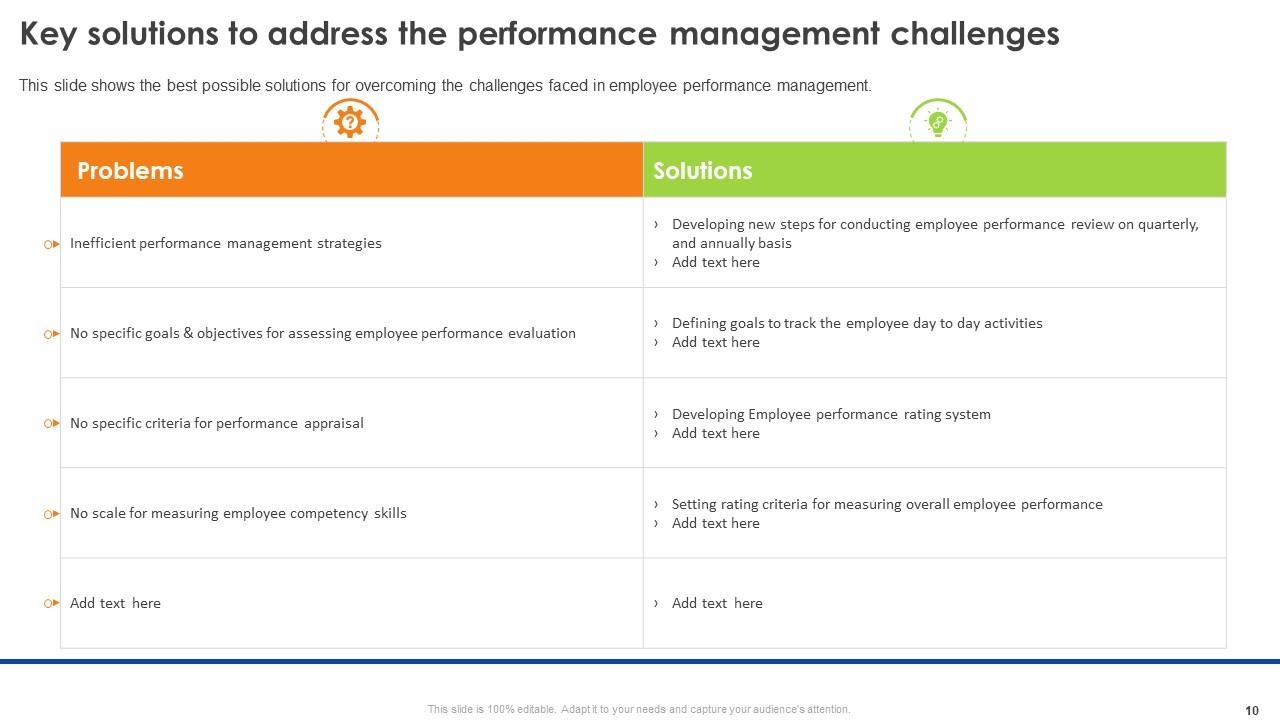
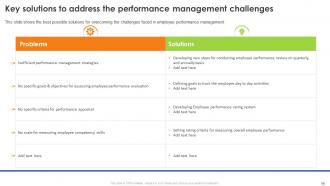
Slide 10: This slide portrays the Key solutions to address the performance management challenges.
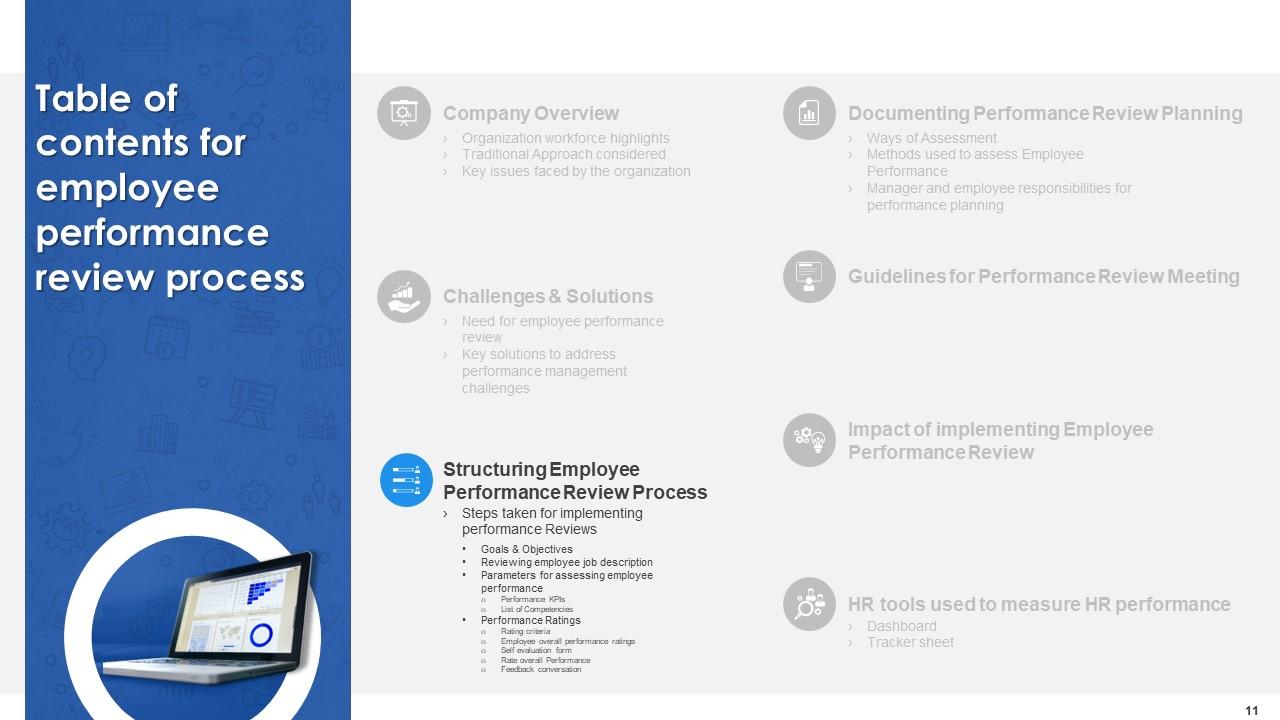
Slide 11: This slide includes the Title for the Ideas to be covered in teh following template.
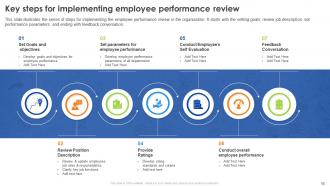
Slide 12: This slide illustrates the series of steps for implementing the employee performance review in the organization.
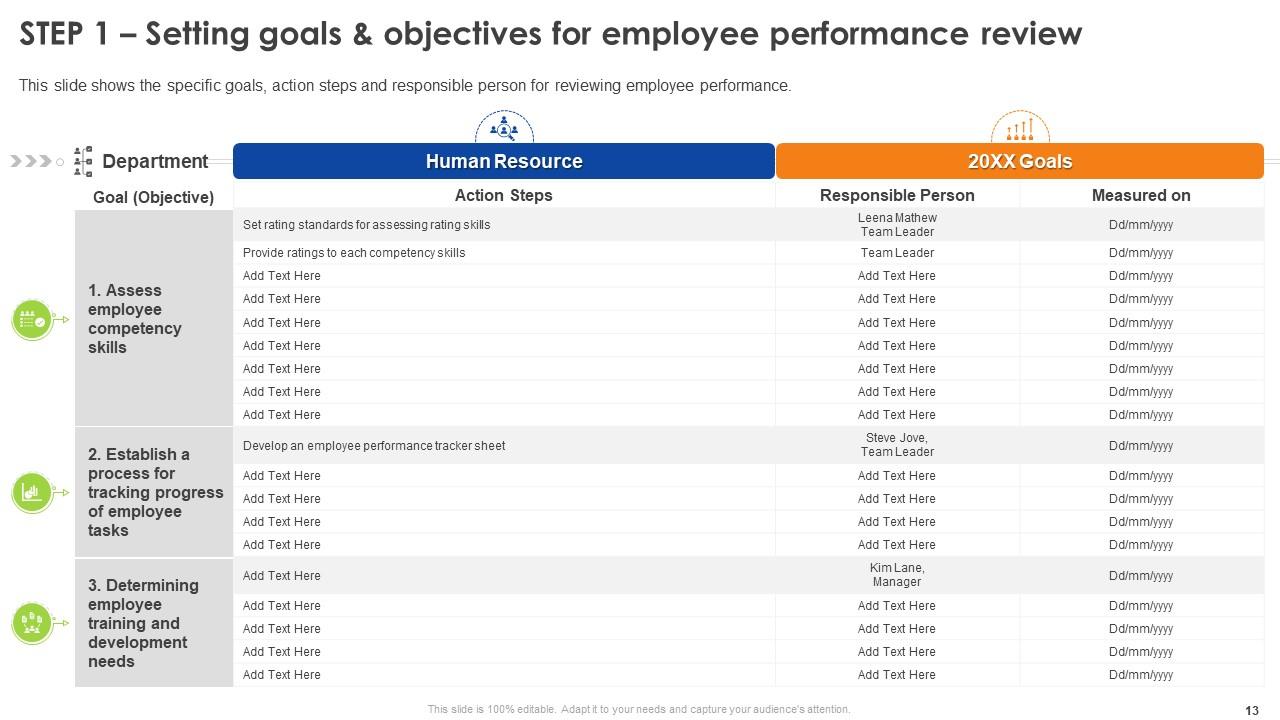
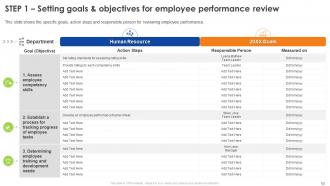
Slide 13: This slide showcases the specific goals, action steps and responsible person for reviewing employee performance.
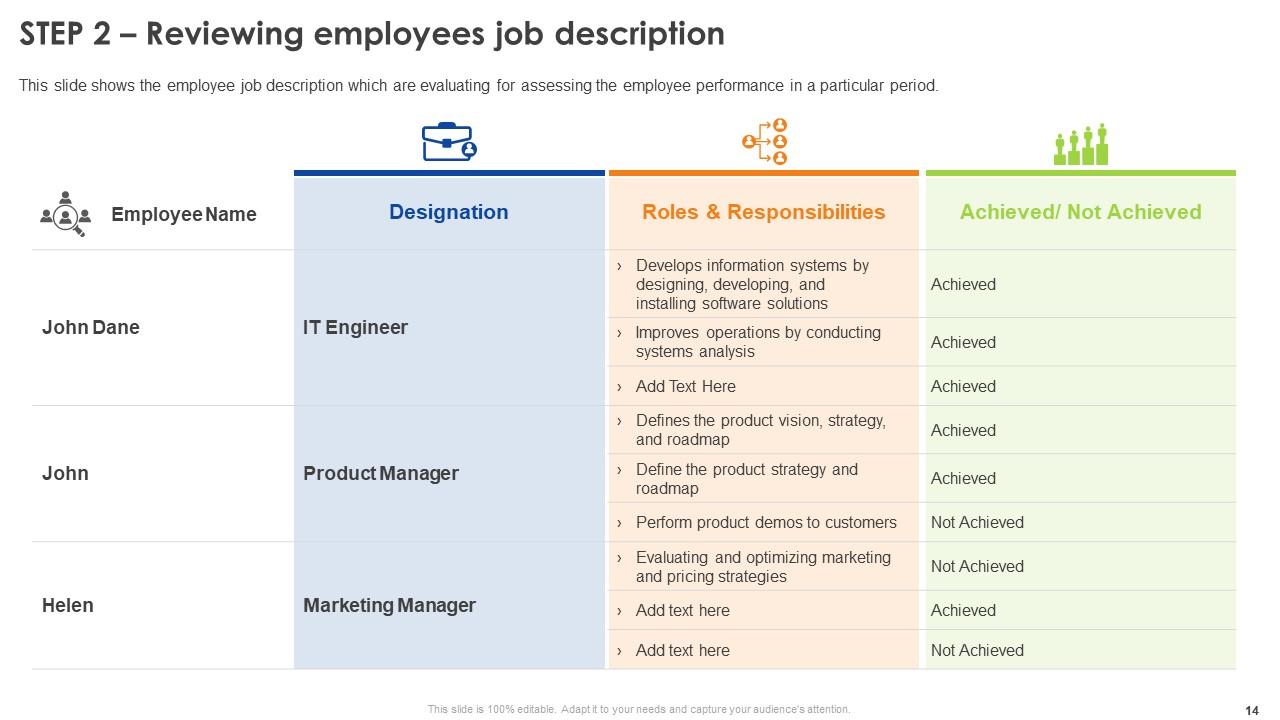
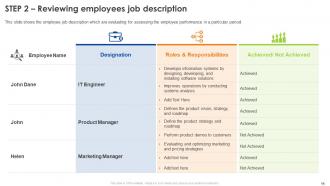
Slide 14: This slide reveals the employee job description.
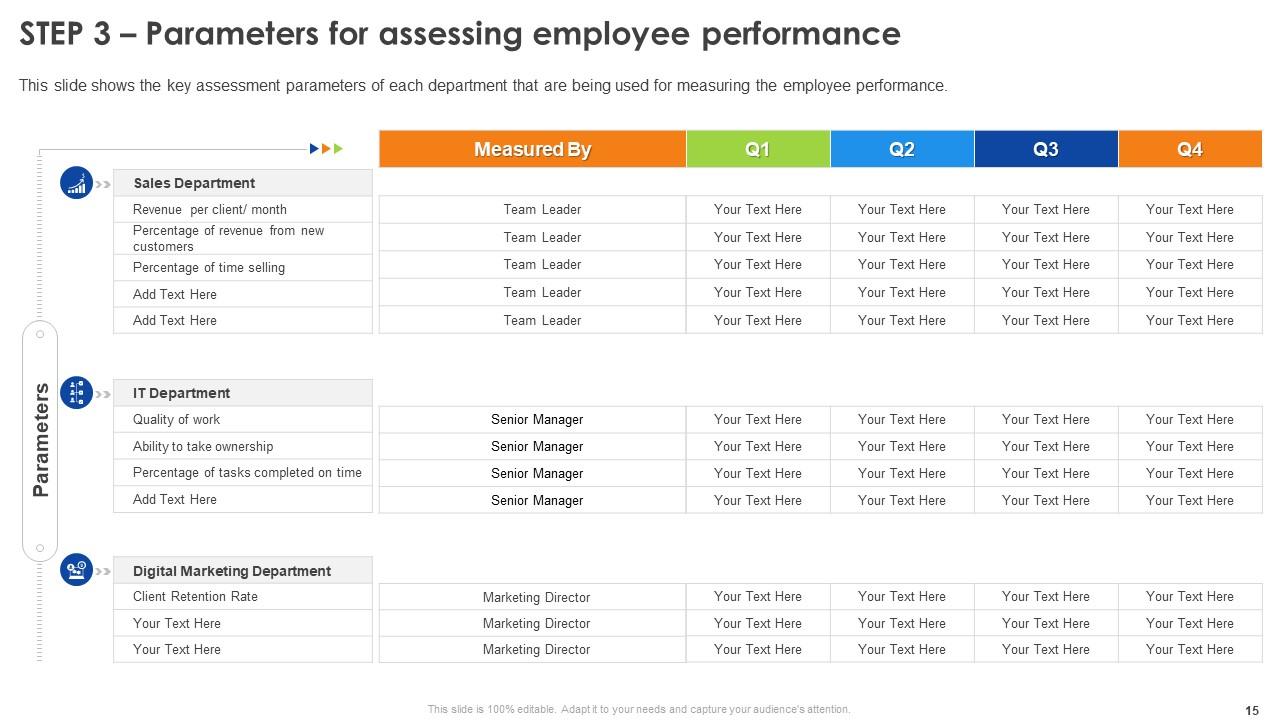
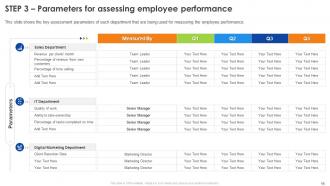
Slide 15: This slide exhibits the key assessment parameters of each department that are being used for measuring the employee performance.
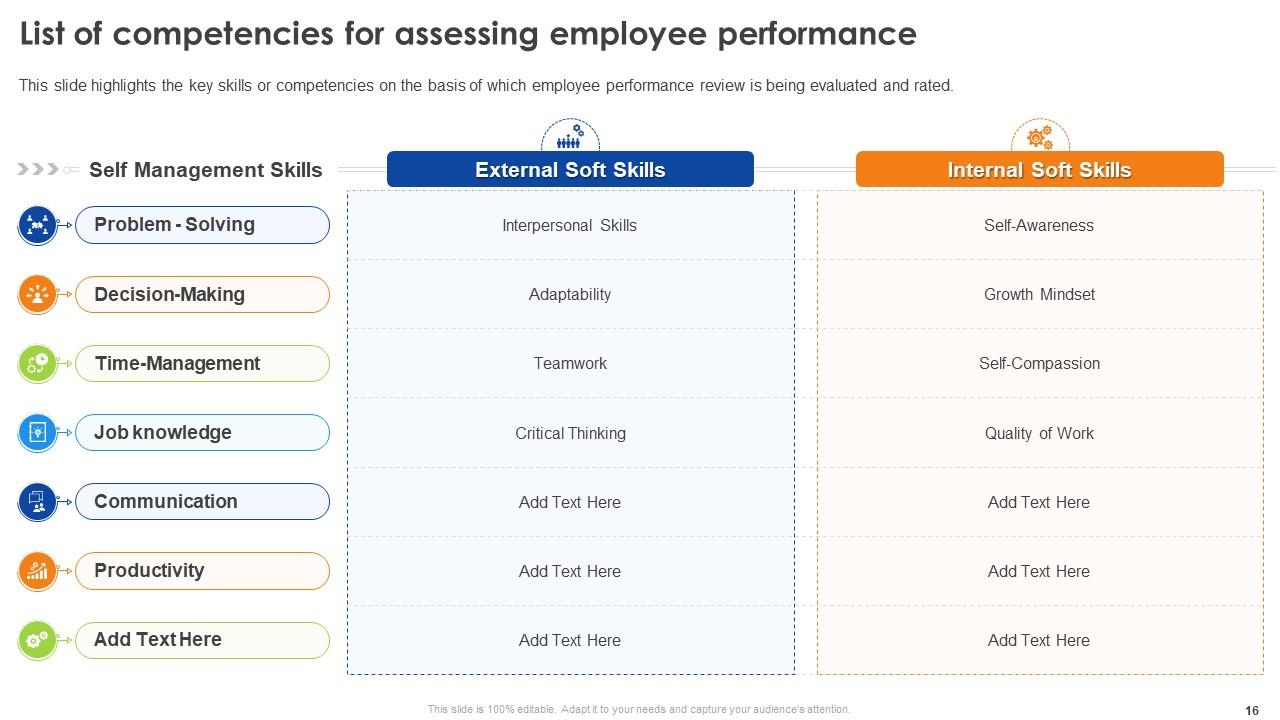
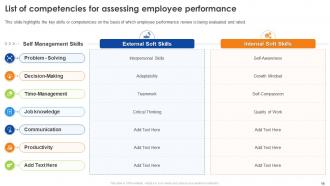
Slide 16: This slide presents the List of competencies for assessing employee performance.
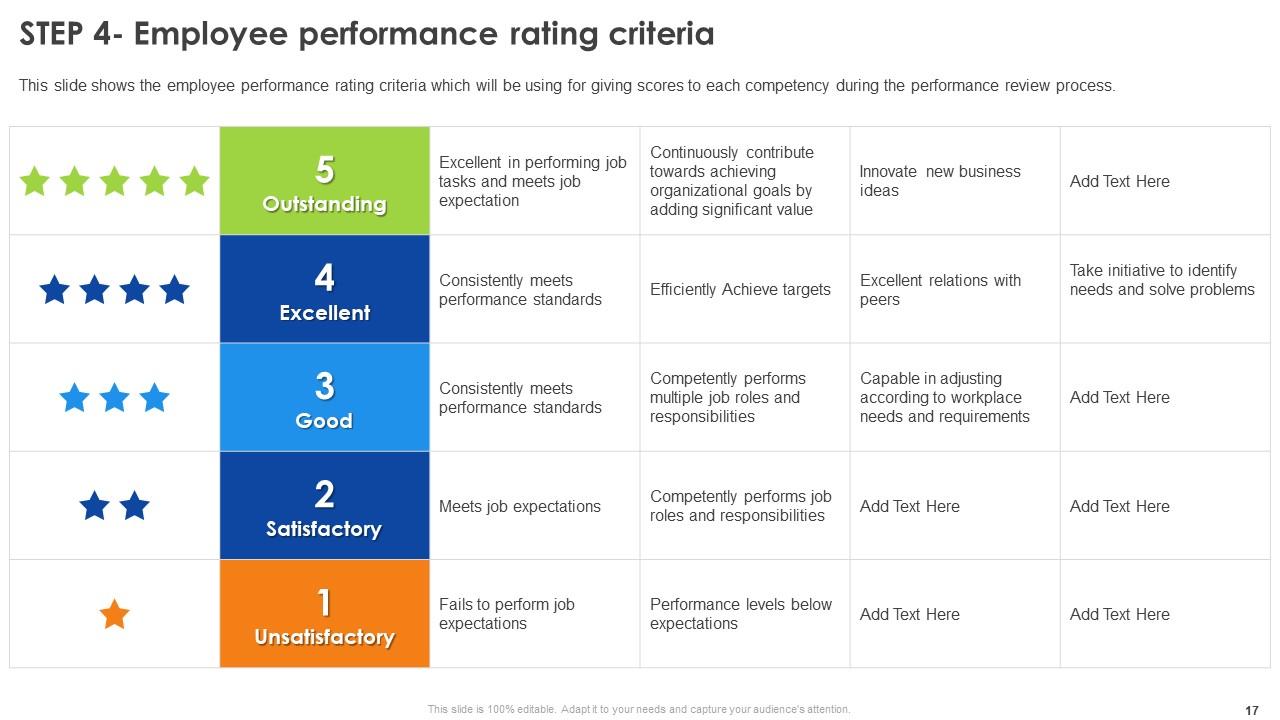
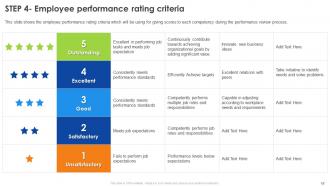
Slide 17: This slide shows the employee performance rating criteria.
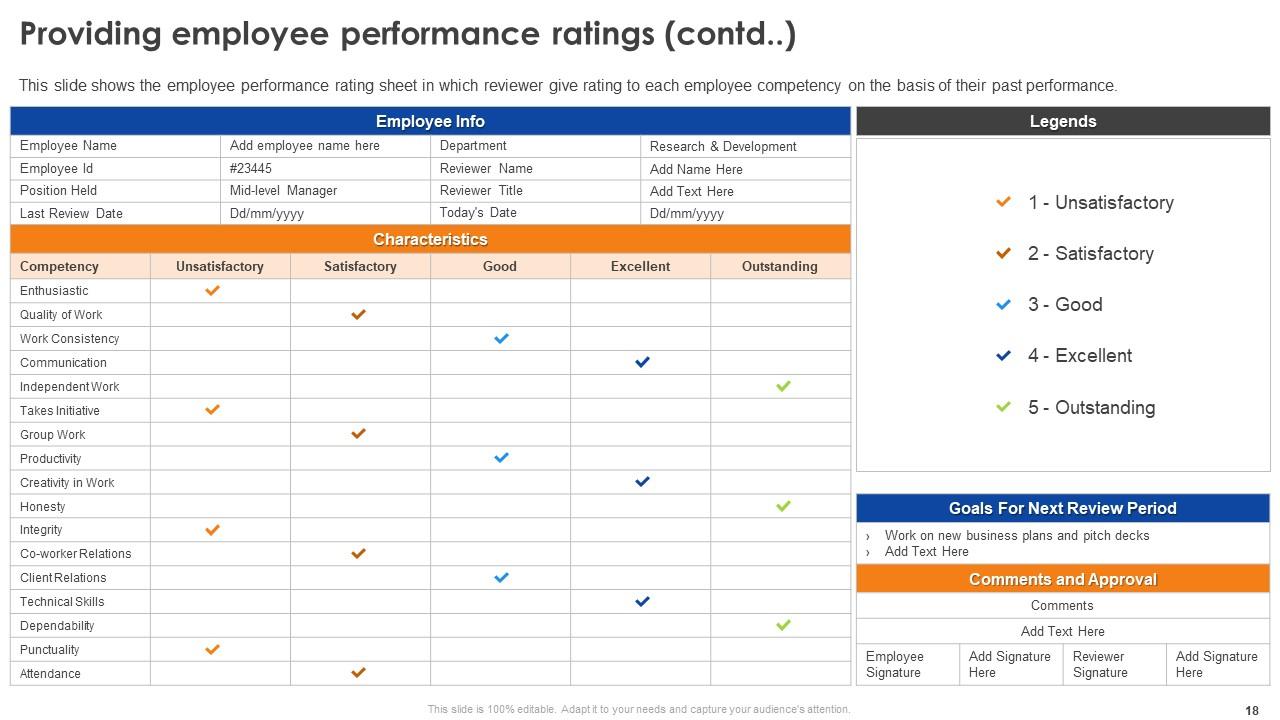
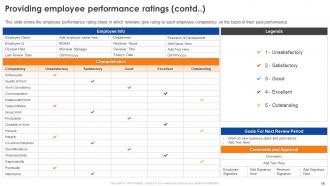
Slide 18: This slide continues Providing employee performance ratings.
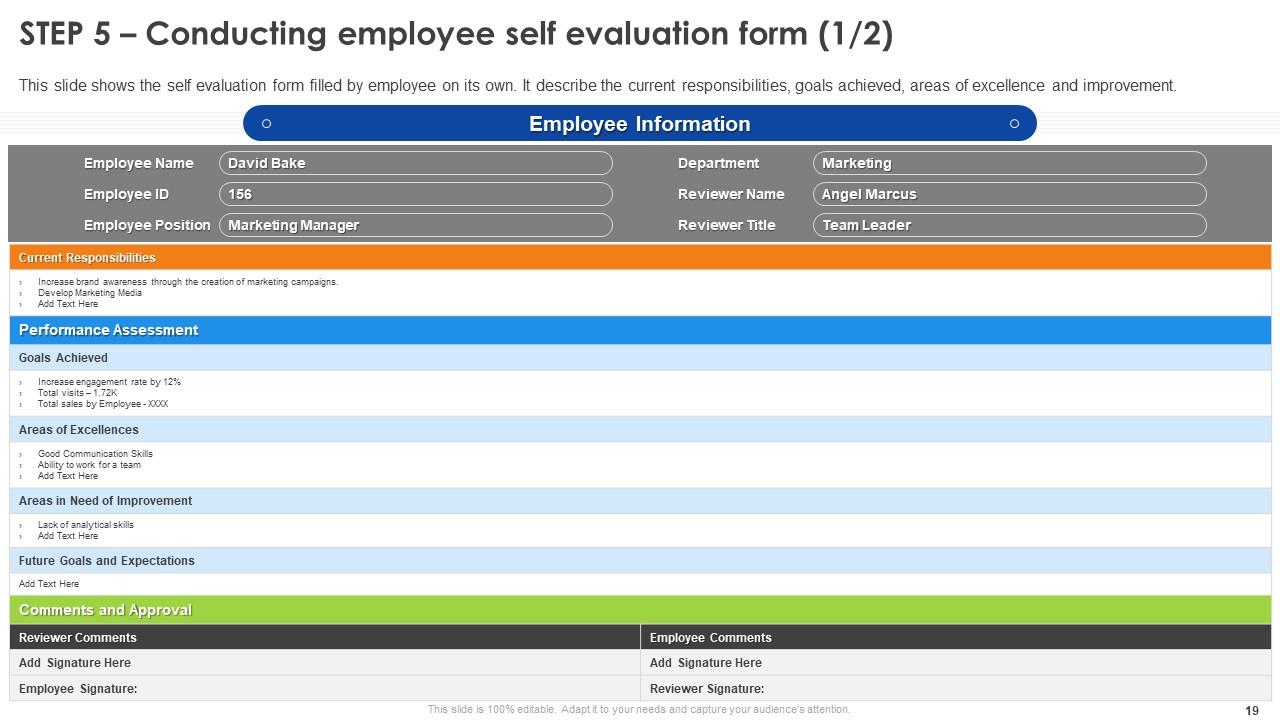
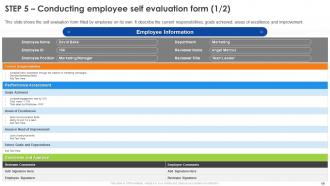
Slide 19: This slide elucidates the self evaluation form filled by employee on its own.
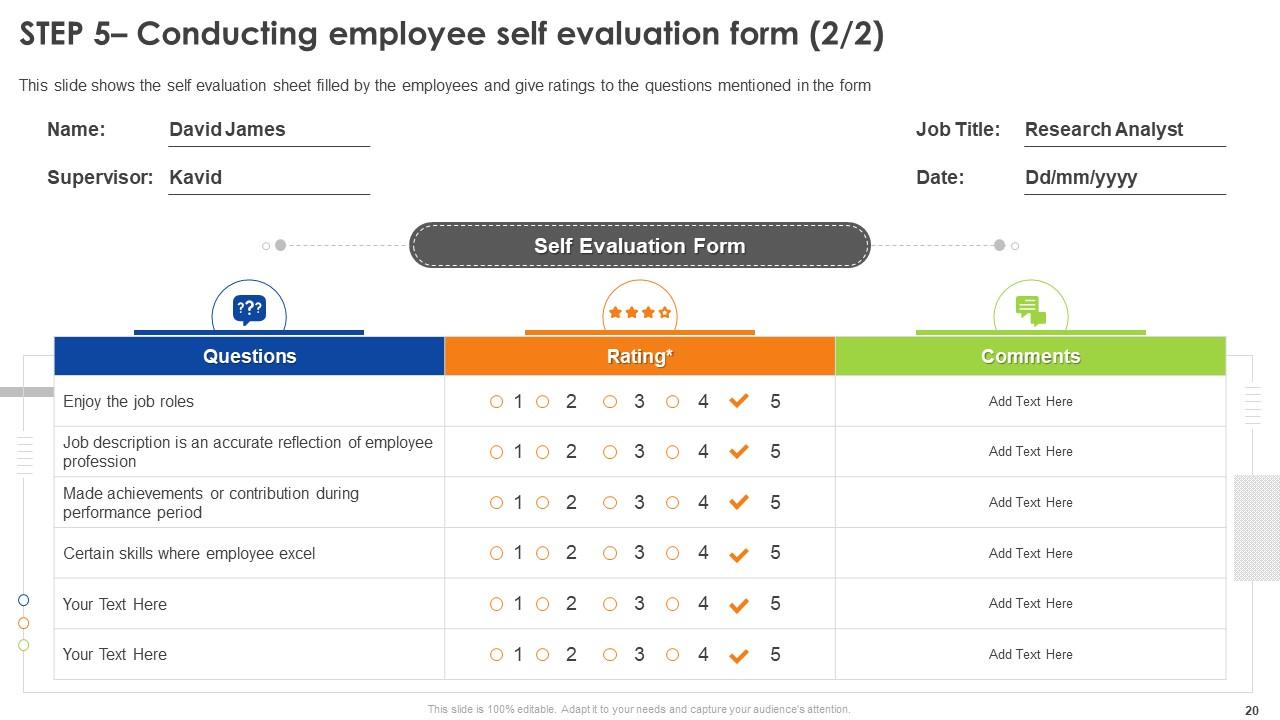
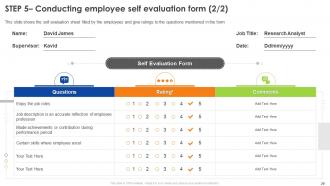
Slide 20: This slide portrays the self evaluation sheet filled by the employees.
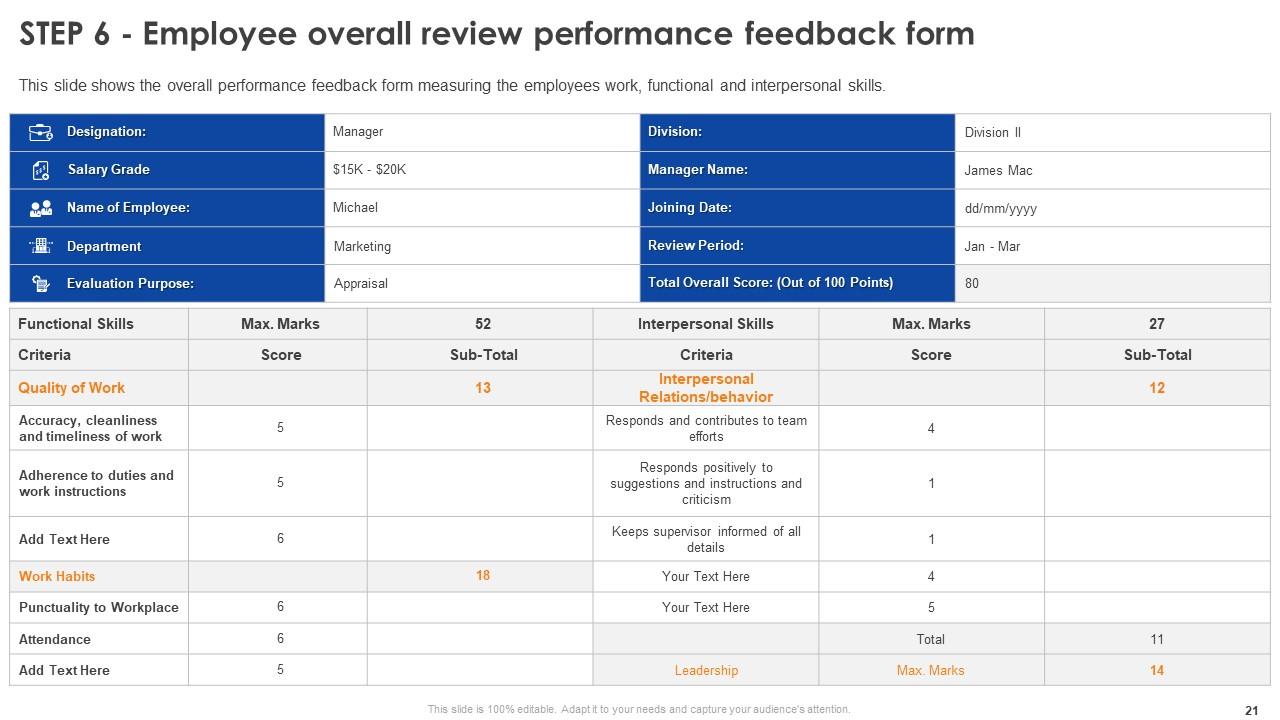
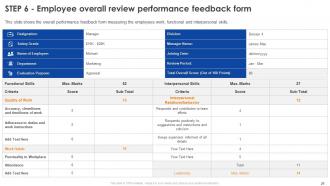
Slide 21: This slide reveals the overall performance feedback form measuring the employees work, functional and interpersonal skills.
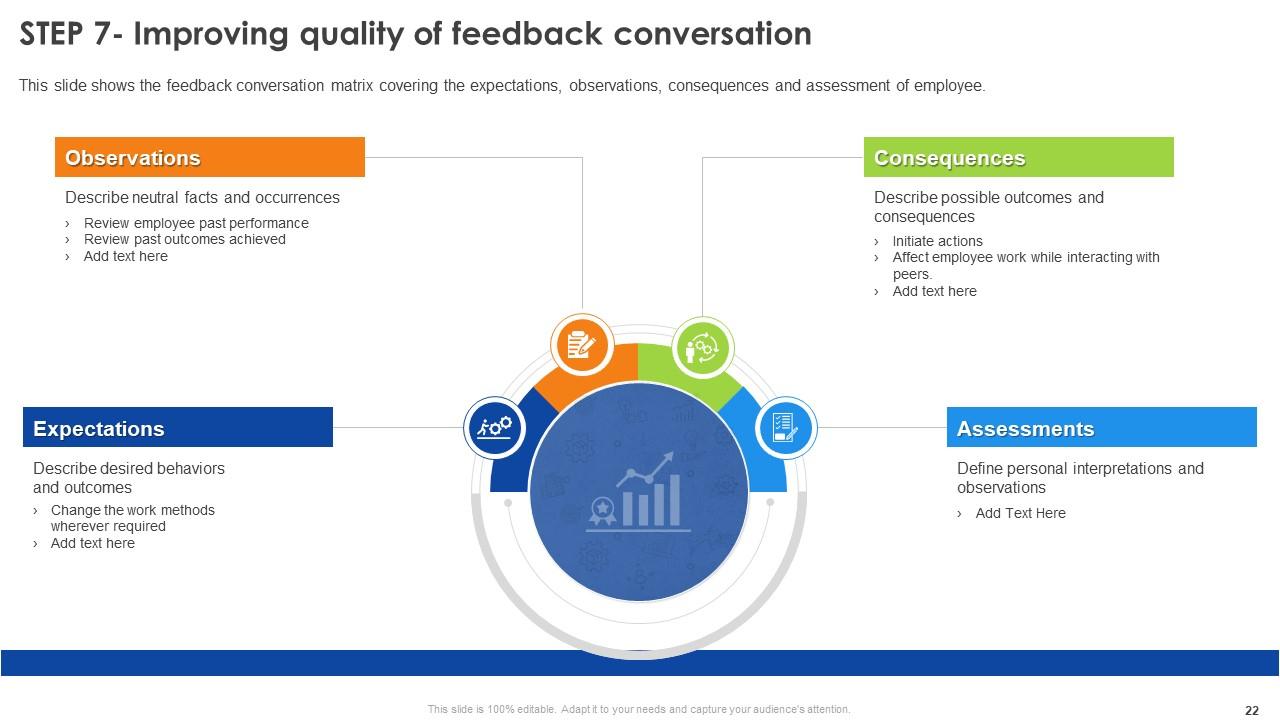
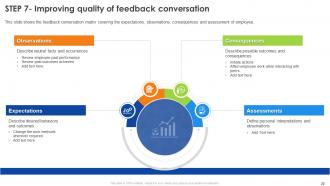
Slide 22: This slide displays the feedback conversation matrix.
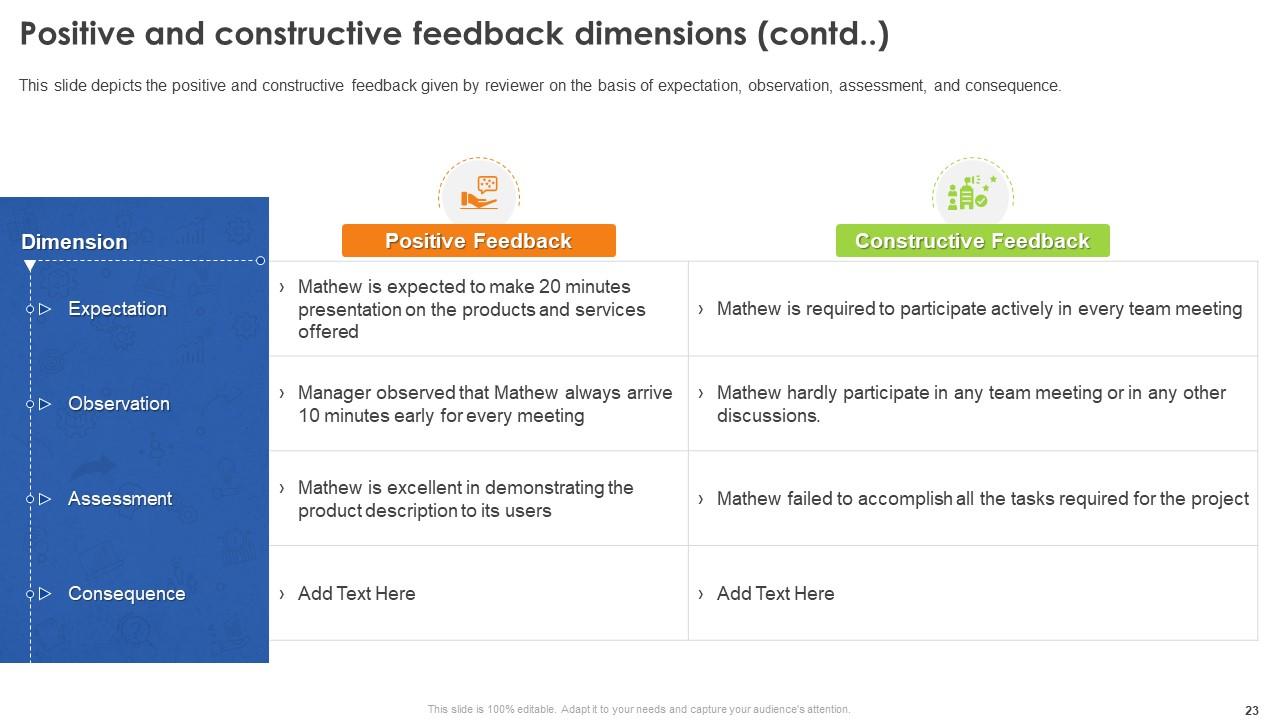
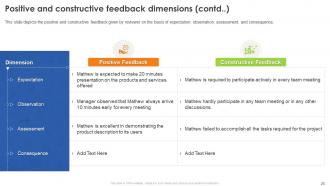
Slide 23: This slide portrays the Positive and constructive feedback dimensions.
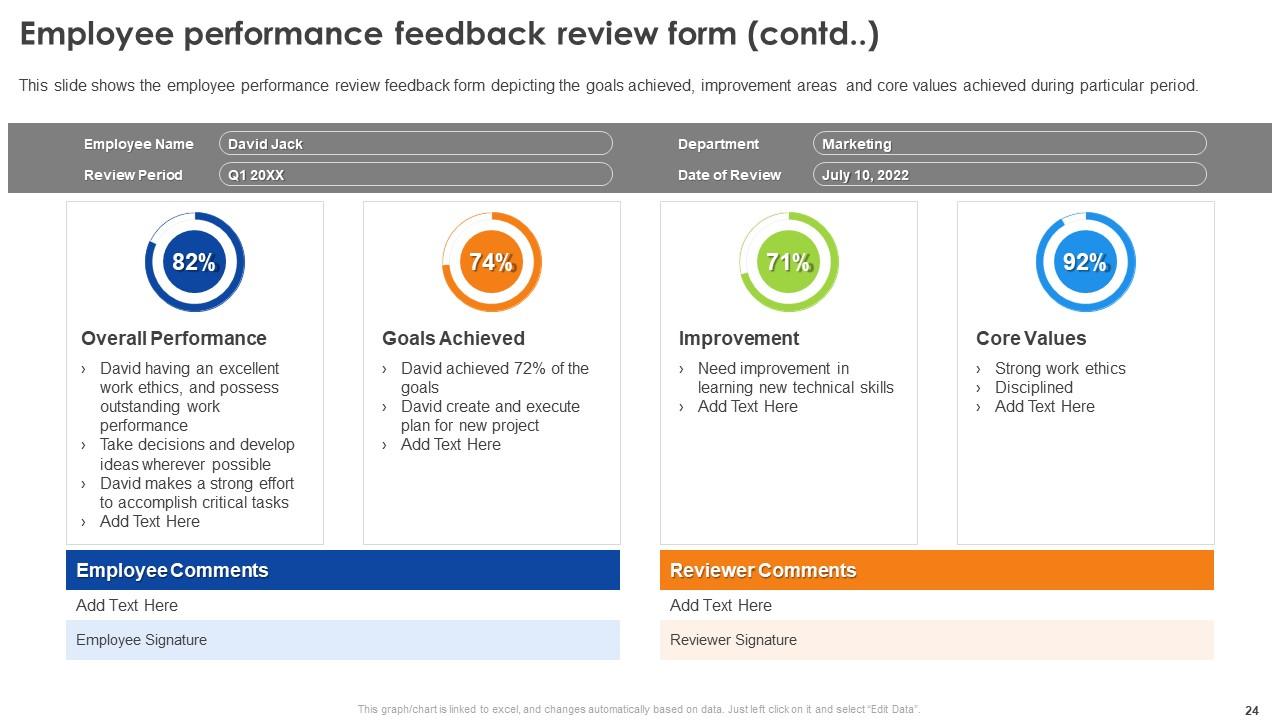
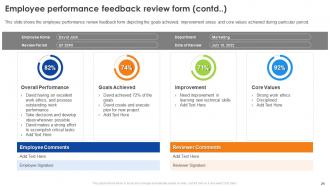
Slide 24: This slide continues the Employee performance feedback review form.
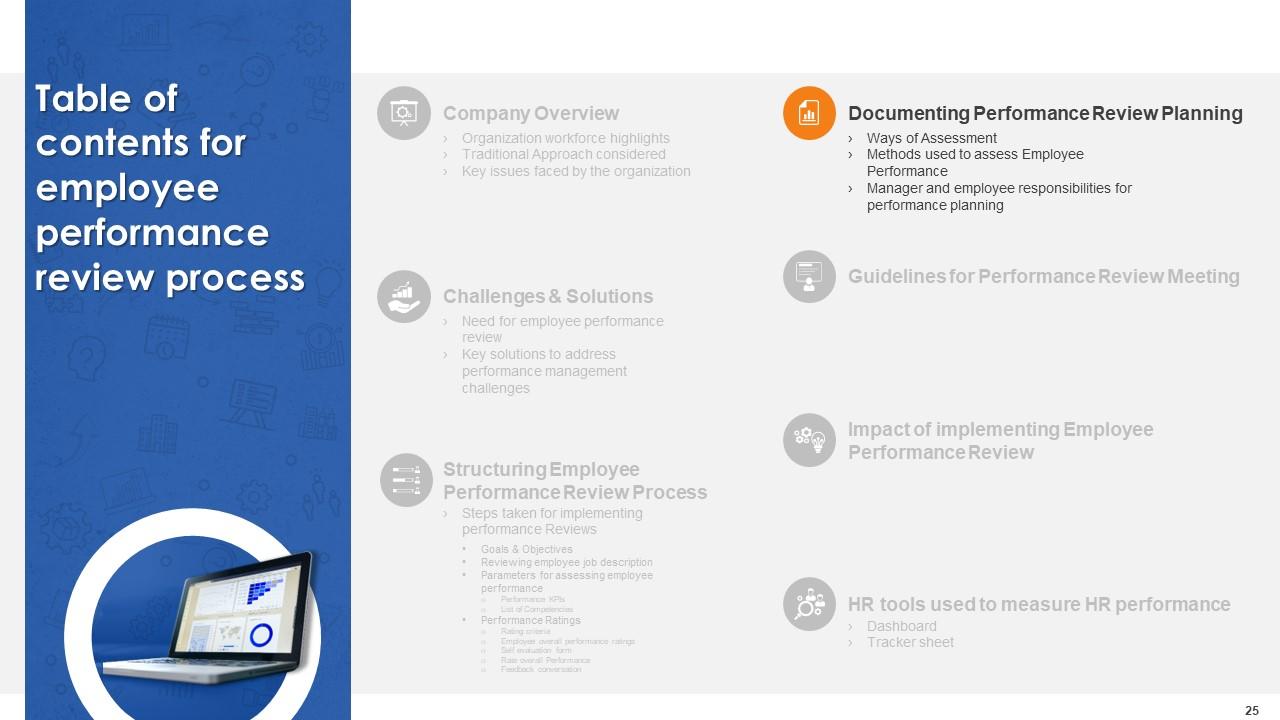
Slide 25: This slide depicts the Heading for the Ideas to be further discussed.
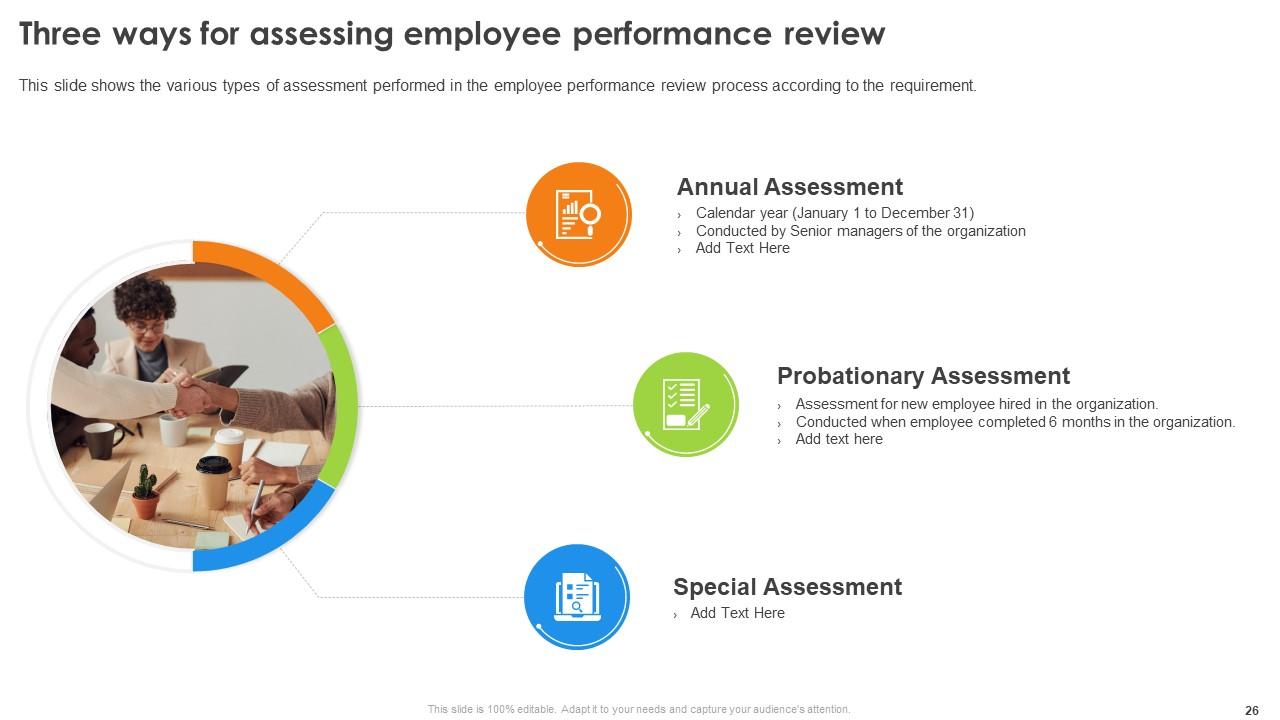
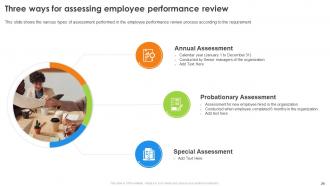
Slide 26: This slide shows the various types of assessment performed in the employee performance review process.
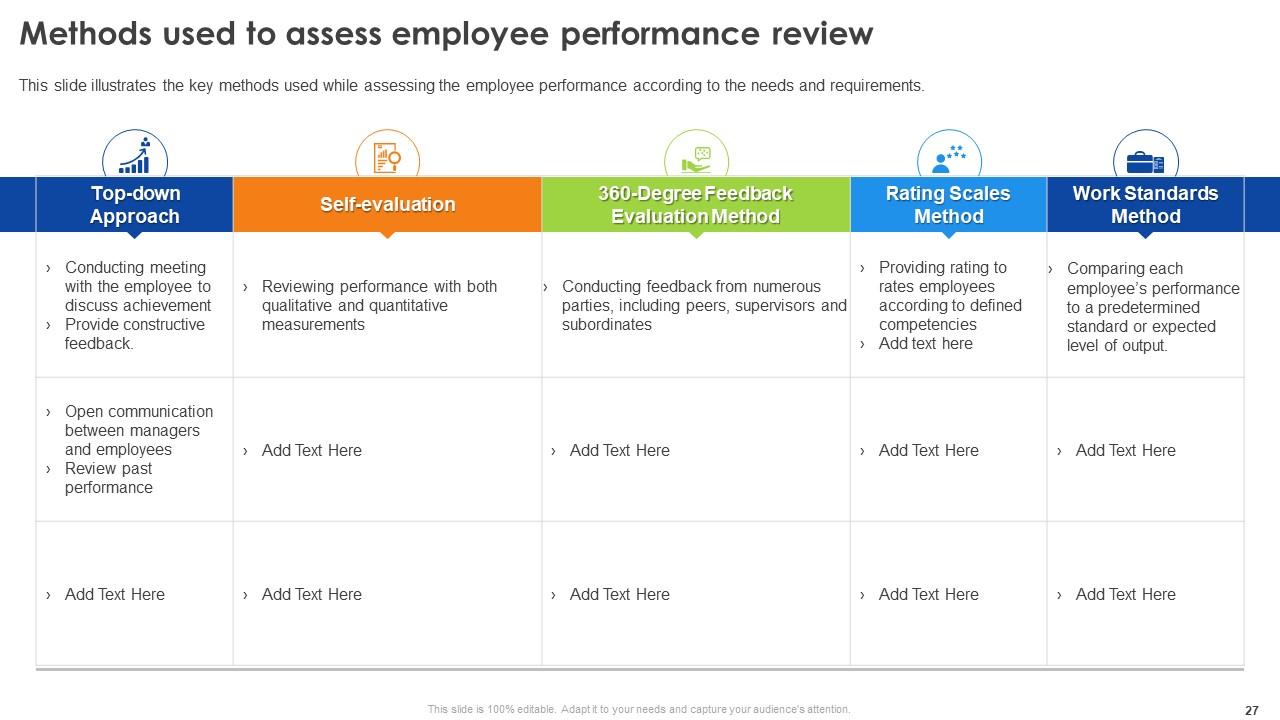
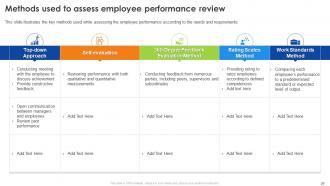
Slide 27: This slide illustrates the key methods used while assessing the employee performance according to the needs and requirements.
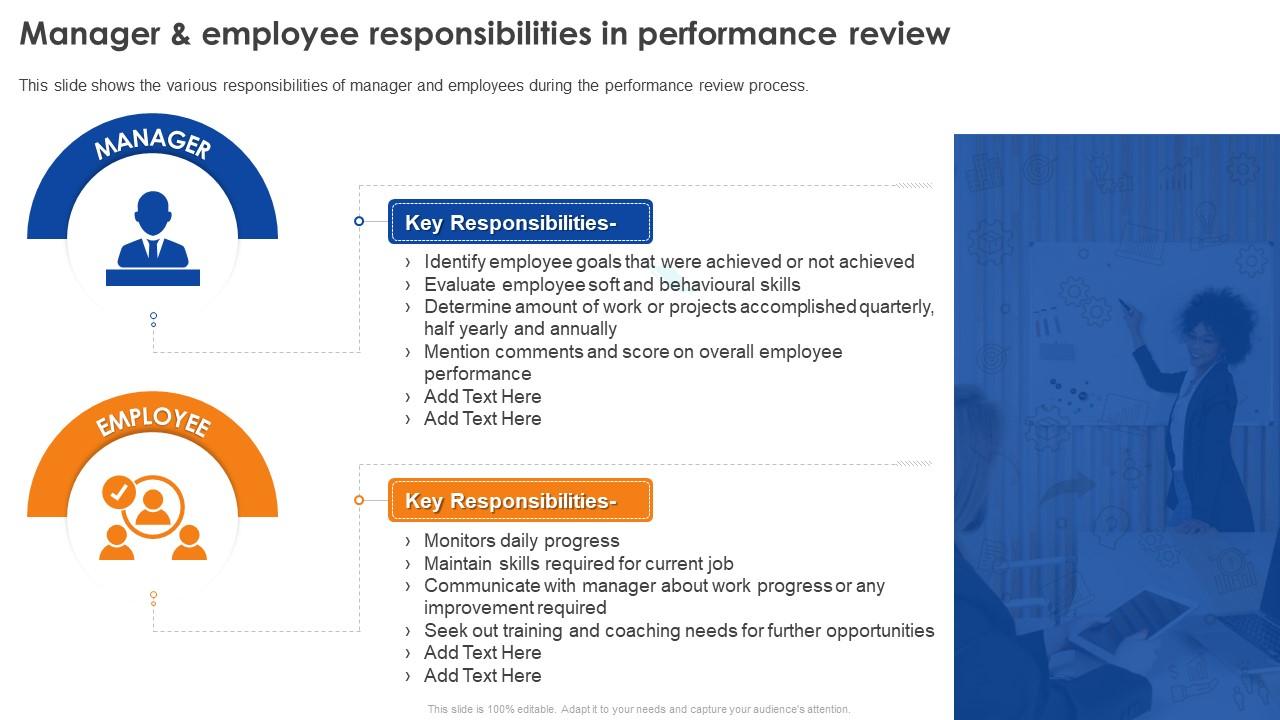
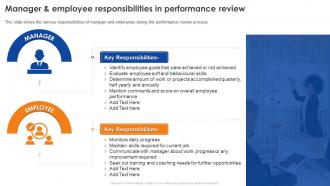
Slide 28: This slide exhibits the Manager & employee responsibilities in performance review.
Slide 29: This slide incorporates the Title for the Components to be discussed next.
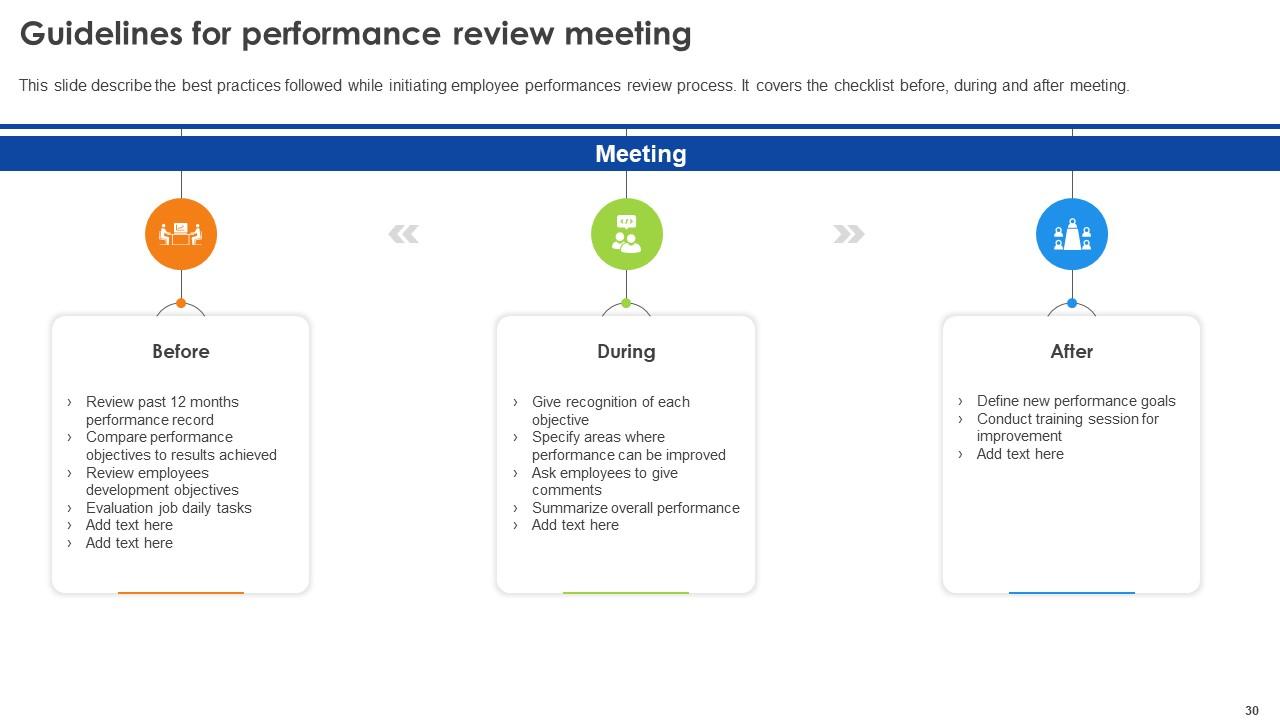
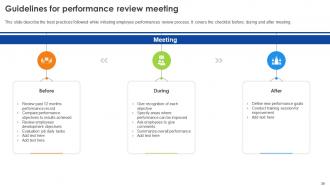
Slide 30: This slide describes the best practices followed while initiating employee performances review process.
Slide 31: This slide indicates the Heading for the Topics to be covered further.
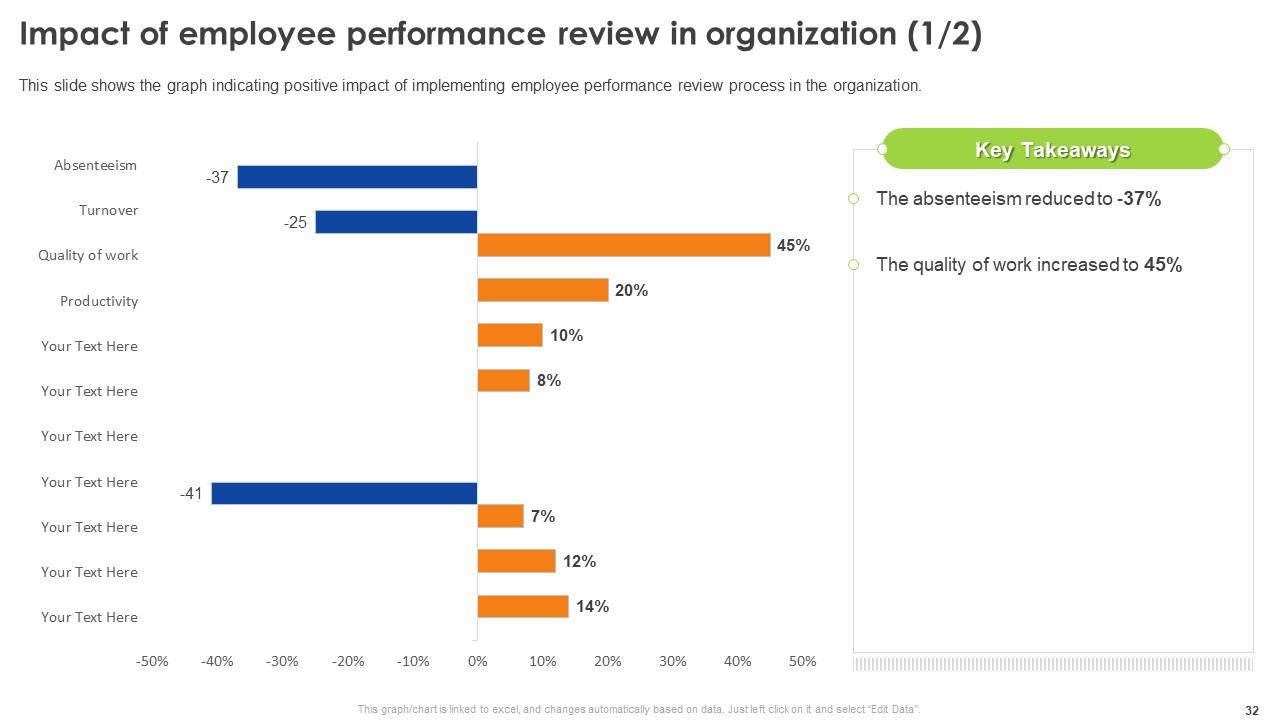
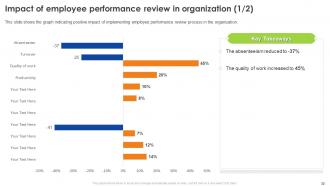
Slide 32: This slide elucidates the Impact of employee performance review in organization.
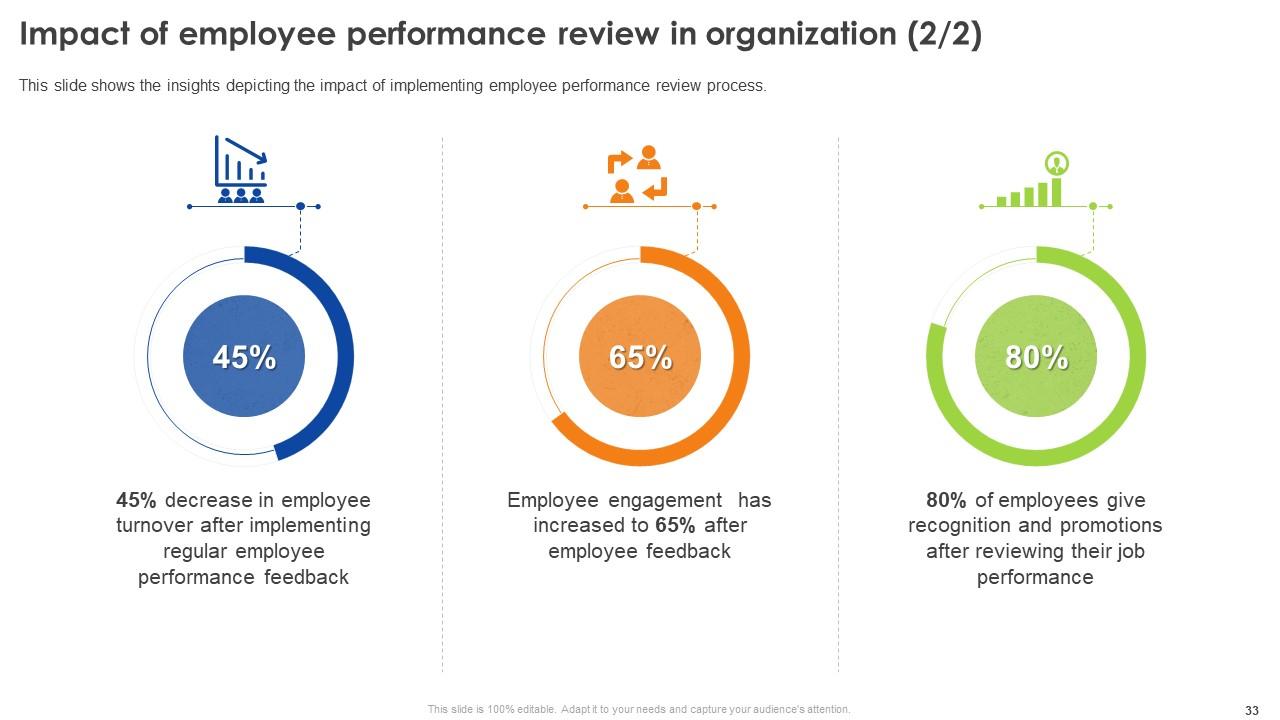
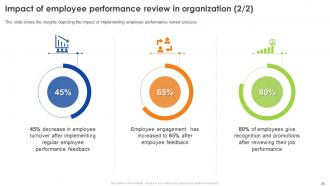
Slide 33: This slide continues the Impact of employee performance review in organization.
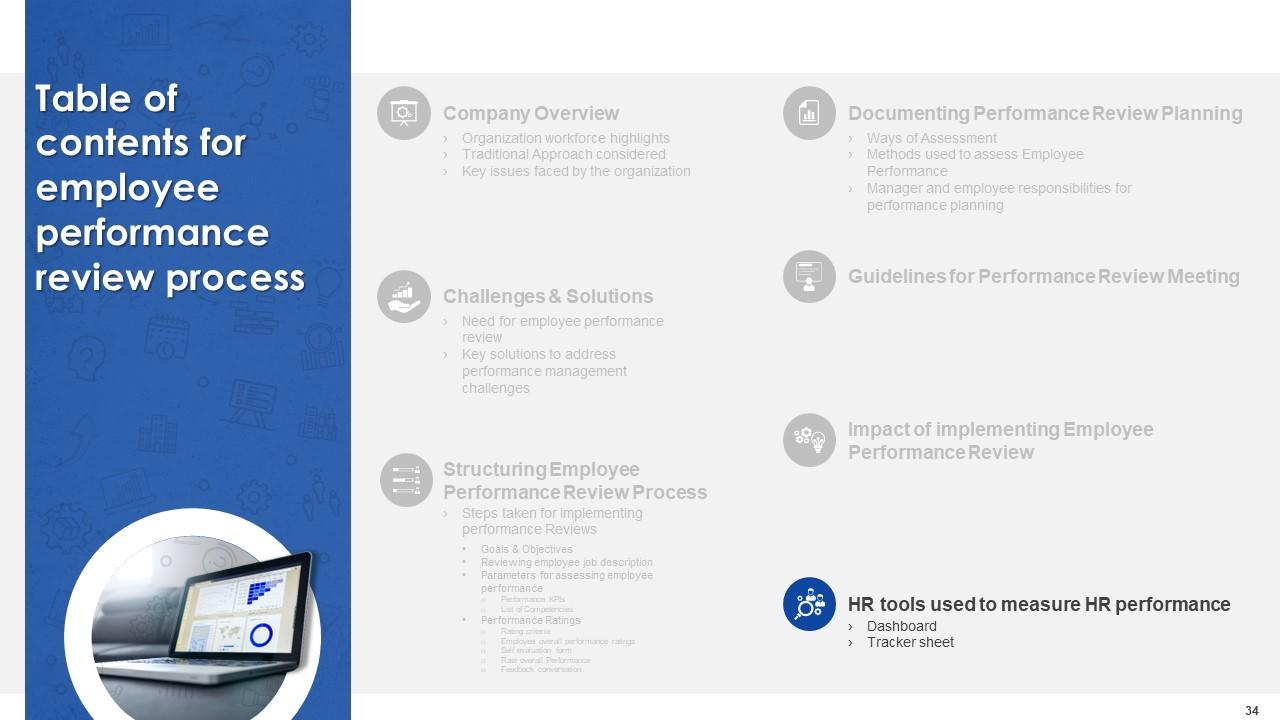
Slide 34: This slide portrays the Title for the Topics to be discussed next.
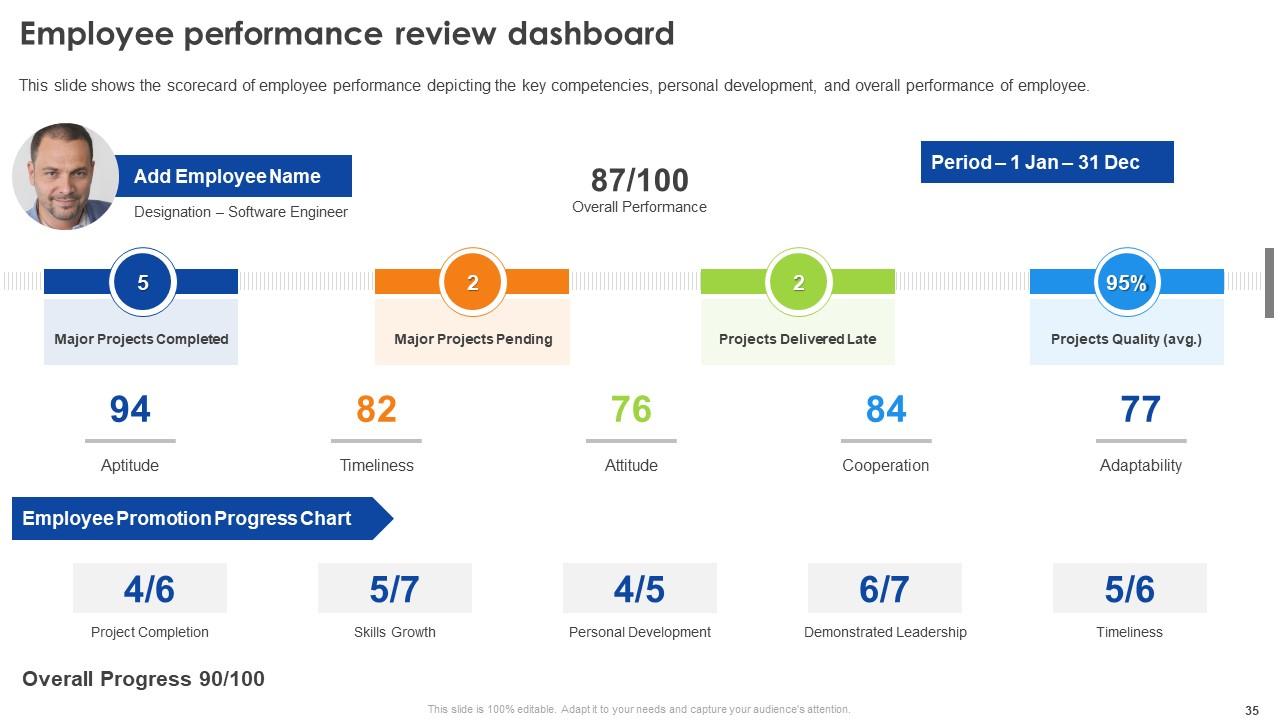
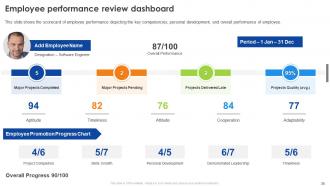
Slide 35: This slide reveals the Employee performance review dashboard.
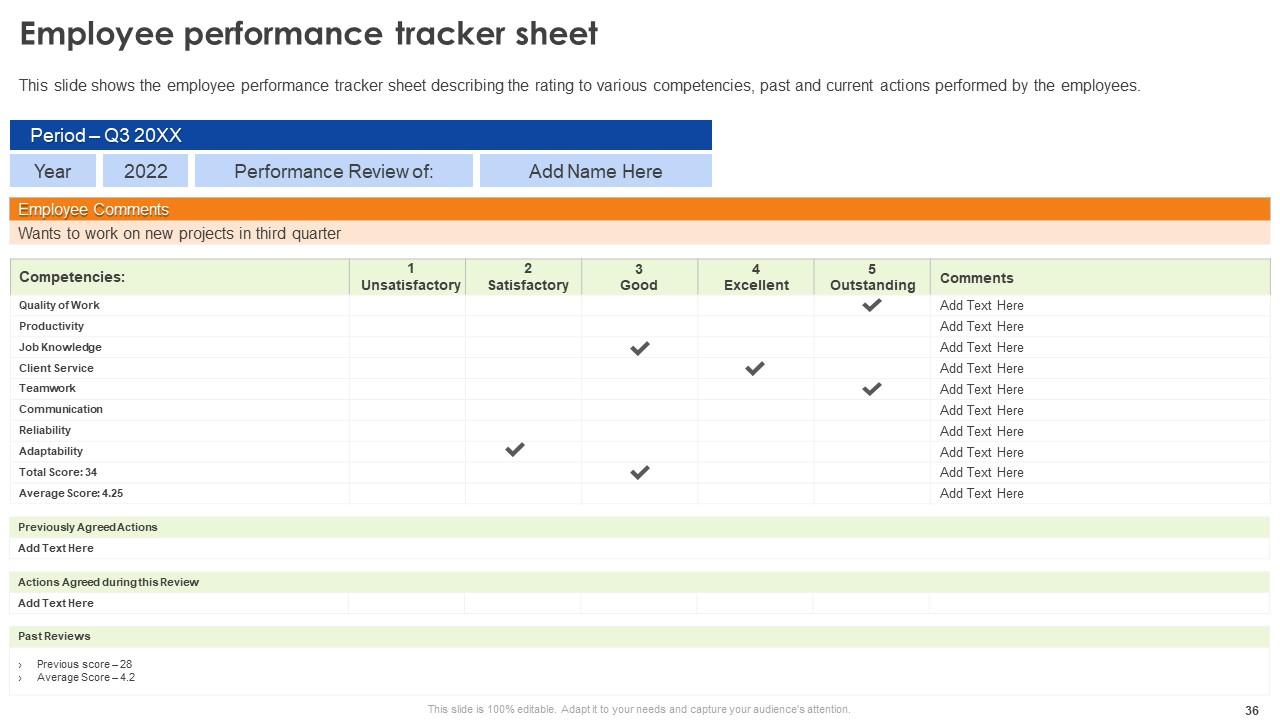
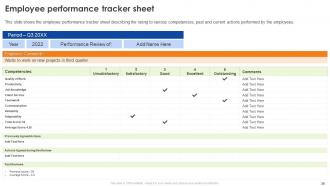
Slide 36: This slide shows the Employee performance tracker sheet.
Slide 37: This is the Icons slide containing all the Icons used in the plan.
Slide 38: This slide is used for depicting some Additional information.
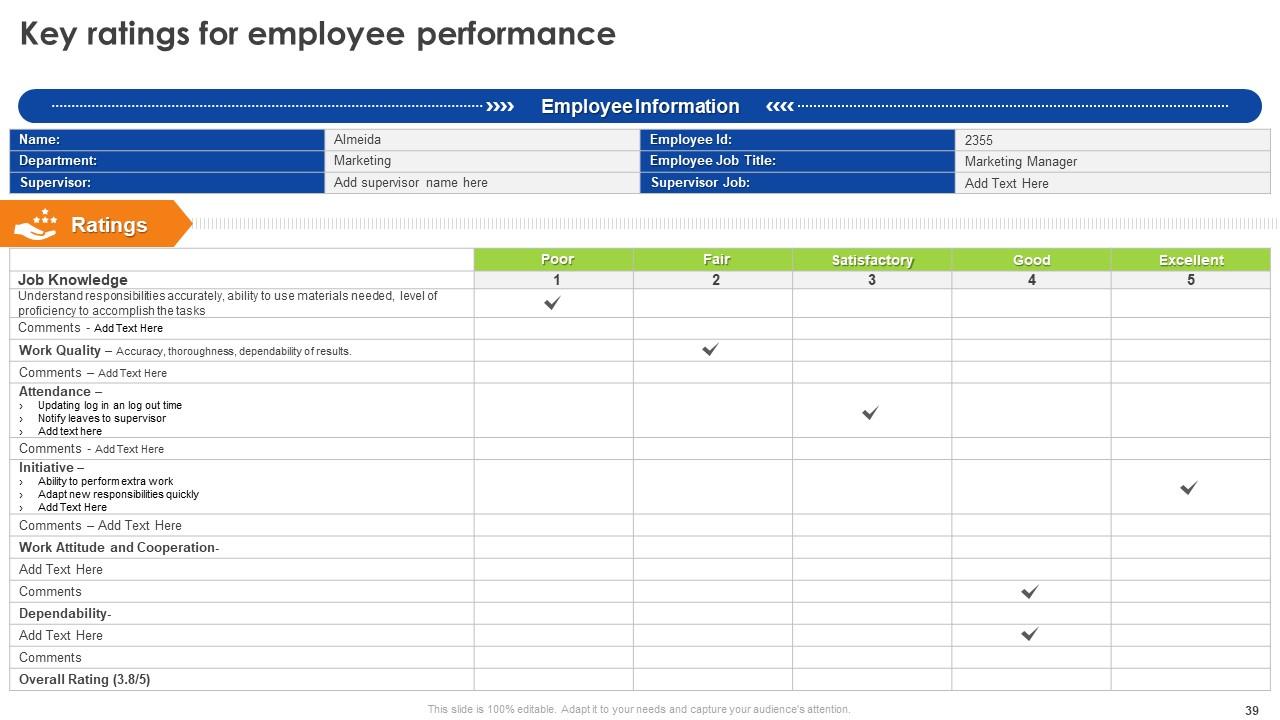
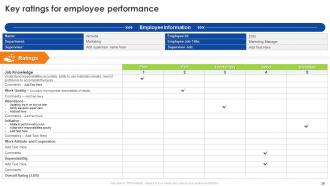
Slide 39: This slide displays the Key ratings for employee performance.
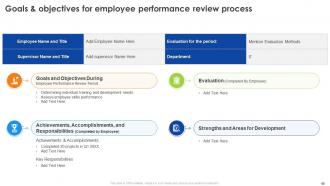
Slide 40: This slide depicts the Goals & objectives for employee performance review process.
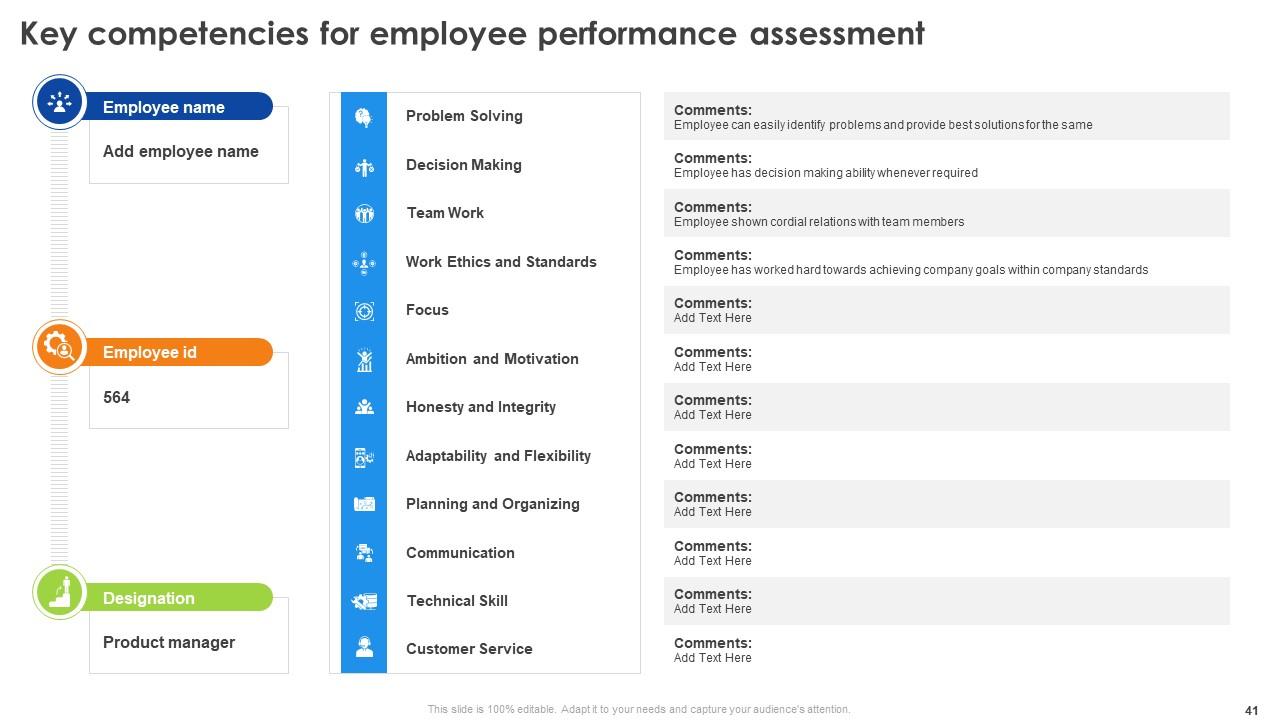
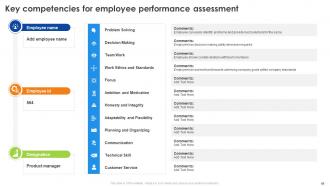
Slide 41: This slide exhibits the Key competencies for employee performance assessment.
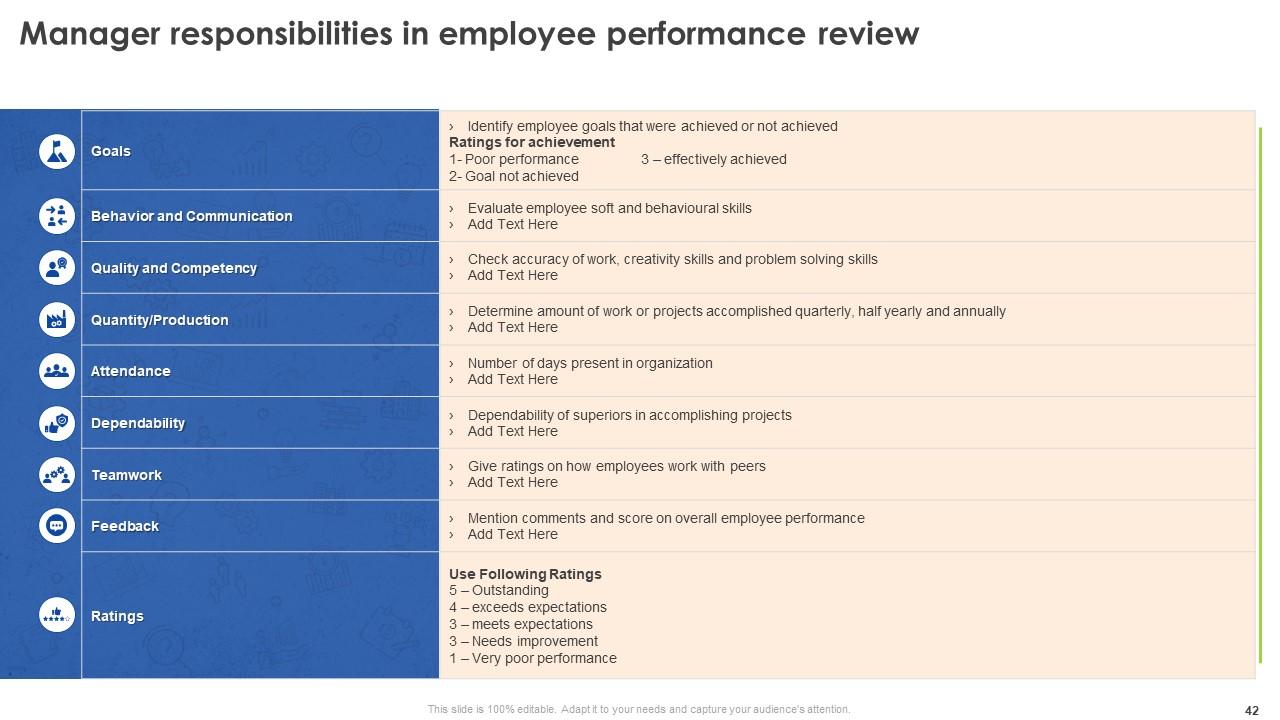
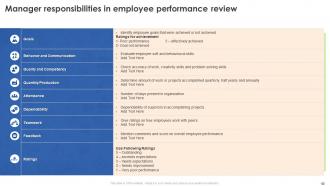
Slide 42: This slide exhibits the Manager responsibilities in employee performance review.
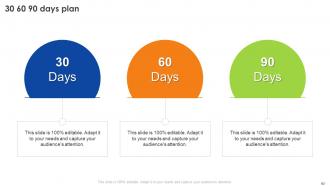
Slide 43: This is the 30 60 90 days plan slide for effcetive planning.
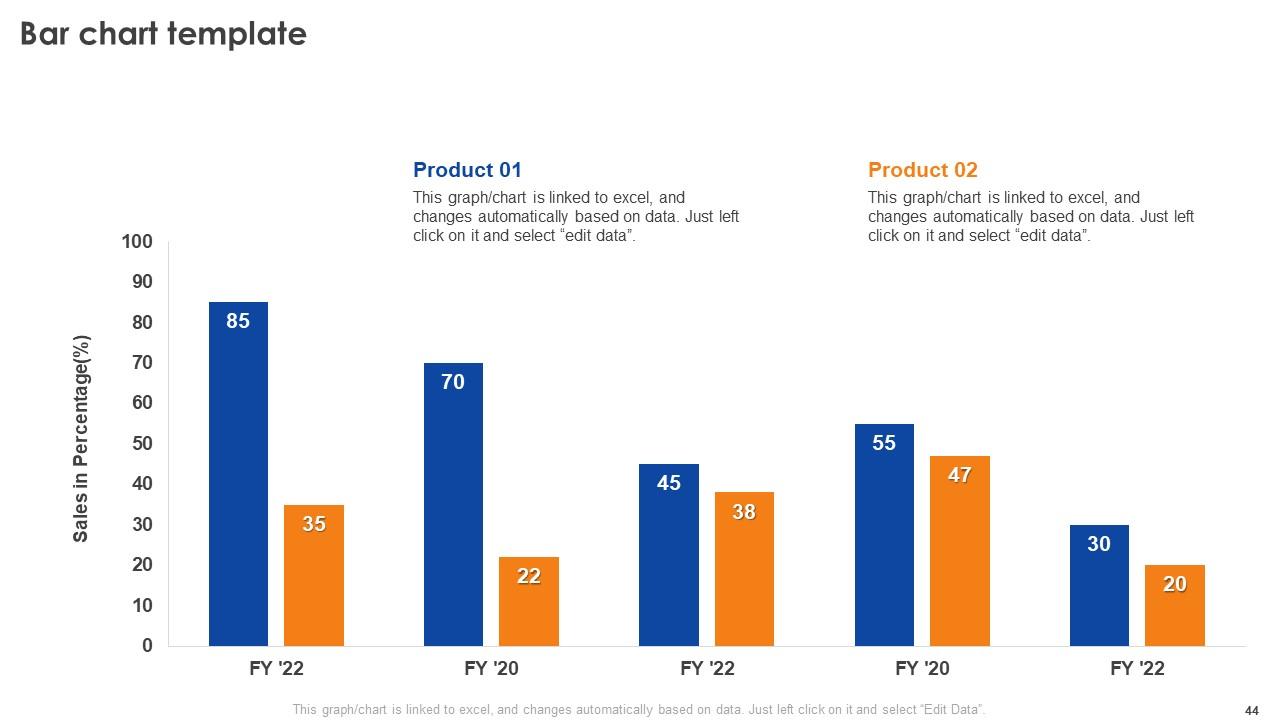
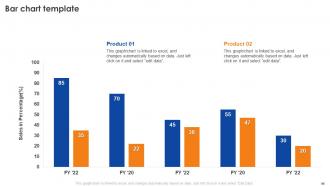
Slide 44: This slide represents the Bar chart template.
Slide 45: This is the Funnel slide.
Slide 46: This is the Magnifying glass slide.
Slide 47: This slide presents the Circular diagram.
Slide 48: This slide contains the Post it notes for reminders and deadlines.
Slide 49: This is the Venn diagram slide.
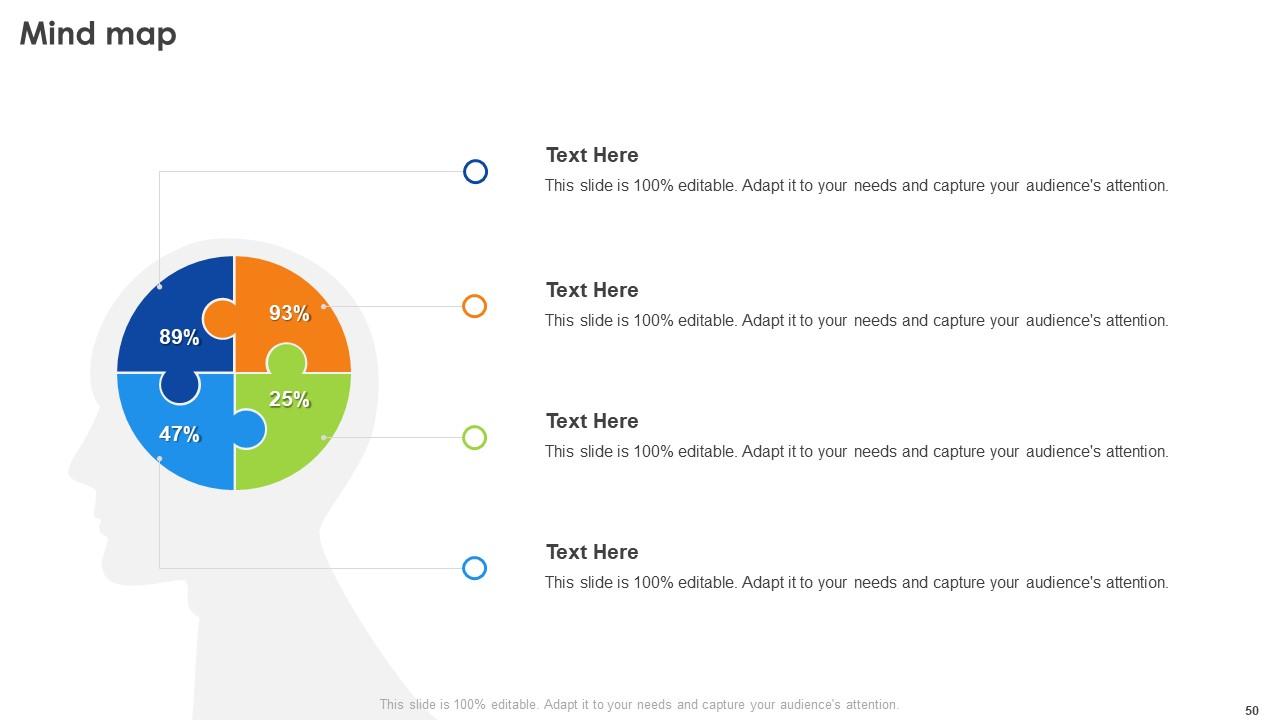
Slide 50: This slide showcases the Mind map.
Slide 51: This slide reveals the Linear diagram.
Slide 52: This is the Organization chart slide.
Slide 53: This is the Thank You slide for acknowledgement.
Employee Performance Review Process Powerpoint Presentation Slides with all 58 slides:
Use our Employee Performance Review Process Powerpoint Presentation Slides to effectively help you save your valuable time. They are readymade to fit into any presentation structure.
-
What a stunning collection of customizable templates! Really a time-saver..
-
Unique research projects to present in meeting.
