


Example Presentation About New Product Powerpoint Presentation Slides
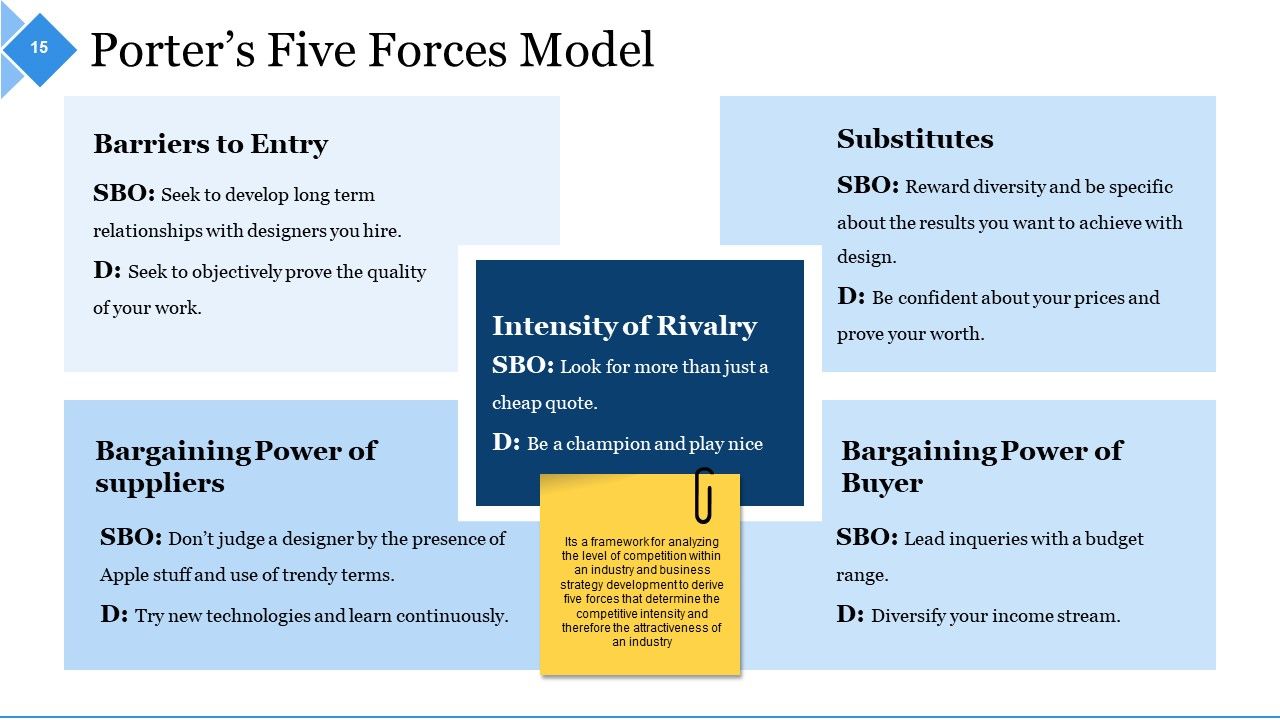
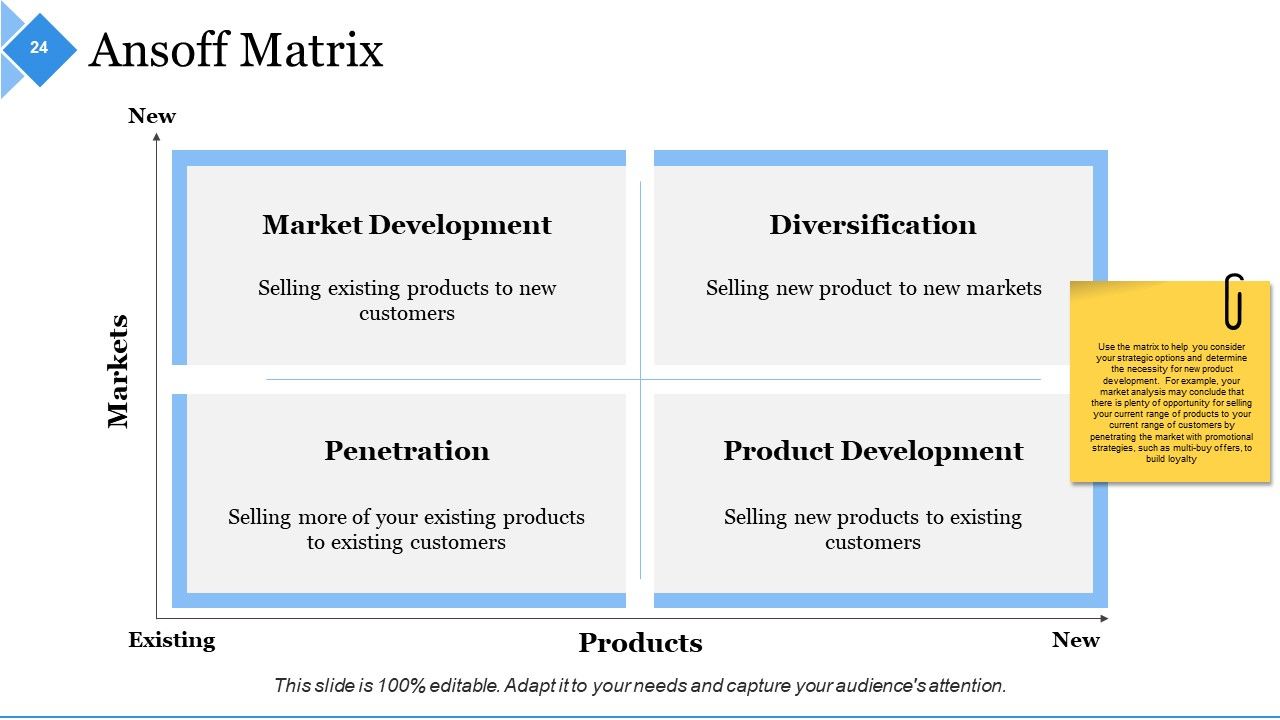
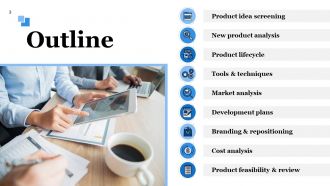
Familiarize yourself with any features you crave through our example presentation about new product PowerPoint presentation slides. Inform your shareholders and clients about our new product launch through these PPT designs. Give a total overview of your new product through this complete deck. This PTPT bundle contains seventy-three high-quality ppt layouts to reflect on your Product. Bank upon these designs with diverse and professional topics at your side, worry the least for a powerpack presentation. Highlight your agenda and outline key points and topics including, product idea screening, new product analysis, product lifecycle, tools and techniques, market analysis, development plans, branding and repositioning, cost analysis and product feasibility & review. A range of editable and predesigned slides with all sorts of related charts and graphs, overviews and topics for a complete analysis are included in this PPT bundle. Enlighten folks on the correct action and include our example presentation about new product PowerPoint presentation slides in your business presentations. Enlighten folks on the correct action to adopt with our Example Presentation About New Product Powerpoint Presentation Slides. Guard against any injury.








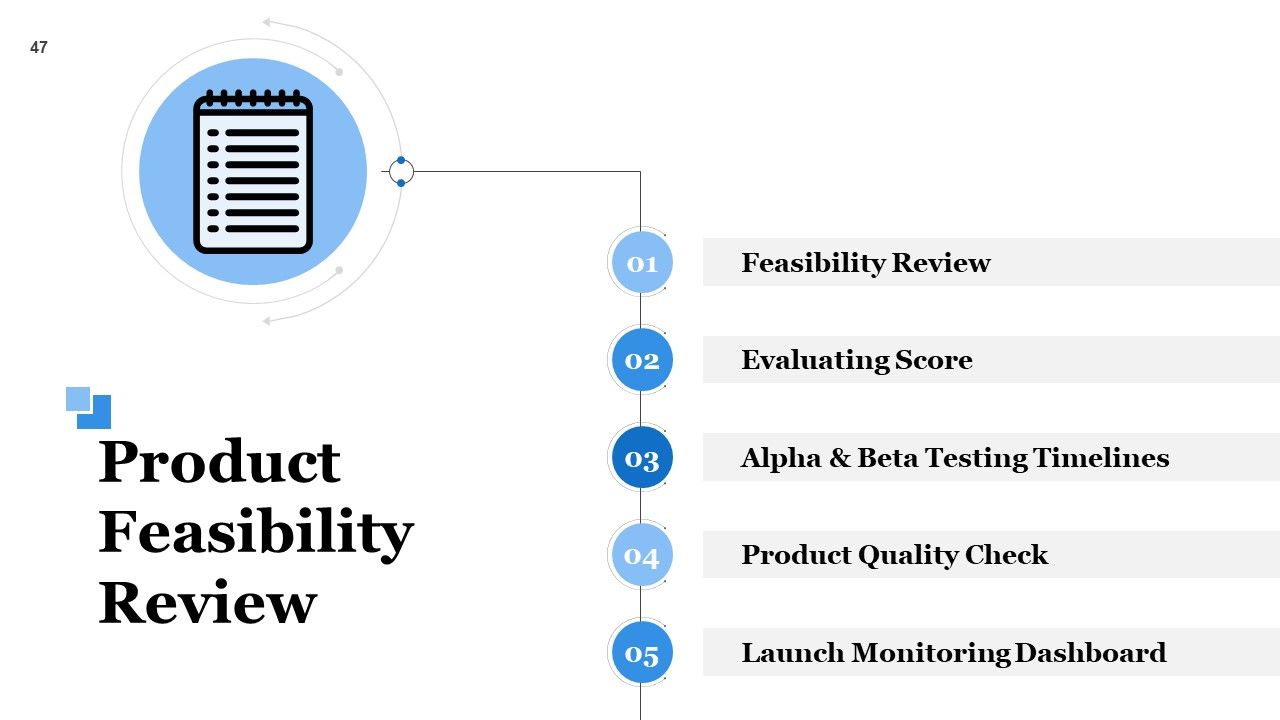
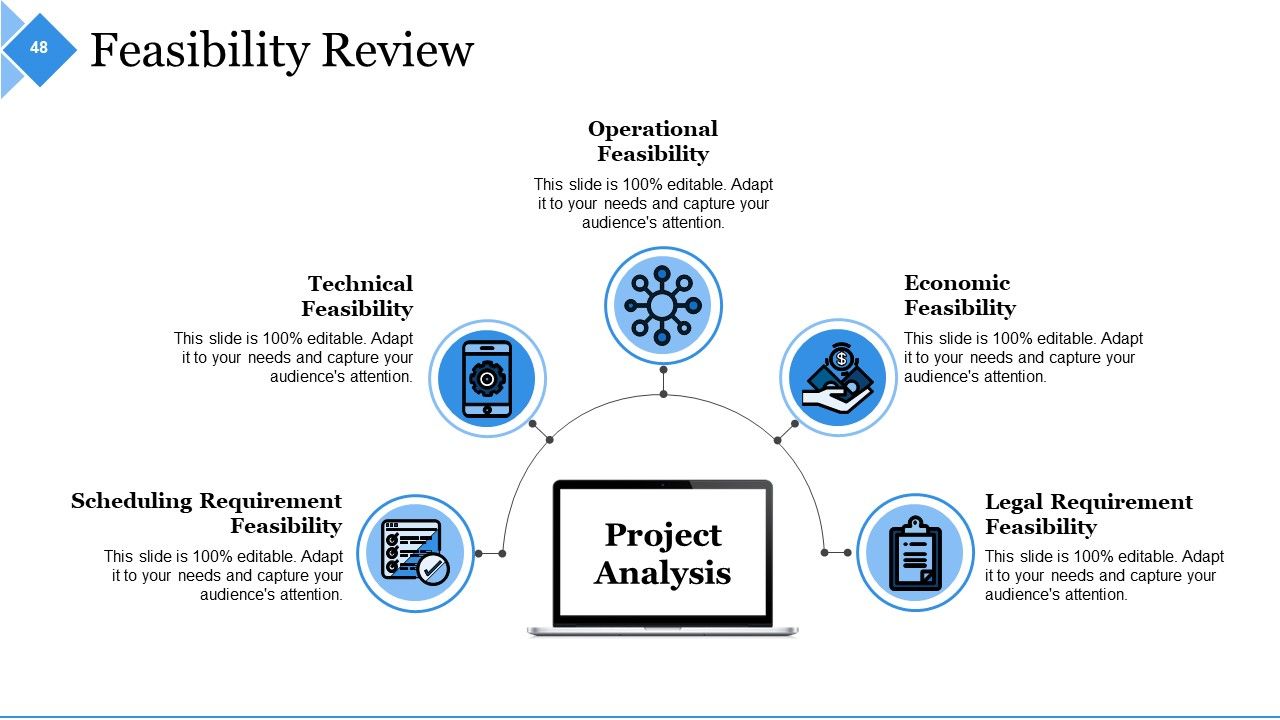
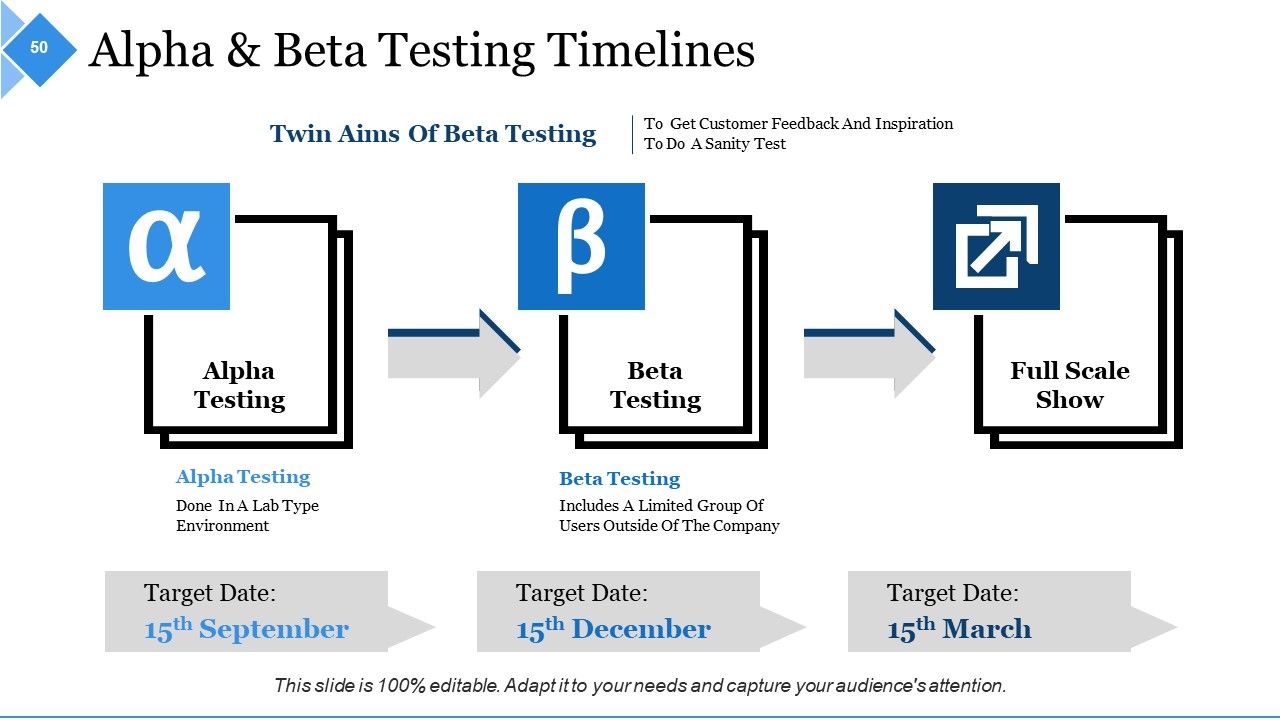
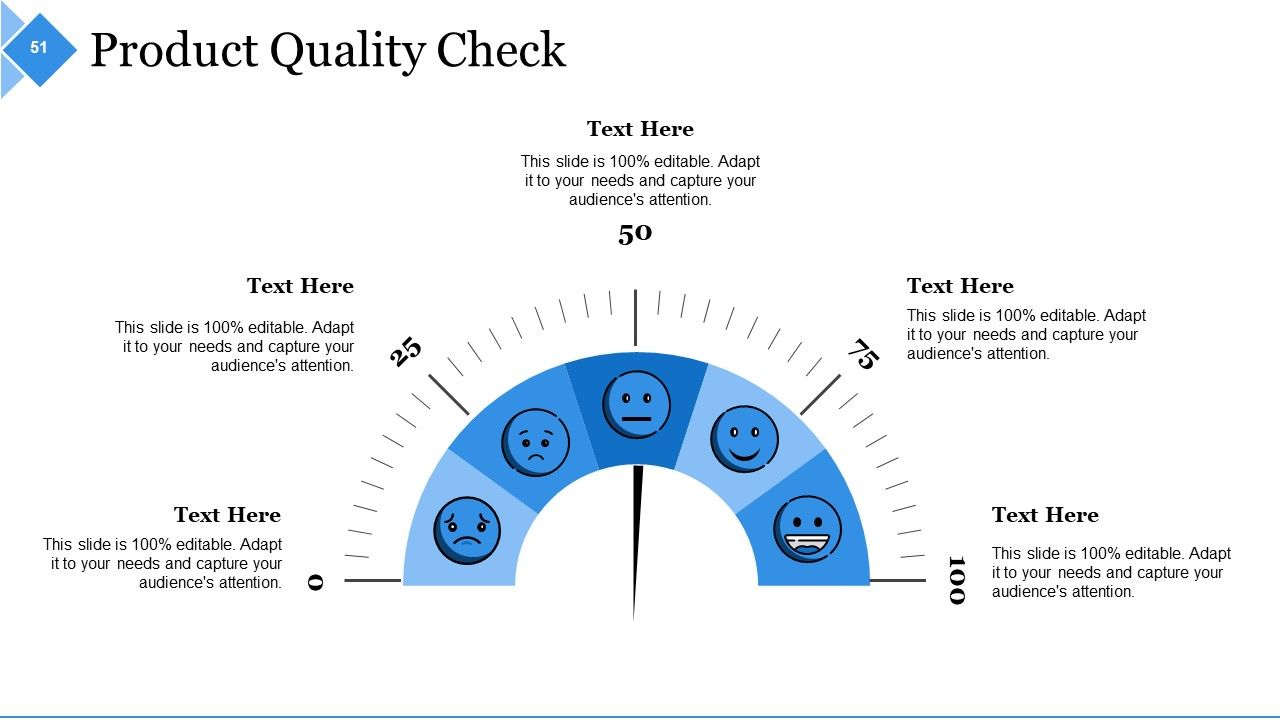


















-

- Google Slides is a new FREE Presentation software from Google.
- All our content is 100% compatible with Google Slides.
- Just download our designs, and upload them to Google Slides and they will work automatically.
- Amaze your audience with SlideTeam and Google Slides.
-

Want Changes to This PPT Slide? Check out our Presentation Design Services
-

- WideScreen Aspect ratio is becoming a very popular format. When you download this product, the downloaded ZIP will contain this product in both standard and widescreen format.
-

- Some older products that we have may only be in standard format, but they can easily be converted to widescreen.
- To do this, please open the SlideTeam product in Powerpoint, and go to
- Design ( On the top bar) -> Page Setup -> and select "On-screen Show (16:9)” in the drop down for "Slides Sized for".
- The slide or theme will change to widescreen, and all graphics will adjust automatically. You can similarly convert our content to any other desired screen aspect ratio.
Compatible With Google Slides

Get This In WideScreen
You must be logged in to download this presentation.


Do you want to remove this product from your favourites?
PowerPoint presentation slides
Presenting, example presentation about new product PowerPoint presentation slides. This PowerPoint slide can be used by businesses professionals for new product launch related presentations. The points and the identical terms shown in the picture can be easily edited by following the directions in the corresponding slide. The colors and orientation of the elements can also be changed easily. These PPT slides are agreeable with google slides. Easy to transform into JPEG or PDF document. Downloadable PPT plans to include data and share. This example is available in high quality resolution representation.

People who downloaded this PowerPoint presentation also viewed the following :
Content of this Powerpoint Presentation
Do you plan to launch a product into the market? If yes, you must know everything about the forces that’ll work in and against your favor. In technical terms, this is also called the business environment.
A new product could be an innovation or an improvement of an existing product in the market and thus will require a specific marketing technique to make the desired impact. This is why a thorough evaluation of the product, and the market prior to its guided launch is highly recommended.
Hence, a product manager needs to prepare a presentation that covers everything from the development, specifics, and product’s unique selling point. This information should be made available to anyone within the team who handles the product from its ideation, development, all the way to marketing.
With these critical needs defined, SlideTeam has designed this ideal Presentation About New Product to discuss the nuances of your business output in detail. Check out this PPT Presentation featuring 73 dedicated slides to create a valuable product guide.
Strategize on design, composition, and purpose of the new product while evaluating the market (demand and competition) dynamics. Get this complete combination in templates that are 100% editable and customizable now. You get a starting point, the structure and the capability to tailor each presentation to the audience profile you are about to address.
Let’s explore!
Template 1: Product Idea Screening
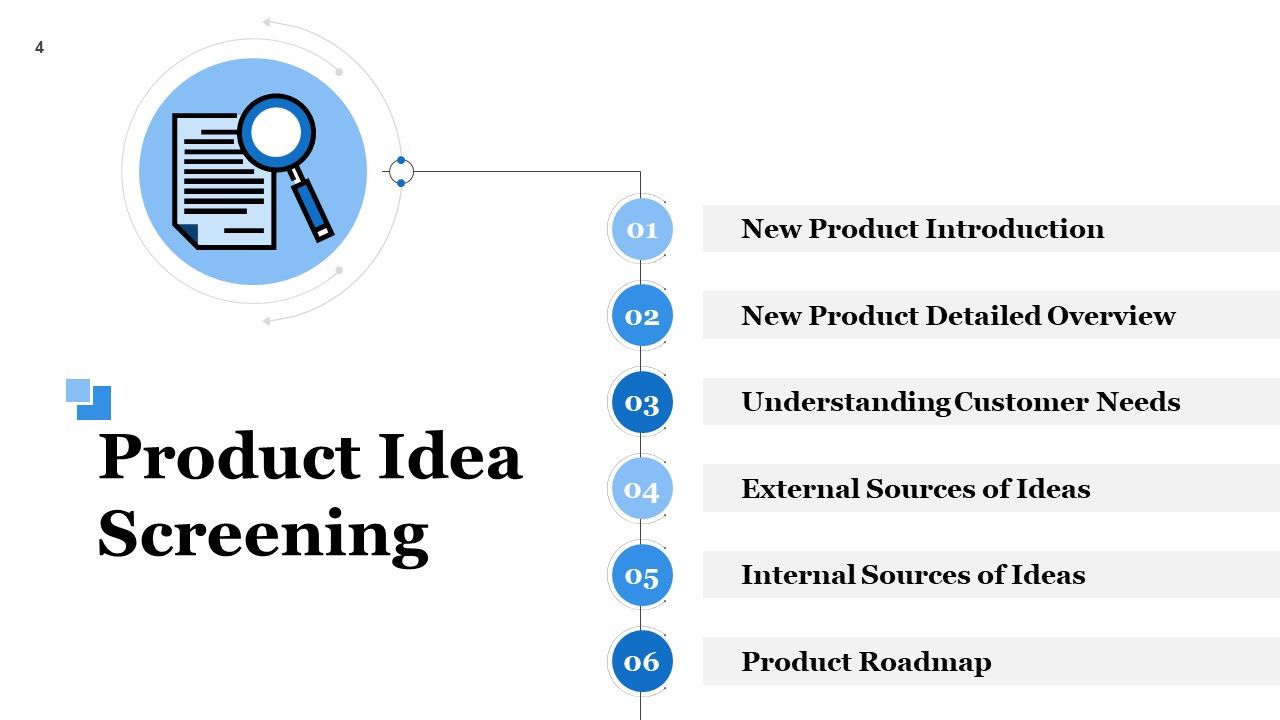
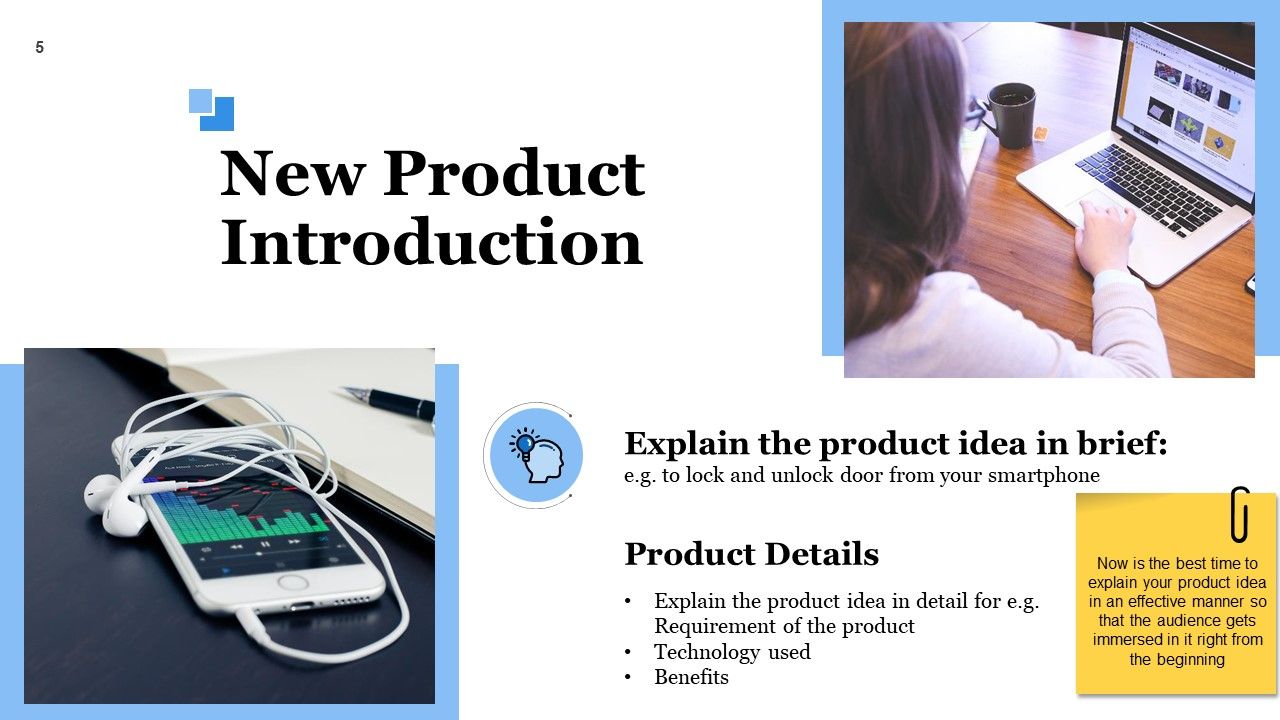
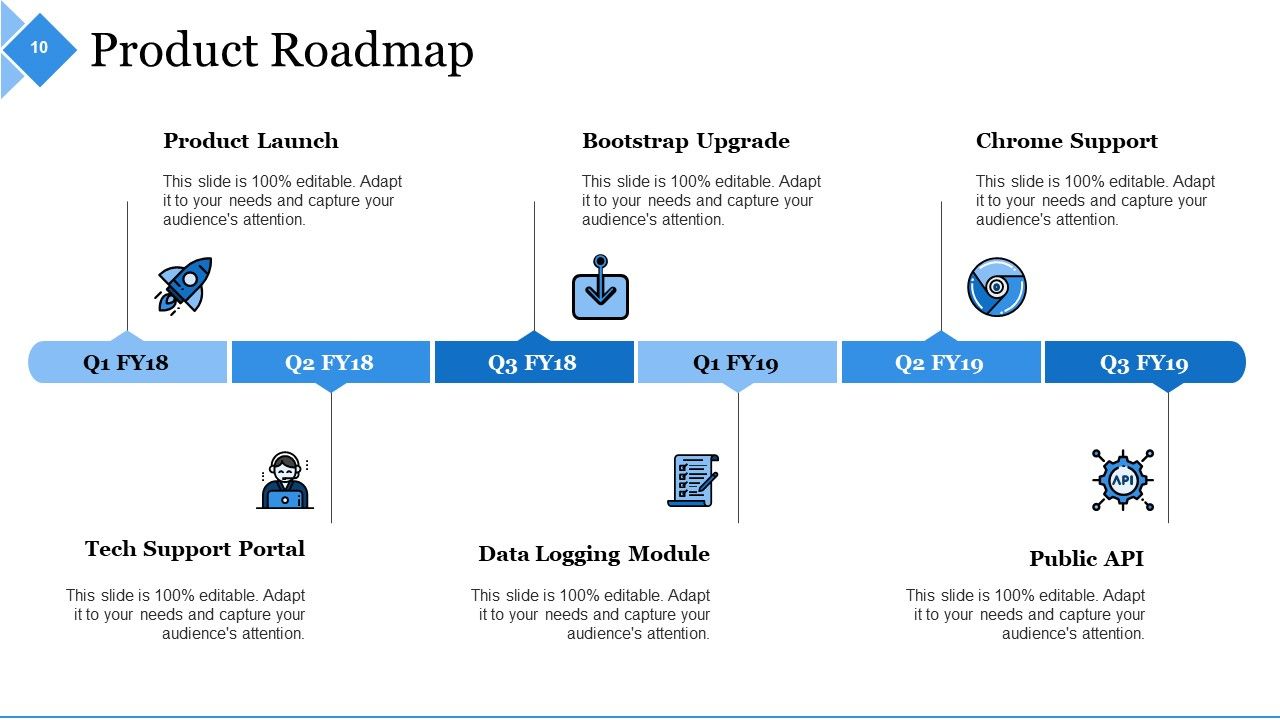
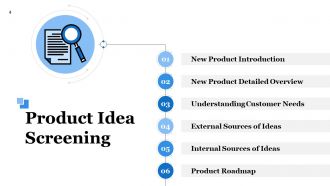
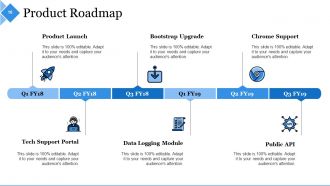
This PPT Slide allows you to introduce key aspects of product idea screening. To create a new business product, you and your team need to contemplate and collect the best ideas for its design and composition. This includes product introduction, detailed overview, customer evaluation, etc. Next, you need to gather sources of ideas and select the best one. This presentation layout also hints at yet another important element of the new product launch i.e. its roadmap.
Template 2: New Product Detailed Overview
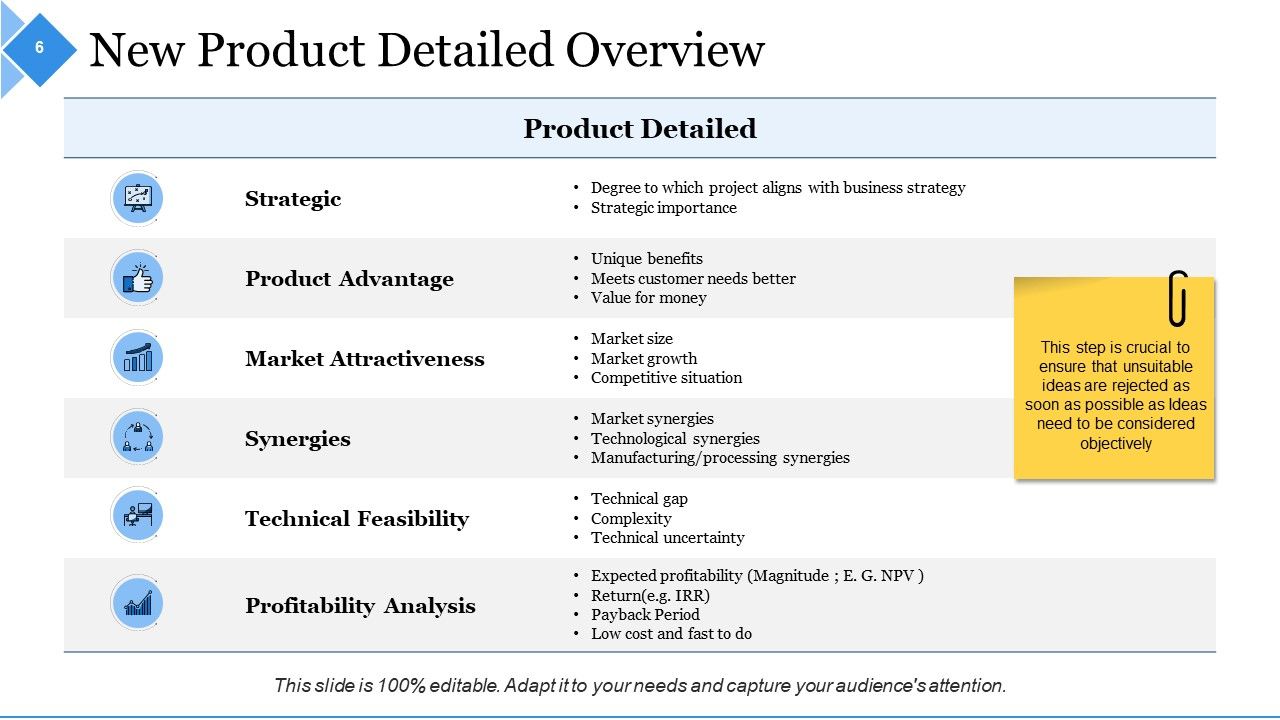
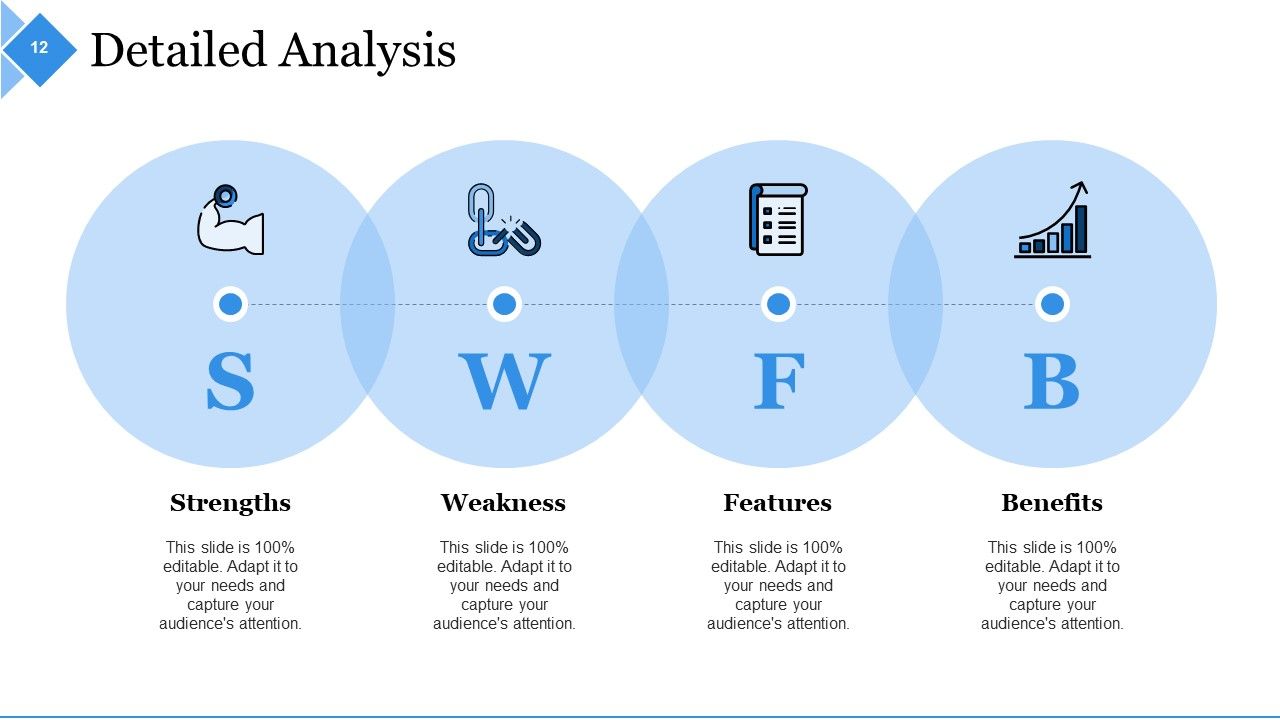
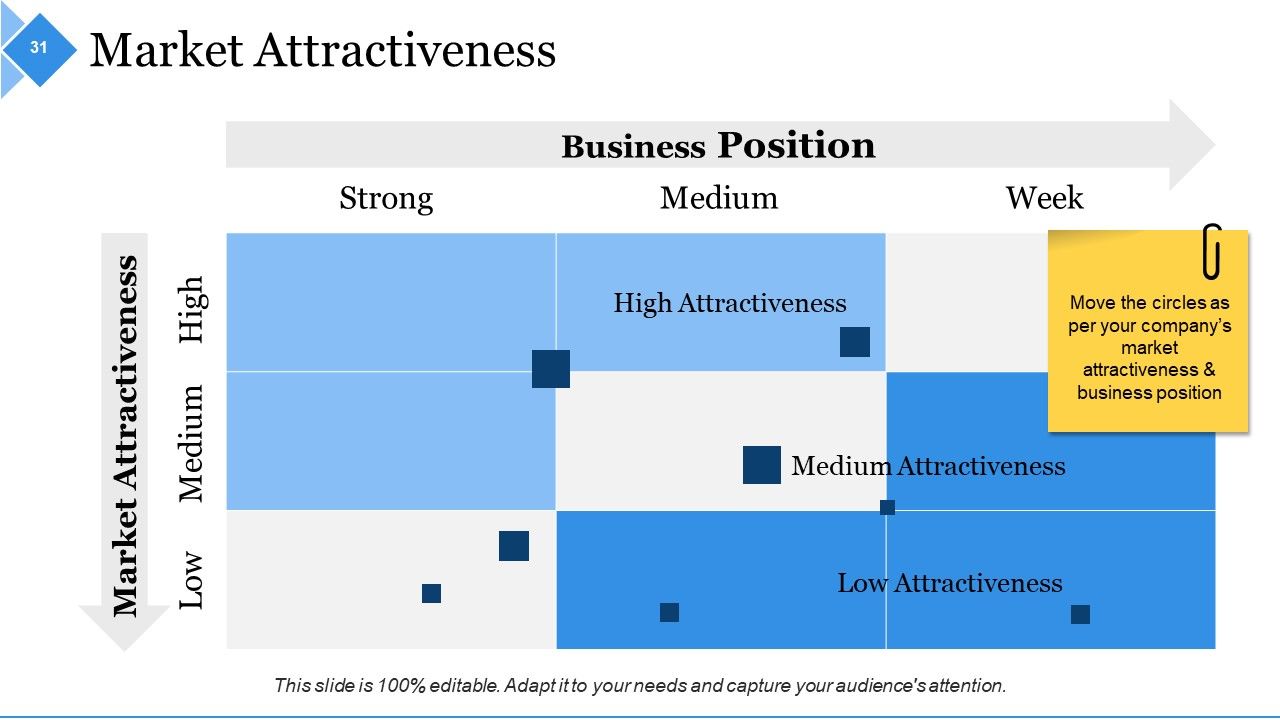
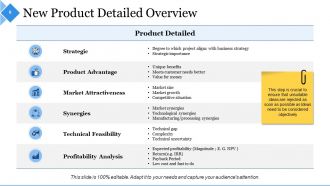
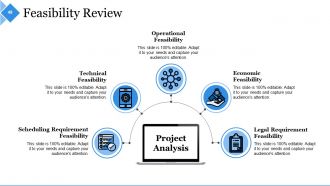
This PPT Design lets you discuss in depth the new product, its design features, advantages and market attractiveness. You can add aspects like technical feasibility, and synergy with research-backed facts and figures. Finally, profitability analysis must also be studied to excite potential investors into financing your program.
Template 3: External Sources of New Product Ideas
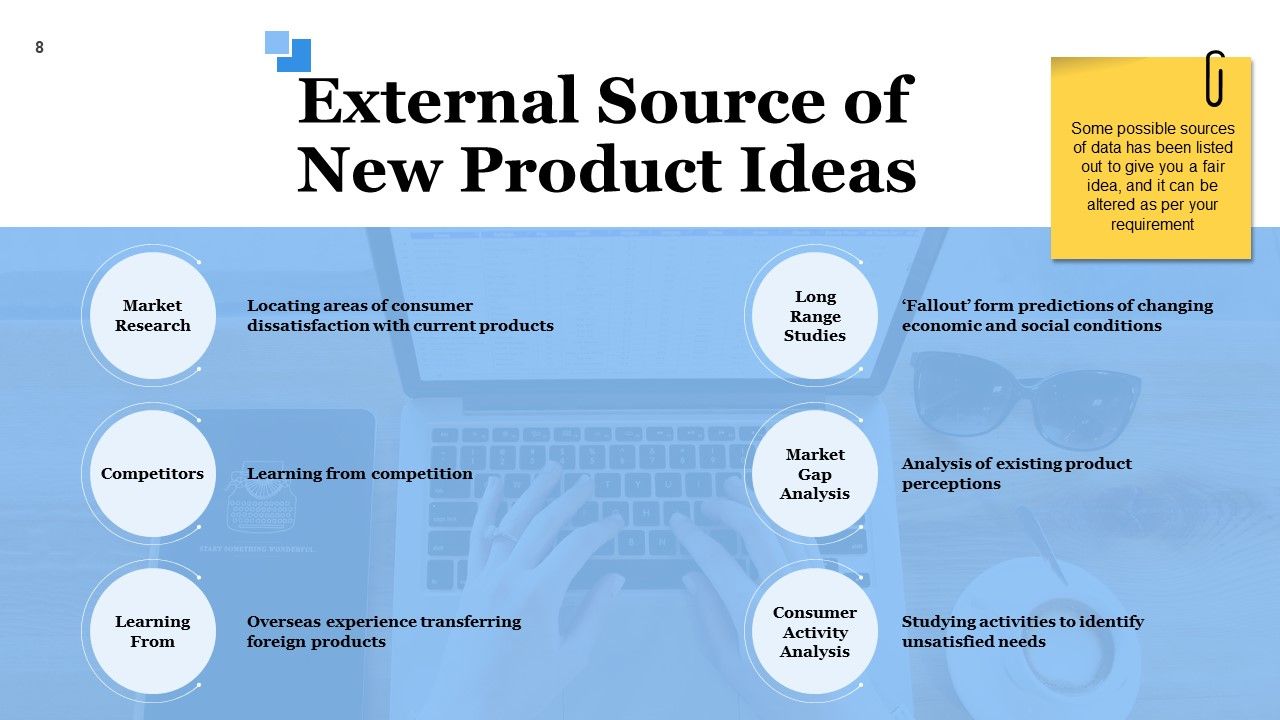
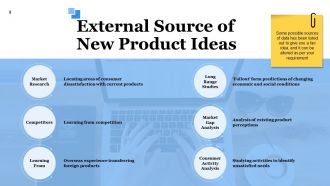
To invest time and resources in developing and launching a new product, you need the clarity of thought, making this the product of your choice. This next template will help you achieve half of this objective. You can discuss the new product ideas that you fetched from external sources. Such sources could be identification of areas of customer dissatisfaction, competitive analysis, overseas experiences, changing economic and social conditions etc. You can add to this list or alter these based on your analysis.
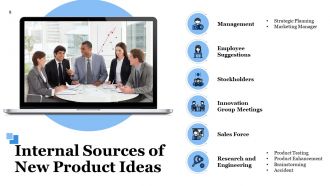
Template 4: Internal Sources of New product Ideas
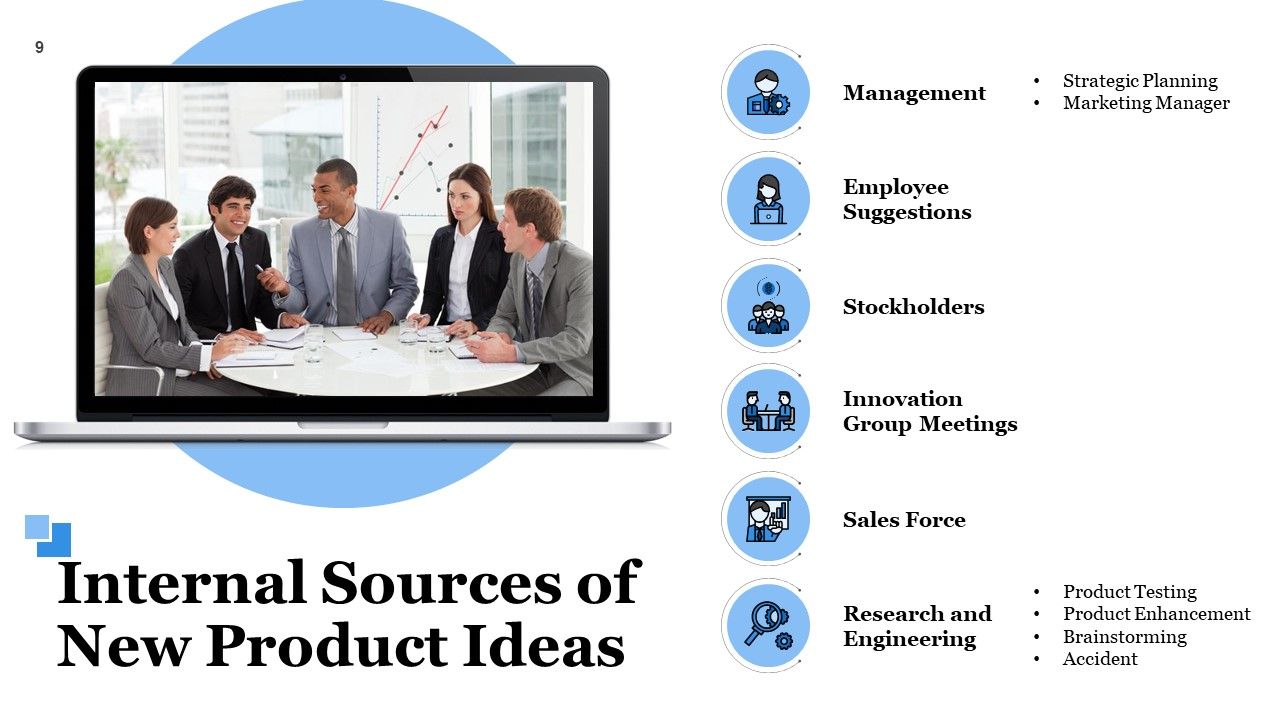
In this PPT Slide, you can cover the other portion of ideation and point out the internal sources. These suggestions for new products can be made by the management, employees, stockholders, or sales team. Ideas can also be generated from innovation group meetings, or research conducted by the company. Share gists of these sources with this pilot template as you begin to explain these in detail in the following slides.
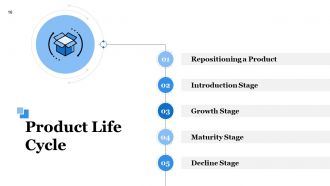
Template 5: Product Life Cycle
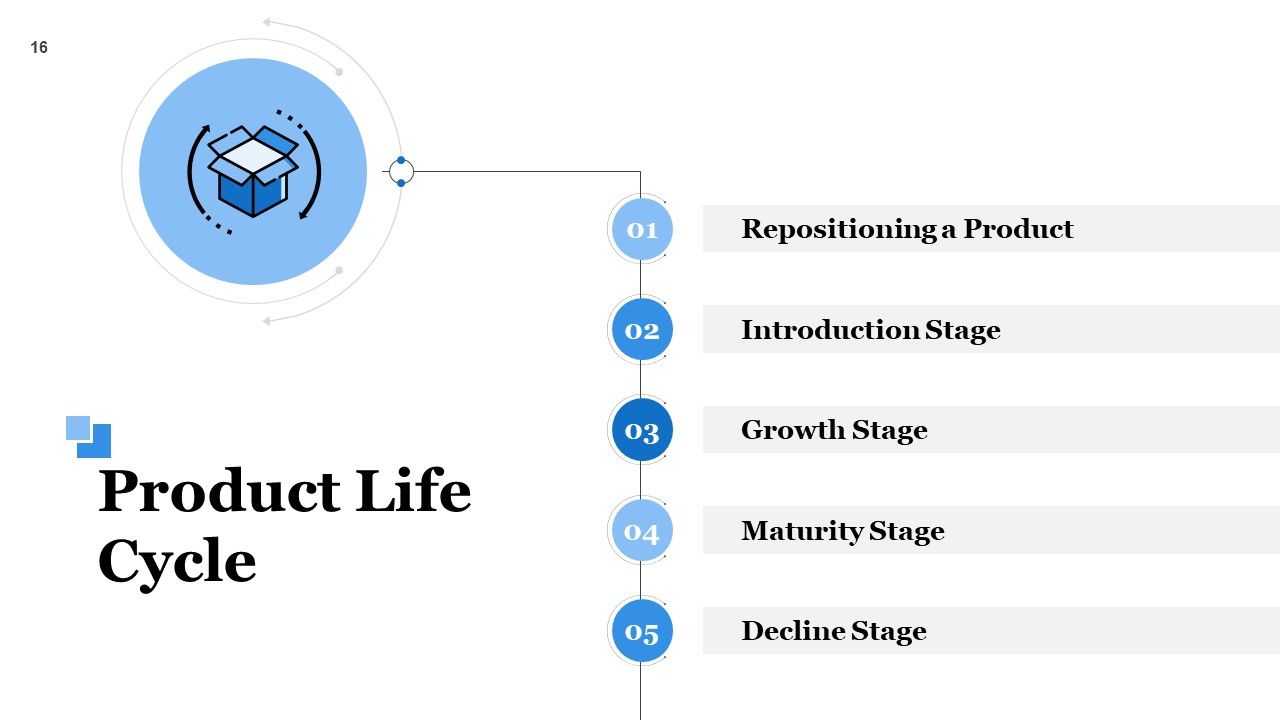
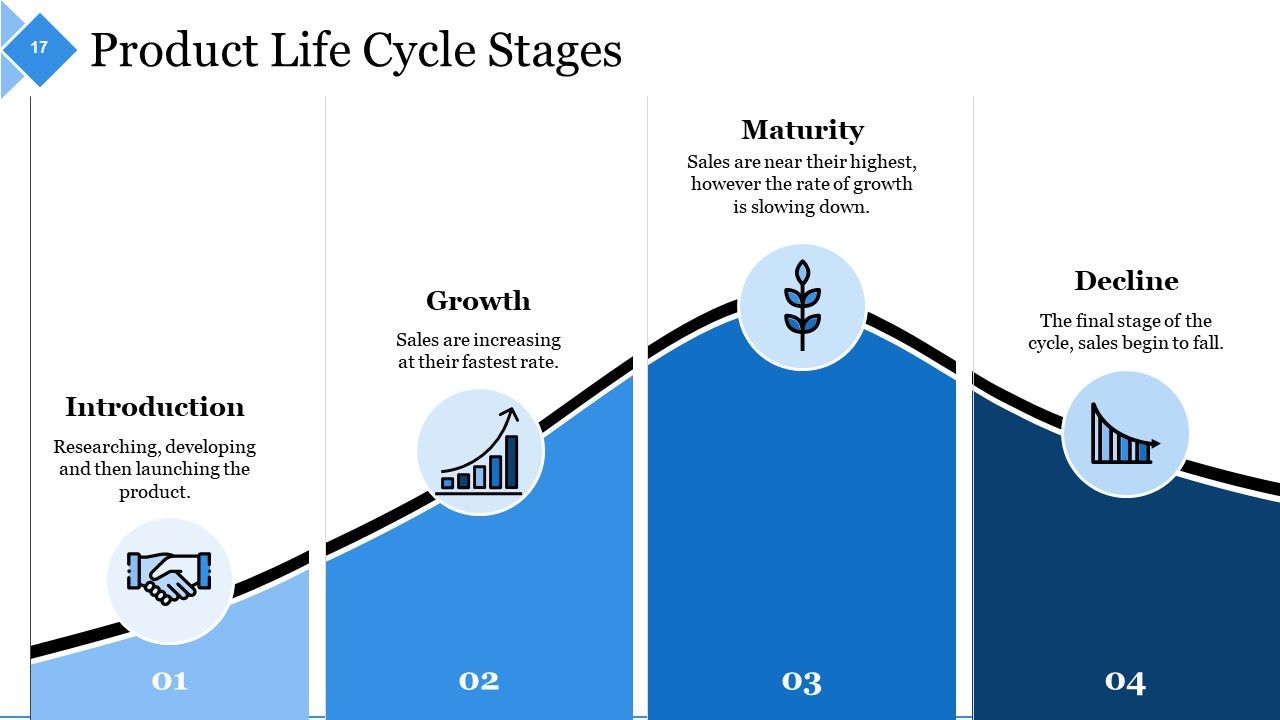
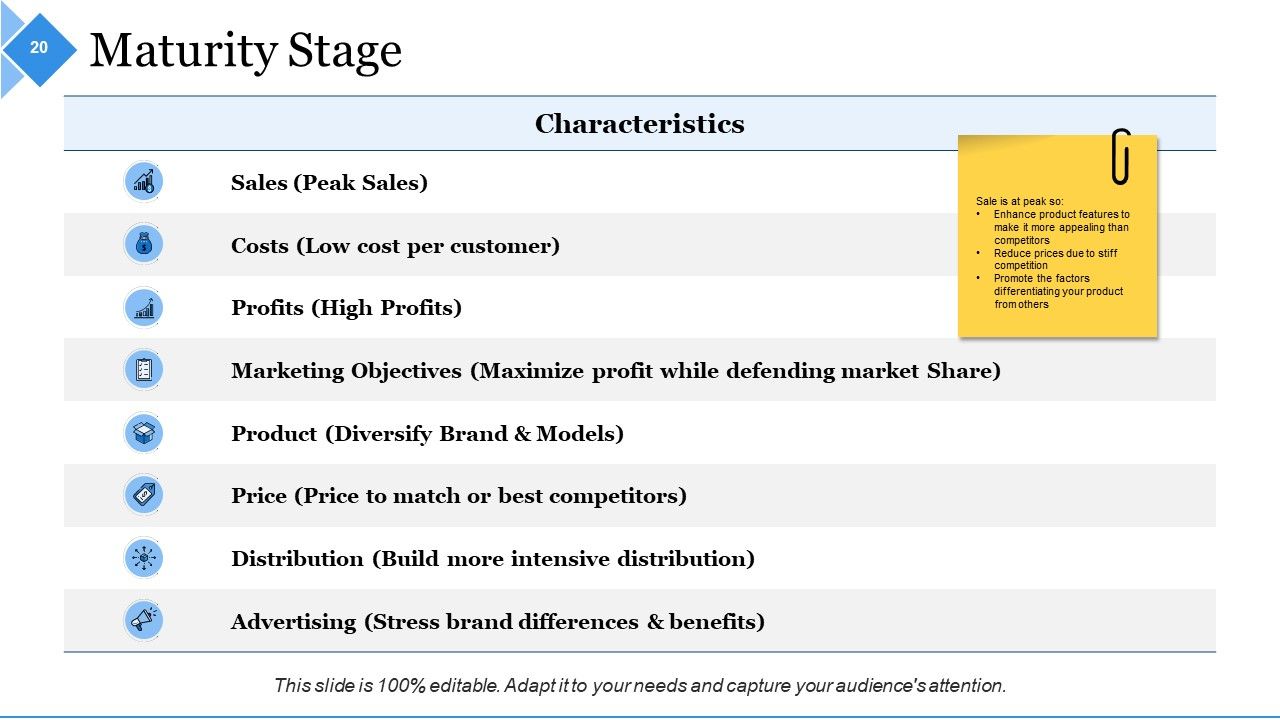
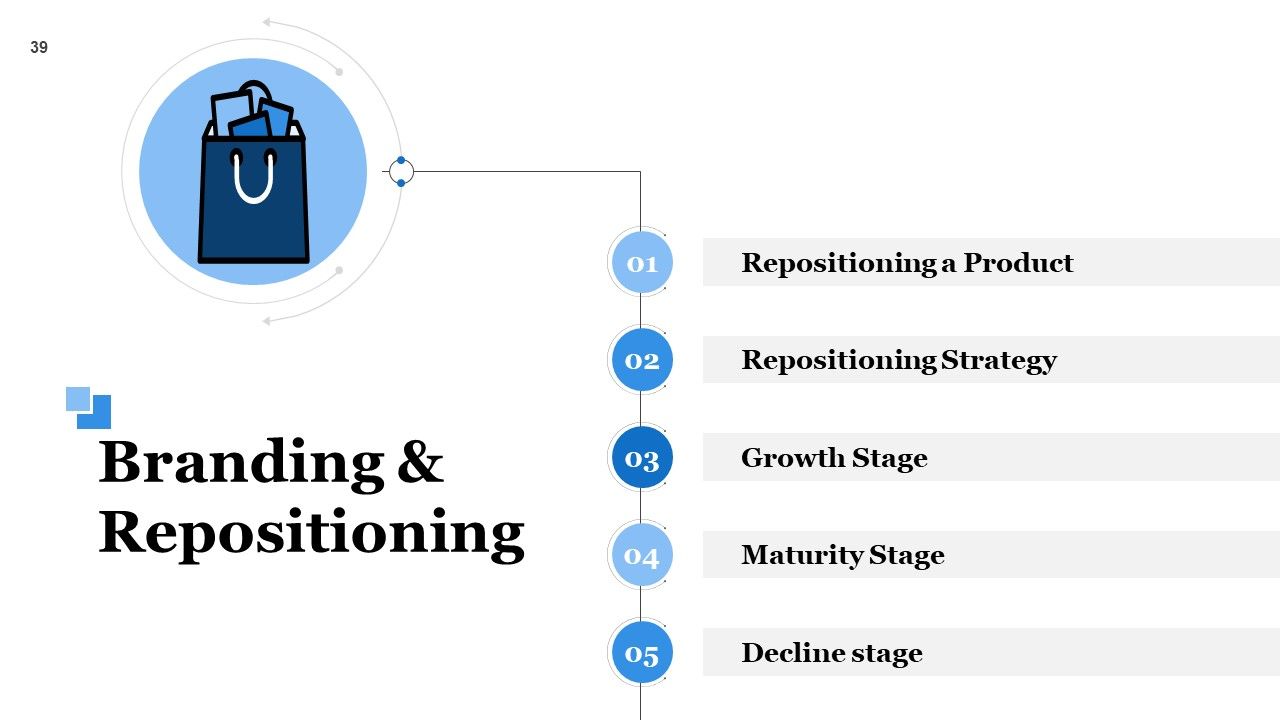
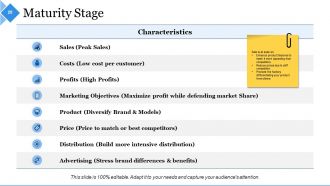
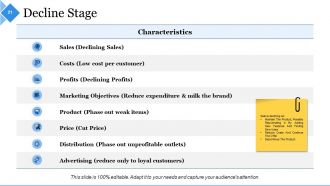
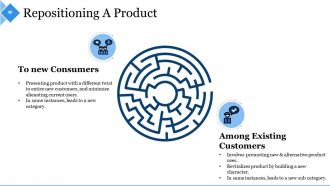
Generally, a product will have its finite life and the same is depicted in this complete deck presentation. With this PPT Template as its index, identify the five major steps of any product and co-relate it to the present product under development. These are: product repositioning, introduction stage, growth stage, maturity, and decline stage.
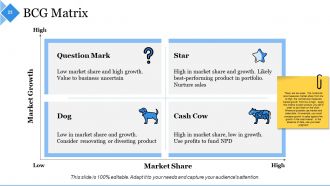
Template 6: BCG Matrix
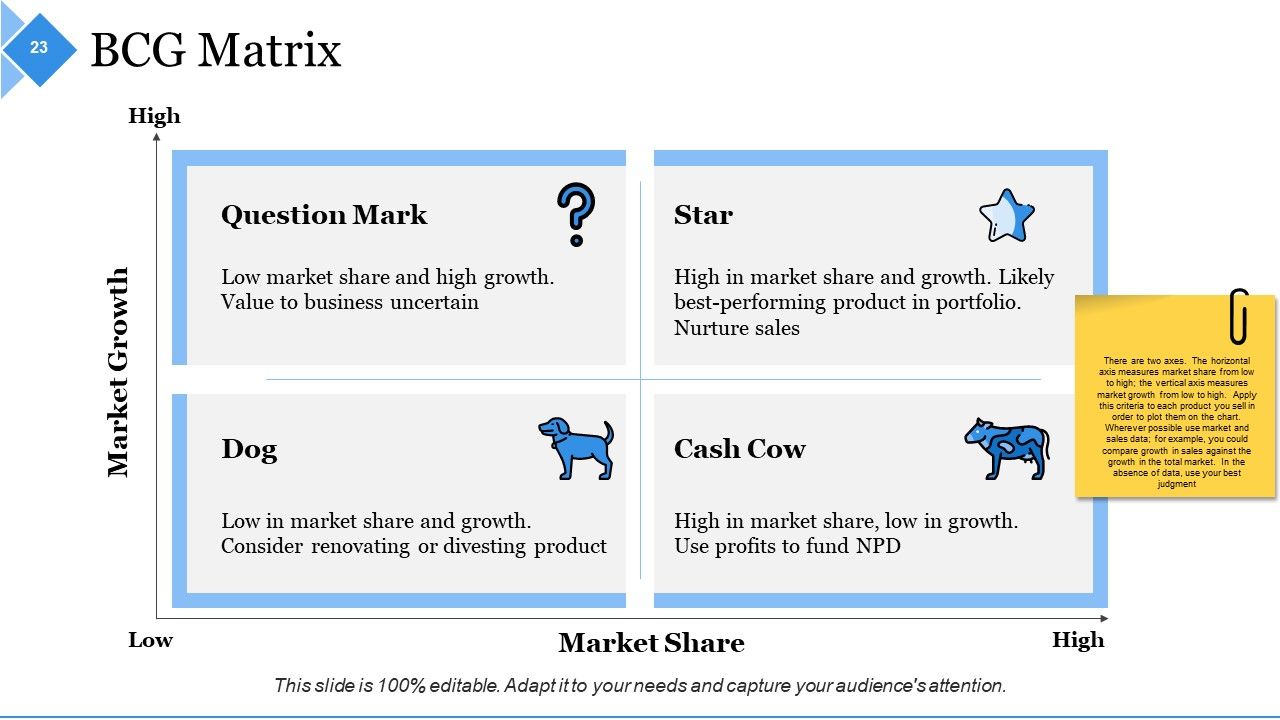
A BCG matrix analysis of your product will help you identify the best place to position your new product and compare its older version or other business products. Identify the status of your products whether they have a good market share or market growth. According to this analysis, you can ascertain if your product is going to be long lasting in the market and minting money or only draining wealth.
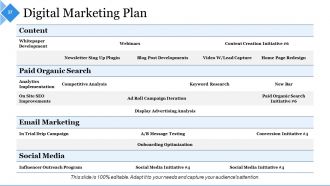
Template 7: Digital Marketing Plan
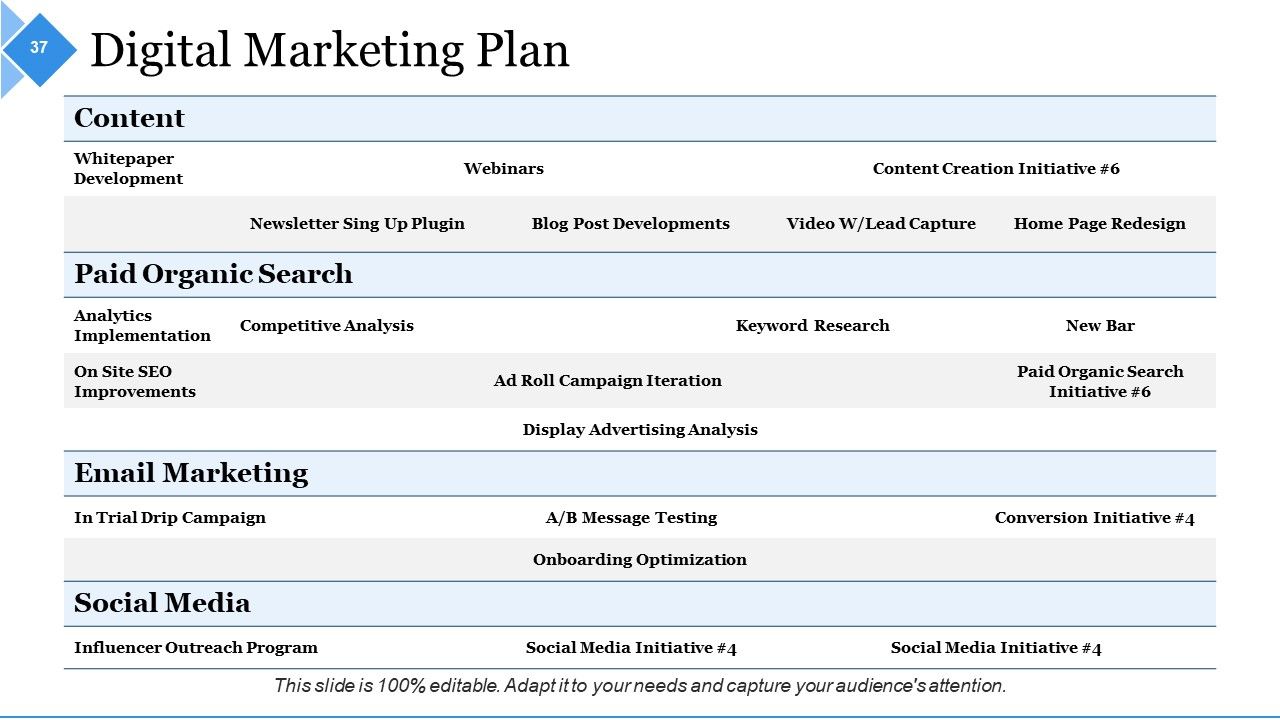
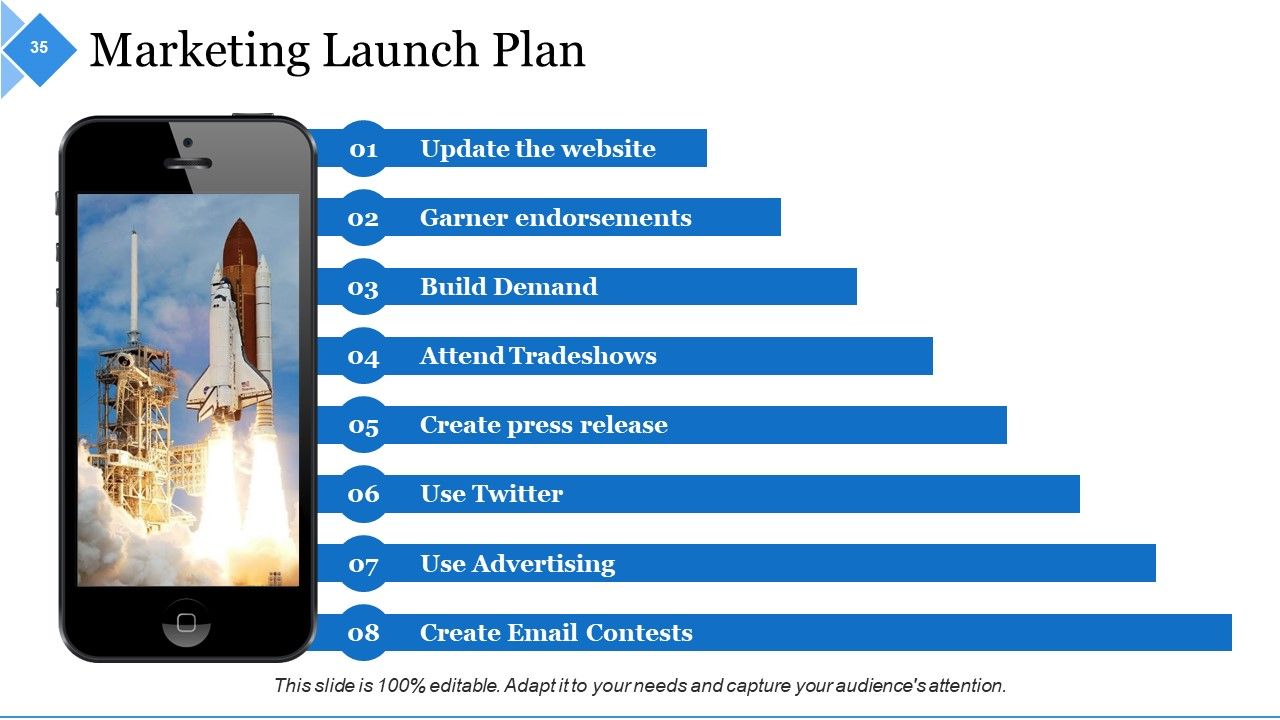
Once the ideation and development part of your new product has been covered, move on to the marketing plan. With this PPT Slide, create your ideal digital plan, marketing strategypitch and promote your new product. Discuss channels and mediums for marketing your content online. You can also specify the campaigns, and other marketing tactics to be deployed for reach maximization.
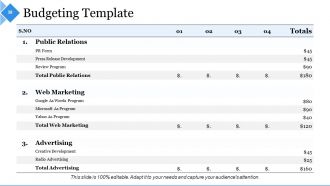
Template 8: Budgeting Template
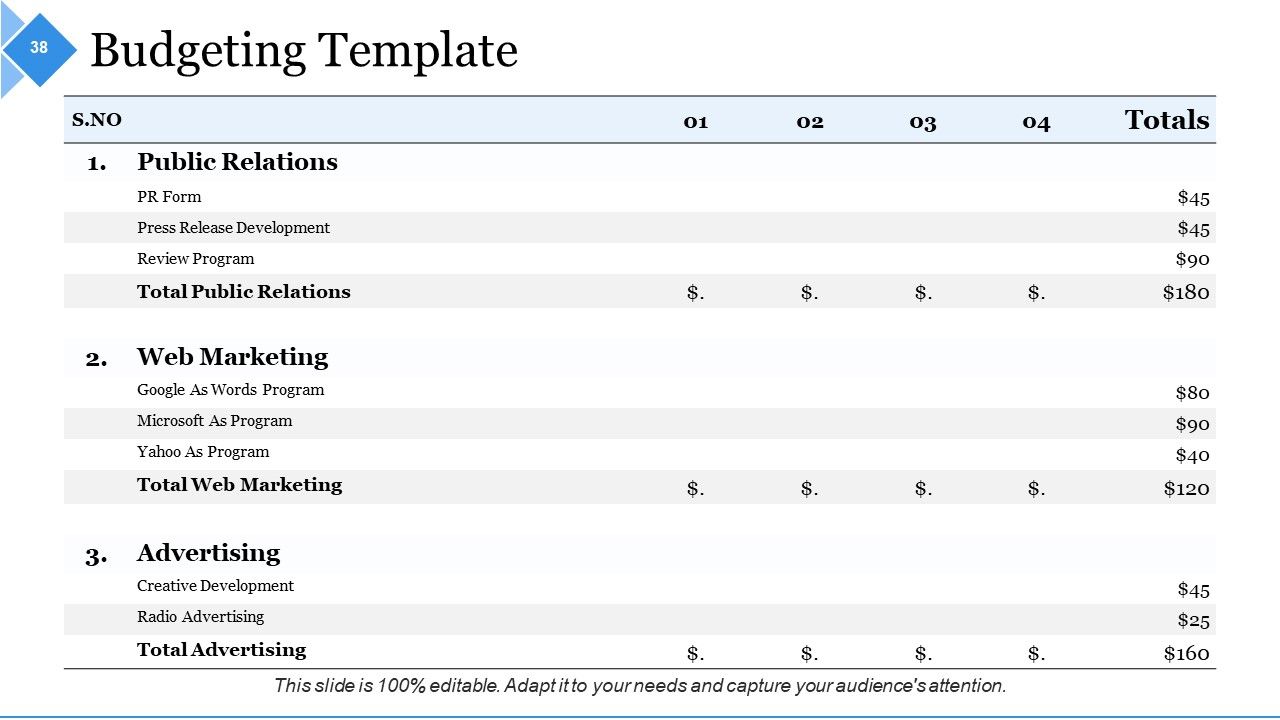
The next thing you need in designing and launching your new product is to create a budget. This presentation slide helps you plan your marketing budget that is to be utilized in Public Relations, web marketing, advertising. Demonstrate a responsible approach in distributing the assigned marketing budget among these and other channels in use using this PPT Layout.
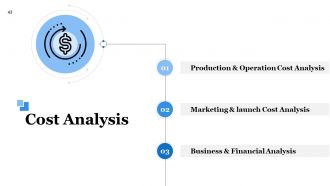
Template 9: Production and Operational Cost Analysis
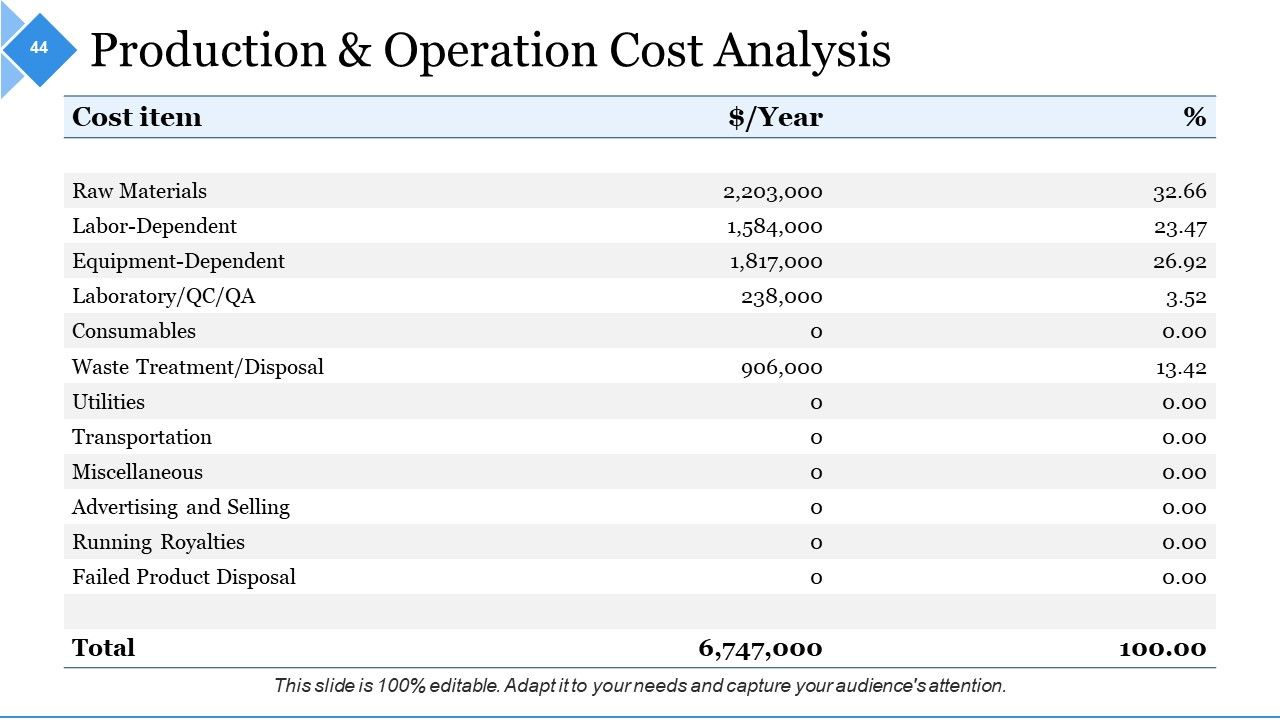
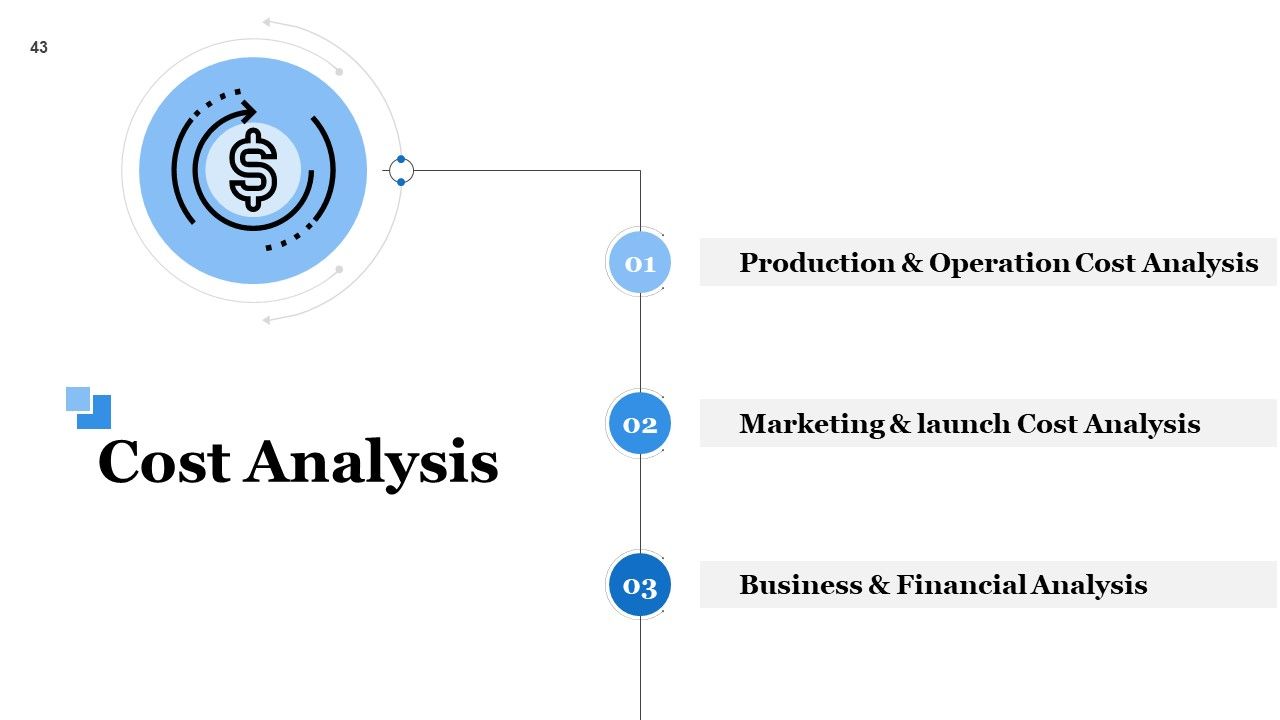
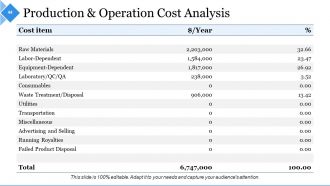
Maintain this sheet on product and operational costs so that everything is held accountable. Cost items of raw materials, labor, waste management, transportation, miscellaneous, etc, should be specified in amount per year. You can also specify their percentages compared to the overall budget assigned or cost incurred. Maintain this important cost analysis template in your product presentation.
Template 10: Marketing and Launch Cost Analysis
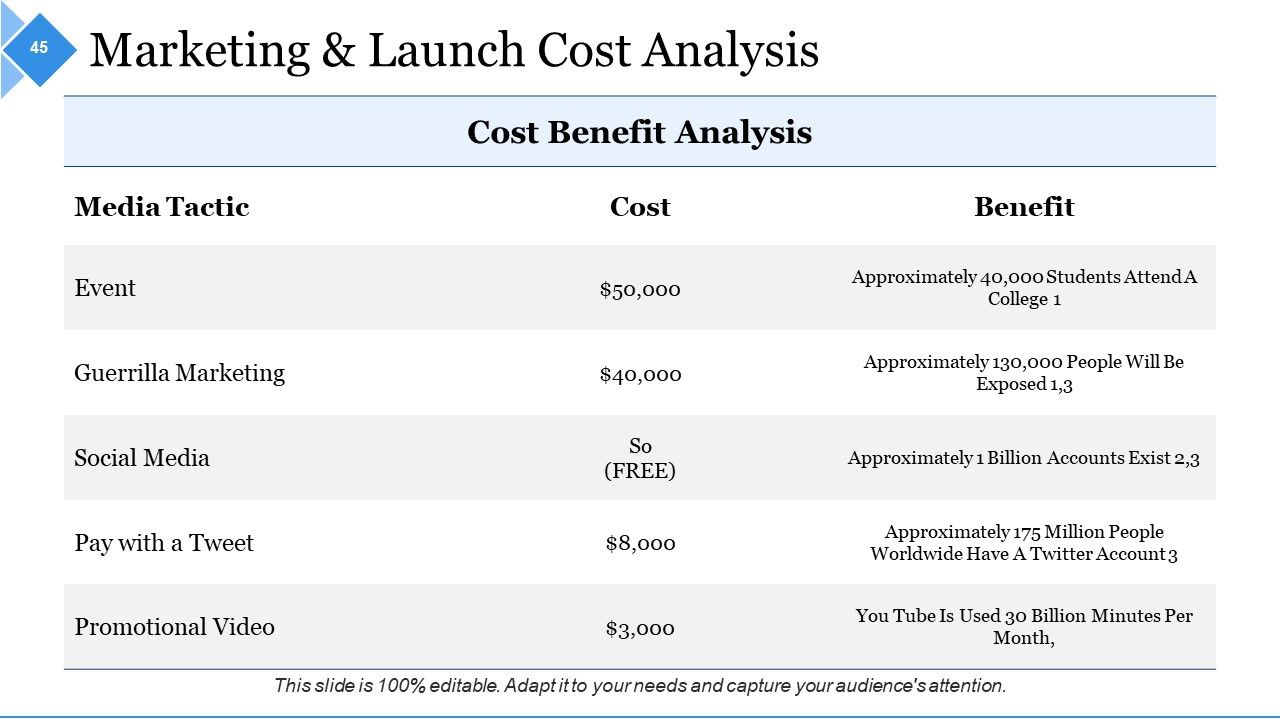
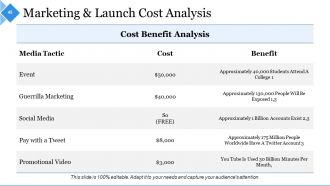
This PPT Preset helps portray your marketing and launch costs in continuation with the financial summary of your new product. Mention cost incurred in managing events, marketing efforts, social media, and promotional videos and specify benefits attained. Specify if any tactic was free and mention the accurate cost of others as shown to get a clear picture of your expenses.
Template 11: Evaluating Scores
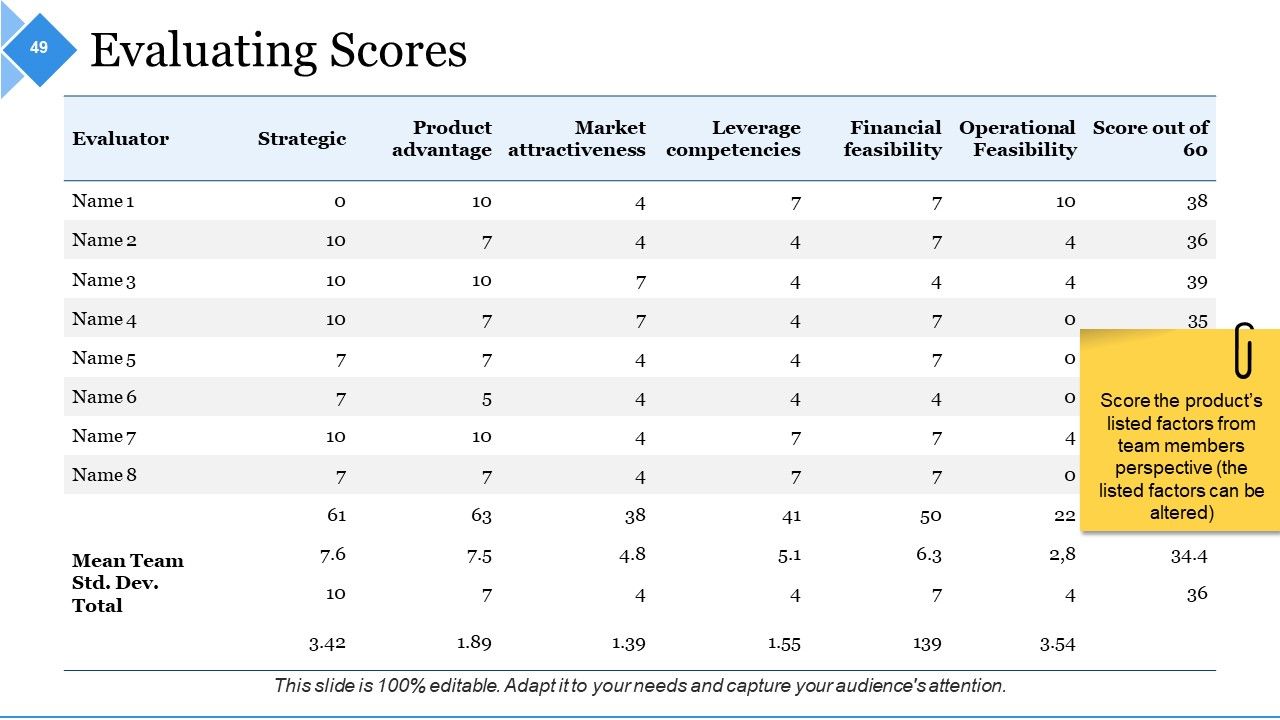
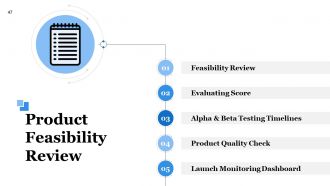
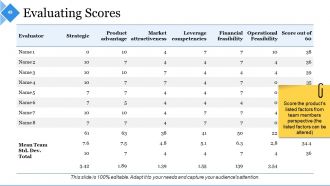
Once you have covered particulars related to the new product’s development and marketing, record the assessment from top evaluators and analysts. Tally and compare their ratings for features covered in the presentation to understand if the project has been feasible and then identify areas of improvement. Common features to compare should be strategies, product attractiveness, product advantage, operational feasibility, leverage competencies, etc.
The Key to A Futuristic Product
These were some of the top templates of your new product all-about presentation template. Grab the complete deck to plan a calculated strategy of product development, launch, and marketing. Build an attractive, long-term, and profitable product by planing well.
Example Presentation About New Product Powerpoint Presentation Slides with all 73 slides:
Encourage a bit of informal banter with our Example Presentation About New Product Powerpoint Presentation Slides. Indulge in a good humored exchange.
-
Great powerpoint
