


New product development process powerpoint presentation slides





Try Before you Buy Download Free Sample Product
 Impress Your
 Audience
 100%
100% Editable
 Save Hours
 of Time


With our professionally designed product management templates, you can easily present your new products and services to your audience. SlideTeam presents you pre-designed new product development process PowerPoint presentation slides, which helps you remove the various challenges and uncertainties. This content ready professionally created new product design presentation PPT cover various slides like idea generation, market trends, idea screening, Delphi method, concept testing, product positioning map, in-depth interview, marketing strategy development, business analysis, sales projection, market testing, commercialization, initiate product life cycle and many more. Not only this, by using these NPD PPT PowerPoint graphics, you can also work on many other topics like agile development, product design stages, development and launch, product strategy formulation, brand management, product management, product lifecycle, product innovation etc. Now hurry up and don’t wait for it! Just click and download our new product development process presentation graphics and give your presentation a professional look.Our New Product Development Process Complete Powerpoint Deck With Slides are sure to raise many a cheer. They will delight the most discerning audience.
People who downloaded this PowerPoint presentation also viewed the following :
Content of this Powerpoint Presentation
Since time immemorial, the surest way to grab eyeballs and make an impression has been to give the end-user novelty and a fresh perspective. With this as the foundation, we open this blog on the new product development process. According to studies, idea generation needs to consider novelty as the first factor before moving on to other relevant sources, such as technology, utility, and the like.
The $500 billion industry around the new product development process also has global consultants vying for the pie. For instance, it was an idea that turned the internet from a classified US Navy Seals project into a commodity that is as essential and necessary to lives as electricity and running water.
Get a hang of one-year product development schedule with this product template from SlideTeam.
At SlideTeam, we have turned this exercise of designing a new product development process into convenient, well-researched, and balanced PPT Slides. Businesses’ pain point of having to make these slides from scratch and think about the process is resolved with this one wonderful product of our own.
The content is expert-curated, the slides are clutter-free, and the support is unparalleled for the top brass. Each template is also 100% editable and customizable, offering structure and a starting point for presenting before the stakeholders.
A product development roadmap timeline across four quarters is essential for businesses to see how it unfolds.
Let’s explore!
Template 1 Product Development Process
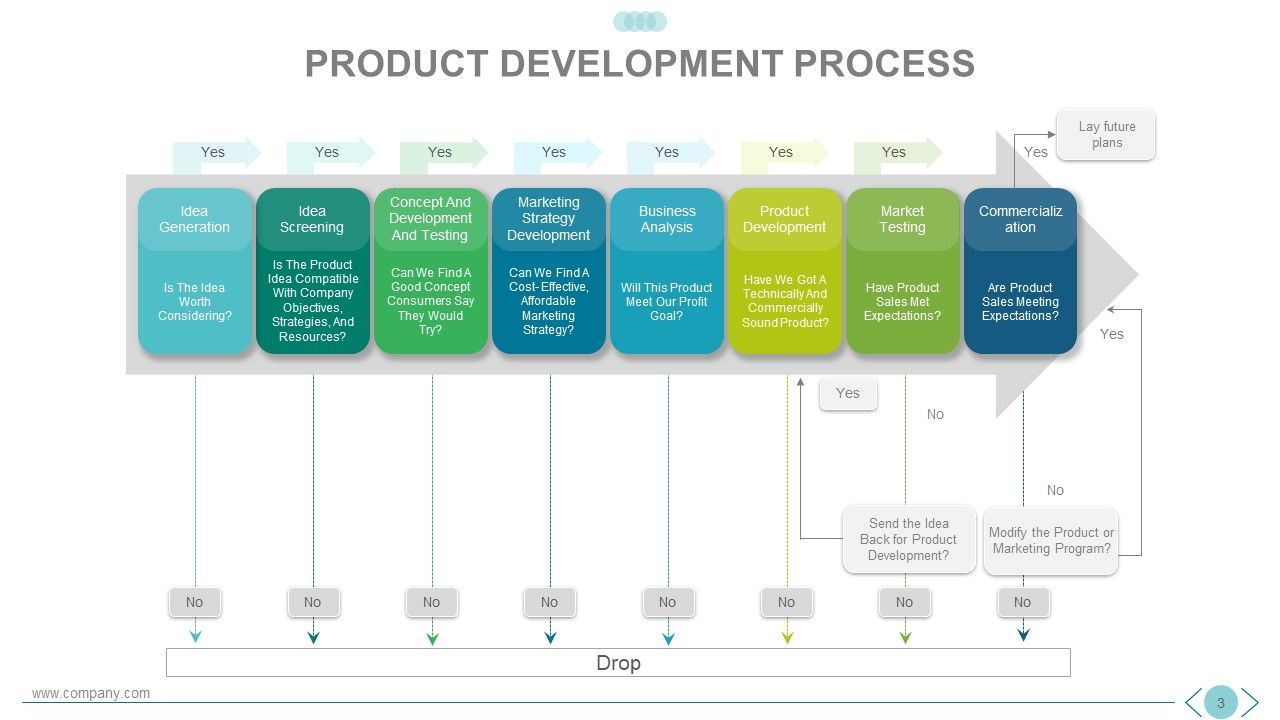
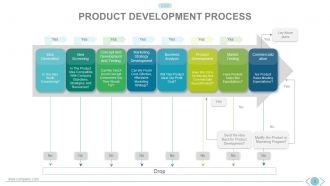
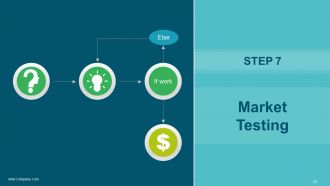
In eight steps, this PPT Template draws up the stages in the product development process that function like elimination rounds in a knock-out lawn tennis grand slam. If any NO and the product is not developed, it would require passing, with excellent grades, the same steps again. The first four steps, in order, are idea generation, idea screening, concept development, testing, and marketing strategy development. The later steps include business development, product development, market testing, and commercialization. The PowerPoint Slide Template includes questions that signal the real meaning of the process.
Template 2 Gather Ideas for New Product
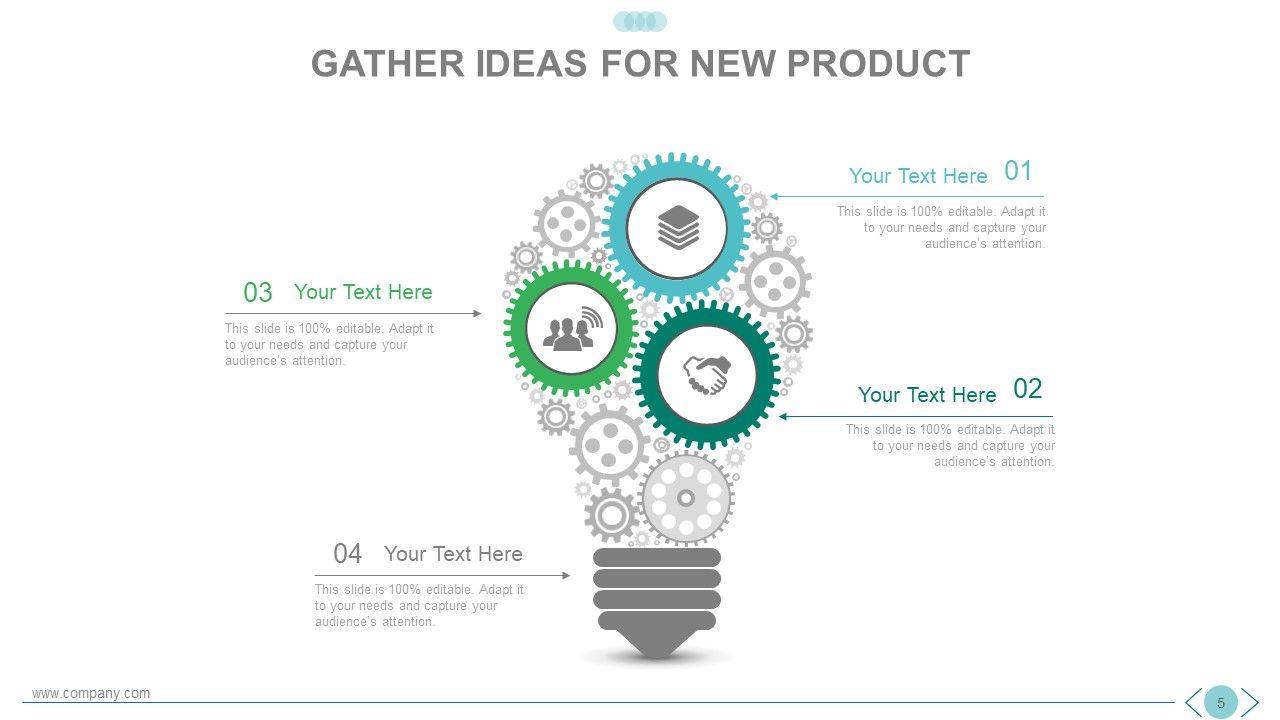
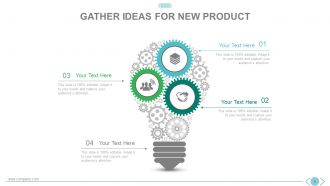
If you aim to create and gather ideas for new products, then this template is for you. The attractive design, in the form of a bulb with icons inserted, showcases how ideas are derived. The three major sources of idea generation, as depicted in the PowerPoint Slide through icons, are research, collaboration with others in the field, and proper use of technology to ensure no new idea escapes during the discussion.
Template 3 Sources for Idea Generation
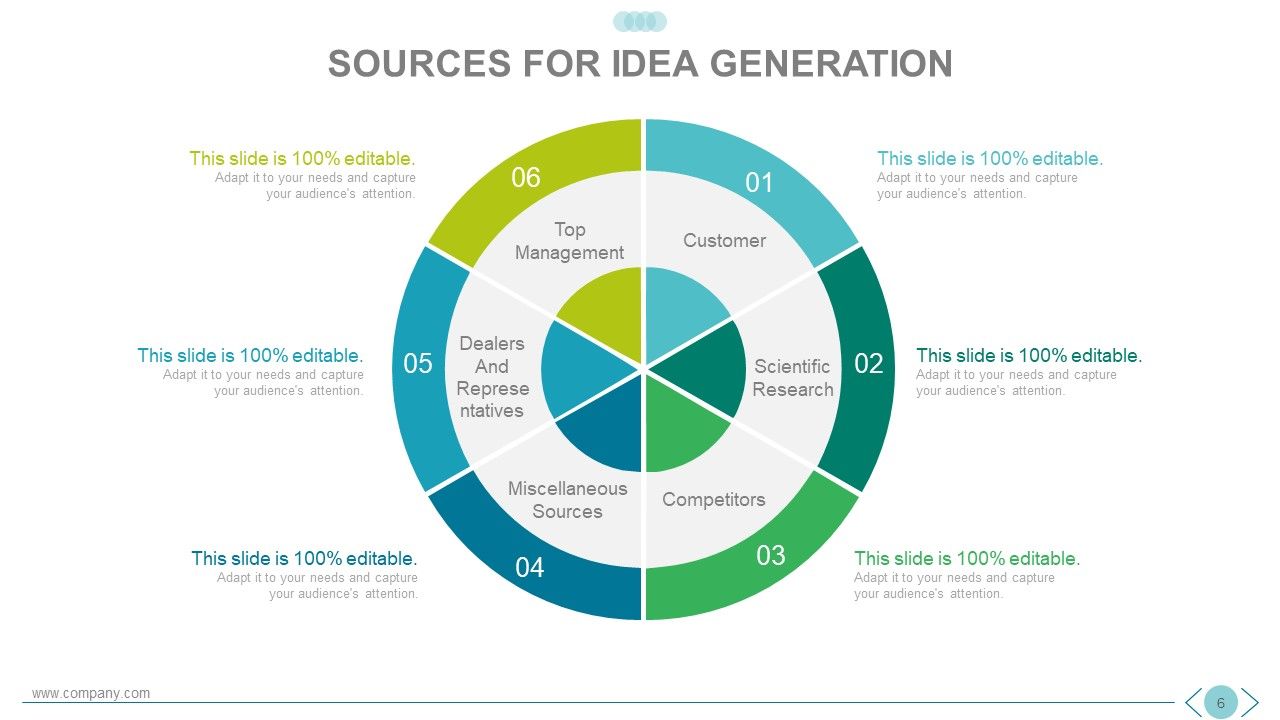
If you want to create a reliable, credible, and investment-worthy idea, consulting suitable sources is essential. This PPT Template takes you through a deep dive into the six primary sources of ideas for your business. These are customers, scientific research, competitors, miscellaneous sources, dealers and representatives, and top management. SlideTeam’s wheel-type format makes it an attractive way to list out the sources for idea generation. Having these sources refreshed is critical to business existence and continued profitability.
Template 4 SWOT Analysis of Product Development Idea
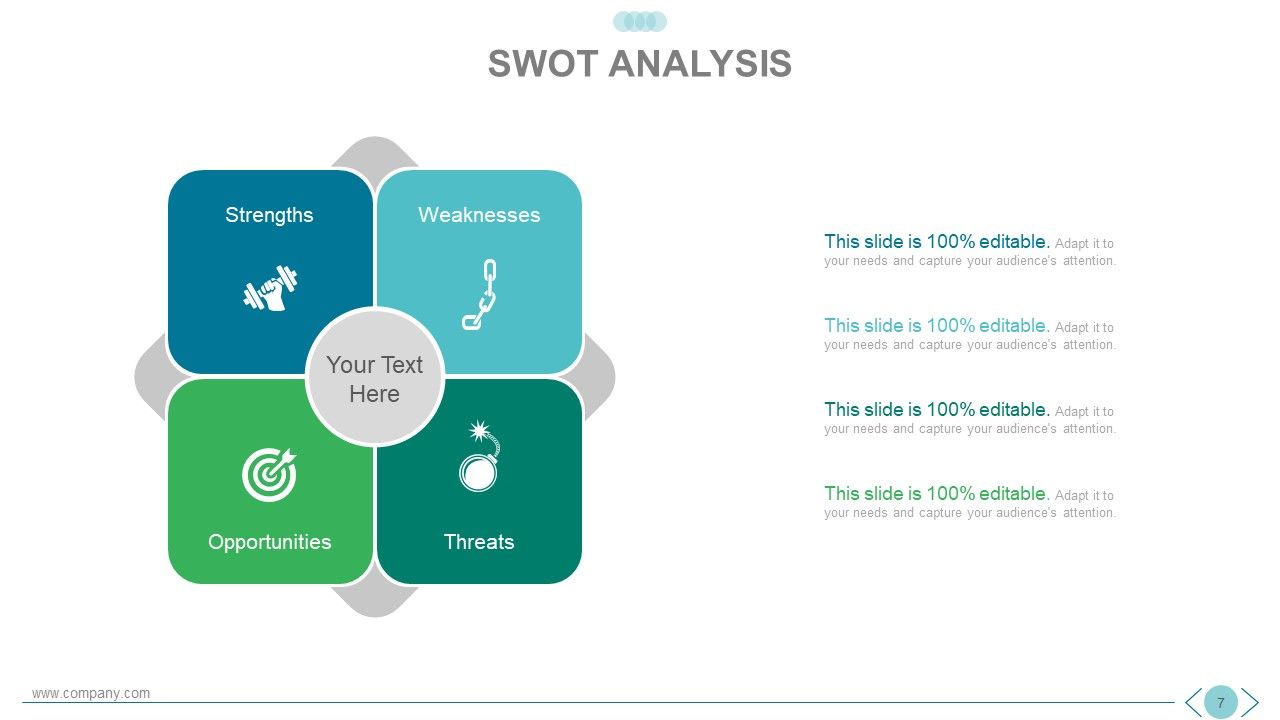
In product development, an analysis of Strengths, Weaknesses, Opportunities, and Threats (SWOT) is essential actually to determine if the idea is investable. In doing this, the key idea is to understand the merits of the idea and the conditions under which it will fail for product development. The PPT Slide is a convenient way to conduct a SWOT of the idea.
Template 5 Market Trends
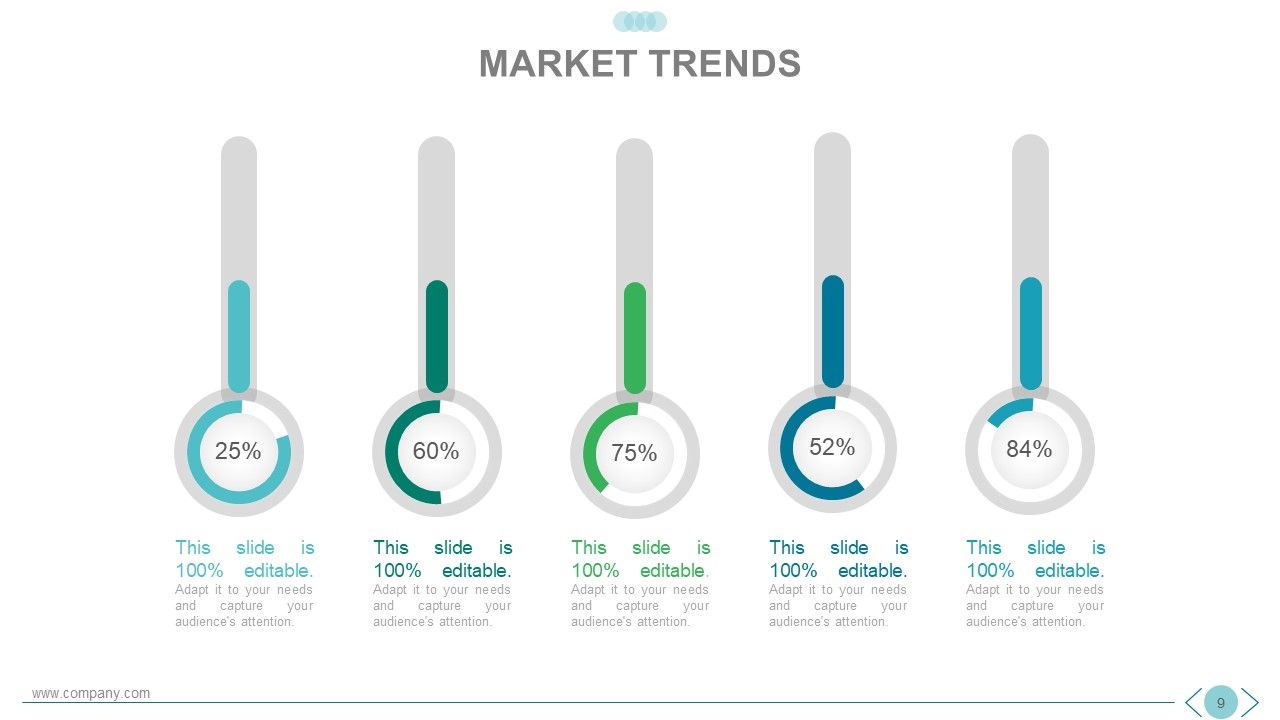
This top-notch PowerPoint Template is for the top management to understand the importance of market trends in the product development process. This content-ready PowerPoint Slide showcases at least five market trends that similar products such as yours are already experiencing in the product. It could be the demand for new designs, better functionality, challenges in customer behavior, and so on. You can also represent these trends in the form of numbers through a barometer in the clutter-free design.
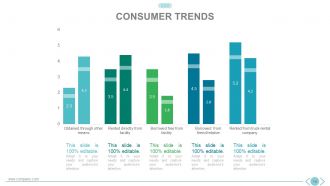
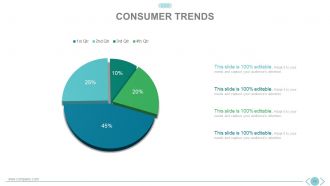
Template 6 Consumer Trends
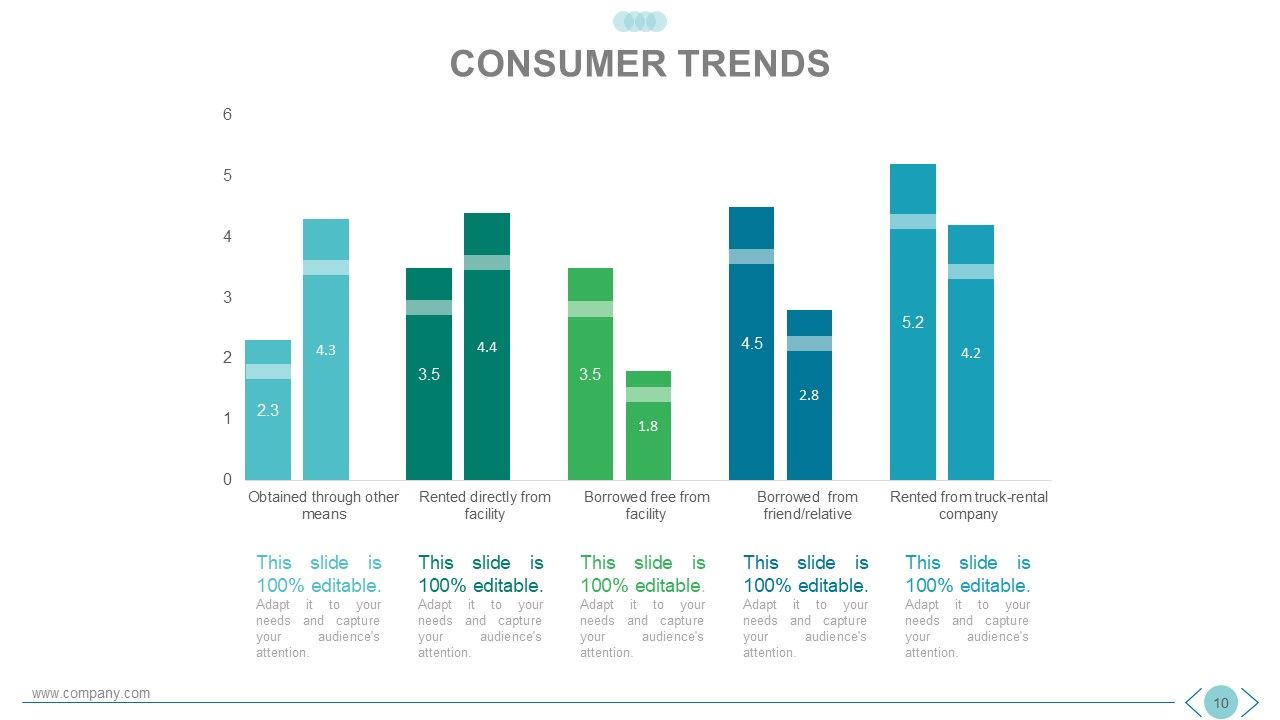
Use this prebuilt color-coded pie-chart PowerPoint Template to set right the process of making sense of consumer trends in terms of quarter-on-quarter. The idea is to take note of consumer trends in the process of planning, implementing, and monitoring your organization’s product development activities. Get this well-crafted PowerPoint Slide to ensure that new product development becomes a way to ensure continued innovation and newer revenue streams.
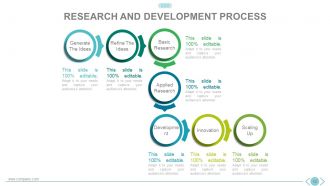
Template 7 Research and Development Process
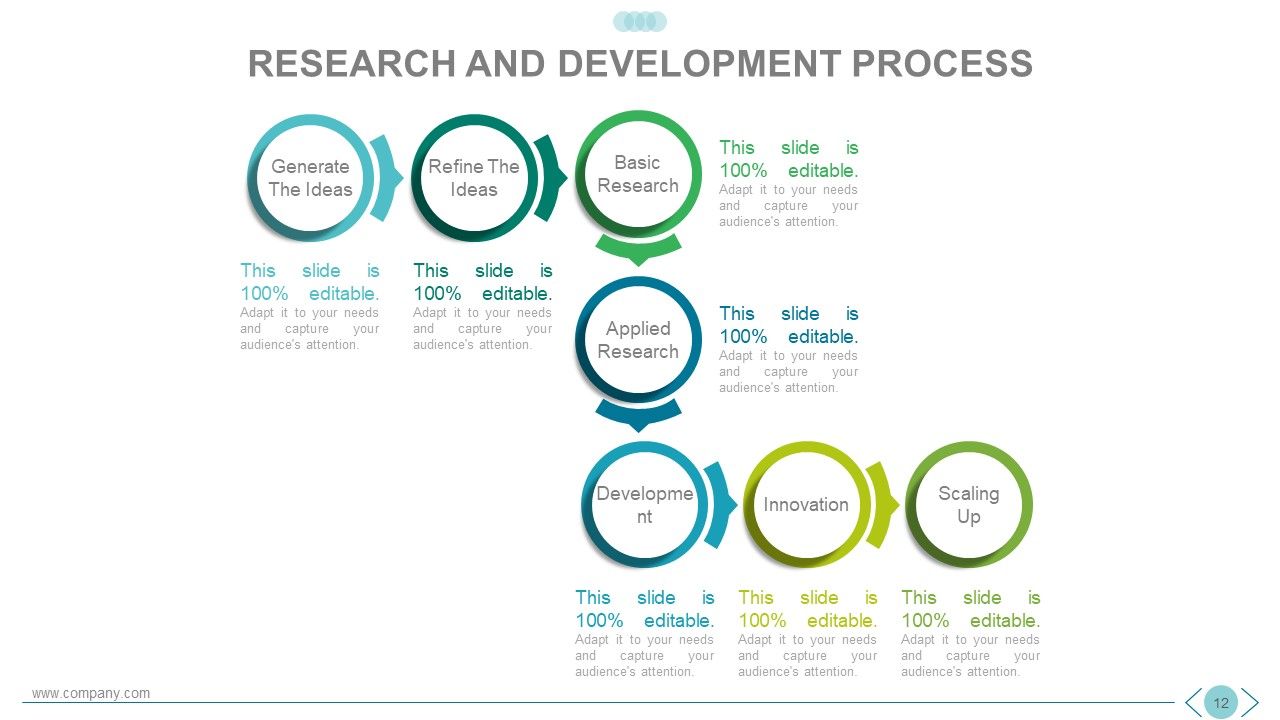
Use this predesigned PPT Template to streamline the research and development process for idea generation. Create a professional.
A flowchart that guides the process in this template. This PowerPoint slide lists the steps for generating and refining ideas for applied research, development, and innovation to scaling up. Use this actionable PowerPoint Template to exhibit these tasks and milestones that must be part of the research and development in idea generation.
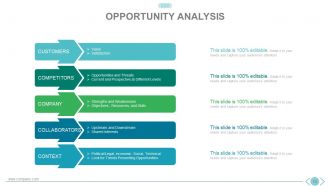
Template 8 Opportunity Analysis
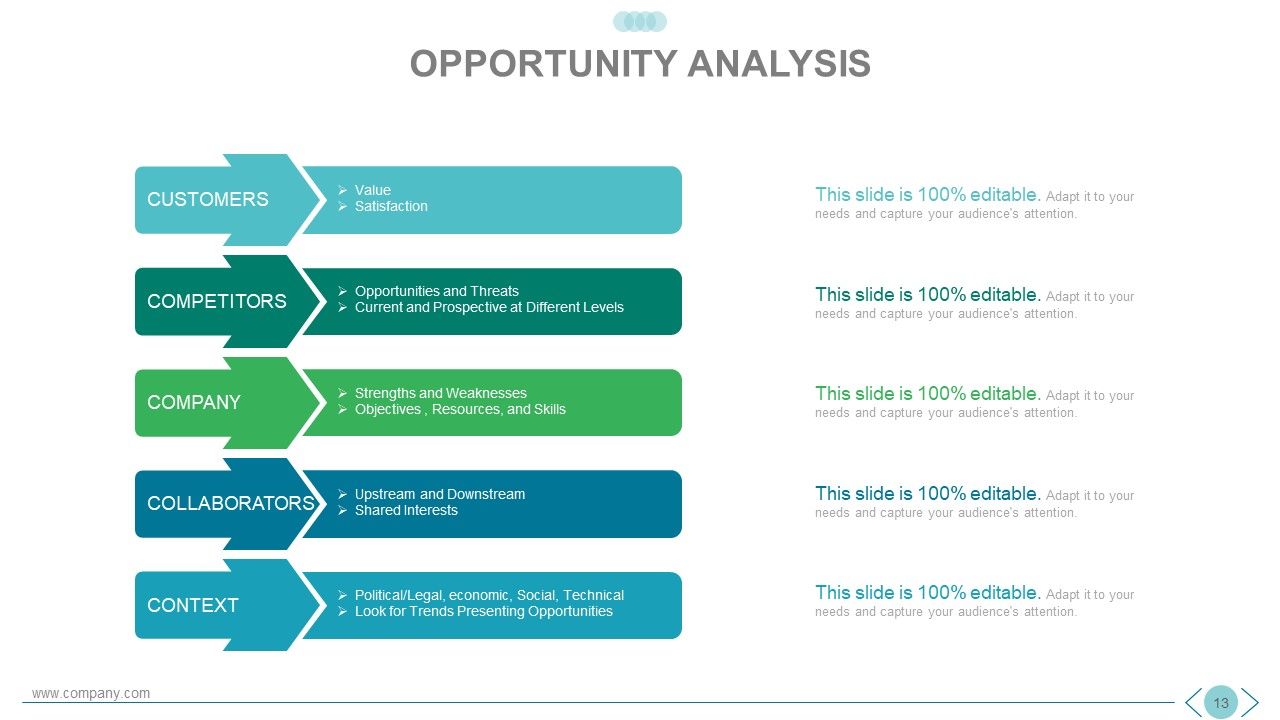
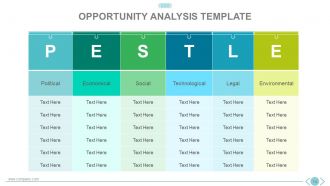
This is a ready-made PowerPoint Template exhibiting your take on opportunity analysis related to product development. This PPT Slide comprises segments highlighting where your chances of success lie. The variables highlighted are the 5Cs of customers, competitors, company, collaborators, and context. You can also use this slide to give a brief opportunity analysis summary to your stakeholders and clients.
Template 9 Idea Screening Funnel
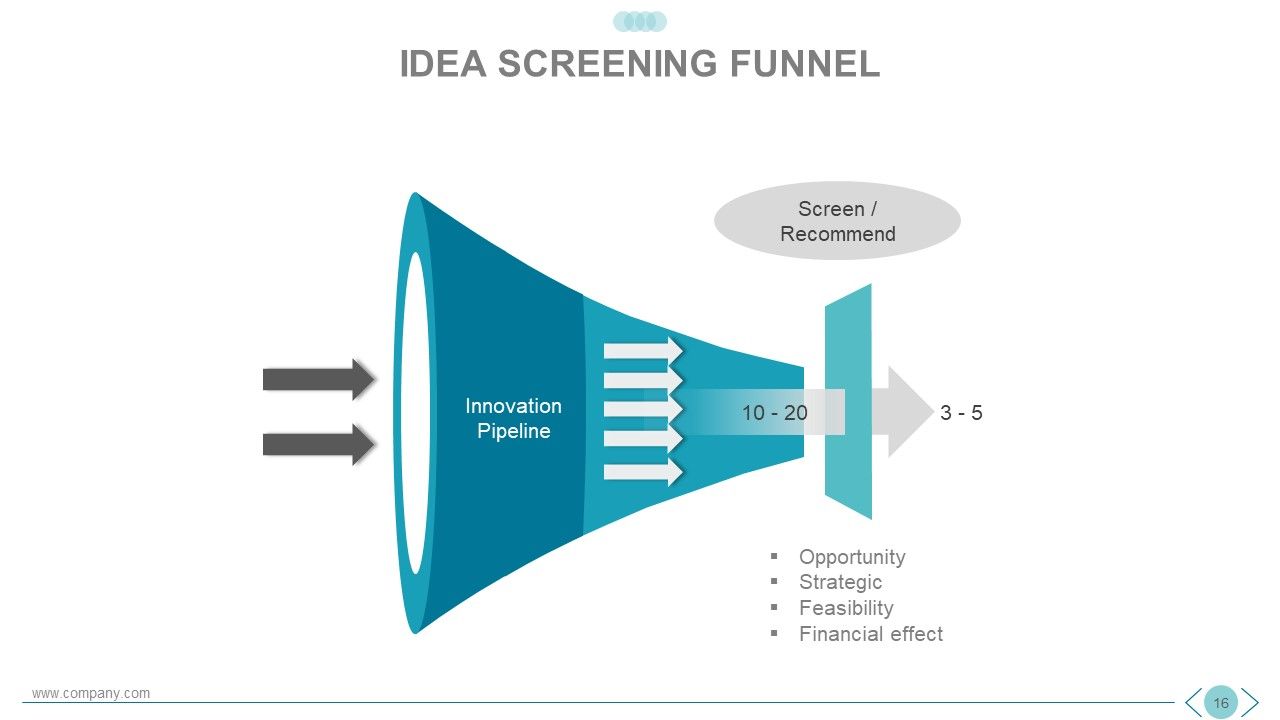
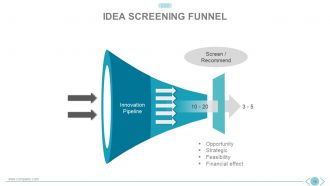
This is a predesigned PowerPoint Template to help you draw up and design an idea screening funnel to educate and train your team on the screening of ideas and how each contributes to the more significant financial effect of the idea. The screening, as is bound to be the case, drastically reduces the number of available ideas that can be worked upon. The screening happens on the four parameters of opportunity: strategic strength of the idea, feasibility, and financial effect.
Template 10 Competitive Pressure for Product Idea in Idea Screening
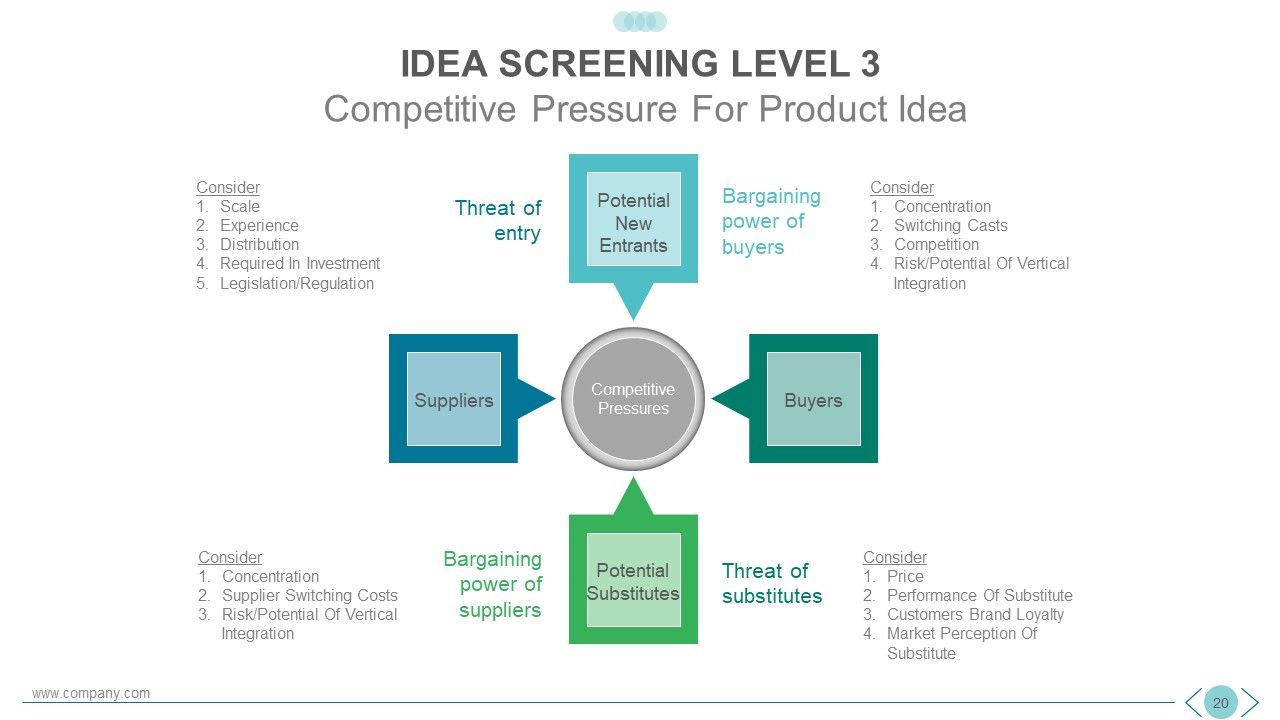
Are you looking for ways to enhance the longevity of your idea, even in the light of competitive pressures? Deploy this ready-made PowerPoint Template to ensure that, at any point, your product development team is aware of the four significant factors that influence its work. These four forces are potential new entrants, buyers, potential substitutes, and suppliers. The slide is a comprehensive analysis of the forces at play in this idea-screening gameplay. This predesigned PowerPoint Slide showcases all these domains in the product development process that play a pivotal role in ensuring your business is always a step ahead of the market. Grab this ready-to-use PowerPoint Template to outline strategies and processes to strengthen your product development process. Download now!
****************
NEW PRODUCT DEVELOPMENT WORKS!
In the world of business, real innovation comes along once in 50 years, if at all. It is the incremental product development that makes a real difference and keeps customers and investors interested for the time being. For instance, cars have been around for 100 years, but electric vehicles and driverless cars are innovations that have come about only now. At SlideTeam, we help businesses like yours master these little tweaks that make your product stand out for functionality, brand status, and use case. Use our templates to make a mark now!
PS Understand and use this innovative iterative process product development in three phases with its download from here.
New product development process powerpoint presentation slides with all 65 slides:
Bring about a celebratory air with our New Product Development Process Complete Powerpoint Deck With Slides. Be able to conduct the jubilee.
-
New Product Development Process
-
Agenda Slide
-
PRODUCT DEVELOPMENT PROCESS
-
New Product Development Process Complete with Sl
-
Gather Ideas for New Product
-
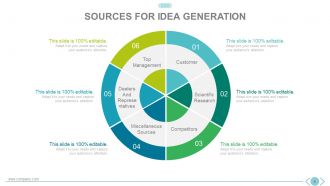
SOURCES FOR IDEA GENERATION
-
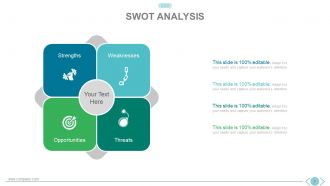
SWOT Analysis
-
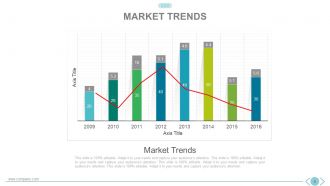
Market Trends
-
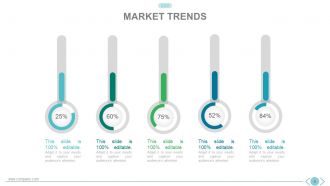
Market Trends
-
Consumer Trends
-
Consumer Trends
-
Research and Development Process
-
Opportunity Analysis
-
Opportunity Analysis Template
-
New Product Development Process Complete with Sl
-
Idea Screening Funnel
-
IDEA SCREENING LEVEL 1 Will Customer In Target Market Benefit From The Product
-
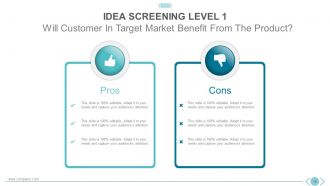
Idea Screening Level 1
-
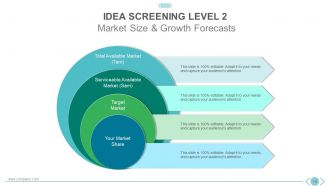
IDEA SCREENING LEVEL 2 Market Size Growth Forecasts
-
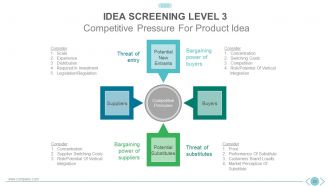
IDEA SCREENING LEVEL 3 Competitive Pressure For Product Idea
-
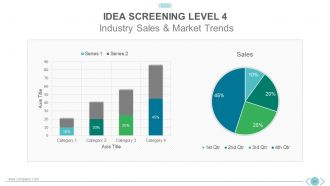
IDEA SCREENING LEVEL 4 Industry Sales Market Trends
-
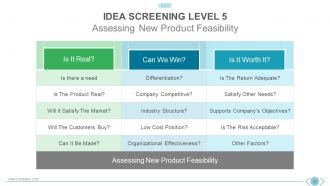
IDEA SCREENING LEVEL 5 Assessing New Product Feasibility
-
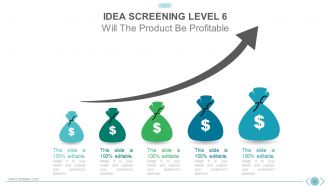
Idea Screening Level 6 Will The Product Be Profitable
-
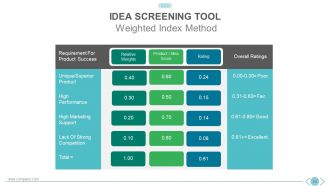
Idea Screening Tool Weighted Index Method
-
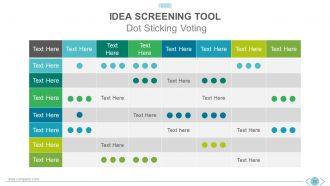
Idea Screening Tool Dot Sticking Voting
-
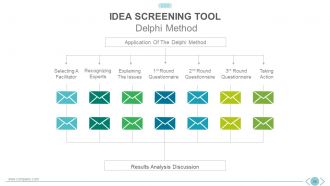
Idea Screening Tool Delphi Method
-
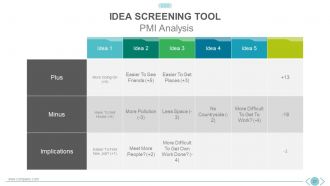
Idea Screening Tool PMI Analysis
-
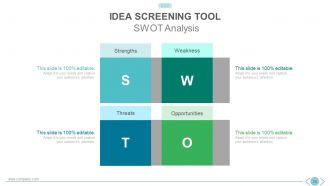
Idea Screening Tool SWOT Analysis
-
Concept Testing
-
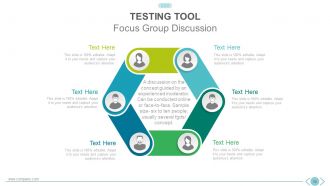
Testing Tool Focus Group Discussion
-
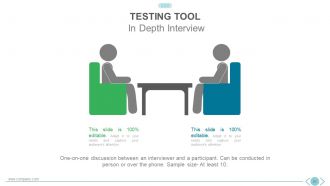
Testing Tool In Depth Interview
-
Intercept Interview
-
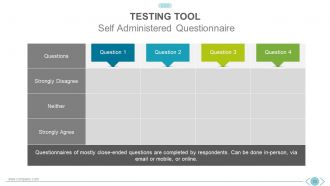
Testing Tool Self Administered Questionnaire
-
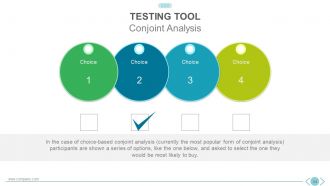
Testing Tool Conjoint Analysis
-
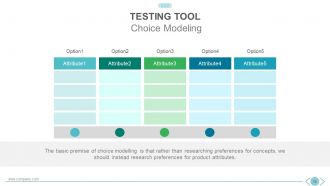
Testing Tool Choice Modeling
-
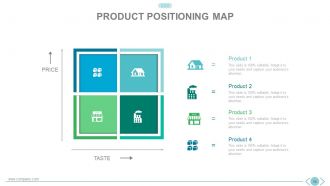
PRODUCT POSITIONING MAP
-
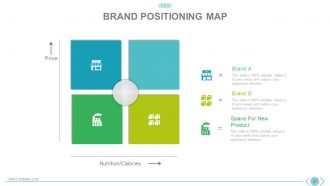
Brand Positioning Map
-
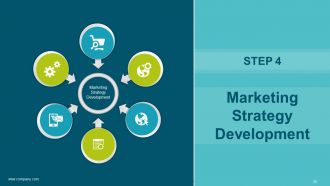
Marketing Strategy Development
-
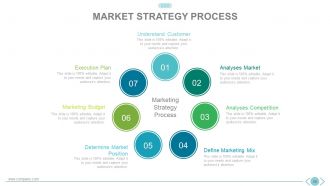
Market Strategy Process
-
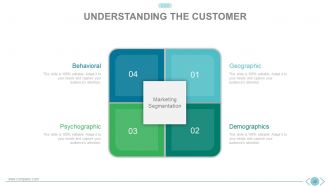
Understanding the Customer
-
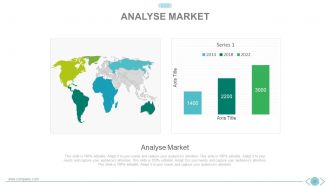
Analyse Market
-
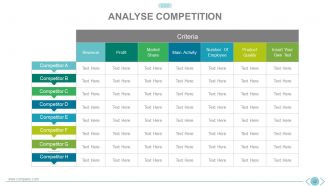
Analyse Competition
-
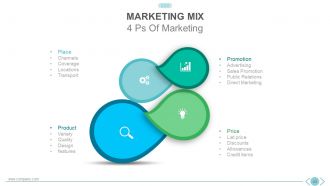
Marketing Mix 4 Ps Of Marketing
-
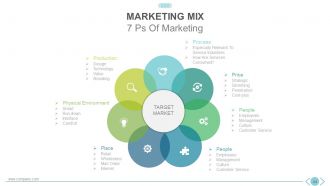
Marketing Mix 7 Ps Of Marketing
-
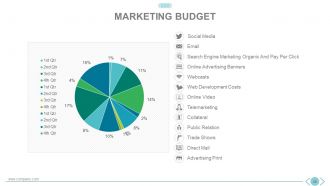
Marketing Budget
-
New Product Development Process Complete with Sl
-
Sales Projection
-
Cost Projection
-
Profit Projection
-
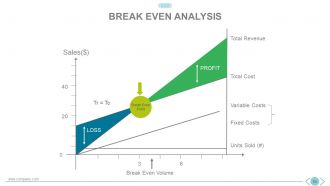
Break Even Analysis
-
New Product Development Process Complete with Sl
-
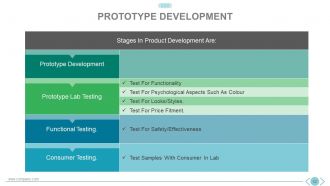
Prototype Development
-
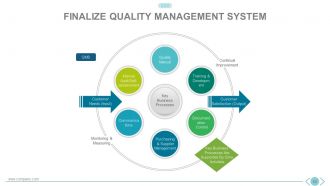
Finalize Quality Management System
-
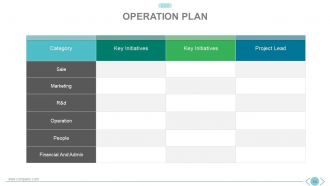
Operation Plan
-
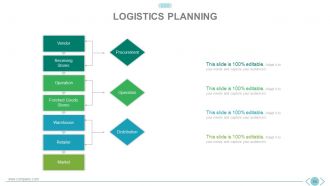
Logistics Planning
-
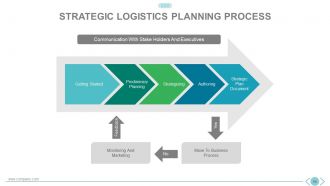
Strategic Logistics Planning Process
-
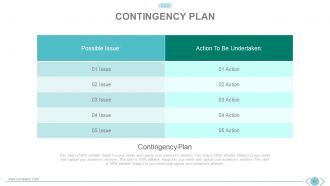
Contingency Plan
-
New Product Development Process Complete with Sl
-
When to Market Test
-
TYPES OF MARKET TEST
-
TYPES OF MARKET TEST
-
New Product Development Process Complete with Sl
-
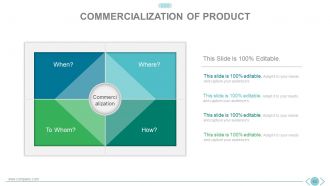
COMMERCIALIZATION OF PRODUCT
-
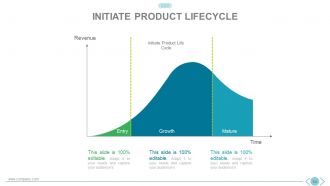
INITIATE PRODUCT LIFECYCLE
-
Thank You
FAQs for New product development process
So there's basically six stages you gotta hit: idea generation, concept development, feasibility analysis, prototype development, testing, and launch. Start with brainstorming what people actually need, then flesh out your concept. Here's the thing though - don't skimp on the feasibility check. I've seen too many people skip this part and regret it big time. After that, build your prototypes and test everything. Testing feels like it drags on forever but it's worth it. Launch when you're ready, not before. Oh, and prototyping gets messy - just warning you now!
Your market research is basically a cheat sheet for design decisions that won't flop. Pain points tell you what to tackle first - nobody wants to build the wrong thing. User preferences guide everything from layout to colors (honestly, color debates are the worst). I've watched entire teams do complete 180s after realizing people just wanted simple, not fancy. Happens all the time. The trick? Turn those insights into actual design specs, not vague "make it better" notes. Oh, and stay in touch with your research folks during development. Flying blind sucks.
Dude, cross-functional teams make or break products - I've seen it firsthand. Getting engineering, design, marketing, and ops in the same room from the start saves you from disasters later. Each group sees blind spots the others miss. Engineers build cool features that nobody actually wants (classic), while marketing knows what'll tank with customers. Don't do that thing where teams just toss requirements back and forth - that's garbage. Actually get them collaborating early with regular check-ins. Oh, and make sure everyone gets a real say in big decisions, not just lip service.
Oh man, where do I even start? Technical stuff breaks at the worst possible times - like seriously, why does it always happen right before a demo? Users will give you feedback that's the complete opposite of what you expected, which is honestly kind of hilarious but also frustrating. Timeline pressure gets real when nothing works like you planned it would. Materials and testing eat through your budget crazy fast too. Coordinating with test users is a nightmare - everyone's schedule is different. When people want totally opposite things, turning that feedback into actual changes becomes this whole puzzle. Build in extra time and money upfront, and write everything down so you can spot patterns later.
Get everything documented early - like, as soon as you have an idea worth protecting. File provisional patents right away instead of waiting until your product's done. NDAs are your best friend here, use them with literally everyone (contractors, partners, that random consultant you hired). I learned this the hard way watching other startups get screwed over. Run freedom-to-operate searches regularly so you don't accidentally infringe on someone else's stuff. Oh, and keep a simple tracker of what IP you're creating vs. what belongs to others. Honestly, just bake IP protection into your regular dev process from day one.
Look at three main areas: does the market actually want it, can you make money, and is it technically doable? Market size and customer demand are huge - honestly, this is where most people mess up by building stuff nobody wants. Then check your revenue projections versus development costs and when you'll break even. Technical complexity matters too - how hard is this to actually build with your resources? If you can grab some early customer feedback, even better. I'd score each idea against these categories, maybe 1-10 or whatever works. The winners hit well on all three fronts.
Your customers are gonna tell you straight up what's broken - way more honest than your own assumptions. I've watched so many teams skip this step and then scramble later when nobody uses their product right. Get feedback super early, even on messy prototypes. Each round helps you spot confusing buttons, missing stuff, or features that just don't make sense. Don't wait until launch to ask users what they think - that's like asking for directions after you're already lost. Build those check-ins throughout development. Trust me, it'll save you from major headaches down the road.
Dude, always pad your budget by like 20-30% because something random will definitely blow up your costs. I learned this the hard way lol. Break everything into phases—research, design, testing, launch—so you can see where your money's actually going. Don't hire expensive specialists right away though. Get your core team sorted first, then bring in the fancy people once you know what you need. Monthly check-ins are clutch for staying on track. And honestly? Just use a basic spreadsheet you'll actually update. Those complex budget models look impressive but they're useless if you never touch them again.
So basically, tech helps you move faster by cutting out all the tedious stuff and getting your team on the same page. Tools like Figma or Miro are game-changers - you get feedback instantly instead of those endless email threads (ugh). Project management software catches problems before they blow up. Digital prototyping saves you from building physical stuff too early, which honestly can be a money pit. Analytics give you real user data so you're not just guessing. Here's the thing though - don't go crazy with tools. Pick maybe 2-3 that fix your biggest headaches first.
So competitive analysis basically shows you where the gaps are and how to stand out. Look at what features they're pushing, their pricing, messaging - all that stuff. Sometimes you'll realize your "amazing" idea already exists (awkward but better to know now). The real value is finding white space you can own. Plus you'll see what everyone's already saying so you don't sound like a copycat. I'd focus on crafting positioning that actually highlights what makes you different from the alternatives customers are already looking at. It's honestly one of the most eye-opening exercises you can do early on.
Start by figuring out your actual limits - budget, timeline, what's technically possible. Let the team go wild during brainstorming, but then be brutal about checking if ideas are buildable. Honestly, I've watched so many brilliant concepts crash because nobody did a reality check early enough. Set up regular check-ins to make sure you're being innovative but not delusional. The magic happens when you get creative *within* your constraints instead of pretending they don't exist. Oh, and define your "risk budget" upfront - how much experimentation can you actually handle without everything falling apart?
Honestly, just start doing things at the same time instead of waiting around. Like get your marketing team prepping stuff while the engineers are still figuring out specs - saves tons of time. Cross-functional teams help too because nobody's sitting in boring handoff meetings all day. Build your MVP first, then fix it as you go. I know it sounds backwards but trust me on this one. Those rapid prototyping tools are clutch for getting feedback early. Way better than spending months perfecting something customers might hate anyway. Sometimes shipping something decent beats waiting forever for perfection.
Think of your brand as a decision-making compass for products. Strong brands make choices way easier - you'll instantly know what works and what doesn't. Apple launching a cheap flip phone? Never gonna happen because it clashes with their whole vibe. Map out your brand attributes first, then check new ideas against them. Does the pricing match? What about features and messaging? I honestly think this is where most companies mess up - they skip this filter step. Keep everything consistent with what people already expect from you. Short version: if it doesn't feel like "you," don't do it.
Honestly, start with safety - both physical and mental harm stuff. Data privacy is obvious but people mess it up constantly. Can disabled users actually navigate your thing? That's accessibility and it matters. Supply chain labor practices are tricky but you gotta look into it. Environmental impact is everywhere now, no escaping that conversation. Oh, and think about weird social consequences you didn't predict - products do strange things in the wild. My advice? Build an ethics checklist right at the beginning instead of playing catch-up later when everything's already broken.
Dude, product development is wild right now. AI's everywhere - teams are using it for prototyping and trying to predict what people actually want. Sustainability stuff is huge too, like you literally can't ignore circular design anymore with all the regulations. Remote work changed everything honestly, sometimes our best ideas come from random Zoom calls (weird but true). Companies are obsessed with getting to market faster. Agile's pretty much the standard now, and you've got to keep iterating based on user feedback constantly. Your cycles need to be way shorter than before if you don't want to get left behind.
-
Very good presentation style
-
The content is very helpful from business point of view.
-
Illustrative design with editable content. Exceptional value for money. Highly pleased with the product.