

Food pyramid powerpoint slides and ppt templates 0412





Try Before you Buy Download Free Sample Product
 Impress Your
Audience
 100%
Editable
 Save Hours
of Time


You will be spoilt for choice with our food pyramid powerpoint slides and ppt templates 0412. Pick any and be sure it will work for you.
People who downloaded this PowerPoint presentation also viewed the following :
Food pyramid powerpoint slides and ppt templates 0412 with all 11 slides:
A good media for most businesses are our food pyramid powerpoint slides and ppt templates 0412. They are malleable and very interactive.






FAQs for Food pyramid powerpoint slides and
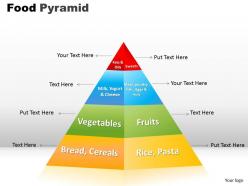
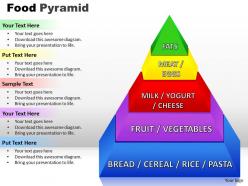
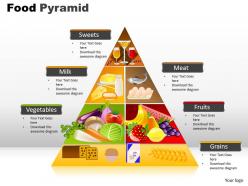
Oh man, the old food pyramid! So it had grains at the bottom - like bread, cereal, rice, pasta. Then fruits and veggies in the middle tiers. Protein stuff (meat, fish, beans, dairy) came next. Fats and sweets were crammed into that tiny triangle at the top, basically telling you to avoid them completely lol. Honestly though, that thing's ancient history now. MyPlate is so much better if you actually want to figure out what to eat for dinner. Way less confusing than trying to count servings of whatever.
Oh man, the food pyramid is basically dead at this point! Remember how we were supposed to eat like 6-11 servings of bread and pasta? That was wild. Now it's all about MyPlate - half your plate should be fruits and veggies, plus lean proteins and healthy fats. They finally figured out that whole grains beat the refined stuff. Honestly, I think the old pyramid made everyone gain weight with all those carbs. The new guidelines are way better about portion sizes and cutting processed junk. You should definitely check out MyPlate if you haven't already.
The food pyramid actually works pretty well for balanced eating. You'll get more whole grains, fruits, and veggies while cutting back on processed junk and too much fat. Better weight control, heart health, and steady energy are the main perks. Honestly, it's way simpler than those crazy restrictive diets everyone's always trying. The portion guidance keeps you from overdoing it but you still hit all your nutrients. My sister swears by it. Just check if your dinner plate tonight matches those pyramid ratios - that's a good starting point.
Yeah, the whole food pyramid thing gets weird when you factor in different cultures. Like, your Mediterranean coworkers probably load up on olive oil and fish way more than the standard American version says to. Asian cultures treat rice as their base instead of bread, and honestly? Many don't even focus on dairy much since lactose intolerance is super common there. Religious stuff matters too - halal and kosher requirements throw another wrench in it. The American pyramid is pretty Western-centric if we're being real. Bottom line: you've gotta think about people's actual food backgrounds when talking nutrition, or you'll just sound tone-deaf.
So there's MyPlate, which replaced that old pyramid back in 2011 - way less confusing tbh. Harvard has their Healthy Eating Plate that's pretty similar but they're not huge on dairy. Then there's the Mediterranean Diet pyramid which I actually love because hello, olive oil and fish over processed junk. They all focus on food quality instead of just counting portions, which makes way more sense. I'd probably start with MyPlate.gov since it's the official US thing, but honestly the Mediterranean approach just sounds more delicious.
Honestly, just think of your plate like the food pyramid flipped upside down. Fill half with fruits and veggies (yeah, it seems like tons but you get used to it), then add your grains - rice, pasta, whatever. Quarter of the plate gets protein, and don't stress too much about dairy portions. Fats and swery stuff? Just don't go crazy. I've found it's way easier to eyeball proportions than count servings all day. Start with smaller changes first. Oh, and those "5-9 servings" sound scary but a serving is pretty small - like half a cup of most things.
Honestly, portion control is what makes the food pyramid actually useful instead of just theory. Yeah, it shows you should eat more grains and veggies than fats, but if you're not watching portions you're basically ignoring the whole point. Like, did you know a pasta serving is only half a cup? Wild, right? I started using the hand trick - protein should be palm-sized, carbs fist-sized, fats thumb-sized. Sounds weird but it works. Try measuring everything for like a week just to see what real portions look like. Your eyes will thank you later.
Yeah, the food pyramid is super basic and doesn't work for everyone. Athletes burn way more calories and need tons of carbs for energy, plus extra protein to recover - the regular portions would totally leave them starving. Older people are different too since they usually eat less but need way more calcium, vitamin D, and B12 than what's recommended. It's honestly just a starting point these days. My aunt's nutritionist completely ignored it when she turned 70. If you're dealing with athletes or elderly folks, check out sports nutrition sites or geriatric dietary guidelines instead.
So the old pyramid was basically built on 70s-80s research showing whole grains helped with heart disease and gave you B vitamins. Protein guidelines came from studies on amino acids and muscle stuff. Dairy recommendations? Those were all about calcium and bone density - though honestly that whole dairy push has gotten pretty sketchy lately if you ask me. But yeah, nutrition science has changed a ton since then. Lots of researchers are questioning why grains got such a huge emphasis. There's way better evidence now for plant proteins and getting calcium from other sources. You might want to check out MyPlate instead - it's more current.
So the food pyramid basically gives fruits and veggies their own separate spots, right? You're supposed to get 2-4 fruit servings and 3-5 veggie servings daily. Honestly, I used to think servings were way bigger than they actually are - total game changer when I figured that out! They put these groups front and center because your body needs all those vitamins, minerals, and fiber. Just aim to fill half your plate with fruits and vegetables at meals. Way easier than counting servings all day.
Honestly, the food pyramid is clutch for teaching kids about nutrition - way more effective than just talking at them about it. Have your students sort different foods into the pyramid sections, or better yet, get them tracking what they actually eat for a week. Then they can map their meals onto it and see where they're missing stuff. The visual thing really works. You could also have them make their own versions with foods from their cultures, which gets pretty interesting. Or have them plan out balanced meals using the pyramid as a guide. Kids love the hands-on activities way more than worksheets, trust me.
Ugh, the food pyramid is honestly such a pain. Like, 6-11 servings of grains? Who even counts that stuff? Fresh produce costs a fortune and goes bad before I can eat it all. The whole thing feels designed for people who have unlimited time and money tbh. It doesn't help that it totally ignores if you're crazy busy or actually like the food you're eating. My take? Just pick one thing to work on. Maybe add more veggies or whatever. Don't try to flip your entire diet overnight - that's how you end up ordering pizza by day three.
Yeah, the old food pyramid is pretty outdated - doesn't factor in environmental stuff at all. Nutritionists now want us thinking about sustainability too, not just health. Plant proteins beat meat most of the time, local produce is better, less processed junk means less packaging waste. I've been doing the one-meat-swap thing for like two years now - legumes or nuts instead. Works pretty well actually. Newer guidelines are finally catching up to this whole "food that's good for you AND the planet" thing, which honestly should've happened way sooner.
Oh man, it's crazy how much apps have changed the whole food pyramid thing. You can literally track what you're eating against those old recommendations right from your phone now. Social media's been pretty good for nutrition education, but let's be real - it's also where all the weird fad diets come from too. The best part though? You don't have to wait for your doctor to hand you some crusty pamphlet anymore. Everything's customized based on your actual health stuff. MyPlate is decent if you wanna try it out - way better than staring at those ancient pyramid posters.
Dude, visuals are a game changer for food pyramid stuff. People absorb pictures way faster than reading through boring lists - like, who has time for that? Real food photos and colorful graphics make nutrition concepts click instantly instead of feeling all abstract. Interactive elements are clutch too. Honestly, I think most people tune out the second they see walls of text about servings and portions. But show them actual images or even 3D models? Now they're visualizing their own meals differently. It's wild how much better people remember things when there's something visual to grab onto.
-
Good research work and creative work done on every template.
-
Visually stunning presentation, love the content.