


Freight Trucking Business Plan Powerpoint Presentation Slides




Try Before you Buy Download Free Sample Product
 Impress Your
 Audience
 100%
100% Editable
 Save Hours
 of Time


Take your trucking services business to new heights with our comprehensive Freight Trucking Business Plan template. This meticulously designed resource will equip you with valuable insights and strategic guidance across all areas of your business. Our template includes in depth information on industry statistics, growth drivers, market trends, key restraints, and lucrative opportunities specific to the freight trucking sector. The Freight Trucking Market section covers essential aspects such as entity details, target market analysis, company summary, products and services offered, mission and vision statements, key milestones, and more. Furthermore, our template provides an industry analysis section that offers detailed research and insights into the trucking market, enabling you to understand the competitive landscape and make informed decisions. The Truck Trailer PPT showcases crucial topics, including Porters framework, go to market strategy, and competitor analysis, giving you a strategic edge. Additionally, the template features a comprehensive financial summary section, including a revenue model, economic impact analysis, profit and loss statement, break even analysis, and more, allowing you to assess the financial viability of your business. Download this 100 percentage editable presentation to access our highly researched and skillfully designed product. Start building your successful trucking services business today.
People who downloaded this PowerPoint presentation also viewed the following :
Content of this Powerpoint Presentation
Slide 1: This slide introduces Freight Trucking Business Plan. State your company name and begin.
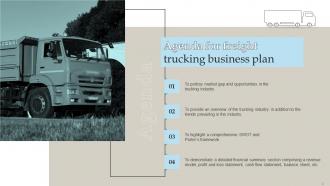
Slide 2: This slide depicts the Agenda of the presentation.
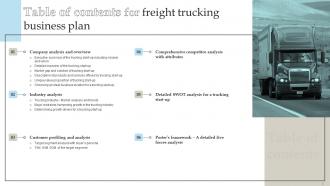
Slide 3: This slide incorporates the Table of contents.
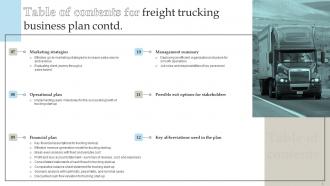
Slide 4: This is another slide continuing Table of contents.
Slide 5 : This slide highlights the Title for the Topics to be covered further.
Slide 6: This slide shows the Executive summary of the trucking start-up including mission and vision.
Slide 7: This slide presents the Detailed overview of the trucking start-up.
Slide 8: This slide portrays the Market gap and solution of a trucking start-up.
Slide 9: This slide elucidates the Description of products and services offered by trucking start-up.
Slide 10: This slide talks about the Unique value proposition of trucking start-up.
Slide 11: This slide deals with Choosing an ideal business location.
Slide 12: This slide elucidates the Heading for the Components to be discussed next.
Slide 13: The purpose of this slide is to conduct a thorough assessment of the trucking industry in addition to its market trends.
Slide 14: This slide is used to conduct a thorough assessment of the trucking industry in addition to its market trends.
Slide 15: This slide conducts a thorough assessment of the trucking industry in addition to its market trends.
Slide 16: This slide elucidates the Major restraints hampering growth in the trucking industry.
Slide 17: This slide focuses on Determining growth drivers for a trucking start-up.
Slide 18: This slide portrays the Title for the Topics to be covered in the following template.
Slide 19: This slide reveals the Target segment analysis with buyer’s persona.
Slide 20: This slide continues the Target segment analysis with buyer’s persona.
Slide 21: This slide highlights the TAM SAM SOM of the target segment.
Slide 22: This slide showcases the Heading for the Contents to be discussed next.
Slide 23: This slide gives a glimpse of Comprehensive competitor analysis with attributes.
Slide 24: This slide displays the Comprehensive competitor analysis with attributes.
Slide 25: This slide mentions the Title for the Ideas to be covered in the upcoming template.
Slide 26: This slide covers the Detailed SWOT analysis for a trucking start-up.
Slide 27: This slide presents the Heading for the Ideas to be discussed further.
Slide 28: The slide highlights porter’s framework and its implications in the trucking industry..
Slide 29: This slide depicts the Title for the Components to be covered in the following template.
Slide 30: This slide deals with Effective go-to-marketing strategies to increase sales volume and revenue.
Slide 31: This slide focuses on Effective go-to-marketing strategies to increase sales volume and revenue.
Slide 32: This is yet another slide continuing the Effective go-to-marketing strategies to increase sales volume and revenue.
Slide 33: This slide talks about Evaluating client journey through a sales funnel.
Slide 34: This slide elucidates the Heading for the Topics to be discussed further.
Slide 35: This slide emphasizes on Implementing yearly milestones for successful growth of start-up.
Slide 36: This slide displays the Title for the Topics to be covered in the following template.
Slide 37: This slide provides a glimpse of important financial assumptions that are to be made while setting up the firm.
Slide 38: This slide shows the effective revenue model of the trucking start-up.
Slide 39: This slide highlights the break-even analysis of the firm.
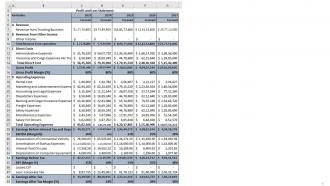
Slide 40: This slide provides a glimpse of the projected profit and loss statement.
Slide 41: This slide showcases the projected profit and loss statement.
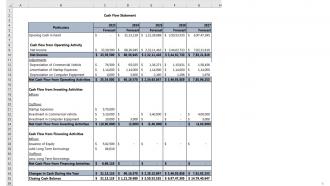
Slide 42: This slide states the Consolidated statements of cash flow of the trucking start-up.
Slide 43: This slide continues the Consolidated statements of cash flow of the trucking start-up.
Slide 44: This slide elucidates the Comparative balance sheet statement of the trucking start-up.
Slide 45: This is yet another slide continuing the Comparative balance sheet statement of the trucking start-up.
Slide 46: This slide reveals the Scenario analysis with optimistic, pessimistic, and nominal cases.
Slide 47: This slide continues the Scenario analysis with optimistic, pessimistic, and nominal cases.
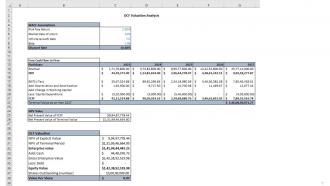
Slide 48: This slide displays the Discounted cash flow valuation of the trucking start-up.
Slide 49: This slide shows the Heading for the Components to be discussed next.
Slide 50: This slide deals with Deploying an efficient organizational structure for smooth operations.
Slide 51: This slide exhibits the Job roles and responsibilities of key personnel.
Slide 52: This slide continues the Job roles and responsibilities of key personnel.
Slide 53: This slide includes the Title for the Ideas to be covered in the following template.
Slide 54: This slide represents the exit strategy for stakeholders.
Slide 55: This slide reveals the Heading for the Ideas to be discussed next.
Slide 56: This slide shows the Key abbreviations used in the plan.
Slide 57: This slide contains all the icons used in this presentation.
Slide 58: This slide is titled as Additional Slides for moving forward.
Slide 59: This is Our Target slide. State your targets here.
Slide 60: This slide provides 30 60 90 Days Plan with text boxes.
Slide 61: This is Our Team slide with names and designation.
Slide 62: This is a Timeline slide. Show data related to time intervals here.
Slide 63: This slide depicts Venn diagram with text boxes.
Slide 64: This slide shows Post It Notes. Post your important notes here.
Slide 65: This is a Thank You slide with address, contact numbers and email address.
Freight Trucking Business Plan Powerpoint Presentation Slides with all 70 slides:
Use our Freight Trucking Business Plan Powerpoint Presentation Slides to effectively help you save your valuable time. They are readymade to fit into any presentation structure.
















FAQs for Freight Trucking Business Plan
Dude, trucking business plans are no joke - there's a lot to figure out. First thing: who's gonna be your customers and what routes make sense? Then you gotta think fleet size, hiring drivers, maintenance schedules. Oh and the regulatory stuff is honestly a nightmare, but you can't skip it. Financial projections are huge too - startup costs, monthly expenses, how much you'll actually make. Insurance alone will probably shock you. I'd say throw together a basic version first, see what works, then build it out. Don't try to perfect everything upfront or you'll never launch.
Look, market research shows you where the real money is. Check out freight demand in your areas first - which industries are shipping the most stuff? Then dig into what competitors are charging. I know, sounds boring as hell, but this data is actually huge for deciding what loads to go after. FMCSA has solid industry reports you can start with. Short routes might be less profitable than you think, so focus on the ones that actually pay. Also talk to potential customers directly about their shipping needs - way better than just guessing what they want.
Break your costs into three main areas: equipment, regulatory stuff, and day-to-day operations. Get real quotes for trucks first - used vs new is a massive price difference. Then tackle insurance, permits, and licensing fees. Don't overlook the random expenses like accounting software and basic office setup. That stuff sneaks up on you! Research local rates for fuel, maintenance, parking too. Honestly, I'd add a 20% buffer because trucking always has surprise costs. Make a spreadsheet and plug in actual quotes as you get them - way better than guessing with industry averages.
Honestly, start with DAT and Truckstop.com to see what everyone else is charging per mile in your area. California rates are nuts compared to other places - learned that the hard way. Calculate your real costs first: fuel, insurance, maintenance, driver pay, then add profit on top. Don't go with flat pricing across all routes, that'll kill you. Seasonal stuff matters too, especially if you're doing refrigerated loads. Make friends with brokers who'll actually tell you what rates look like behind the scenes. Most important thing though? Track your cost per mile obsessively so you know exactly when you're losing money.
Dude, regulations literally control everything about running a trucking company. DOT compliance, driver hours, inspections, insurance - it all costs money and time you need to plan for upfront. The paperwork is honestly brutal at first. Route planning gets complicated when you're working around service hour limits. Plus you'll need training budgets and extra time built in for regulatory stuff that always seems to pop up. I learned this the hard way - if you don't bake these costs into your financial projections from day one, you're gonna get hit with surprise expenses that'll mess up your whole budget.
Honestly, start with GPS route optimization - that alone will cut your fuel costs like crazy. Fleet management systems are solid too since you'll get real-time tracking of trucks, driver hours, all that stuff. ELDs are required anyway but they actually help with compliance paperwork which is nice. Telematics monitors how your drivers are doing and spots maintenance issues early. Load matching apps are pretty cool - they connect you straight to shippers so you skip broker fees. I'd go with route optimization first, then add fleet tracking. Those usually pay for themselves in a few months and you can build from there.
Honestly, maintenance tracking and talking to your drivers will save your ass. Get a simple system going for service records and fuel numbers - nothing fancy needed. Keep your drivers happy because training new ones constantly will drain your wallet. Do safety meetings but actually listen when they complain about truck problems, don't just go through the motions. GPS is obviously for tracking locations, but dig into that route data to cut fuel costs too. Daily check-ins are a game changer - you'll catch weird noises or small issues before they leave someone stranded on I-95 at 2am.
Honestly, start with route optimization using GPS - that'll cut fuel costs immediately. Driver training on eco-friendly techniques is huge too, way more impact than people realize. Yeah, newer trucks cost a fortune upfront but the MPG difference pays for itself pretty quick. Electric vehicles work great for local runs if you've got the budget. Track your carbon footprint because tons of shippers actually require that data now when picking carriers. Oh and definitely partner with clients who care about green logistics - they'll pay premium for it and stick around longer.
Dude, you've got options. Banks are the obvious choice but they'll want your credit score and a solid business plan first. Equipment financing is probably your best bet though - trucks make great collateral so lenders aren't as nervous. SBA loans have sweet rates but honestly, the paperwork takes forever. There are trucking-specific lenders too who actually get the industry, which is nice. Oh, and owner-operator lease deals let you get rolling with way less upfront cash. My buddy went that route initially. Just shop around different lenders before you sign anything.
Don't put all your eggs in one basket with customer acquisition - that's asking for trouble. Hit up shippers directly by building relationships with logistics managers at manufacturers and retailers. Brokers are where the real money is though, so definitely map out how you'll work with them. Online presence matters too for credibility (even if you're not huge on digital stuff). Oh, and referral programs work crazy well in freight since everyone talks. Set actual numbers for each channel and figure out what you can spend on each one.
Okay so you'll need five main projections: revenue forecasts, operating expenses, cash flow, profit & loss, and break-even analysis. Honestly, focus hardest on cash flow - those payment delays in trucking will kill you if you're not ready for them. For revenue, factor in your mileage rates, how often you'll get loads, and seasonal ups and downs. Expenses are the usual suspects: fuel, maintenance, insurance, driver wages, equipment financing. Oh and definitely go out 3 years minimum with conservative numbers. Monthly for year one, then quarterly after that works well.
Dude, you gotta bake risk management into your projections from day one. Budget for insurance, emergency funds, backup plans - the works. Driver shortages will hit you. So will fuel spikes and breakdowns. Map out your biggest risks and rate them by how likely/damaging they'd be. Then build actual strategies into your budget. I've watched way too many trucking companies get destroyed by predictable stuff. Show investors you've thought this through - not just "yeah risks exist" but here's exactly what we'll do when shit hits the fan.
Look for partners that actually fill holes in what you're doing. Logistics brokers are solid for load matching, plus warehousing companies if you need storage. Tech stuff is where it's at though - telematics, load boards, fuel cards all make life way easier. Oh and maintenance shops obviously, unless you're doing that in-house already. Freight forwarders are worth checking out too since they handle rail and ocean when trucking doesn't make sense. Honestly, just avoid anyone who's gonna compete with you directly. Find people who make your weak spots stronger instead.
Honestly, get route planning software ASAP - something that handles traffic, delivery windows, fuel costs, all that. Plan routes the night before religiously (your dispatchers will thank you). I've watched companies slash fuel costs 15-20% just from smarter routing, which is kinda nuts when you think about it. Track your miles per delivery and on-time rates so you catch problems early. Build in buffer time too because trucking always throws curveballs. The software pays for itself pretty quick, and your drivers won't be sitting in traffic burning diesel for no reason.
Dude, track your revenue per mile and cost per mile first - that's literally whether you're making money or not. Your truck utilization rate matters too (like how much they're actually working vs just sitting there). Fuel efficiency is obvious but people forget about on-time delivery percentages, which honestly can make or break client relationships. Driver turnover will kill your budget faster than anything else, trust me. Oh and set up some basic monthly tracking - maybe just a simple spreadsheet? You'll catch problems way earlier that way instead of scrambling later.
-
One word for SlideTeam–Versatile!
-
My presentations were a bit amateur before I found SlideTeam’s designs. I’ve been able to find slides for nearly every topic I’ve had to present. Thanks, Slideteam!