


Goals and targets powerpoint slides




Try Before you Buy Download Free Sample Product
 Impress Your
 Audience
 100%
100% Editable
 Save Hours
 of Time


Dig in to our vast array of Goals And Targets Powerpoint Slides. Be sure to come with many that fit your need perfectly.
People who downloaded this PowerPoint presentation also viewed the following :
Goals and targets powerpoint slides with all 18 slides:
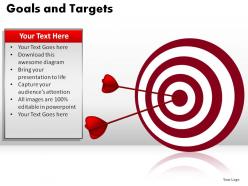
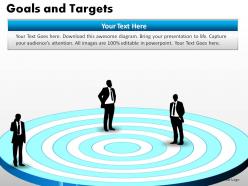
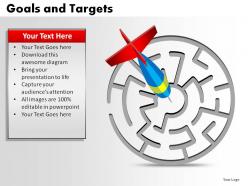
Our Goals And Targets Powerpoint Slides do whatever it takes. They will accomplish the task.
FAQs for Goals and
Think of goals as the big picture stuff - like "make customers happier." Targets are way more specific, with actual numbers and deadlines. So your target might be "hit an 8.5 NPS score by Q3." I always got these mixed up too, honestly. Goals are more like dreams with direction. Your goal could be launching an awesome product, but then you'd set targets like "finish beta testing by March 15th" or "get 500 pre-orders." Start with your goal, then chop it up into smaller targets you can actually measure. Way less overwhelming that way.
SMART goals basically make you stop being wishy-washy about what you want. Instead of "we should increase sales" (which means nothing), you'd write "boost Q3 sales 15% via email campaigns by Sept 30th." Now there's actually something concrete to work toward. The whole Specific, Measurable, Achievable, Relevant, Time-bound thing sounds corporate-y but it works. Your team knows exactly what they're aiming for and when. No more guessing if you're succeeding or not. Honestly, try it on whatever goal you're wrestling with right now. You'll probably realize how vague you've been about it – I always do when I actually write things down properly.
Honestly, you've gotta get your stakeholders involved from the start - not just for a rubber stamp at the end. People will actually work toward goals they helped build instead of rolling their eyes at whatever gets dropped on their desk. Your team members and customers see blind spots you'll miss every time. I learned this the hard way when I tried to set targets solo once... total disaster. Bring them into the brainstorming sessions early. They'll tell you what's realistic and what's complete fantasy. It's way better than finding out later when deadlines are already blown.
Okay so visualization is basically like tricking your brain into becoming a goal-hunting machine. You spend 5-10 minutes each morning picturing exactly how you want your day to go - not just vague "success" stuff, but the actual steps and feelings. Your mind starts spotting opportunities and resources it would've totally missed before. There's real science behind this too - it strengthens the neural pathways tied to performance. I always include how I'll handle things going wrong, which honestly makes a huge difference. Don't just daydream though, get specific about what you're seeing and feeling when you hit those targets.
Pick metrics that actually connect to your goal - I know it sounds obvious but people mess this up constantly. Hard numbers work best for concrete stuff like completion rates or revenue. Satisfaction scores are good for the squishy qualitative things. Keep it specific enough that there's zero confusion about success or failure. Here's my test: would some random person looking at your data agree with your conclusion? Stick to 2-3 metrics tops, check them weekly, and honestly don't overthink it.
Think of short-term goals as test runs for your bigger plans. You'll figure out pretty quickly if your long-term strategy is actually realistic or just wishful thinking. Breaking down huge objectives into quarterly chunks keeps you grounded - nobody wants to spend years chasing something that won't work. Each milestone you hit (or miss) gives you real feedback about what's clicking and what needs fixing. I learned this the hard way when I kept setting these massive annual goals without any checkpoints. Now I treat short-term goals like experiments. Hit them? Great, keep going. Miss them? Time to pivot before you're too deep into the wrong approach.
Honestly? Just start with Google Sheets or Excel - everyone already knows how to use them and they're super flexible. Once you figure out what you actually want to track, then maybe look into fancier stuff like Asana or ClickUp if you need project management features. There's also OKR-specific tools like Weekdone, but that might be overkill depending on what you're doing. The real trick is picking something you'll actually stick with. I've seen people get all excited about complex systems and then abandon them after two weeks. Better to start simple with a basic spreadsheet first.
You need clear visibility from your company goals down to what each person actually does day-to-day. Break those big organizational objectives into department goals first, then get specific about individual targets that you can measure. Here's where most places mess up though - people don't get how their random Tuesday tasks connect to the company winning. You've got to spell that out for them. Regular check-ins help keep everyone on track when things inevitably shift around. Oh, and make sure your performance reviews actually tie back to both personal wins AND how they moved the needle for the business overall. Don't assume people will connect those dots themselves.
Honestly, your brain can be your worst enemy when it comes to goals. Perfectionism will literally freeze you before you even start - been there! Fear of failure makes you procrastinate or quit way too early. How much you actually believe in yourself (self-efficacy) determines if you'll push through when things get tough. Sometimes you're overconfident and totally underestimate what's required. Imposter syndrome doesn't help either. Oh, and all those past experiences? They create limiting beliefs that mess with how you approach new stuff. Recognizing these patterns is half the battle though.
Honestly? Monthly check-ins work best, with a bigger review every quarter. Miss that rhythm and your goals just sit there collecting dust - been there before. Quick monthly tweaks keep you on track without drama. But quarterly's where you really dig in: what's actually working, what sucks, whether your targets even make sense anymore. Business changes fast, right? Don't wait for your scheduled review if something major hits. Oh, and put those dates in your calendar RIGHT NOW or you'll forget. Trust me on this one.
Honestly, most people mess up because they're too vague about what they actually want or they set crazy unrealistic deadlines. Life happens, right? Break everything down into bite-sized pieces first - like ridiculously small steps. I'm talking baby steps here. Track how you're doing so you can actually see progress instead of just feeling stuck. When stuff goes sideways (it will), don't throw in the towel completely. Just tweak your plan or give yourself more time. Find someone to bug you about it regularly or use one of those habit apps if you're into that.
Honestly, those little wins are what keep you going - they give you that dopamine hit and make the whole thing feel less overwhelming. I learned this the hard way after burning out on like three different projects lol. Your brain starts connecting the goal with good feelings instead of just stress. The trick is keeping celebrations realistic though. Don't pop champagne for doing one pushup, but definitely pat yourself on the back after a solid week of sticking to new habits. I break my bigger goals into smaller chunks now and actually take a second to feel good when I hit them. It's weirdly motivating.
Honestly, telling people about your goals makes such a huge difference. Nobody wants to admit they gave up on something they announced, right? It's that social pressure thing - works way better than just relying on willpower alone. Like when you promise to meet someone at the gym, you actually show up because they're expecting you. Your friends can also call you out when you're making excuses (which we all do). I'd say start with just one person you trust. Have them check in on whatever goal matters most to you. Don't go overboard announcing everything to everyone though.
So the thing is, different industries set goals totally differently. Tech companies are all about those crazy growth targets and sprint goals - you know, user numbers, feature launches, that kind of stuff. Meanwhile healthcare is way more focused on patient safety and hitting regulatory requirements. Tech pivots like every quarter (sometimes feels weekly tbh), but healthcare takes forever because they need all that testing and approval time. Really depends on your field - if you're somewhere fast-paced, check in on goals more often. Regulated industries? You'll want way more buffer time built in.
Honestly, just let them figure out what they want to work on themselves. Have them look at their current skills vs where they wanna be in like 6-12 months, then they pitch you their own goals. Way better than you telling them what to improve - people actually care about stuff they came up with. You just need to help them make sure the targets aren't total garbage (challenging but doable, with some milestones). Give them ownership of what they're doing. Then do monthly check-ins so they can update you and tweak things. Works every time in my experience.
-
It saves your time and decrease your efforts in half.
-
Use of different colors is good. It's simple and attractive.