

HR SWOT Strengths Weaknesses Opportunities Threats Strategy Marketing Management






Try Before you Buy Download Free Sample Product
 Impress Your
 Audience
 100%
100% Editable
 Save Hours
 of Time


Fulfill your requirements with our HR SWOT Strengths Weaknesses Opportunities Threats Strategy Marketing Management. Get quality service with just a few clicks.
People who downloaded this PowerPoint presentation also viewed the following :
HR SWOT Strengths Weaknesses Opportunities Threats Strategy Marketing Management with all 12 slides:
Express yourself with our HR SWOT Strengths Weaknesses Opportunities Threats Strategy Marketing Management. Your words will get new impetus.

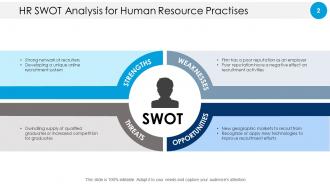
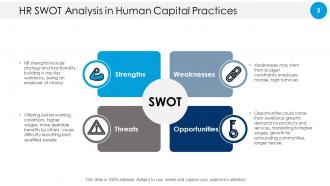
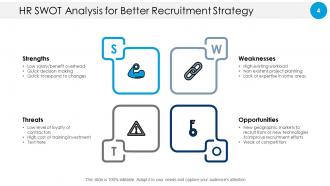
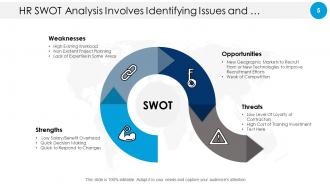
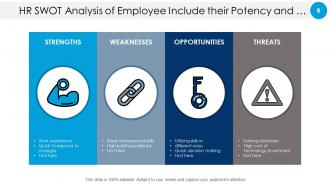
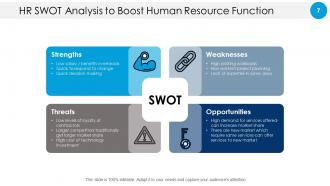
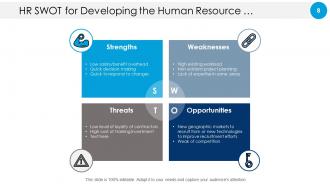
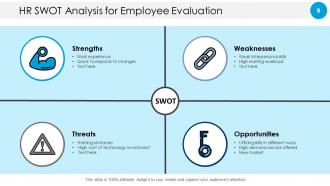
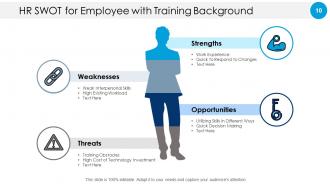
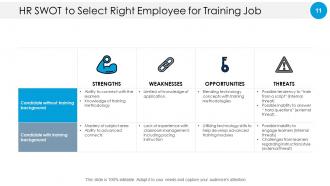

FAQs for HR SWOT Strengths Weaknesses Opportunities Threats
You'll need talent acquisition, performance management, employee development, compensation strategy, and culture stuff - they all work together basically. Succession planning is huge too because scrambling to fill key roles sucks (trust me on this one). Oh, and retention strategies obviously. Here's the thing though - it only works if everything actually connects to your business goals. Otherwise HR just becomes this box-checking exercise that nobody cares about. I'd start by looking at what you have now in each area. Then figure out which gaps are genuinely screwing with your performance and tackle those first.
Honestly, most HR teams just do their own thing without checking what the company actually needs first. Figure out your business goals, then build everything around those. Expanding to new markets? Hire people who know those regions. Innovation is the priority? Focus your training programs there. I'd set up quarterly meetings with leadership too - priorities change fast and you don't want to be working on outdated stuff. The main thing is being able to connect every HR decision back to a real business result. It's way more effective than just winging it.
Performance management is honestly the foundation of everything HR does. Without it, you're just guessing at what works. It connects individual goals to what the company actually needs and shows you if your programs are worth the money you're throwing at them. The data tells you where to spend training dollars, who deserves promotions, and what skills you're missing - though some managers still ignore it anyway. You really can't build a solid HR strategy when you don't know how people are performing or where the gaps are. I'd start by looking at your current system and asking if it gives you useful insights for making real decisions.
So basically, ditch the gut feelings and start tracking actual numbers. Employee engagement scores, turnover rates, performance data - all that stuff will show you patterns you probably never noticed. Like why accounting keeps losing people or what skills you're missing. Honestly, it gets weirdly addictive once you see the data clicking into place! You can even predict who might quit before they do. Don't go crazy analyzing everything though - I learned that the hard way. Pick maybe 2-3 metrics that actually matter to your goals first. Clean data beats messy everything.
Honestly, start recruiting before you desperately need someone - waiting until people quit is the worst strategy. Get your employer brand sorted so people actually want to join your team. Track which sourcing methods work best (data doesn't lie). An ATS will save your sanity vs spreadsheets everywhere. Train your managers on interviewing because... let's just say most of them need help. Write job descriptions that match reality, not some unicorn fantasy role. Oh, and speed matters - great candidates disappear fast if you're dragging your feet through endless rounds.
So employer branding is just how people see your company as a place to work, right? It totally changes your whole recruiting game. Better candidates actually seek you out instead of you chasing random resumes. You get to be pickier too, which is nice. Your recruiters will thank you since people already want to be there - makes their job way less painful honestly. Just don't oversell it though, because if the actual experience sucks compared to what you promised, that'll blow up in your face real quick. I'd start by asking your current people what they actually think about working there.
So for D&I stuff, start with recruiting from different talent pools and bias training - that's like the foundation. Create flexible work policies and parental leave that actually work for everyone. Employee resource groups are solid too, and make promotion processes super transparent. Here's the thing though - you absolutely have to track this stuff or it's pointless. Diversity metrics at every level, pay equity audits, inclusion surveys. I've seen too many companies treat D&I like some side project that disappears when money gets tight. Don't do that. Build it into your actual business strategy from day one.
Honestly, tech just handles all the boring repetitive crap so you can do the actual important stuff. AI recruiting tools are game-changers, plus automated onboarding saves tons of time. Chatbots can field those random employee questions (you know, the ones that interrupt you constantly). Analytics dashboards show real workforce trends without drowning in spreadsheets - thank god. Predictive analytics will flag retention issues before people actually quit. Performance platforms track stuff that matters too. But here's the thing - don't just buy whatever's trendy. Pick tools that fix YOUR specific headaches first.
Look, engagement data is like your cheat sheet for what's actually broken vs what just looks bad on paper. Your people will tell you if they hate their managers or if the pay sucks - you just gotta ask them first. I'd start with a simple survey, then use those results to figure out where to throw your energy. Maybe it's training, maybe compensation, who knows. But here's the thing - engaged people don't quit as much, and they actually give a damn about their work. So instead of guessing what'll move the needle, let your team's feedback drive the whole strategy. Way more effective than shooting in the dark.
Honestly, you gotta flip your whole approach. Start hiring for people who can actually communicate well remotely - not just the usual tech skills everyone focuses on. Ditch tracking hours completely and measure what people actually get done instead. Should've been doing that already tbh. Your onboarding needs to work digitally now, plus you need collaboration tools that don't suck. The tricky part? Creating those random connection moments since nobody's bumping into each other anymore. Survey your team first though - they'll tell you exactly what's broken in your current setup.
Track your people stuff first - engagement scores, turnover, how long it takes to fill jobs, internal promotions. That engagement thing though? It's usually the canary in the coal mine for everything else going sideways. Then tie it to actual business results like revenue per employee. I'd stick to maybe 5-7 metrics that actually matter for your specific company. More than that and you'll just drown in spreadsheets instead of fixing anything. Check them quarterly - not monthly because you'll drive yourself crazy, but not yearly because then it's too late to course-correct.
Look, legal requirements are basically your non-negotiables - they set the boundaries for everything you do in HR. Employment law, data privacy, industry standards... you can't ignore any of it when building policies. It's honestly like those legal folks are telling you where you can't put the walls in your house. Super annoying but necessary. Once you know the constraints though, you can get pretty creative within them. My advice? Get legal involved way early in your planning. Building compliant processes from scratch beats trying to fix things later - trust me on that one. Start by figuring out what you're legally required to do and where your current gaps are.
Look, development and training? That's your secret weapon for keeping people around. Nobody wants to feel stuck in the same role forever - I mean, would you? When you actually invest in your team, retention jumps because they feel valued. You're also building the exact skills your business needs while giving people clear career paths. It's like hitting multiple targets with one move. I'd start with a skills gap analysis to figure out your biggest needs. The trick is matching what people want for their careers with what your company actually needs to grow.
Look, you've gotta bake flexibility into your HR setup from day one. Make your policies modular so you can tweak them fast. Cross-train your people - seriously, this saves you when everything goes sideways. I'd also set up regular check-ins to see what's actually working. The worst thing? Companies that refuse to change because "we've always done it this way." Don't be those people. Track your metrics so you'll spot problems early instead of scrambling later. Oh, and start simple - pick your three biggest HR headaches and build backup plans for each. That alone will put you ahead of most organizations.
Honestly, the hardest part is getting people to actually give a damn about changing how they do things. Everyone's set in their ways, you know? Leadership buy-in is another nightmare - they want results but won't give you the budget or time to make it happen right. You'll spend forever trying to explain WHY these changes matter to employees who already think it's BS. Oh, and don't expect to see results anytime soon. HR stuff takes months to show impact, unlike sales where you can point to numbers immediately. My take? Start with something small that'll actually work, then use those wins to convince everyone else.
No Reviews