


Infrastructure Construction Proposal Powerpoint Presentation Slides




Try Before you Buy Download Free Sample Product
 Impress Your
 Audience
 100%
100% Editable
 Save Hours
 of Time


An infrastructure is called well-designed and firm when it is made with hard-work and complete dedication. A professional constructor only knows the worth of designing an innovative building. Constructing projects in streamlined, efficient, and cost-effective ways is the main objective of a civil engineer. To adhere to the client’s identity, an engineer needs to design an infrastructure according to their needs and wants. Being an expert in the construction, it is the main duty of an architect to deliver the project in time and within the budget of their clients. Introducing our content ready Infrastructure Construction Proposal PowerPoint Presentation Slides that help you to deliver a winning proposal and land more clients. With the help of this outwardly engaging construction proposal PPT layout, you can pitch your services that hold the interest of your clients. The slide comes up with ample space where you can add the logo of your company on the front page of the proposal that defines your business identity. Represent yourself in a presentable manner and gain the approval of the clients that makes you in charge of their project handling. You can highlight the interior & exterior services your company offers like insulation, railings, window & door openings, paint & trim, garage door, rear deck, drainage spouts, front porch, and many more. Use this eye-catching infrastructure construction proposal presentation template to mention the services you offer to the clients for framing, flooring, windows, doors, and electrical fittings. You can talk about the cost your clients have to spend on designing the project, appliances, survey costs, insurance compensation of workers, satellite dish, telephone, and additional expenses due to natural calamity or disaster. Employ this creatively designed construction proposal PPT theme to mention the risk mitigation measures your team uses while constructing a building. Execute the project of your client within the specified time & budget by downloading our easy-to-customize infrastructure construction proposal PowerPoint presentation template.
People who downloaded this PowerPoint presentation also viewed the following :
Content of this Powerpoint Presentation
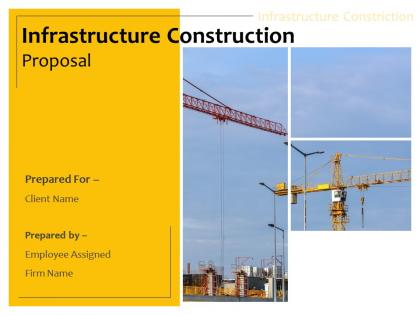
Slide 1: This slide introduces Infrastructure Construction Proposal. State Firm name, Client name and begin.
Slide 2: This slide displays Cover Letter for Infrastructure Construction Proposal
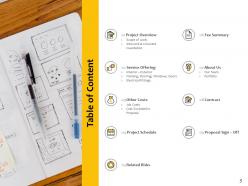
Slide 3: This slide displays Table of Content of the presentation.
Slide 4: This slide depicts Table of Content with- Project Overview, Scope of Work, Sitework & Concrete Foundation.
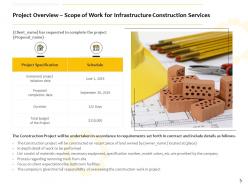
Slide 5: This slide showcases Project Overview – Scope of Work for Infrastructure Construction Services
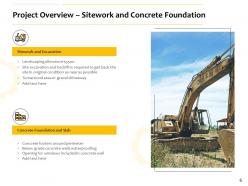
Slide 6: This slide represents Project Overview – Sitework and Concrete Foundation
Slide 7: This slide displays Table of Content of the presentation.
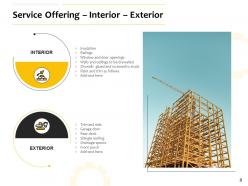
Slide 8: This slide showcases Service Offering – Interior – Exterior
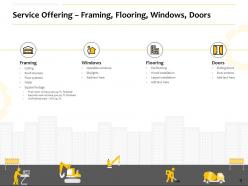
Slide 9: This slide depicts Service Offering – Framing, Flooring, Windows, Doors
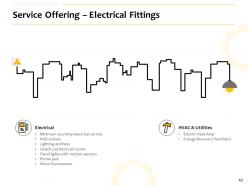
Slide 10: This slide also presents Service Offering – Electrical Fittings
Slide 11: This slide depicts Table of Content of the presentation containing- Other Costs, Job Costs, Cost Excluded in Proposal.
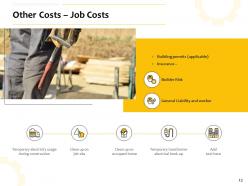
Slide 12: This slide showcases Other Costs – Job Costs with- Building permits, Insurance, Builder Risk, General Liability and worker, Clean up on job site, Temporary electricity usage during construction, Clean up on occupant home, Temporary transformer electrical hook up, etc.
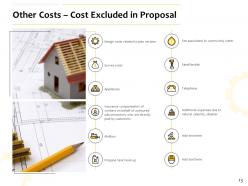
Slide 13: This slide showcases Other Costs – Cost Excluded in Proposal
Slide 14: This slide depicts Table of Content with- Project Schedule.
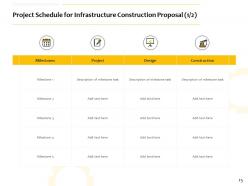
Slide 15: This slide displays Project Schedule for Infrastructure Construction Proposal.
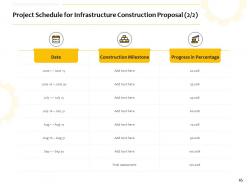
Slide 16: This slide showcases Project Schedule for Infrastructure Construction Proposal.
Slide 17: This slide displays Table of Content with- Related Risk.
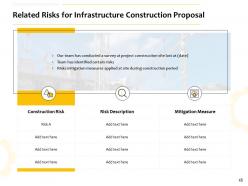
Slide 18: This slide presents Related Risks for Infrastructure Construction Proposal.
Slide 19: This slide displays Table of Content with- Fee Summary
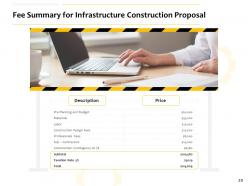
Slide 20: This slide describes Fee Summary for Infrastructure Construction Proposal
Slide 21: This slide shows Table of Content with- About Us, Our Team, Portfolio.
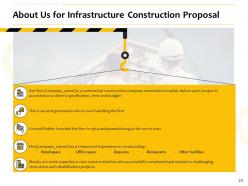
Slide 22: This is About Us slide to showcase Company specifications.
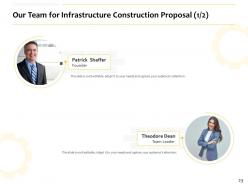
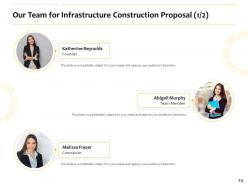
Slide 23: This is Our Team slide with Names and Designations.
Slide 24: This is Our Team slide with Names and Designations.
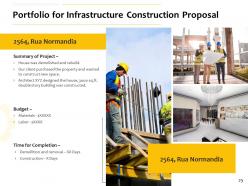
Slide 25: This slide displays Portfolio for Infrastructure Construction Proposal.
Slide 26: This slide displays Table of Content with- Contract.
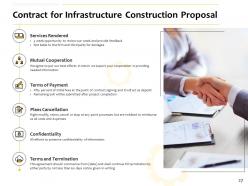
Slide 27: This slide showcases Contract for Infrastructure Construction Proposal
Slide 28: This slide depicts Table of Content with- Proposal Sign-off
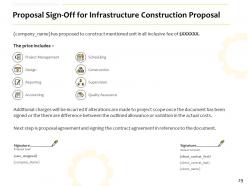
Slide 29: This slide showcases Proposal Sign-Off for Infrastructure Construction Proposal.
Slide 30: This is Contact Us slide with Address, Email address and Address.
Slide 31: This is Icons Slide for Infrastructure Construction Proposal.
Slide 32: This slide is titled as Additional Slides for moving forward.
Slide 33: This is Our Mission slide with Vision, Mission and Goal.
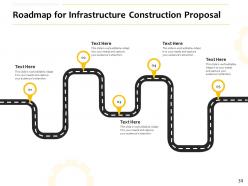
Slide 34: This slide showcases Roadmap for Infrastructure Construction Proposal
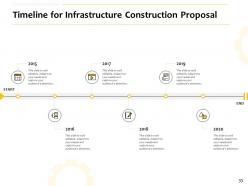
Slide 35: This slide presents Timeline for Infrastructure Construction Proposal
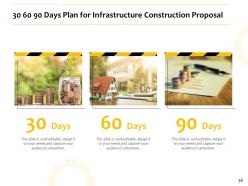
Slide 36: This is 30 60 90 Days Plan slide.
Infrastructure Construction Proposal Powerpoint Presentation Slides with all 36 slides:
Ensure immediate attention with our Infrastructure Construction Proposal Powerpoint Presentation Slides. Catch their eye from the beginning.
FAQs for Infrastructure Construction Proposal
So you'll need project scope, timeline with milestones, and a solid budget breakdown - that's usually what makes or breaks it honestly. Technical specs and risk assessment are must-haves too. Always include who's on your team since clients get nervous about mystery workers. Oh, and don't skip the environmental stuff and permit requirements - learned that one the hard way. Communication plan's important for updates. Make sure you hit everything they asked for in the RFP and throw in quality control measures. The budget section really needs to be bulletproof though.
Honestly, ditch the paragraph format and go with Gantt charts or milestone maps instead. Way easier to follow. Break everything into phases - design, permits, construction, testing - but don't be that person who thinks everything will go perfectly on schedule. Add buffer time because weather happens, permits take forever, and materials show up late. I'd include your assumptions about all that stuff so nobody's surprised later. Each phase needs specific deliverables so people can actually track what's happening. Finish with a summary table of the dates they really care about: when you break ground, when things get disruptive, and when you're finally done.
Okay so first thing - figure out your direct costs like labor, materials, all that stuff. Then tack on 15-20% for when things inevitably go sideways (trust me on this one). Break it all into smaller chunks so you can actually see where your cash is disappearing. Oh and don't sleep on permits and site prep - that stuff adds up way faster than you'd think. I got burned on that last time. Materials can swing in price depending on the season too, plus supply chains are still kinda wonky. Get quotes from at least three vendors for the big ticket items. You'll get better pricing and catch any weird outliers.
Don't just slap sustainability onto the end - work it into everything. Green materials are your friend: recycled steel, low-carbon concrete, sustainable timber. Energy-efficient systems and stormwater management are obvious wins. Honestly, clients go crazy for local sourcing benefits too. Numbers make it real though - "30% carbon reduction" hits way harder than vague promises. LEED targets work great for this. Oh, and always tie it back to their wallet. Long-term savings sell better than saving the planet, unfortunately. Construction waste reduction plans are clutch too.
Dude, risk assessment is like your insurance policy for infrastructure stuff. It shows you've actually thought about what could blow up your project - budget overruns, environmental disasters, regulatory nightmares, whatever. Honestly, it's boring as hell to write but it'll save you when things go sideways. Without it, you're basically asking for millions while crossing your fingers. I learned this the hard way on my first proposal - total disaster. Include real mitigation plans for each risk you identify. Stakeholders eat that stuff up because it proves you're not just winging it.
Okay so first thing - pick your methodology and actually explain it, don't just say "Agile." Map out your team structure and major milestones. The risk management part is huge too, honestly most people skip this and regret it later. Show them specific tools you're using for tracking (not just "we'll monitor progress" - that's useless). Talk about how you handle changes because there will be changes. Set up a regular communication schedule with stakeholders. Then give them actual deliverables with real dates so they can picture how this whole thing plays out.
You definitely need site plans and cross-sectional drawings - those are non-negotiable. 3D renderings are where you'll really wow them though, especially with complex stuff like bridges. Before/after shots from past projects always kill it too. Oh, and throw in your timeline charts and equipment diagrams. Honestly, visuals beat walls of text every single time. Start with that 3D rendering to grab their attention right away, then back it up with the technical drawings. Progress milestone charts are clutch too - clients love seeing how everything breaks down. Trust me on the visual-first approach.
Dude, biggest thing is nail down exact costs and timelines - none of that "roughly $2-5 million" nonsense. Environmental impact can't be an afterthought either. Don't assume people know the technical stuff because honestly, most don't have a clue. Your proposal needs to actually fix the problem, not just sound impressive with fancy infrastructure talk. Never promise unrealistic delivery dates - construction always runs late, period. Oh and definitely get someone outside your team to look it over first. You'll be amazed what obvious stuff you missed.
Honestly, you just gotta speak their language. Government folks care about compliance, safety records, and not pissing off the public. Private sector? They want ROI and speed - that's it. I literally write two different exec summaries for the same project (sounds crazy but it works). With gov clients, lead with your environmental track record and how you won't disrupt communities. For private ones, hit them with your history of finishing early and under budget. Figure out what's keeping each group awake at 3am, then build your whole pitch around fixing exactly that. Trust me on this one.
Okay so first things first - get your permits and environmental stuff sorted because that takes forever. Zoning laws and building codes are obviously huge. If you're crossing private property, land acquisition gets super messy (learned that one the hard way). Federal regs depend on your project type. Honestly, the liability insurance piece is where most people screw up. Get solid contracts with everyone involved too. My biggest advice? Hire a construction lawyer right away instead of waiting until everything's on fire. Trust me on this one.
Dude, seriously - map out every single permit you'll need before doing anything else. Environmental assessments and zoning stuff should be your first priority since they take forever. I learned this the hard way on my last project, ugh. Federal, state, local permits all have different timelines so build in extra buffer time because delays are basically guaranteed. Make sure someone's actually responsible for each application (don't assume it'll just happen). Oh and budget for all the fees upfront - they add up fast. Get your regulatory people involved from day one or you'll regret it later.
You need hard numbers plus the softer stuff. Budget vs actual, timeline performance, safety incidents - the usual suspects. Quality metrics like defect rates matter too. Environmental compliance is massive right now, so don't skip that. Stakeholder surveys are clutch since these projects piss off half the neighborhood anyway. Post-completion operational data shows long-term success. Oh, and tie everything back to your specific project goals - nobody cares about cookie-cutter KPIs that could apply to anything.
Don't just throw around "AI" and "smart systems" - that stuff makes me cringe honestly. Get specific about what your tech actually does. Like, mention those predictive maintenance sensors that stop expensive breakdowns, or show how your project management platform cuts timelines by 20%. Real numbers matter way more than buzzwords. I've watched too many pitches fall flat because they sound impressive but don't explain the actual benefit. Paint them a picture of how this saves money or reduces headaches. Past project results work great here if you've got them.
Honestly, you'll probably need to mix a few funding sources for anything big. Bank loans are fine for smaller stuff, but PPPs are where it's at right now - you get government backing plus shared risk. Municipal bonds work great if your project actually makes money. Green bonds too, assuming there's an environmental spin (which there usually is these days). Revenue bonds are another solid option. Oh, and definitely figure out your income potential first - that'll help you pick the right structure. The timeline matters too since some financing takes forever to close. Bond markets can be weird though, so maybe talk to someone who actually deals with that stuff regularly.
Okay so you need to hit two things: actual community impact AND proof you listened to people. Get your numbers ready - jobs, traffic studies, economic stuff - but don't just throw data at them. The listening part is honestly what makes or breaks these things. Include summaries from town halls, surveys, whatever meetings you did. Show how their feedback actually changed your plans or timeline. I've watched so many projects crash because they seemed totally disconnected from what people wanted. Address the big concerns that came up and explain what you tweaked. You're building with them, not just plopping something down in their neighborhood.
No Reviews