


Insurance coverage proposal powerpoint presentation slides




Try Before you Buy Download Free Sample Product
 Impress Your
 Audience
 100%
100% Editable
 Save Hours
 of Time


Introducing Insurance Coverage Proposal PowerPoint Presentation Slides to highlight the various offerings you provide to solve all the insurance-related problems of your customer. The scope of this ready-made insurance service bid PPT slideshow is project context, company offerings, insurance claim procedure, prices, etc. Mention the solutions your organization recommended to the customer problems in this proposal PowerPoint template to portray your technical expertise. You can illustrate the professional guidance your skilled employees can provide to the consumers in the insurance areas like people, assets, liability, etc. and help them to take calculative risks. Display the insurance outline including the reduction in annual premium, expanding the coverage and complete liability coverage. Elaborate on the project context and explain a variety of insurance services to your prospects by employing this insurance coverage contract PowerPoint slideshow. Describe the complete insurance claim procedure for reimbursement and cashless claim so that the consumers don’t have to worry about receiving payment. Illustrate the customized packages your company offers to meet the individual customer requirements. By incorporating this insurance offering bid PPT visuals, you can showcase your enterprise’s introduction, background, vision, and mission. Emphasize on the large and small scale businesses your esteemed company covers and the awards you have received to highlight your excellence in providing commercial insurance services to the country. Download this insurance coverage proposal PowerPoint theme so that your potential client hires you for any insurance guidance required for their business.
People who downloaded this PowerPoint presentation also viewed the following :
Content of this Powerpoint Presentation
Slide 1: This slide introduces Insurance Coverage Proposal. State Company name, Client details and User details.
Slide 2: This slide displays Cover Letter.
Slide 3: This slide displays Table of Content containing- Our History, Major Clients, Client Testimonials, Our Team, Next Step, Terms and Conditions, Our Offerings, Insurance Claim Procedure, About Us, Project Context, Insurance Outline, Our Prices and Packages.
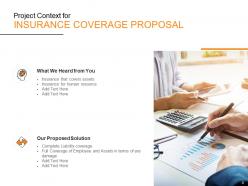
Slide 4: This slide depicts Project Context for Insurance Coverage Proposal.
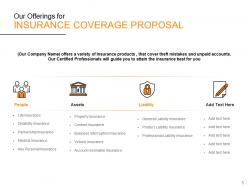
Slide 5: This slide showcases Our Offerings for Insurance Coverage Proposal.
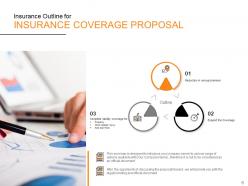
Slide 6: This slide depicts Insurance Outline.
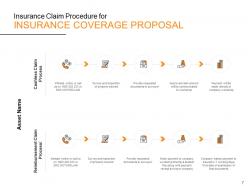
Slide 7: This slide depicts Insurance Claim Procedure.
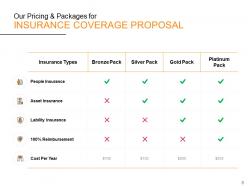
Slide 8: This slide presents Our Pricing & Packages.
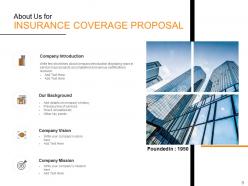
Slide 9: This is About Us slide with Company introduction, Vision, Background details, etc.
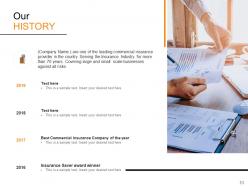
Slide 10: This slide depicts Our History.
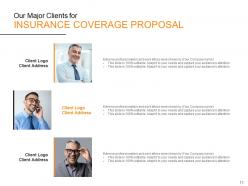
Slide 11: This slide presents Our Major Clients with Clients logo, and Address.
Slide 12: This slide displays Client testimonial with Clients names and Designations.
Slide 13: This is Our team slide with names and designations.
Slide 14: This is also Our Team slide with names and designations.
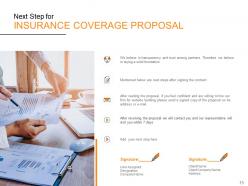
Slide 15: This slide showcases Next Step for Insurance Coverage Proposal.
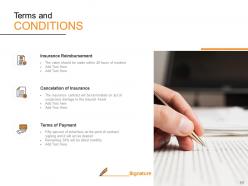
Slide 16: This slide showcases Terms and Conditions.
Slide 17: This is Contact Us slide with Address, Contact number, Email address.
Slide 18: This slide is titled as Additional Slides for moving forward.
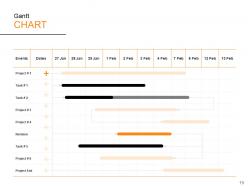
Slide 19: This slide displays Gantt Chart.
Slide 20: This is Our Mission slide with Vision, Mission and Goal.
Slide 21: This is 30 60 90 DAYS PLAN slide.
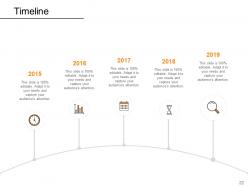
Slide 22: This slide showcases Timeline process.
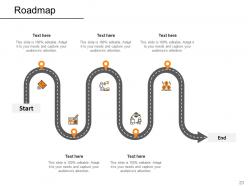
Slide 23: This slide showcases Roadmap process.
Insurance coverage proposal powerpoint presentation slides with all 23 slides:
Increase the enjoyment folks derive with our Insurance Coverage Proposal Powerpoint Presentation Slides. It will improve the interaction.








FAQs for Insurance coverage proposal
So for your insurance proposal, you'll need the basics: coverage amounts, premiums, deductibles, what's covered and what isn't. Policy dates too - seems obvious but people forget. Payment schedules matter more than you'd think. I'd throw in the carrier's financial rating because nobody wants their insurer going belly-up mid-claim. Also include how the claims process works. If you're showing multiple options, make a comparison chart. Keep everything labeled clearly so they know exactly what they're buying. Oh, and check for any special conditions or endorsements - that fine print always comes back to haunt people later.
Okay so first figure out what they actually own - house, savings, investments, all that stuff. Then think about their liability risks based on job and lifestyle. Like a surgeon's gonna need way more coverage than a teacher, but honestly don't just assume without asking them directly. The hard part is balancing what they're comfortable paying versus not leaving them totally screwed if something bad happens. I run these nightmare scenarios with people sometimes - sounds dramatic but it really helps them get why higher limits matter. Grab their current policy and let's look at a real example.
Start with their application and health records - that's your baseline. Credit checks matter too, plus claims history since people tend to repeat patterns. I do social media scans now (crazy what people post) but don't make it your main thing. Phone calls or meeting them helps catch stuff they won't put in writing. Property inspections are non-negotiable for home coverage. Honestly, the trick is combining multiple sources instead of relying on just one. Medical records might look clean but their credit's a mess - that tells a story. Layer everything together and you'll get the real picture of who you're actually covering.
Dude, you gotta dig deep into what each industry actually faces first. Restaurants worry about grease fires, tech companies stress about data breaches - totally different worlds. Manufacturing clients need product liability coverage, healthcare folks require malpractice protection, construction companies want beefed-up workers' comp. Here's the thing though - don't just slap industry buzzwords into some cookie-cutter template. That's lazy and clients see right through it. Figure out what's genuinely keeping them awake at 3am, then build your whole pitch around fixing those exact headaches. Way more effective than generic proposals.
Look, market research is everything when you're putting together a proposal. You've gotta dig into their industry's specific risks and figure out where their current coverage is lacking. Otherwise you're basically throwing darts in the dark, which never ends well. Check out what their competitors are buying too - that'll help you price things right and know what objections are coming your way. I always start with the sector's loss trends and any regulatory stuff they're dealing with. Then I look at similar accounts we've already landed. Trust me, it makes your pitch so much stronger when you actually understand their world.
Put exclusions right at the top of your proposal - never hide that stuff. Make a whole section for the big ones and explain what they actually mean because insurance language is awful. Policy jargon makes zero sense to normal people. For each exclusion, tell them why it's there or mention other coverage options if you can. Trust me, this saves you from pissed off clients later when their claim gets rejected. Yeah it's awkward bringing up what's NOT covered, but it beats dealing with angry phone calls down the road. They'll respect the honesty.
Start with plain English, then add the technical stuff later. Explain what their coverage actually does in real situations before you get into all that policy jargon. Flowcharts and comparison tables are lifesavers - seriously, even basic drawings help clients understand those confusing exclusions. I always make them explain it back to me in their own words. Shows you right away where they're lost. Oh, and don't bombard them with everything at once. Break it into smaller conversations. They'll remember way more that way, trust me.
So basically you gotta include all the stuff they legally require - disclosures, coverage limits, exclusion language, all that fun paperwork. Each state's different too, which is honestly annoying. Some want crazy detailed deductible explanations, others care more about claims stuff and what rights people have. You can't just wing it with whatever sounds nice anymore. Oh and definitely run everything by compliance before you submit - learned that one the hard way! Way easier than having to redo the whole thing when they find what's missing.
Honestly, if you're just getting started, Word or Google Docs will do the trick - we've all been there. Applied Epic and HawkSoft are solid choices once you're ready to level up since they automatically pull client info and handle the heavy lifting. AgencyBloc's another good one. For commercial stuff (which can get messy fast), Salesforce with insurance add-ons or QuoteRush really help you stay organized when you're juggling multiple quote versions. My advice? Don't overthink it at first. Pick something that plays nice with whatever you're already using and upgrade when things get busier.
Dude, case studies are absolute gold for proposals. Instead of just talking about what *could* happen, you're showing them what actually *did* happen. Like when you can say "here's how we saved another client from a $2M lawsuit" - that hits different than generic promises. Stories just work on people, you know? Find cases that match their industry or similar risks as closely as you can. The specific numbers are what really sell it. Oh, and honestly? Most people won't believe theoretical benefits anymore. They've heard too much BS. Real outcomes from real companies though? That's what gets them to sign.
Skip the boring policy feature lists - nobody cares about that stuff. Instead, walk them through real scenarios they'd actually face. "What happens if this specific thing goes wrong and you're underinsured?" Hit them with actual dollar amounts from their industry. I swear, stories work so much better than facts and figures. Show the gaps in their current coverage with simple visuals, maybe a basic chart comparing what they have vs. what they need. Make it personal to their business risks. Oh, and always wrap up asking what questions they've got - gets them talking instead of just sitting there.
Honestly, I'd check in every 6 months if possible. Once a year bare minimum though. People's lives change SO fast - new house, marriage, kids, whatever - and their insurance needs to keep up. The market's always shifting too with different products and rates. I've watched too many people get screwed when they actually needed coverage because nobody reviewed their policies in like 3 years. Just set calendar reminders for quick calls with your regulars. Even 15 minutes to catch up on what's happening in their life makes a huge difference. Trust me on this one.
Okay so first thing - don't immediately go into defense mode when they push back. Just listen and figure out what's actually bugging them. Is it the money? The coverage itself? Or maybe they just think you're trying to screw them over (which honestly happens way too often in this industry). Ask something like "what's really driving that concern for you?" Then you can actually fix their specific problem instead of giving some generic pitch. Sometimes it's literally just explaining things in normal English or letting them pay monthly instead of all at once. The whole point is making them feel like you get it, not like you're bulldozing through their objections. Always bring it back to protecting whatever they care about most.
So endorsements and riders are basically add-ons that tweak your base policy - more liability, equipment coverage, cyber stuff, whatever. Your broker should break down each one separately so you can see what's costing you money. Some riders are like five bucks, others will make you wince. Don't just glance at the final number though - actually look at that itemized list. I learned this the hard way when I got hit with a bunch of coverage I didn't even want. Each add-on gets priced individually and stacked onto your base rate, which obviously changes your whole proposal.
Look for engagement signals during your pitch - are they asking detailed questions, taking notes, getting into the weeds about coverage? That's gold. After the meeting, watch how fast they get back to you. Speed honestly tells you everything about interest level. Do they want more docs? Schedule another meeting right away? Those are your green flags. The real numbers to track though - proposal acceptance rates and how long deals take to close. I'd also pay attention to the types of questions they ask... vague ones usually mean they're not that serious.
No Reviews