

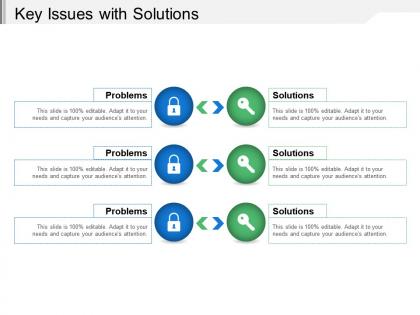
Key issues with solutions




Try Before you Buy Download Free Sample Product
 Impress Your
Audience
 100%
Editable
 Save Hours
of Time


Create an air of divinity with our Key Issues With Solutions. They can have a halo effect.
People who downloaded this PowerPoint presentation also viewed the following :
Key issues with solutions with all 5 slides:
Encourage accord with our Key Issues With Solutions. Get folks to engage in dialogue.


FAQs for Key
Honestly? Cash flow will probably kill you before anything else does. Finding customers takes forever - like, way longer than you think. One day you're the CEO making big decisions, next day you're literally unclogging the office toilet. It's insane how much you'll try to do yourself. Plus you're up against companies with actual budgets while you're eating ramen again. My advice? Pick like two things max and nail those instead of spreading yourself thin. Oh, and don't quit your day job too early if you can help it.
Oh man, this is such a real problem. Some cultures are super direct while others drop hints and expect you to read between the lines. Time zones are obvious but there's so much more - like hierarchy stuff really trips people up. Your casual "hey let's brainstorm" approach might stress out teammates from formal work cultures. Then you've got humor that doesn't translate, different ideas about urgency... honestly even how people interpret silence varies like crazy. Best thing? Just ask your team straight up how they prefer to communicate and set some ground rules everyone's cool with.
Honestly, tech makes cybersecurity way messier than people think. Every new device or cloud service you add? That's another door hackers can try to break through. Companies rush to adopt the latest tools without thinking security through first - I see this all the time at work. Then you've got old systems that can't handle modern threats, which is a nightmare. The scary part is criminals are using AI now to automate their attacks, so they're hitting more targets faster. My advice? Don't treat security as an afterthought you can just slap on later.
Hey! So remote learning is honestly such a pain, but here's what's worked for me. Break your content into smaller pieces - kids zone out way faster on screens. Set up regular check-ins and stick to the same platforms (switching around just confuses everyone). Interactive stuff like polls and breakout rooms actually help keep them awake. Routines are your friend too. Oh, and definitely be flexible with deadlines because some kids are dealing with crazy home situations right now. Just pick one thing to try this week and see how it goes!
Yeah, it really messes with your productivity. When I was going through a rough patch, I couldn't focus on anything and kept missing deadlines. Your brain just feels foggy, you know? Simple tasks become overwhelming and you start procrastinating way more than usual. Plus you're calling in sick more often. Depression and anxiety make it hard to think clearly - honestly, some days I felt like I was operating at like 50% capacity. The mistakes pile up and working with teammates gets awkward. But most companies have employee assistance programs now, so definitely look into that if you're struggling.
Honestly, cost is the killer - those upfront investments are brutal and CFOs hate them. Timing sucks too since payback takes forever. Regulations are constantly shifting, which is annoying as hell. Your employees will probably push back hard because nobody likes changing how they work. Oh, and good luck getting your supply chain on board if they don't care about sustainability. Start small though - run some pilot programs first to show it actually makes money. Way easier to get buy-in that way than going all-in from day one.
Honestly, jump on team drama before it spirals. I learned this the messy way - ignoring weird tension just makes everyone hate coming to work. Set communication rules early on, like how you'll handle disagreements without people getting nasty. When conflict hits (and it will), deal with it fast. Listen to everyone's side first - don't play judge, more like referee helping them find middle ground. Oh, and do regular team check-ins where people can vent small stuff before it becomes big stuff. Trust me on this one.
Ugh, fundraising is rough right now. Competition is insane - literally everyone's hitting up the same donors who are already tapped out. Inconsistent funding makes planning impossible, and most smaller orgs don't have proper staff or systems to track relationships well. Grant applications are basically writing a book every time (why are they SO long?). When the economy tanks, donations drop fast. Plus younger donors want totally different engagement than older ones. Honestly, you've gotta spread your funding sources around and get serious about donor management. Don't rely on just one stream or you're screwed.
Track how many people actually show up versus just signing up - that dropout tells you everything. Also check team collaboration scores and survey responses. Honestly, the real test is what happens months later when the initial excitement wears off. Are people still more engaged? Set up quick pulse surveys asking about motivation and connection with coworkers. Compare engagement before, during, AND after the challenge. Don't just measure the hype period when everyone's fired up. Internal retention rates post-challenge are super telling too.
Look, when everything's falling apart around change initiatives, people literally turn to you like you have all the answers - which is terrifying but also your job. You've got to explain why we're doing this mess in the first place and actually mean it. Push back on resistance but don't be a jerk about it. Honestly, the leaders who nail this stuff don't just talk the talk - they're right there in the trenches showing how it's done. Be real about what you know vs. what you're figuring out as you go. Then grab some easy wins to get people believing again.
Ugh, regulatory stuff is such a pain but you can't ignore it. You're constantly stuck between wanting to ship fast and not getting sued later. Healthcare and finance are the worst - compliance has to be built in from the start, which totally kills your speed. But honestly? It's worth it to avoid the nightmare later. Get some regulatory people on your team early, don't just slap it on at the end. The smart move is actually using regulatory knowledge to beat competitors to market. Oh, and start schmoozing with regulators now before you desperately need them.
Dude, honestly? Three things will kill you: finding good devs, keeping customers, and not running out of money. Everyone decent wants Google paychecks - can't blame them but it sucks for us. Meanwhile you're competing against companies that spend your entire budget on one ad campaign. The cash thing is tricky because you need momentum but can't burn everything chasing it. Oh and bigger companies will absolutely try to copy whatever you're doing well. My take - pick the ONE thing you're genuinely better at than everyone else and just obsess over that first.
Ugh, supply chain issues are the worst - they mess with your raw materials, delivery dates go haywire, and costs blow up when you're scrambling for new suppliers last minute. Production schedules become this crazy juggling act. Lines shut down, customers get pissed about delays, and honestly it just snowballs from there. My old boss used to say it's like dominoes falling. Here's what actually works though: line up backup suppliers now while things are calm. Don't be that person waiting until everything's on fire to build those relationships.
Oh man, emerging markets are tough. Infrastructure's a mess, funding is nearly impossible to get, and regulations flip-flop constantly - which honestly drives me insane when I'm trying to make any long-term plans. Consumers have way less money to spend, so your market shrinks automatically. Supply chains break down all the time too. Finding skilled people? Good luck with that one. The silver lining is you become incredibly resourceful. My take - stay flexible and have backup plans for literally everything. Nothing ever goes as expected, but that's kind of the reality you're signing up for.
Oh man, data privacy screwups are like relationship killers for brands. Once customers find out you've been sketchy with their info - whether it's breaches, confusing policies, or just straight-up misusing data - they'll never look at you the same way. People get paranoid (rightfully so) and stop sharing anything personal or buying from you. I swear rebuilding that trust is like trying to fix a broken vase with scotch tape. Way better to just be upfront about what you're doing with people's data from day one. Invest in decent security too - it's so much cheaper than dealing with the aftermath of a breach.
-
I discovered this website through a google search, the services matched my needs perfectly and the pricing was very reasonable. I was thrilled with the product and the customer service. I will definitely use their slides again for my presentations and recommend them to other colleagues.
-
Excellent products for quick understanding.