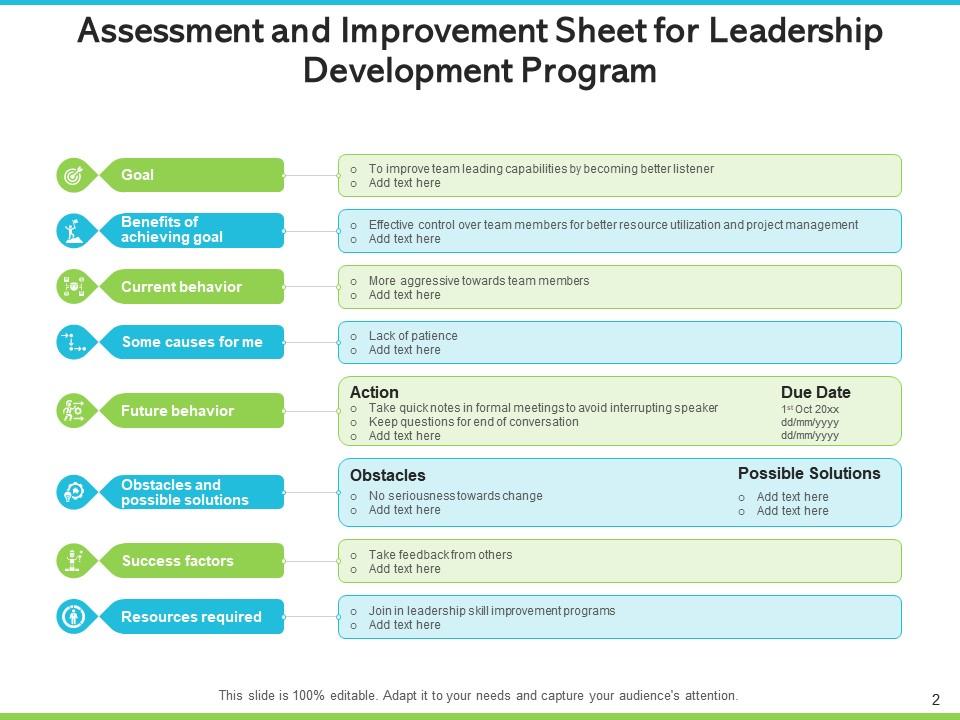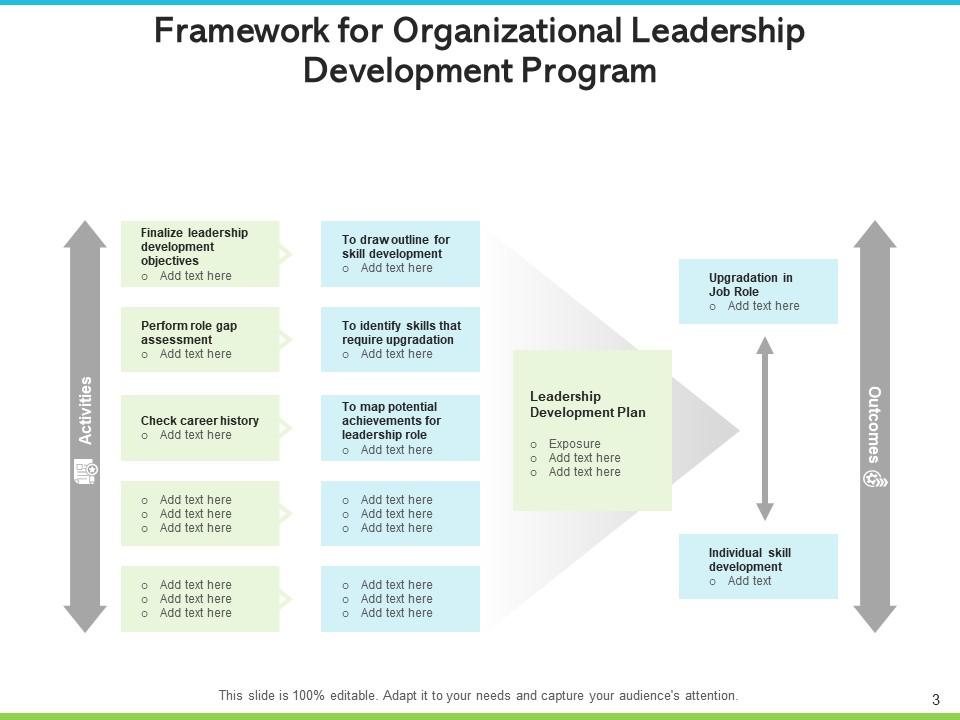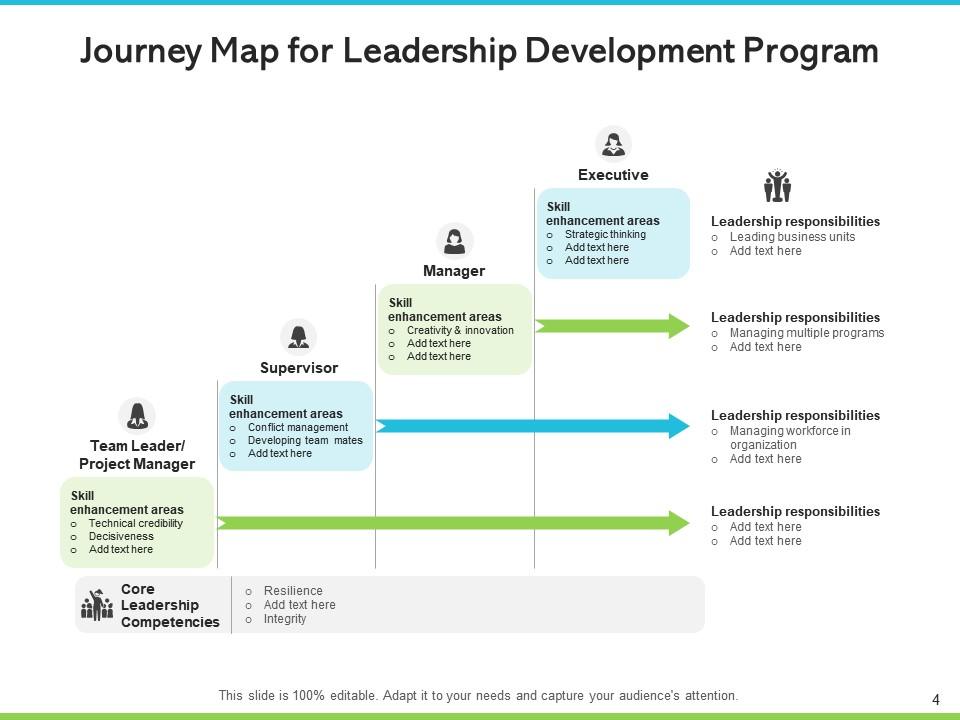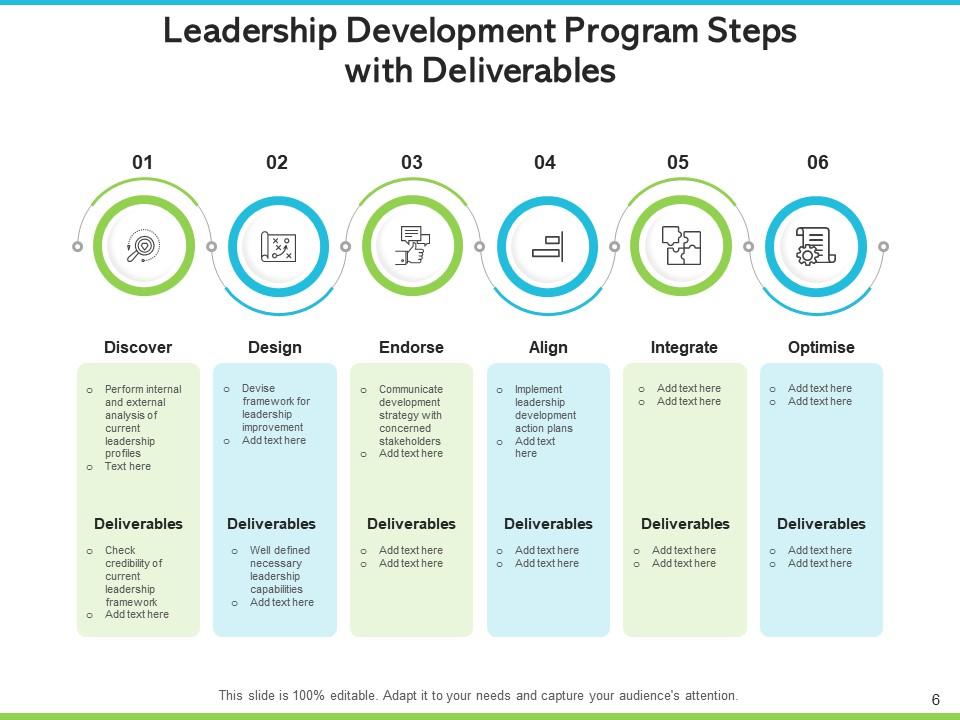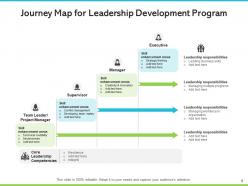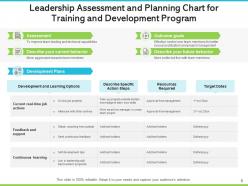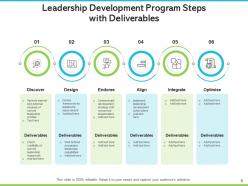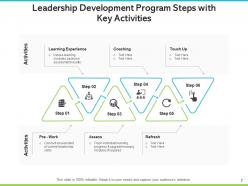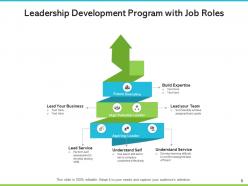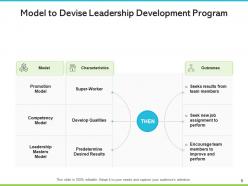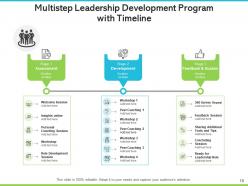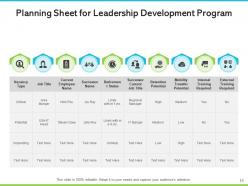
Leadership Development Program Project Manager Team Leader Learning Experience
Try Before you Buy Download Free Sample Product
Audience
Editable
of Time
Our Leadership Development Program Project Manager Team Leader Learning Experience are topically designed to provide an attractive backdrop to any subject. Use them to look like a presentation pro.
People who downloaded this PowerPoint presentation also viewed the following :
Leadership Development Program Project Manager Team Leader Learning Experience with all 12 slides:
Use our Leadership Development Program Project Manager Team Leader Learning Experience to effectively help you save your valuable time. They are readymade to fit into any presentation structure.
FAQs for Leadership Development Program Project Manager Team
Dude, three things matter most: emotional intelligence, being adaptable, and actually communicating well. Read the room first. When stuff changes (which it always does), pivot fast. Don't just wait for your turn to talk - actually listen to your people. The fake leadership thing? People spot it instantly. Coach your team instead of micromanaging every tiny detail. Oh, and here's something most people don't do - just ask your team what they need from you as their leader. Sounds obvious but you'd be surprised how rare that is.
Mix different approaches - 360 feedback from coworkers and managers gives you the real picture of how someone actually leads. Personality tests like Hogan are decent too. But honestly? Watch people during messy projects or when things go sideways. That's when you see who really steps up. Look for folks who communicate well and actually help their teammates instead of just crushing their own goals. Oh, and throw them into stretch assignments - it's like a test drive but way less risky. Some people surprise you when they get the chance.
Honestly, emotional intelligence makes or breaks leaders. I've watched brilliant people crash and burn in management because they couldn't read a room or handle their own stress. It's wild how much more effective you become when you can manage your emotions AND actually connect with your team. Like, conflicts become easier to navigate, people actually want to follow you. The cool thing is you can totally work on this stuff - just start noticing how your mood affects decisions you make. Pay attention to how people react when you communicate differently. Takes practice but it's not rocket science.
You need solid goals and regular check-ins first. Don't just pair senior people with junior ones - match based on skills that actually complement each other. I've watched so many programs crash because they threw the CEO with some random person, which honestly never works. Set up shadowing, project work together, monthly talks focused on specific leadership skills. Oh, and definitely train both sides how to actually mentor - most people think it's natural but it really isn't. Track real behavior changes, not just "how satisfied are you" surveys. Those tell you nothing useful.
Honestly, regular one-on-ones work best with specific examples. Catch them doing good stuff, not just screwups - though yeah, that's way harder than it sounds! Like tell them "Yesterday when you facilitated that meeting, you nailed redirecting the off-topic conversation." I swear by the SBI thing: Situation, Behavior, Impact. Keeps it factual instead of just your opinion. They need to feel safe asking for feedback too. Maybe start with 15-minute weekly sessions? Consistency matters more than being perfect at it.
Honestly? D&I completely changes how you lead. You can't just use the same approach with everyone anymore - different people need different communication styles, feedback methods, all that stuff. Makes you way better at leading though, since you're building up more skills. Oh and the research backs this up too - diverse teams crush it compared to homogeneous ones. The trick is adapting to each person while still being yourself. Don't overthink it. Just start by asking your team how they actually want feedback and recognition. Most leaders never even do that basic step.
Start with making people feel safe to share dumb ideas without getting roasted. Do the "yes, and..." thing instead of shooting stuff down right away - honestly works way better than you'd think. Give your team some actual time to mess around with new stuff, even like 10% of their time. Ask "what if we..." questions and celebrate the smart failures too, not just wins. Oh and be genuinely curious yourself. People can tell when you're faking excitement about innovation. If you're actually into trying new approaches, they'll follow your lead.
Honestly, tech has made leadership training so much better. You can do online courses whenever works for you instead of being stuck in some conference room all day. Virtual sessions are great too - I've picked up random tips from other people's questions that I never would've thought to ask. Plus you can go back and rewatch stuff later when you actually need it, which is clutch. Oh and those simulation things where you practice awkward conversations? Super helpful without the real-world consequences. Just make sure whatever you pick has actual interaction - watching videos by yourself gets old fast.
Oh man, remote leadership is rough! The hardest part? Building trust when you can't just pop by someone's desk. Plus keeping everyone engaged across different time zones is a nightmare. But here's what actually works - schedule regular one-on-ones and be way more intentional about checking in. Video calls help tons for connection (way better than just emails). I'd also set up informal virtual coffee chats or team hangouts. Honestly, you have to over-communicate since those natural office conversations just don't happen anymore. It's exhausting but worth it once you get the rhythm down.
Honestly, self-awareness is everything. Like, you can't fix what you don't see, right? I've watched brilliant people completely crash because they had no idea how they affected their teams. It's wild. Once you actually understand your triggers and how you communicate, you can finally adapt instead of making the same stupid mistakes over and over. The hard part? Asking people you trust for real feedback. Super uncomfortable, but it'll change everything. You can't inspire anyone if you're clueless about your own strengths and blind spots.
Think about times you've led people - what worked, what totally bombed. Jot down your actual beliefs about treating people and making tough calls, not what sounds impressive. Yeah, it feels cheesy writing this stuff down, but whatever. Find leaders you genuinely respect and figure out why their style clicks with you. The key is making it real to you, not some corporate poster quote. Try your ideas in actual situations and adjust when they fall flat. Honestly, mine's changed like five times over the years and that's probably normal.
Honestly, stories just hit different than bullet points or data dumps. Your brain remembers narratives way better than abstract stuff. I've watched leaders completely flop with PowerPoint slides, then turn it around with one quick story about failing and bouncing back. It makes you seem more human too, which people need to see. When you share something personal about overcoming challenges, your team can actually picture themselves succeeding. Next time you need to motivate people or explain a tough decision, try opening with a brief example from your own experience first. Way more effective than diving straight into the facts.
Track a mix of hard and soft stuff to get the real picture. Hard metrics: promotion rates, retention, 360 feedback scores. Soft ones are trickier but matter just as much - engagement scores, team performance, confidence levels (literally just ask people). Compare how fast participants get promoted vs everyone else. Honestly, measuring immediate skill changes is easier than tracking long-term career stuff, but you need both. Don't go overboard though - stick to 3-4 metrics or you'll be drowning in spreadsheets forever.
Honestly, it all comes down to connecting your daily stuff to the bigger picture. I'm always asking myself "does this actually help where we're trying to go?" Most leaders I know treat short-term and long-term like they're totally separate things, but they're not. Map out quarterly milestones that build toward your 2-3 year vision. Then use those as your filter for everything else. Your team needs to see how today's grind connects to tomorrow's wins - that's when things really click. Start by figuring out how your current projects actually feed into those bigger goals.
Honestly, your team's gonna look to you when things go sideways, so resilience isn't optional. I've watched leaders completely fall apart during rough patches - it's brutal and spreads like wildfire. But here's the thing: when you bounce back from setbacks and keep your cool, everyone else follows suit. They focus on fixing problems instead of freaking out about them. You'll model that "adapt and move forward" mindset they desperately need. My advice? Start building those mental muscles now through reflection and managing your stress levels. Trust me, you won't have bandwidth to figure it out when you're already drowning.
-
Awesome presentation, really professional and easy to edit.
-
Much better than the original! Thanks for the quick turnaround.
-
Out of the box and creative design.
-
Innovative and Colorful designs.
-
Attractive design and informative presentation.