Leadership And Management Powerpoint Presentation Slides
Try Before you Buy Download Free Sample Product
Audience
Editable
of Time
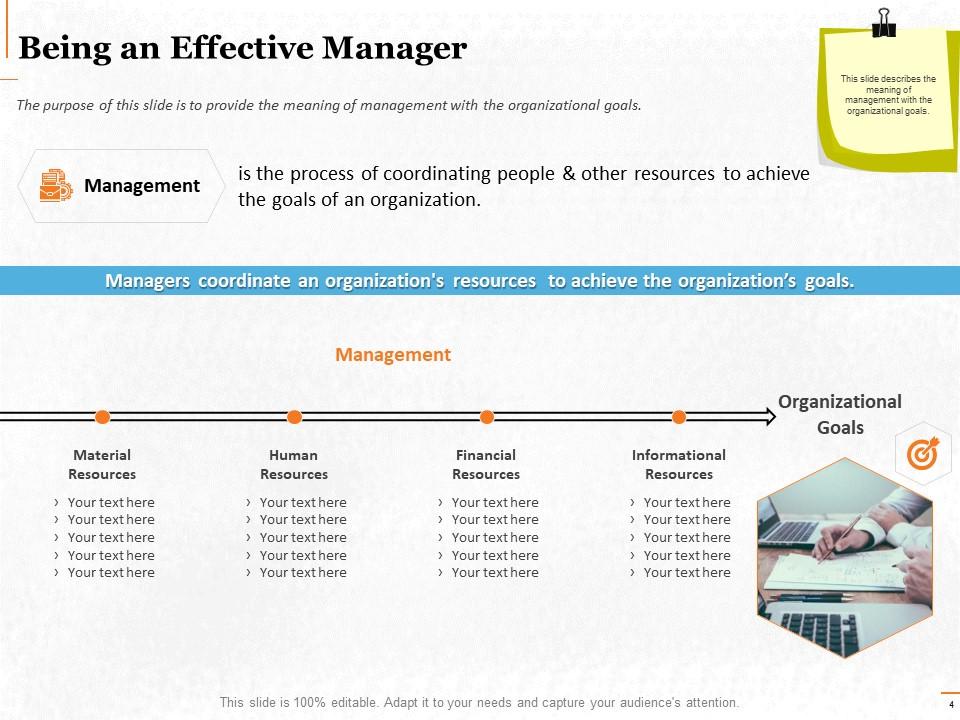
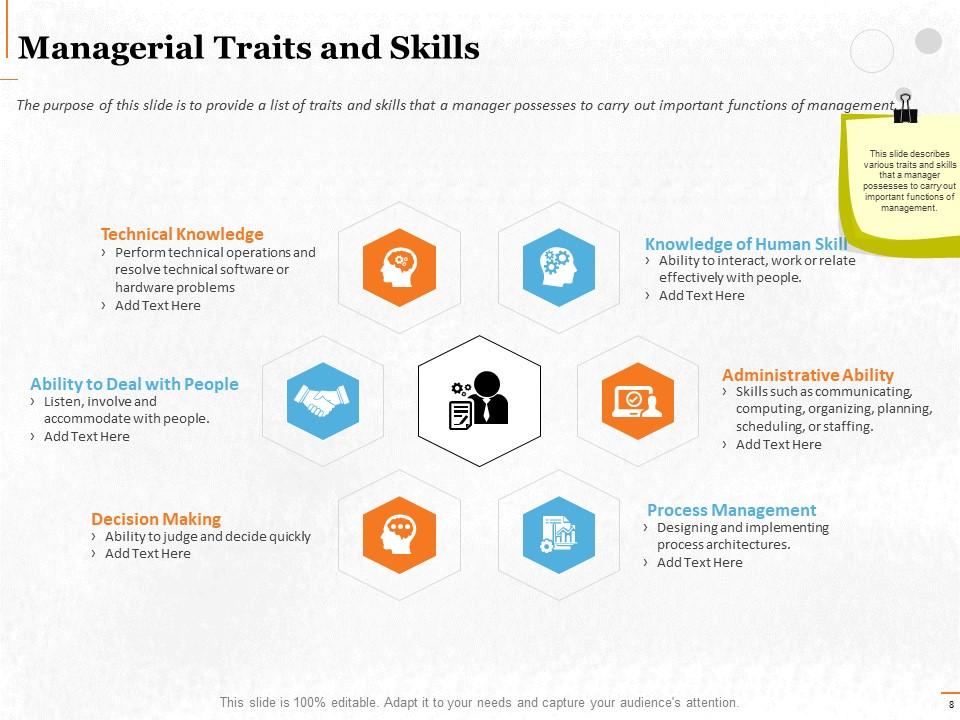
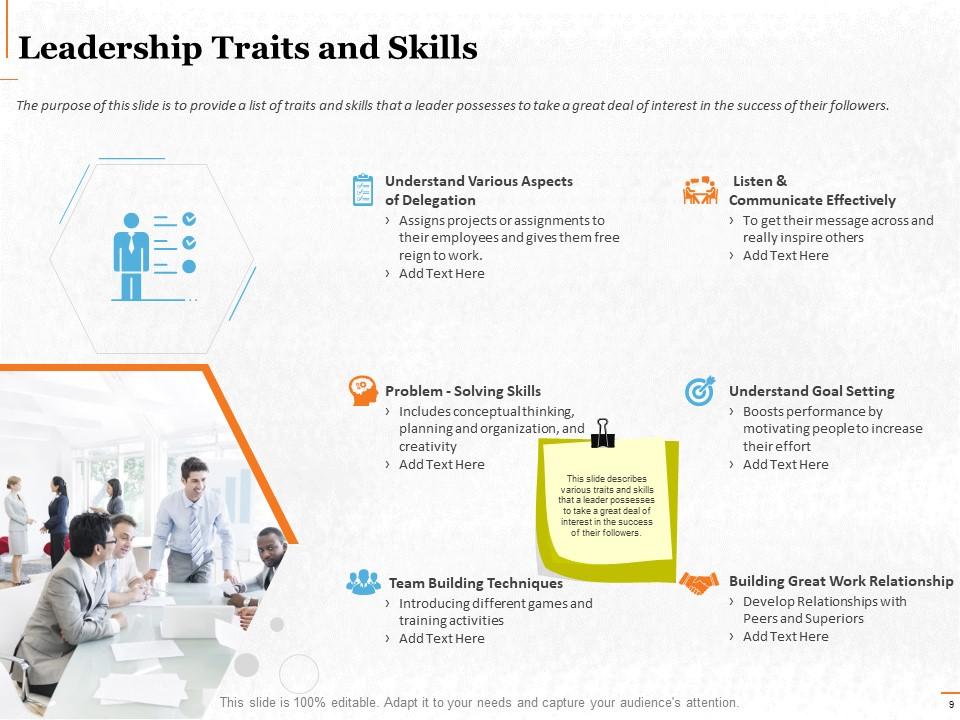
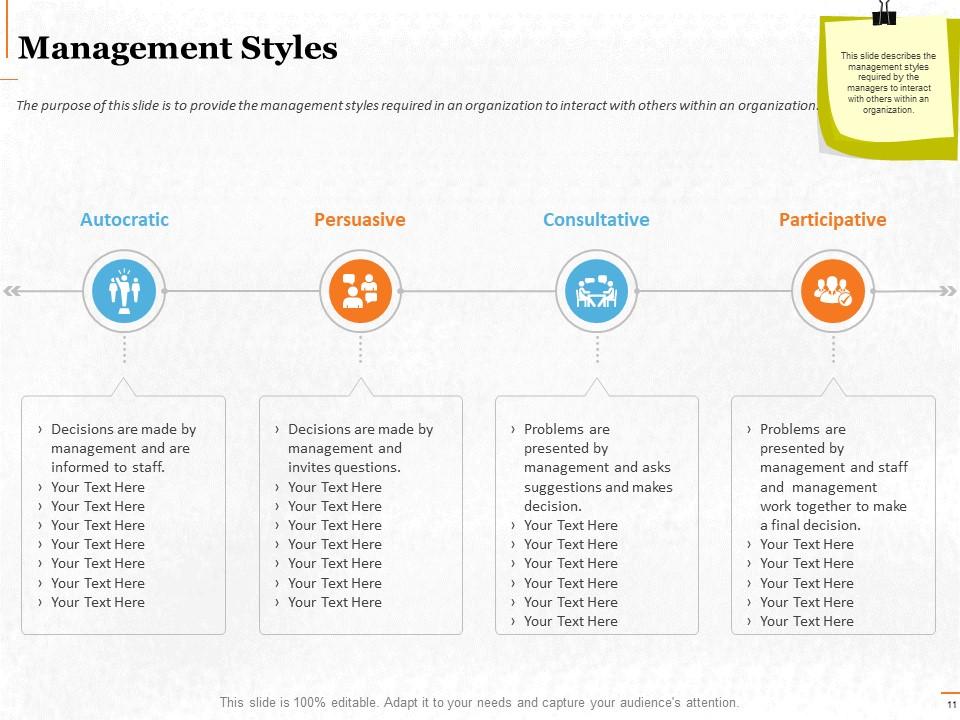
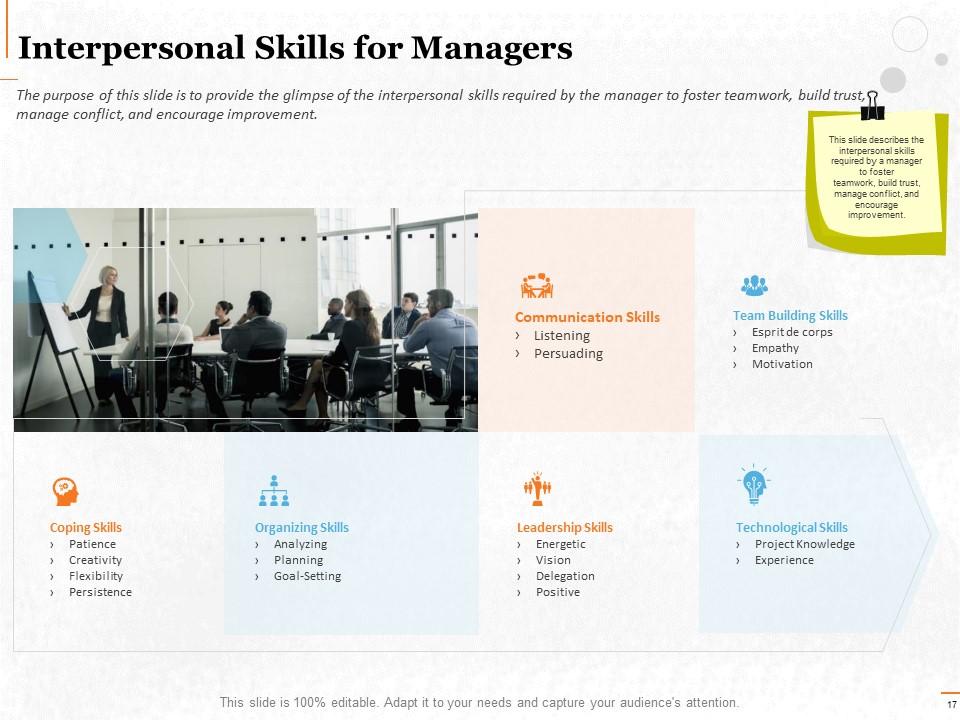
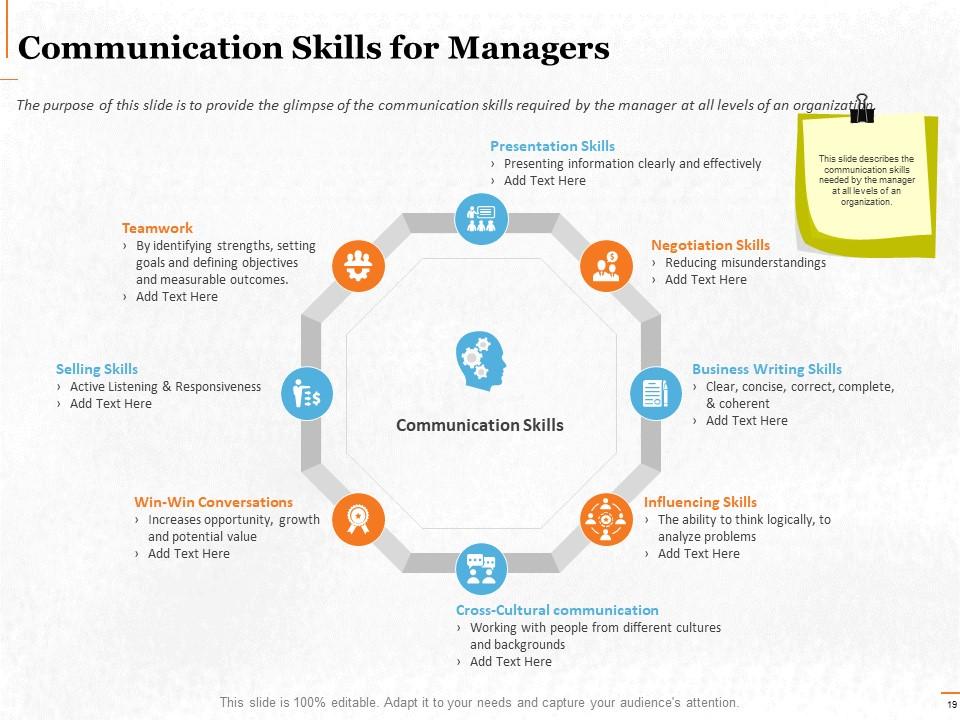
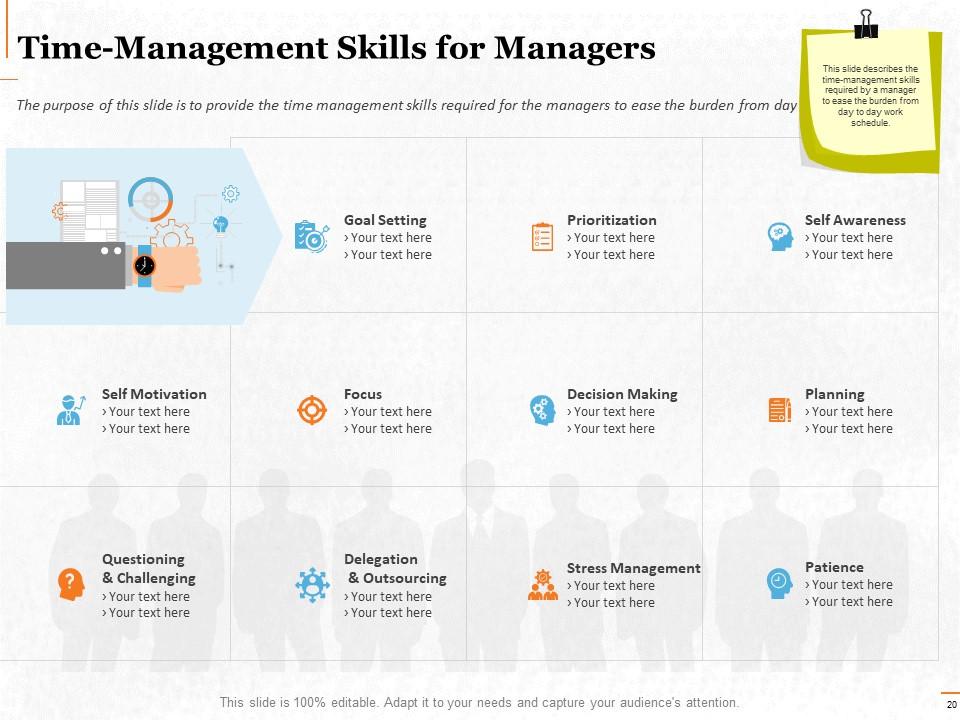
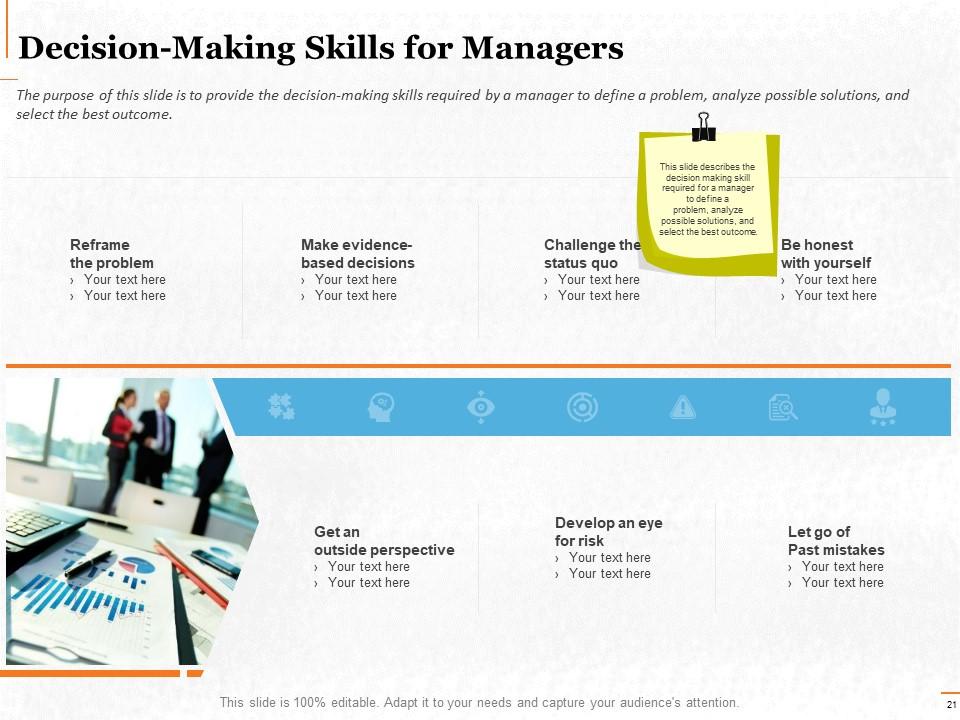
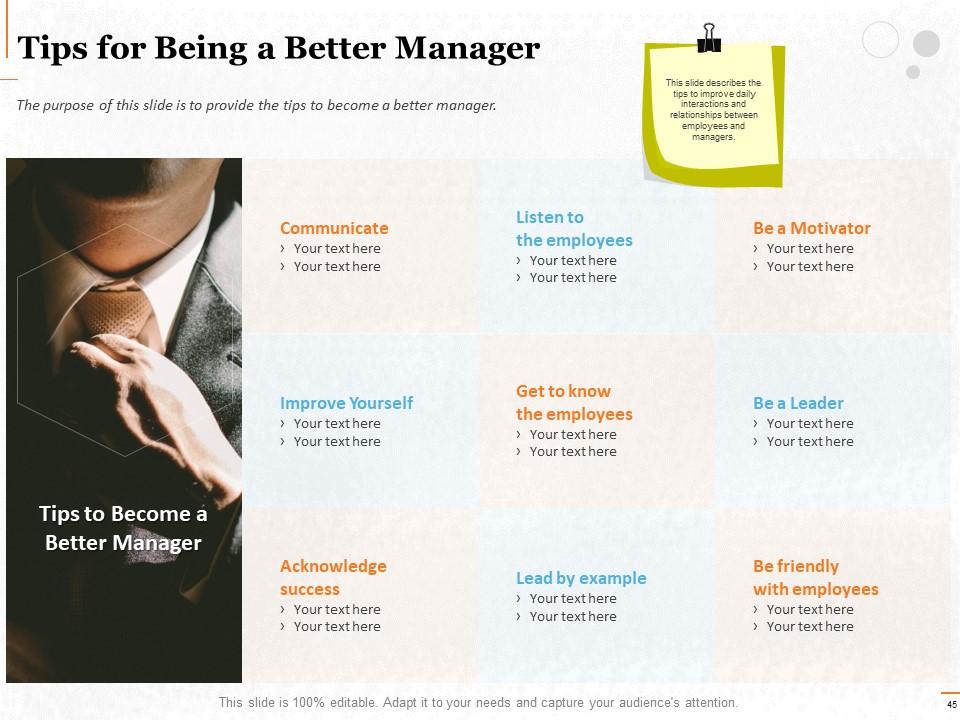
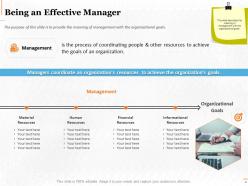
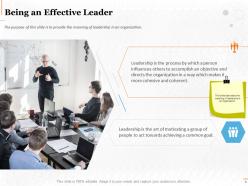
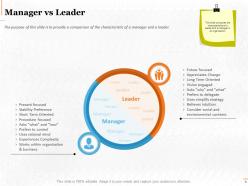
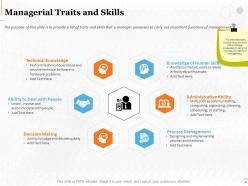
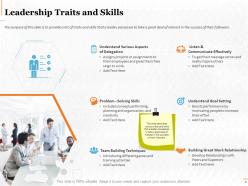
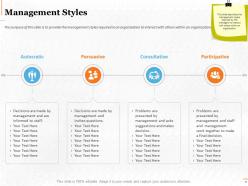
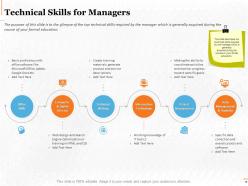
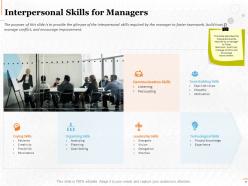
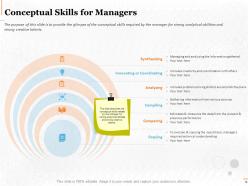
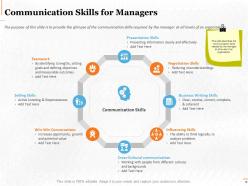
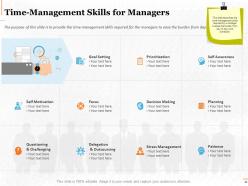
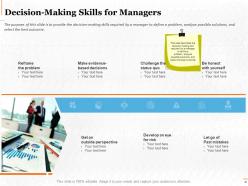
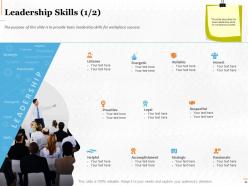
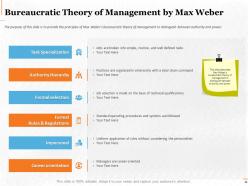
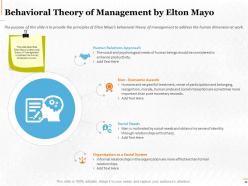
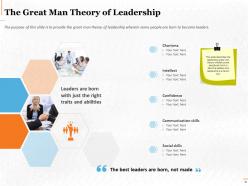
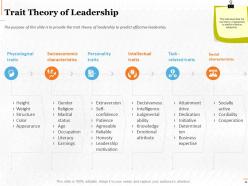
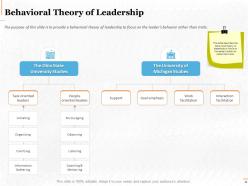
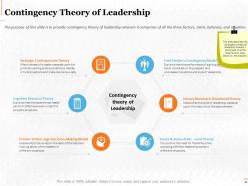
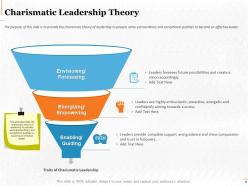
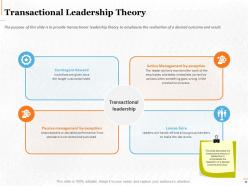
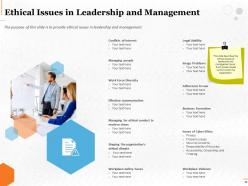
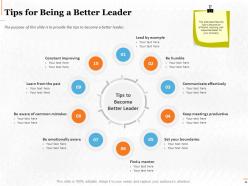
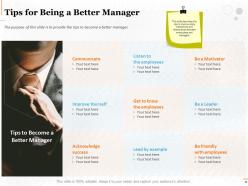
Talk about the process of coordinating with people and other resources to achieve the goals of an organization with the aid of our content-ready Leadership And Management PowerPoint Presentation Slides. Describe the importance of leadership in an organization by using this professionally designed PowerPoint complete deck. Take advantage of this visually appealing PPT slideshow to demonstrate managerial traits and skills such as technical knowledge, ability to deal with people, decision-making, and process management in an impressive manner. The topic-specific leadership in management PowerPoint presentation is helpful to describe skills and traits that a leader possesses like problem-solving skills, team-building techniques, understanding goal setting, and building great work relationships, etc. You can also use the PPT slides to list down the management styles required in an organization like autocratic, persuasive, consultative participative, etc. Thus download these ready-to-use effective management in business PowerPoint templates to maximize efficiency and productivity. Build grounds for consensus with our Leadership And Management PowerPoint presentation Slides. Moreover, download our fully editable Leadership Powerpoint Presentation Slides according to your needs.
People who downloaded this PowerPoint presentation also viewed the following :
Leadership And Management Powerpoint Presentation Slides with all 51 slides:
Use our Leadership And Management Powerpoint Presentation Slides to effectively help you save your valuable time. They are readymade to fit into any presentation structure.
FAQs for Leadership And Management
Honestly? Adaptability is everything now - things move way too fast for rigid thinking. You'll need solid emotional intelligence too. Remote teams make communication even more critical than before. That whole "command and control" thing your dad's generation loved? Totally dead. Being vulnerable actually helps - like admitting when you're lost on something while still giving clear direction. People need psychological safety to do their best work. Oh, and work on really listening instead of just waiting for your turn to talk. Create space for other people's ideas. Quick pivots when priorities change? Non-negotiable.
First thing - people won't try new stuff if they're scared of getting in trouble. So celebrate the smart failures, not just wins. Give your team actual time to mess around with ideas (I know it feels wasteful but trust me). Stop giving all the answers and ask open questions instead. Get different voices in those brainstorming sessions too. Here's the big one though - cut through the red tape that's killing creativity. Make approval processes faster and let people test small things without jumping through hoops. Oh, and just ask them what's blocking their best ideas right now. They'll tell you.
Look, emotional intelligence really is what makes or breaks leaders. I've watched super smart managers crash and burn because they couldn't handle people stuff - it's honestly painful to see. You gotta read your team's moods and manage your own reactions instead of just blowing up when things get stressful. Good communication during crises? That's gold. Plus empathy and motivation skills directly hit your team's performance and whether people actually stick around. Honestly, just start noticing how your energy affects everyone else's vibe each day. Makes a huge difference.
Set clear expectations upfront, then back off and let them figure it out. I like to give people the destination but let them pick the route - honestly, most people work better that way anyway. Check in regularly but don't breathe down their necks every five minutes. Some team members need more hand-holding than others, so you'll have to read the room. Weekly office hours work great - people can drop by when they're stuck without feeling like you're hovering. They want to know you're around if things go sideways, but they don't want constant supervision.
Honestly, you've got to talk way more than feels normal. I always start meetings asking how people actually are - not just the polite version. One-on-ones are huge for catching problems before they explode. The tricky part is recreating those random hallway conversations. Maybe throw up a fun Slack channel or do optional coffee video calls? Sounds cheesy but it works. Set super clear deadlines too since everyone's working in their own bubble. And celebrate stuff publicly - people need that validation even more when they're home alone all day. It's basically scheduling all the spontaneous office stuff that used to just happen.
Communication really is everything when you're leading people. Your team needs to actually understand what you want from them, right? Clear, consistent messages build trust and keep everyone on the same page. But here's the thing - listening matters just as much as talking. Maybe even more, honestly. When communication breaks down, that's when you get all the confusion and "wait, what?" moments that kill productivity. I'd suggest checking in regularly with your team about work stuff and also how they feel about your communication style. It makes a huge difference.
Honestly, the magic happens when you actually listen to different viewpoints instead of letting the same loud voices run every meeting. I've seen teams come up with brilliant ideas they never would've thought of otherwise - it's wild how much creativity you're missing when everyone thinks alike. Diverse teams just get customers better too, which obviously helps your bottom line. The trick isn't just hiring different people though. You need everyone to feel safe speaking up, not worried they'll get shot down. Maybe start by noticing who never talks in your meetings? Those are probably the voices you're losing.
Honestly, the worst thing you can do is micromanage people - it's so annoying and kills morale. Also dodging tough conversations until they blow up, or trying to be everyone's bestie instead of actually leading. Oh and definitely don't play favorites. My advice? Be super clear about what you expect, then back off and let them work. Have awkward conversations early before things get messy. You can be cool without being a doormat, you know? Pick whichever one of these you're guilty of and just focus on fixing that first.
Honestly, mix hard numbers with actual conversations. Check your productivity rates, project timelines, quality scores - that stuff matters. But the real gold is in one-on-ones and team feedback. Are people staying or bailing? That tells you everything. I'd start doing monthly check-ins where you straight-up ask "what's working, what sucks about how I manage you?" Sounds scary but you'll learn way more than any spreadsheet. Oh, and 360 reviews are clutch if your company does them.
Honestly, I'd say adaptability is huge - things change constantly and you've got to roll with it. Communication matters too, like being upfront even when you don't have everything figured out yet. People appreciate honesty over BS any day. Emotional intelligence helps you gauge how everyone's doing and support them through the chaos. Oh, and making decisions with incomplete info is just part of the job unfortunately. Maybe pick one to work on this week? I'd probably start with being more transparent in your team updates - that's usually the easiest win.
Honestly, mentorship is like having a cheat code for developing leaders. You get this personalized guidance that beats generic training programs every time. Real conversations teach people way more than sitting through boring presentations - trust me on that one. The knowledge transfer happens naturally when you pair experienced leaders with high-potential employees. It's specific to your actual company culture too, not some textbook scenario. Your mentors stay sharp from teaching and usually learn something new from their mentees. I'd say start with just a few pairs first. See what clicks before you go all-in.
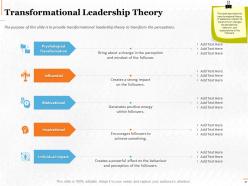
Honestly, transformational leadership is a game-changer for team morale and performance. When you inspire people toward a shared vision instead of just assigning tasks, they actually get energized about their work. Makes sense, right? People crush it when they feel part of something bigger. This approach builds real trust and gets people thinking creatively - plus everyone feels valued as individuals, not just worker bees. You'll see way higher job satisfaction, less turnover, and better results across the board. My advice? Start connecting their daily grind to the bigger mission and actually invest in growing them as people.
Honestly, jump in early before things get messy. Don't pick sides though - that's like relationship suicide in the workplace. Let everyone vent first because people just want to feel heard, you know? I learned this the hard way when I tried rushing to solutions too fast. Focus on what went wrong, not who's being difficult. Most of the time it's just bad communication or people stepping on each other's toes priority-wise. Get them to define the actual problem together first. Once they're working toward the same goal again, solutions usually sort themselves out pretty naturally.
Honestly, consistency is everything - just do what you say you're gonna do. Don't sugarcoat your mistakes either, people see right through that BS. I learned this the hard way watching my old boss try to spin everything. Actually listen to your team instead of waiting for your turn to talk. Follow through on the small stuff too, not just the big promises. Oh and genuinely care about helping them grow - like actually invest time in it. Maybe start writing down what you commit to this week? Sounds nerdy but you'd be surprised how much you forget.
Honestly, data just makes you look way more credible as a leader. Your team stops rolling their eyes when you make decisions because they can see the actual numbers behind your thinking. Plus you'll catch problems before they blow up instead of scrambling later. I mean, gut instincts aren't totally useless - sometimes you just know something's off. But metrics help you predict what'll actually happen and track if your changes are working. Makes the whole job less stressful too since you're not just winging it. Try it with something small first, like tracking one simple thing that affects your team.
-
Great designs, Easily Editable.
-
Informative design.
-
Content of slide is easy to understand and edit.