


Leadership management powerpoint presentation slides
Deliver better results by creating efficiencies with the help of Leadership management powerpoint presentation slides. The elements of a successful leadership training program can be easily presented with this leadership development program PPT visuals. Demonstrate client engagement, market leadership, and business accountability effectively with this succession planning PowerPoint layouts. Highlight the strategies to promote leadership in the workplace by taking advantage of succession planning PPT visuals. You can also describe the significance of good leadership across the organization with this PowerPoint template. Take the assistance of content-ready PPT visuals to depict learning stages, such as experience, observation, reflection, and forming abstract concepts. Essential leadership skills such as problem-solving, decision making, communications, and handling of conflicts can also be illustrated by utilizing our visually appealing PPT slideshow. Thus, download our ready-to-use leadership training program PPT presentation to focus on the organization’s vision.





















-

- Google Slides is a new FREE Presentation software from Google.
- All our content is 100% compatible with Google Slides.
- Just download our designs, and upload them to Google Slides and they will work automatically.
- Amaze your audience with SlideTeam and Google Slides.
-

Want Changes to This PPT Slide? Check out our Presentation Design Services
-

- WideScreen Aspect ratio is becoming a very popular format. When you download this product, the downloaded ZIP will contain this product in both standard and widescreen format.
-

- Some older products that we have may only be in standard format, but they can easily be converted to widescreen.
- To do this, please open the SlideTeam product in Powerpoint, and go to
- Design ( On the top bar) -> Page Setup -> and select "On-screen Show (16:9)” in the drop down for "Slides Sized for".
- The slide or theme will change to widescreen, and all graphics will adjust automatically. You can similarly convert our content to any other desired screen aspect ratio.
Compatible With Google Slides

Get This In WideScreen
You must be logged in to download this presentation.


Do you want to remove this product from your favourites?
PowerPoint presentation slides
It covers all the important concepts and has relevant templates which cater to your business needs. This complete deck has PPT slides on Leadership Management Powerpoint Presentation Slides with well suited graphics and subject driven content. This deck consists of total of seventy nine slides. All templates are completely editable for your convenience. You can change the colour, text and font size of these slides. You can add or delete the content as per your requirement. Get access to this professionally designed complete deck presentation by clicking the download button below.

People who downloaded this PowerPoint presentation also viewed the following :
Content of this Powerpoint Presentation
Slide 1: This slide introduces Leadership Management. State your company name and begin.
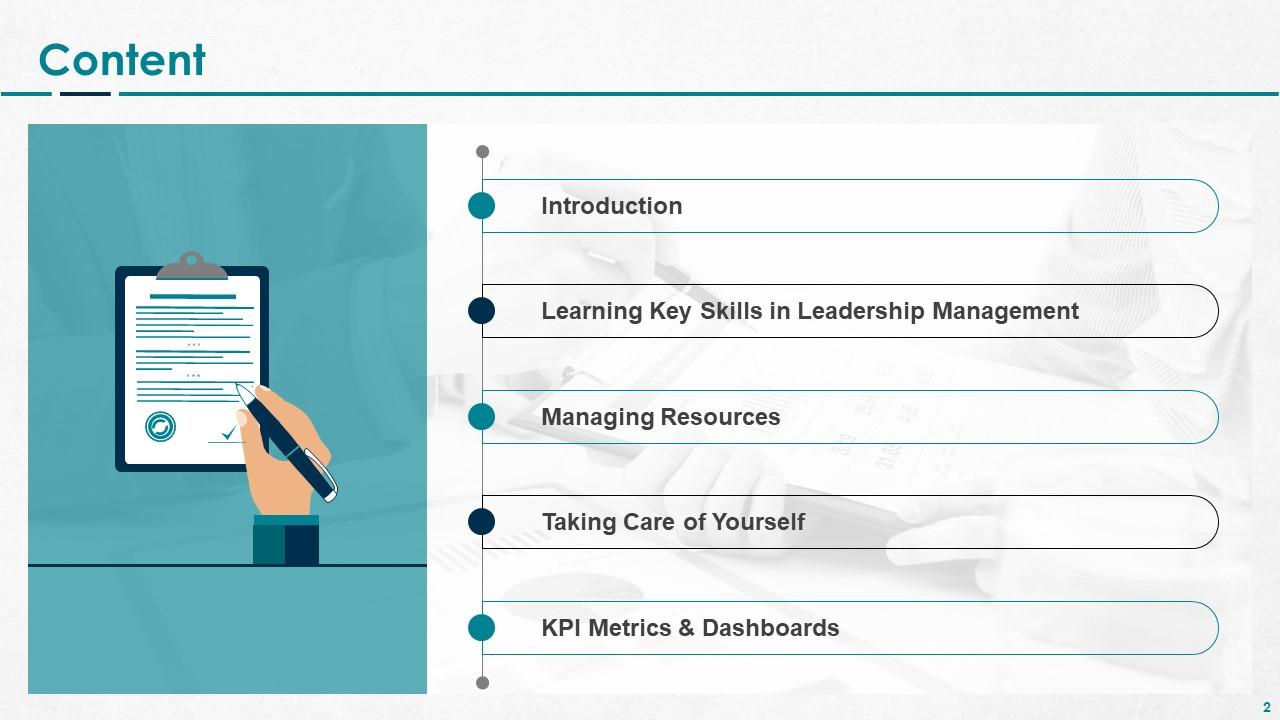
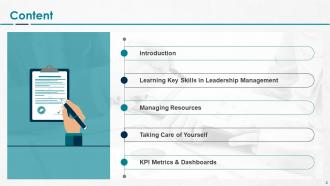
Slide 2: This slide displays the Content of the presentation.
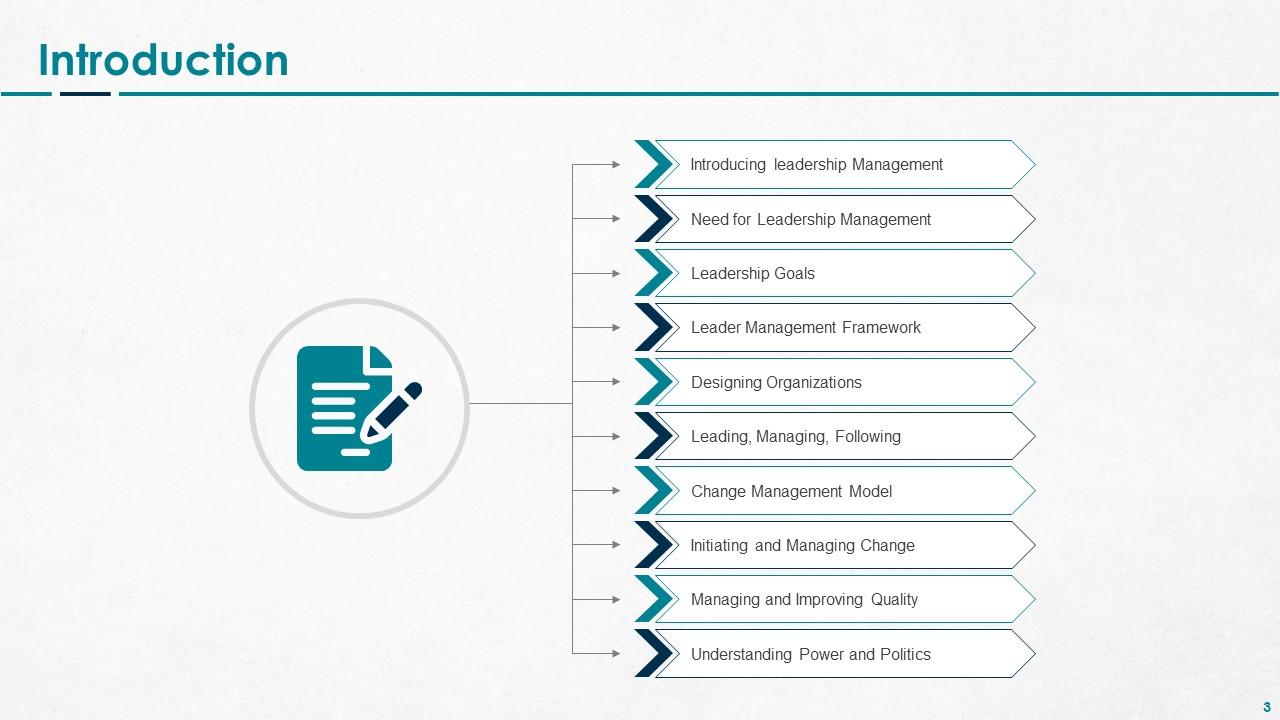
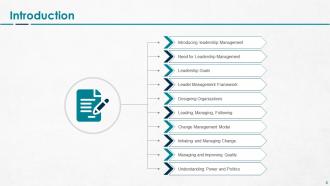
Slide 3: This slide displays the Introduction of the presentation.
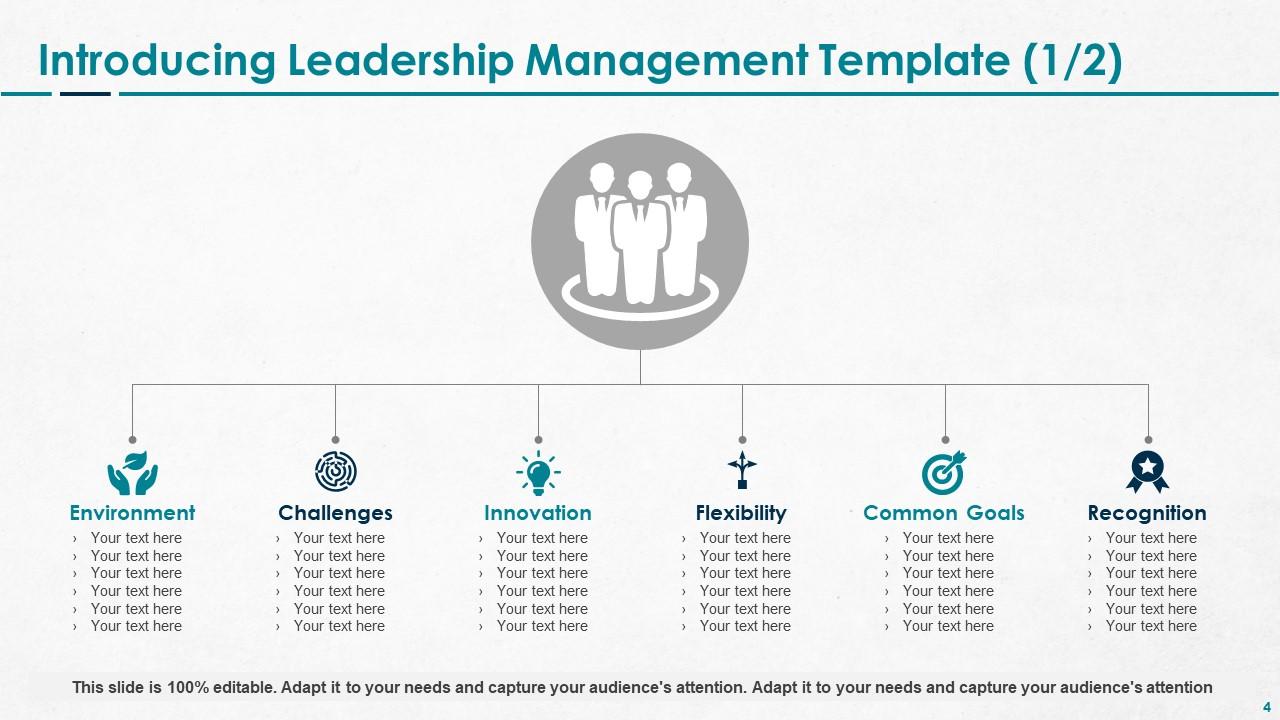
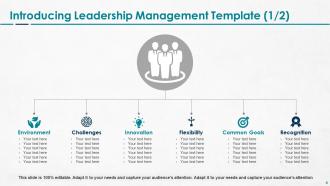
Slide 4: This slide showcases Introducing Leadership Management Template.
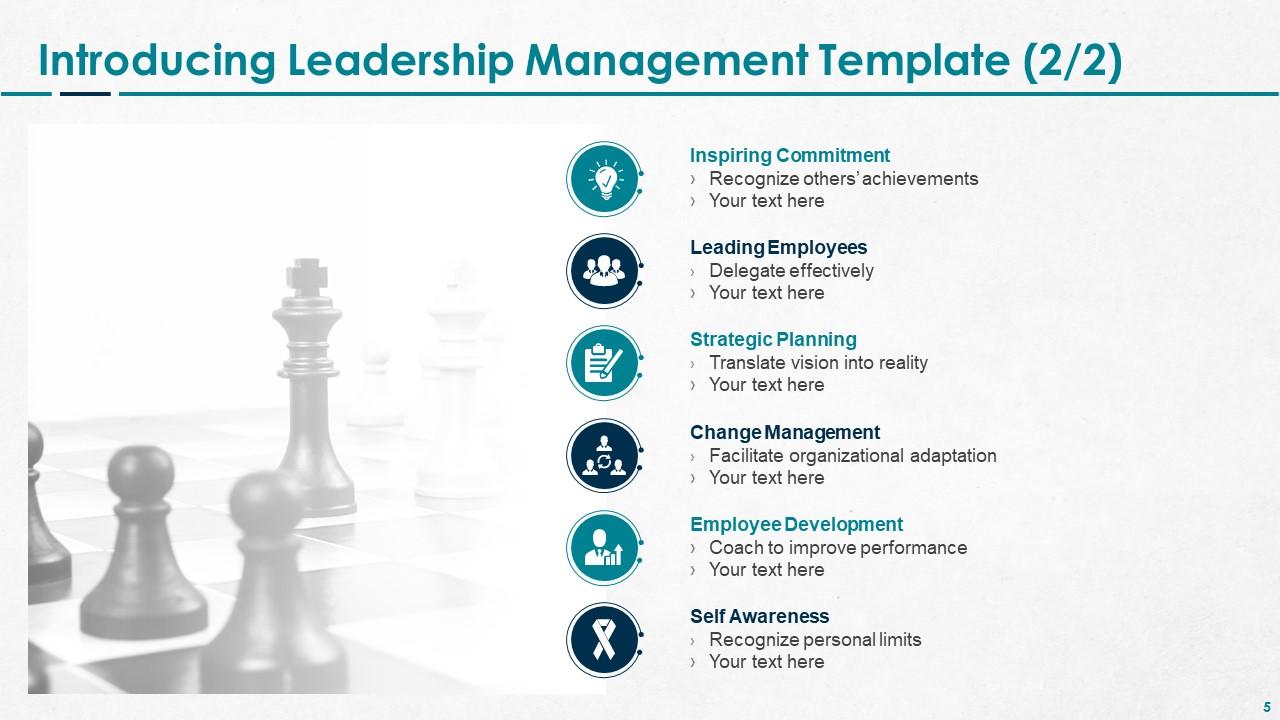
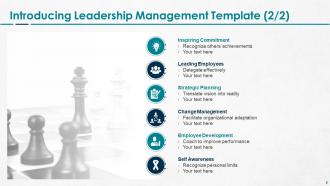
Slide 5: This slide describes Introducing Leadership Management Template with- Inspiring, Commitment, Recognize Others’ Achievements, Leading Employees, Delegate Effectively, Strategic Planning, Translate Vision Into Reality, etc.
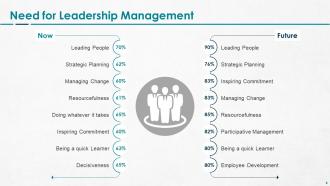
Slide 6: This slide displays Need for Leadership Management.
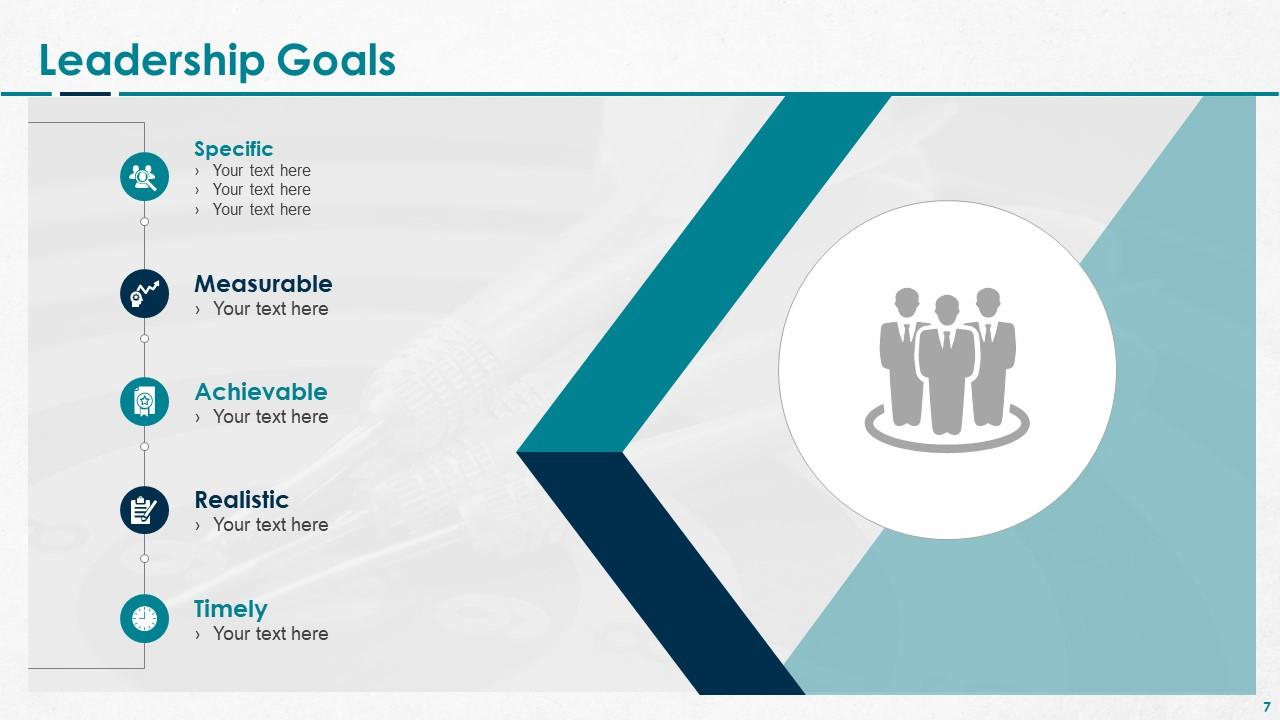
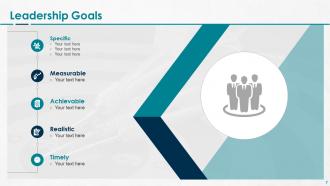
Slide 7: This slide showcases Leadership Goals with- Specific, Measurable, Achievable, Realistic, Timely.
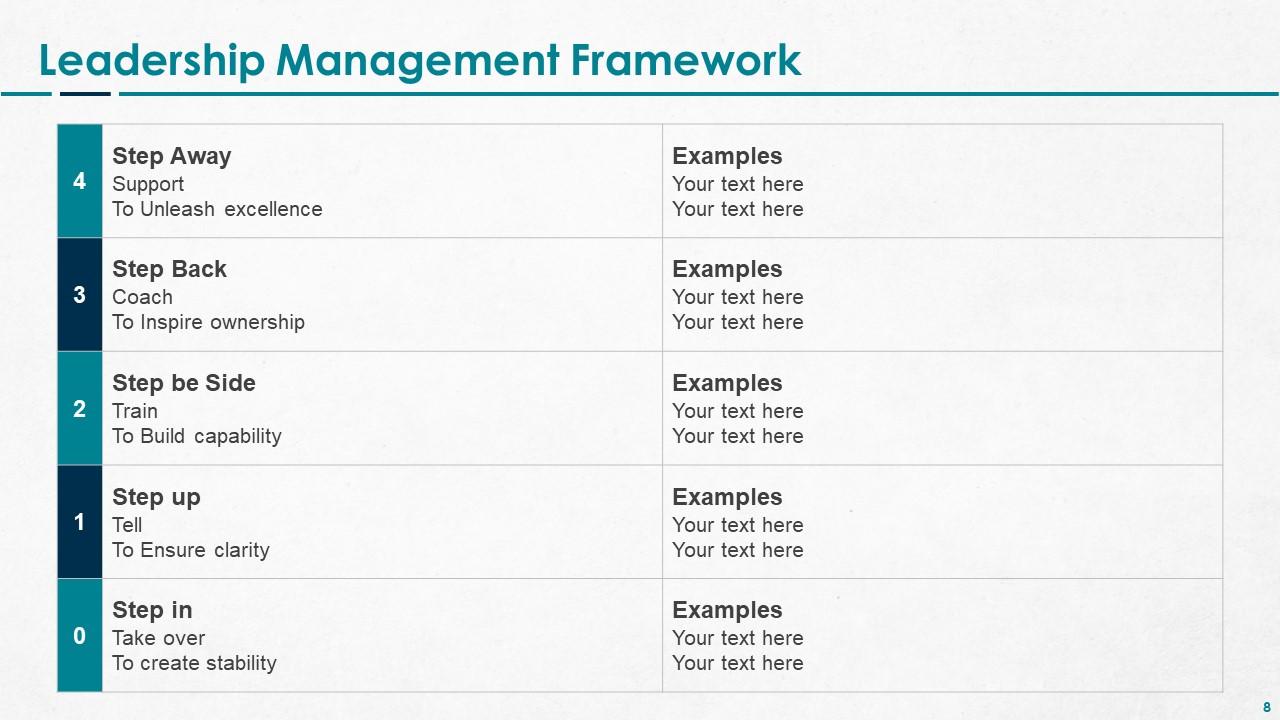
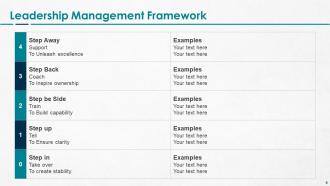
Slide 8: This slide showcases Leadership Management Framework.
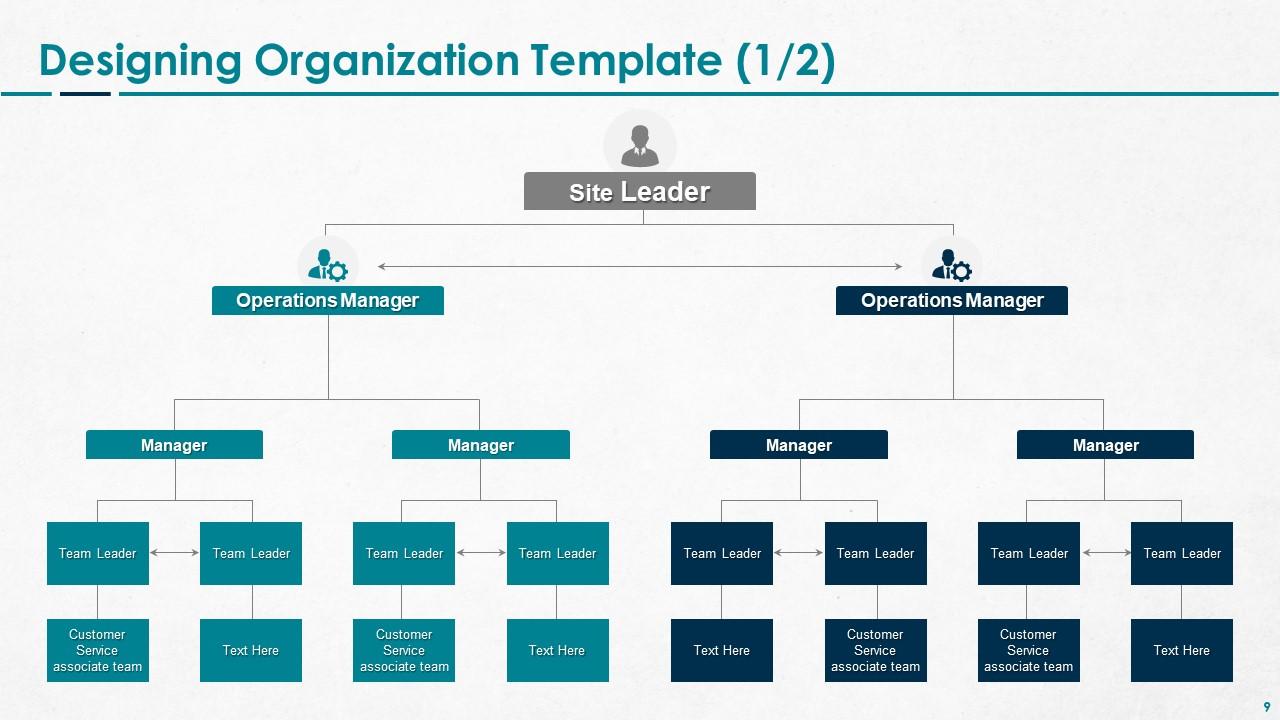
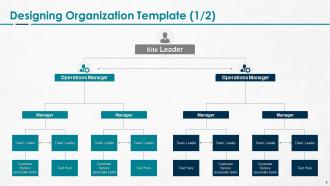
Slide 9: This slide describes Designing Organization Template.
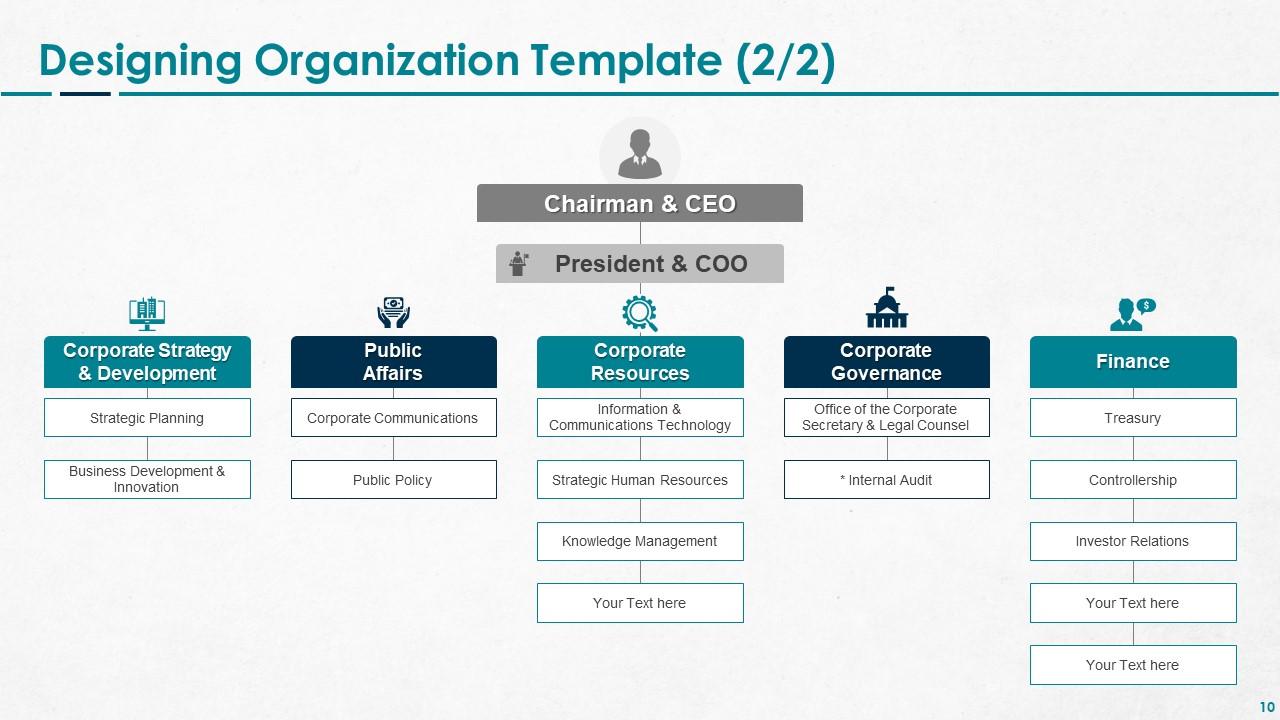
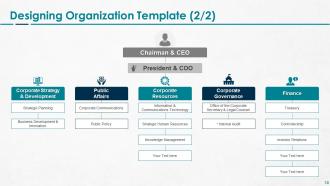
Slide 10: This slide also describes Designing Organization Template with- Chairman & CEO, President & COO, Corporate Strategy & Development, Strategic Planning, Business Development & Innovation, Corporate Governance, Office of the corporate secretary & legal counsel, etc.
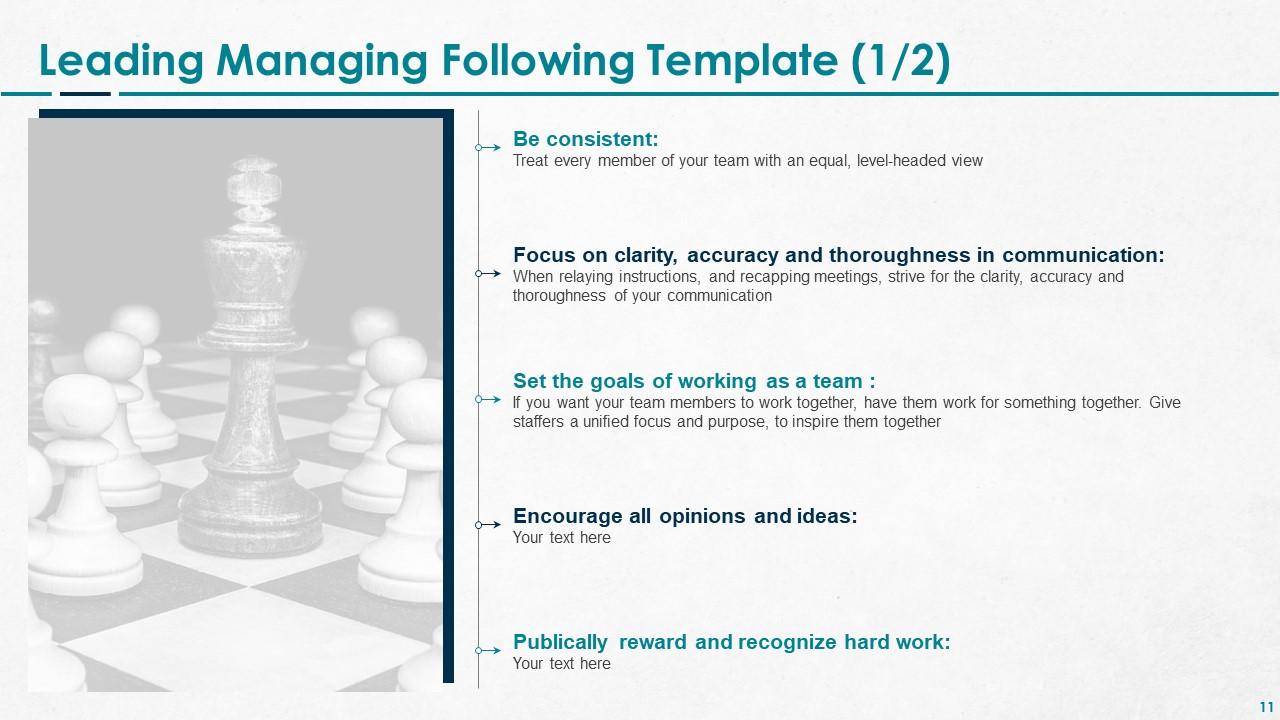
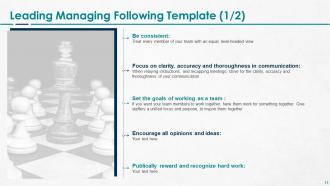
Slide 11: This slide displays Leading Managing Following Template.
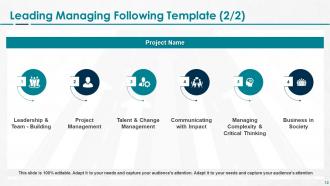
Slide 12: This slide showcases Leading Managing Following Template with- Project Name, Leadership & Team - Building, Project Management, Talent & Change Management, Communicating with Impact, Managing Complexity & Critical Thinking, Business in Society.
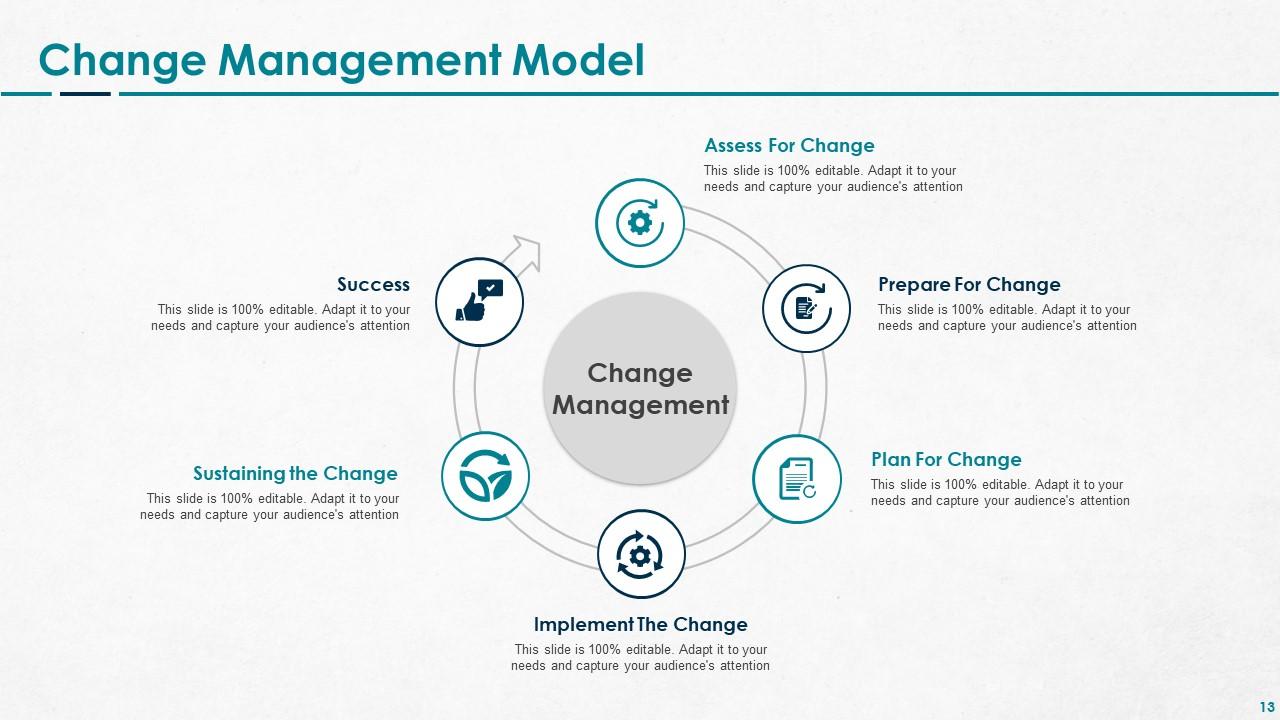
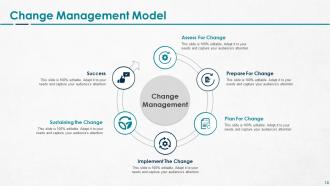
Slide 13: This slide showcases Change Management Model.
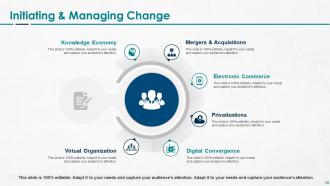
Slide 14: This slide describes Initiating and Managing Change.
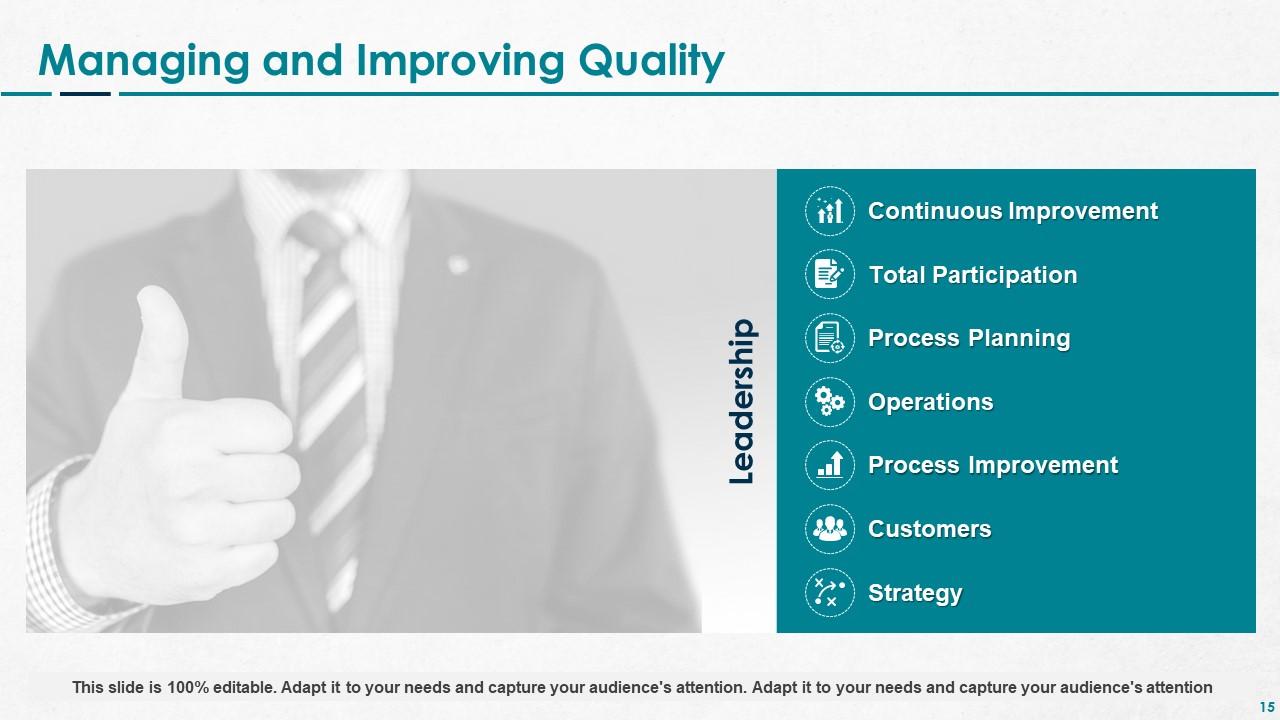
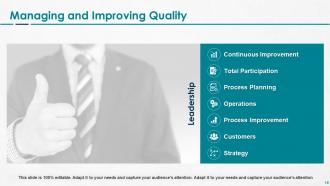
Slide 15: This slide displays Managing and Improving Quality containing- Leadership, Continuous Improvement, Total Participation, Process Planning, Strategy, Operations, Process Improvement, etc.
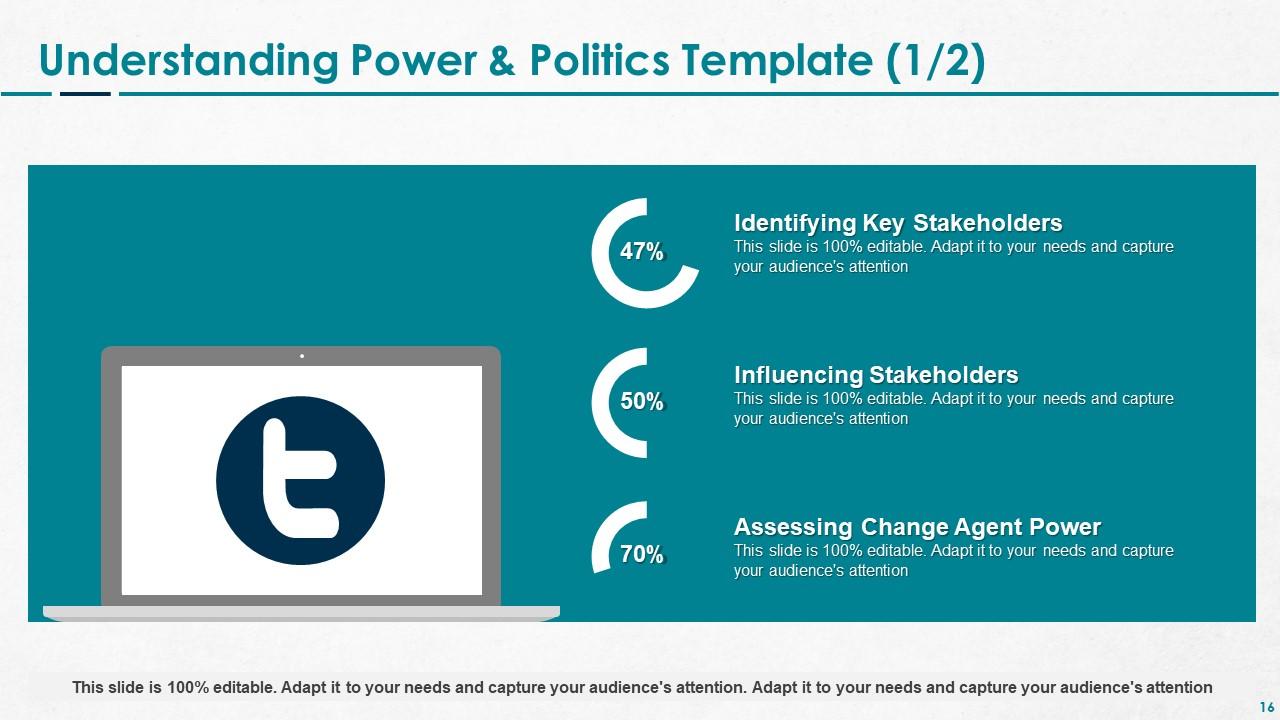
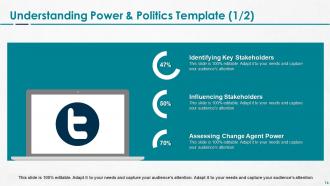
Slide 16: This slide displays Understanding Power & Politics Template.
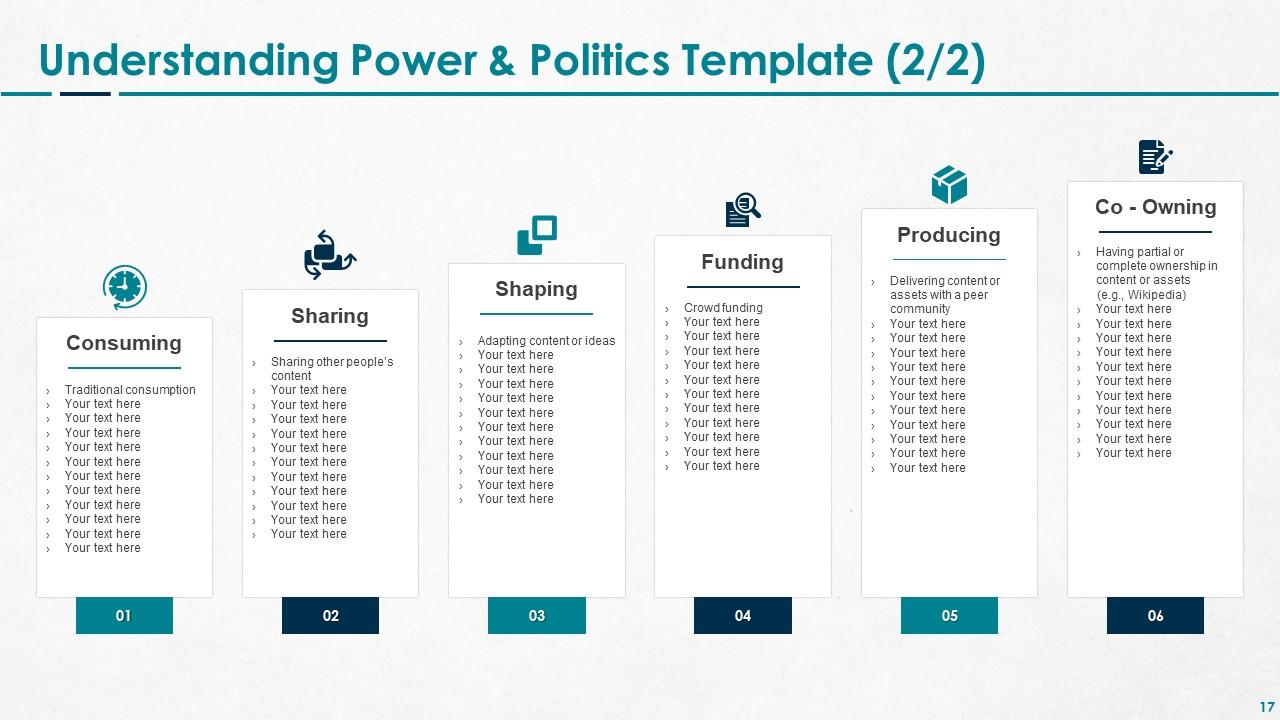
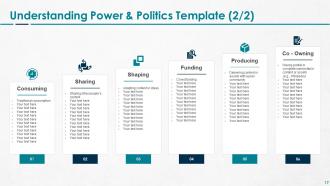
Slide 17: This slide discusses Understanding Power and Politics Template.
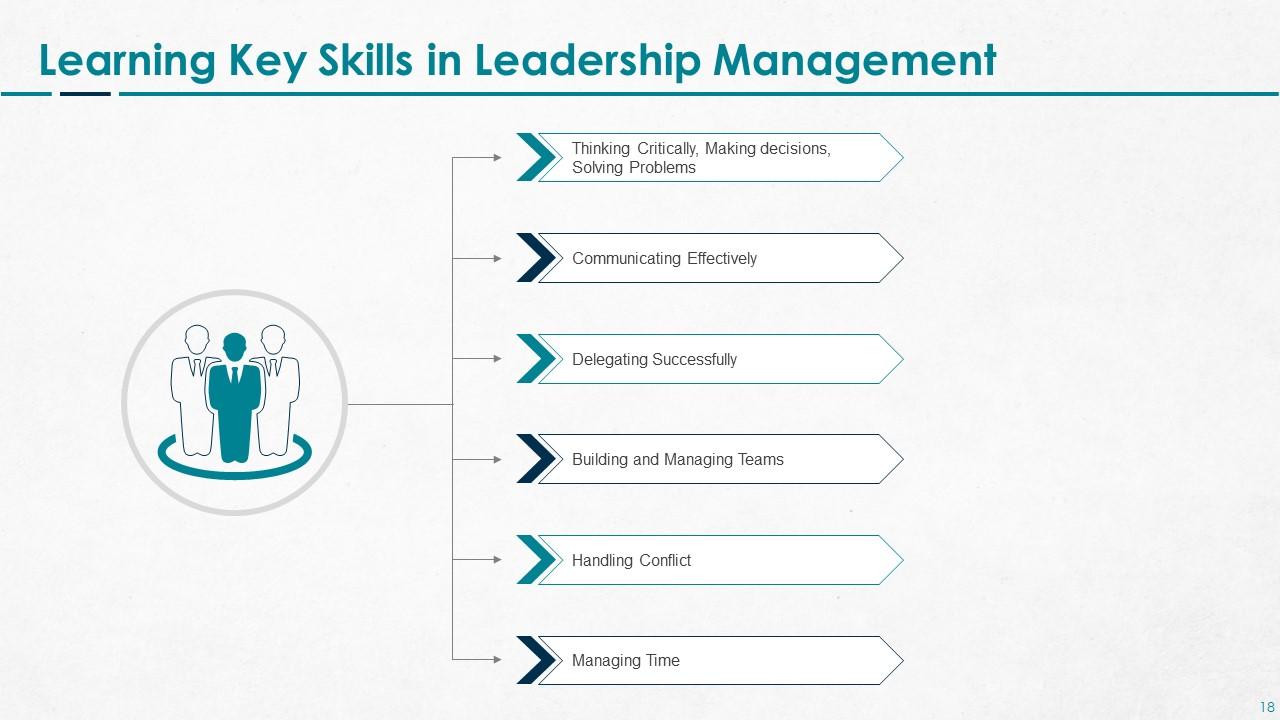
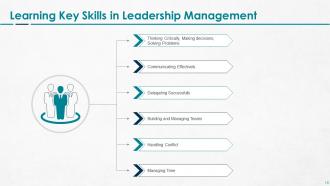
Slide 18: This slide displays Learning Key Skills in Leadership Management.
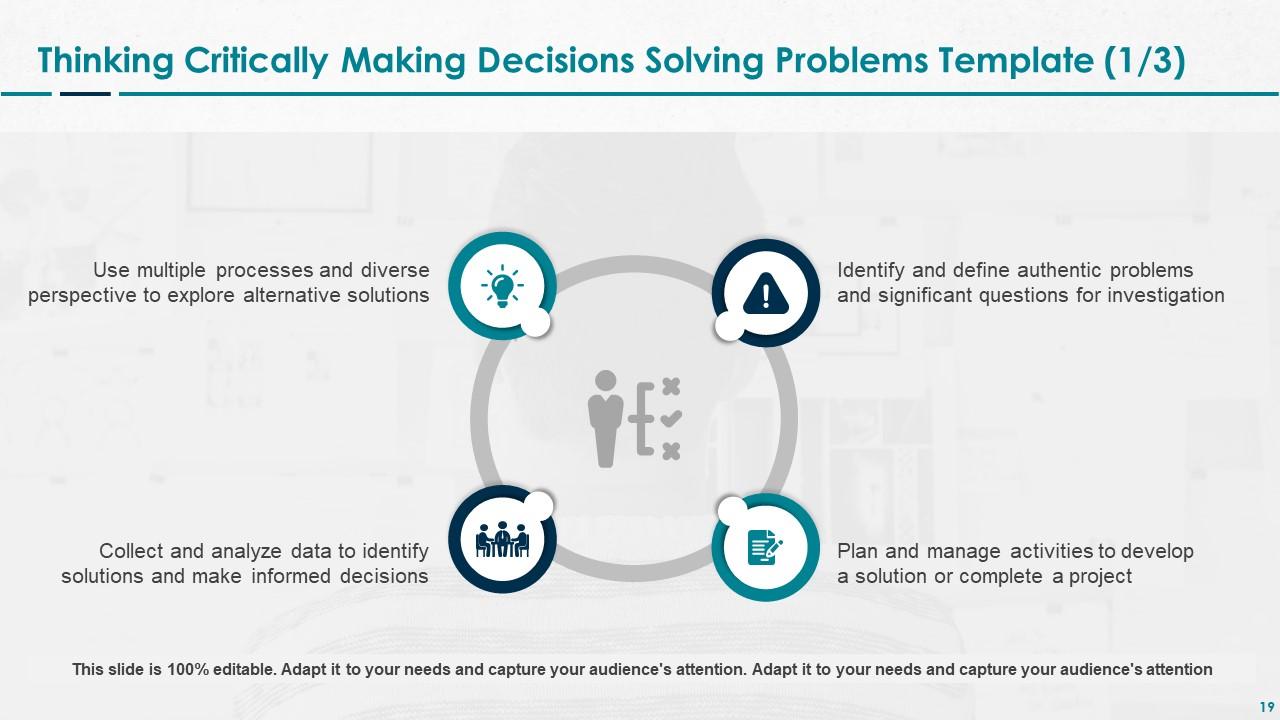
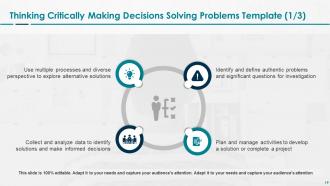
Slide 19: This slide showcases Plan and manage activities to develop a solution or complete a project.
Slide 20: This slide presents Thinking Critically Making Decisions Solving Problems Template.
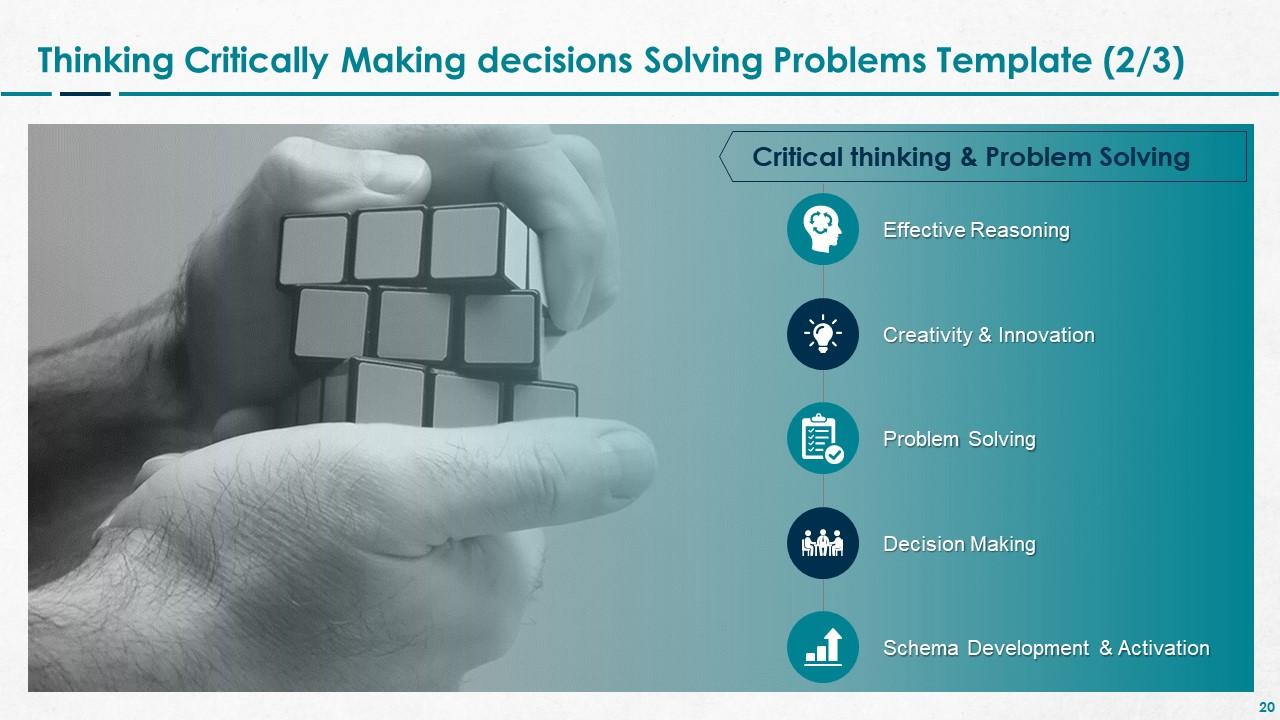
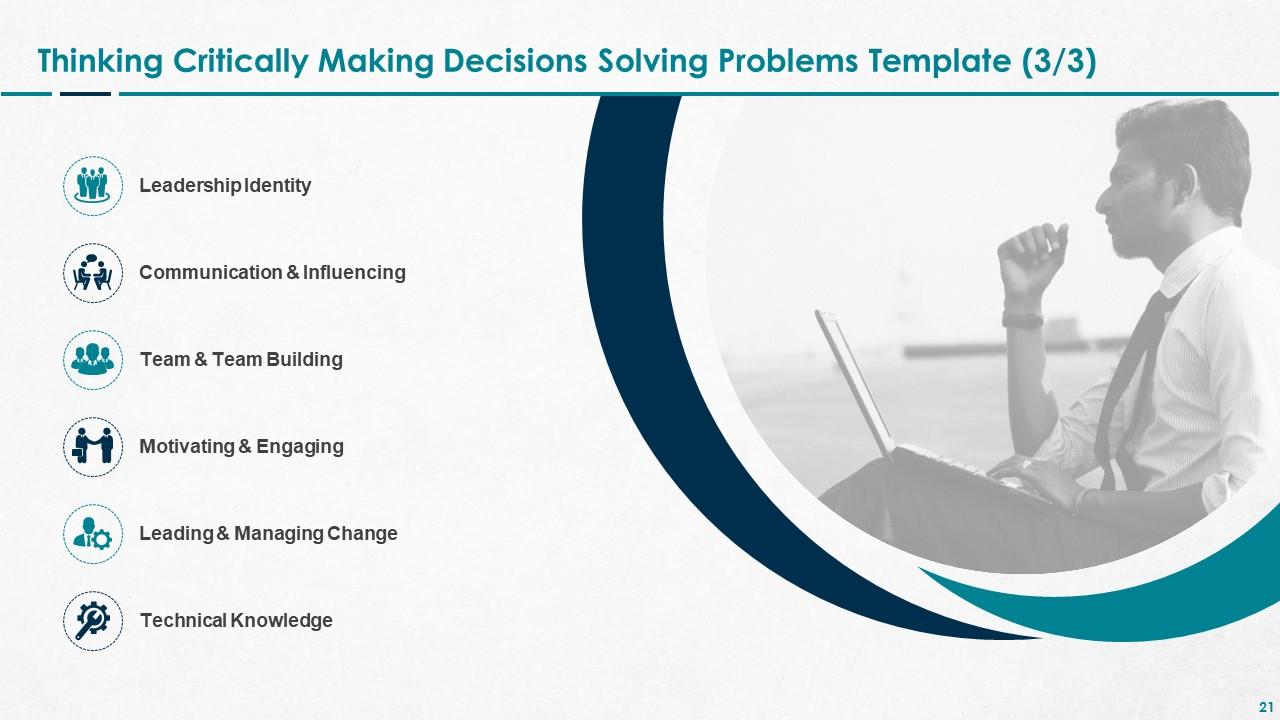
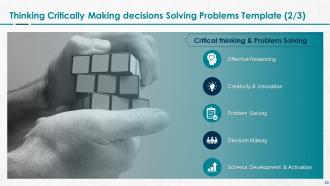
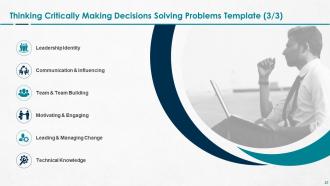
Slide 21: This slide displays Thinking Critically Making Decisions Solving Problems Template.
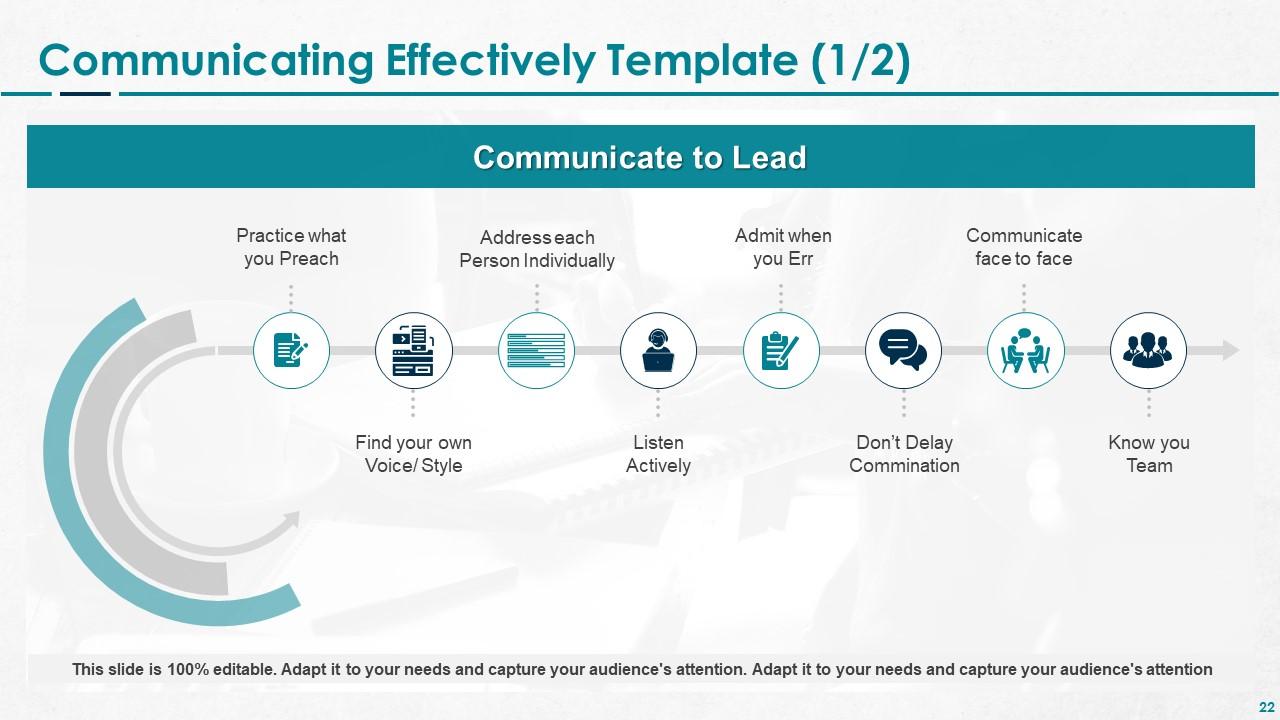
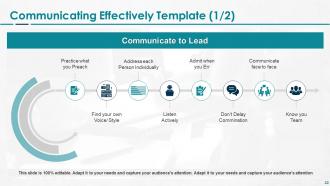
Slide 22: This slide showcases Communicating Effectively Template.
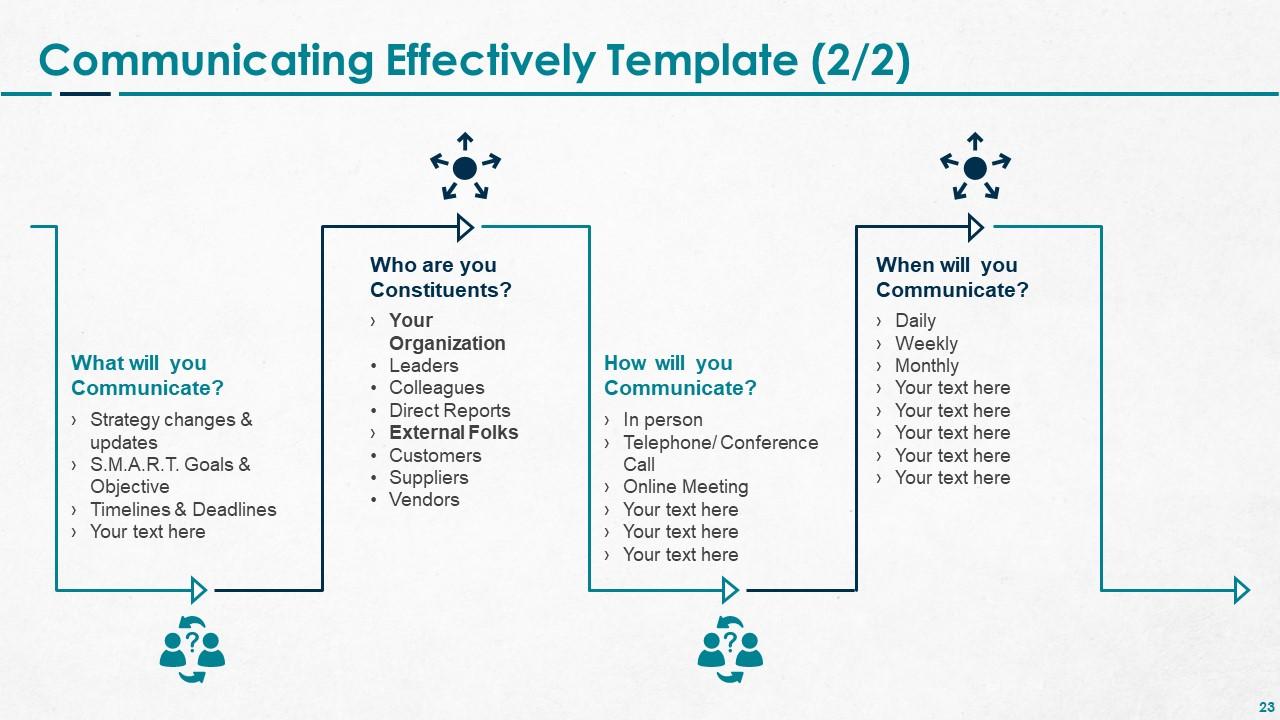
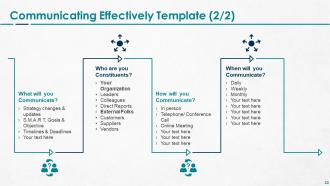
Slide 23: This slide also displays Communicating Effectively Template.
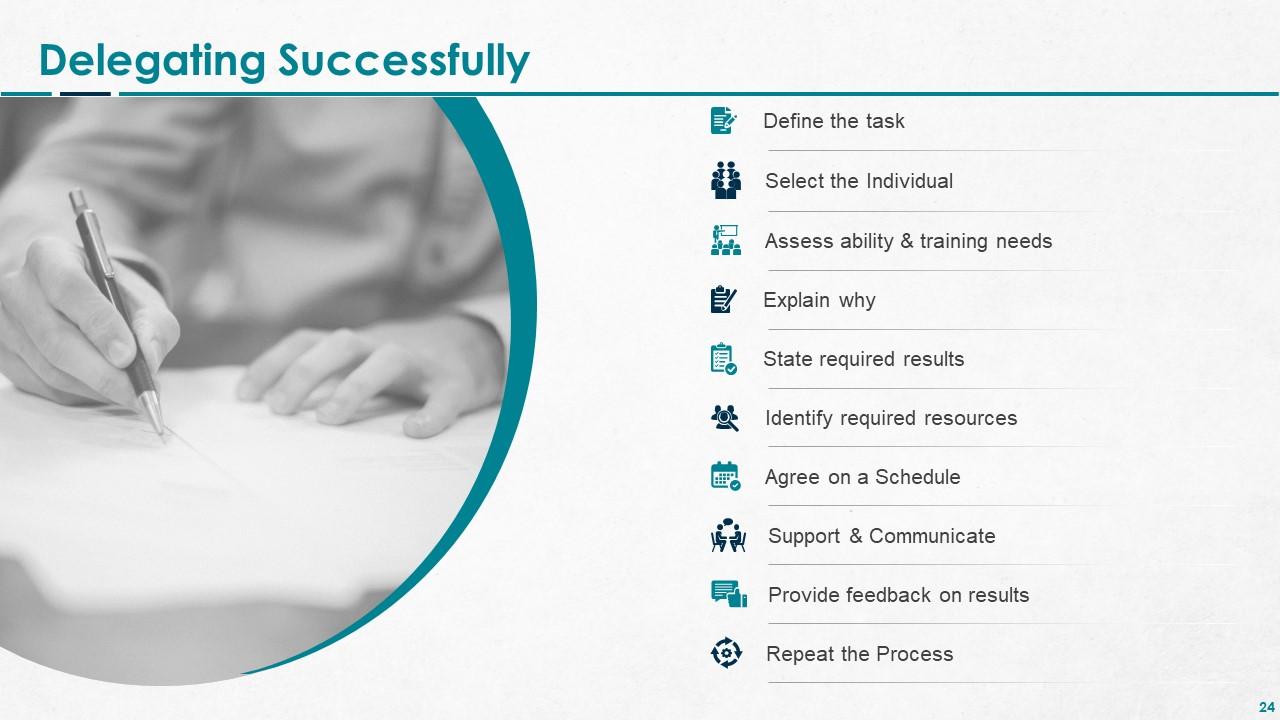
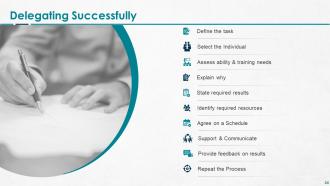
Slide 24: This slide describes Delegating Successfully containing- Define the Task, Select the Individual Assess ability & training needs, State Required Results, Identify Required Resources, etc.
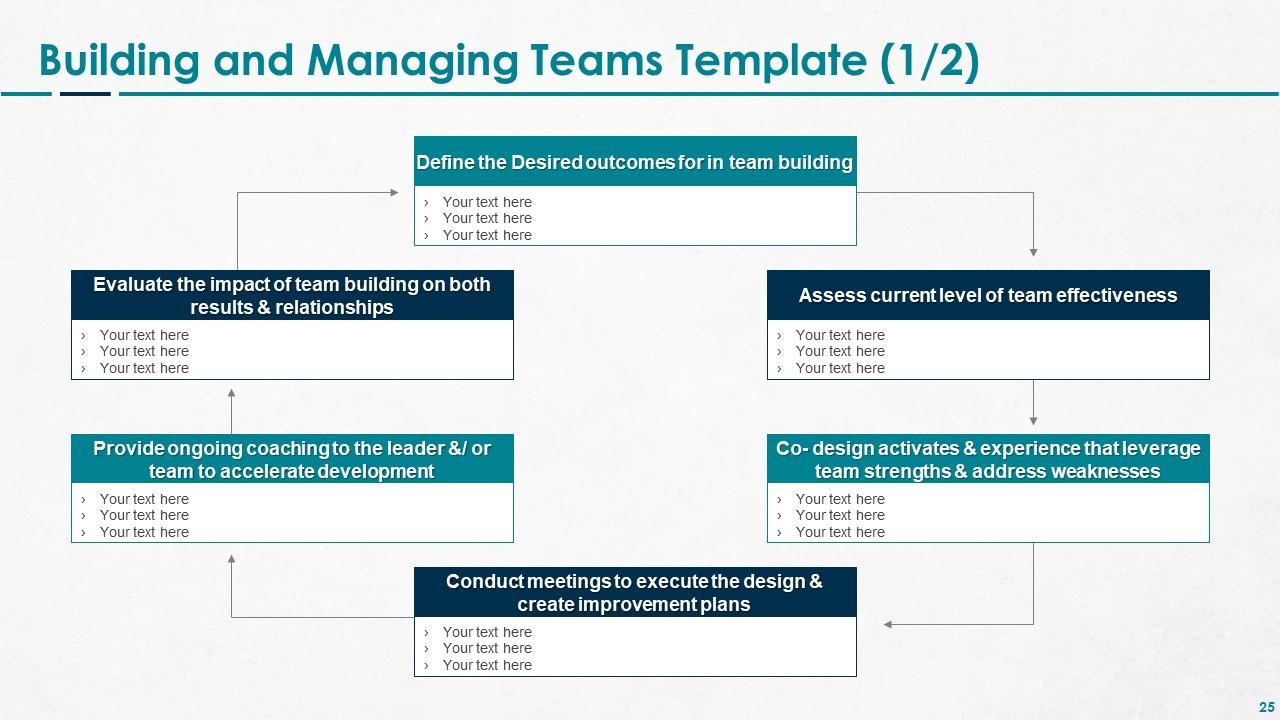
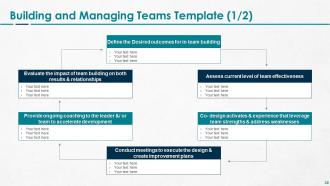
Slide 25: This slide showcases Building and Managing Teams Template.
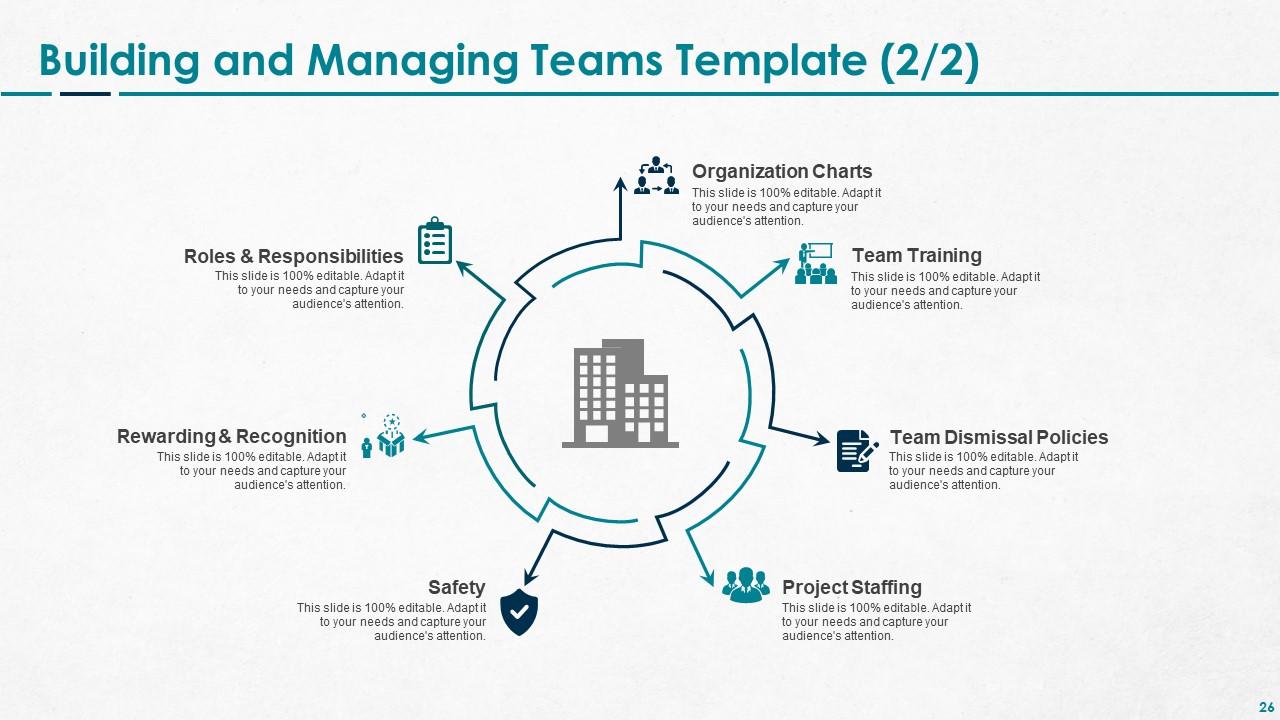
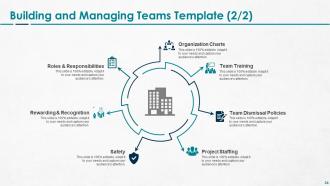
Slide 26: This slide showcases Building and Managing Teams Template with- Organization Charts, Team Training, Team Dismissal Policies, Project Staffing, Safety, Rewarding & Recognition, Roles & Responsibilities.
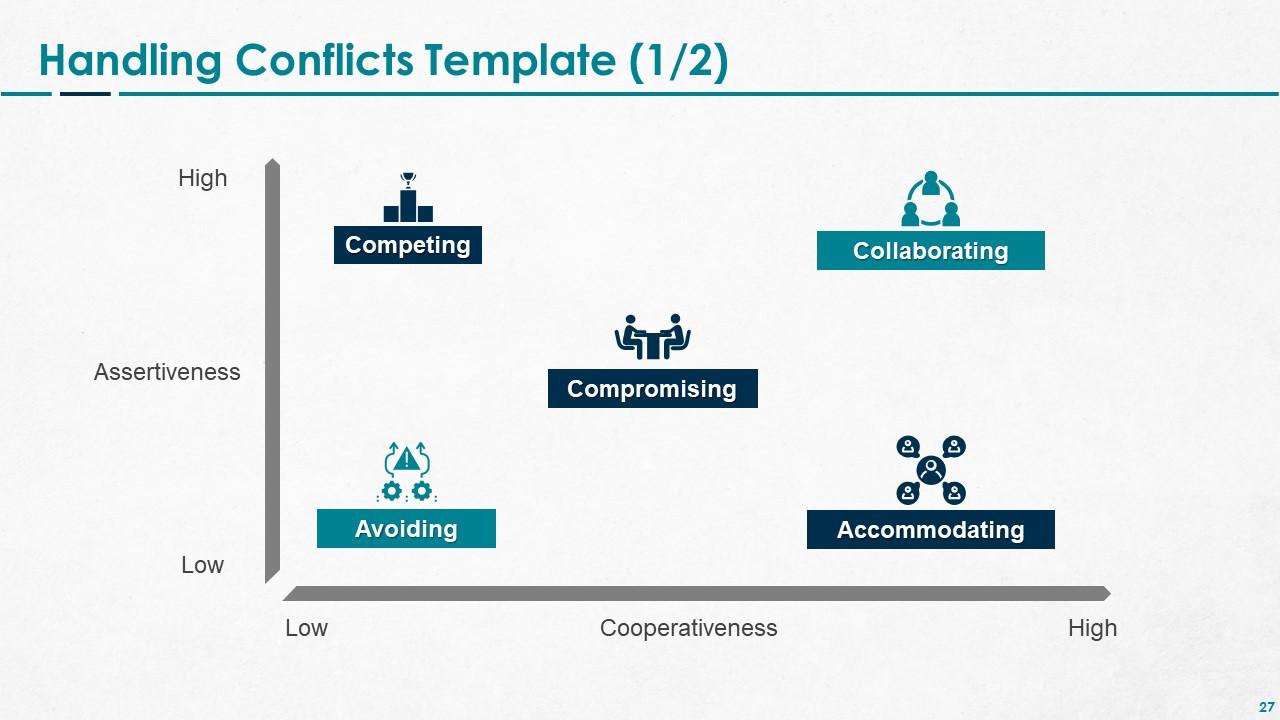
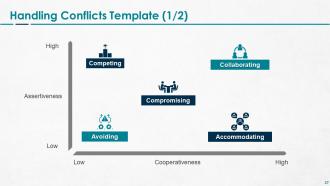
Slide 27: This slide showcases Handling Conflicts Template.
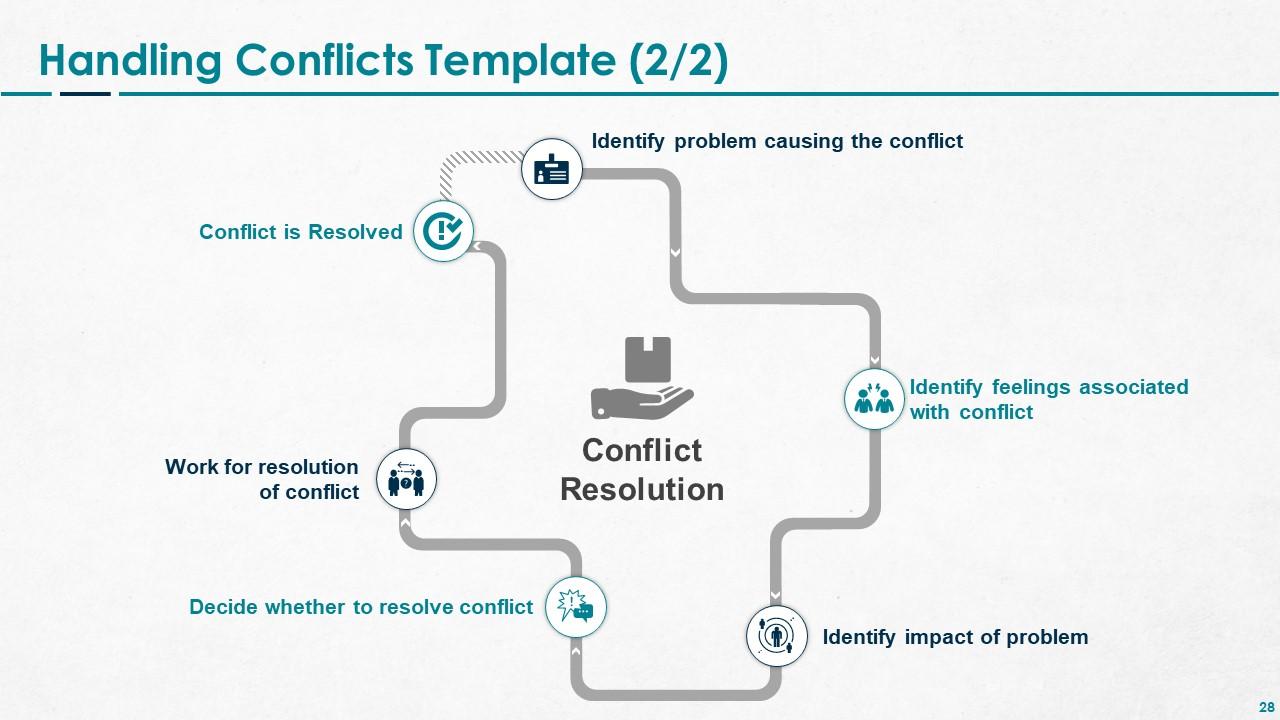
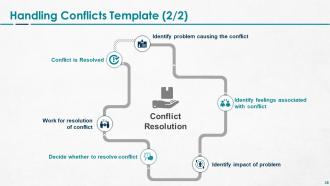
Slide 28: This slide displays Handling Conflicts Template with Conflict Resolution.
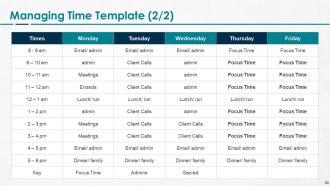
Slide 29: This slide displays Managing Time Template.
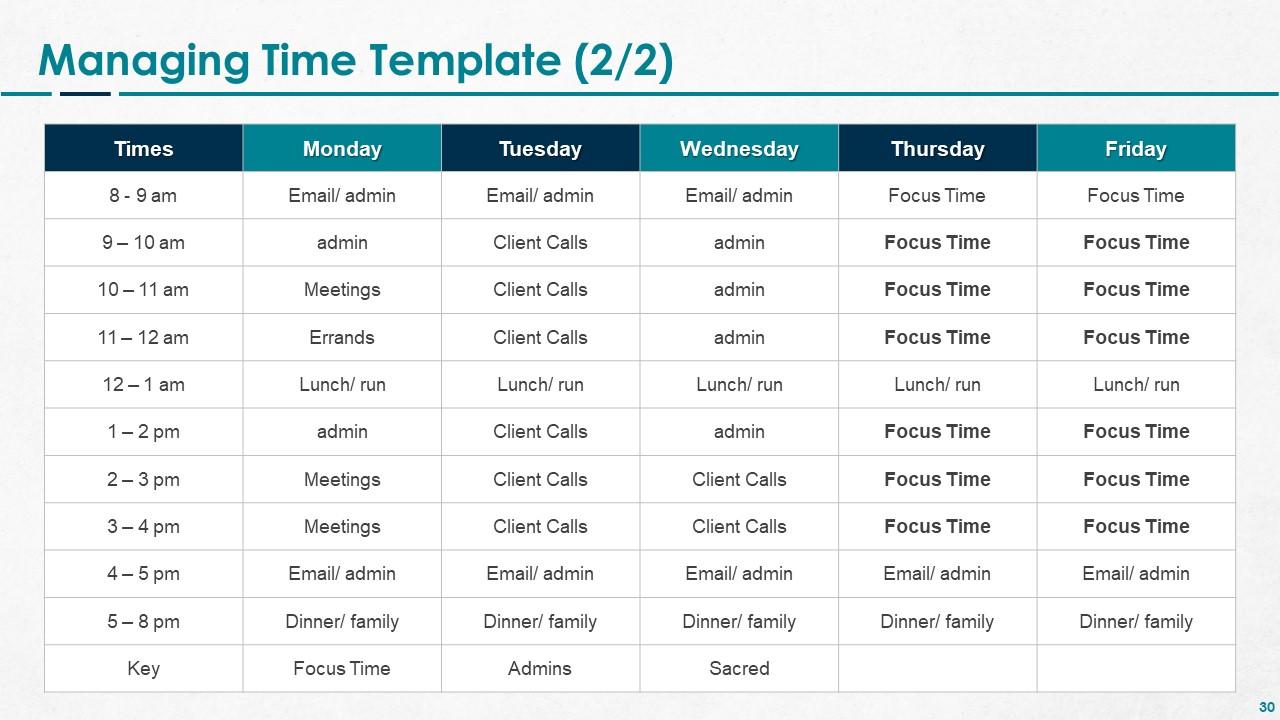
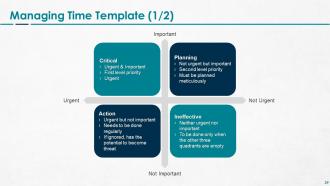
Slide 30: This slide also displays Managing Time Template.
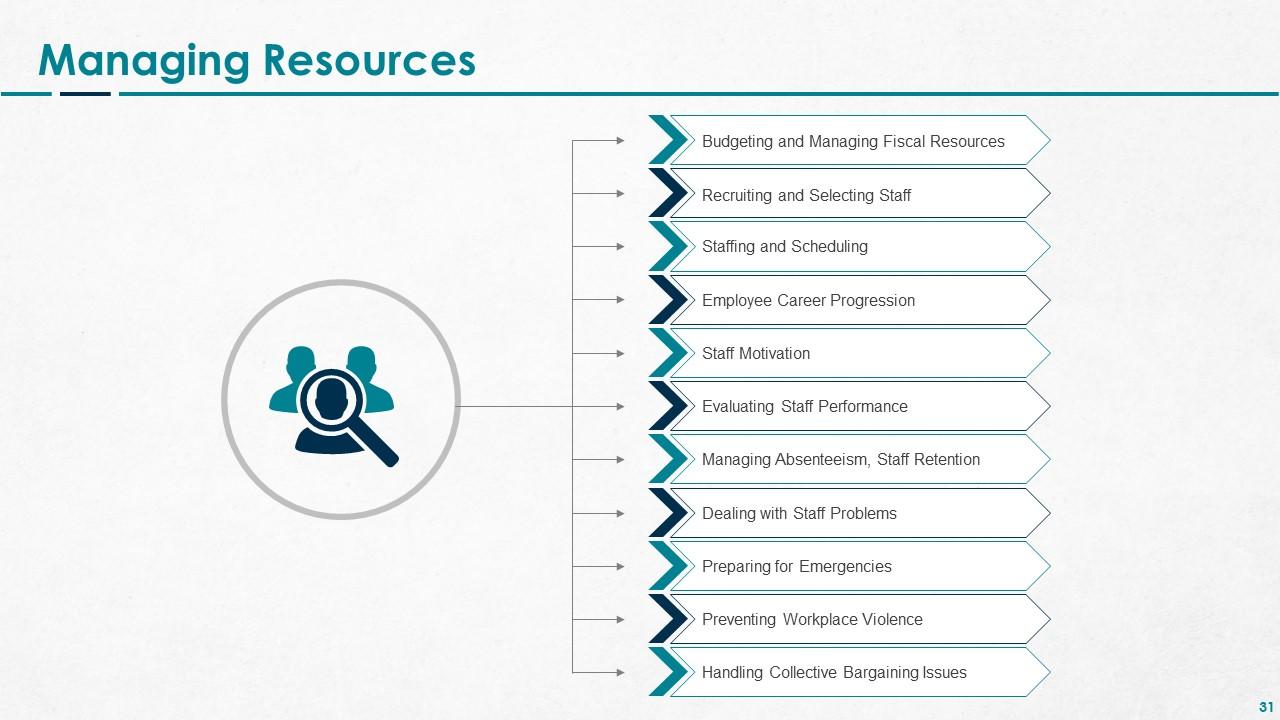
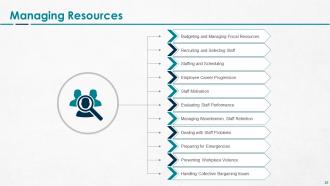
Slide 31: This slide showcases Managing Resources.
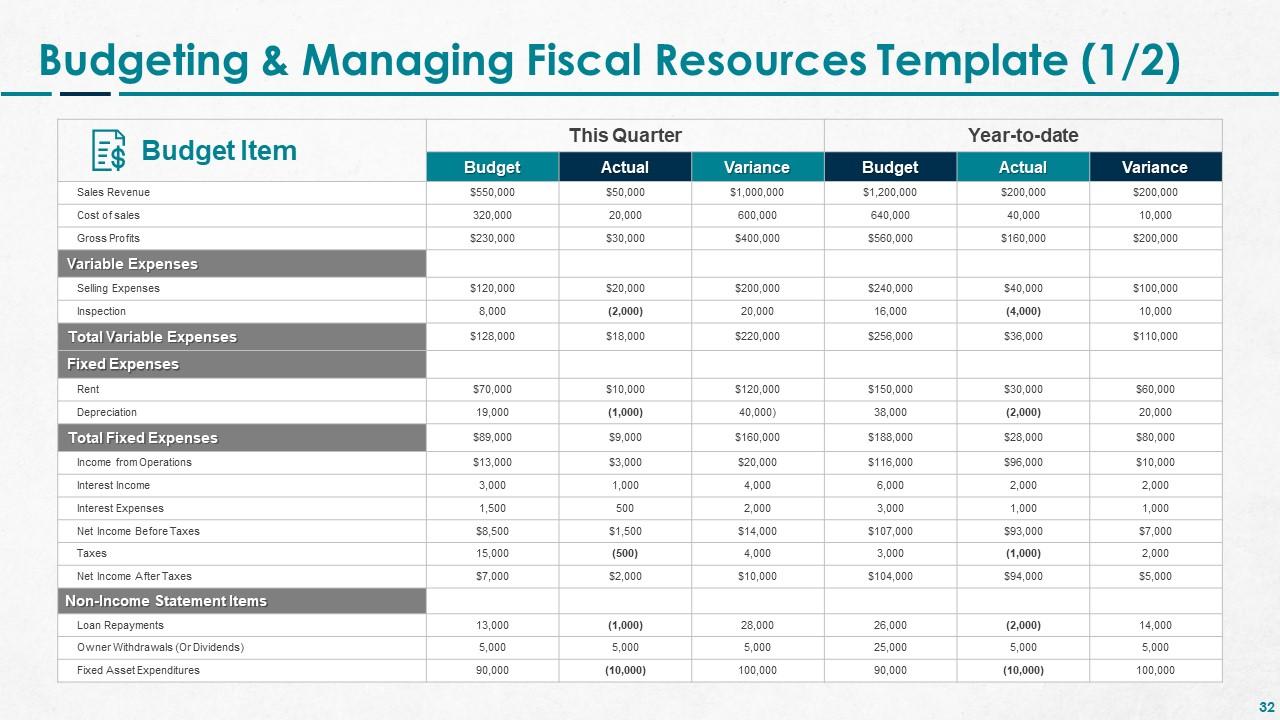
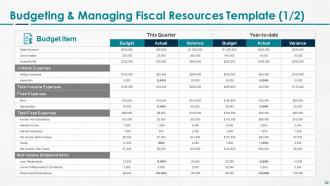
Slide 32: This slide presents Budgeting and Managing Fiscal Resources Template.
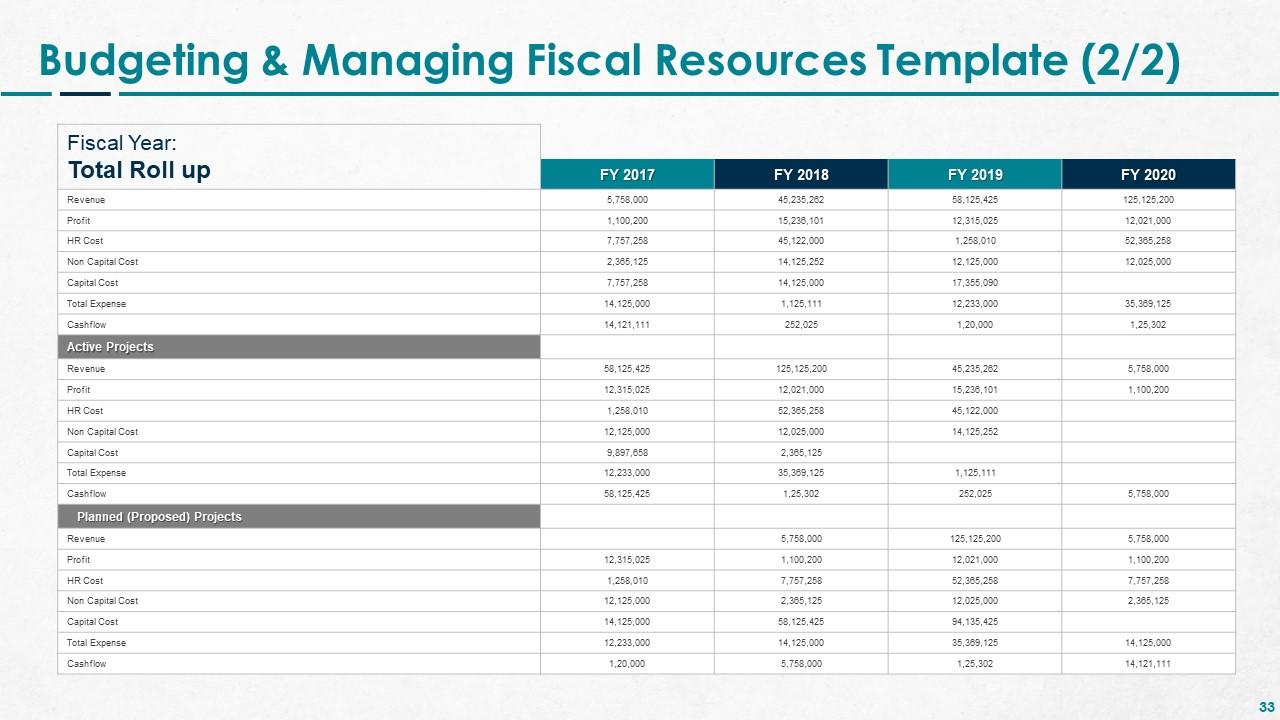
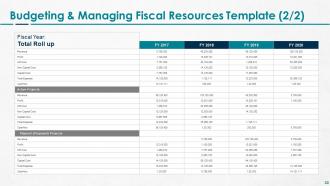
Slide 33: This slide showcases Budgeting and Managing Fiscal Resources Template.
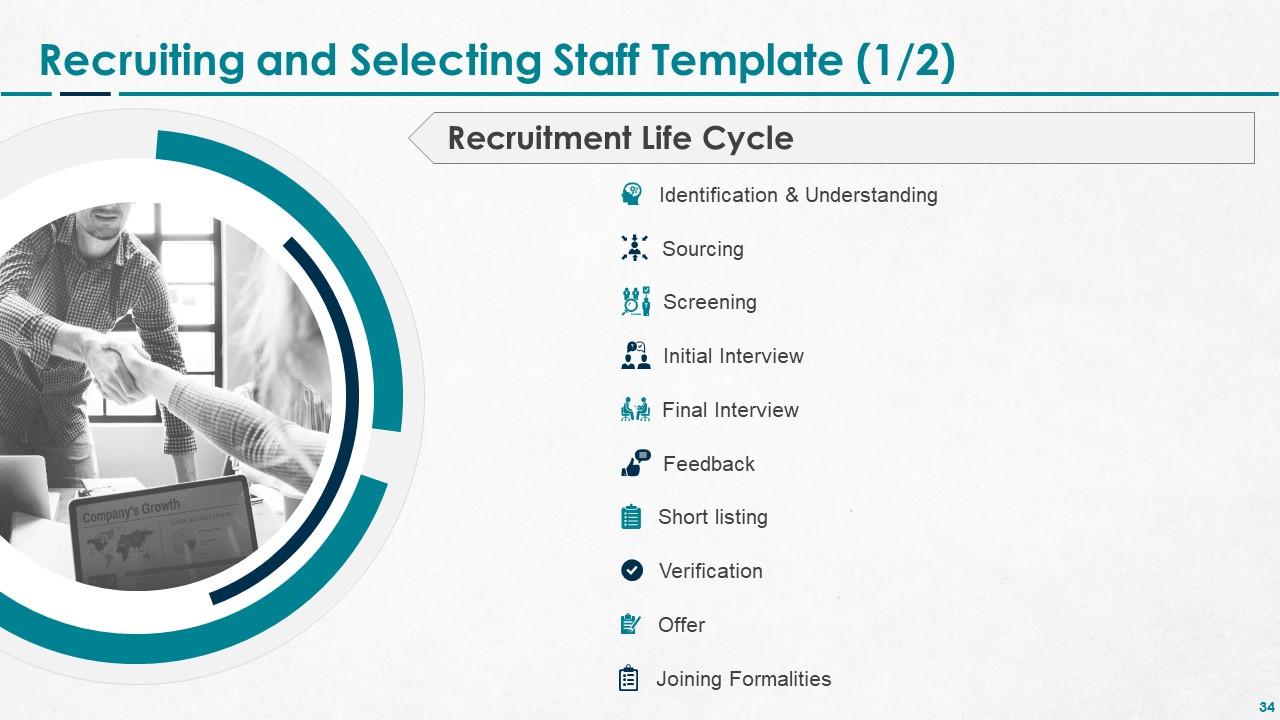
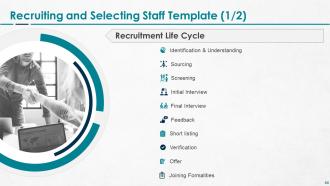
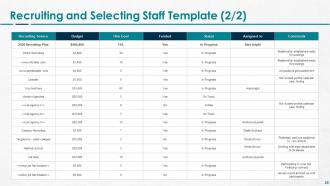
Slide 34: This slide describes Recruiting and Selecting Staff Template.
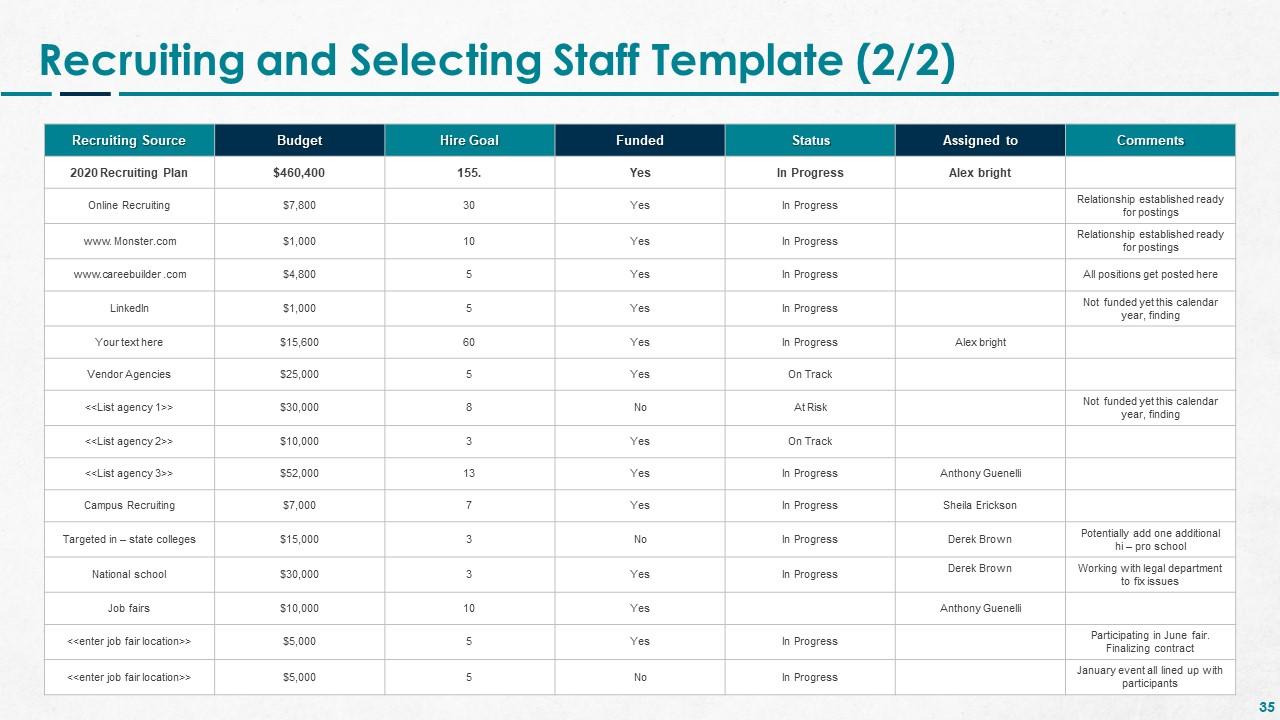
Slide 35: This slide displays Recruiting and Selecting Staff.
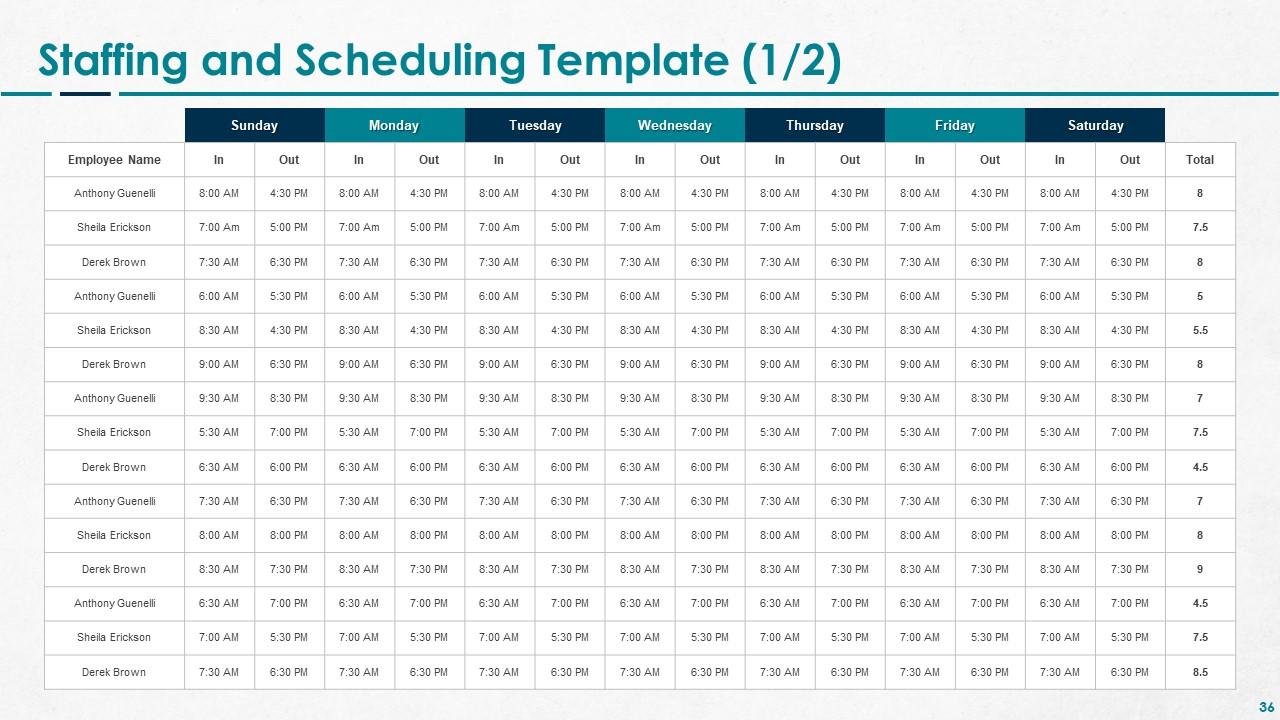
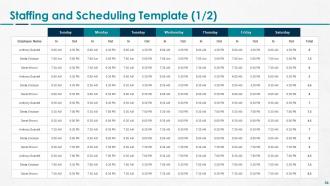
Slide 36: This slide showcases Staffing and Scheduling.
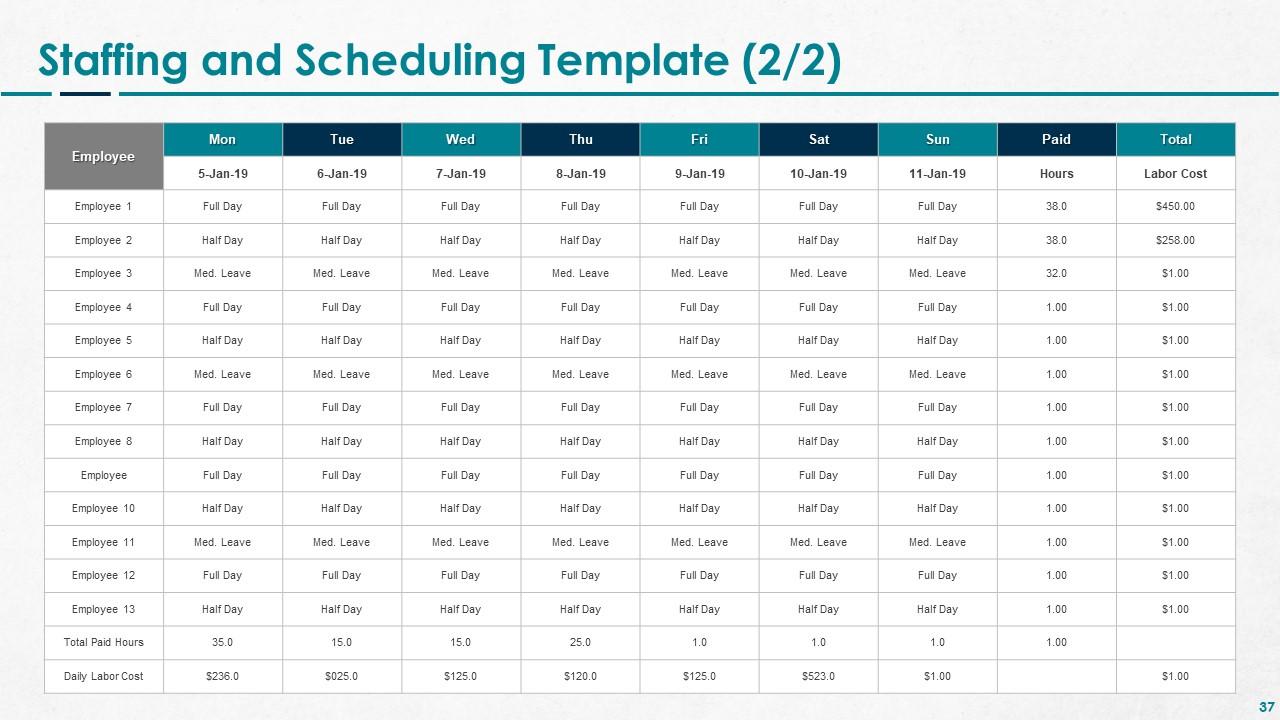
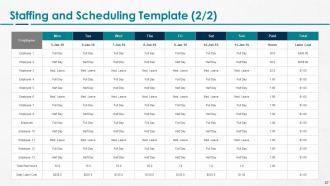
Slide 37: This slide also showcases Staffing and Scheduling in tabular form.
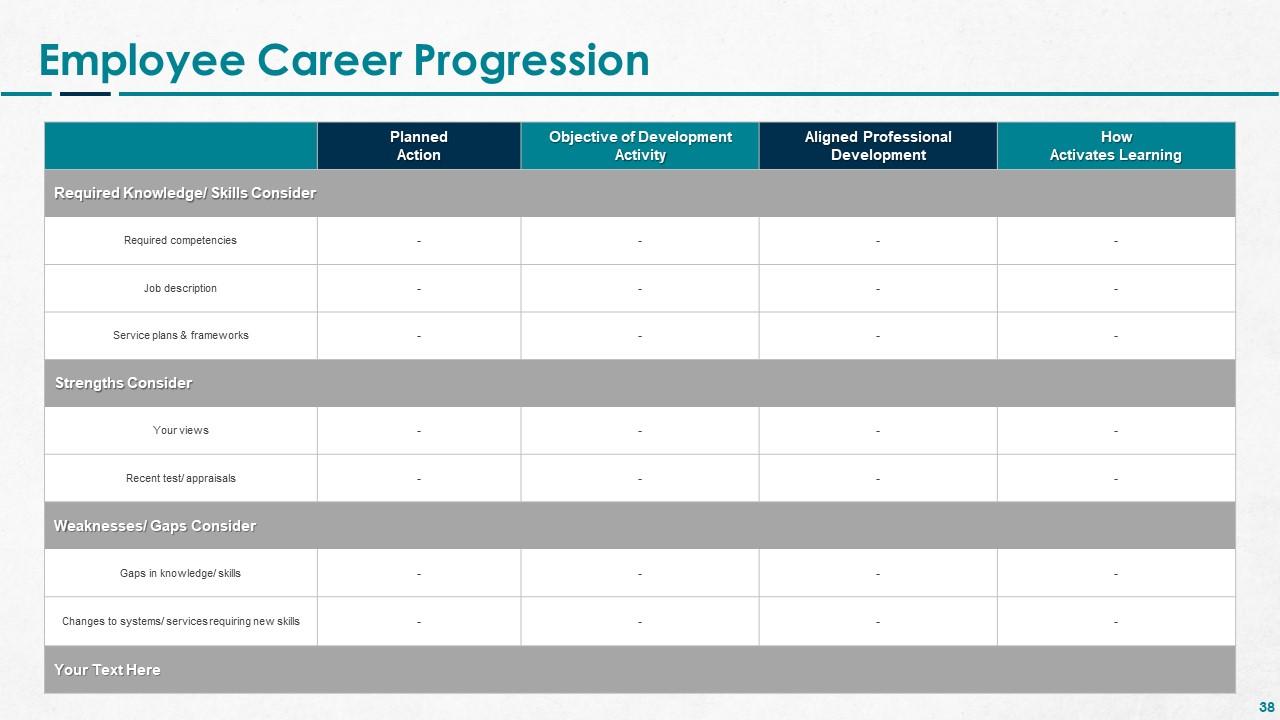
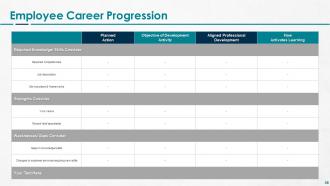
Slide 38: This slide showcases Employee Career Progression.
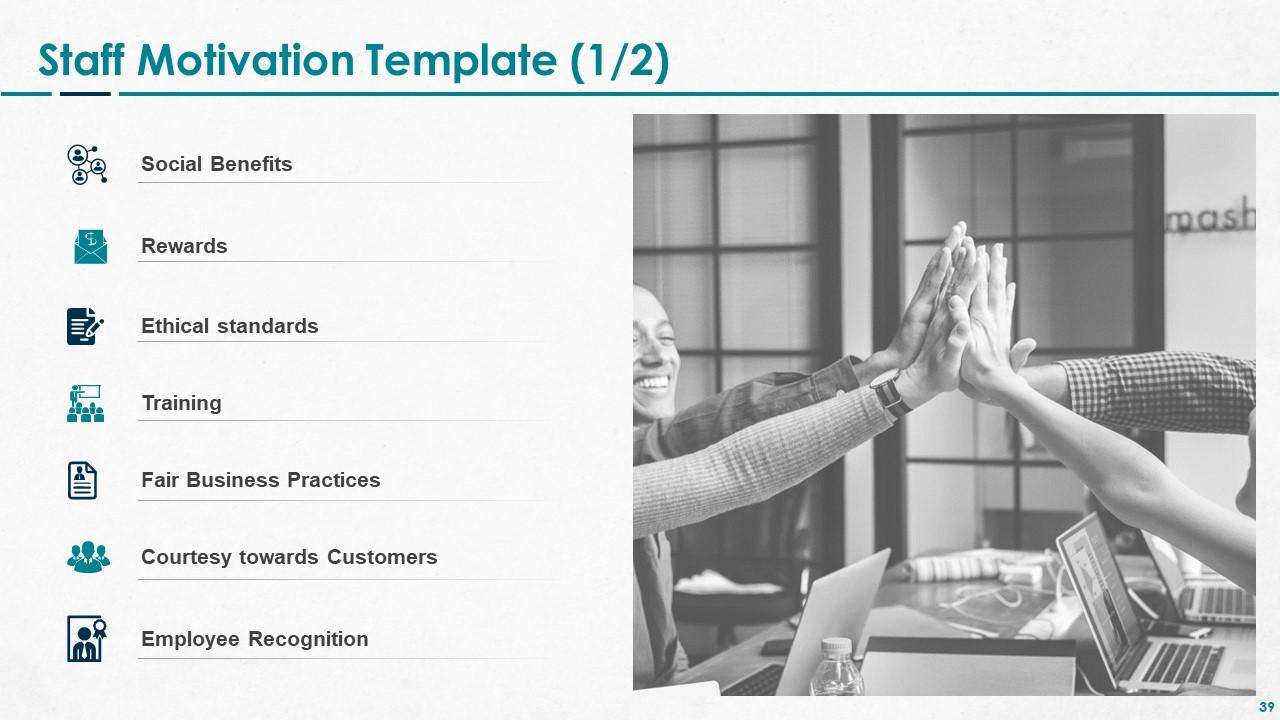
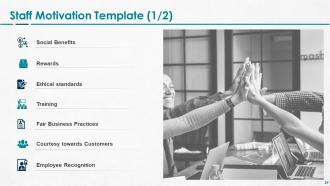
Slide 39: This slide displays Staff Motivation Template.
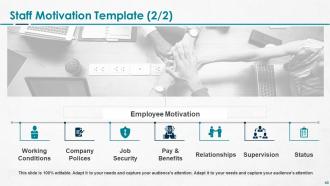
Slide 40: This slide showcases Staff Motivation with- Working Conditions, Company Polices, Job Security, Pay & Benefits, Relationships, Supervision, Status, Employee Motivation.
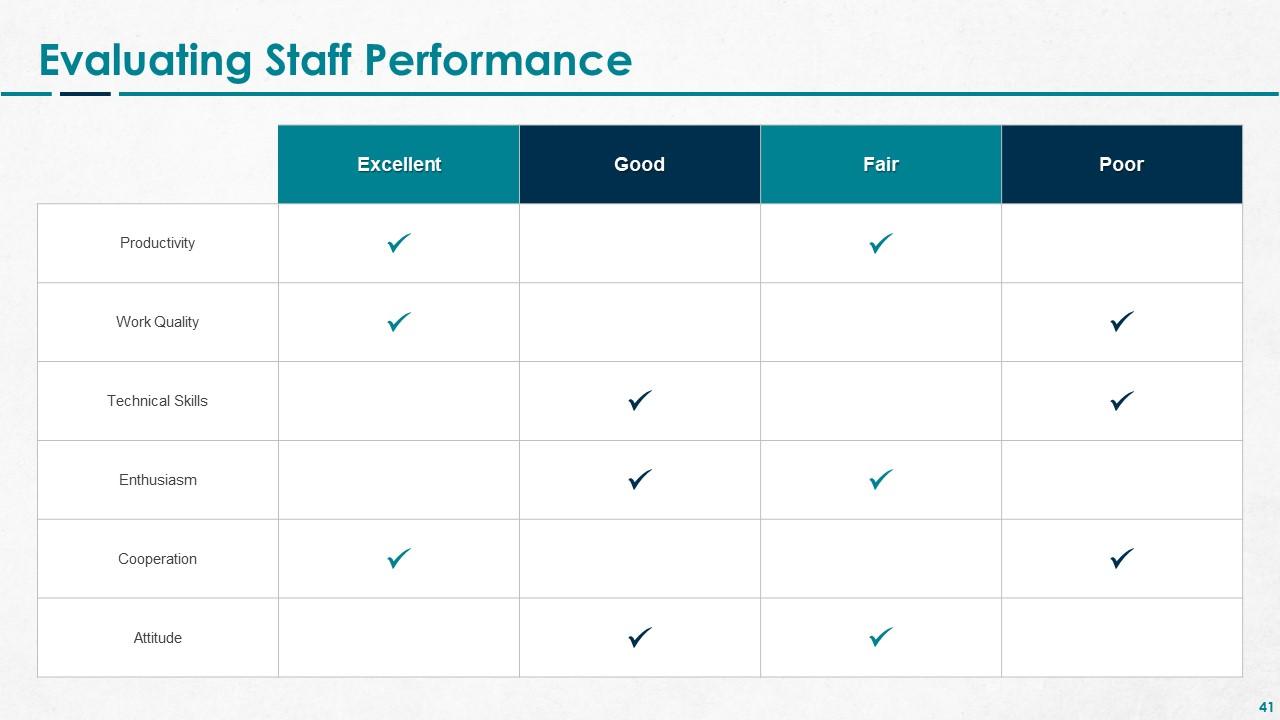
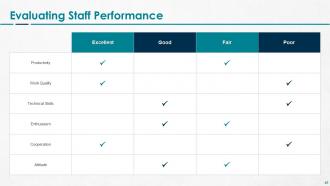
Slide 41: This slide describes Evaluating Staff Performance.
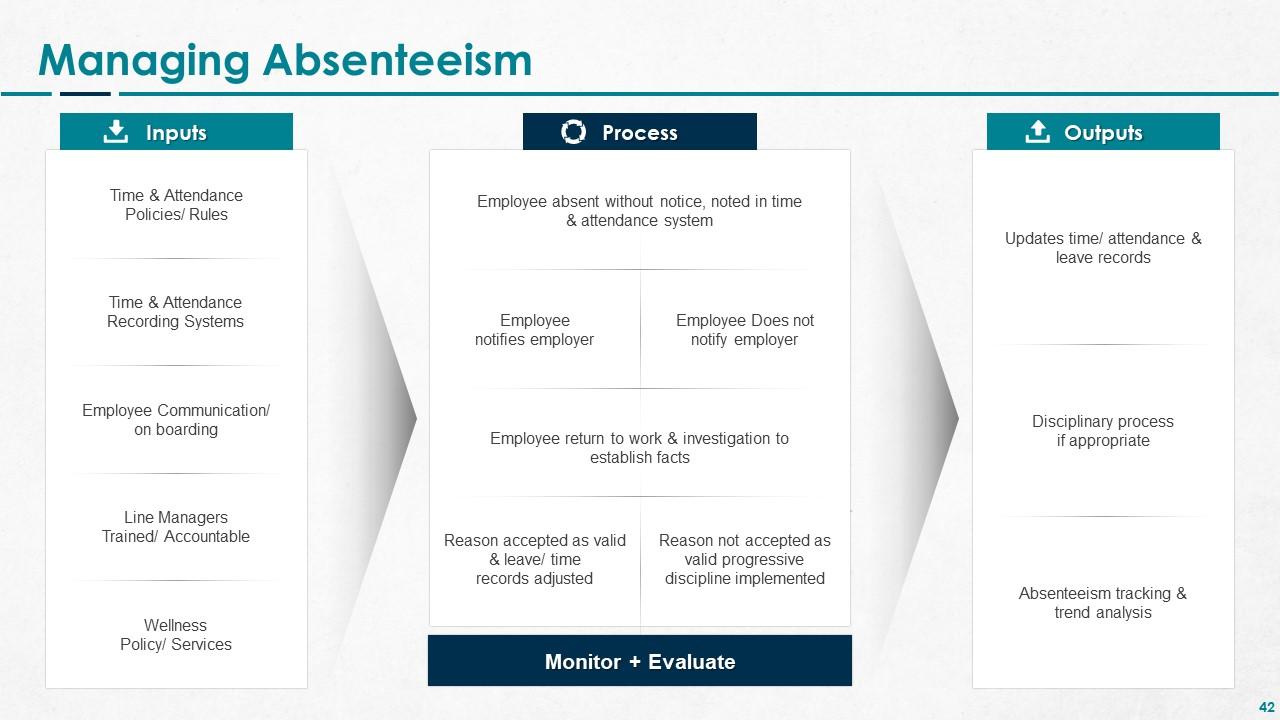
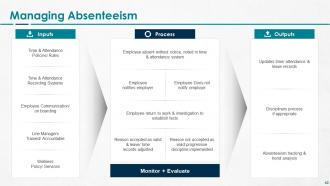
Slide 42: This slide displays Managing Absenteeism.
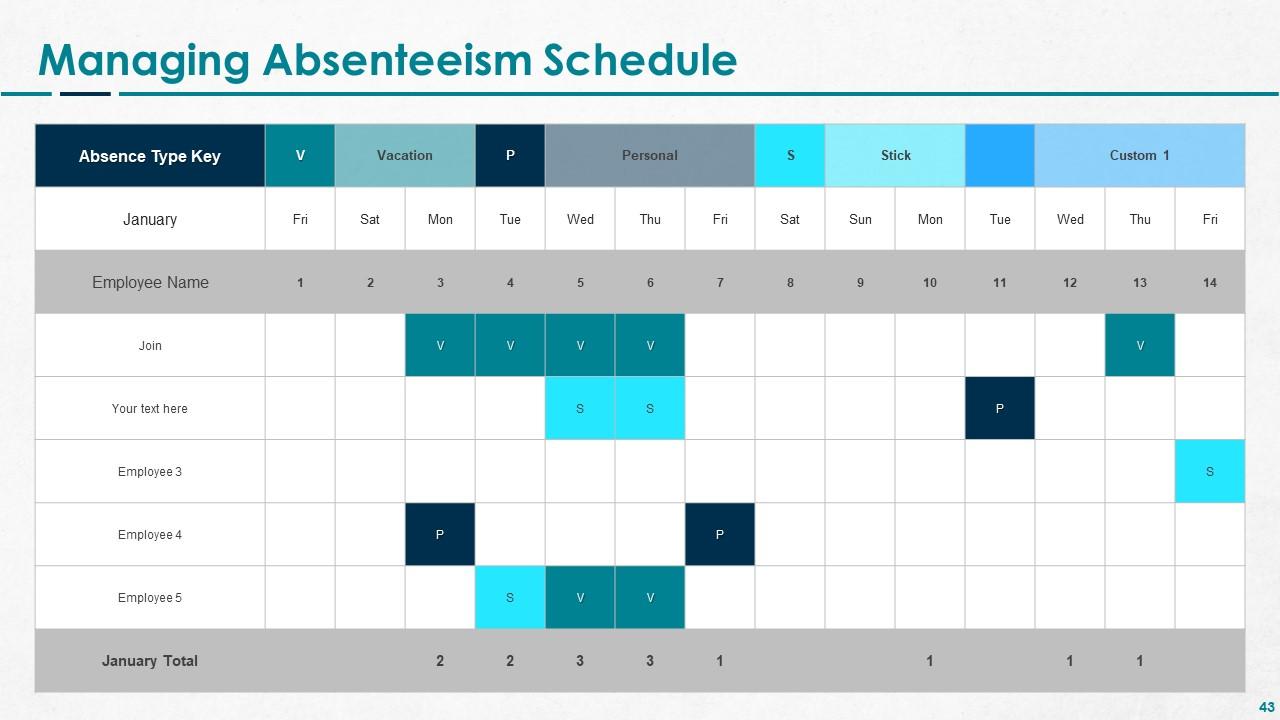
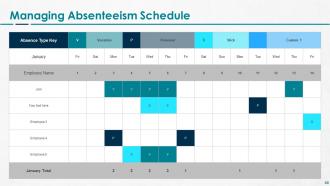
Slide 43: This slide showcases Managing Absenteeism Schedule.
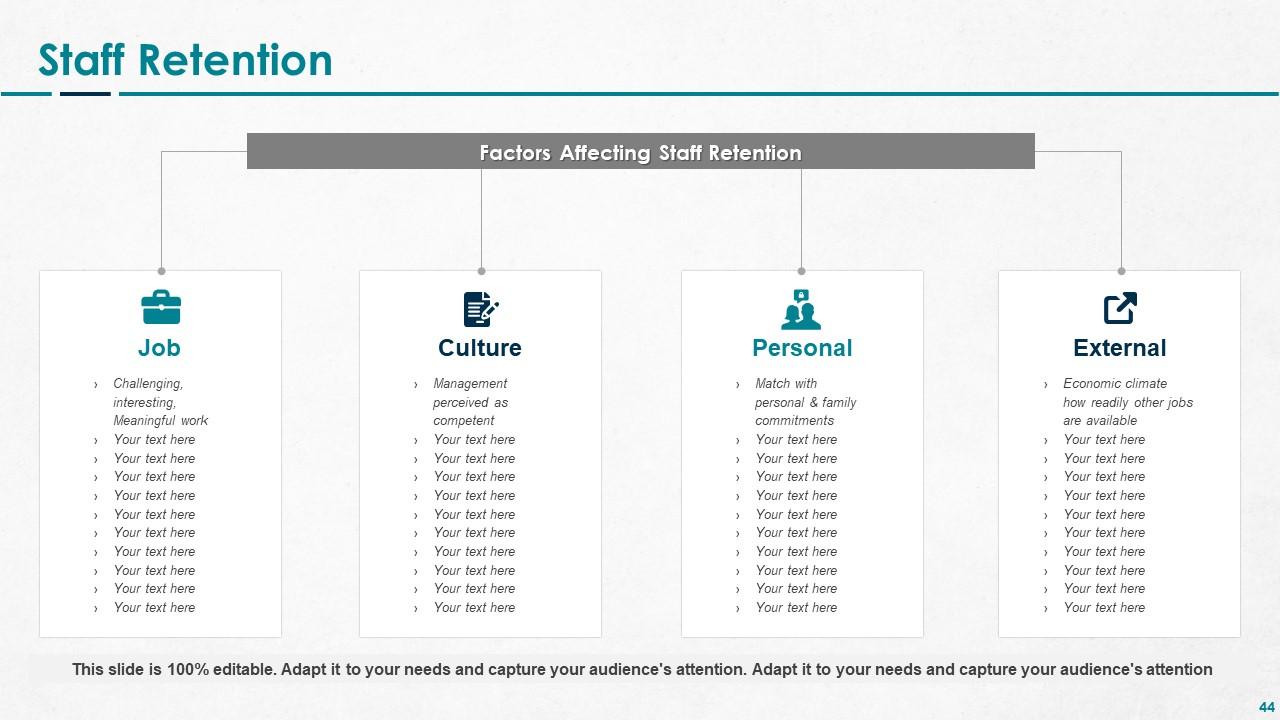
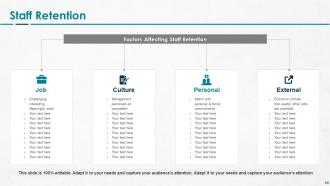
Slide 44: This slide displays Staff Retention.
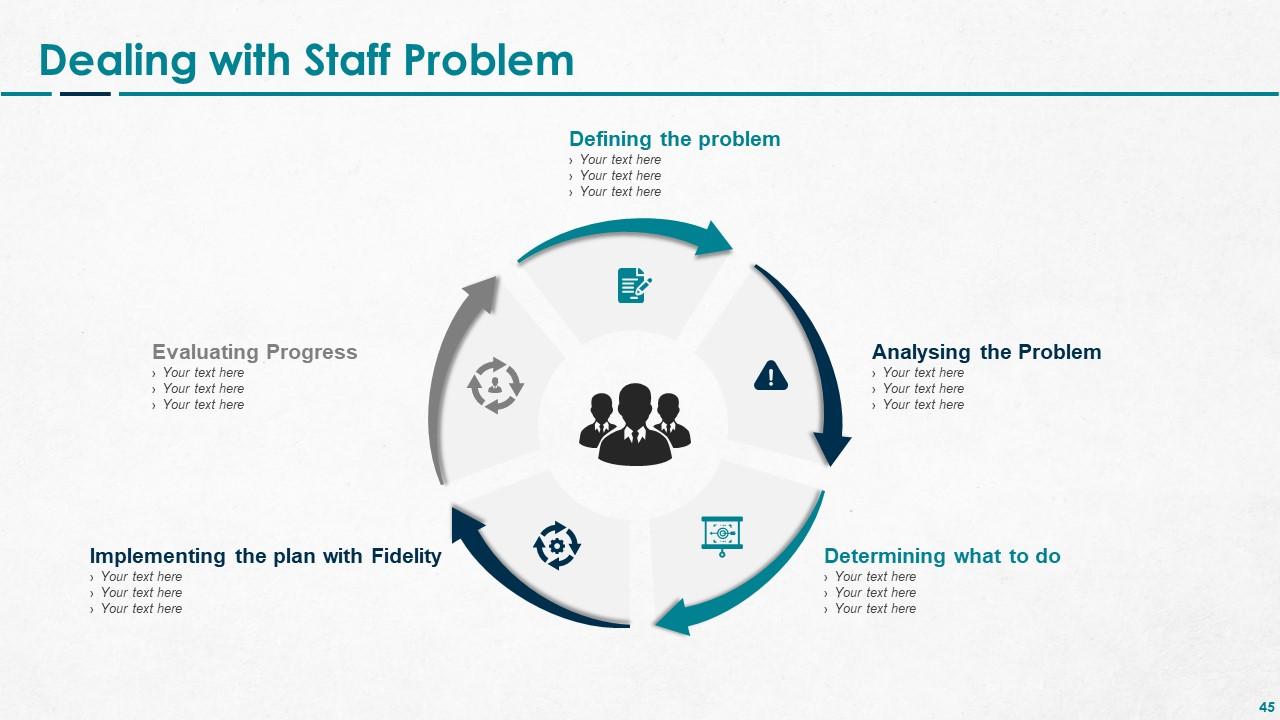
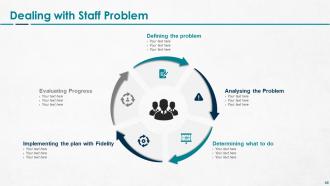
Slide 45: This slide describes about Dealing with Staff Problem.
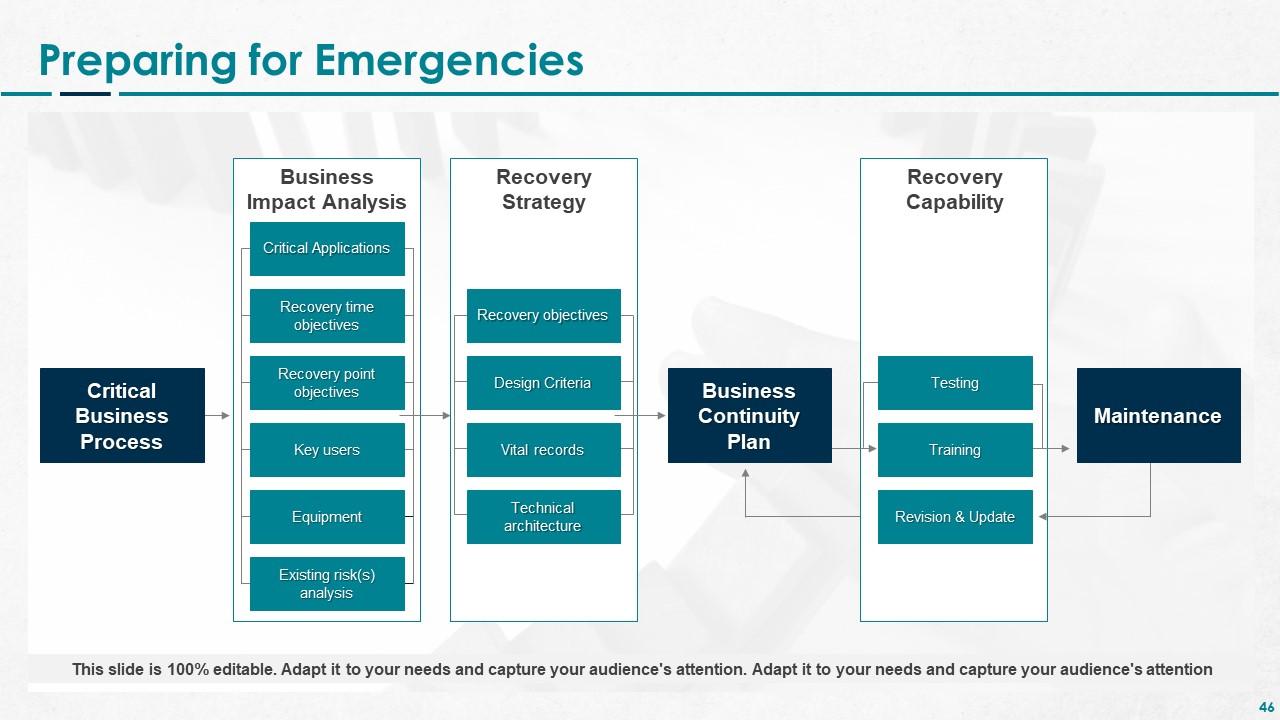
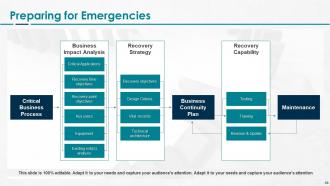
Slide 46: This slide showcases Preparing for Emergencies displaying- Critical Business Process, Business Impact Analysis, Critical Business Process, Recovery Time Objectives, Recovery Point Objectives, Key Users Equipment, etc.
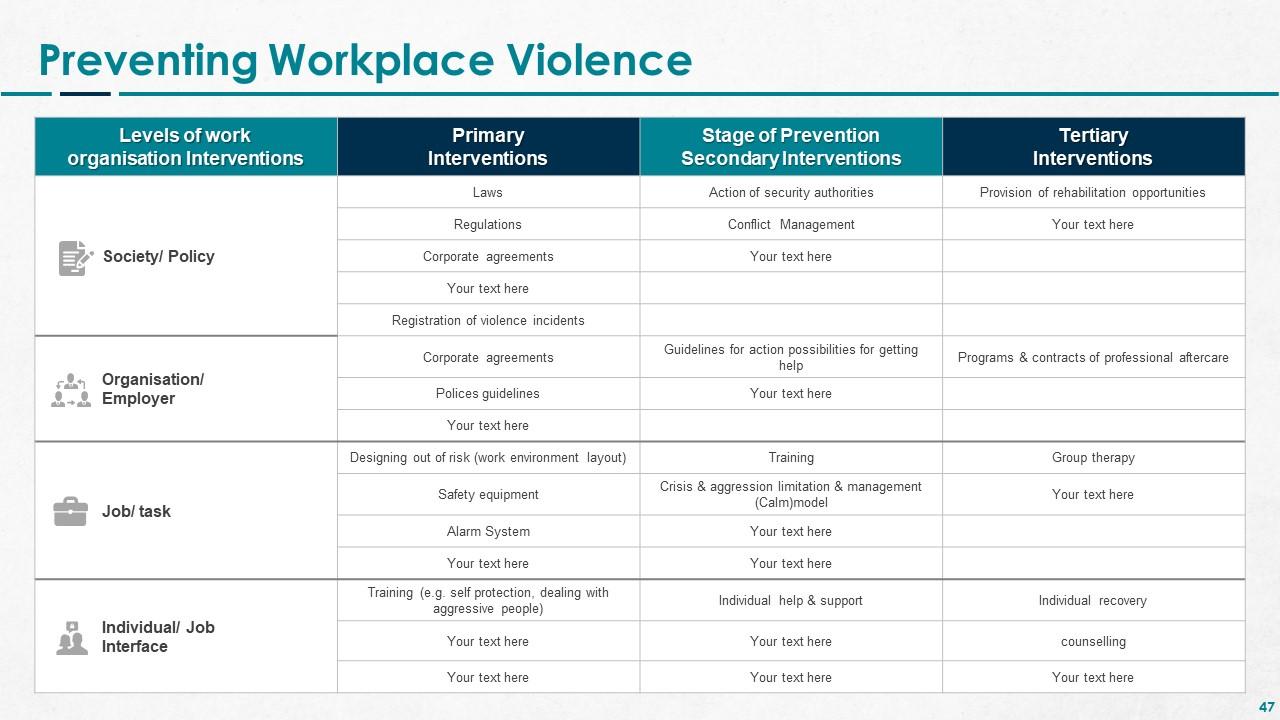
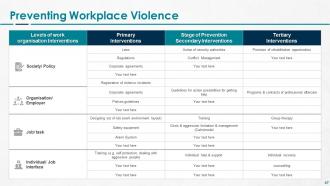
Slide 47: This slide showcases Preventing Workplace Violence.
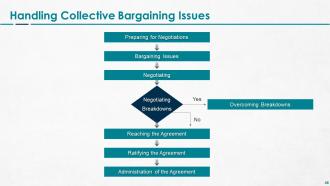
Slide 48: This slide showcases Handling Collective Bargaining Issues.
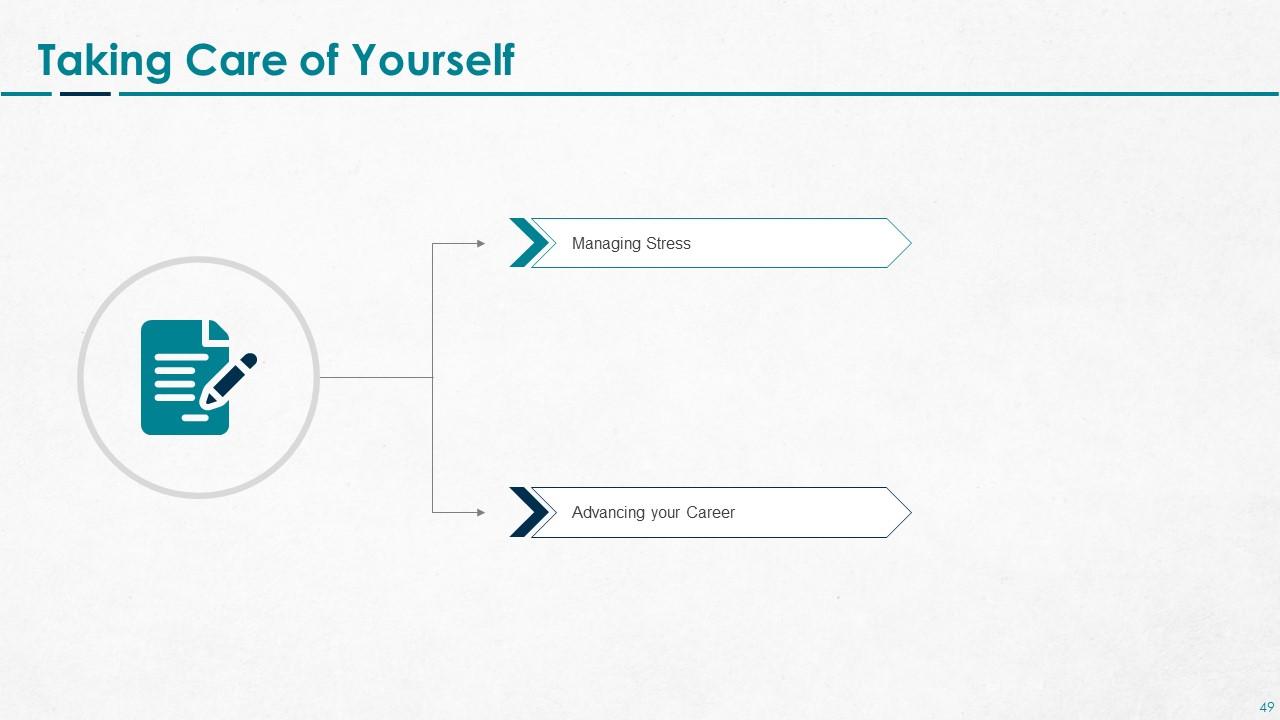
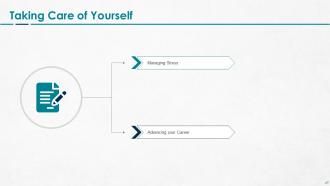
Slide 49: This slide describes Taking Care of Yourself displaying- Managing Stress and Advancing your Career.
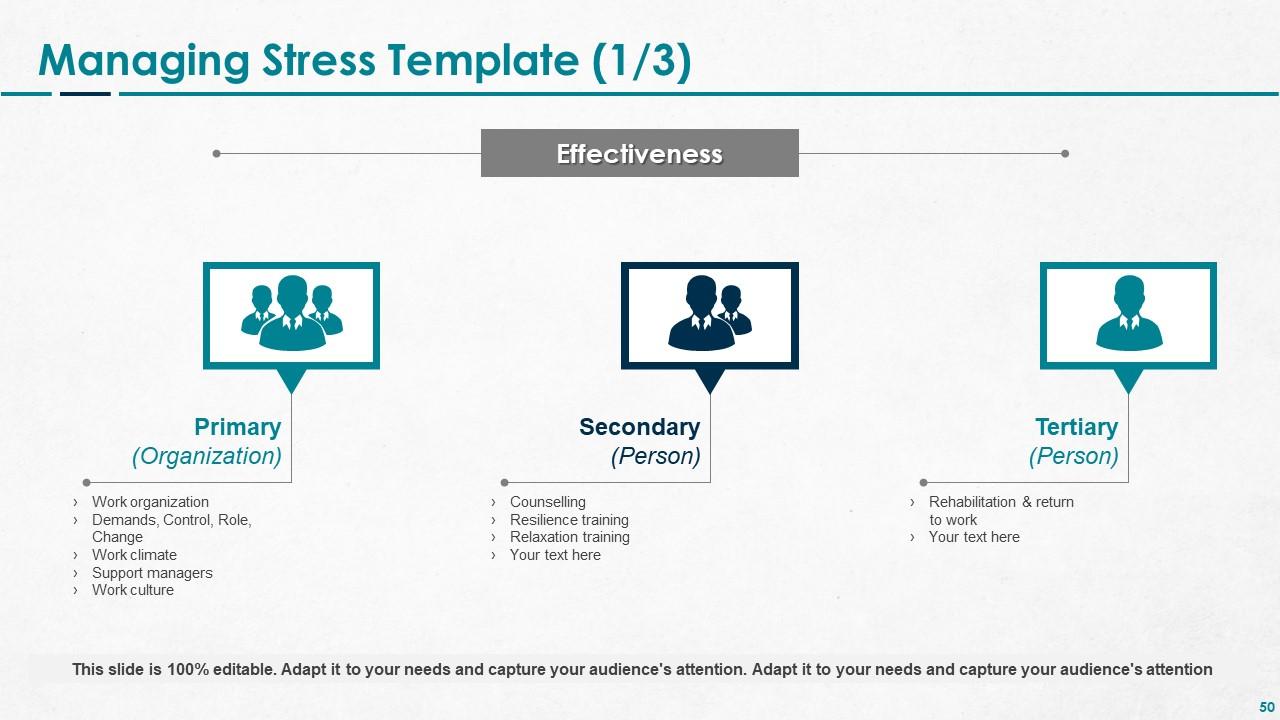
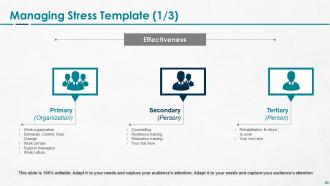
Slide 50: This slide showcases Managing Stress Template.
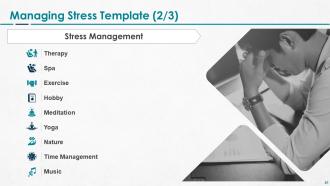
Slide 51: This slide also showcases Managing Stress with- therapy, spa, exercise, hobby, meditation, yoga, nature, time management.
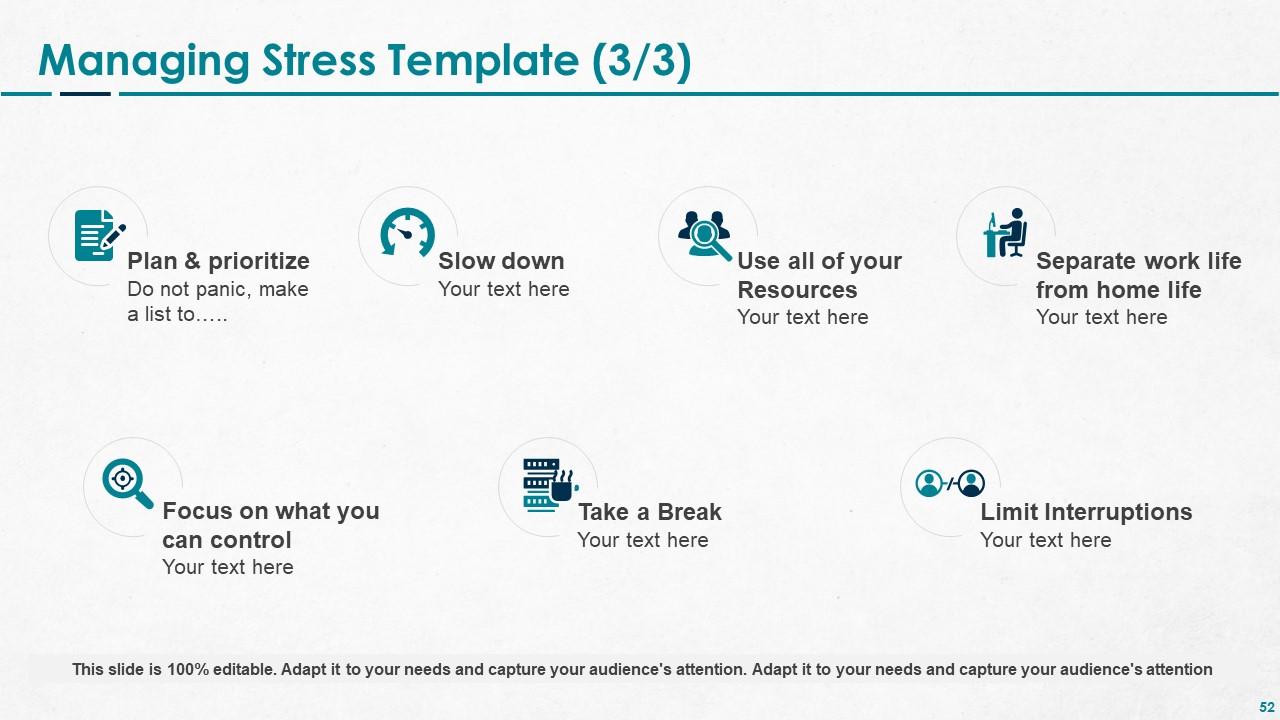
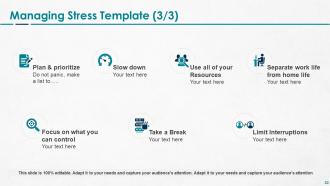
Slide 52: This slide is continued with Managing Stress Template.
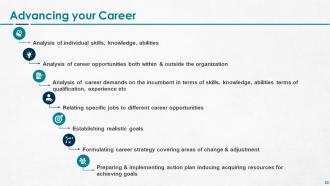
Slide 53: This slide describes Advancing Your Career.
Slide 54: This slide displays KPI Metrics & Dashboards
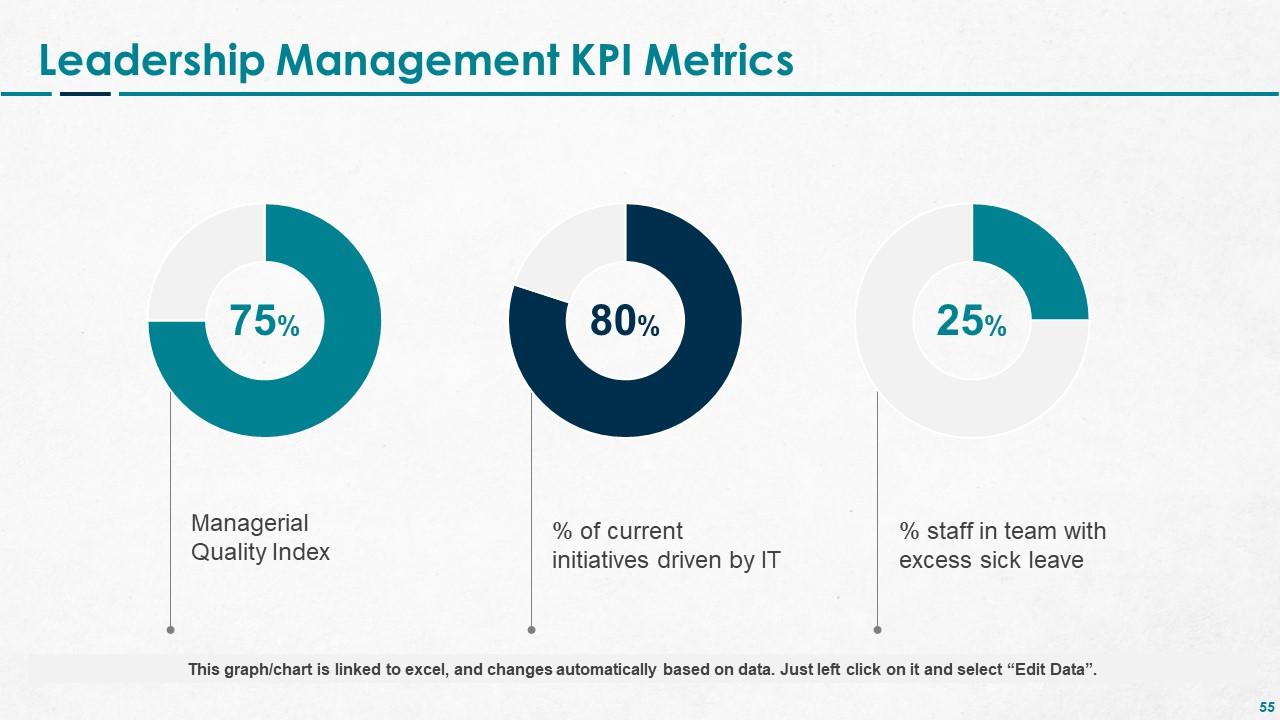
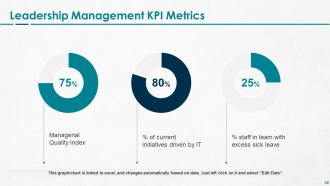
Slide 55: This slide displays Leadership Management KPI Metrics.
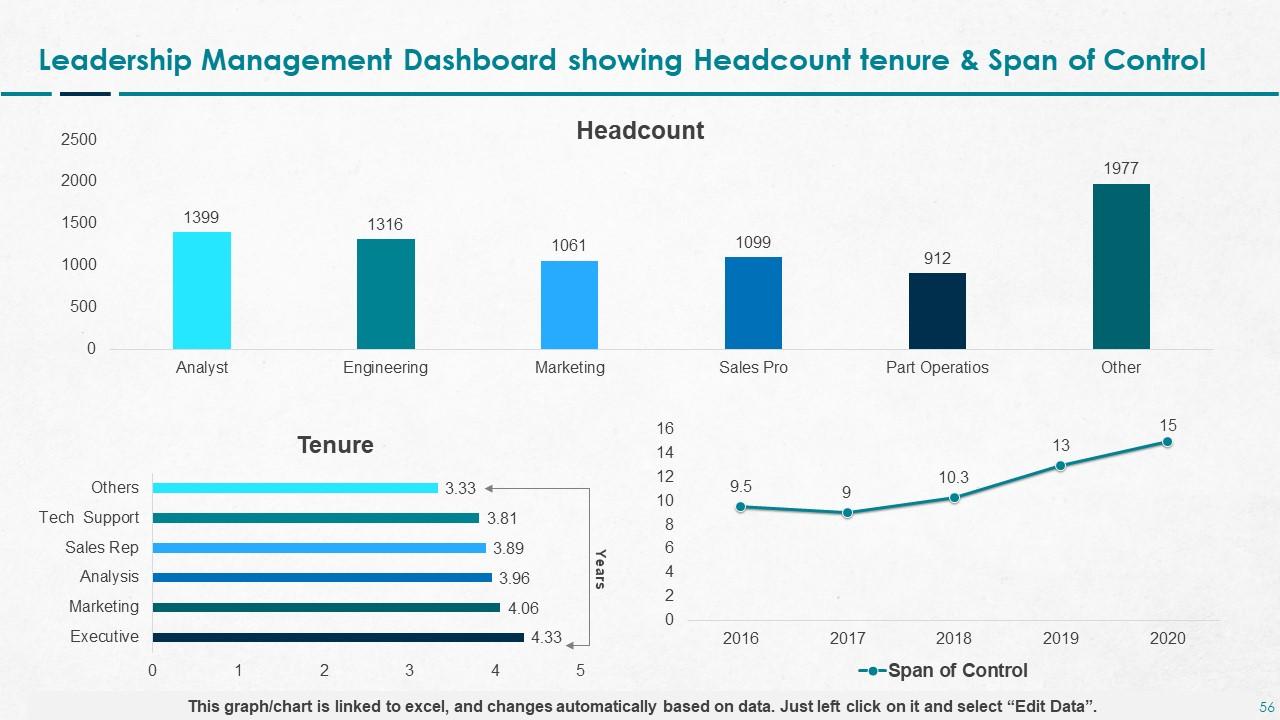
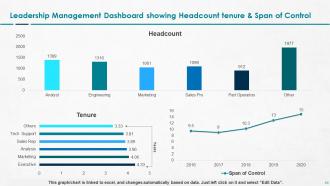
Slide 56: This slide showcases Leadership Management Dashboard Showing Headcount Tenure & Span of Control.
Slide 57: This is Leadership Management Icons Slide.
Slide 58: This slide is titled as Additional Slides for moving forward.
Slide 59: This slide displays time for Coffee Break.
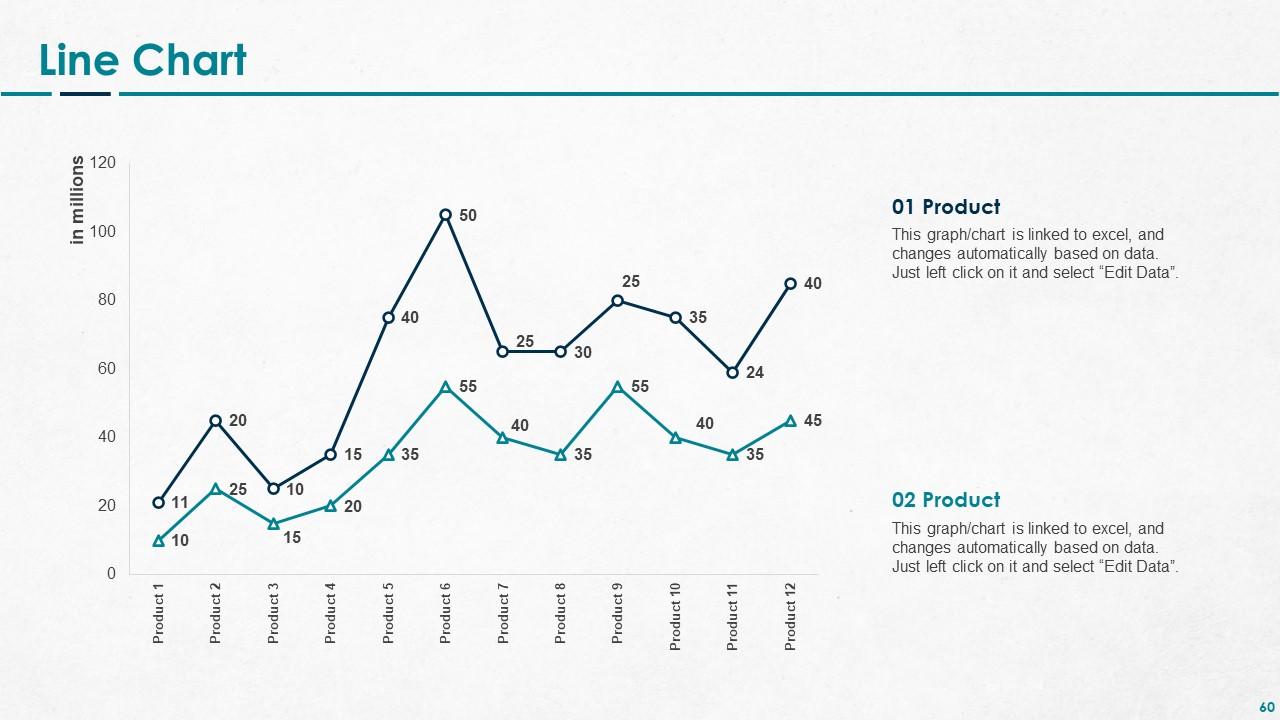
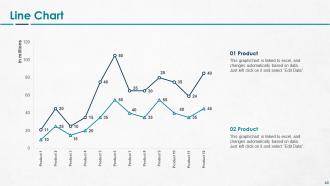
Slide 60: This slide displays Line Chart with product comparison.
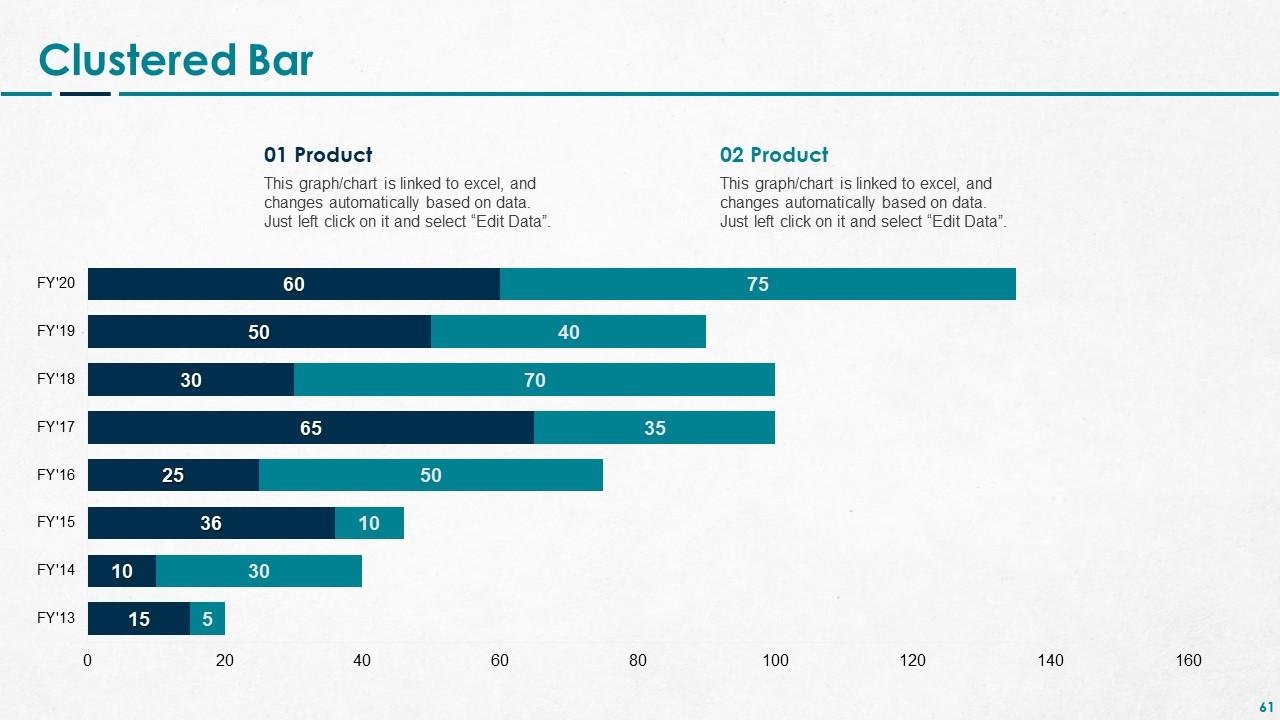
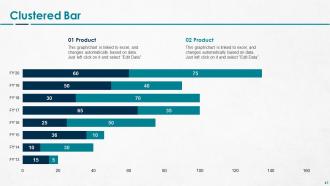
Slide 61: This slide displays Clustered Bar with product comparison.
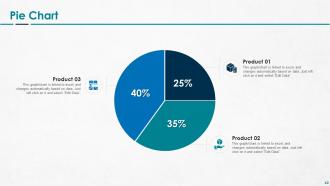
Slide 62: This slide displays Pie Chart with data in percentage.
Slide 63: This is Quotes slide to convey message, beliefs etc.
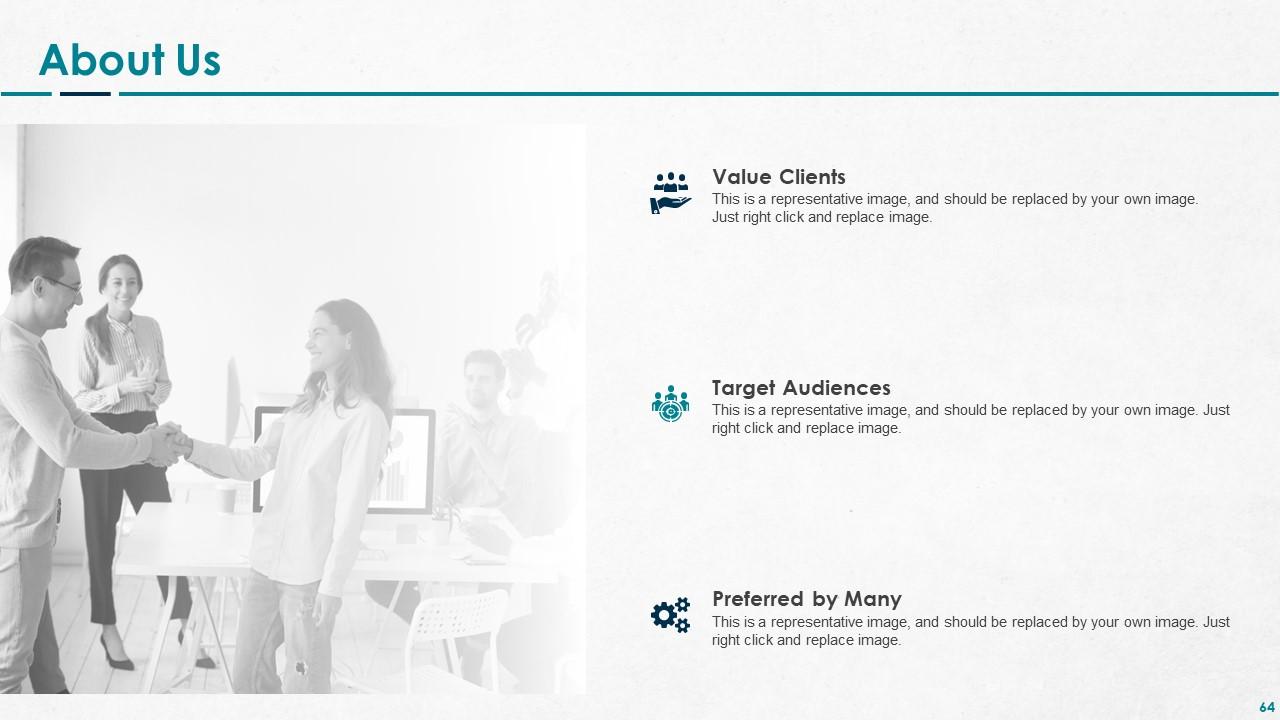
Slide 64: This is About Us slide to showcase company specifications.
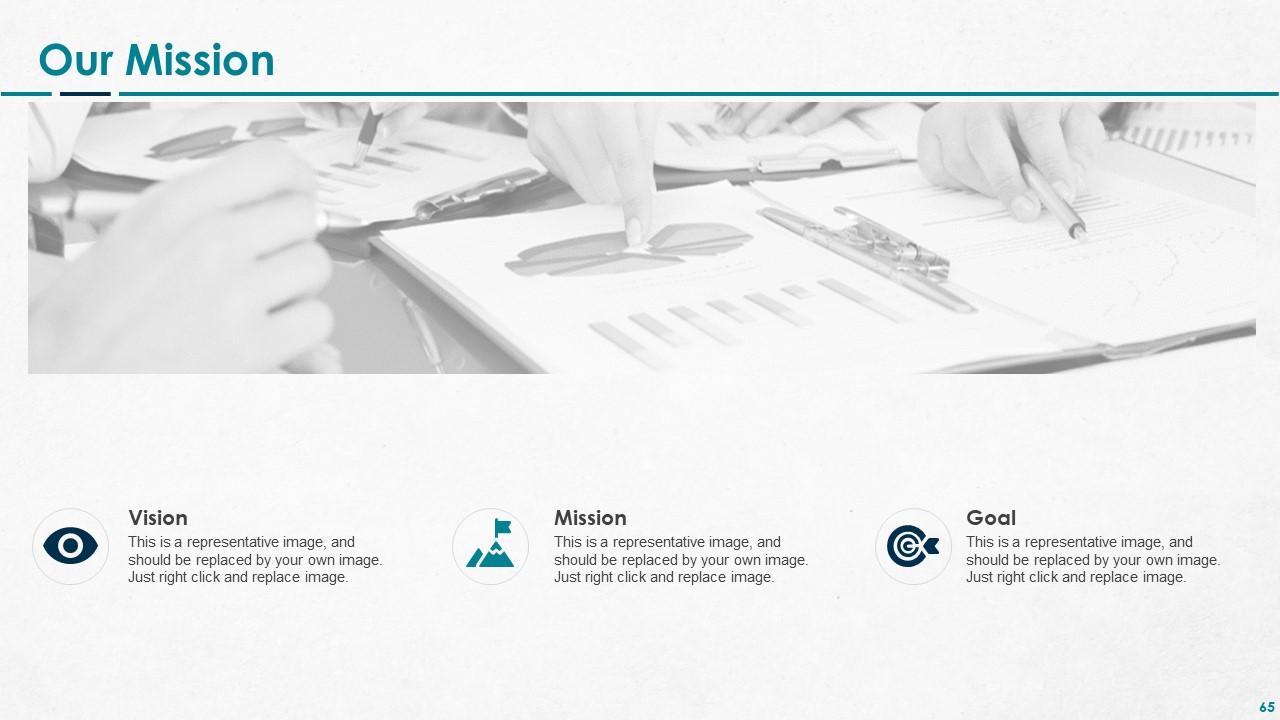
Slide 65: This is Our Mission slide with company's Vision, Mission and Goal.
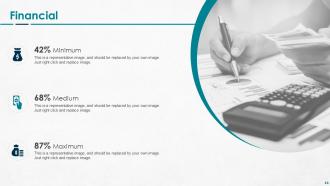
Slide 66: This is Financial slide. Showcase finance related stuff here.
Slide 67: This slide is titled as Post It Notes. Post your important notes here.
Slide 68: This is Venn slide with icons.
Slide 69: This is Our Goal slide. State your goals.
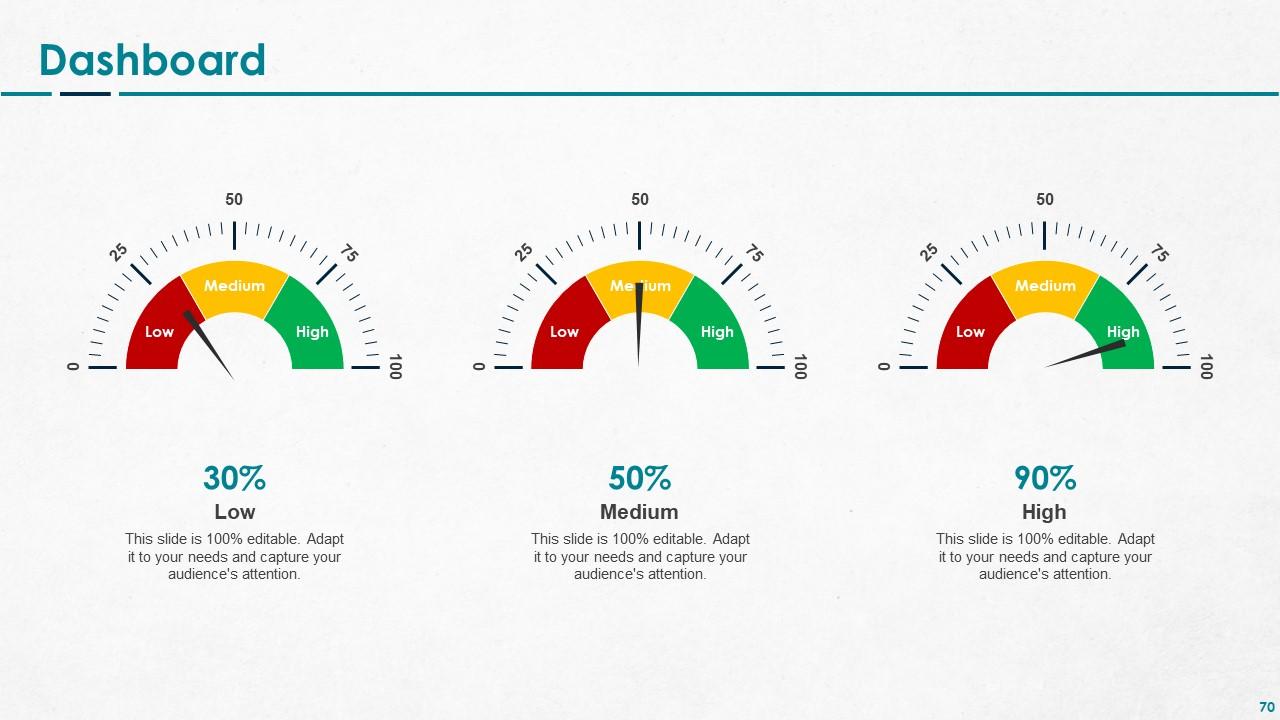
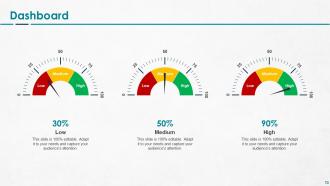
Slide 70: This is Dashboard slide.
Slide 71: This is Circular slide with icons.
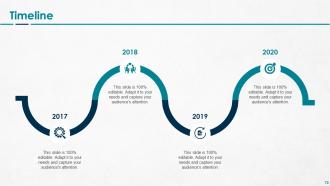
Slide 72: This is Timeline slide.
Slide 73: This is Our Team slide with names and designation.
Slide 74: This is Our Target slide. Showcase your targets here.
Slide 75: This is Idea Generation slide to highlight ideas, information and facts.
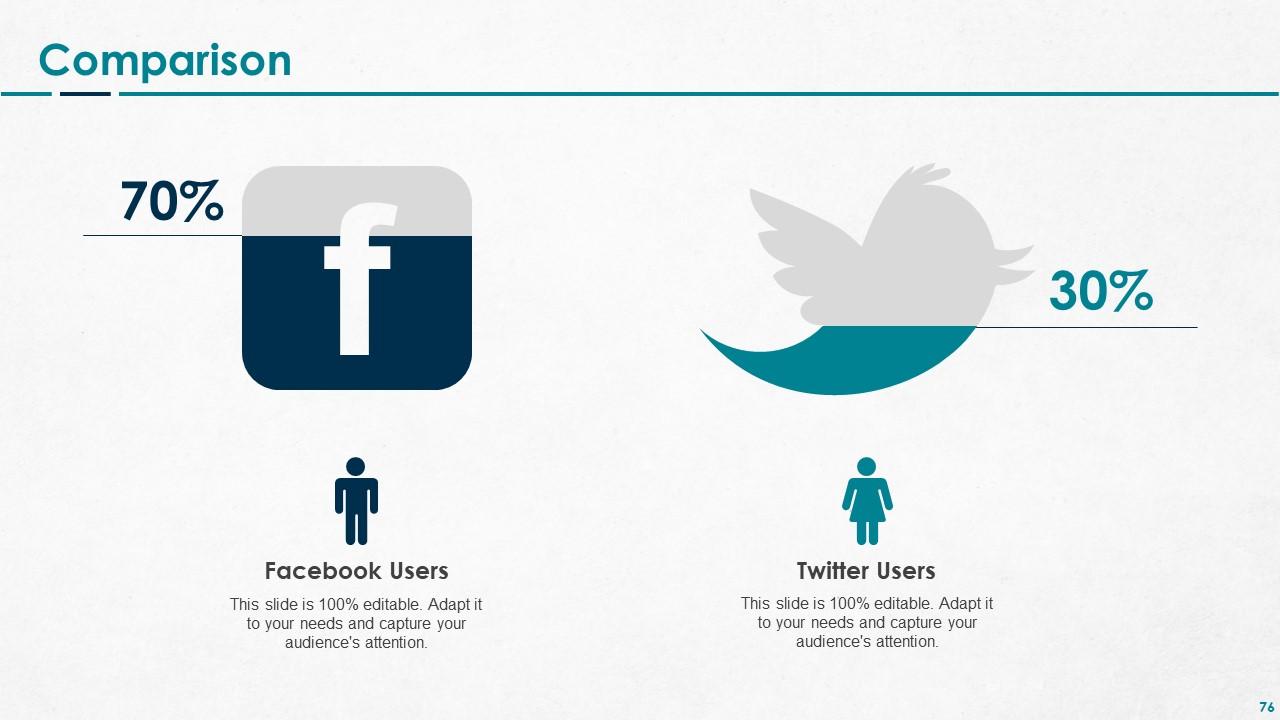
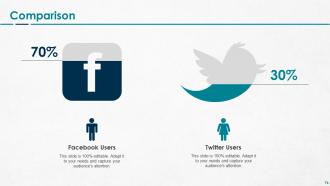
Slide 76: This is Comparison slide showcasing comparison between facebook users and twitter users.
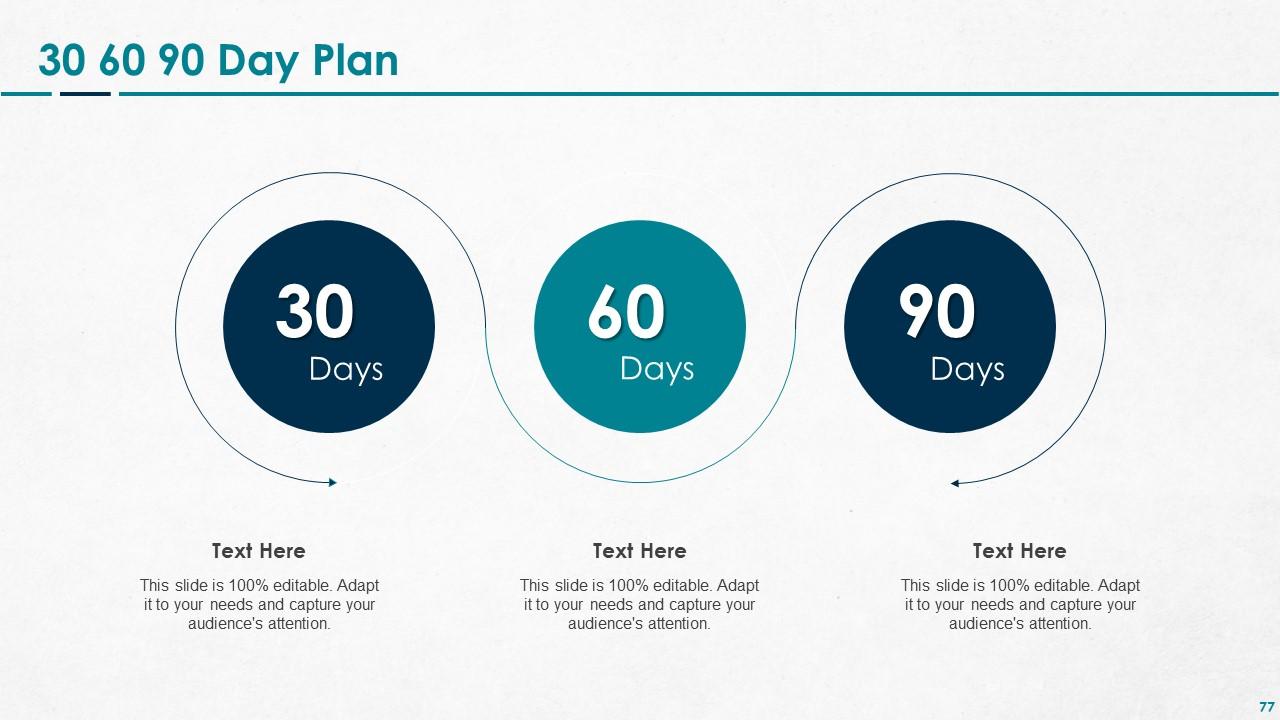
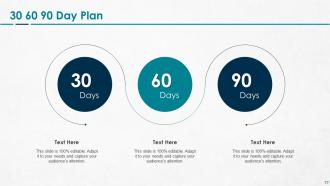
Slide 77: This is 30 60 90 Day Plan slide.
Slide 78: This is Puzzle slide with icons and text boxes.
Slide 79: This is Thanks for Watching slide with contact number, address, and email address.
Leadership management powerpoint presentation slides with all 79 slides:
Use our Leadership Management Powerpoint Presentation Slides to effectively help you save your valuable time. They are readymade to fit into any presentation structure.
-
There is nothing like their leadership templates. Perfect fit for management meetings.
-
Great quality product.
-
Excellent work done on template design and graphics.
-
Unique research projects to present in meeting.
-
The content is very helpful from business point of view.
-
Great quality product.
