


Lean management 7 wastes presentation powerpoint templates




Try Before you Buy Download Free Sample Product
 Impress Your
 Audience
 100%
100% Editable
 Save Hours
 of Time


Gain acceptance in entrepreneur circles with our Lean Management 7 Wastes Presentation Powerpoint Templates. Your ideas will be generously applauded.
People who downloaded this PowerPoint presentation also viewed the following :
Lean management 7 wastes presentation powerpoint templates with all 7 slides:
Get that exact fit with our Lean Management 7 Wastes Presentation Powerpoint Templates. Depict your thoughts in an exemplary fashion.




FAQs for Lean management 7 wastes
So Lean is all about cutting waste, continuous improvement (they call it kaizen), respecting your people, and seeing things from the customer's angle. Picture Marie Kondo but for your work processes - anything that doesn't add real value gets tossed. Your efficiency goes up because you're always hunting down bottlenecks and getting everyone involved in spotting improvements. Honestly, it becomes kind of addictive once you see results! The whole organization gets way more agile since people are constantly finding smarter ways to work. I'd say start small - just map out one process and see where you're bleeding time or money.
Oh totally! Lean isn't just for factories - that's honestly such an outdated way to think about it. Map out whatever process is bugging you most and look for the stupid stuff that wastes time. Hospitals do this to cut patient wait times, banks speed up loan approvals, tech teams slash development cycles. Just focus on what actually helps your customer and ditch everything else. I'd start small though - pick that one workflow everyone complains about. Once people see it works outside manufacturing, they get way more excited about it.
Honestly, continuous improvement is like the engine that makes lean management actually work. Your team should always be hunting for little ways to cut waste and make processes smoother. Don't expect huge changes overnight though - it's more about getting everyone comfortable pointing out what's broken and trying quick fixes. Weekly check-ins work great for this stuff. Just ask "what got in our way this week?" People need to feel safe calling out problems without getting blamed for it. Small tweaks add up way faster than you'd think, and your customers definitely notice when things run better.
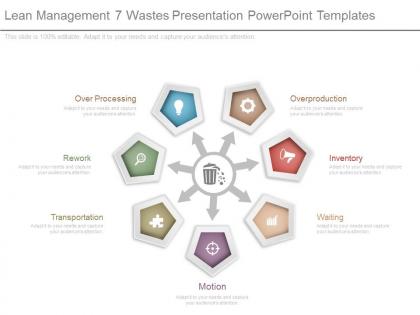
So basically, lean management is all about cutting out stuff that doesn't actually help your customers. There are seven main types of waste to watch for: overproduction, waiting around, unnecessary transport, over-processing, too much inventory, wasted motion, and defects. Some folks throw in an eighth - not using people's skills properly (which honestly drives me crazy when I see it happen). Train your team to spot this stuff during normal work, then chip away at it bit by bit. Pick one area and just watch for a week. You'll be shocked at what jumps out once you're paying attention.
Start with 5S - just organize your workspace properly. It's way easier than it sounds and you'll actually feel the difference. Kanban boards are everywhere these days because they work really well for visual workflow management. Value stream mapping shows you where your processes are broken (spoiler: there's always something). Root cause stuff like "5 Whys" helps you dig deeper instead of just fixing symptoms. Gemba walks mean actually going to see what's happening instead of sitting in meetings about it. Oh, and kaizen is just fancy talk for "keep improving things bit by bit." Standardized work eliminates the random chaos. Try 5S first though.
So basically, you want your team actually solving problems instead of just taking orders. Give them ownership over their own areas - let them spot the waste and fix it themselves. That "gemba" thing is huge - go talk to people doing the actual work because they already know what's broken. Cross-functional teams help too. Honestly, most places skip this part, but you've got to make people feel safe to speak up first. Otherwise they'll just nod and smile while everything stays messed up. Start simple - just ask what's driving them crazy right now and actually listen.
Honestly, the hardest part is getting people to actually buy in. Nobody wants to change how they've been doing things for years, you know? Plus there's always that fear about job cuts. Leadership gets impatient too - they want results like next week, which just isn't realistic. The whole mindset shift around waste and improvement? That stuff takes forever to really sink in. I'd say start with just one department as a test run. People need to understand why you're shaking things up, otherwise they'll just resist everything. Oh, and don't expect it to be smooth sailing - there's always some drama.
Honestly, you don't have to pick sides here. Lean cuts out waste and makes things flow better. Six Sigma is all about fixing quality problems with actual data - not just gut feelings. Most companies just mash them together into "Lean Six Sigma" which works pretty well. Agile actually steals a ton from lean anyway, especially the whole continuous improvement thing. I'd say start with basic lean stuff first. Once your team gets the hang of it, you can add other methods on top. Why limit yourself to just one approach when they all play nice together?
Track your cycle times and lead times first - that's where you'll actually see if waste is getting cut. Defect rates and throughput matter too. Don't forget the financial stuff like cost savings and productivity gains (obviously). Here's what most people miss though - employee engagement scores are huge because if your team isn't bought in, you're basically screwed. I learned this the hard way at my last job. Quality metrics like first-pass yield are solid indicators too. Start small with maybe 3-4 metrics that match your actual goals instead of going crazy with measurements.
Dude, tech basically turbocharges your lean setup. IoT sensors show you exactly where bottlenecks happen, automation cuts down on stupid human mistakes, and dashboards let you catch problems right away. The data thing is honestly game-changing - you're not just guessing anymore, you actually see what's broken. AI can even tell you when machines are about to crap out, so you're not running around putting out fires. Though I'd start small - just pick one messy process and throw some basic monitoring at it. You'll see results pretty quick.
Honestly, lean management works because it cuts out all the BS that slows things down. Your customers get their stuff faster with way fewer mistakes. Map out how customers currently move through your process - you'll spot the annoying bottlenecks pretty quick. Remove those, and boom, people are happier. The continuous improvement thing is clutch too since you're always tweaking based on what customers actually tell you. I swear, sometimes fixing just one or two major pain points makes customers think you've completely transformed overnight. Focus on the biggest problems first - that's where you'll see real results.
Toyota's the obvious one - they basically created lean manufacturing and cut waste by half while making better cars. Amazon does it in warehouses to speed up picking and inventory. Nike slashed their supply chain lead times from months down to weeks, which is pretty wild. Even hospitals like Virginia Mason use it to cut patient wait times. They all focus on eliminating waste and improving flow instead of just slashing budgets. Map out your current processes first - I bet you'll see bottlenecks immediately.
Start by being the example - do the lean stuff yourself because your team watches way more than they listen. I constantly ask "why" in meetings and cut out pointless tasks from my own work. Yeah, it feels weird at first but whatever. When someone makes even tiny improvements, celebrate it publicly so everyone sees that mindset matters. Let people experiment without getting in trouble if things don't work out. That's honestly the only way they'll actually try new stuff. Weekly retrospectives help too - just ask what slowed everyone down and figure out solutions together.
So value stream mapping is this visual way to track where your processes are bleeding time and resources. Map out every single step from when a customer asks for something to when they actually get it - including all the waiting around and handoffs. Honestly, most teams only see their tiny slice of things, but this forces everyone to look at the big picture. You'll spot bottlenecks you didn't even know existed. Pick one process that's driving your customers crazy and just start there. Trust me, the waste points will jump out at you immediately, then you can figure out what's worth fixing first.
Honestly, lean project management is all about cutting the BS that slows you down. Map out your workflow first - you'll spot bottlenecks and pointless approval chains pretty fast. Most teams have way too many meetings anyway! Get working stuff to people early instead of waiting for perfection. Kanban boards are clutch for seeing problems before they blow up. The magic happens in those weekly retrospectives where you ask "what sucked this week?" Then actually fix one thing immediately. Small improvements add up quick. Oh, and ditch any process that doesn't directly help you ship better work faster.
-
Nice and innovative design.
-
Understandable and informative presentation.