

Market Research Powerpoint Ppt Template Bundles




Try Before you Buy Download Free Sample Product
 Impress Your
 Audience
 100%
100% Editable
 Save Hours
 of Time


Our Market Research Powerpoint Ppt Template Bundles are topically designed to provide an attractive backdrop to any subject. Use them to look like a presentation pro.
People who downloaded this PowerPoint presentation also viewed the following :
Market Research Powerpoint Ppt Template Bundles with all 30 slides:
Use our Market Research Powerpoint Ppt Template Bundles to effectively help you save your valuable time. They are readymade to fit into any presentation structure.






FAQs for Market Research Powerpoint
You need to nail down who actually wants this thing and what they'll pay for it. Start with surveys and interviews - way more valuable than you'd think. Also dig into your competition because they're solving the same problem somehow. Market research saves you from building something nobody wants, which honestly happens way too often. It's so much cheaper to pivot now than after you've spent months coding. Oh and you'll figure out how to talk about your product in a way that doesn't sound like every other startup. The messaging insights alone make it worth doing.
Basically, qualitative research gives you the story behind your data. Like, your numbers might show 60% of people bail on their shopping cart, but qual tells you *why* - is it pricing? Sketchy checkout flow? Trust issues? I always think of quant as the "what happened" and qual as the "why did it happen." Honestly, the combo is where the magic happens. Start with qual to figure out what questions you should even be asking in your surveys. Then when you get weird results that don't make sense, go back to qual to figure out what's actually going on.
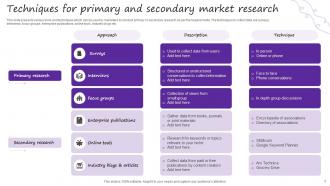
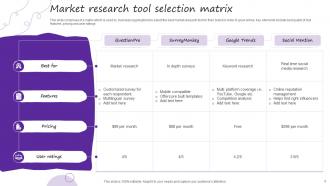
Honestly, surveys are your best bet to start - Typeform or SurveyMonkey are super easy to set up and you'll get real numbers. Focus groups give you way better insights though, just takes forever to organize. If your people hang out online a lot, social listening tools like Hootsuite are amazing for catching what they actually say when they think you're not listening. UserVoice is clutch for product stuff too. Oh and definitely mix surveys with some interviews or you'll miss half the story - people are weird about what they admit vs. what they really think.
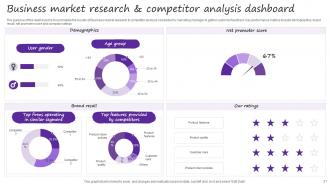
Okay so basically, knowing your target demographics just makes everything click better. You can ask way smarter questions and actually understand what the data's telling you. Like a 25-year-old saying something's "expensive" vs a 55-year-old? Totally different worlds. Plus you won't waste time surveying random people who'll never buy your stuff anyway - been there, it sucks. I'd definitely create those detailed personas first before designing any research. Saves you from getting all excited about data that looks cool but is completely useless for your actual customers.
Honestly, competitor analysis is like cheating on a test but legally. You get to see what pricing works, what messaging clicks, and where there are obvious gaps you can jump into. I usually set up Google alerts and peek at competitor sites monthly - way better than guessing what might work. You'll figure out how to position yourself differently and catch trends early. The mistake most people make? Doing it once and forgetting about it. Markets shift constantly, so you gotta keep watching what everyone else is doing.
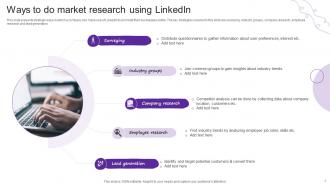
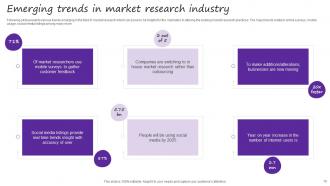
Honestly, social media analytics blow traditional surveys out of the water for getting real consumer insights. You're seeing actual unfiltered opinions as they happen - not people sitting in some awkward focus group trying to give the "right" answer. The sample sizes are huge too, way bigger than what you'd get otherwise. What's cool is how specific you can get with the data - track sentiment changes by age, location, even what time people are posting. Though here's what I'd do: use social listening to spot trends first, then maybe back it up with some targeted surveys if you need to dig deeper. Best of both worlds, you know?
Okay so the main ones are informed consent and privacy stuff - basically tell people what you're collecting and why. Don't mislead them about your research purpose, that's just shady. Keep their data secure obviously. Also avoid targeting vulnerable groups or using sketchy tactics to get responses. Honestly, manipulative approaches usually blow up in your face anyway. Give people the option to bail or skip questions that make them uncomfortable. I'd write down your ethical guidelines before you even start collecting anything. Just think about how you'd want to be treated if someone was studying you.
Oh man, cultural stuff will totally mess up your research if you're not thinking about it. Like, asking for honest feedback works so differently in Japan vs Germany - night and day. Your questions might not even make sense when translated, and people respond to surveys based on what they think sounds "good" in their culture. Honestly, I've seen studies completely fall apart because of this. Work with local researchers who actually get the cultural context, and definitely test your stuff on a small group first. Also maybe budget extra time because you'll probably need to tweak things.
Oh man, the worst mistake is asking leading questions that basically tell people what to say. Sample sizes matter too - don't survey like 20 people and call it good. Most companies only ask their current customers, which is kinda pointless if you're trying to grow. Confirmation bias is huge - I've totally done this where you just pick the responses that make you feel right. Also? Don't be vague about who you're actually targeting or you'll get useless generic answers. Random tip: timing screws everything up, so avoid holidays and big news events. Test your questions on a few people first - trust me on this one.
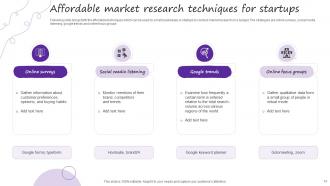
Totally doable on a budget! Google Analytics is free and super helpful for understanding your audience. Customer surveys through Google Forms won't cost you anything either. Honestly, your current customers are probably dying to give feedback - most people love when you actually ask their opinion. Try calling or emailing them directly. Government sites have tons of free industry reports too, plus trade associations usually publish stuff. Oh, and don't sleep on social media insights. Here's the thing though - pick maybe 2-3 methods and really dig into those instead of trying everything at once. You'll get way better results.
Skip the vanity metrics - you want numbers that actually connect to revenue. ROI from research decisions matters way more than how many surveys you ran. Track if your market predictions matched reality, and whether insights actually changed your product or campaigns. Speed counts too since slow research becomes useless research. Honestly, stakeholder adoption is huge - amazing findings that nobody acts on are pointless. Compare customer acquisition costs before/after using your research. Do your target audiences actually convert? That's what tells you if your research budget is worth it or just expensive guesswork.
Quarterly's a good starting point, but it really depends on your industry speed. Tech moves crazy fast - those guys probably need monthly updates. Furniture or something slower? Maybe twice yearly works. The thing is, you don't want old data biting you in the ass when competitors make moves or customer habits shift. I'd honestly rather check too often than get blindsided by year-old research - seen that happen way too many times. Start quarterly and tweak from there. Oh, and set up Google alerts between your formal research periods so you're not totally in the dark.
Dude, this tech stuff is moving crazy fast for consumer research. You've got AI that can crunch through tons of data in minutes instead of weeks - real-time sentiment analysis, predictive models, the whole thing. VR lets you test products virtually now, and AR shows how people actually interact with packaging at home. Oh, and IoT devices are tracking behavioral data you couldn't even dream of getting before. Honestly? Don't wait around to try this stuff. Even running small tests will show you what actually works for your research. The companies sitting on the sidelines are gonna get left behind pretty quick.
Journey mapping is like finding holes in your research game. You'll see exactly which touchpoints you're missing data from - honestly, most people completely skip that awkward space between awareness and consideration. It shows you when to actually send surveys instead of just randomly bombarding people. You can spot dropout points and focus there instead of wasting time on stuff that's already working fine. Plus it helps you ask better questions since you understand context. I'd start with just one customer segment first, then see where your current methods aren't reaching.
Lead with your biggest findings right away - executives hate digging through methodology to find the point. Charts and graphs are your best friend here. Dense paragraphs will lose them instantly. Frame everything around what it means for the business, not just the data itself. Honestly, I've watched so many presentations crash because researchers get obsessed with statistical significance while leadership just wants to know "okay, so now what?" Keep it tight and actionable. They'll definitely ask what to do next, so come prepared with specific recommendations tied to actual decisions they're facing.
-
I took a chance with SlideTeam. I never looked back. Great products and great service.
-
Innovative and creative templates with high-quality designs. Helped me with my presentation as the slides were easy to edit.