

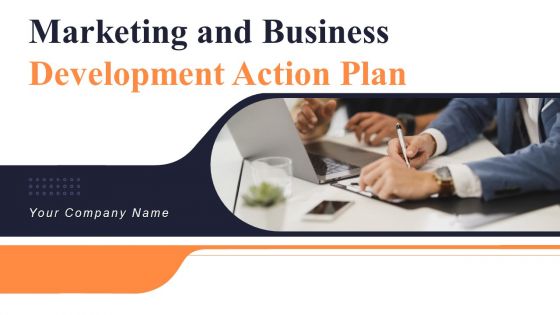
Marketing and business development action plan powerpoint presentation slides




Try Before you Buy Download Free Sample Product
 Impress Your
 Audience
 100%
100% Editable
 Save Hours
 of Time


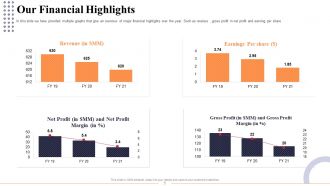
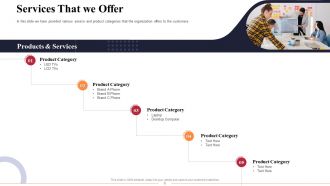
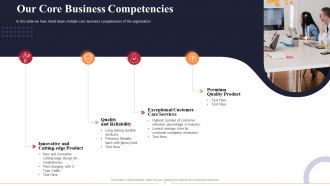
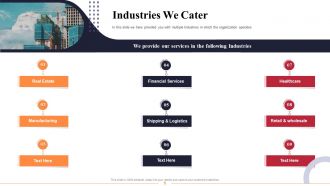
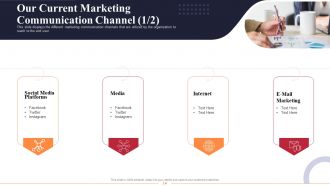
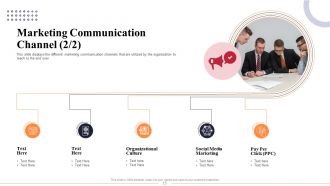
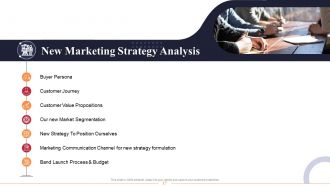
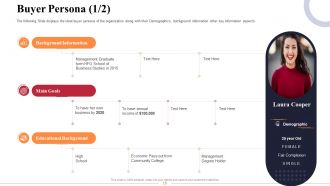
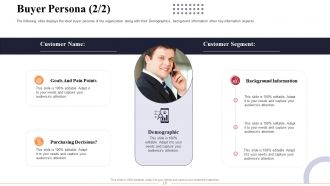
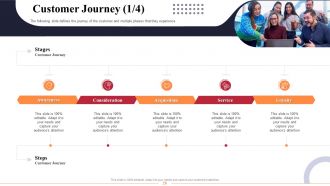
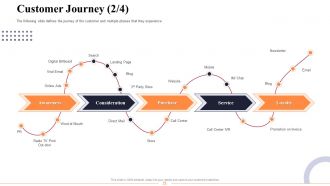
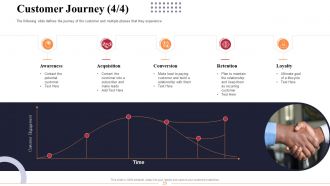
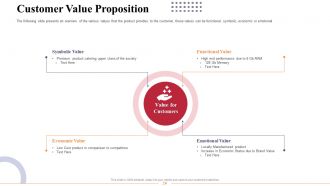
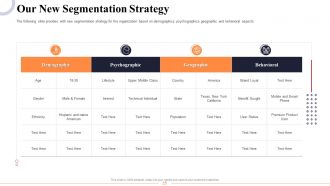
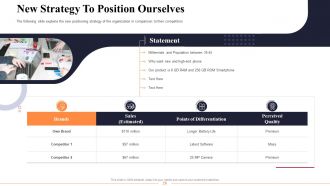
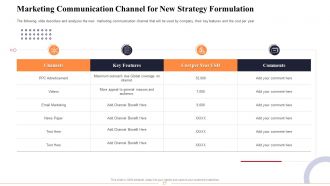
Select our Marketing And Business Development Action Plan PowerPoint Presentation Slides, and create a highest-return and lowest-investment strategy for your company. Our firm development PPT templates are the most suitable and well-color-coded for highlighting your core business competencies like a premium quality product, exceptional customer care, and reliability. Provide a list of professional services that your company caters to, including real estate, manufacturing, financial services, shipping, healthcare, retail, and logistics, with the assistance of these company growth PPT slides. Forecast your financial and revenue projections in a well-organized and structured format by taking the aid of these business strategy PPT layouts. Showcase your current marketing strategies and communication channels to the audience by employing this marketing plan PPT slideshow. These professionally curated strategic development PPT designs accurately display the customer journey and buyer persona and gain the interest of your viewers. Additionally, apt and customizable slides are offered at the end to help you give your presentation an engaging outlook. Download this organizational development PowerPoint deck and impress your audiences!
People who downloaded this PowerPoint presentation also viewed the following :
Marketing and business development action plan powerpoint presentation slides with all 80 slides:
Use our Marketing And Business Development Action Plan Powerpoint Presentation Slides to effectively help you save your valuable time. They are readymade to fit into any presentation structure.


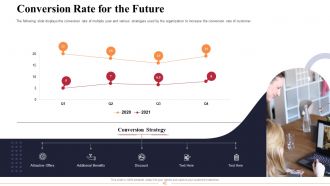
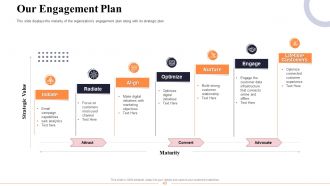
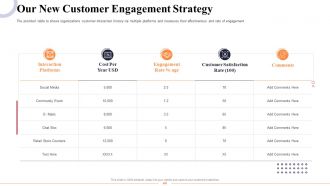
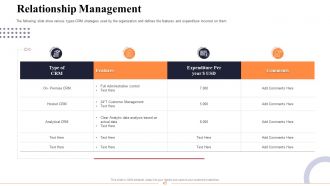
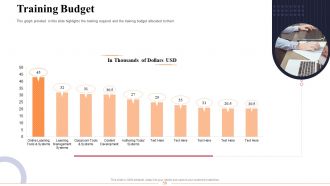

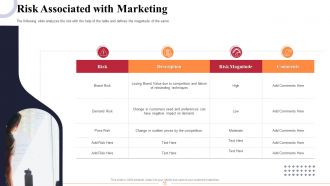
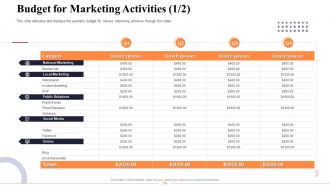


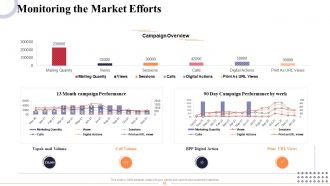
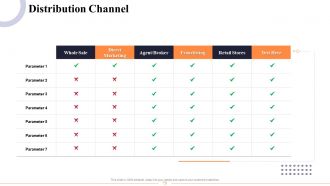
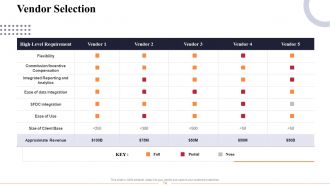
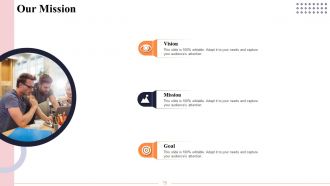

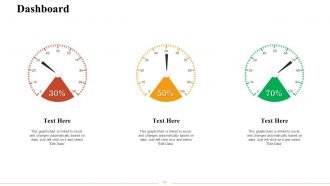
FAQs for Marketing and business development action plan
You need clear objectives first - make them SMART goals, not that vague "brand awareness" fluff everyone loves. Figure out who you're actually talking to, then pick tactics that reach them where they already are. Budget and timeline each piece realistically (learned this the hard way). Oh, and define your success metrics before you start - trust me on this one. I'd audit what you're doing now first, then build out from there. It's basically like cooking - miss a key ingredient and the whole thing's gonna taste off. Short sentences work. Longer ones with natural flow keep people reading without feeling robotic.
So basically, you want to connect each marketing goal straight to what the business actually cares about. Like if they want 20% revenue growth, maybe you need 500 solid leads to get there. I always make a little chart showing these connections - honestly makes meetings way smoother. Track KPIs that actually matter to revenue, not just fluffy stuff like clicks. Monthly check-ins are clutch so you can pivot when things aren't working. Your CMO will be thrilled when you can show marketing's real impact on the bottom line instead of just... engagement metrics or whatever.
Honestly, personas are everything when it comes to marketing. Without them you're just blindly guessing what'll work. I learned this the hard way after wasting way too much money on campaigns that flopped. Once you nail down who you're actually talking to, everything else falls into place - your messaging, which platforms to use, even timing for emails. Like, Gen Z on TikTok vs. millennials on Facebook requires totally different approaches, you know? Start with 2-3 solid personas before you do anything else. Trust me on this one.
First things first - nail down your KPIs before you launch. Conversion rates, lead quality, traffic numbers, whatever matches your goals. I always track both the quick wins (email opens) and the stuff that actually matters (sales). Getting clean data from different platforms is honestly such a pain, but you need that baseline. Then just compare month-to-month or quarterly progress. Oh, and don't sleep on asking customers directly - surveys catch things your analytics totally miss. Set up a basic dashboard so you're not panicking at month-end trying to pull reports.
Honestly, there's a bunch of good stuff out there. Asana's solid for keeping track of campaigns and deadlines - way better than sticky notes everywhere. Google Analytics is basically mandatory, and SEMrush if you want to get serious about research. Canva's a lifesaver for graphics (seriously, it makes me look like I actually know design). For email stuff, HubSpot or Mailchimp both work well. Buffer's what I use for scheduling social posts, though Hootsuite's good too. Oh, and definitely start with free versions first! No point paying until you know what you'll actually use.
Honestly, I'd check your marketing plan every month - just quick reviews to see what's actually moving the needle. Then do the heavy lifting quarterly where you really dig into all the data and maybe shift strategy. I used to be stubborn about sticking to plans way too long (like 6+ months) and totally missed some good opportunities because of it. Monthly keeps you nimble when weird stuff happens in your market. Fast-moving industry? Maybe every two weeks. Oh, and actually put these reviews in your calendar right now or you'll never do them.
Get your team involved from the start - don't just dump the finished plan on them. Bring key people into those planning sessions so they actually feel like they helped create it. Honestly, transparency is huge here. Explain your reasoning and show how their feedback changed things. Everyone needs to see how their piece fits the whole puzzle, otherwise they'll just go through the motions. Oh, and regular check-ins are a lifesaver for catching problems early. I've watched so many good strategies crash because leadership thought they could just announce it and walk away. Celebrate the small wins together too.
So I always start with that impact vs effort thing - what's gonna move the needle on revenue with the least headache? Quick wins first for sure. I literally draw out a 2x2 grid because I'm visual like that, then plot everything based on your actual resources. Don't have unlimited time or budget, right? Also timing matters - like if you've got seasonal stuff coming up, factor that in. Build momentum with the easy stuff first, then tackle your bigger strategic moves. Works every time for me.
Ugh, where do I even start? Don't set crazy unrealistic goals - I see this all the time. People skip audience research completely, then wonder why nothing works. You'll blow your budget trying to be on every single platform instead of focusing on where your customers actually hang out. Build in measurement from the beginning too, like decide how you're tracking success before you launch. Markets shift constantly, so don't make your plan super rigid or you can't pivot when things go sideways. Honestly just pick 2-3 things, measure everything obsessively, then double down on whatever's working.
Honestly, tight budgets are kinda a blessing in disguise - they force you to stop daydreaming about flashy campaigns and get real about what actually works. Pick 2-3 things you can nail instead of half-assing ten different tactics. I always tell people to make two lists: stuff you absolutely need vs. stuff that would just be nice to have. Then ruthlessly cut the nice-to-haves, even if they sound fun. Way better to dominate a couple channels than spread yourself too thin everywhere. Trust me, I've watched too many teams burn money on shiny objects that don't move the needle.
Focus on metrics that actually match what you're trying to do. Lead gen? Track conversion rates, cost per lead, quality scores. Revenue stuff like customer acquisition cost matters a ton too. Don't get sucked into vanity metrics - follower counts are weirdly addictive but pretty useless honestly. Website traffic and email open rates show what's working with your audience. Oh, and engagement rates obviously. Pick maybe 5-7 max that fit your goals. Check weekly or monthly depending on timing. More than that and you'll just confuse yourself trying to track everything.
Don't blow up your whole strategy - just add digital stuff that makes sense with what you're already doing. Like, throw some social media behind your print campaigns or get influencers to boost your PR work. Honestly, some of the old school tactics still crush it. Pick one digital thing at a time and test it so you can actually see if it's worth the effort. Just make sure your messaging doesn't get weird across different platforms. Map out how each piece connects to your bigger goals and set specific metrics for the digital parts. Way easier than starting over.
Okay so competitive analysis is basically your sanity check before you build any marketing plan. Look at what your competitors are crushing (so you can do something different) and find the gaps they're totally missing. I usually tell people to audit like 3-5 direct competitors first - trust me, you don't want to launch a campaign that just disappears into the void. It helps you figure out realistic goals, pick the right channels, and position your messaging properly. Honestly? Skipping this step is pretty much like driving with a blindfold on. Do this before making any big strategic moves.
Honestly, most companies are terrible at this - they collect feedback then let it sit there doing nothing. Group your feedback into buckets first: messaging issues, channel stuff, pain points, whatever makes sense. Then actually use those insights when planning your next campaigns. Like if people say your emails are annoying and too frequent, dial back the cadence and test it. The key thing though? Tell customers when you've made changes based on their input. People love knowing they were heard, and it builds way more trust than you'd expect.
Okay so basically you gotta figure out when your customers are actually shopping. Map out the big holidays and cultural stuff - not just Black Friday but like Ramadan if you're targeting Muslim audiences, or monsoon season for outdoor gear. Religious holidays, back-to-school, weather changes, all that matters. Your timing has to match when people are thinking about buying your stuff. Honestly, I learned this the hard way when I saw brands launching swimwear campaigns in winter. Create a cultural calendar for your main markets first. It'll stop you from missing those crucial shopping windows or looking completely tone-deaf.
-
Unique and attractive product design.
-
Enough space for editing and adding your own content.
-
Really like the color and design of the presentation.
-
The content is very helpful from business point of view.