

Marketing Communication Plan Example Powerpoint PPT Template Bundles MKT MD




Try Before you Buy Download Free Sample Product
 Impress Your
 Audience
 100%
100% Editable
 Save Hours
 of Time


Our Marketing Communication Plan Example Powerpoint PPT Template Bundles MKT MD are topically designed to provide an attractive backdrop to any subject. Use them to look like a presentation pro.
People who downloaded this PowerPoint presentation also viewed the following :
Marketing Communication Plan Example Powerpoint PPT Template Bundles MKT MD with all 25 slides:
Use our Marketing Communication Plan Example Powerpoint PPT Template Bundles MKT MD to effectively help you save your valuable time. They are readymade to fit into any presentation structure.





FAQs for Marketing Communication Plan Example Powerpoint PPT Template
OK so first thing - figure out exactly who you're talking to, not just "millennials" but like actual specific people. Set goals you can actually measure too. Budget and timeline matter obviously, but honestly I'd start with the audience research first since everything builds off that. Your messaging needs to hit different depending on whether you're doing email, Instagram, whatever. Oh and map out how you'll track if it's working before you launch - I've seen people skip that step and then have no clue if they succeeded. The channels you pick should match where your people actually hang out.
Honestly, audience analysis is a game changer - it stops you from just throwing stuff at the wall hoping something sticks. Once you know their actual pain points and how they like to communicate, your messaging hits different. Way better than screaming into the void, you know? You'll figure out where they actually spend time online (not where you think they do), which saves you money too. I always tell people to build out those detailed personas first - they're super helpful for every decision after that. It's basically the difference between having a real conversation vs just... talking at people.
So basically, your brand is what drives everything else you do marketing-wise. It shapes your voice, your messaging, how you talk to people. Think of it like your business personality - you wouldn't act totally different every time you meet someone, right? Same goes for your communications. Whether you're posting on Instagram or sending newsletters, you need that consistent vibe or people get confused about who you actually are. I always tell people to figure out their brand voice first (like, really nail it down), then use that as your north star for all the tactical stuff. Otherwise your marketing just feels all over the place and doesn't stick.
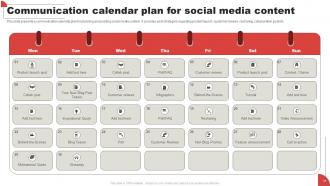
So basically, think of social media as both spreading your message AND having actual conversations with people. LinkedIn's great for professional stuff, Instagram for pretty visuals, Twitter for quick back-and-forth. Here's the thing though - don't overcomplicate it! Your social posts should actually support whatever your main campaign is trying to do, not just exist randomly. I'd make a content calendar that matches your timeline, keep your messaging consistent (but not boring), and track metrics that matter to your real goals. Oh, and seriously - just pick 2-3 platforms where your people actually spend time.
Track impressions, website traffic, social engagement, and email metrics first - that shows if people are actually seeing your stuff. Then look at leads, sales, and cost per acquisition for the business side. Brand surveys help but honestly they're annoying to keep doing consistently. Pick maybe 3-5 metrics max that match your goals. Don't try measuring everything or you'll go crazy. Set up tracking before launch too - learned that one the hard way when I had to scramble after. Focus on what actually matters for your specific campaign.
First thing - figure out what you're actually trying to hit. Revenue goals, new customers, whatever matters most to your business. Then work backwards from there. If you want to keep 15% more existing customers, stop wasting money on acquisition ads and focus on loyalty stuff instead (I see companies screw this up constantly, it's wild). Build KPIs that connect your marketing numbers to real business results. The biggest thing though? Make sure your CMO and CEO are looking at the same scoreboard from day one. Otherwise you'll be celebrating email open rates while they're wondering why sales are flat.
Honestly, budget's gonna be your biggest headache. Plus trying to get all your marketing channels to actually play nice together - way harder than it sounds. Don't even get me started on measuring ROI across everything, it's such a mess. Oh and you'll probably want to target "everyone" at first but trust me, that's a total waste of money. Timing's tricky too when you're running multiple campaigns. My take? Start small with like 2-3 channels max, see what actually moves the needle, then expand from there once you know what works.
So content marketing is basically about helping people instead of just selling to them all the time. You create stuff like blog posts or videos that actually solve their problems - way less annoying than regular ads, honestly. Map it to where people are in buying from you. Someone just discovering your brand needs different content than someone ready to purchase. I'd start by figuring out what content you're missing (probably more than you think). Then make a calendar that matches your other marketing stuff. It builds trust over time and keeps you in their heads without being pushy about it.
So cross-channel marketing is basically hitting people everywhere they hang out - email, social, ads, whatever. The repetition really works because honestly, people need to see stuff like 5 times before it sticks. You can tweak the same message for each platform while keeping it consistent overall. The trick is making sure your channels actually work together instead of doing their own thing. I'd start by figuring out your customer journey first - then you'll see where each channel makes the most sense. It's way more effective than just blasting one channel and hoping for the best.
Start with a brand guide everyone can actually find - messaging, tone, visuals, the works. But here's the thing: half these documents just sit there unused. So make templates for different channels. Nobody wants to reinvent the wheel every time. Have someone be the "voice police" (sounds harsh but whatever) to check stuff before it goes live. Regular team check-ins catch weird inconsistencies too. Oh, and don't make the process super complicated or people will just ignore it. Keep it simple enough that your team will actually follow it.
Honestly, just grab a couple tools and don't overthink it. Project management stuff like Asana keeps your campaigns organized. CoSchedule's pretty solid for content planning, though I still use Google Sheets half the time because I'm weird like that. Canva's a lifesaver for quick graphics. Buffer or Hootsuite will handle your social posting so you're not glued to your phone. Google Analytics shows what's actually moving the needle. Start with maybe 2-3 max—you can always pile on more once you've got your groove down.
Dude, you absolutely need stakeholder feedback - learned this the hard way last year when I didn't get enough input upfront. Get them involved early because they know stuff about your audience and brand voice that you'll miss. Regular check-ins save you from those brutal revision rounds later (trust me on this one). They're living with your decisions long-term, so their buy-in matters. Plus their insights on timing and messaging will totally shape your creative direction and budget. Honestly, just set up those feedback loops from the start. Your future self will thank you.
Honestly, the prep work beforehand saves your ass every time. Get your crisis team sorted out, draft some template responses for different disasters, and pick who's gonna be your spokesperson. Once shit hits the fan, don't go radio silent - that just makes people angrier. Jump on it fast but think it through first. Own up to whatever you screwed up and tell people exactly how you're fixing it. Your legal team needs to eyeball everything before it goes live, obviously. Oh, and watch social media like a hawk during all this. People's reactions will tell you if your messaging is landing or if you need to pivot.
Look, start by actually showing real customers from different backgrounds in your ads - not just stock photos that scream "we googled diverse people." Your language shouldn't assume everyone's the same either. I see so many brands mess this up still, it's honestly embarrassing. Mix up where you're advertising too. Different communities use different platforms, so don't just stick to Facebook or whatever you always use. The trick is being genuine about it, not doing it just to check a box. Quick gut check: go through your current stuff and see who's completely missing. That'll tell you everything.
Honestly, AI personalization is where it's at right now - that and interactive content are crushing it. Voice search is massive too since everyone's basically having full conversations with Alexa now. TikTok ruined us all but short videos aren't dying anytime soon. Oh, and people actually care about sustainability messaging these days, which is refreshing. Community building beats traditional ads every time. Here's the thing though - don't try everything at once or you'll burn out. Pick 2-3 that make sense for your audience. I'd start by seeing what competitors are doing, then test one new thing each quarter.
-
This visual representation is stunning and easy to understand. I like how organized it is and informative it is.
-
Thrilled to see several customizable templates catering various verticals and industries.