


mapa mental de la salud





Try Before you Buy Download Free Sample Product
 Impress Your
 Audience
 100%
100% Editable
 Save Hours
 of Time


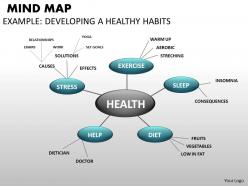
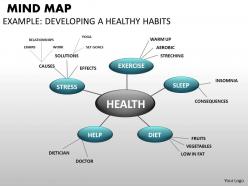
La mente mapea funciona bien para captar tus pensamientos y darles vida. Los mapas mentales pueden ayudarte a ser más creativo, recordar mucho y resolver los problemas de manera eficiente. Sin importar si eres nuevo en los mapas mentales o recién has comenzado, este diseño de información puede funcionar a tu favor. Un mapa mental tiene lluvia de ideas, representación de datos, planificación y muchas cosas por presentar. Un usuario puede hacer listas en lugar de usar notas con líneas. Con este icono de PPT de mapa de salud mental, un usuario puede permitir que afloren más procesos de pensamiento creativo. Entonces, si planeas representar la imagen exacta y crear un diseño de PPT ideal, este diseño de diapositiva de mapa de salud mental es el mejor para seguir adelante.
People who downloaded this PowerPoint presentation also viewed the following :
Mente mapa de salud con las 4 diapositivas: 1. Alimentación 2. Ejercicio 3. Sueño 4. Estrés
Suelde la conexión con nuestro Mapa Mental de salud. Conecte a la audiencia con sus pensamientos.
FAQs for
Honestly, mind mapping changed how I track my health stuff. Instead of juggling separate apps that don't talk to each other, you can see everything connected visually. Like I realized my migraines weren't random - they'd spike during crazy work weeks when I was barely sleeping. The connections just pop out at you. Start simple though, put one health issue in the middle and branch out with related factors. Sleep, stress, diet, symptoms - however they link up for you. Way easier than lists, and you don't have to rebuild everything when you want to add new patterns you notice.
Honestly, mind maps are a game changer for explaining health stuff to patients. Instead of bombarding them with medical jargon, you can show how everything connects visually. Start with their condition in the center, then branch out to symptoms, treatments, lifestyle changes - whatever applies. Patients actually remember this way better than reading through paragraphs of info. I've found they're perfect for chronic conditions where there's a lot of moving parts. The cool thing is you can build them together during appointments, so patients aren't just sitting there nodding along. Makes them feel more involved in their care, you know?
Mind maps are honestly a game-changer for care plans. Put your patient in the middle, then branch out to conditions, meds, goals, interventions - the whole picture. Way better than those linear notes we're stuck with because you'll actually see how everything connects. Complex patients with multiple conditions? Perfect for this. Timeline mapping works great too, plus it's easier to spot potential complications before they hit. My coworker got me into this last month and I'm kinda obsessed now. Pick one tricky patient this week and try it out.
Okay so put your main goal in the middle - something like "Get Fit in 2024." From there, make branches for nutrition, exercise, sleep, mental health, and doctor stuff. Colors are honestly a game changer for this, makes it way easier to follow. Each branch should have specific goals underneath with actual action steps you can do. But seriously, don't go crazy with too many levels or you'll end up with this confusing spider web situation. I update mine once a month to see what's working and what isn't. Works pretty well for staying on track without being too rigid about everything.
So mind mapping basically gets your whole team looking at the same thing at once. Everyone can jump in and add their piece - like you'll actually see how the cardiologist's notes link up with what PT is planning. Way better than everyone working in their own little bubble. The visual thing makes those crazy complex cases way easier to talk through during rounds (honestly saves so much time). Plus you can spot right away if two people are doing the same thing or if something's getting missed. Next case review, just try throwing up a mind map instead of the usual note-taking thing.
Oh totally! Mind mapping works great for this stuff. Put your condition in the center, then branch out - symptoms, meds, triggers, appointments, all that. Way better than those sterile medical apps, honestly. Color-code how bad symptoms are, add dates, throw in mood stuff or side effects. The visual thing really helps you connect dots you'd miss otherwise. Like oh wait, I always feel worse after eating dairy or whatever. I'd start basic with just symptoms and medications first - you can always add more branches later as you figure out what actually matters to track.
Honestly, I'd go with MindMeister or Lucidchart - both are pretty intuitive and you can throw in images, links, even share stuff with your doctor if you want. Coggle's dead simple if you don't need all the bells and whistles. XMind has some decent health templates and works offline, which is nice when your wifi's acting up. If you're already using Notion for health stuff, they've got a mind map thing too. Don't overthink it though - the best tool is whatever you'll actually stick with. Just grab a free version first and see what feels right.
Try mind mapping for this! Put "adherence barriers" in the middle, then branch out into stuff like financial problems, side effects, crazy dosing schedules, cultural beliefs, family drama - you know, all the real reasons people don't take their meds. Honestly, it's kind of shocking when you see everything mapped out visually like that. You'll start noticing patterns you totally missed before. Make a basic template you can tweak for different patients. Saves time and you'll end up asking way better questions during appointments. Trust me, it works.
Your brain is literally wired to process images faster than text, so visual mind maps are perfect for health stuff. Different colors for each body system make everything way clearer - like red for heart issues, blue for mental health, whatever works for you. The cool part is how you start noticing connections between symptoms or habits that you'd never catch in a regular list. I honestly think boring text documents are useless for this kind of thing. When you map it out visually, patterns just pop out at you. Plus you're using multiple parts of your brain at once, so the info actually sticks instead of going in one ear and out the other.
Try mind mapping instead of those crazy detailed spreadsheets everyone's obsessed with. Put "My Wellness" in the middle, then draw branches for stuff like sleep, exercise, nutrition, stress management. Under each one, jot down your goals, what's not working, resources you've got, next steps. Honestly it's so much less intimidating than tracking every single calorie or whatever. The cool thing is you'll start noticing how everything connects - like when you sleep like crap, your motivation to work out tanks too. Just pick one branch to start with and build from there.
Build the mind map live with your client - don't walk in with something pre-made. Their main goal goes in the center, then just let them go wild with branches. Obstacles, resources, daily habits, whatever pops into their head. Different colors help organize themes, and honestly? The drawing part is where things get interesting. Short sentences work. Longer ones give you room to explain how symbols and little sketches make it stick better than boring text. Keep updating it each session since priorities change. Oh, and definitely snap a photo for them afterward - they'll actually look at it between meetings.
You should totally try making a mind map for your health stuff! Start with your main issue in the center, then branch out with symptoms, triggers, meds, whatever. It's like putting together a puzzle - suddenly you can see how everything connects. Your doctor will probably love it too since they can actually visualize what you're dealing with instead of just listening to you ramble (which, let's be honest, we all do). I started doing this before appointments and it's a game changer. Way easier to spot patterns when it's all laid out visually instead of just floating around in your head.
Honestly, mind maps are a game-changer for telehealth sessions. Screen-share a visual map showing their symptoms or treatment plan during the call. Way better than just talking at each other through a screen, you know? Patients actually get it when they see how everything connects visually. They'll ask better questions too instead of just nodding along. The best part? Send them the updated version afterward so they don't forget half the conversation by Tuesday. I'd start with a simple template you can tweak for different patient types.
Yeah, totally! Mind mapping is actually really good for this stuff. It lets you see how your thoughts connect to triggers and what coping things work. Way better than random lists everywhere. I've been doing it since last year - honestly wish I'd started sooner. Try making different maps for different problems. One for stress patterns, another for what self-care actually helps (spoiler: bubble baths don't fix everything lol). Start with just one thing that's bugging you most. Don't overcomplicate it at first - you can always add more later once you get the hang of it.
Honestly, just getting all that health stuff out of your head and onto paper helps so much. Your brain stops spinning when you can actually see everything mapped out - appointments, meds, symptoms, whatever's bugging you. I swear it's like organizing a messy room. You'll notice which things are actually urgent vs just loud in your head. Plus you can break down those big scary health goals into smaller bits that don't feel impossible. Even spending like 10 minutes drawing it out makes everything feel way more manageable and less chaotic.
-
It saves your time and decrease your efforts in half.
-
Design layout is very impressive.