New Product Cost Analysis Powerpoint Presentation Slides
Try Before you Buy Download Free Sample Product
Audience
Editable
of Time
Analyze and represent your new product cost among the management and team using our predesigned new product cost analysis PowerPoint presentation slides. It’s a presentation of 19 slides that explain the concept of new product development. This fantastic new product cost estimation PPT presentation includes a slide on various relevant topics such as production and operation cost analysis, cost analysis, cost-benefit analysis chart, marketing and launch price estimate, price benefit estimate, price and advantages of the new product, and business and financial analysis. You can avail the benefit of our additional slide provided in the presentation. This new product development presentation comprises of a wide range of custom-made slides with all sorts of relevant charts and graphs, overviews, topics subtopics templates, and analysis templates. Speculate, discuss, design or demonstrate all the underlying aspects with zero difficulties. The content of the PPT has been researched by a team of researcher from top consulting firms, and our illustrations architects have transformed it into a significant presentation. There may be gaps in understanding by your audience. Effectively bridge them with our New Product Cost Analysis Powerpoint Presentation Slides.
People who downloaded this PowerPoint presentation also viewed the following :
Content of this Powerpoint Presentation
Slide 1: This slide introduces New Product Cost Analysis. State Your Company Name and get started.
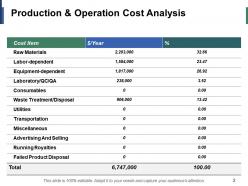
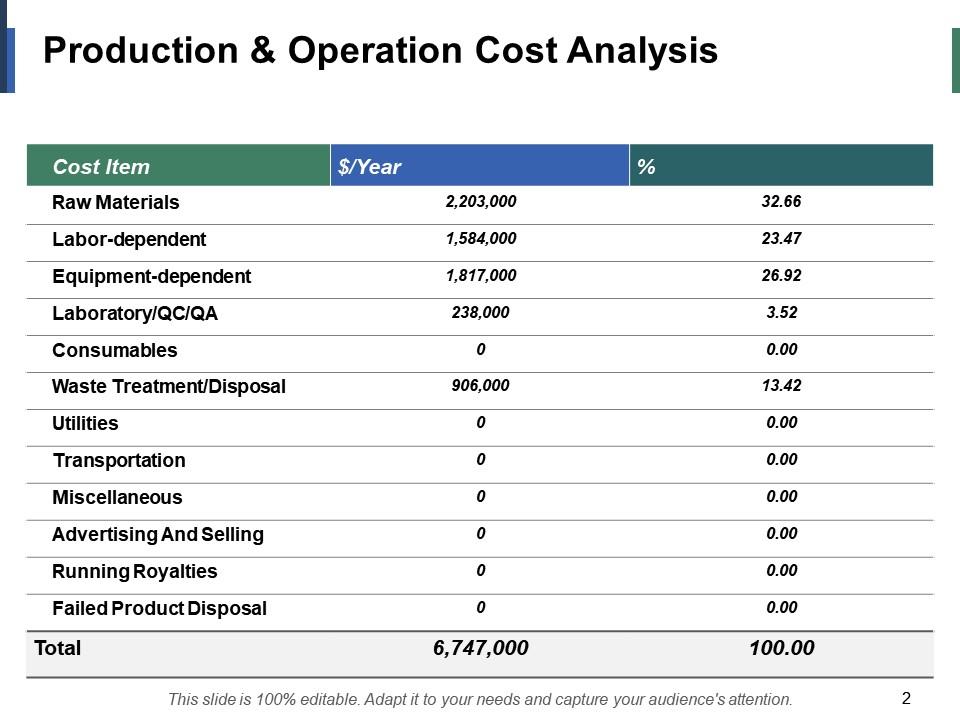
Slide 2: This slide shows Production & Operation Cost Analysis.
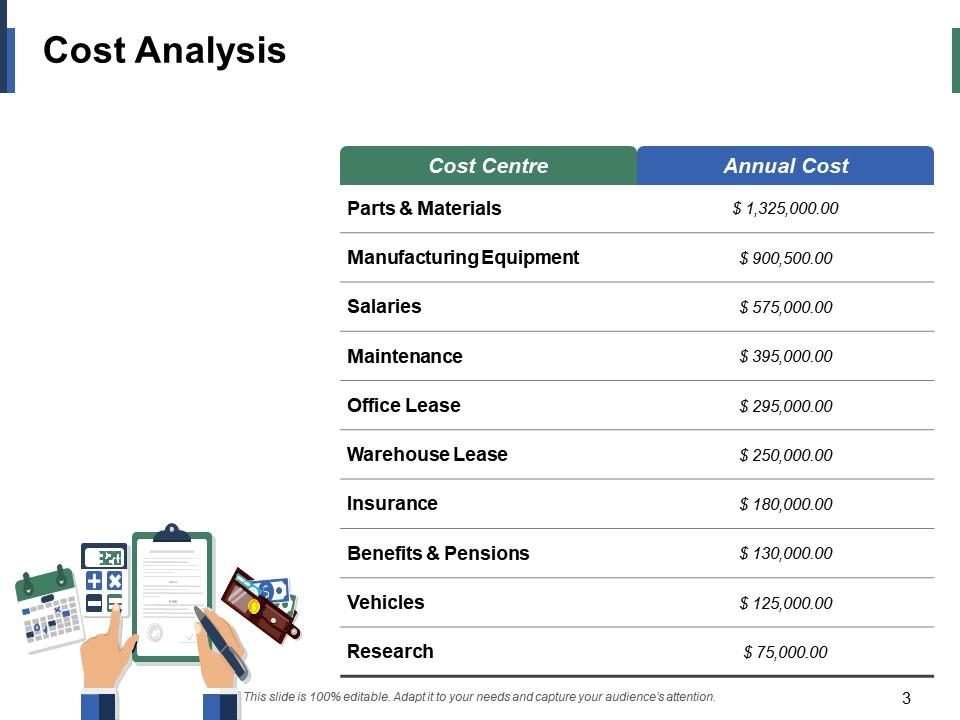
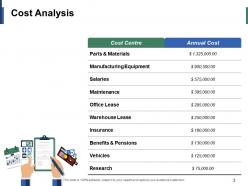
Slide 3: This slide presents Cost Analysis which further showcases Cost Centre and annual cost.
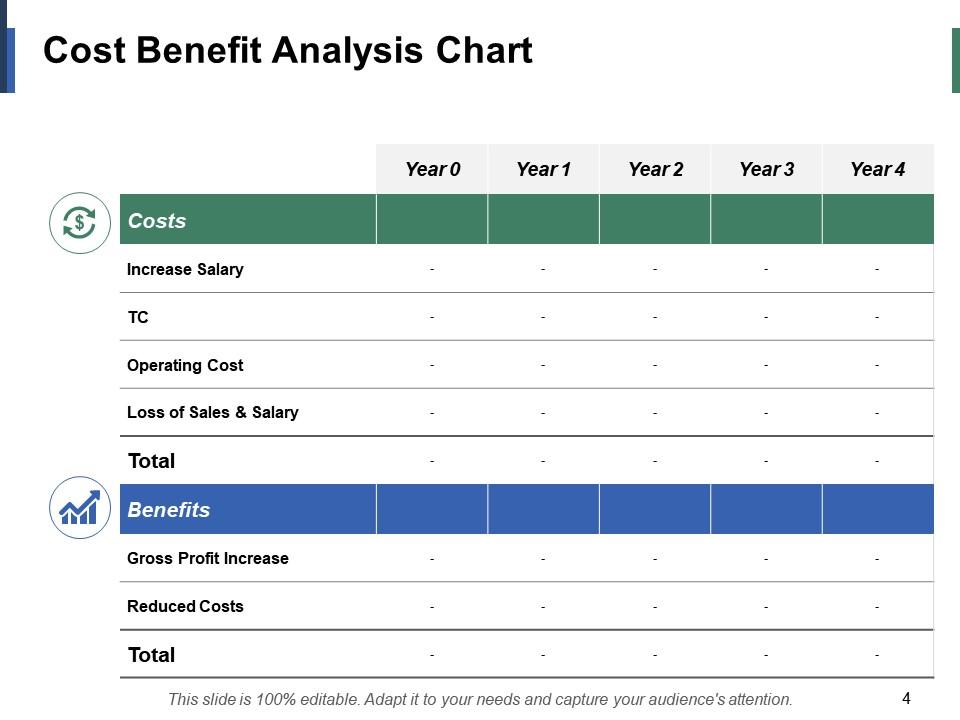
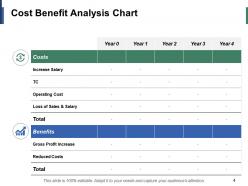
Slide 4: This slide showcases Cost Benefit Analysis Chart.
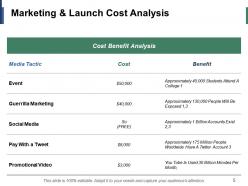
Slide 5: This slide presents Marketing & Launch Cost Analysis
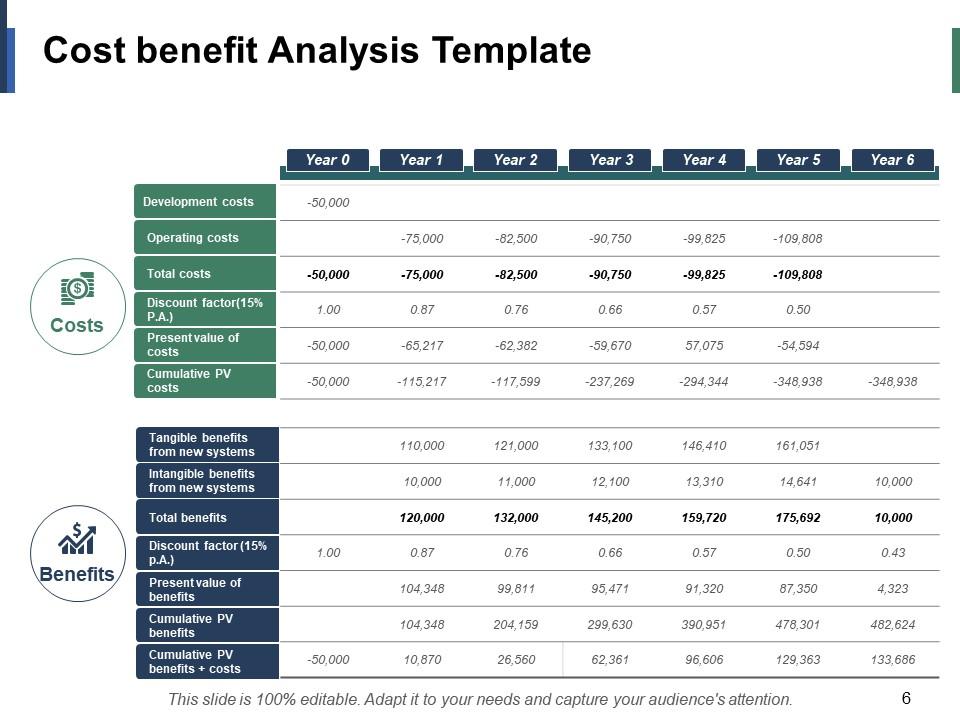
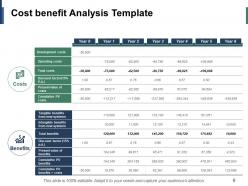
Slide 6: This slide showcases Cost benefit Analysis Template.
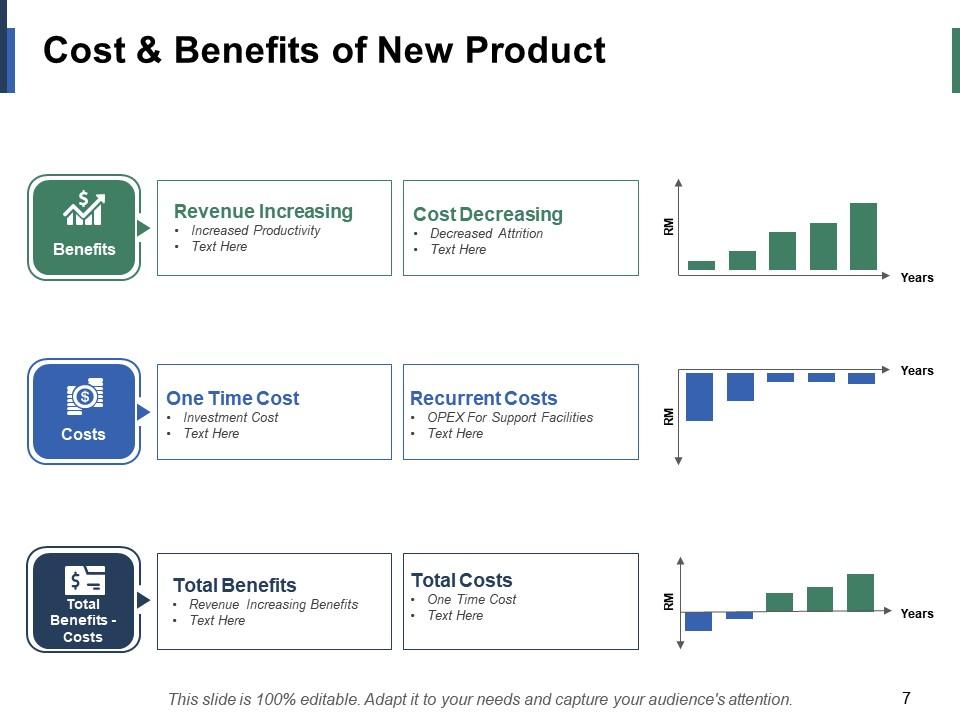
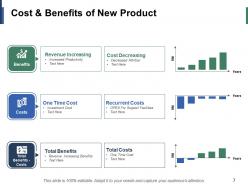
Slide 7: This slide presents Cost & Benefits of New Product.
Slide 8: This slide presents Marketing & Launch Cost Analysis.
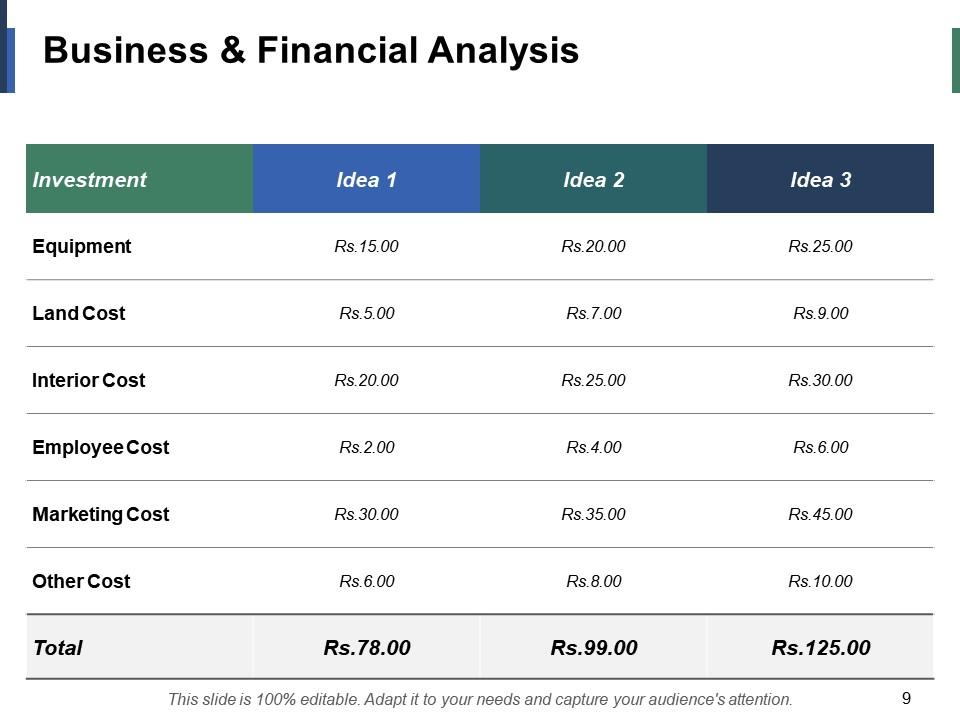
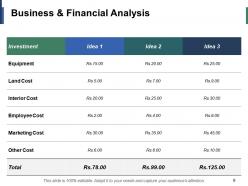
Slide 9: This slide presents Business & Financial Analysis.
Slide 10: This slide is titled Additional Slides to move forward.
Slide 11: This is an Our Team slide with name, image &text boxes to put the required information.
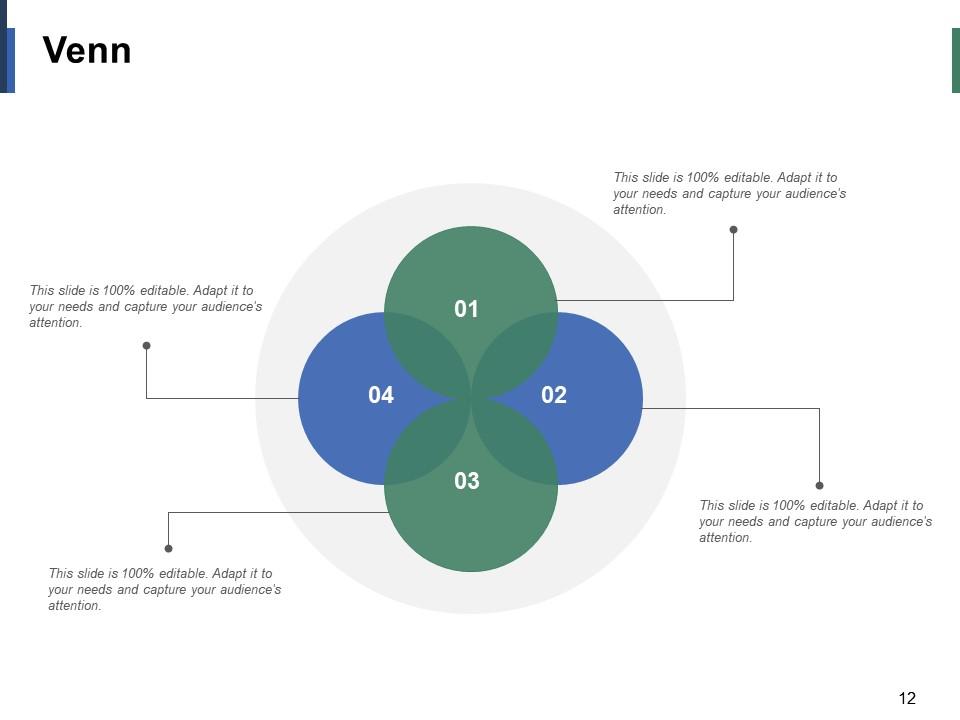
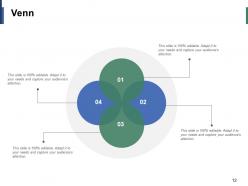
Slide 12: This is a Venn diagram image slide to show information, specifications etc.
Slide 13: This is a Quotes slide to convey message, beliefs etc.
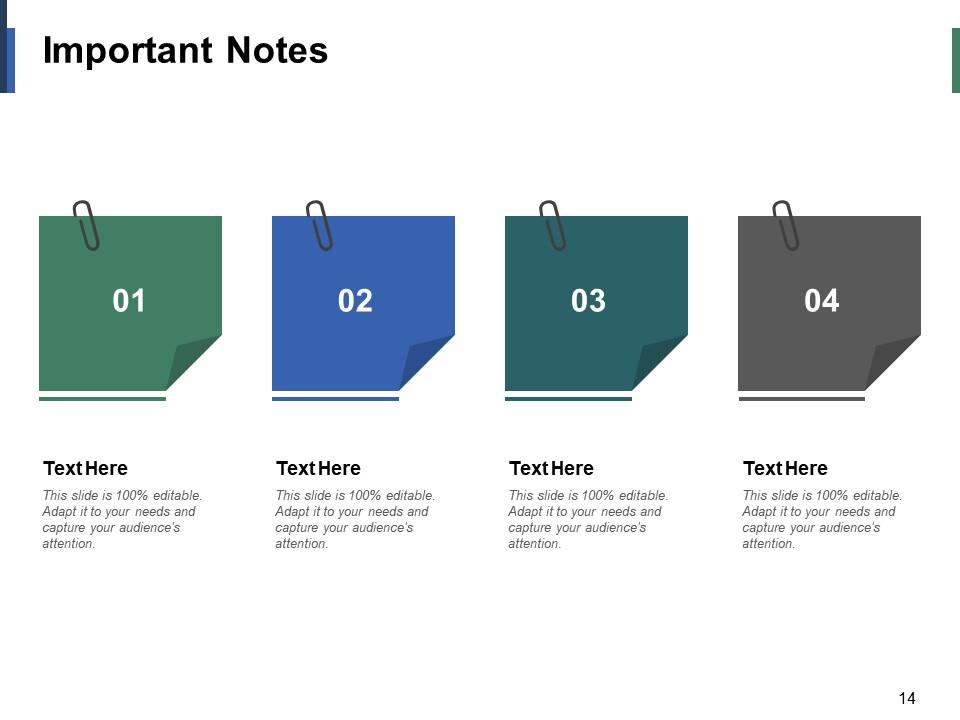
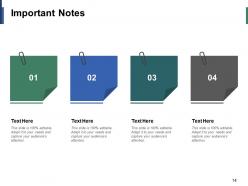
Slide 14: This slide displays important notes on Challenge, Positive Attitude, Balanced Lifestyle.
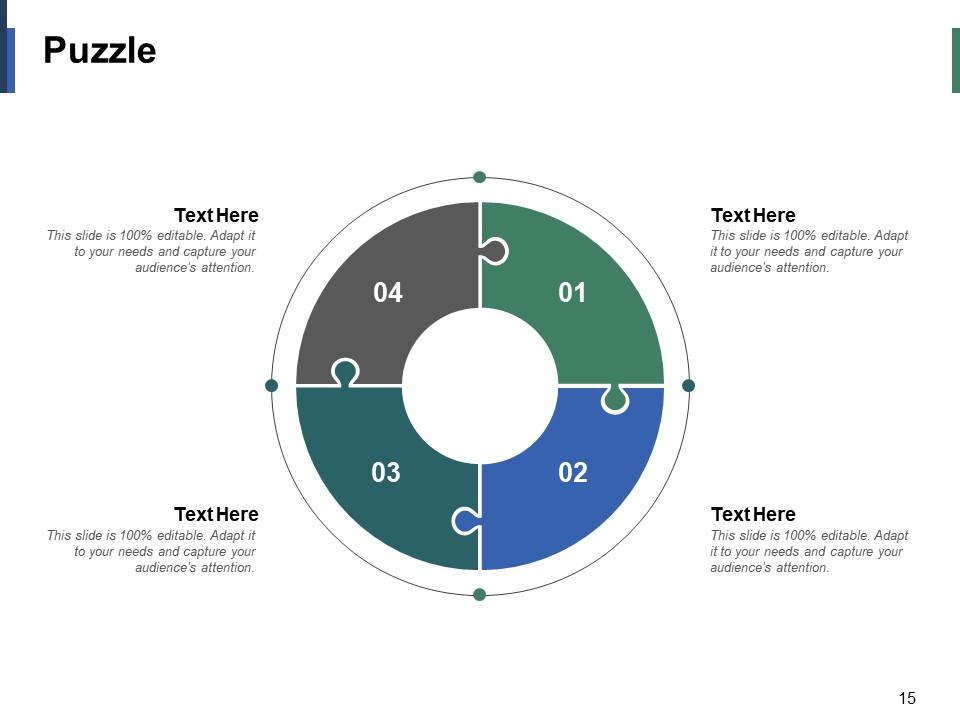
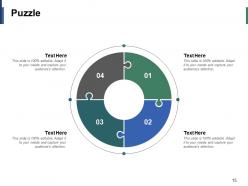
Slide 15: This slide presents a PUZZLE slide with the following subheadings- Integrity and Judgment, Critical and Decision Making, Leadership, Agility.
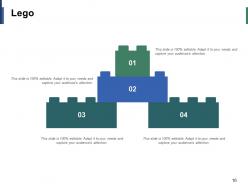
Slide 16: This is a LEGO slide with text boxes to show information.
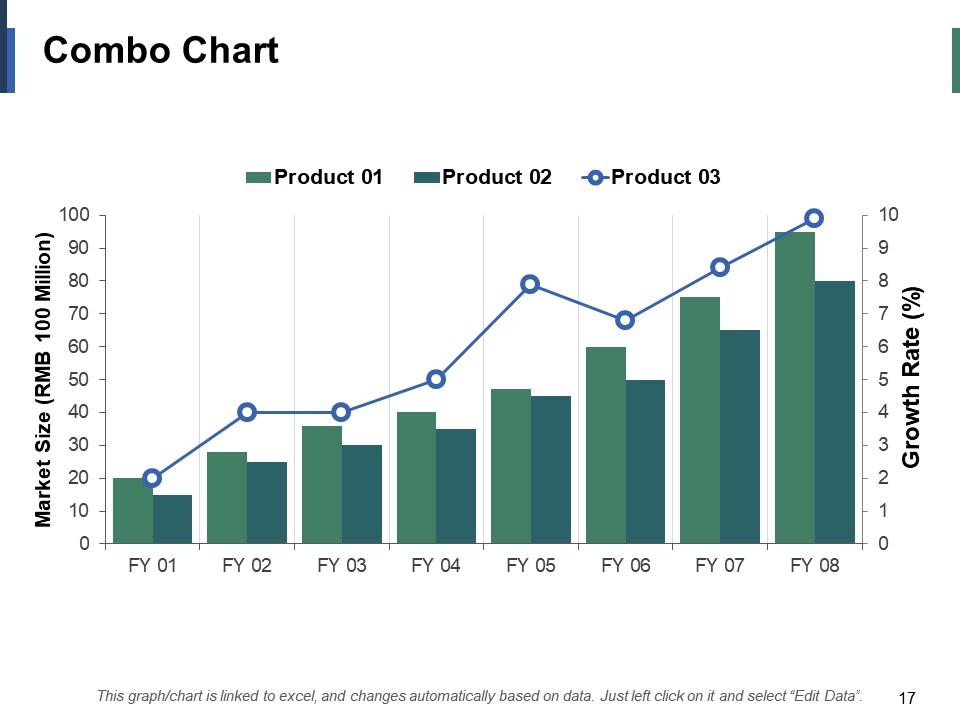
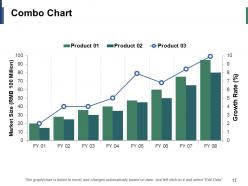
Slide 17: This slide showcases Combo Chart.
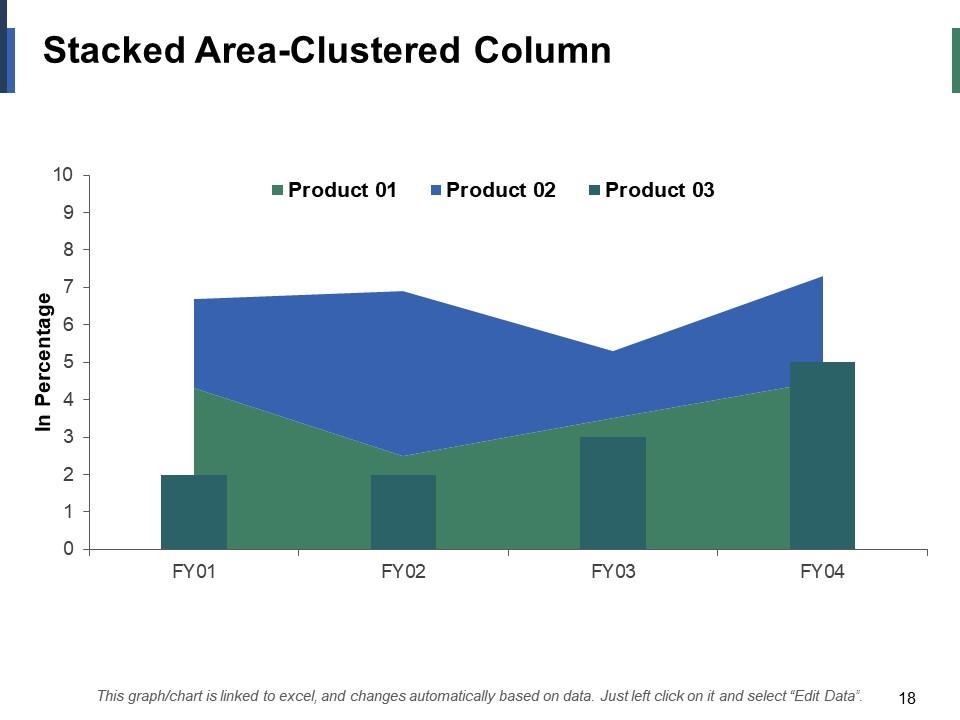
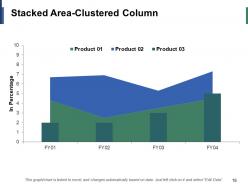
Slide 18: This slide shows Stacked Area-Clustered Column.
Slide 19: This is a Thank You slide with Address# street number, city, state, Contact Number, Email Address.
New Product Cost Analysis Powerpoint Presentation Slides with all 19 slides:
Display an impressive grasp of the essentials with our New Product Cost Analysis Powerpoint Presentation Slides. Gain approval from the forum.
FAQs for New Product Cost Analysis
So you'll want to break this down into chunks or it gets crazy overwhelming. Start with your direct costs - materials, labor, manufacturing stuff. Then indirect like overhead and utilities. Don't skip development costs either (R&D, testing, all that regulatory nonsense). Marketing and sales expenses are huge too. Honestly, the hidden costs are what'll kill you though - quality control, warranties, stuff nobody thinks about upfront. Map out your pricing strategy early since that drives everything else. Oh, and figure out your break-even timeline before you get too deep into the weeds.
So your fixed costs are basically your minimum - like rent and salaries you're paying no matter what. Variable costs hit each unit directly, which affects how much profit margin you can play with. Honestly, most people get way too caught up in the cost side and totally ignore what the market actually wants to pay. I'd start by figuring out your break-even point first. Then add whatever margin you're targeting and see if customers will actually bite at that price. The tricky part is finding that sweet spot where your costs are covered but you're not pricing yourself out of the game.
So there's a few ways to tackle this. Bottom-up is probably your best bet - just break down every single component, material cost, labor hours, all that stuff. Takes forever but it's accurate. Top-down is way quicker where you just compare to similar products or use industry benchmarks, though it's not as precise obviously. There's also parametric modeling that uses algorithms based on weight or key features. I typically do bottom-up first for the main costs, then double-check with top-down estimates to see if I missed anything crazy. Oh and don't forget tooling costs and testing - those overhead expenses will sneak up on you every time. Just pick whatever method matches the data you actually have available.
So basically, market research tells you what people will actually pay and how much they'll buy - which totally changes your cost math. Look at competitor prices first, then figure out what you can afford to spend making your product. I've watched so many companies blow money on features customers couldn't care less about, so definitely survey people about what they want. Higher demand means you can produce more units, bringing your costs down. Oh and don't do it backwards - research the market first, THEN build your budget around reality instead of just hoping people pay whatever random price you pick.
Look, competitors basically cap what you can charge. If everyone else is at $50, you can't just roll up asking $80 without something seriously special to offer. Either match their prices (meaning you gotta slash costs to keep decent margins) or prove why yours is actually worth more - which is honestly harder than it sounds. The upside? Studying their pricing shows you gaps where you might sneak in cheaper or spot opportunities they're missing. My advice: research competitor prices before you even finish developing stuff, so you can build your cost structure around real market prices instead of just hoping people will pay whatever.
Calculate your net profit (revenue minus all costs) and divide by your total investment, then multiply by 100. Most people are way too optimistic with sales projections though - I learned that the hard way. Run best case, worst case, and realistic scenarios over 3-5 years. Don't forget opportunity cost since you could invest that money elsewhere. Personally, I wouldn't bother unless I'm looking at 15-20% ROI minimum. The realistic scenario is usually what actually happens, not the best case we all want to believe in.
Honestly, most people get the obvious stuff right - materials, labor, whatever. But they totally miss the sneaky costs that'll wreck your margins. Quality control gets expensive fast. Same with regulatory stuff and distribution. Volume projections are another trap - don't just make the numbers work because your boss wants cheaper units. That's wishful thinking, not planning. Oh, and if you're doing new manufacturing processes? The learning curve costs are gonna hurt more than you think. I'd throw in a 15-20% buffer for random stuff that pops up. Get real supplier quotes too, not just estimates.
So cost analysis is basically like putting your spending under a microscope - you can see exactly where money's disappearing. Breaking everything down by component, supplier, process, whatever, helps you catch the stuff that's quietly draining your budget. I've seen companies save crazy amounts just by switching to a slightly different material they never considered before. Those little discoveries are honestly the best part. You want to avoid lumping costs into big vague categories because that's where waste hides. Once you've got that detailed breakdown, the problem areas become super obvious and you can focus on the changes that'll actually move the needle financially.
Excel's probably your best bet to start - most teams still use it for building cost models and running scenarios. @RISK is solid if you need Monte Carlo simulations, and Crystal Ball works well for risk stuff. But honestly? I've watched people blow money on expensive software when a decent spreadsheet would've done the job. If you're launching products regularly, maybe look into Palantir Foundry or basic project tools with cost tracking. My advice - start with Excel templates first. You can always upgrade later once you figure out what you actually need. No point overcomplicating things right off the bat.
Break-even analysis is huge for new products - you gotta know how many units you need to sell just to cover costs. Otherwise you're flying blind. The math tells you if there's even enough market demand to make it worth your time. I've watched so many good ideas crash because people skipped this step and got stuck chasing unrealistic sales targets. Your sales team needs real numbers to work with, not wishful thinking. Oh and it makes pitching to leadership way easier when you have actual data. Start conservative though - better to beat low expectations than fall short of crazy ones.
Honestly, you need to think way beyond just making the thing. Development and manufacturing are obvious, but marketing eats up more budget than people expect. Then there's distribution, customer support, warranty claims - that stuff adds up fast. Hidden costs are the real killers though. Recalls can destroy your margins if something goes wrong. Don't forget boring stuff like inventory management and compliance fees either. For tech products, factor in ongoing software updates too. I'd make a timeline spreadsheet with different cost categories - sounds nerdy but it'll show you exactly where money's going from start to finish.
Customer complaints about quality? That's your cue to bump up material and QA costs. But when they love features you weren't sure about, double down on that investment. Think of feedback as your budget GPS - it shows you what's actually worth spending on versus what you thought was important. Honestly, I've seen companies waste so much money guessing what customers want. Update your cost models every few months based on these patterns. Your assumptions probably don't match reality anyway.

Dude, supply chain chaos will totally wreck your cost projections if you're not careful. COVID taught everyone that lesson the hard way - prices can swing wildly overnight. Instead of relying on one forecast, run multiple scenarios with different assumptions. I always add 10-15% buffer to my base numbers now. Sounds conservative but trust me, it's saved my ass more times than I can count. Get backup suppliers lined up early too, because scrambling to find alternatives when your main guy doubles prices? Not fun. Short version: expect the unexpected and plan for multiple realities, not just the rosy one.
Don't just look at what you're spending upfront - you've gotta think bigger picture here. Map out your whole cost structure first, then see where going green actually saves you money down the line. Most companies totally blow this part, honestly. Factor in stuff like material sourcing, how efficient your production gets, plus customers will pay more for sustainable features. Brand boost is huge too. There's usually tax breaks or rebates that help with those initial costs. Build your case around 3-5 year returns, not just this quarter. Oh and regulatory savings - that can add up fast if new rules are coming.
Look at your last 3 similar product launches - that's your goldmine right there. Check what you spent on materials, labor, overhead, the whole timeline mess. Historical data shows you exactly where costs usually spiral (because let's be honest, they always do). Scope creep is real! Also dig into seasonal pricing for raw materials and how your vendors actually performed vs what they promised. Compare your original estimates to what you actually ended up paying. Those patterns will give you way better baseline numbers than guessing.
No Reviews