Product Cost Powerpoint Presentation Slides
Try Before you Buy Download Free Sample Product
Audience
Editable
of Time
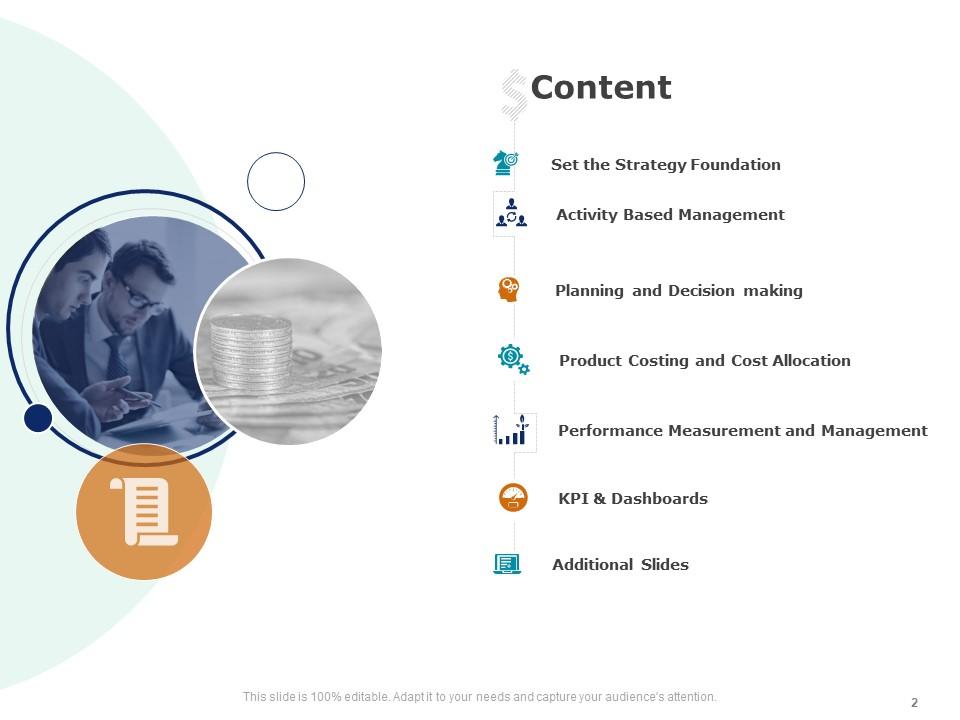
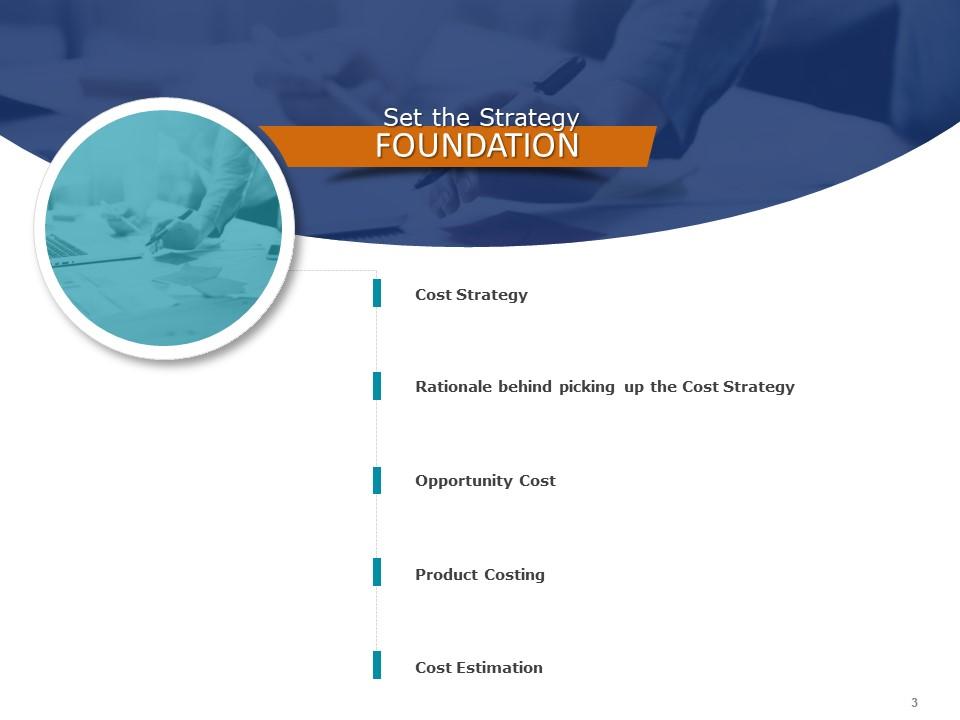
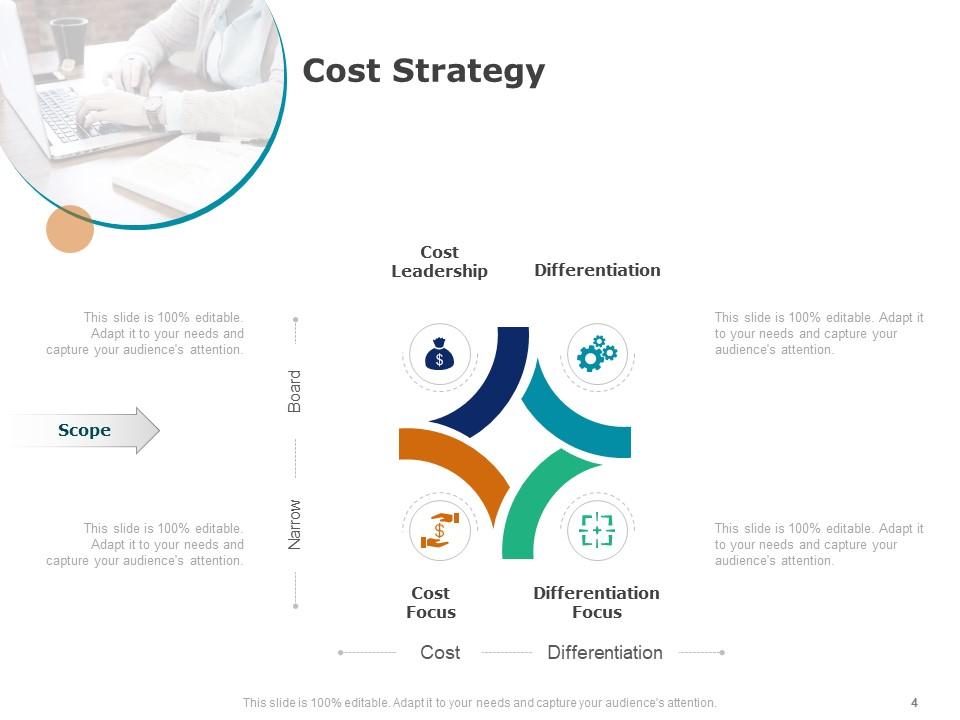
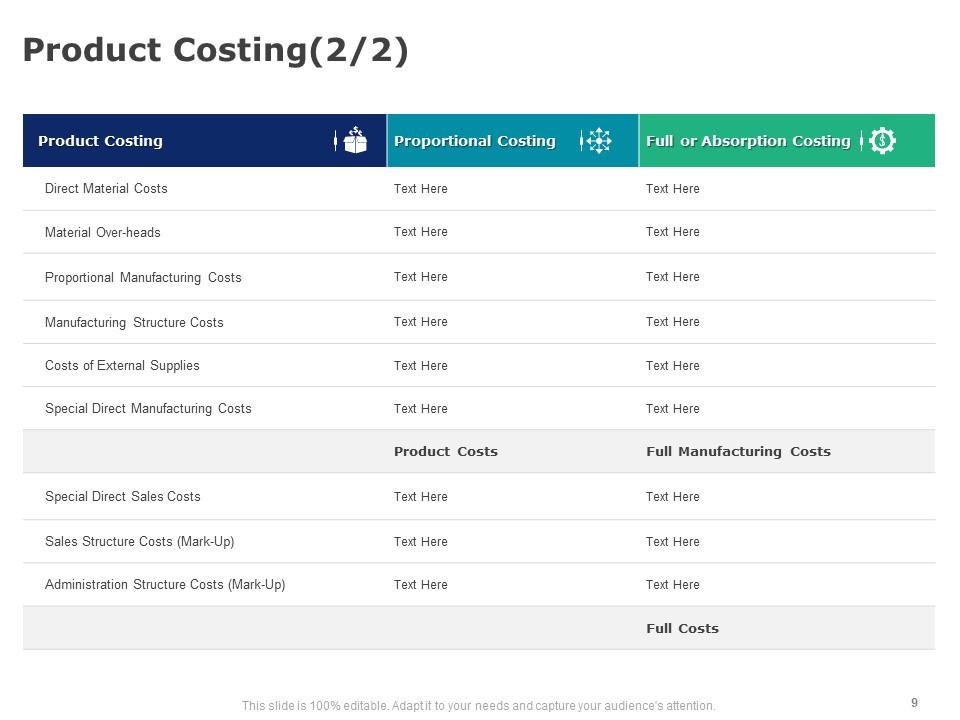
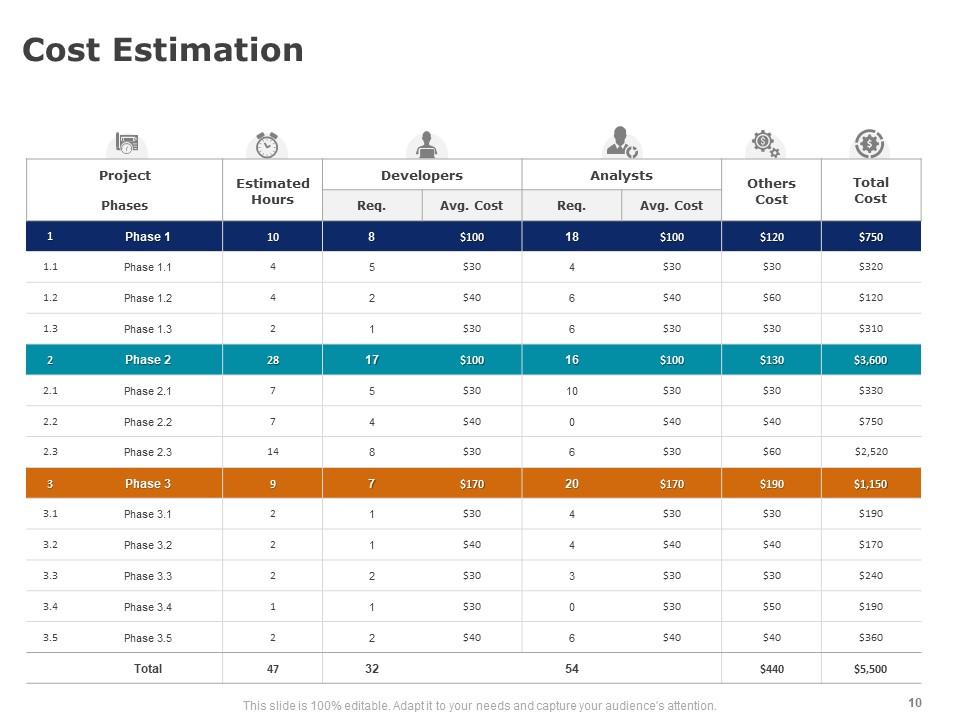
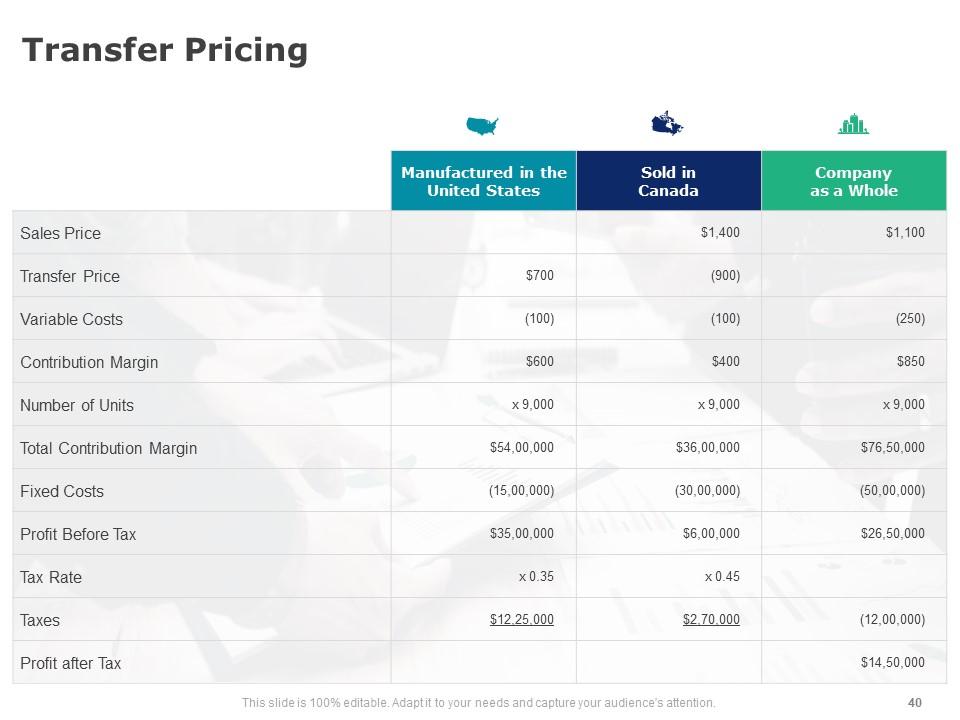
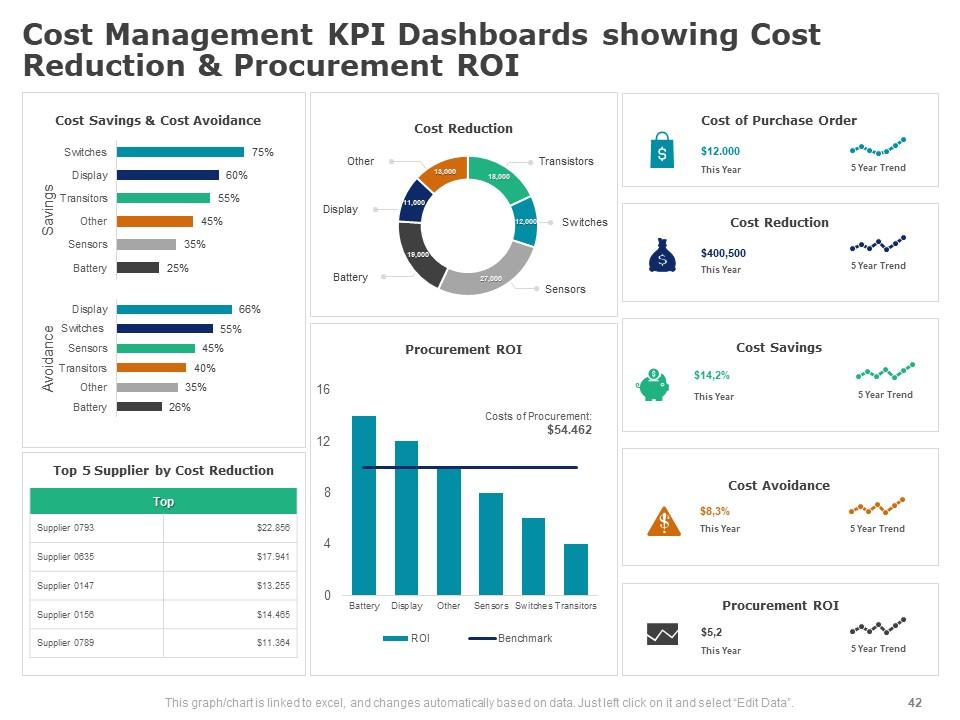
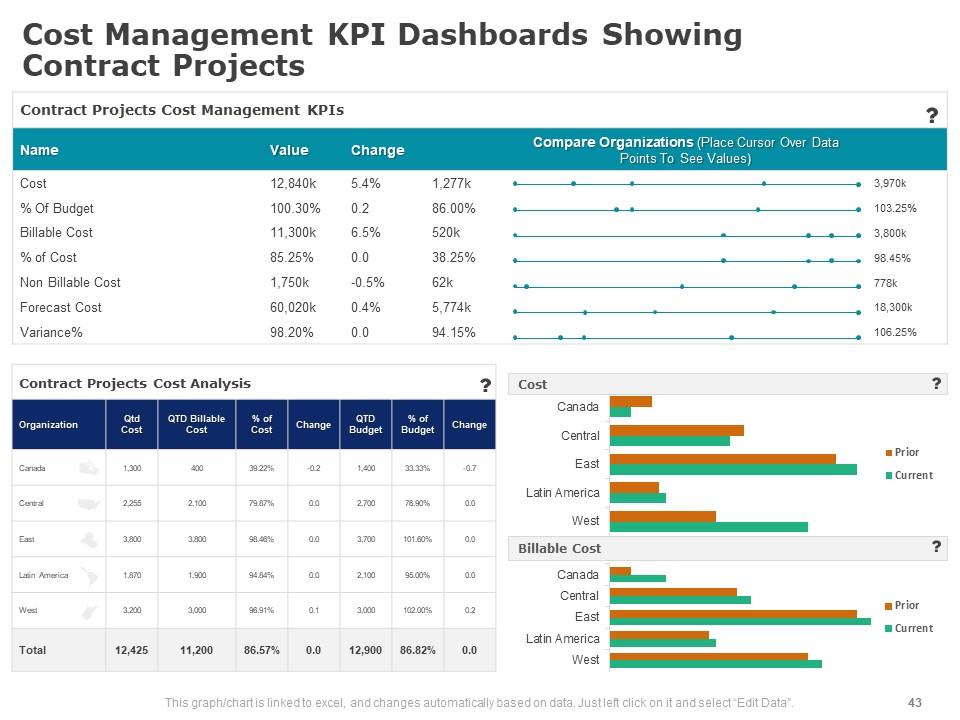
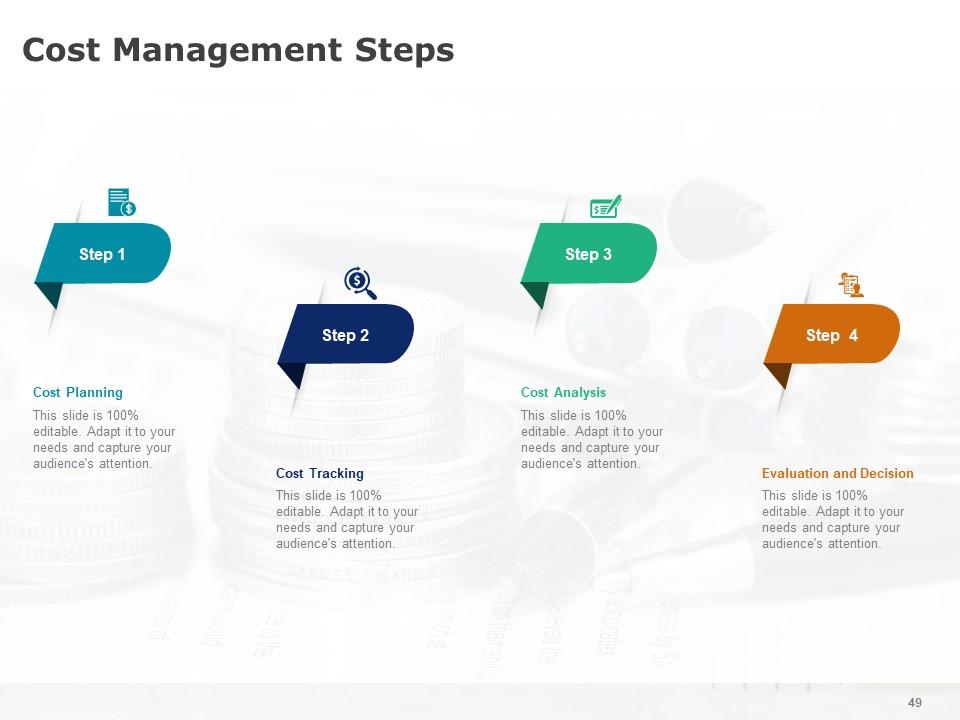
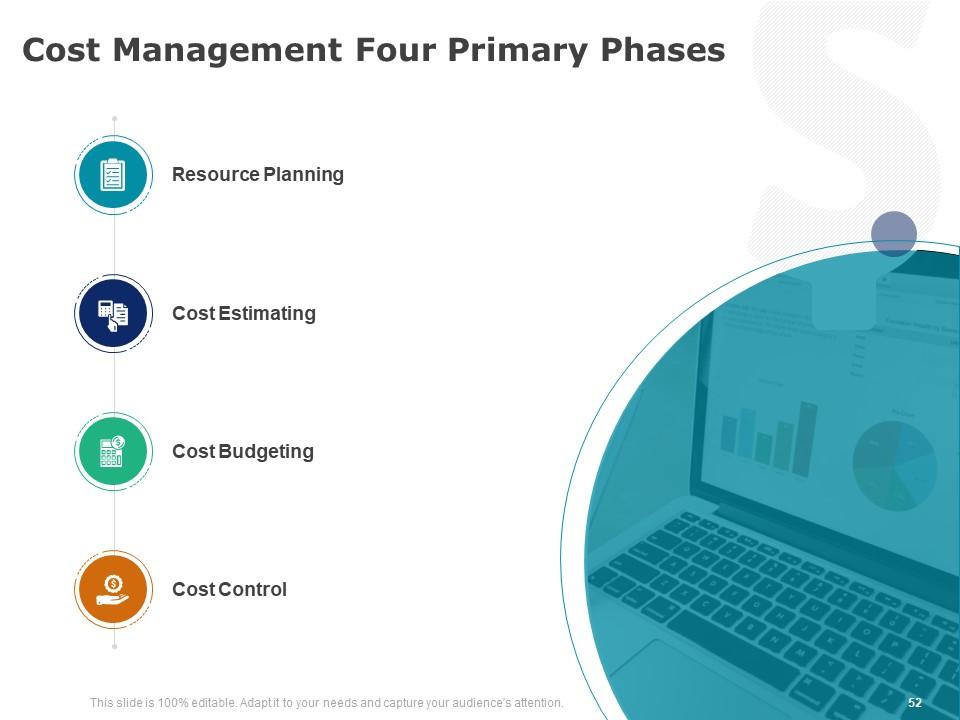
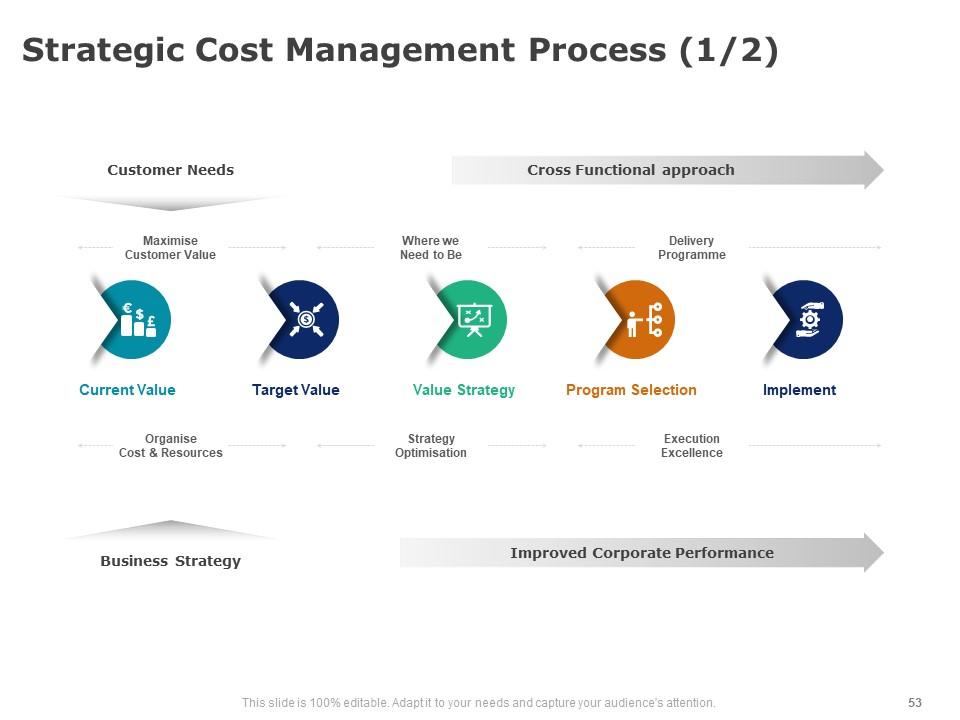
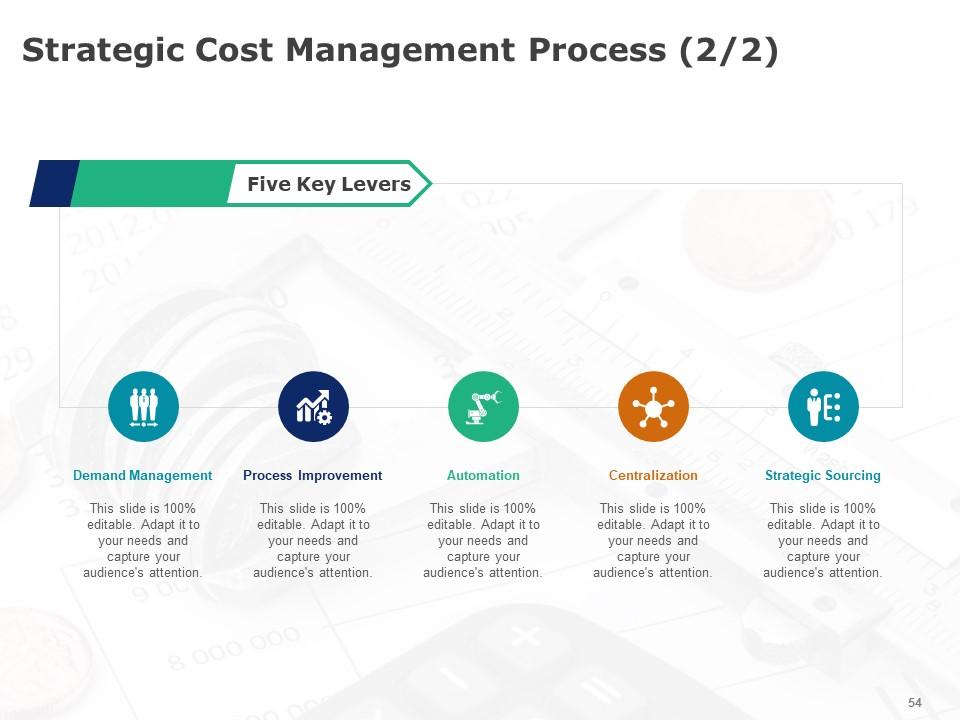
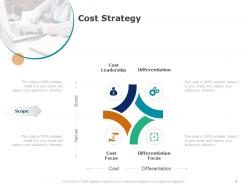
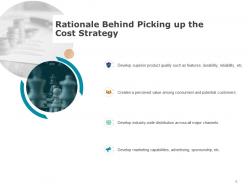
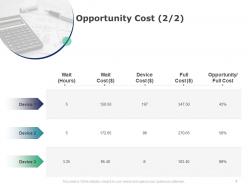
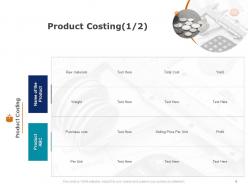
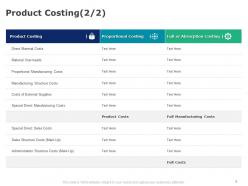
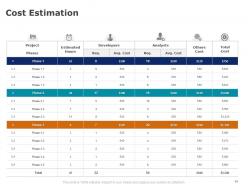
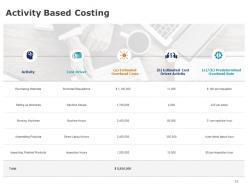
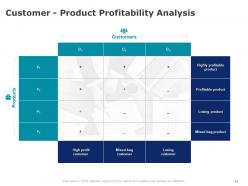
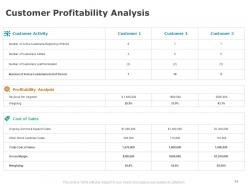
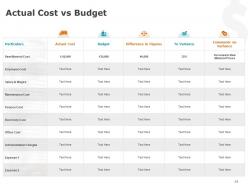
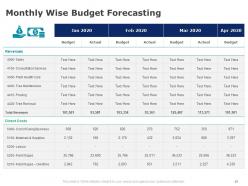
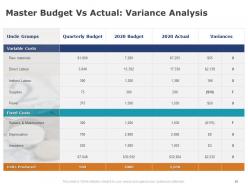
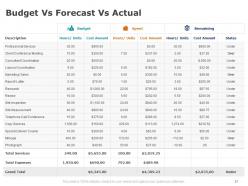
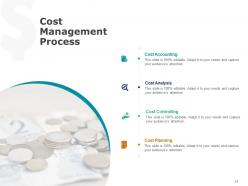
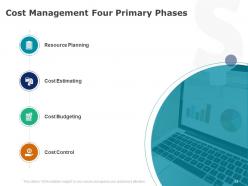
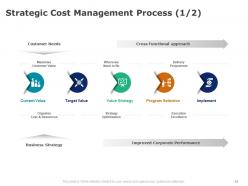
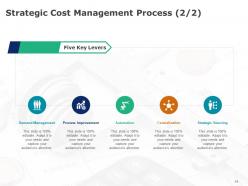
Highlight the ways to calculate the marginal cost of the product with the help of our content ready Product Cost PowerPoint Presentation Slides. By using this interactive product cost analysis PPT theme, you can showcase the methods to examine the cost of a certain product or item. You can explain how to ascertain the profit of every new product with the aid of the product cost management PowerPoint graphic. Use the total cost assessment methodology presentation templates and set the strategic foundation to maintain the monetary value of the upcoming product. Employ this professionally designed product development cost estimation PPT visuals and outline the various costing methods. Take the assistance of the market research PowerPoint layout and mention the different types of cost of productions. Thus, download our ready-to-use product cost estimation PPT complete deck and talk about the costing factors for the launch of a new product.
People who downloaded this PowerPoint presentation also viewed the following :
Product Cost Powerpoint Presentation Slides with all 66 slides:
Use our Product Cost Powerpoint Presentation Slides to effectively help you save your valuable time. They are readymade to fit into any presentation structure.
FAQs for Product Cost
So product costs basically break into three parts: direct materials (the actual stuff in your product), direct labor (what you pay workers), and overhead (rent, utilities, all that other crap). Picture making a cake - you've got your ingredients, paying the baker, plus the oven and electricity bills. Here's where most people screw up though: they totally lowball the overhead costs. Like, seriously underestimate them. Track each part separately so you can actually see where your cash is disappearing. Trust me, you'll be surprised how much that "other stuff" adds up.
So direct materials are basically the raw stuff you can easily track to each product - steel for cars, flour for bread, you know? Indirect materials are trickier. Think machine oil, cleaning supplies, random packaging materials. Pain to track per unit. The big difference? Direct materials get assigned to specific products no problem. Indirect stuff usually gets thrown into overhead and spread around everywhere. Honestly, this is where people mess up their pricing. They'll nail the direct costs but totally forget about all those little indirect materials adding up. Both matter for your real costs, so don't skip tracking the indirect ones just because they're annoying.
Look, labor's probably gonna be your biggest expense - sometimes 20-70% of what it costs to make your stuff. Direct labor is the people actually building things, then you've got indirect like supervisors and QC folks. Manufacturing hits way harder than tech obviously, but even software companies are paying devs decent money these days. Here's what gets people though - it's not just wages. Benefits, training, all that overhead adds up fast. I'd track both your basic wage costs and the full loaded rates so you don't accidentally underprice yourself.
Honestly, start with your supply chain - that's where most people find the biggest wins. Negotiate harder with your current suppliers or shop around for better deals that don't compromise quality. Automation is your friend for repetitive stuff (the payback can be insane). Train your team to spot waste - materials, time, whatever. Lean manufacturing principles work too, just don't go overboard trying to implement everything at once. Oh, and definitely audit everything first so you know where you're bleeding money. Small changes really do add up without pissing off customers.
So economies of scale are pretty straightforward - you make more stuff, each thing costs less to produce. Fixed costs like equipment and R&D get spread across way more units. Bulk purchasing helps too since suppliers give better deals on large orders (obviously they want your business). Your team also gets more efficient over time, which drops variable costs per unit. I'd definitely run the numbers at different production levels to see where you hit that sweet spot - sometimes there's a weird jump where costs actually go up temporarily before dropping again.
Your design choices absolutely control manufacturing costs. Fewer parts = cheaper production, trust me on that one. But throw in complex shapes or super tight tolerances and you're suddenly paying for specialized equipment and crawling production speeds. Material selection obviously impacts cost, though honestly the real budget killer is usually how hard your design is to actually make. Get your manufacturing folks involved early - I've seen design for manufacturing principles slash costs by 20-40%. It's worth having those conversations upfront rather than scrambling later.
Honestly, supply chain tweaks can save you serious money. First thing - audit what you've got now and find your biggest money drains. Negotiating better rates with suppliers is obvious but works. Smart logistics planning cuts transportation costs, and you'll slash inventory expenses by not overstocking everything. Procurement's where I'd focus though - consolidate orders and shop around for alternatives. Better demand forecasting means less waste (which adds up fast). Oh, and streamline processes to kill bottlenecks. Start with whatever's bleeding the most cash first.
You've gotta build overhead into your pricing or you'll be screwed even with decent sales. Rent, utilities, admin costs - all that stuff gets spread across your products somehow. Sure, splitting office rent between 20 products is kinda made-up math, but you need ballpark numbers. The thing is, high overhead means higher prices, period. Can't just cover materials and labor anymore. I learned this the hard way when I thought I was making money but wasn't accounting for all the background expenses eating away at everything.
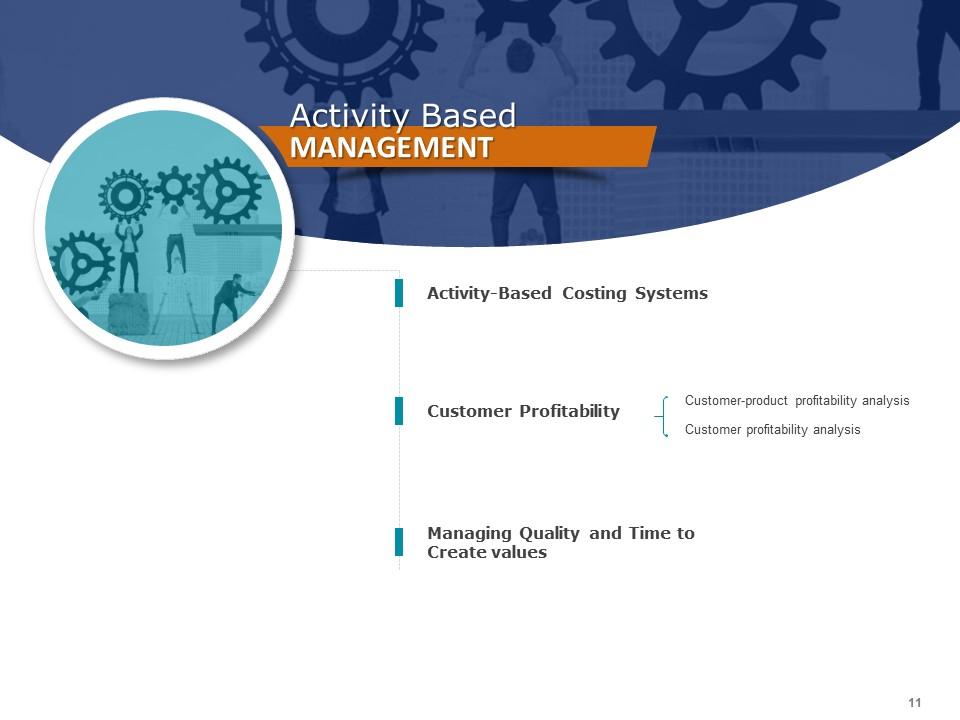
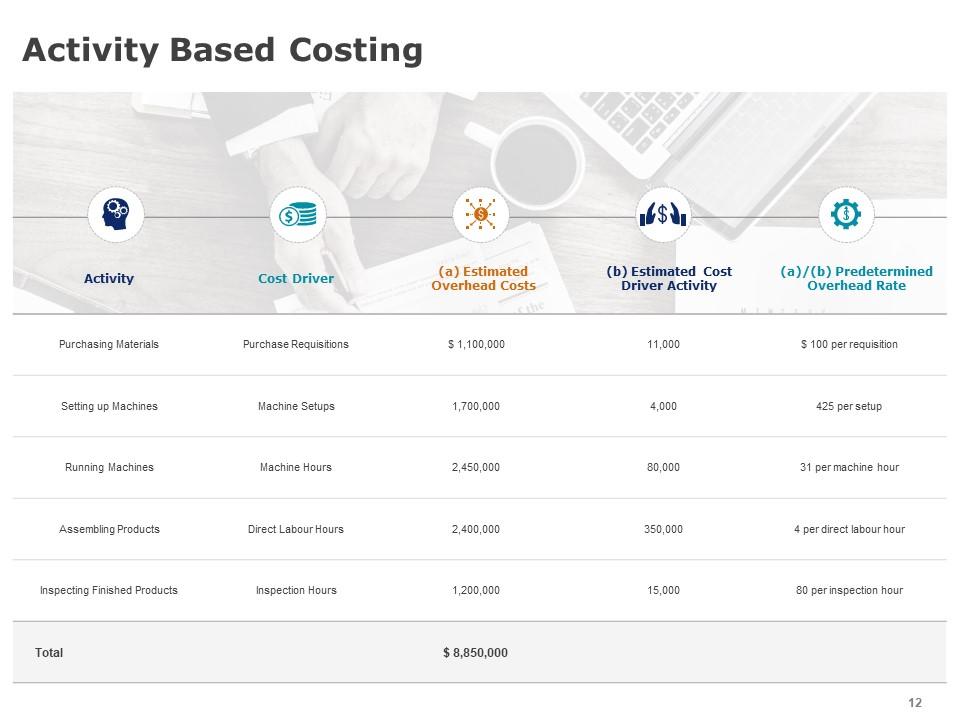
So for overhead allocation, you've got a few routes. ABC costing is honestly your best option - it actually tracks costs to the activities causing them instead of just guessing. Way more accurate than the old school stuff. Traditional methods work too (direct labor hours, machine hours, material costs) but they're pretty rough estimates tbh. Department-based allocation sits somewhere in the middle if you want that. I'd go with ABC if your overhead's complicated, otherwise simple methods are fine for quick estimates. Just pick whatever you'll stick with consistently - that's the real trick.
Look, it really comes down to supply and demand basics. Hot trend or high demand? You can charge more and keep good margins even with higher costs. Demand tanks though, and you're scrambling - honestly it's kinda brutal when that happens. You'll need to move fast: find cheaper suppliers, maybe cut some features, or just accept crappy profits for a while. The trick is keeping your cost structure flexible enough to pivot without completely tanking your business. I mean, rigidity kills companies faster than almost anything else when markets shift.
So breakeven analysis basically tells you how many units you gotta sell before you stop losing money. Super useful for pricing decisions. Say you need 1,000 sales to break even but you're only hitting 500 - that's your wake-up call right there. I always run these numbers before changing prices because it's crazy how dropping just $2 can mean you suddenly need 50% more sales. Nobody thinks about that part. It gives you a realistic safety net number and shows exactly how risky your current strategy is. Definitely crunch the math first.
Simulation software is honestly a game-changer - you can test designs virtually instead of burning cash on physical prototypes. Real-time CAD collaboration cuts down all that annoying back-and-forth too. AI analytics will catch problems early, which beats scrambling to fix expensive mistakes later (trust me on this one). Cloud platforms are great because you don't need massive upfront software costs. My advice? Pick one area where you're hemorrhaging money on rework and try a digital solution there first. Way easier than overhauling everything at once.
Ugh, fluctuating material costs are the worst - they mess with your margins big time. When prices spike, you're stuck choosing between eating the cost (goodbye profits) or raising prices on customers. Steel's been absolutely brutal for this lately. The tricky part? You might have old contracts or inventory bought at totally different price points, so everything's mixed up. I'd honestly build some cushion into your pricing from the start. Also try negotiating flexible terms with suppliers if you can swing it - saves you headaches later when things inevitably go sideways again.
Competition totally changes the pricing game. You can't just throw whatever markup you want on there anymore. Either you match their prices (goodbye profits) or figure out why you're worth more. I spend way too much time stalking competitor websites now, not gonna lie. The trick is deciding your strategy early - are you the cheap option, the premium one, or something completely different? Short answer: keep tabs on what everyone else charges, then pick whether you want to undercut, match, or justify being pricier.
Look, value engineering is just finding ways to cut costs without making your product worse. Map out which features customers actually care about first - that's your untouchable stuff. Everything else? Fair game for optimization or getting axed completely. Get different teams involved early though, don't wait until you're already bleeding money. Hunt for cheaper materials, simpler processes, whatever works. I've seen companies get 10-20% savings this way pretty consistently. It's basically asking "do we really need this expensive thing?" for every single component. Sometimes the answer surprises you.
-
Appreciate the research and its presentable format.
-
Informative presentations that are easily editable.