


Nist Framework Powerpoint Ppt Template Bundles




Try Before you Buy Download Free Sample Product
 Impress Your
 Audience
 100%
100% Editable
 Save Hours
 of Time


Our Nist Framework Powerpoint Ppt Template Bundles are topically designed to provide an attractive backdrop to any subject. Use them to look like a presentation pro.
People who downloaded this PowerPoint presentation also viewed the following :
Nist Framework Powerpoint Ppt Template Bundles with all 21 slides:
Use our Nist Framework Powerpoint Ppt Template Bundles to effectively help you save your valuable time. They are readymade to fit into any presentation structure.









FAQs for Nist Framework Powerpoint
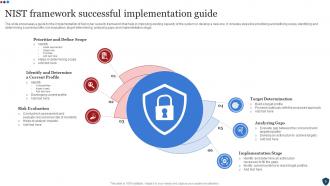
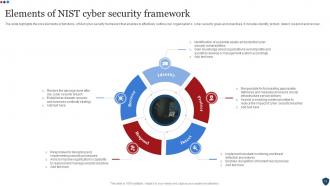
So NIST has these five functions that basically guide your whole cybersecurity approach. First you identify what assets and risks you're dealing with. Then protect those assets with proper controls. After that, detect helps you catch incidents as they happen, respond walks you through handling them, and recover gets everything back to normal. Honestly, most companies I know use this framework because it's pretty straightforward. The cool thing is you don't need to be super mature - just start where you are and build up from there. It's like having a security playbook that actually makes sense.
So the NIST Framework is basically your cybersecurity blueprint. Five core areas: Identify, Protect, Detect, Respond, Recover. Pretty straightforward stuff. You use it to figure out where you're vulnerable and what to fix first - kind of like a checklist that actually makes sense. What I like about it is you can tie everything back to business impact, which makes selling security investments to leadership way easier. Honestly beats those other frameworks that just sit on shelves. Start by mapping where you are now, then tackle the biggest gaps. It's not rocket science, but it works.
So NIST is basically your cheat code for compliance stuff. Map those five functions (Identify, Protect, Detect, Respond, Recover) to whatever regs you're dealing with - HIPAA, SOX, you name it. Way smarter than building separate programs for each one, honestly. You'll hit multiple targets with one framework. The trick is documenting how your NIST setup covers each regulation's weird little requirements. I'd start by figuring out which frameworks actually overlap with what you need. Sounds boring but it'll save you tons of headaches later.
Look, don't try to boil the ocean here - pick your most important stuff first. I swear half of cybersecurity is just knowing what you actually have in the first place. NIST's framework is solid (Identify, Protect, Detect, Respond, Recover) but you don't need to drop serious cash right away. Multi-factor auth is your friend. Start with free risk assessments and document everything as you build it out. Honestly? Beginning small and getting some wins under your belt works way better than trying to build Fort Knox overnight. You'll thank yourself later.
Honestly, NIST is worth it because you get those clear phases - Prepare, Detect, Analyze, Contain, Eradicate, Recover. When everything's going crazy (and incidents always are), having that structure keeps your team from running around like headless chickens. Plus executives love it when you can reference an actual framework instead of just winging it. The compliance piece is huge too since so many regs already tie back to NIST standards. But here's the real kicker - it forces you to map out your response plan beforehand. You don't want to be making life-or-death decisions while your hair's on fire, trust me on that one.
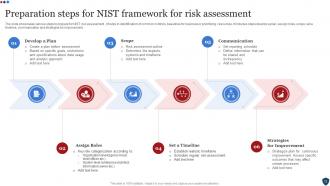
So basically you start by figuring out where you currently stand across those five NIST areas - Identify, Protect, Detect, Respond, Recover. Then track how you're improving over time. Most teams I've seen use heat maps or scoring systems to show the gaps, which honestly makes presenting to executives way less painful. You'll want to measure stuff like how fast you detect threats or respond to incidents. Quarterly check-ins work pretty well to keep things moving. Oh, and definitely set some target goals upfront - otherwise you're just collecting data for no reason. It's really about consistent measurement intervals more than anything.
So basically, map what you've got now to NIST's five functions - Identify, Protect, Detect, Respond, Recover. Gap analysis first (ugh, I know it's boring but whatever). Your incident response stuff probably needs tweaking to match their guidelines. Also work their risk assessment approach into your regular security reviews. The cool thing? You don't have to throw out everything and start over. Just build on what's already there. I'd tackle one function at a time - way less overwhelming that way.
The NIST Framework works because it's not stuck on specific tech - it's all about outcomes. Those five functions (Identify, Protect, Detect, Respond, Recover) can handle whatever gets thrown at you. New ransomware variant? AI-powered attacks? Same approach applies. They update it regularly based on what's actually happening out there, which is smart. Since it focuses on risk management instead of telling you exactly which tools to buy, your security program can actually grow with new threats. Honestly, most frameworks get outdated fast, but this one doesn't. Just review how you're using it against whatever's trending in your industry right now.
So the big thing with NIST CSF 2.0 is they pulled out "Govern" as its own separate function - before it was mixed in with the other five. Smart move honestly. Now it's all about cybersecurity governance and risk strategy stuff. They also finally expanded it beyond just critical infrastructure to cover everyone, which should've happened ages ago. Language got way simpler throughout too. Supply chain risk management got beefed up with more guidance. Oh and they reorganized the subcategories to make them actually actionable instead of just... theoretical? Definitely worth downloading to map against what you've got now.
Yeah, absolutely - just focus on the stuff that actually applies to your business. Map what you're already doing against those five main areas, then figure out where the gaps are based on your industry and biggest threats. Honestly, trying to do everything at once is just going to burn you out. Start with whatever addresses your worst risks first. The whole point is that it's flexible, so work within your budget and pick what makes sense for your situation. You can always add more later once you get the foundation down.
Honestly, the worst part is usually getting leadership to actually care and fund it properly. Resource constraints hit hard. Assessment takes forever too - you need someone who actually knows your security setup, not just some random person they assign. Documentation is probably trash (it always is), so mapping your current stuff to Framework categories gets weird fast. Then there's the whole change management nightmare of getting people to follow new processes. I'd say pick one function, show it works, then slowly add more. Way less painful than trying to boil the ocean.
So with third-party vendors, I'd run them through those same NIST functions - Identify, Protect, Detect, Respond, Recover. Figure out what critical stuff they handle and what data they're touching first. Most vendors absolutely hate going through security assessments, but whatever. Check their controls against NIST standards. Make them show you how they spot incidents and their recovery plans - that part's huge. Oh, and definitely build NIST requirements right into your contracts from the start. Way easier than trying to add it later. Then just do regular check-ins to make sure they're not slipping.
Start with NIST's free stuff on their website - they've got webinars, guides, all that. Super helpful case studies too from companies that actually did this successfully. SANS and (ISC)² have paid programs if you want something more structured, but honestly? I'd hit up the free materials first. Industry groups run workshops throughout the year too - might be worth checking out. The real-world examples are probably the most useful part since you can see how other teams handled the implementation. Don't overthink it at first.
So NIST basically gives you and your executives a common language for cybersecurity stuff. Those five functions (Identify, Protect, Detect, Respond, Recover) are way easier to digest than technical gibberish - your CEO won't immediately zone out. You can map risks directly to business outcomes, which is huge when you're fighting for budget. Instead of "we need to patch vulnerabilities," try "we're strengthening our Protect function to cut business risk." Honestly, the framework makes stakeholder meetings so much smoother. Start dropping that terminology in your next briefing and you'll see what I mean.
NIST plays super nicely with ISO 27001, COBIT, and the EU's NIS Directive - they're all built around the same basic ideas of identify, protect, detect, respond, recover. Start with NIST as your base, then you can pretty much drop ISO controls right on top. Honestly, whoever designed this compatibility was thinking ahead. Most international standards use the same risk-based approach anyway, so the maturity models line up well. Oh, and if you're trying to hit multiple compliance targets at once? Do your gap analysis against NIST first - you'll avoid doing the same work twice. Way more efficient than starting from scratch each time.
-
If you have visited their site and failed to find the products, try reaching the customer service because it will be the case that you didn't use the search bar well.
-
Innovative and attractive designs.