


Multiple Project Status Powerpoint Ppt Template Bundles




Try Before you Buy Download Free Sample Product
 Impress Your
 Audience
 100%
100% Editable
 Save Hours
 of Time


Our Multiple Project Status Powerpoint Ppt Template Bundles are topically designed to provide an attractive backdrop to any subject. Use them to look like a presentation pro.
People who downloaded this PowerPoint presentation also viewed the following :
Multiple Project Status Powerpoint Ppt Template Bundles with all 17 slides:
Use our Multiple Project Status Powerpoint Ppt Template Bundles to effectively help you save your valuable time. They are readymade to fit into any presentation structure.
-
Multiple Project Status
-
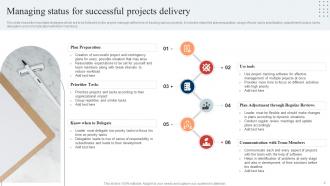
Managing status for successful projects delivery
-
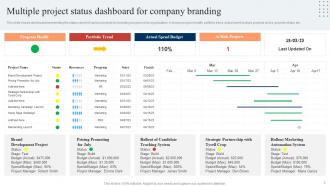
Multiple project status dashboard for company branding
-
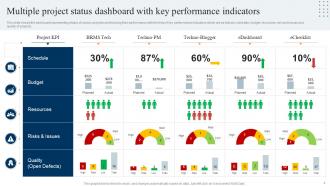
Multiple project status dashboard with key performance indicators
-
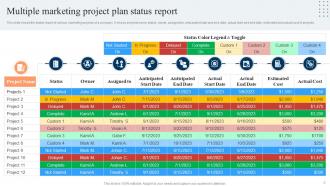
Multiple marketing project plan status report
-
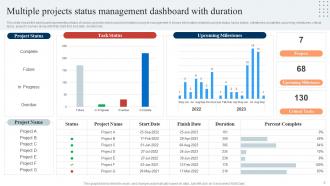
Multiple projects status management dashboard with duration
-
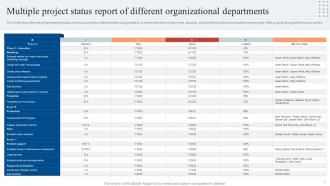
Multiple project status report of different organizational departments
-
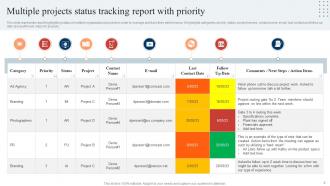
Multiple projects status tracking report with priority
-
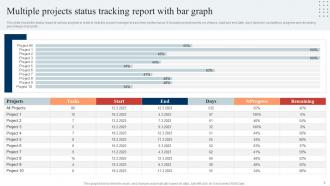
Multiple projects status tracking report with bar graph
-
Multiple project status management strategies icon
-
Multiple marketing project completion status icon
-
Thank you
-

-

-

-

-

FAQs for Multiple Project Status Powerpoint
So there are five main phases: initiation, planning, execution, monitoring, and closing. Think of it like a relay race where each one passes the baton to the next. First you define scope and get everyone on board. Planning's where you map out timelines and figure out resources - honestly, this phase makes or breaks everything downstream. Execution is the messy part where actual work happens. Here's the thing though - monitoring runs alongside execution the whole time. You can't just execute and hope for the best. Closing ties up loose ends and captures what you learned.
So agile is all about doing short sprints instead of planning everything months ahead. You're constantly getting feedback and tweaking things as you go. Daily standups help catch problems early, and you do retrospectives to figure out what's working. The cool thing is when clients change their minds (which they always do), you won't have to scrap your whole timeline. Market shifts? No big deal. Try starting with 2-week sprints - honestly, you'll be surprised how much more flexible your team gets. It's way better than the old waterfall approach where you're stuck if something changes.
Honestly depends on your team size and how complex things get. For visual stuff, Asana and Monday.com are solid - love their boards and timeline views. Jira's your best bet if there's any dev work involved. But here's the thing - I've watched so many teams spiral trying to pick the "perfect" tool when Trello handles most simple projects just fine. Microsoft Project is still king for heavy-duty scheduling though. Just make sure whatever you pick, everyone actually sticks with it. Seriously, test out free trials with your team first. Maybe 2-3 options max before you decide.
Okay so first thing - dump everything on a timeline and figure out what actually matters versus what just feels urgent. I always ask myself "what kills the project if this gets delayed?" Those are your real priorities. Dependencies are huge because they mess up everyone else's work. Handle those first. Then look at who you've made promises to and what's in contracts. Here's the thing though - the loudest person complaining isn't always working on the most critical stuff. You gotta push back sometimes. Just be upfront with people about what's realistic. Most stakeholders get it if you're honest about trade-offs early on.
Honestly, the biggest game-changer is getting those risks out of your head and onto paper. I always used to wing it and... yeah, bad idea. Sit down with your team and brainstorm everything that could blow up. Then sort them by how likely they are vs how much they'd hurt. Make a simple list you actually check weekly - assign people to watch specific ones. Oh, and this part's crucial: figure out your backup plans NOW for the scary stuff. Trust me, when things go sideways (and they will), you'll be so glad you're not scrambling to come up with a plan on the spot.
Dude, communication is literally everything on projects. I've watched perfectly good ones crash and burn just because nobody told the right people what was happening. Regular updates keep everyone happy and engaged - plus they'll actually help you instead of creating random problems later. Trust me, waiting for stakeholders to come asking questions is a recipe for disaster. You want to get ahead of it with scheduled check-ins from day one. Oh, and definitely customize what you tell each person based on what they actually care about. Nobody wants to hear about technical details if they're just worried about budget.
Dude, emotional intelligence makes or breaks project managers. I've watched super smart PMs crash and burn because they couldn't handle people stuff - it's honestly painful to see. You gotta read the room in stakeholder meetings, keep your team from losing it when deadlines get crazy, and deliver bad news without everyone freaking out. Staying calm when everything's on fire? That's huge. Also adapting how you talk to different personality types really matters. Start watching how your team responds to you and just... adjust. The technical stuff is important but the people skills separate the good ones from great ones.
Honestly, tackle conflicts fast before they blow up into bigger drama. Don't sit around hoping they'll magically fix themselves - they won't. Hear everyone out first without picking sides, then dig into what's actually causing the problem. Usually it's just people talking past each other or nobody knowing what they're supposed to do. Make sure everyone feels safe to speak up about what's bugging them. Your job is guiding the conversation, not telling people what to do. Once you hash out a solution everyone can deal with, check back later to see if it's actually working.
Honestly, you need a mix of schedule, budget, and quality stuff to see what's really happening. Track schedule variance (are you on time?) and budget variance (over/under spend). Scope creep percentage is huge too. Earned value management is my personal favorite - shows if you're actually getting work done or just burning cash and time. Team velocity matters, plus defect rates and how happy your stakeholders are. Here's the thing though - pick maybe 4-5 that actually matter for your project type. Then review them weekly instead of building some fancy dashboard that nobody looks at.
Look, cultural stuff can totally tank your project if you're not careful. Some people want super direct feedback, others think that's incredibly rude. Germans love detailed plans from day one. Other cultures? They'd rather build relationships first and stay flexible. Your meeting style needs to change too - and honestly, even how you handle conflict or celebrate wins. Time zones are the obvious pain, but it's really the different attitudes about deadlines and hierarchy that'll get you. Just ask your team members straight up how they prefer to work. Way better than guessing.
Honestly, start by just asking your team what's actually blocking them right now - you'd be surprised what comes up. People need to see how their work fits the bigger picture, and those weekly check-ins beat the hell out of monthly status meetings (learned that one the hard way). Give everyone ownership of their piece and celebrate the small wins too. Remove roadblocks instead of creating more paperwork. Oh, and don't fake the enthusiasm thing - people can smell that from a mile away and it kills motivation instantly. Recognition goes way further than you'd think.
Here's what works for me - get super clear requirements upfront and make stakeholders sign off on everything. Seriously, this saves you so much headache later. Set up a formal change process where any new requests need to be written down, reviewed for impact, and approved by the decision-makers. I know it sounds bureaucratic but trust me on this. Document everything and keep communicating what's in scope vs what isn't. When someone says "can we just add this tiny thing?" point them to the process. Make scope changes feel like actual decisions with real costs attached, not just casual requests they can throw around.
Dude, scope creep will destroy you every time. Also unrealistic timelines and crappy communication - I swear these three things wreck way more projects than any actual tech problems. Document everything upfront even though it's tedious as hell. Build buffer time into your schedule because Murphy's law is real. Regular check-ins with stakeholders are clutch so problems don't blindside you later. Oh and don't be a pushover when they ask for impossible stuff. Better to have awkward conversations now than deliver garbage.
Honestly, hitting deadlines is just part of it - you gotta check if stakeholders are actually happy and whether you stayed on budget. Quality matters way more than speed sometimes. I had this one project that wrapped "on time" but the client was pissed because it didn't solve their real problem. Now I always track user adoption after launch and make sure the team didn't burn out in the process. Oh, and definitely build these measurements into your project charter from the start. Otherwise you're just guessing if anything actually worked.
Think of documentation as your project's brain - it stops everyone from going in different directions and saves your butt when people forget stuff later. Jot down requirements, big decisions, changes, whatever seems important. Six months from now when your boss asks "remind me why we built it this way?" you'll actually have receipts instead of just shrugging. New people can jump in faster too. Honestly, I'd start super basic - just meeting notes and major calls you make. The fancy stuff can wait until you're in a groove with it.
-
The content is very helpful from business point of view.
-
I can always count on your designs for my professional needs. I believe I found a one-stop-shop for PPTs.