


Organizational Behavior Theory Powerpoint Presentation Slides




Try Before you Buy Download Free Sample Product
 Impress Your
 Audience
 100%
100% Editable
 Save Hours
 of Time


Understanding and implementing organizational behavior principles, which delve into group dynamics and human interaction, is crucial for optimizing business practices. Our Organizational Behavior Theory template is a comprehensive resource aimed at improving productivity, enhancing performance, boosting employee satisfaction, and fostering motivation. This presentation focuses on developing effective leadership, streamlining decision-making, and promoting cross-team collaboration. It covers key topics such as the scope of organizational behavior, the organizational behavior model, performance management tools, behavior-based safety initiatives, and approaches to behavior system analysis. Additionally, it emphasizes the managers role, the significance of learning theories, and factors like personality, motivation, and perception. The template also addresses the relevance of formal and informal groups, decision-making, and leadership within the workplace. Access this powerful template to leverage its insights for your organizations success.
People who downloaded this PowerPoint presentation also viewed the following :
Content of this Powerpoint Presentation
Slide 1: This slide introduces Organizational Behavior Theory. State your company name and begin.
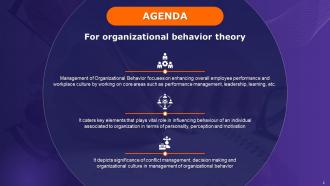
Slide 2: This slide states Agenda of the presentation.
Slide 3: This slide shows Table of Content for the presentation.
Slide 4: This slide highlights title for topics that are to be covered next in the template.
Slide 5: This slide presents Management of organizational behaviour overview.
Slide 6: This slide displays Association of organizational behaviour to applied behaviour analysis.
Slide 7: This slide represents Determine scope of organizational behaviour.
Slide 8: This slide showcases Determine management and organizational behaviour model.
Slide 9: This slide shows Various disciplines contributing to field of organizational behaviour.
Slide 10: This is another slide continuing Various disciplines contributing to field of organizational behaviour.
Slide 11: This slide highlights title for topics that are to be covered next in the template.
Slide 12: This slide presents Addressing determinants associated to organizational behaviour.
Slide 13: This slide displays Focus areas for management of organizational behaviour growth.
Slide 14: This slide represents Addressing interventions in management of organizational behaviour.
Slide 15: This slide showcases Nature of people as essential element associated to organizational behaviour.
Slide 16: This slide shows Nature of organization as essential element associated to organizational behaviour.
Slide 17: This slide highlights title for topics that are to be covered next in the template.
Slide 18: This slide presents Essential tools utilized in performance management.
Slide 19: This is another slide continuing Essential tools utilized in performance management.
Slide 20: This slide displays Key initiatives utilized in behaviour based safety.
Slide 21: This slide represents Essential approaches in behavioural system analysis.
Slide 22: This is another slide continuing Essential approaches in behavioural system analysis.
Slide 23: This slide highlights title for topics that are to be covered next in the template.
Slide 24: This slide showcases Manager needs to ensure that everything should be under control in terms of budget, resource allocation, etc.
Slide 25: This slide shows How manager is capable in handling various challenges faced.
Slide 26: This slide highlights title for topics that are to be covered next in the template.
Slide 27: This slide presents Four models for organizational behaviour.
Slide 28: This slide displays Assessing organizational behaviour models on different parameters.
Slide 29: This slide highlights title for topics that are to be covered next in the template.
Slide 30: This slide represents Addressing factors affecting learning of individual associated to organization.
Slide 31: This slide showcases Addressing classical conditioning theory of learning.
Slide 32: This slide shows Key principles associated classical conditioning theory of learning.
Slide 33: This slide presents Operant or instrumental conditioning theory of learning.
Slide 34: This slide displays Key essentials of social learning theory.
Slide 35: This slide represents Addressing cognitive learning theory.
Slide 36: This slide shows Table of Content for the presentation.
Slide 37: This slide presents Determine major personality attributes managing organizational behaviour.
Slide 38: This is another slide continuing Determine major personality attributes managing organizational behaviour.
Slide 39: This slide displays Determine importance of motivation & perception in organizational behaviour.
Slide 40: This slide highlights title for topics that are to be covered next in the template.
Slide 41: This slide represents Determine role of different groups in organization.
Slide 42: This slide showcases Addressing various types of group roles existing across organization.
Slide 43: This slide shows Addressing importance and well functionality of groups.
Slide 44: This slide highlights title for topics that are to be covered next in the template.
Slide 45: This slide presents Group Decision Making over Individual Decision Making.
Slide 46: This slide displays Various techniques of group decision making.
Slide 47: This is another slide continuing Various techniques of group decision making.
Slide 48: This slide highlights title for topics that are to be covered next in the template.
Slide 49: This slide represents Addressing role of leadership in organizational behaviour management.
Slide 50: This slide showcases Determine different leadership styles existing at workplace.
Slide 51: This is another slide continuing Determine different leadership styles existing at workplace.
Slide 52: This slide shows Addressing traditional theory of leadership.
Slide 53: This slide highlights title for topics that are to be covered next in the template.
Slide 54: This slide presents Addressing classification of various conflicts existing.
Slide 55: This slide displays Addressing different conflict management styles at organization.
Slide 56: This slide represents Different ways to reduce conflicts at organization.
Slide 57: This slide showcases How to handle interpersonal conflict at workplace.
Slide 58: This slide highlights title for topics that are to be covered next in the template.
Slide 59: This slide shows Addressing culture in managing organizational culture.
Slide 60: This slide presents Addressing classification of different organizational culture.
Slide 61: This slide displays Addressing classification of different organizational culture.
Slide 62: This slide highlights title for topics that are to be covered next in the template.
Slide 63: This slide represents Addressing criticality of organizational change.
Slide 64: This slide showcases Significance of planned change in organizational process improvement.
Slide 65: This slide shows Addressing different kinds of organizational planned change.
Slide 66: This slide highlights title for topics that are to be covered next in the template.
Slide 67: This slide presents Determine essential organization development techniques.
Slide 68: This slide contains all the icons used in this presentation.
Slide 69: This slide is titled as Additional Slides for moving forward.
Slide 70: This slide provides 30 60 90 Days Plan with text boxes.
Slide 71: This is About Us slide to show company specifications etc.
Slide 72: This slide presents Bar chart with two products comparison.
Slide 73: This slide depicts Area chart with two products comparison.
Slide 74: This slide shows Pie Chart with data in percentage.
Slide 75: This is a Comparison slide to state comparison between commodities, entities etc.
Slide 76: This slide shows Funnel with related icons and text.
Slide 77: This slide contains Puzzle with related icons and text.
Slide 78: This is a Timeline slide. Show data related to time intervals here.
Slide 79: This slide depicts Venn diagram with text boxes.
Slide 80: This is a Thank You slide with address, contact numbers and email address.
Organizational Behavior Theory Powerpoint Presentation Slides with all 90 slides:
Use our Organizational Behavior Theory Powerpoint Presentation Slides to effectively help you save your valuable time. They are readymade to fit into any presentation structure.
-
Organizational Behavior Theory
-
Agenda for organizational behavior theory
-
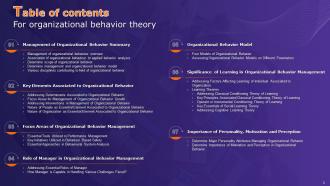
Table of contents for organizational behavior theory
-
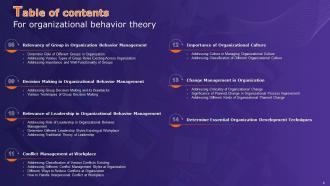
Table of contents for organizational behavior theory
-
Table of content for organizational behavior theory
-
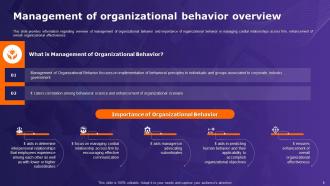
Management of organizational behavior overview
-
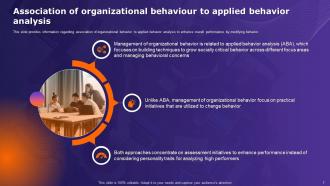
Association of organizational behaviour to applied behavior analysis
-
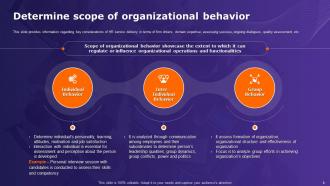
Determine scope of organizational behavior
-
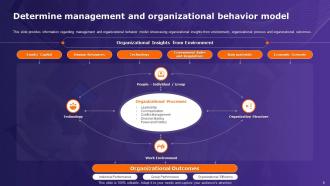
Determine management and organizational behavior model
-
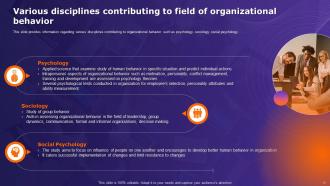
Various disciplines contributing to field of organizational behavior
-
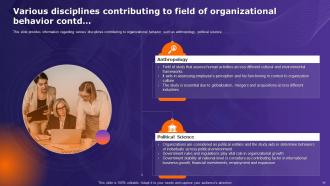
Various disciplines contributing to field of organizational behavior contd
-
Table of content for organizational behavior theory
-
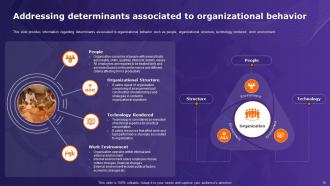
Addressing determinants associated to organizational behavior
-
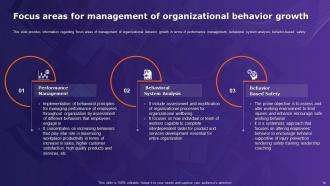
Focus areas for management of organizational behavior growth
-
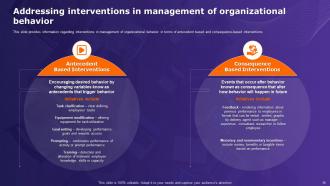
Addressing interventions in management of organizational behavior
-
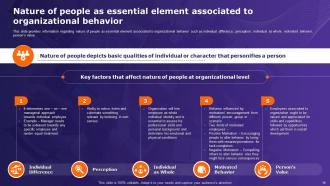
Nature of people as essential element associated to organizational behavior
-
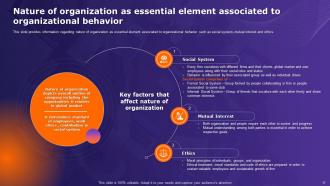
Nature of organization as essential element associated to organizational behavior
-
Table of content for organizational behavior theory
-
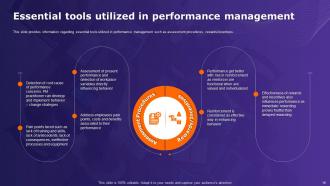
Essential tools utilized in performance management
-
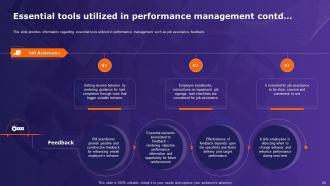
Essential tools utilized in performance management contd
-
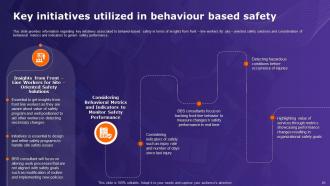
Key initiatives utilized in behaviour based safety
-
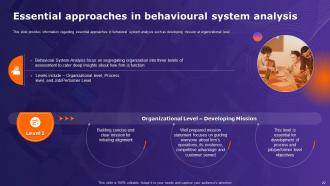
Essential approaches in behavioural system analysis
-
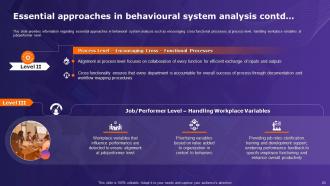
Essential approaches in behavioural system analysis contd
-
Table of content for organizational behavior theory
-
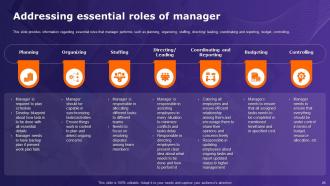
Addressing essential roles of manager
-
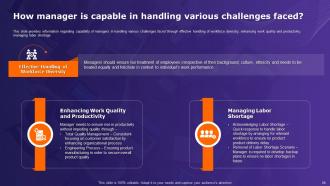
How manager is capable in handling various challenges faced
-
Table of content for organizational behavior theory
-
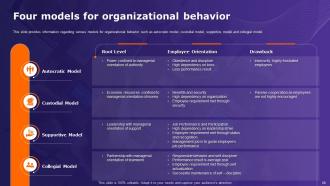
Four models for organizational behavior
-
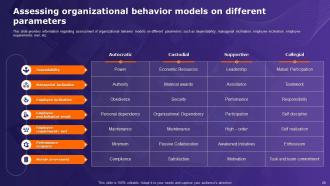
Assessing organizational behavior models on different parameters
-
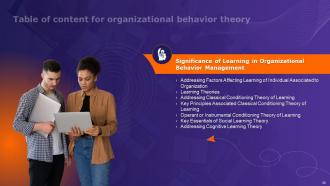
Table of content for organizational behavior theory
-
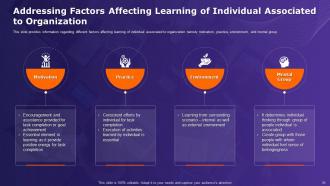
Addressing Factors Affecting Learning of Individual Associated to Organization
-
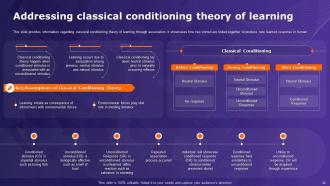
Addressing classical conditioning theory of learning
-
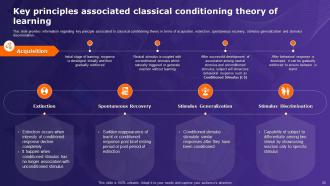
Key principles associated classical conditioning theory of learning
-
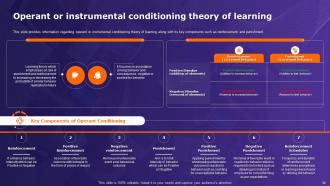
Operant or instrumental conditioning theory of learning
-
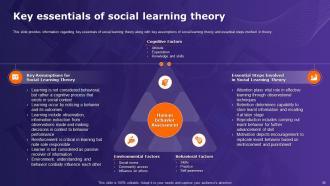
Key essentials of social learning theory
-
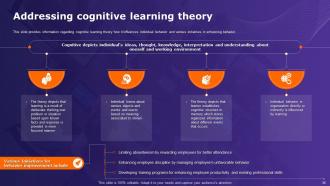
Addressing cognitive learning theory
-
Table of content for organizational behavior theory
-
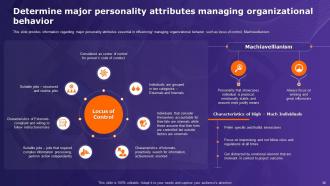
Determine major personality attributes managing organizational behavior
-
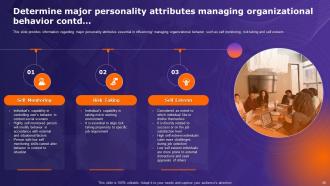
Determine major personality attributes managing organizational behavior contd
-
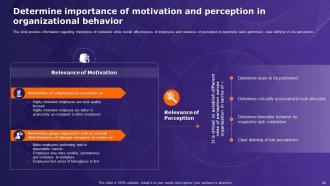
Determine importance of motivation and perception in organizational behavior
-
Table of content for organizational behavior theory
-
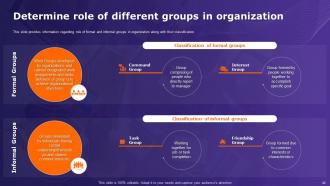
Determine role of different groups in organization
-
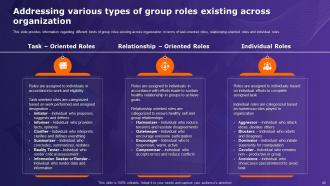
Addressing various types of group roles existing across organization
-
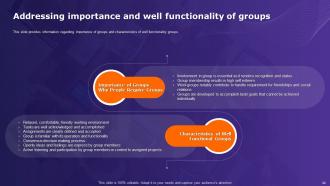
Addressing importance and well functionality of groups
-
Table of content for organizational behavior theory
-
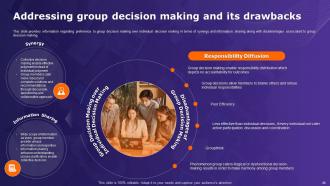
Addressing group decision making and its drawbacks
-
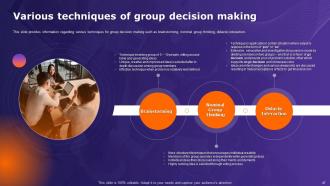
Various techniques of group decision making
-
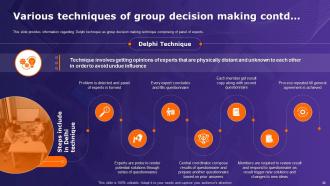
Various techniques of group decision making contd
-
Table of content for organizational behavior theory
-
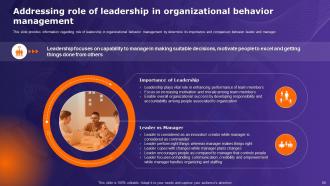
Addressing role of leadership in organizational behavior management
-
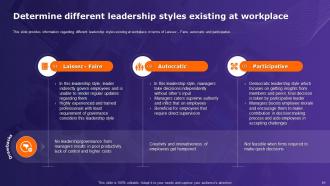
Determine different leadership styles existing at workplace
-
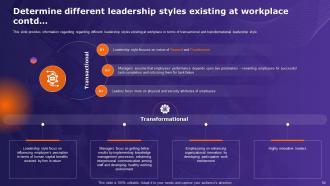
Determine different leadership styles existing at workplace contd
-
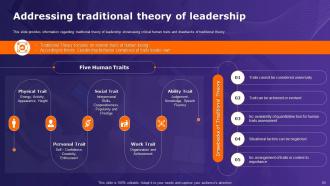
Addressing traditional theory of leadership
-
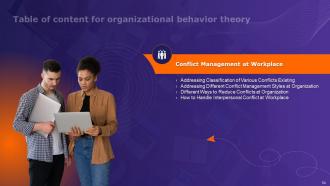
Table of content for organizational behavior theory
-
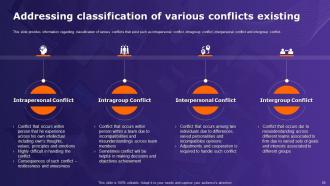
Addressing classification of various conflicts existing
-
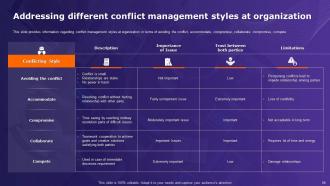
Addressing different conflict management styles at organization
-
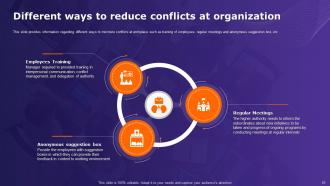
Different ways to reduce conflicts at organization
-
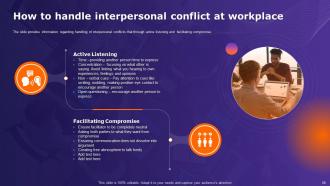
How to handle interpersonal conflict at workplace
-
Table of content for organizational behavior theory
-
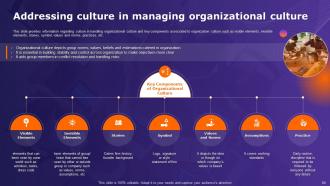
Addressing culture in managing organizational culture
-
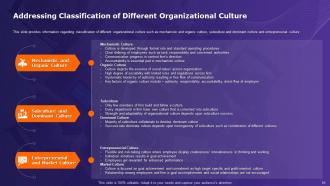
Addressing Classification of Different Organizational Culture
-
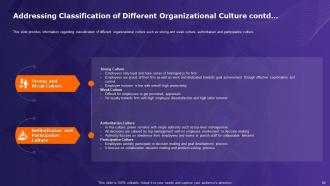
Addressing Classification of Different Organizational Culture contd
-
Table of content for organizational behavior theory
-
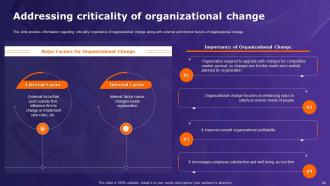
Addressing criticality of organizational change
-
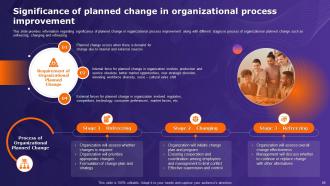
Significance of planned change in organizational process improvement
-
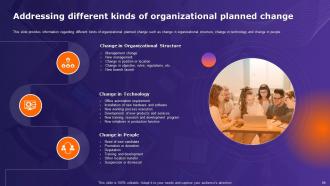
Addressing different kinds of organizational planned change
-
Table of content for organizational behavior theory
-
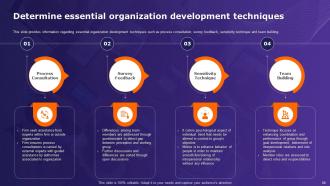
Determine essential organization development techniques
-
Icons slide for organizational behavior theory
-
Additional Slides
-
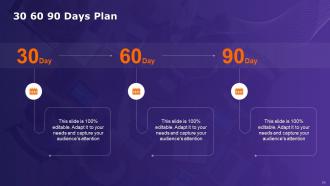
30 60 90 Days Plan
-
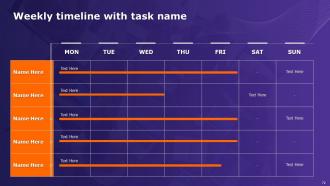
Weekly timeline with task name
-
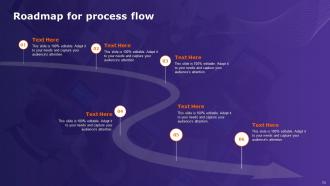
Roadmap for process flow
-
Our mission
-
About us
-
Our goal
-
Post it notes
-
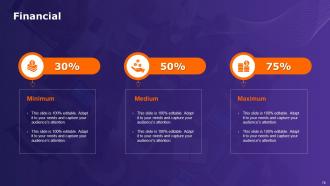
Financial
-
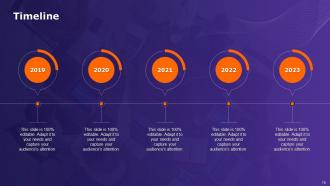
Timeline
-
Idea generation
-
Mind map
-
Thanks for Watching
-

-

-

-

-

-

-

-

FAQs for Organizational Behavior Theory
So there's three main pieces to figure out - how people behave solo, in groups, and within the whole company setup. Individual stuff covers personality types, what motivates people, how they see situations. Group dynamics is all about team chemistry, communication styles, handling conflicts (honestly the hardest part imo). Then organizational structure looks at company culture, different leadership approaches, formal hierarchies affecting everything. Yeah it's a ton to wrap your head around! But once you start recognizing these patterns at work, you'll actually understand why your team keeps hitting the same roadblocks and can fix things.
Your company culture basically sets the rules for how people behave and what gets rewarded. Strong cultures make people perform better because everyone knows what success looks like and feels safe taking risks. But toxic cultures? They'll crush creativity and motivation so fast it's scary. Culture affects everything - how teams work together, communication styles, whether people actually want to stay. Here's the thing though: most leaders think they know what their culture rewards, but they're often totally wrong. If you want better performance, figure out what behaviors you're actually encouraging versus what you think you are.
Your leadership style basically controls everything about how your team works together. Autocratic leaders? Everyone just waits around for orders. Democratic ones get people talking and collaborating more. I've noticed transformational leaders are really good at making teams feel safe to take risks and try new stuff. Laissez-faire can work great if your team's already self-motivated, but it'll be a disaster otherwise. Even how people argue or share ideas comes down to the tone you set. Just figure out what your specific team needs right now and adjust accordingly.
Honestly, communication is like the nervous system of any workplace - when it's working, everything just clicks. People trust each other more, decisions happen faster, and nobody's left guessing what they're supposed to do. But man, when it goes sideways? You get those toxic silos where nobody talks to each other, plus all the office gossip and drama. Leaders basically set the vibe for how everyone else communicates too. Here's what I'd do: take a hard look at where information gets bottlenecked or twisted in your company. That's usually where the real problems start.
You know what's crazy? Once you start watching how your team actually behaves (not how you think they should), patterns jump out everywhere. Like who's really calling the shots, how info spreads around, which unspoken rules help vs. hurt things. I swear it's like putting on glasses for the first time. Then you can tweak meeting formats, talk to people differently based on their style, catch drama before it explodes. Just watch your next team meeting with fresh eyes – I bet you'll see stuff you totally missed before.
Honestly, I'd start with employee surveys - Gallup Q12 is solid, or you can make your own asking about what actually motivates people. Just don't rely on surveys alone because they're kinda boring and people give generic answers sometimes. Mix in regular one-on-ones with open questions about what gets them excited at work. Then watch the patterns - attendance, performance, which teams seem more into it. Are there seasonal dips? The real trick is combining all that data with gut instincts from conversations, then actually doing something about what you find instead of letting it sit in a spreadsheet.
Honestly, differences between people make teams way stronger when you work with them instead of against them. You get way better solutions when someone who loves details teams up with a big-picture thinker - they balance each other out perfectly. Different personalities and skills mean people tackle problems from totally different angles, which is huge for making good decisions. I've seen this work so well when managers actually pay attention to what each person's naturally good at and give them roles that fit. It's like puzzle pieces - the weird shapes are what make everything click together. Way more effective than trying to force everyone into the same box.
Yeah, so rigid hierarchies kill engagement every time. People just mentally check out when they can't make basic decisions about their work - honestly, who wouldn't? Flatter structures work way better. Give people actual decision-making power and clear ways to communicate up the chain. They need to feel heard, not just managed to death. If your engagement scores suck, I'd bet money your structure's the problem. Are you creating barriers between employees and work that actually matters? That's usually where things go sideways. Oh, and micromanagement is engagement poison - learned that one the hard way at my last job.
Having diverse teams at work is honestly a game-changer for decision-making and creativity. Different backgrounds mean fresh perspectives, which leads to way better problem-solving. Sure, there might be some communication hiccups at first - that's just part of it. But the innovation you get when people collaborate across different experiences? Totally worth it. Companies with diverse workforces usually see higher engagement and perform better since they actually reflect their customers. My old manager used to say it best - you want inclusion, not just diversity for show. Make people feel heard and valued, that's where the real magic happens.
Honestly, most companies don't think about this until they're already in crisis mode - which is backwards. Start with frameworks like Kotter's 8-step process or ADKAR to build your adaptive capacity early. The trick is making resilience an ongoing thing, not just a one-off project. Get change champions at different levels, set up solid communication channels, and create feedback loops so you can spot trouble fast. I'd probably begin by figuring out where your change readiness gaps are right now. Oh, and treat it like continuous learning - that's what separates companies that bounce back from ones that don't.
So basically, people at work aren't making logical decisions - they're taking mental shortcuts that backfire, getting swayed by emotions, and caving to group pressure. That's why brainstorming sessions can be such a mess sometimes! Plus everyone just looks for info that backs up what they already think anyway. Once you get this, you can set up better processes and make people feel safe enough to actually speak up when ideas suck. It's wild how much psychology drives everything we do at work.
Honestly, conflict resolution is like the secret sauce for good teamwork. Without it, you're just a bunch of people arguing instead of actually collaborating. Your team needs these skills because when people feel safe disagreeing, that's when the real creative stuff happens. Think of it like having ground rules for fighting fair - you focus on the actual problem, not attacking each other. Plus you look for solutions where everyone wins something. I swear, teaching your team this stuff early saves so much headache down the road. Way better than dealing with drama every week.
So organizational learning is just how well your company learns from mistakes and adapts to new stuff. Companies that get good at this beat their competition because they're not stuck doing the same old thing when markets shift. It's like - imagine if your whole company had good instincts about what works and what doesn't. Knowledge has to flow between teams though, otherwise you're just winging it when things change. I've seen so many businesses fail because they couldn't pivot fast enough. Set up ways for people to share what they learn and actually use that info.
Honestly, feedback loops are game-changers for keeping teams engaged. People actually know where they stand instead of wondering if they're screwing up until their annual review (which, let's be real, nobody enjoys). Regular check-ins build trust because employees feel heard. Problems get solved faster too - you're not letting issues sit and get worse. Communication improves across the board. The trick is making it go both ways and keeping it timely. Sure, have your formal processes, but don't underestimate quick informal chats. Those often work better anyway.
Honestly, remote work totally changes how your company culture works. Instead of those random hallway conversations, everything becomes way more planned out. You'll end up with more scheduled check-ins and virtual coffee chats - which sounds kinda forced but actually works pretty well once you get used to it. People communicate more through writing now, and there's definitely less of that casual knowledge sharing that happens naturally in an office. The trick is being really intentional about creating spaces for both actual work stuff and just hanging out virtually. Otherwise your team culture just... disappears.
-
Making a presentation has never been this easy for me. Thank you SlideTeam for offering a splendid template library.
-
I faced no difficulty while searching for the slide I wanted. Honestly, the website’s interface is easy to use and can be navigated easily!