


Organizational Structure Tata Motors Company Profile Ppt Layouts Design CP SS




Try Before you Buy Download Free Sample Product
 Impress Your
 Audience
 100%
100% Editable
 Save Hours
 of Time


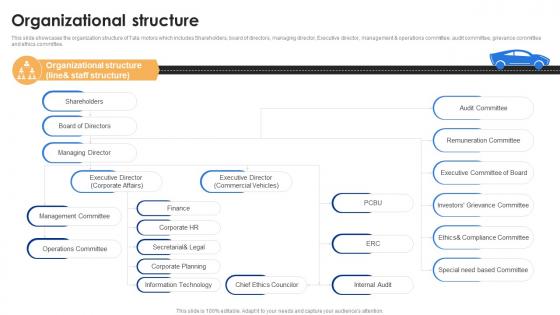
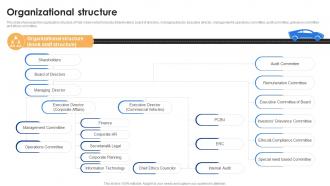
This slide showcases the organization structure of Tata motors which includes Shareholders, board of directors, managing director, Executive director, management and operations committee, audit committee, grievance committee and ethics committee.
People who downloaded this PowerPoint presentation also viewed the following :
Organizational Structure Tata Motors Company Profile Ppt Layouts Design CP SS with all 9 slides:
Use our Organizational Structure Tata Motors Company Profile Ppt Layouts Design CP SS to effectively help you save your valuable time. They are readymade to fit into any presentation structure.








FAQs for Organizational Structure Tata Motors Company Profile Ppt Layouts
Honestly, start by figuring out who reports to who - that's the backbone of everything. You'll want clear roles so people aren't stepping on each other's toes (I've watched teams implode over this stuff). Communication channels matter too - how does info actually move around? Some managers can handle like 10 people, others max out at 4. Figure out what works for your team. Oh, and decide if you want everything flowing through the top or if you're cool with people making decisions on their own. Map out what you've got now first - bet you'll spot the messy parts pretty quick.
Honestly, your org structure makes or breaks team engagement. When people know their role and who makes what decisions, they're way more confident at work. But don't go crazy rigid - I've seen that crush creativity fast. Flatter structures work better most of the time. People feel more connected to leadership and aren't drowning in approval chains. High performers especially hate unnecessary bureaucracy. Quick decisions matter more than perfect hierarchies, you know? Just check in occasionally - is your current setup actually helping people do good work, or is it getting in their way?
Honestly, flat structures can be amazing for quick decisions - no waiting around for approvals from like five different managers. Communication is so much better too, and you save tons on management costs. But man, it gets messy quick. Career growth becomes this weird puzzle since there's nowhere to climb, and your poor managers end up babysitting way too many people. Don't even get me started on accountability when everyone's roles start bleeding together. Works great for smaller teams though, especially creative ones. My advice? Map out who does what before you dive in, or you'll regret it.
So basically, flat orgs make decisions way faster since there aren't a million approval layers to deal with. Hierarchical ones? They're slower but honestly sometimes that's not terrible for huge strategic stuff. The real trick is matching your structure to what kinds of decisions you're making all the time. Like, if you're constantly stuck waiting for approvals, maybe it's time to cut some of that red tape. I've seen companies get bogged down in their own processes - it's painful to watch. Bottom line: fewer bottlenecks usually means things actually get done.
Honestly, culture shapes everything about how you organize stuff. Collaborative teams? They go flat - less hierarchy, more trust, people just get things done. Traditional companies though... they love their chains of command and approval processes. Makes them feel secure, I guess. It's weird how it mirrors personality types - like, some people need super organized spaces while others thrive in chaos. When you're changing structure, don't forget the culture piece. That's usually the harder part anyway since people resist change way more than processes do.
So your org structure totally controls how info flows around. Flat structures rock for speed - no bureaucratic layers slowing things down, perfect for smaller teams. Hierarchical ones though? Messages crawl up and down through management levels, getting twisted along the way (classic telephone game). Matrix structures let communication flow both ways since people report to multiple bosses - honestly can get messy but works. The trick is designing your communication around whatever structure you've got. Oh, and always make sure the really critical stuff has its own direct channels, otherwise it'll get buried.
Tech can completely change how your company works - mostly by making communication way faster and flattening those annoying layers of management. Tools like Slack or Teams actually break down departmental walls (finally!). Project management platforms help spread decision-making around instead of bottlenecking everything at the top. AI handles the boring repetitive stuff, so people can focus on bigger picture work. Cloud systems make remote work seamless - no more "I can't access that from home" excuses. Just don't make the mistake of automating your current broken processes. Pick tools that support where you want to go, not where you are now.
Oh man, employee pushback is brutal - nobody likes change when they don't get why it's happening. Communication falls apart fast too. Your productivity will tank temporarily while people scramble to figure out their new roles, which honestly sucks but it's unavoidable. Then there's the nightmare of updating every single process and system to match. Leadership always thinks it'll be quick (spoiler: it won't). My advice? Talk way more than you think you need to. Be ridiculously transparent about timelines from the start. People can handle bad news better than being kept in the dark.
First thing - map out how work actually flows through your company right now. Size and industry matter a ton here, plus whatever your growth plans are. Honestly, what works for 50 people is gonna be a mess at 500. Check where decisions are getting stuck - that's your biggest red flag right there. I'd peek at what similar companies in your space are doing structure-wise, but don't just copy them. The real trick is matching how things actually get done, not what looks pretty on an org chart. Your current workflows will tell you way more than any textbook will.
Honestly, remote work is totally changing how companies are structured. Middle management is getting squeezed out because teams just organize themselves better without being stuck in an office. People skip the whole chain-of-command thing now and talk directly across departments - which is way better if you ask me. Decision-making has to be more trust-based since you can't walk over to bug someone at their desk. The communication flows horizontally instead of up and down all the time. Oh, and start writing down your processes now because remote teams need that clarity way more than when everyone's in the same building.
Okay so basically startups are super flat - you'll probably report straight to the founder and your job title might change like every few months lol. You wear a million hats but decisions happen fast since there's no bureaucracy to wade through. Big companies are the opposite. Clear departments, defined roles, actual career paths you can follow. Though getting anything approved takes forever with all those management layers. Plus you get way better benefits and support systems. Really depends what you want right now - chaos and growth potential, or structure and stability?
So matrix structure basically means people have two bosses - their regular department manager plus a project manager. Honestly sounds like a nightmare at first, right? But it actually works pretty well for project stuff. You get way better teamwork between departments since everyone's working on mixed teams, while they still keep their connection to their main department for career growth and technical skills. The catch though - people get confused about their role and the two managers might want totally different things. Oh, and definitely figure out who makes what decisions before you start or it'll be chaos.
Honestly, the biggest mistake I see is treating cross-functional work like a side hustle. Give people actual authority and dedicated time - not that "fit it in whenever" nonsense. You'll need an executive who has their back so they don't get pushback from their regular managers. Matrix reporting works pretty well where they answer to both the project lead and their department head. Oh, and make sure their performance reviews actually reflect the cross-functional stuff they're doing. Pick one big, visible project to start with and resource it properly. That first win makes everything else so much easier to sell later.
Honestly, start with how fast decisions get made - that's usually where things break down first. Then look at whether info actually flows between teams or if everyone's stuck in their own bubble. Employee engagement surveys are solid too, but sometimes just asking "do you know who handles X?" tells you everything. Project completion rates matter obviously. Time-to-market is huge if you're launching stuff. But here's the thing - don't try to track everything at once or you'll go crazy. Pick like 2-3 metrics that actually align with what you're trying to fix first.
Your leadership style basically determines how you'll set up your whole organization. Hands-on, controlling types usually build tall hierarchies with tons of management layers - gotta keep that oversight, right? Collaborative leaders go the opposite route. They create flatter structures with cross-functional teams and way fewer reporting levels. Honestly works better most of the time. Oh, and transformational leaders? They love matrix structures that can pivot fast when things change. Here's the thing though - your natural tendencies will influence these decisions without you even realizing it. So ask yourself: does your current structure actually help your team, or does it just make you comfortable?
-
Excellent design and quick turnaround.
-
Time saving slide with creative ideas. Help a lot in quick presentations..