


Pharmaceutical Marketing Plan Powerpoint Presentation And Google Slides ICP




Try Before you Buy Download Free Sample Product
 Impress Your
 Audience
 100%
100% Editable
 Save Hours
 of Time


This PowerPoint presentation provides an overview of a comprehensive Pharmaceutical Marketing Plan. It covers key topics such as market analysis, target market identification, product positioning, pricing strategies, promotion tactics, and more. It also provides insights into the latest trends in the industry, and offers guidance on how to develop an effective strategy. The presentation is designed to help pharmaceutical companies create a successful marketing plan that will help them reach their goals. It is an invaluable resource for anyone looking to develop a successful marketing plan for their pharmaceutical products. Therefore, download our ready-to-use content and fully editable Pharmaceutical Marketing ppt now.
People who downloaded this PowerPoint presentation also viewed the following :
Pharmaceutical Marketing Plan Powerpoint Presentation And Google Slides ICP with all 18 slides:
Use our Pharmaceutical Marketing Plan Powerpoint Presentation And Google Slides ICP to effectively help you save your valuable time. They are readymade to fit into any presentation structure.









FAQs for Pharmaceutical Marketing Plan Powerpoint Presentation And
Key components include market analysis, target audience segmentation, regulatory compliance strategies, competitive positioning, and multi-channel promotional tactics. These elements work together by identifying unmet medical needs, ensuring adherence to strict industry regulations, and delivering targeted messaging through sales representatives, digital platforms, and medical conferences, ultimately enabling pharmaceutical companies to launch successful products while maintaining ethical standards and driving market penetration.
Market research enables pharmaceutical companies to identify target demographics through patient journey mapping, physician prescribing pattern analysis, epidemiological data review, and competitive landscape assessment. Through advanced analytics and real-world evidence studies, organizations can segment populations by disease prevalence, treatment gaps, and healthcare access patterns, ultimately delivering more precise targeting strategies and improved patient outcomes.
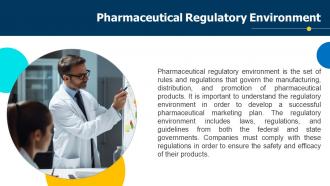
Pharmaceutical marketing strategies must comply with FDA regulations, international guidelines, clinical trial requirements, labeling standards, and advertising restrictions across different markets. These regulatory frameworks ensure patient safety, data integrity, and ethical promotion practices, while pharmaceutical companies increasingly find that early regulatory consultation streamlines product launches, reduces compliance costs, and delivers competitive advantage through faster market entry.
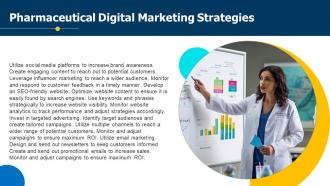
Digital marketing transforms pharmaceutical marketing plans by enabling targeted patient education, healthcare provider engagement, and regulatory-compliant content distribution through social media, search optimization, and data analytics. These strategies streamline patient outreach, enhance provider relationships, and deliver measurable ROI, with many pharmaceutical companies finding that digital channels ultimately reduce marketing costs while improving treatment awareness and patient outcomes.
Pharmaceutical marketing success metrics include brand awareness scores, prescription volume growth, healthcare provider engagement rates, patient adherence improvements, and return on marketing investment (ROMI). These comprehensive measurements enable pharmaceutical companies to assess campaign effectiveness across multiple touchpoints, from initial physician awareness through patient outcomes, while optimizing resource allocation for maximum market penetration and therapeutic impact.
Pharmaceutical companies can leverage social media for branding through educational content, patient testimonials, disease awareness campaigns, and healthcare provider partnerships, while ensuring regulatory compliance. These platforms enable direct patient engagement, community building around health conditions, and thought leadership positioning, with companies like Pfizer and Johnson & Johnson finding that authentic storytelling ultimately builds trust and brand loyalty.
Pharmaceutical marketers must adhere to FDA regulations, truthful advertising standards, clinical evidence requirements, adverse event reporting, and healthcare professional interaction protocols. These guidelines ensure patient safety by preventing misleading claims, requiring transparent risk disclosures, and maintaining scientific accuracy, with many pharmaceutical companies finding that ethical compliance ultimately builds stronger trust and sustainable market positioning.
Collaborations with healthcare professionals enhance pharmaceutical marketing plans by providing clinical credibility, real-world insights, and trusted endorsement pathways. Through strategic partnerships, pharmaceutical companies streamline educational initiatives, accelerate product adoption, and deliver evidence-based messaging, with many organizations finding that physician advocacy significantly improves market penetration and patient outcomes.
Digital transformation, personalized medicine, patient-centric approaches, value-based care models, and regulatory compliance automation are reshaping pharmaceutical marketing strategies. These trends enable companies to deliver targeted therapies through AI-driven insights, streamline clinical trial communications, and enhance patient engagement across telehealth platforms, ultimately improving treatment outcomes while reducing time-to-market for new medications.
Pharmaceutical companies should strategically allocate promotional resources by prioritizing healthcare provider education through medical conferences, clinical data presentations, and relationship building, while using direct-to-consumer advertising selectively for established treatments with broad patient bases. This balanced approach enables stronger clinical credibility and physician trust through professional channels, while consumer advertising drives patient awareness and treatment discussions, ultimately delivering enhanced market penetration and sustainable prescription growth.
Content marketing serves as a crucial educational bridge in pharmaceuticals, delivering evidence-based information, treatment insights, clinical data, regulatory updates, and patient resources through multiple channels. This strategic approach enables pharmaceutical companies to build trust with healthcare providers and patients alike, ultimately enhancing treatment outcomes, medication adherence, and informed decision-making across diverse therapeutic areas.
Patient testimonials and case studies can be effectively incorporated through video testimonials, written success stories, before-and-after comparisons, healthcare provider endorsements, and social media campaigns. These authentic narratives enhance credibility by demonstrating real-world treatment outcomes, building emotional connections with potential patients, and providing evidence-based validation, ultimately driving treatment adoption and physician confidence.
Marketing generic pharmaceuticals focuses on cost-effectiveness, regulatory compliance, and competitive pricing strategies, while brand-name products emphasize innovation, clinical differentiation, and premium positioning. Generic manufacturers compete primarily on price and market access through partnerships with healthcare systems and insurance providers, whereas branded companies invest heavily in physician education, patient awareness campaigns, and demonstrating superior therapeutic outcomes, ultimately requiring distinctly different resource allocation and competitive strategies.
Customization of marketing materials enables pharmaceutical companies to address diverse patient populations through culturally relevant messaging, language translations, health literacy adaptations, demographic-specific visuals, and targeted communication channels. This strategic approach enhances patient engagement, improves treatment adherence, and builds trust across communities, with many healthcare organizations finding that personalized outreach significantly increases campaign effectiveness and ultimately delivers better health outcomes.
Competitive analysis informs pharmaceutical marketing strategy by identifying market gaps, pricing benchmarks, messaging opportunities, and unmet patient needs within specific therapeutic areas. Through systematic competitor evaluation, pharmaceutical companies can differentiate their products by highlighting unique clinical benefits, targeting underserved patient populations, and developing distinct value propositions, ultimately enabling more strategic positioning and competitive advantage.
-
Best way of representation of the topic.
-
Amazing product with appealing content and design.