


Pharmaceutical Store Management Process Flow Chart




Try Before you Buy Download Free Sample Product
 Impress Your
 Audience
 100%
100% Editable
 Save Hours
 of Time


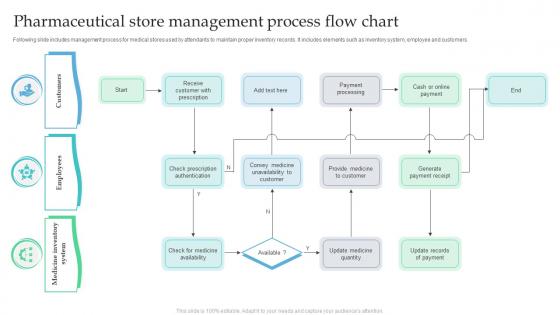
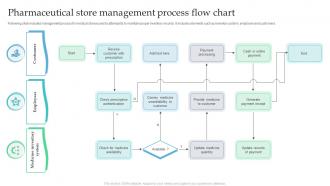
Following slide includes management process for medical stores used by attendants to maintain proper inventory records. It includes elements such as inventory system, employee and customers.
People who downloaded this PowerPoint presentation also viewed the following :
Pharmaceutical Store Management Process Flow Chart with all 6 slides:
Use our Pharmaceutical Store Management Process Flow Chart to effectively help you save your valuable time. They are readymade to fit into any presentation structure.





FAQs for Pharmaceutical Store Management
So you'll definitely want solid demand forecasting and automated reordering - that's like the foundation. Real-time tracking is huge too because honestly, spreadsheets are pretty useless when you're juggling expiration dates and compliance stuff. FIFO rotation keeps things moving properly. ABC analysis helps you figure out which meds to prioritize (the expensive ones, obviously). Don't skip safety stock calculations for critical drugs - learned that one the hard way. Oh, and temperature monitoring is mandatory. I'd start by checking what expired products are killing your profits right now. That'll tell you exactly where to focus first.
Dude, tech can really help with customer service at pharmacies. Automated refill reminders are a game changer - people actually don't hate getting those texts. Real-time prescription tracking is clutch too, so customers know exactly when their stuff'll be ready instead of just guessing. Virtual consultations are becoming a thing now, which honestly makes sense for basic questions. Oh, and mobile apps where people can check their prescription history? Customers eat that up because they feel more in control. Just don't go overboard with fancy features nobody actually needs.
Honestly, you'll want to set up regular audits and keep your staff training current - the rules change constantly and it's exhausting trying to keep up. Focus on the basics first: storage protocols, record-keeping, prescription verification. Monthly compliance checks work well, plus daily checklists help catch issues early. The trick is building compliance into your normal workflow instead of treating it like some separate thing you do later. Oh, and definitely review your current processes against the newest guidelines ASAP - that's probably your best starting point right now.
Oh man, seasonal swings are brutal for inventory planning. Cold/flu stuff flies off shelves in fall and winter, allergy meds spike come spring. Summer brings the sunscreen and travel health rushes. Here's what works: dig into your monthly sales data to spot the patterns. Order extra stock 4-6 weeks before you expect the surge - trust me on this timing. Pain relievers and stomach stuff also go crazy during holidays because people lose all self-control with food and booze, apparently. Also heads up - chat with suppliers about lead times during busy seasons. They get slammed too.
Okay so definitely do the structured training first - drug classes, interactions, side effects, all that. But honestly? The real stuff happens when they're working with experienced people who actually know their shit. Weekly 15-minute huddles work well for new meds or seasonal products. Role-playing is huge, especially for tricky OTC questions. Your team absolutely has to know when to punt to the pharmacist though. Quick reference cards help with the complex stuff. Oh and create an environment where people aren't embarrassed to ask questions - that's probably the most important thing actually.
Honestly, just start with basic points for prescription fills and OTC stuff - most pharmacy systems already handle this anyway. The medication adherence rewards are where it gets interesting though, way better than just purchase discounts. Your staff needs to actually bring it up to customers (which sounds obvious but trust me, they'll forget constantly). Free health screenings work great as rewards too. Don't overthink the point structure at first. See what people actually use, then build from there. Oh, and make the rewards actually worth something - nobody cares about earning 50 points toward a $2 discount.
Honestly, data analytics is like having a crystal ball for your pharmacy. You'll see exactly which meds sell when - allergy stuff goes crazy in spring, obviously. Pull your top 20 sellers from last quarter first, that's the easiest starting point. Look for patterns you missed before. Prescription refill data is gold for sending customers those "hey, time for your refill" texts. You can spot which inventory's about to expire and figure out your most profitable customers too. Even helps with store layout - sounds nerdy but it actually works. Start simple though, don't overcomplicate it.
Okay so first thing - pull all expired meds from your active stock right away. Set up a separate area just for expired stuff and write down everything with dates and quantities. Most states make you use reverse distributors or DEA disposal companies (definitely don't throw them in regular trash - I've seen people get in trouble for that). Controlled substances are a whole other thing - you need DEA Form 41 and someone has to witness the destruction. Document everything because audits suck when you're missing records. Honestly, setting up FEFO rotation and checking expiry dates monthly will save you so much hassle later.
Honestly, the tracking requirements are brutal - every single pill has to be accounted for and the DEA doesn't mess around with audits. You're constantly doing inventory counts, keeping everything locked up properly, making sure your team knows the procedures. The paperwork alone will drive you crazy at first - ordering, receiving, dispensing, it never ends. Any mistakes can land you in serious trouble too, which is terrifying. Oh, and your staff training becomes super critical because one screw-up affects everyone. Get a good inventory system from day one and do random spot checks. Trust me on that one.
Honestly, just focus on Facebook and Instagram since that's where most of your customers are scrolling anyway. Post health tips, med reminders, maybe some shots of your pharmacists doing their thing - people love that behind-the-scenes stuff. Instagram Stories are perfect for quick updates like "flu shots available!" Facebook's better for longer posts about managing diabetes or whatever seasonal health thing is going around. Don't be too salesy though - nobody wants their feed clogged with ads. I'd say 2-3 posts weekly and actually reply to comments. That community vibe makes all the difference.
Cameras are your best friend here - put them everywhere, especially near the controlled stuff. Get locked cabinets for expensive meds and limit who has access. Background checks are super important because honestly, your own employees are way more likely to steal than random customers (learned that the hard way). Set up inventory tracking that alerts you when numbers don't match up. Security guard during rush hours helps too. Good lighting outside and a solid alarm system are basics you can't skip. Oh, and start with cameras and locked storage first since they'll protect you most for the money you spend.
Walk through your store like a customer would - from the door to checkout. Note where people get confused or stuck. Time how long they wait, watch traffic patterns, and just ask them what's annoying. Most places screw up by burying popular stuff in the back or creating chaos around the prescription pickup. Make sure people can see the pharmacy clearly, group similar products together (duh), and give consultation areas some breathing room for privacy. Quick test: move one product section and track sales for two weeks. You'll be surprised how much layout affects buying behavior.
Working with doctors directly is a game changer - seriously cuts down on med errors and gets patients way better results. When dosing questions come up or there's a nasty drug interaction, you've got someone to call immediately. Prior auths become less of a nightmare too. Patients actually stick to their meds better when they're hearing the same thing from you and their doc. You'll spot duplicate therapies quicker, plus you can throw out cheaper alternatives that doctors don't always know exist. Honestly, just setting up monthly calls with your biggest prescribers makes a world of difference. Even something simple works.
Honestly, the biggest thing is verifying insurance upfront - saves you so much headache later. Submit claims within 24-48 hours if you can. Your staff should double-check patient info and copays before dispensing anything because fixing rejections afterward is the worst. Get decent pharmacy software that handles real-time adjudication and tracks reimbursement by payer. I'd reconcile accounts regularly and chase down outstanding claims within a week. The trick is making verification and follow-ups part of your daily routine. Otherwise stuff slips through and you're scrambling to fix it later.
Dude, telepharmacy is blowing up right now - patients want their scripts synced with all their health apps. Specialty meds are where the real money is, way better margins than regular stuff. You should definitely look into point-of-care testing too, like doing basic health screenings in-store. Personalized medicine means more custom compounding work coming your way. But honestly? The biggest thing is subscription models for chronic meds. People are lazy (myself included) and want automatic refills delivered or ready for pickup. I'd start figuring out which customers might want these services and actually reach out to them first.
-
The customer care of SlideTeam is very responsive. I was having a payment issue and they fixed it for me in no time.
-
A library of engaging, customizable and content-ready templates.