

Position Management Powerpoint Ppt Template Bundles




Try Before you Buy Download Free Sample Product
 Impress Your
 Audience
 100%
100% Editable
 Save Hours
 of Time


Our Position Management Powerpoint Ppt Template Bundles are topically designed to provide an attractive backdrop to any subject. Use them to look like a presentation pro.
People who downloaded this PowerPoint presentation also viewed the following :
Position Management Powerpoint Ppt Template Bundles with all 18 slides:
Use our Position Management Powerpoint Ppt Template Bundles to effectively help you save your valuable time. They are readymade to fit into any presentation structure.






FAQs for Position Management Powerpoint
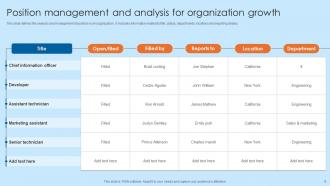
So first thing - audit what positions you actually have versus what you need for your goals. Sounds boring but it's super revealing. You want clear job descriptions and a solid structure that makes sense. Track your headcount and budget obviously, but succession planning is where everyone screws up honestly. Like, who takes over if someone leaves tomorrow? Also watch your reporting relationships - I've seen some truly bizarre hierarchies that made zero sense. Oh and span of control matters too, don't let managers get overwhelmed with too many direct reports. Start with finding gaps and redundancies, then build from there.
Honestly, good position management is like giving your people a roadmap instead of leaving them wandering around lost. Clear career paths show them where they can go next - and trust me, that alone keeps way more people from jumping ship. You can spot skill gaps easier too, which helps you figure out who needs training in what areas. Fair pay structures naturally fall into place when roles are well-defined. The trick is just being upfront about what each role actually requires and how someone moves up. Nobody wants to guess what their boss is thinking, you know?
Honestly, tech has completely changed the position management game. HRIS systems now track headcount automatically, and those real-time org charts? Game changer. Analytics dashboards show you budget vs actual staffing costs instantly - way better than those Excel spreadsheets we used to wrestle with (ugh, remember those days?). You can forecast hiring needs, spot gaps early, and even predict when people might quit. The trick is finding platforms that actually talk to each other. Nobody wants to spend half their day moving data around between systems.
So when demand shifts, you've gotta adjust your position sizes. More demand = bigger positions since there's better liquidity and spreads are tighter. Less demand? Go smaller or you'll get stuck holding bags. Trust me, learned that one the hard way during some really choppy periods lol. Volume patterns and bid-ask spreads are your best friends here - they'll tip you off early. I always set alerts for weird volume drops so I can scale back before things get messy. Oh and rebalance way more often when demand's all over the place. Honestly it's kinda exhausting but beats losing money.
Track your win rate first - how many trades actually make money. Then look at your average win vs loss amounts and maximum drawdown (worst losing streak). Honestly, the Sharpe ratio is way more useful than just looking at raw returns since it factors in risk. Position sizing consistency matters too, plus whether you're actually following your exit rules or just winging it. I'd focus on these basics weekly rather than drowning yourself in spreadsheets. Oh, and don't get obsessed with daily numbers - they'll drive you nuts.
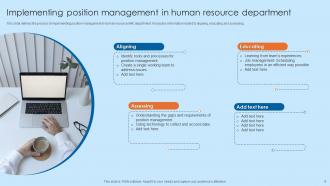
Start with a reality check - map what positions you currently have against what you actually need for your goals. Most org structures are honestly pretty outdated in at least a few spots. Check for skills gaps and think about future workforce needs too. Don't wait until your yearly planning session though - this stuff should happen quarterly so you can pivot when the market shifts. Set up regular conversations between HR and department heads. Otherwise you'll just keep filling random seats instead of building the team you'll need down the road. Quick adjustments beat major overhauls every time.
Ugh, where do I even start? Constant org changes are brutal - just when you think you've got things mapped out, everything shifts again. Remote work makes it so much harder to track what people actually do versus what their ancient job descriptions say. Seriously, some of these are from like 2015 and make zero sense now. Getting budget approval for new roles? Good luck with that. Then you've got pay equity issues across similar positions, which honestly keeps me up at night sometimes. My take? Don't try fixing everything - you'll burn out. Just audit what you have first, then tackle the worst gaps.
Honestly, most job descriptions are ancient - like seriously outdated by years. What works is treating them like living documents that actually get updated. Schedule yearly reviews with both managers and the people doing the work to spot where reality doesn't match what's written down. You'll probably need to add new tech skills, maybe shift from solo work to team-focused stuff, or just expand the scope as people grow into bigger roles. The whole point is keeping your hiring pipeline realistic and making performance reviews way less awkward when everyone's on the same page about what the job actually involves.
Position management is basically the bouncer for hiring - nothing happens until positions get approved and funded in the system. Can't post jobs or recruit without it. The annoying part? Your whole recruiting timeline gets held hostage by their approval process, which moves at whatever pace it wants to move at. But it also sets your headcount budget, comp ranges, and reporting structure upfront. So you're kinda stuck with it. My take - buddy up with those position management folks early. Learn their process inside and out so you can actually plan around their timeline instead of constantly waiting on approvals.
Do quarterly audits - seriously, don't wait until budget crunch time like most places do. Check if vacant roles still make sense for where the business is heading. For filled positions, see if they actually match what people are doing day-to-day (spoiler: they usually don't). HR needs to work with department heads on this since they know what's really happening. Build a simple checklist - job justification, who reports to who, salary bands. Track everything in a shared doc and flag anything that hasn't been touched in 6+ months. It's boring work but you'll thank yourself later.
So basically you map out all your roles and what skills each one needs - gives you a solid game plan for succession stuff. When someone quits out of nowhere (and they always do), you'll already know who's ready to step up and what training gaps need filling. Document your key positions first, then figure out the skills needed to jump between them. It's honestly like having a cheat sheet for promotions. You can spot where your talent pipeline is weak and actually build development paths that go somewhere instead of just random training that doesn't connect to anything.
So here's the thing - position management and performance management are totally connected. You can't really do performance reviews well without knowing what someone's job actually is, right? Position management sets up all the role stuff (duties, who reports to who), then performance management tracks how people are doing against those expectations. Honestly, most companies mess this up by having outdated job descriptions. Before your next review cycle, update those position docs first. Makes the whole process way less awkward when everyone knows what they're supposed to be doing.
Honestly, data analytics changed everything for me with position management. Instead of just guessing, you can actually track stuff like time-to-fill and turnover rates to see what's really happening. Like, maybe HR always takes forever to fill marketing roles - now you'll know why. I used to be terrible at headcount planning but this makes it way easier. You can even predict future staffing needs based on growth patterns and seasonal stuff. Oh, and cost-per-hire is huge if you're trying to justify your budget. Just start with whatever's driving you crazy right now and find metrics that'll help fix it.
Honestly, remote work throws the whole "manage by walking around" thing out the window - which is probably for the best anyway since that always felt kinda weird. You can't watch people at their desks anymore, so now it's all about what they actually get done. Set clear goals for each person and check in regularly, but focus on results instead of hours logged. I've found that redefining what "being productive" means for each role helps a ton. Oh, and definitely establish good communication habits upfront - that saves you so many headaches later. Trust becomes way more important than tracking when someone takes lunch.
Start with your job descriptions - strip out biased language and stick to must-have skills instead of wish lists that exclude good people. When creating roles or restructuring, ask yourself: do these requirements actually matter, or are we just copying what we've always done? (Spoiler: it's usually the latter.) Build D&I checkpoints into your approval process and track demographics across position levels. Oh, and make this part of your regular workflow from day one. Don't wait until you realize there's a problem - that's way harder to fix later.
-
I really liked their customized design services. I got my desired template made by their expert team. Thank You!
-
Exclusive and extensive collection of templates. Really helped me create a professional presentation in just no time.