Product portfolio management ppt diagrams

Rating:
90%
Product portfolio management ppt diagrams
Slide 1 of 5
Favourites Favourites

Try Before you Buy Download Free Sample Product

Audience Impress Your
Audience
Editable 100%
Editable
Time Save Hours
of Time
The Biggest Sale is ending soon in
0
0
:
0
0
:
0
0
Rating:
90%
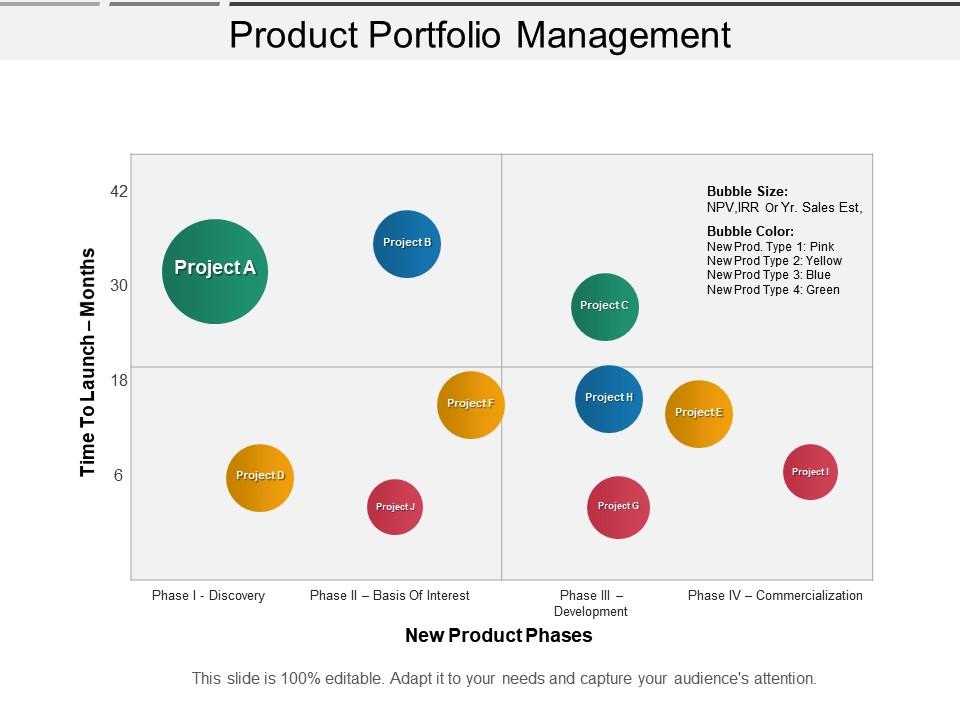
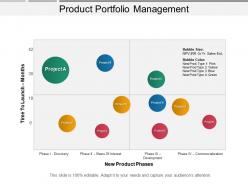
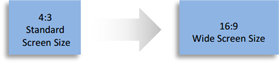
Presenting, product portfolio management PPT diagrams. Out predesigned format allows you to personalize the text, icons, colors used here. The high-quality design does not deteriorate when projected on wide screens or edited. Include your company data in this predesigned PPT format just by following a few simple steps. This unique PPT slide can be used by professionals and business managers, financers for retirement plans presentations. Compatible with Google Slides, this PPT deck can be projected to widescreens for business meetings. Downloaded this design in a snap and use in both standard 4:3 and widescreen format 16:9. Download this PowerPoint deck in a snap and explore full features.

People who downloaded this PowerPoint presentation also viewed the following :

FAQs for Product portfolio

Honestly, just focus on four key things: market opportunity, competitive positioning, resource allocation, and risk diversification. Map out where each product sits growth-wise and market share-wise - that old BCG matrix is actually still solid for this. Look at your competitive advantages too. How do the products work together? Resource constraints are real though, so you can't chase everything at once. Think about each product's lifecycle stage and cash flow patterns. Oh, and always keep some stable money-makers alongside your growth bets - learned that one the hard way!

Honestly, just pick 4-6 things that matter most to your business - like how much money each product could make, whether it fits your strategy, how much work it'll take, stuff like that. Then score each product 1-10 on those criteria. I'm weirdly obsessed with the old BCG matrix for this kind of thing, but any scoring system works. Multiply scores by how important each factor is to get a final number. Don't get too fancy with the math though - you just want something that helps you compare apples to apples. Start with your top 10 products and you'll spot the winners pretty fast.

Track your money stuff first - revenue growth, profit margins, market share. Then look at the strategic side: customer satisfaction, how people actually use your features, where you stand against competitors. Don't chase those flashy vanity metrics that make you feel good but mean nothing. Resource efficiency matters too - what's each feature costing you to build and how fast can you ship? Honestly, most companies suck at measuring what actually moves the needle. Build a balanced scorecard showing if each product's worth keeping around and helping your bigger strategy.

Think of market trends as your roadmap for what to keep, dump, or add to your product lineup. You're always tracking how customers are behaving differently, what competitors are doing, plus new tech that's popping up. Take the whole sustainability craze - brands had to scramble and get eco-friendly products out there or they'd look totally behind. The trick is monitoring this stuff regularly so you can pivot your product mix before everyone else catches on. Honestly, the companies that nail this timing usually win big.

Look, customer feedback is your best friend when making portfolio decisions. It tells you what's working and what's totally flopping. Use it to figure out where to spend your development budget and spot holes in your product lineup. I can't tell you how many teams I've watched make these calls without talking to customers first - always ends badly. The feedback shows you current needs plus where things are headed, which is clutch. Oh, and don't just collect it once. Set up ongoing feedback for everything in your portfolio. Trust me, it'll prevent some seriously expensive screw-ups down the road.

Try that 70-20-10 split - most of your budget on existing stuff that's working, 20% on tweaking current products, and 10% on the wild new ideas. But honestly? Those numbers aren't set in stone. If you're in a crazy competitive market, maybe pump up that innovation percentage. The real trick is doing regular portfolio reviews where you're actually honest about what sucks. I've seen too many companies keep zombie products alive way too long. Set up clear rules for when to kill something versus when to invest more. And don't just throw money at every shiny new concept - put some gates in your innovation process so you're being strategic about it.

First things first - figure out what "underperforming" actually means for your situation. Revenue dropping? Margins suck? Market share shrinking? The timeline part is tricky because you've got existing customer contracts and probably inventory sitting around. Oh, and prepare for the internal drama - there's always someone who thinks their pet product just needs "one more quarter" to turn around. Look at the data though. Can you bundle these duds with your winners? Different positioning maybe? If it's truly dead, give sales and customer success a heads up so they're not blindsided. Document what went wrong too - future you will thank present you.

Think of it like balancing your investment portfolio, but for products. You're spreading resources between safe bets and risky moonshots that could either tank or totally change everything. Honestly, the moonshots are usually worth it even if most fail. Map out what you currently have on a risk-reward chart - you'll probably spot some obvious gaps where you need fresh thinking. Don't just dump money into random R&D though. The trick is protecting your bread-and-butter products while still carving out room to experiment with weird new ideas.

Depends what you're working with budget-wise, honestly. ProductPlan, Roadmunk, and Aha! are solid if you want something built specifically for product teams - they've got those nice visual dashboards. But don't sleep on the flexible stuff you might already have. Miro and Lucidchart work great for portfolio matrices. Hell, I've seen teams crush it with just Excel if they set it up right. The trick isn't finding the fanciest tool - it's picking whatever your team will actually stick with. Because the best system is the one people don't abandon after two weeks, you know?

Ugh, competitive dynamics are such a pain - you're constantly having to rethink your whole portfolio when rivals drop new products or switch strategies. Like, should you speed up certain projects? Kill the ones that aren't working? Jump into completely new markets? My head spins just thinking about it. The trick is not chasing every competitor move (because honestly, you'll go crazy) while still paying attention to the big market shifts. I'd set up regular competitive check-ins and nail down clear rules for when outside changes actually warrant shaking up your portfolio priorities.

Honestly? The hardest part is juggling completely different products that need their own strategies and resources. Budget fights get messy real quick when everyone's competing for attention. Comparing performance becomes a nightmare - I've seen people try to benchmark enterprise software against consumer apps, which is just ridiculous. Teams get stretched way too thin, and suddenly nobody's doing great work on anything. Resource allocation turns into office politics faster than you'd think. My take: set up clear buckets for different product types with their own success metrics. And seriously, don't hesitate to axe the stuff that isn't working.

First thing - actually write down what your strategy is. I know it sounds basic but so many companies just wing it. Map each product against those goals: revenue growth, market expansion, customer retention, whatever yours are. Honestly, this is where it gets brutal - you might need to axe profitable products that don't fit your direction anymore. Do quarterly reviews but focus on strategic value, not just the numbers. Quick test: if you launched this product today, would it still make sense? That usually tells you everything.

Honestly, you can't make good portfolio decisions sitting in your product silo. Engineering knows what's actually buildable. Sales hears customer pain points daily. Finance has the real budget constraints - and marketing sees where everything fits together (or doesn't). Yeah, getting everyone in a room gets chaotic with all those competing opinions. But that chaos saves you from expensive mistakes later. I'd set up monthly cross-functional reviews where each team gets to weigh in. Trust me, those "messy" conversations will catch blind spots you'd never see otherwise. Way better than making calls in the dark.

Think of segmentation as your cheat code for product strategy. Instead of spreading yourself thin across everything, you can actually prioritize based on customer needs and behaviors. High-value segments? Pour resources there. Lower priority ones? Maybe scale back or ignore entirely - honestly, most companies try to please everyone and end up pleasing no one. You'll spot weird gaps where you're missing obvious opportunities too. Plus overlaps where your products are basically competing against each other (awkward). I'd start by just mapping what you have now against your main customer groups. Shows you exactly where things don't line up.

Look, risk assessment is basically your safety net for portfolio decisions. It shows you which products might bomb vs which ones deserve more investment. I always score each one on success probability and potential impact - sounds nerdy but it actually works. Market risks, competition, internal stuff... all fair game for evaluation. You want some high-risk bets mixed with reliable performers, not just one or the other. Way too many teams I've worked with skip this completely and then wonder why everything went sideways. Use that scoring data to figure out where your resources should actually go.

Ratings and Reviews

90% of 100
Review Form
Write a review
Most Relevant Reviews
  1. 100%

    by Cody Bell

    Out of the box and creative design.
  2. 80%

    by Edward Nunez

    Thanks for all your great templates they have saved me lots of time and accelerate my presentations. Great product, keep them up!

2 Item(s)

per page: