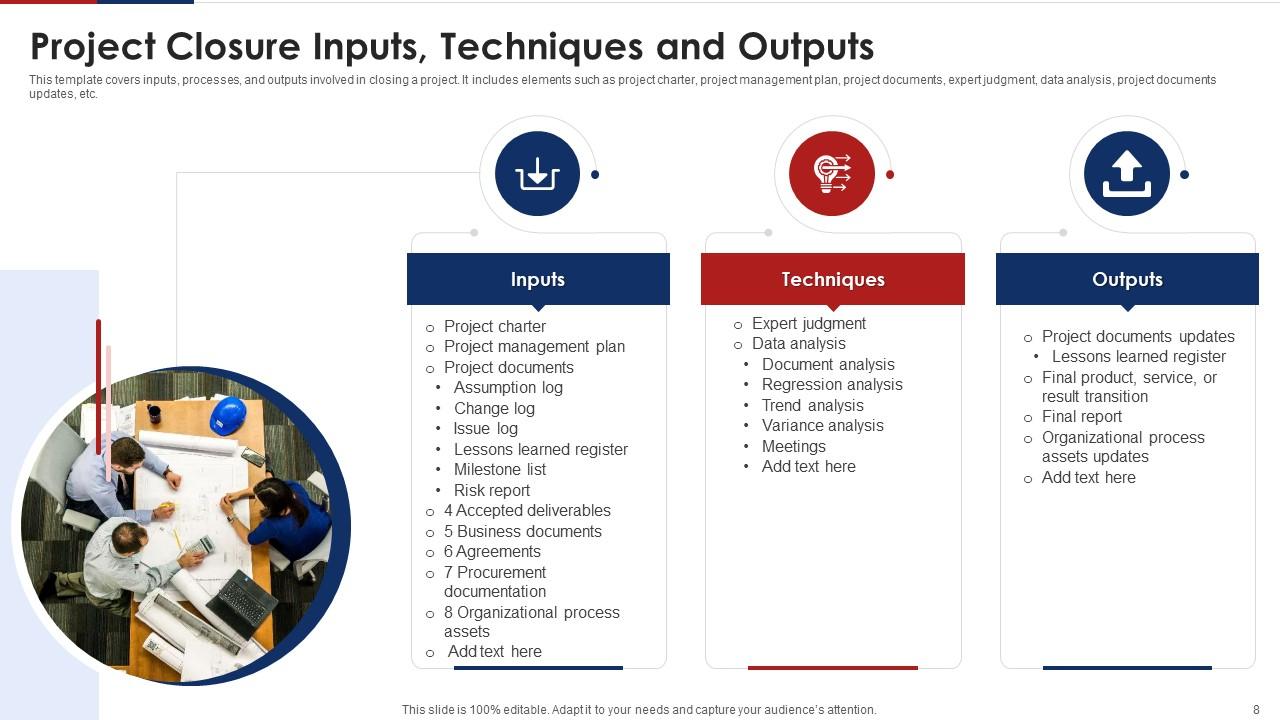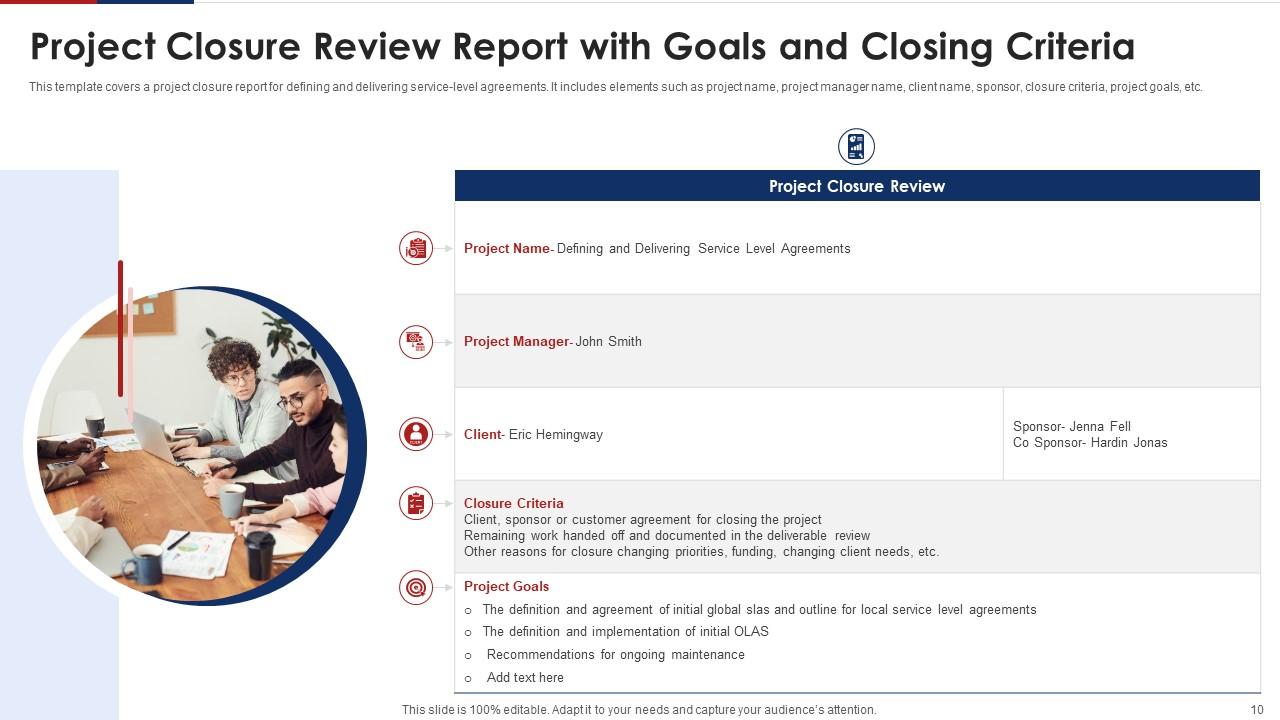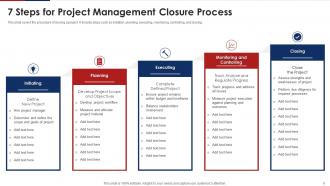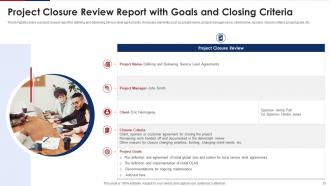
Project Closure Powerpoint Ppt Template Bundles
Try Before you Buy Download Free Sample Product
Audience
Editable
of Time
Our Project Closure Powerpoint Ppt Template Bundles are topically designed to provide an attractive backdrop to any subject. Use them to look like a presentation pro.

People who downloaded this PowerPoint presentation also viewed the following :
Project Closure Powerpoint Ppt Template Bundles with all 18 slides:
Use our Project Closure Powerpoint Ppt Template Bundles to effectively help you save your valuable time. They are readymade to fit into any presentation structure.
FAQs for Project Closure Powerpoint
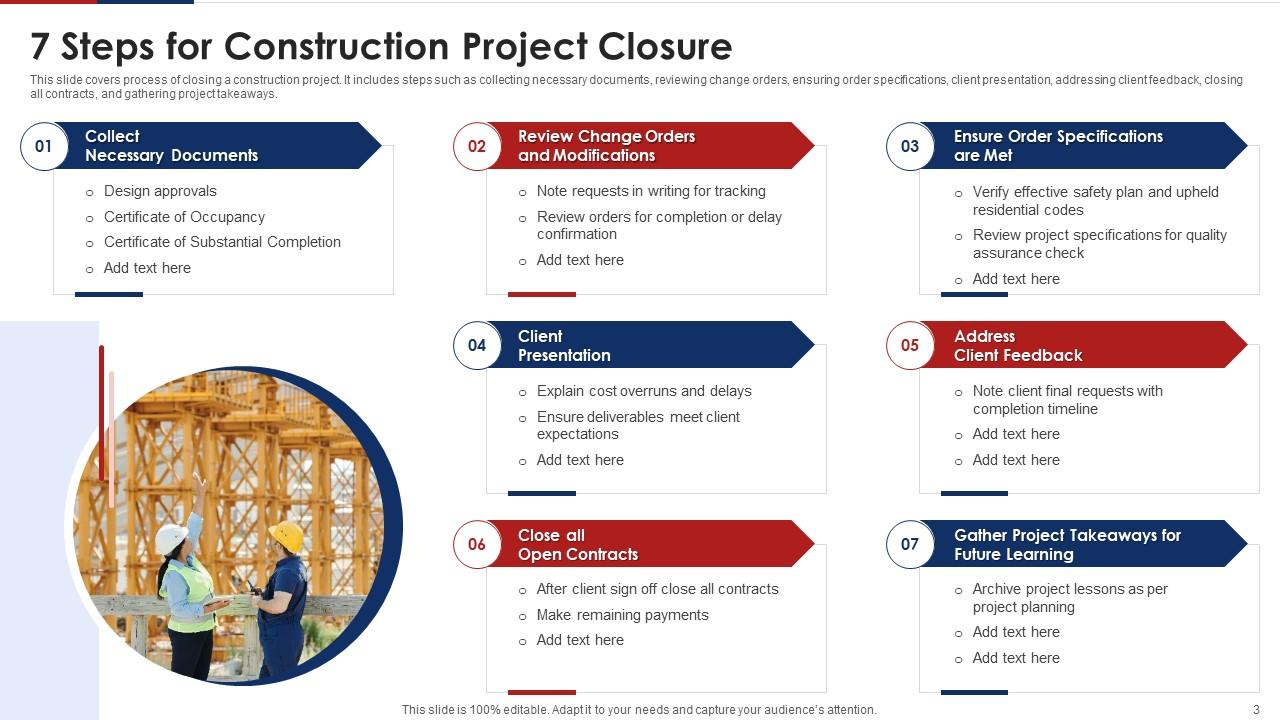
Okay so you need to document everything and get final sign-off from stakeholders first. Release your team members back to their regular work too. I know it sounds boring, but seriously don't skip the retrospective - everyone's exhausted but those lessons are pure gold for next time. Handle contract closures, archive files somewhere people can actually find them later (trust me on this one), and celebrate with the team! Oh, and start your closure checklist like two weeks early. Things always take longer than you think.
Look, good communication at the end really pays off - it builds trust and opens doors later. Be upfront about wins, failures, and what you learned. Shows you actually care about getting better, not just checking boxes. People hate when projects just disappear into thin air, honestly drives me crazy too. Document the successes and call out who helped make it happen. Don't sugarcoat the tough parts either. Stakeholders appreciate that honesty way more than you'd think. Send them a decent project wrap-up and maybe hop on quick calls with your key people for a retrospective.
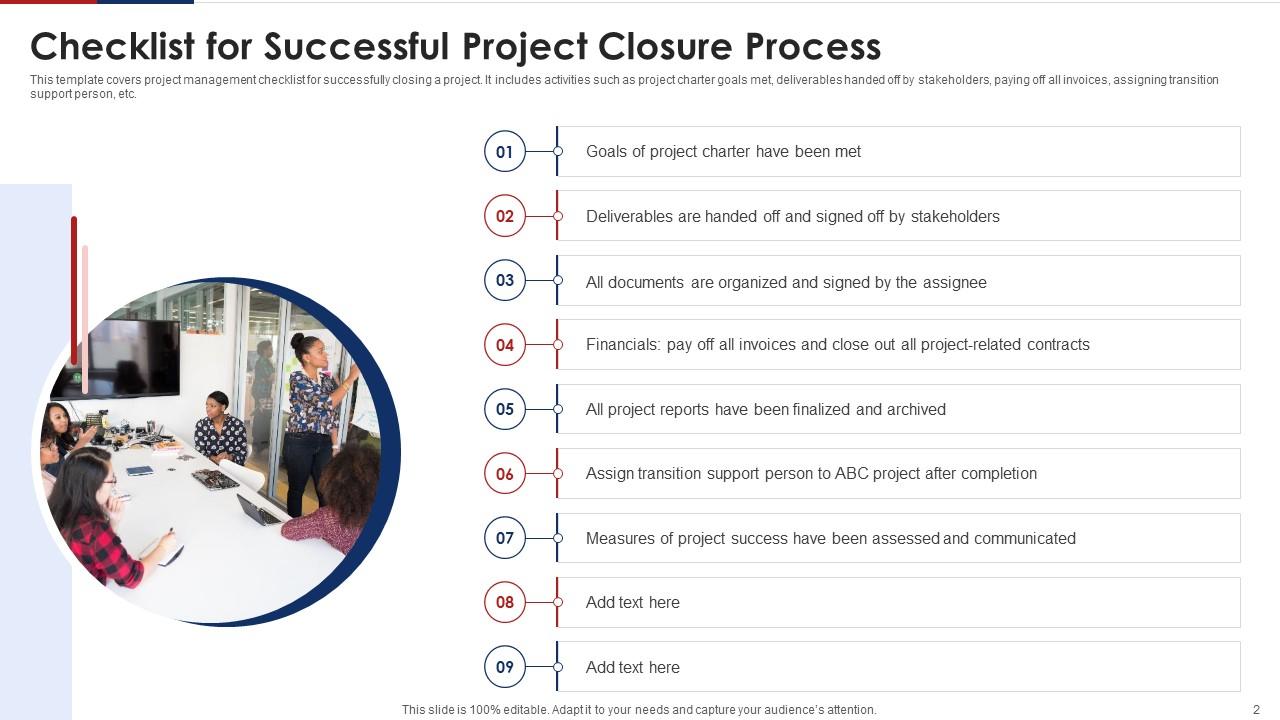
Make a checklist of everything that needs wrapping up and go through it piece by piece with your team. Get actual sign-offs from people - don't just assume they're good with things. I usually block out what I call "cleanup meetings" (probably sounds dumb but whatever) a few days before the real deadline. That way if something's missing or broken, you're not scrambling last minute. Check all your docs and handover stuff too. Oh, and don't forget reports if those are part of the deal. Just be systematic about it instead of wing-it mode. Trust me, that buffer time will save you.
Get your team together within a week while everything's still raw in your heads. Honestly, the screw-ups teach you way more than the victories do. I always make a basic template hitting process problems, resource nightmares, communication breakdowns - that whole mess. Don't write fluffy garbage like "we need better communication." Get specific examples or it's useless. The real trick though? Actually store it somewhere people can find later. Most teams nail the session then lose the notes forever, which drives me crazy.
Just compare what actually happened to your original goals - pretty straightforward. Did you stay on budget and timeline? Hit your scope and quality targets? That's the obvious stuff. But honestly, stakeholder feedback matters way more than people think. Send out surveys or just ask directly how they felt about everything. Also track if you solved the actual business problem, not just completed tasks. Oh, and definitely document what went wrong - those lessons learned sessions save your butt on future projects. Calculate ROI if you can. The whole point is being real about wins and failures so you don't repeat mistakes.
Honestly, getting stakeholder feedback at the end is super important - it's like your reality check moment. What you think went great might've actually annoyed people! Ask specific questions instead of just "how'd it go?" because you'll get way better answers. Their input helps you figure out what actually worked vs what was a mess, plus they'll tell you about any loose ends that need tying up before you close everything out. It's also gold for documenting lessons learned. I always cringe a little asking for honest feedback, but it's worth it for next time.
Don't wait until the last minute - start early with this stuff. Documentation is key: write down how everything works, who owns what, contacts for important people. Training sessions help a lot where your team shows ops the actual systems. I always do this "shadow period" thing where both teams work side by side for a while. Trust me, you'll catch those random edge cases you totally forgot about! Clear support boundaries are crucial so nobody's confused about who handles what after launch. Oh, and schedule a check-in meeting two weeks later to fix any gaps that pop up.
Mix hard data with the soft stuff - that's your best bet. Check your budget vs what you actually spent, timeline against reality, all that boring but necessary number-crunching. But here's where it gets interesting: talk to people! Stakeholder interviews and team retrospectives usually uncover way more than any spreadsheet. I swear, the stories behind the metrics are always more revealing. Oh, and don't just focus on what went wrong - capture what worked too. Write it all up in a lessons learned doc that people might actually read later. Trust me, future you will thank present you.
Dude, start a documentation checklist at the beginning and keep updating it - seriously, don't be like me waiting until the end and then panicking about what you forgot. Grab everything: project plans, meeting notes, requirements, test results, client emails, lessons learned, the whole mess. I wasted like 3 hours once digging through random folders and bugging teammates for files they had saved locally (why do people do that??). Name your files clearly and organize them logically. Then hand over a complete package with a quick summary of what's where.
Honestly, the biggest mistake is rushing through documentation because everyone just wants to move on already. Skip the retrospective and you'll be kicking yourself later when you can't remember what actually worked. Oh, and formally release your team members - I've literally seen people still billing hours months after a project "ended" because nobody bothered closing contracts. Capture lessons learned while they're still fresh in people's heads. Get that final stakeholder sign-off too. Set aside real time for closure stuff; it's not just boring paperwork, it's how you actually learn for next time.
Project closure is where you grab all those lessons learned before everyone forgets. Document what worked and what bombed - trust me, future PMs will thank you. Most teams just want to bolt to the next thing, but that's where they mess up. Those post-mortem sessions? Pure gold. You'll avoid the same dumb mistakes and actually repeat what worked. Oh, and book that lessons learned meeting ASAP before people disappear. I learned this the hard way when half my team transferred departments right after we wrapped.
Honestly, just ask a few people what they'd actually want first. Some teams are all about the big celebration, others would rather grab lunch somewhere chill or even just get a really thoughtful email - I've literally seen people more excited about pizza than some fancy restaurant thing. Don't blow your budget either. Timing matters too though, like don't wait forever when everyone's already forgotten about the project. The main thing is being specific about what people contributed instead of just generic "thanks team" stuff. Make it feel personal, you know?
Waterfall does one massive closure at the end - all the documentation, approvals, the whole nine yards. Agile's different though. You're wrapping up smaller pieces after each sprint, so lessons learned happen as you go instead of trying to remember everything later. Honestly, I've seen Waterfall teams completely blank on what went wrong months earlier. With Agile you still need final closure, but it's way less painful since you've been tracking stuff continuously. Really depends on your team's vibe and what stakeholders expect. Some people love the big ceremonial finish!
Okay so first thing - go through that compliance stuff methodically. Document everything, get those final approvals, check your regulatory boxes. Oh and don't forget data retention rules (learned that one the hard way). Do one last risk assessment to catch anything sketchy that might come back later. Archive it all properly because auditors are the worst when things are messy. Write down lessons learned while people still remember what happened. But honestly? The handover meeting is huge. Walking away without properly briefing the next person is just setting everyone up to fail.
Get everyone important in the room and prep an agenda - what worked, what bombed, lessons learned. Don't let people sugarcoat the problems. That's literally the whole point of these things. Focus on actual examples instead of vague "communication could be better" nonsense. Document everything so you're not having the same disasters next time. Dig into the messy stuff - process breakdowns, communication gaps, resource issues. Oh, and actually end with action items people will remember next week. These meetings are only worth it if you get brutally honest about what went sideways.
-
Good research work and creative work done on every template.
-
Informative and engaging! I really like the design and quality of the slides.