


Pursuit Plan Powerpoint Ppt Template Bundles





Try Before you Buy Download Free Sample Product
 Impress Your
 Audience
 100%
100% Editable
 Save Hours
 of Time


Introducing our Pursuit Plan PowerPoint PPT presentation, a powerful tool designed to help businesses excel in client onboarding, B2B sales, and project pursuits. Unlock the secrets of a well-structured Sales Pursuit Plan, providing your sales team with a strategic roadmap to win and retain clients. Explore B2B Sales Pursuit strategies, empowering your organization to secure high-value deals and build lasting partnerships. Discover expert pursuit planning services, enabling your team to navigate complex projects and competitions with confidence. With visually engaging slides and expert guidance, this PPT equips your organization to outshine competitors and achieve successful pursuits. Elevate your pursuit strategies and win the clients and projects that matter most. Get this presentation now and lead your pursuit to victory
People who downloaded this PowerPoint presentation also viewed the following :
Pursuit Plan Powerpoint Ppt Template Bundles with all 25 slides:
Use our Pursuit Plan Powerpoint Ppt Template Bundles to effectively help you save your valuable time. They are readymade to fit into any presentation structure.

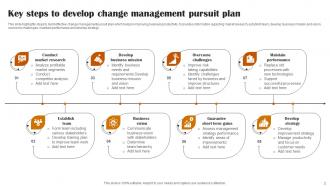
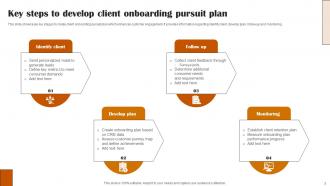
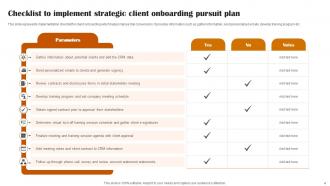
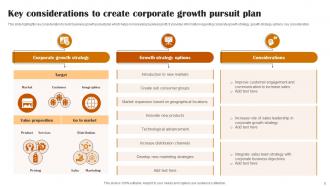
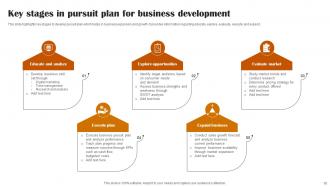

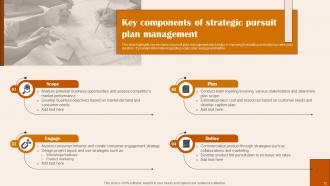
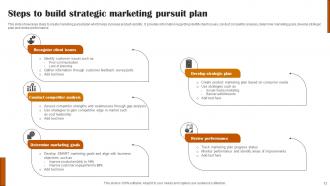
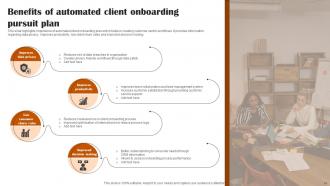
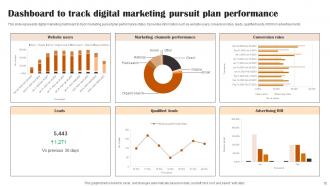
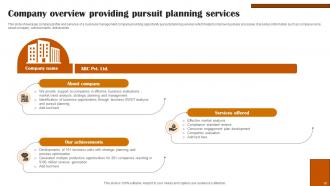






FAQs for Pursuit Plan Powerpoint
You'll want to nail down your win strategy first - like, why would they actually choose you? Map out who's making decisions and what keeps them up at night. Competitive differentiation is huge too. Set a realistic timeline with actual milestones, not just "follow up regularly" nonsense. Pin down team roles and budget stuff early or you'll be scrambling later. I swear, most pursuit plans are just pretty PowerPoints with zero substance. Write a one-page summary first - if you can't explain it simply, you're probably overthinking it. Focus on creating real touchpoints that show your value, not generic check-ins.
Look, your pursuit plan has to actually support what your company's trying to do - otherwise you're just spinning wheels. Map out opportunities that hit your growth targets, whether that's new markets, building capabilities, or revenue goals. I've watched teams get distracted by flashy RFPs that went nowhere (guilty of this myself). Every pursuit should connect to at least one strategic objective, period. Take your current pipeline and check it against your goals. You'll probably spot some gaps or stuff that doesn't make sense. Fix those first.
Look, market research is everything when you're going after a big opportunity. You've gotta know their pain points, budget, who makes decisions - basically the whole landscape before you even start. Otherwise you're just guessing and probably wasting everyone's time. This intel shapes your messaging, pricing, which people you put on the team. Honestly, I've seen too many teams skip this step and wonder why they lost. Start digging early and keep updating what you learn throughout the whole process. It's not sexy work but it wins deals.
Look at three things: how likely you are to actually win it, the money involved, and whether it fits your bigger picture. Win probability is huge - don't waste time on deals where you're basically just making up the numbers. Weight everything based on what matters most right now. Maybe you need cash flow more than prestige clients, or maybe it's the other way around. Honestly, most sales teams I know are chasing way too many dead-end opportunities. Score them all numerically with the same criteria. Then cut the bottom 20% that's just eating up your time and energy.
Track both types of metrics or you'll be flying blind. Leading stuff like stakeholder engagement and meeting acceptance rates tell you if your pursuit work is actually paying off. Win rates and deal sizes are lagging indicators - useful but they take forever to show up. Honestly, waiting for those is kinda pointless when you need to pivot fast. I'd throw in proposal quality scores too, maybe how you're hitting timeline milestones. Set up something simple to check monthly so you can fix things before deals tank.
Honestly, you need that pursuit plan locked down early or things get messy fast. Everyone knows their role and deadlines upfront - no more "wait, I thought you were doing that" moments. Those regular check-ins become pretty valuable too (some of my best teamwork happens there, weirdly). Short sentences work. When workload gets crazy or you need an expert, the plan makes it obvious. Also helps you catch duplicate work before people waste time on it. Basically becomes your team's go-to reference for everything. Trust me, it's worth the upfront effort.
Honestly, half the battle is just being crystal clear upfront about who's doing what and when. Get everyone in a room for a proper kickoff - walk through the whole plan and make sure they actually agree to their parts. Weekly check-ins work well for most projects. I always use some kind of shared doc so people can see where things stand without bugging me constantly. The thing that kills me is when teams save all their questions for the very end - like, speak up earlier! Flag problems, ask for help, whatever you need. Trust me, I've watched too many good proposals crash because someone was confused about their role but never said anything.
Honestly, start with CRM integrations - they'll pull client data automatically so you're not doing it by hand every damn time. Real-time tracking of who's working on what sections is a game changer. Templates are your friend for common pursuit types, especially when you connect them to your proposal software. AI's actually getting decent at cranking out first drafts for boring stuff like company overviews. Multiple people can edit simultaneously without those awful version control fights we've all been there for. Don't try to automate everything at once though - pick one tool, get good at it, then expand from there.
Don't be generic - that's the killer right there. Actually dig into what's bugging your client instead of throwing around buzzwords. I've watched people create these massive pursuit plans that nobody reads because they're way too complicated. Keep it simple, you know? Assign someone to own each piece and give them real deadlines. Otherwise it just sits there looking pretty. Talk to people who actually work with this client before you decide on your win themes - trust me on this one. And build in time to pivot when you realize you were wrong about something (because you will be).
Don't save risk assessment for the end - build it into your plan from the start. Figure out what could go wrong early on: competitors with better connections, budget getting slashed, key people leaving mid-process. Honestly, I've watched so many teams ignore this stuff and then panic when things blow up. Make a basic matrix showing how likely each risk is and how bad it'd hurt if it happened. Then actually plan around those risks in your timeline and budget. Oh, and keep updating it as you learn more - maybe add it to every team meeting agenda so you don't forget.
Build flexibility into your pursuit plan right from day one. Watch market indicators and set trigger points for plan reviews - competitor moves, regulatory shifts, changing customer priorities. Honestly, I treat these plans like living documents, not something carved in stone! Monthly pulse checks help catch changes early (trust me on this). Update your win themes and messaging when the market shifts. Don't hesitate to pivot your technical approach if needed. The trick is staying agile while your core value stays solid. Your team will thank you for not being rigid about it.
Honestly, you've gotta completely switch up your approach depending on the industry. Healthcare is all about compliance and patient outcomes - they won't budge without that. Tech moves lightning fast though, so cut your timeline and talk innovation. Government contracts are a nightmare of paperwork and waiting (seriously, pack your patience). Financial services? Security and ROI are their religion. What works is actually talking to your current clients in whatever industry you're targeting. They'll tell you the real pain points and buying quirks way better than any research report. Each sector evaluates vendors totally differently.
Think of competitive analysis as your cheat sheet for proposals. Figure out who your 2-3 main competitors are first - then study their strengths, weaknesses, and past wins. This intel lets you craft messaging that counters their advantages while highlighting yours. I've watched teams blow winnable deals because they didn't bother researching the competition. Don't be those people. Your whole pursuit strategy should focus on beating these specific competitors, not just generic "we're awesome" fluff. It's honestly the difference between winning and wondering what went wrong.
So here's what works for me - set up check-ins every month or quarter to see how you're actually doing. Are you hitting your goals or totally missing the mark? Honestly, I'm obsessed with tracking simple metrics because it keeps me from spiraling about whether I'm on track. Ask your team, customers, whoever makes sense for feedback. The real trick though? Actually USE what you learn to change your approach. I see so many people collect all this input then just... ignore it? Make these reviews a habit, not something you only do when everything's falling apart.
Look, think of timelines like your roadmap - without them you're just hoping things work out. You'll end up scrambling last minute or missing stuff that could kill the whole deal. They help you get your team coordinated and spot problems before they blow up everything. Clients can totally tell when you have your act together vs just making it up as you go. Oh, and build in extra time because something always goes sideways. The milestones give you good spots to step back and change course if you need to.
-
“Thank you to the SlideTeam. Your presentations look really skillful and have made my life so much easier.”
-
Very unique, user-friendly presentation interface.