

Real estate detailed analysis powerpoint presentation slides





Try Before you Buy Download Free Sample Product
 Impress Your
Audience
 100%
Editable
 Save Hours
of Time


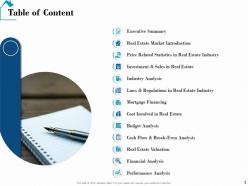
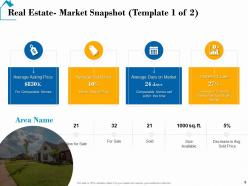
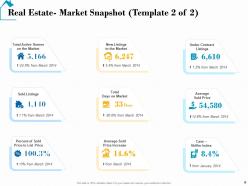
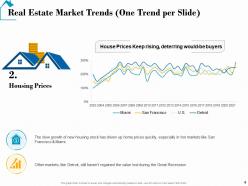
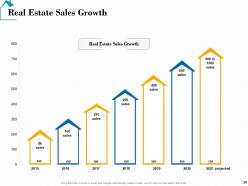
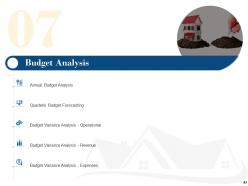
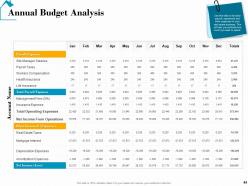
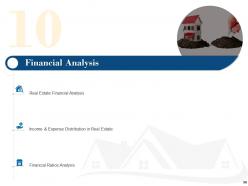
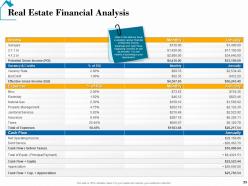
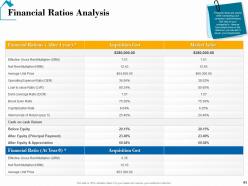
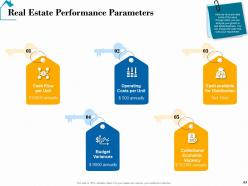
Presenting our Real Estate Detailed Analysis PowerPoint Presentation Slides to help you provide a crisp and accurate executive summary. Provide a market snapshot based on a technical analysis of your business activities and price movement by taking the aid of this property investment PowerPoint presentation. Showcase the cost involved in real estate to the entrepreneurs and investors in a well-organized and structured manner with the help of these landholdings PPT templates. Highlight the annual budget framework along with the quarterly budget forecasting with our completely adaptable property investment PPT layouts. Use this estate development PPT slideshow to acquaint the potential client with the growth drivers of property dealing. This expertly curated, realty shares PowerPoint visuals contains the home sales chart and market analysis table for describing the position of the real estate industry. Download this content-ready PowerPoint deck and share the laws and regulations regarding real estate with your clients. Take advantage of the additional slides provided at the end of this PPT deck to create an eye-catching presentation.
People who downloaded this PowerPoint presentation also viewed the following :
Real estate detailed analysis powerpoint presentation slides with all 76 slides:
Use our Real Estate Detailed Analysis Powerpoint Presentation Slides to effectively help you save your valuable time. They are readymade to fit into any presentation structure.













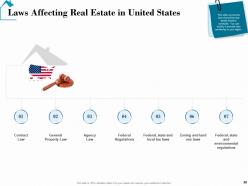


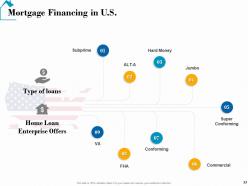
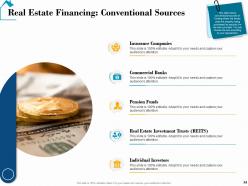
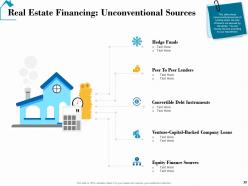






















FAQs for Real estate detailed analysis
Location's your biggest factor - seriously, I can't stress this enough. Check what similar places sold for and current rental rates around there. Run the math on rental income vs ALL your costs (maintenance, taxes, vacancy months - they add up fast). Is the neighborhood getting better or worse? That matters way more than people think. Walkability and school ratings actually do affect property values, even if analyzing them feels nerdy. Oh, and figure out your exit plan before you buy. Honestly, just throw this stuff in a spreadsheet so you can compare apples to apples.
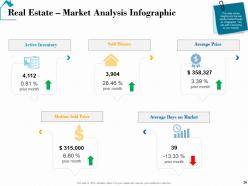
So basically the Fed controls everything through interest rates - when they go up, fewer people can afford to buy. Employment's huge too since unemployed people aren't exactly house hunting, you know? GDP growth affects how confident everyone feels about making big purchases. Inflation's weird though - makes houses worth more but mortgages cost more at the same time. I'd honestly check these numbers monthly if I were you. Your local market usually lags behind the big economic shifts by a few months, so you can kinda see what's coming.
Dude, location is everything - like 60-80% of what your property's actually worth. Can't renovate your way out of a bad neighborhood, you know? School districts are huge, plus how close you are to jobs and decent public transit. I always tell people to check walkability scores too. Crime stats matter obviously, and see what development's planned for the area. Here's what I do - compare similar houses in different spots to see what that location premium actually costs. Sometimes it's worth paying extra, sometimes you're better off going a bit further out. Really depends on what your clients prioritize.
Look, a CMA basically shows you what similar houses actually sold for lately - that's your pricing goldmine right there. Days on market is huge too because it tells you if those prices were realistic or wishful thinking. You can go aggressive and price below comps to sell fast, match them for steady showings, or price higher if your place genuinely beats the competition. I always pull 3-6 months of data since anything older gets weird with market shifts. Plus you'll see if buyers or sellers have the upper hand right now, which honestly changes everything about your strategy.
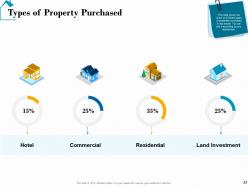
Dude, residential is honestly your best bet starting out. Way easier to wrap your head around since we all rent or buy houses, right? You can start smaller too without needing a massive pile of cash. Commercial does give you better returns and those sweet long-term leases, but you need serious money and experience upfront. Plus commercial tenants fix their own stuff, which is clutch. Residential? You're the one dealing with broken toilets at midnight. Tenant turnover sucks too - people move way more than businesses do. I'd definitely cut my teeth on residential first, then maybe think about commercial later when you've got some wins under your belt.
So zoning laws are basically the rulebook for what you can build where. They'll tell you if a property can be residential, commercial, industrial, or mixed-use. Height limits, setbacks, lot coverage - it's all in there. Historic districts are the worst for restrictions, honestly. But some areas have more flexibility with planned developments. Definitely check the zoning maps before you buy anything for development. Call the planning department too - those conversations can save you major headaches later. Trust me on this one.
Honestly, just start with whatever analytics your MLS already has built in - that's gonna be your bread and butter for local stuff. Zillow Premier Agent and RPR are solid for comps and seeing where the market's headed. If you're doing any commercial deals, CoStar is pretty much what everyone uses (though it's pricey). I actually love the BiggerPockets calculators for investment properties - way better than I expected them to be. Oh and don't sleep on Google Earth for location stuff, plus Walk Score if walkability matters to your clients. Really depends if you're doing residential or commercial though.
So yields are all over the place depending on where you look. Working-class areas can hit 8-12% sometimes, while the fancy neighborhoods might only give you 3-5%. Those expensive spots usually grow in value better though - classic trade-off situation. Honestly, I'd just pull rental and sale data for each area you're thinking about, then do the math: annual rent divided by purchase price. Also worth checking how easy it is to find tenants there. Maybe start by comparing 3-4 similar places across different neighborhoods? That'll show you the real differences pretty quick.
Honestly, three big things to watch right now. PropTech is crazy - like, everything from finding deals to managing properties is getting automated fast. ESG investing is huge too, tons of institutional money chasing sustainable buildings. And demographics are shifting everything - millennials and Gen Z want totally different stuff in housing and offices. Remote work's still messing with commercial demand obviously. Oh, and here's what I'd focus on if I were you - properties with good sustainability credentials and solid tech infrastructure. Those keep winning deals. Maybe I'm biased because I've seen it firsthand, but the combo of green features plus strong internet/smart building tech seems pretty bulletproof right now.
Dude, demographic changes totally flip real estate markets upside down. Age, income, family size - all that stuff matters. Remember when millennials flooded cities for jobs? Rental demand went crazy. Now they're having kids and want bigger places or moving to suburbs. Population growth = higher demand, obviously. Detroit shows what happens when people leave en masse - not pretty. Income shifts are huge too since that determines what people can actually buy. Honestly, I'd watch census data and see where people are moving. You can spot trends before everyone else catches on.
So basically, when rates jump up, your monthly payment goes crazy high - like a 1% increase kills about 10-12% of your buying power. Fewer people can even qualify for loans anymore, which honestly takes some pressure off this insane bidding war situation we've been dealing with. But flip it around - rates drop and suddenly everyone's house hunting again, prices shoot up, competition gets nuts. If you're looking at deals right now, just know that rate changes can totally flip your buyer pool in like a matter of months. It's wild how fast things shift.
So basically you'll want to work environmental stuff right into your DCF and comp analyses. Pull flood zone maps, air quality reports, hazard sites - that data's all free from EPA and local planning offices. Climate projections matter too since they mess with future cash flows. Honestly, most appraisers are still sleeping on this which is nuts because buyers obsess over it now. Green certifications and energy ratings are driving real premiums these days. Oh and don't forget to bump your cap rates based on the actual risk profile. I spent way too long learning this the hard way.
Mix up your property types and locations - seriously don't dump everything into one area. Always do your homework on inspections, market comps, cash flow projections. Trust me, I skipped this once and regretted it big time. Cash reserves are clutch for repairs and vacancies, maybe 3-6 months worth. Get decent insurance too. REITs might be worth checking out if you want exposure without all the headaches of direct ownership. Oh and before you sign anything, run your numbers through some nightmare scenarios first.
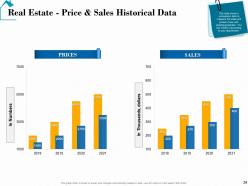
Honestly, diving into historical property data is your best bet for spotting what's coming next. I usually pull at least 5-10 years of MLS data and chart everything - price cycles, sales volumes, seasonal dips, you name it. Days on market and price-per-square-foot trends are goldmines. You'll notice patterns that keep repeating, especially during different economic situations. It's wild how cyclical real estate actually is. Obviously it's not foolproof, but combining old data with current indicators gives you a solid read on where things might head. Start with comparable sales from your area going back several years.
Right now everyone's obsessed with carbon-neutral buildings and this biophilic design thing - basically cramming plants everywhere. Smart tech that cuts energy costs is big too. Oh, and developers can't stop talking about renewable energy and recycled materials. Water stuff like greywater systems is everywhere now. Honestly, it makes sense though. Tenants pay more for green spaces, financing is cheaper, plus tax breaks. You should definitely track LEED and WELL certified properties in your analysis - they're crushing it on occupancy and rent compared to regular buildings.
-
Helpful product design for delivering presentation.
-
Easily Editable.
-
Informative design.
-
Great quality slides in rapid time.
-
Editable templates with innovative design and color combination.
-
Out of the box and creative design.