


Release Management Powerpoint Ppt Template Bundles




Try Before you Buy Download Free Sample Product
 Impress Your
 Audience
 100%
100% Editable
 Save Hours
 of Time


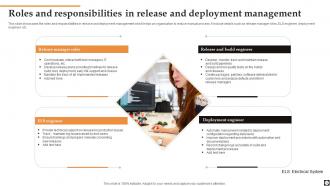
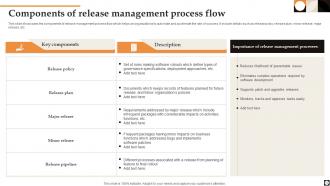
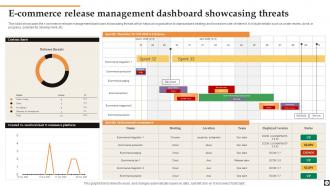
Introducing our comprehensive PowerPoint PPT presentation on Release Management, a game changer for software development teams seeking streamlined and efficient release processes. This dynamic PPT guides you through the essential elements of the release management process, drawing upon industry best practices, including ITIL release management guidelines. Discover how to leverage popular tools like Jira to orchestrate seamless software release management, enabling faster delivery cycles and reducing the risk of errors. Unravel the intricacies of version control, testing, and deployment, empowering your team to release software with confidence and precision. Ideal for developers, project managers, and IT professionals, this PPT equips you with the knowledge and tools needed to master the software release process, ensuring successful and hassle free releases that meet business objectives and exceed user expectations. Elevate your release management game with our transformative presentation today.
People who downloaded this PowerPoint presentation also viewed the following :
Release Management Powerpoint Ppt Template Bundles with all 25 slides:
Use our Release Management Powerpoint Ppt Template Bundles to effectively help you save your valuable time. They are readymade to fit into any presentation structure.









FAQs for Release Management Powerpoint
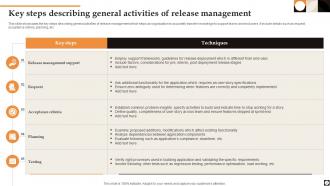
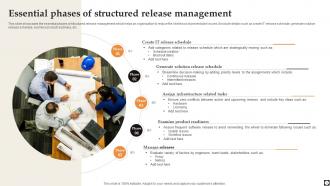
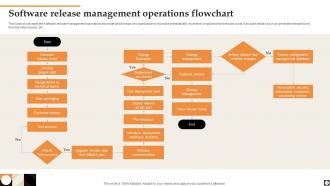
So basically you've got five main phases: planning, building, testing, deployment, and monitoring. Start by mapping out your release scope and timeline. Then build and package your code. Testing comes next - honestly the most critical part, even though half the devs I know try to rush through it. Deploy to production after that, then keep an eye out for any weirdness. Treat each phase like a checkpoint. Don't jump ahead until you've actually finished what you're on. Oh, and set up clear criteria for each phase so everyone knows when it's cool to move forward. Saves a lot of "are we ready yet?" conversations.
Honestly, pick your communication channels and actually stick to them - don't let people randomly ping you everywhere. Set up a Slack channel for each release and assign someone to own updates at every stage. This part's huge: send status updates even when literally nothing is happening. Trust me, those "no change" messages save you from getting bombarded with questions later. Build some basic dashboard so people can check stuff themselves instead of bugging you. Oh, and figure out your rollback communication plan before you deploy anything. Learned that one the hard way.
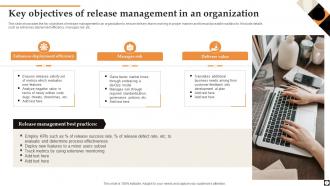
Okay so the big four metrics you want are deployment frequency, lead time for changes, mean time to recovery, and change failure rate. Those are like the gold standard. Release cycle time and rollback frequency are solid additions too. Honestly though? Don't go crazy with tracking everything at once - I've seen teams drown in dashboards they never actually look at. Start simple. Customer stuff matters too - uptime, user satisfaction scores, that kind of thing. Shows you if your releases are actually helping or just making noise. Weekly team reviews work well for spotting trends.
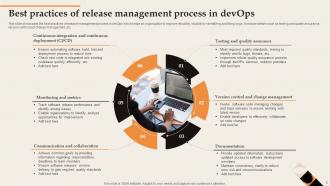
Dude, DevOps is a total game changer for releases. You can deploy multiple times daily instead of those nightmare quarterly pushes we all used to hate. CI/CD pipelines automate everything - testing, rollbacks, monitoring. Dev and ops teams actually work together now instead of that whole "throw code over the wall" disaster. My last company went from dreading releases to barely noticing them, which honestly felt weird at first. Just start with automated deployments on your next project. Trust me, you'll wonder why anyone still does manual releases.
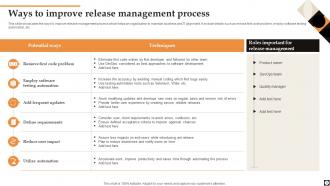
Dude, automation is a total game-changer for releases. It handles all that tedious stuff - builds, testing, deployments, rollbacks - so you're not doing it manually and screwing things up. I've watched teams go from taking literal hours to deploy to like 10 minutes, it's wild. Plus you get the same process every single time instead of Bob doing it differently than Sarah. My advice? Don't try to automate everything at once though. Just grab whatever manual task is driving everyone crazy and start there. You'll be hooked once you see how much time it saves.
Honestly, automate everything you can - testing, deployments, code reviews, the works. Feature flags are a game changer because you can ship code but still control what users actually see. CI/CD pipelines sound like a pain to set up but they're worth it, I promise. Start with whatever you're doing manually the most and automate that first. Then add quality checks that won't bog down your releases. Oh and catch problems early instead of trying to make everything perfect before shipping. Way less stressful that way.
Ugh, the worst part is getting everyone aligned - dev, QA, ops, product, sometimes even marketing. They're all on different timelines with totally different priorities. Communication falls apart so fast. Like your backend team's ready to ship, then frontend discovers some critical bug. Or legal swoops in last minute needing two weeks for compliance (always happens). Dependencies become impossible to track and everyone's just... waiting on everyone else. Honestly though, map out those cross-team dependencies super early. Daily standups with reps from each team, not just engineering. Saves you so much headache later.
So basically you wanna build risk stuff into your release planning right from the start. Figure out what might blow up - deployments failing, integrations breaking, performance tanking. Rank them by how likely they are vs how bad they'd be. Focus your energy on the scary high-impact ones first. Always have rollback plans ready. Give yourself extra testing time for the sketchy features - trust me on this one. Maybe do a staged rollout if something feels risky. Oh, and make risk planning a standing agenda item in your release meetings. Don't wait until you're putting out fires to think about this stuff.
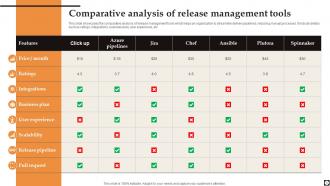
So for agile stuff, Jenkins and GitLab CI/CD are probably your best bets - they handle the automation pretty well. Azure DevOps is decent too. If you're already on GitHub, just use Actions honestly, it'll save you headaches. Jira works with basically everything for tracking your sprints. Oh and Octopus Deploy is clutch for those messy multi-environment deployments (been there, it sucks without proper tooling). Don't overthink it though. Pick whatever plays nice with what you've already got. You can always add more complex stuff later when you actually need it.
Ugh, compliance will totally wreck your release speed. Suddenly you're drowning in documentation and formal approvals for every tiny change. Healthcare and finance are the worst for this stuff - aerospace too. No more pushing code whenever you feel like it. Testing cycles get way longer because auditors want to see everything. Here's the thing though - bake it into your process early. I've seen teams try to add compliance later and it's a nightmare. Figure out which regulations hit your product now before you're panicking about deadlines. Trust me on this one.
So you definitely want good release notes - what changed, why it changed, and how it affects users. Breaking changes need to be super obvious. New features should get quick descriptions. Always include version numbers and dates (seems obvious but people forget). The "why" part is huge - I can't tell you how many times I've looked at old releases thinking "what were we thinking??" Use a template so everyone writes them the same way. Link to tickets or PRs when you can. Put everything somewhere central that both your team and stakeholders can actually find. Trust me, start this habit now because you'll hate yourself later when debugging some weird issue.
Dude, you've gotta bake feedback right into your release process from day one. Get beta groups going early, use feature flags for gradual rollouts, and make it stupid easy for users to tell you what's broken - those in-app forms actually work pretty well. Timing's everything though. Can't stress this enough: collect feedback when you still have time to fix stuff, not when you're already committed to shipping next week. I've watched teams gather tons of user input then completely ignore it because they painted themselves into a corner. Oh, and block out actual sprint time for acting on what users tell you. Focus on feedback that matches where your product's headed.
Start with CI/CD training - Jenkins, GitLab, whatever you're running. Your team needs to know version control and branching inside out, plus rollback stuff when things go sideways. Communication skills matter more than people think tbh, since you're constantly juggling dev, QA, and ops folks. Get someone certified on your cloud platform for sure. Incident response training is clutch too - Datadog, New Relic, those monitoring tools. Skip the boring docs though. Do actual hands-on workshops where they deploy real releases. Way more effective than reading about it.
Get everyone together within 48-72 hours while it's all still fresh. Core team - devs, QA, ops, product if needed. Walk through what worked, what didn't, surprises nobody saw coming. Honestly, the random unexpected stuff always gives you the best insights. Focus on actual metrics like deployment time, rollbacks, customer impact instead of just telling stories. Write down 2-3 action items with owners or you're basically just venting, not fixing anything. Oh and keep it blameless - nobody learns when they're defensive. Hour max.
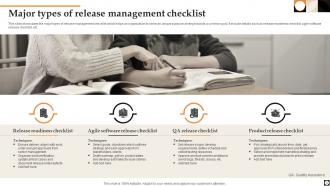
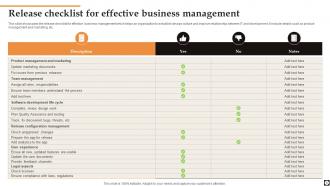
Dude, don't rush your releases without testing - learned that one the hard way. Skip documentation and you'll hate yourself later. Always have a rollback plan ready because Murphy's Law is real. Communication breakdowns between dev and ops will absolutely wreck your day. Never release on Fridays unless you enjoy pizza at 2am while fixing things. Do smaller, incremental releases instead of dropping everything at once. Get your monitoring set up first, then push. Oh, and make a checklist - I know it sounds boring but it saves your ass when everyone's panicking and demanding answers.
-
Great work on designing the presentation. I just loved it!
-
This design is not only aesthetically pleasing but it has many uses making the cost worthwhile. The graphics look stunning, and you can edit them as per your needs.