


Restaurant Staff Training Powerpoint Ppt Template Bundles




Try Before you Buy Download Free Sample Product
 Impress Your
 Audience
 100%
100% Editable
 Save Hours
 of Time


Our Restaurant Staff Training Powerpoint Ppt Template Bundles are topically designed to provide an attractive backdrop to any subject. Use them to look like a presentation pro.
People who downloaded this PowerPoint presentation also viewed the following :
Restaurant Staff Training Powerpoint Ppt Template Bundles with all 26 slides:
Use our Restaurant Staff Training Powerpoint Ppt Template Bundles to effectively help you save your valuable time. They are readymade to fit into any presentation structure.






FAQs for Restaurant Staff Training Powerpoint
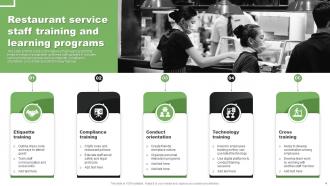
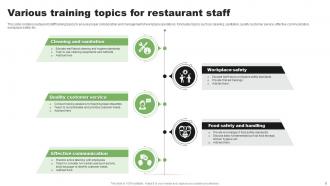
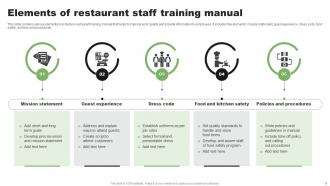
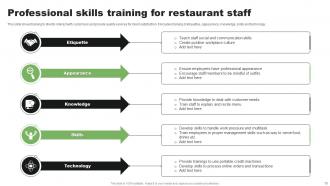
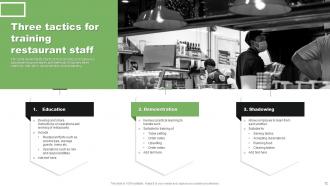
So you'll need to hit food safety basics, customer service, menu knowledge, and the tech stuff like POS systems. Menu training is honestly where most places totally mess up - your people need to actually know what's in the food and how it's made, not just memorize names. I'd start new hires shadowing someone good for a few shifts. Then practice handling difficult customers with role-playing scenarios because trust me, they'll need it. Oh and don't just lecture them to death - make it hands-on. Once they get comfortable with one area, pile on the next responsibility.
Role-playing is honestly such a game changer for training staff. Your servers can mess up with fake angry customers instead of real ones, which saves everyone stress. They'll practice handling complaints, pushing those overpriced appetizers, dealing with allergies - all that stuff. Confidence builds fast when there's no actual consequences for screwing up. I mean, we've all been there with difficult tables, right? Start simple with scenarios your team sees daily, then throw in weirder situations once they're comfortable. Body language improves too, plus their whole problem-solving approach gets sharper.
Honestly, just let your staff actually taste everything - I know it costs money but trust me on this one. Quick cheat sheets help too so they're not scrambling mid-service. Get the kitchen to chat with servers during downtime about how stuff's made and what's in it. Role-playing is huge - have them practice on each other describing dishes and suggesting wines. Way better than boring manuals nobody reads anyway. Do it during pre-shift so it's fresh when customers start firing questions at them.
Honestly, yes - do the training. Diverse teams are amazing but miscommunication happens constantly without it. I've watched restaurants fall apart because nobody understood why some staff members approach deadlines differently or have issues with super direct feedback. Basic workshops on communication styles help tons. Religious accommodations too - that one's huge. Your team will actually want to stay when they feel respected instead of just tolerated. Worth mentioning that hierarchy stuff varies wildly between cultures, so that's another friction point to cover early.
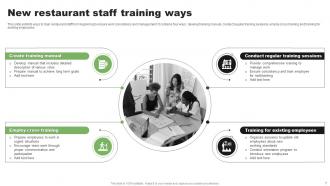
Definitely pair your new people with your best workers for that first week - like a buddy system thing. Checklists are a lifesaver too, trust me. I once threw some poor kid on the grill during dinner rush on his second day... yeah, that was a disaster lol. Don't overwhelm them with everything at once. Maybe start them on prep or hosting first? Those are way less stressful than jumping straight into cooking. Also, schedule their first few shifts when it's slower so they can actually learn without being completely swamped. Easy wins early on really help their confidence.
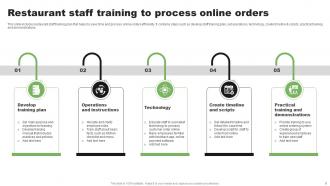
Yeah totally, training apps work really well if you pick one and stick with it. Use them for the boring stuff first - food safety, POS training, wine basics that people can do when it's slow. Honestly the tracking feature is clutch because you'll actually know who's doing the work. Visual stuff like cocktail recipes and plating demos work great on apps too. Here's what I'd do: tie completing modules to better shifts or small bonuses. People won't engage otherwise, let's be real. Way better than juggling three different platforms and confusing everyone.
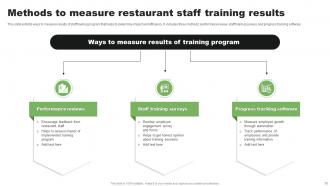
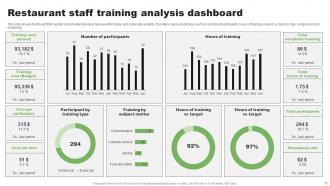
Check your customer satisfaction scores before vs after - that's the big one. Employee turnover tells you a lot too. Order accuracy, service speed, sales per person if you're doing upselling stuff. Honestly, the hardest part is being patient enough to wait for results. Usually takes like 30-60 days to see real changes, which feels forever when you're eager to know if it worked. Pick maybe 2-3 things that match what you actually trained on. Then just compare the numbers each month. Oh, and table turnover times are clutch if you're in food service.
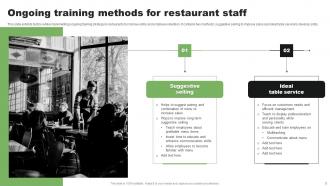
Honestly, I'd go with quarterly sessions for the big stuff - industry trends, new techniques, whatever. But that might be too much if you're swamped. Try monthly 15-20 minute huddles instead, just quick hits on menu trends or service stuff you've seen work elsewhere. Regular beats intense every time. Your team won't remember jack from those brutal twice-a-year marathons anyway. Pick one day each quarter for deeper training, then sprinkle smaller updates into your regular meetings. Quarter sessions are a good starting point, but honestly just see what clicks with your crew and adjust from there.
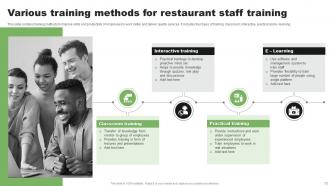
Mix hands-on workshops with online modules - that combo works best. Have your team actually practice handwashing and food handling instead of just lecturing them (nobody retains that anyway). Digital training handles the boring technical stuff like HACCP and health codes. Throw in some role-playing too - simulate inspector visits or kitchen emergencies. Monthly safety huddles keep everything fresh since people definitely forget this stuff. Oh, and scenario-based training is clutch for getting them comfortable with the unexpected situations that always seem to happen at the worst times.
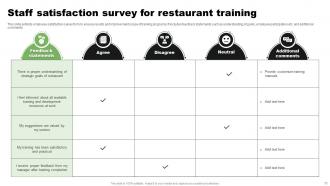
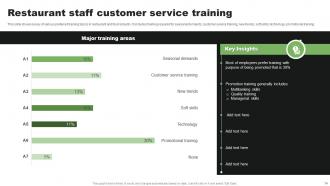
Customer feedback is honestly like having a cheat sheet for training gaps. When you see the same complaints popping up - like "service was slow" or whatever - that's your cue to drill those skills. On the flip side, if customers keep praising someone's wine knowledge, get that person training others! I love when feedback gets really specific because then you know exactly what went wrong. Build your training around these patterns. Oh, and definitely track if complaints actually drop after you do the training - otherwise you're just guessing it worked.
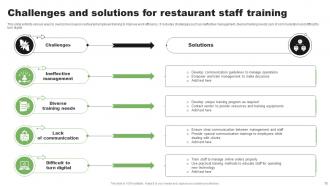
Look, I've seen this work at places I've worked - regular training is huge for keeping people around. Your staff actually notices when you invest in teaching them new stuff instead of just throwing them on shifts. Monthly skill sessions or cross-training really help. People get way less frustrated when they're confident about what they're doing, you know? I mean, nobody wants to feel clueless at work all the time. It can't just be a one-time orientation thing though. Keep it consistent and your turnover drops. Sounds obvious but most places skip this step.
Don't create that "one wrong move and you're out" atmosphere - it just makes people freeze up. I always tell new folks upfront that mistakes are part of learning, then actually celebrate when they ask questions (even the basic ones). Honestly, some trainers get so annoyed repeating themselves, but that's literally the job. Show them how to do something clearly, then back off while they practice. Nobody learns with someone breathing down their neck. Focus on praising what they do right, not just pointing out errors. Oh, and set realistic expectations so they can actually succeed.
FOH is mostly customer service stuff - teaching servers wine basics, how to work the POS system, dealing with angry customers without losing it. BOH training's completely different though. Food safety, knife skills, timing everything perfectly when it gets crazy busy. Honestly, I think kitchen stress is way worse than people realize. Servers take longer to train because you're teaching people skills, not just technique. Plus you'll probably run into more language barriers in the kitchen. My advice? Do lots of shadowing and cross-train a few people so they get both sides.
Honestly, I'd start with volunteer shifts at food banks during onboarding - sounds cheesy but staff actually love it. Bring in local farmers for ingredient training sessions too. My friend's restaurant does quarterly neighborhood cleanups and the team bonding is insane. School partnerships work great if you're into that education angle. The whole thing builds culture while connecting your crew to the people they're feeding every day. Oh, and definitely start small - like one activity per quarter. See what clicks with your team first.
Dude, cross-training is a game changer. When someone calls out sick or you get hit with a rush, your servers can hop behind the bar and hosts can run food. Kitchen staff learns different prep stations too. The whole team just flows better because everyone gets how the other jobs actually work - makes communication so much smoother. Oh and your staff feels way more valuable learning new skills, which honestly helps keep people around longer. I'd start simple though, like teaching servers basic drinks or getting kitchen people to learn expo. Trust me on this one.
-
Thank you for offering such fantastic custom design services. The team is really helpful and innovative. In a very short time, I received my personalized template.
-
One-stop solution for all presentation needs. Great products with easy customization.