

Save Water Powerpoint Ppt Template Bundles




Try Before you Buy Download Free Sample Product
 Impress Your
 Audience
 100%
100% Editable
 Save Hours
 of Time


Our Save Water Powerpoint Ppt Template Bundles are topically designed to provide an attractive backdrop to any subject. Use them to look like a presentation pro.
People who downloaded this PowerPoint presentation also viewed the following :
Save Water Powerpoint Ppt Template Bundles with all 16 slides:
Use our Save Water Powerpoint Ppt Template Bundles to effectively help you save your valuable time. They are readymade to fit into any presentation structure.








FAQs for Save Water Powerpoint
So there's a bunch of stuff happening at once. Population keeps growing while we're stuck with the same water sources. Climate change is screwing with rainfall patterns - some places get floods, others get nothing. Agriculture is the biggest culprit though, using like 70% of all freshwater just for irrigation. That's honestly insane to me. Then you've got pollution messing up what's left, plus tons of water gets wasted through crappy old pipes in developing countries. We're also pumping groundwater way faster than nature can refill it. Even cutting back on your own usage helps though.
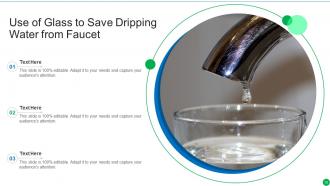
Honestly, start small - shorter showers and turn off the tap when you're brushing your teeth. That leaky faucet thing is so real though, like one drip doesn't seem like much but it's literally money down the drain. Run your dishwasher only when it's packed full, same with laundry. Oh and water your plants super early or after sunset so it doesn't just evaporate away. Maybe replace some of that high-maintenance grass with plants that don't need babying? Don't try everything at once - pick two things and you'll actually see a difference.
Dude, industrial water use is nuts - like 20% of all freshwater globally. Manufacturing and mining are the worst offenders, using it for cooling and cleaning everything. But honestly, most companies are pretty wasteful with it. Recycling systems and closed-loop processes can cut usage in half sometimes. I've seen facilities save tons just by fixing basic leaks, which is kind of embarrassing when you think about it. If your clients haven't done a water audit yet, that's step one. You'll spot the obvious waste right away and probably find some easy wins.
Oh man, there's actually some pretty sweet stuff out there! Smart irrigation is game-changing - sensors check if your soil's dry before watering. Low-flow fixtures alone can slash usage by like 30-50%. Rain sensors automatically kill your sprinklers when it's already raining (honestly shocking how many people skip this obvious one). You can also get greywater systems that reuse sink and shower water for your yard. Smart leak detectors catch issues before you're out thousands of gallons too. Definitely check what rebates your utility company has first though - lots of them help pay for installations.
Dude, climate change is totally screwing with our water supply right now. Droughts are getting way more intense, which dries up rivers and drains groundwater. Then you get these crazy floods that contaminate everything with salt and pollution. Rising temps mean more evaporation too - water just disappears faster than it used to. The glaciers and snowpack we rely on? They're melting at an insane rate, honestly makes me worried about what things will look like in 20 years. Plus the timing's all off now - water shows up when we don't need it and vanishes when we do. Definitely start paying attention to local water restrictions.
Roof collection is your best bet - way cleaner than ground systems. Just slap some gutters on there and funnel everything into storage tanks. Ground catchment works but honestly it's a pain dealing with all the dirt and leaves that get swept up. Get yourself food-grade tanks or cisterns for storage. Oh, and definitely grab a first-flush diverter - saves you from storing that nasty first bit of water that washes off your roof. Even something basic like a 55-gallon barrel helps if you're just watering plants. Start simple and see how it goes.
So first thing - audit what you've got now to see where water's being wasted the most. Smart meters are huge for tracking usage in real time. Rainwater harvesting and permeable pavement help with stormwater (which honestly more cities should be doing). Green roofs are amazing - they soak up rain AND cut energy costs. Don't forget greywater recycling for stuff like irrigation, plus drought-resistant plants in public areas. The trick is planning all this upfront instead of trying to add it later. Focus on upgrades that'll save the most water for your budget.
Oh totally! Schools are perfect for hands-on workshops where kids actually learn water-saving tricks. Social media campaigns kill it too - most people genuinely don't realize how much water they waste daily (it's wild honestly). Try partnering with local groups for family "water audits" at home. Those 30-day community challenges work because people get competitive about it. The trick is making it personal, you know? Give them stuff they can do right away after the workshop ends. Actually, the community angle works better than I expected when my sister tried this.
Drip irrigation is your best bet - gets water straight to the roots instead of spraying everywhere. I've seen farms cut their water use in half with those systems. Soil moisture sensors are clutch too, way better than just watering on some random schedule. Oh and mulch is cheap but works great for keeping moisture in. Drought-resistant crops are actually getting really good these days, not like the sad varieties from before. Cover crops help between seasons too. Honestly, if you're just starting out, grab some soil sensors first - you'll see results pretty quick.
Ugh, water scarcity is seriously messed up for public health. People end up drinking from sketchy sources, which leads to cholera and dysentery outbreaks. Hospitals can't even sterilize their equipment properly. Schools have to shut down bathrooms - imagine being a kid dealing with that. The whole sanitation system just crumbles. What's really depressing is seeing entire neighborhoods in developing countries share one gross contaminated well. Then their waste treatment fails too, so it contaminates whatever clean water's left. Honestly, donating to water infrastructure groups actually helps more than you'd think.
Honestly, the best policies hit people's wallets - that's what works. Tiered water pricing is huge, where your bill jumps if you use more. Most cities require low-flow stuff in new construction now. During droughts they'll restrict when you can water your lawn, which pisses off homeowners but whatever. Some places give rebates for efficient appliances, which is cool. Business water audits help catch waste. Industries need strict limits with actual teeth - not those joke $500 fines. Focus on making conservation profitable, not just guilt-tripping people into doing the right thing.
Honestly, getting your neighbors involved makes a huge difference. Local governments actually pay attention when there's voter pressure behind water issues. Your neighborhood can share tips too - like which plants survive droughts or where water gets wasted. I've seen this work in cities doing community water audits (though those sound boring, they're not). Short sentences work. Collective action also helps fund big infrastructure projects that you'd never afford alone. You should hit up local water board meetings or maybe start some conservation challenge with your block.
Look at Cape Town and Melbourne - both are perfect examples. During Cape Town's 2017-2018 crisis, they slashed water use by 50% through crazy strict rules and public campaigns. I mean, they literally almost hit "Day Zero" which sounds apocalyptic but worked. Melbourne's different though - after their big drought they cut usage 40% by building recycling plants, desalination, plus changing people's mindsets about water. Smart policy mixed with genuine panic works wonders. Here's the thing: don't wait until you're desperate. Start now with conservation habits and better infrastructure before things get scary.
NGOs are honestly where the real action happens with water conservation. They run community programs, push for policy changes, and create those campaigns that actually make people give a damn about their water use. Plus they're way better than government agencies at getting people to listen - there's just more trust there, you know? Local communities connect with them easily too. They'll teach you practical stuff like setting up rain barrels or how to garden without wasting water. Oh, and they're usually your best bet if you want to get involved yourself - way less bureaucratic nonsense than trying to work with city departments.
So you want to make water conservation part of your company's thing? Start with setting actual goals you can measure - then shout about your wins through reports and social media. Partner up with water nonprofits or sponsor local projects. Some companies even "adopt" watersheds which sounds kind of cheesy but apparently works. The trick is being genuine about it, not just slapping it on for good PR. Your team and customers can smell fake from miles away. Begin small with internal stuff first, then go bigger with your advocacy game.
-
“I really like the convenient operation and professionalism I saw on the SlideTeam website. I want to express my regards and appreciation to the team.”
-
Topic best represented with attractive design.