


Security And Manpower Services Company Profile Complete Deck
A company profile describes all the relevant elements of a business, which helps the investors and stakeholders evaluate the businesss value and performance. Check out our professionally designed Security and Manpower Services Company Profile PowerPoint presentation. Firstly, the profile covers the executive summary, corporate overview highlighting security guard services with quality and certifications, global presence, corporate, industrial, educational institute, hospital, commercial and residential building, retail, shopping complex, and additional security services. Additionally, it includes the team communication layout, weapon and logistics vehicle details, staff recruiting criteria and training center, employee and staff welfare policies, crisis management team, employees rules and regulations, company approach, and business model canvas. Moreover, it covers the timeline, organization chart, management team, government and private sector clients, client reviews, awards, and accolades. At last, this profile emphasizes the revenue and net profit, revenue by customer type, sales by region and services, EBITDA, competitive and SWOT analysis with CSR initiatives and case study. Get access to our powerful company profile templates now.





















-

- Google Slides is a new FREE Presentation software from Google.
- All our content is 100% compatible with Google Slides.
- Just download our designs, and upload them to Google Slides and they will work automatically.
- Amaze your audience with SlideTeam and Google Slides.
-

Want Changes to This PPT Slide? Check out our Presentation Design Services
-

- WideScreen Aspect ratio is becoming a very popular format. When you download this product, the downloaded ZIP will contain this product in both standard and widescreen format.
-

- Some older products that we have may only be in standard format, but they can easily be converted to widescreen.
- To do this, please open the SlideTeam product in Powerpoint, and go to
- Design ( On the top bar) -> Page Setup -> and select "On-screen Show (16:9)” in the drop down for "Slides Sized for".
- The slide or theme will change to widescreen, and all graphics will adjust automatically. You can similarly convert our content to any other desired screen aspect ratio.
Compatible With Google Slides

Get This In WideScreen
You must be logged in to download this presentation.


Do you want to remove this product from your favourites?
PowerPoint presentation slides
Deliver this complete deck to your team members and other collaborators. Encompassed with stylized slides presenting various concepts, this Security And Manpower Services Company Profile Complete Deck is the best tool you can utilize. Personalize its content and graphics to make it unique and thought-provoking. All the fourty six slides are editable and modifiable, so feel free to adjust them to your business setting. The font, color, and other components also come in an editable format making this PPT design the best choice for your next presentation. So, download now.

People who downloaded this PowerPoint presentation also viewed the following :
Content of this Powerpoint Presentation
Slide 1: This slide displays the title Security & Manpower Services Company Profile.
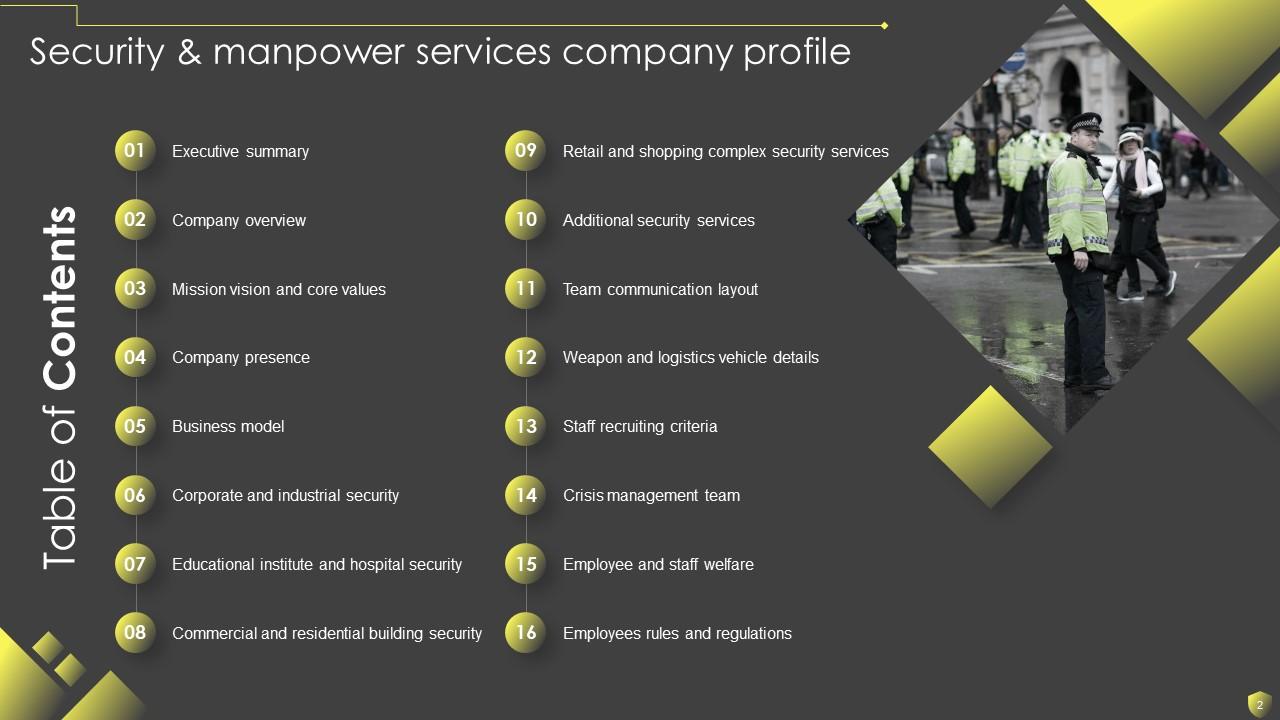
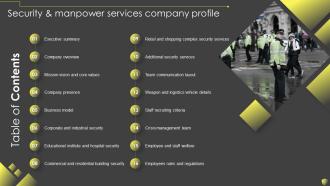
Slide 2: This slide exhibit table of content.
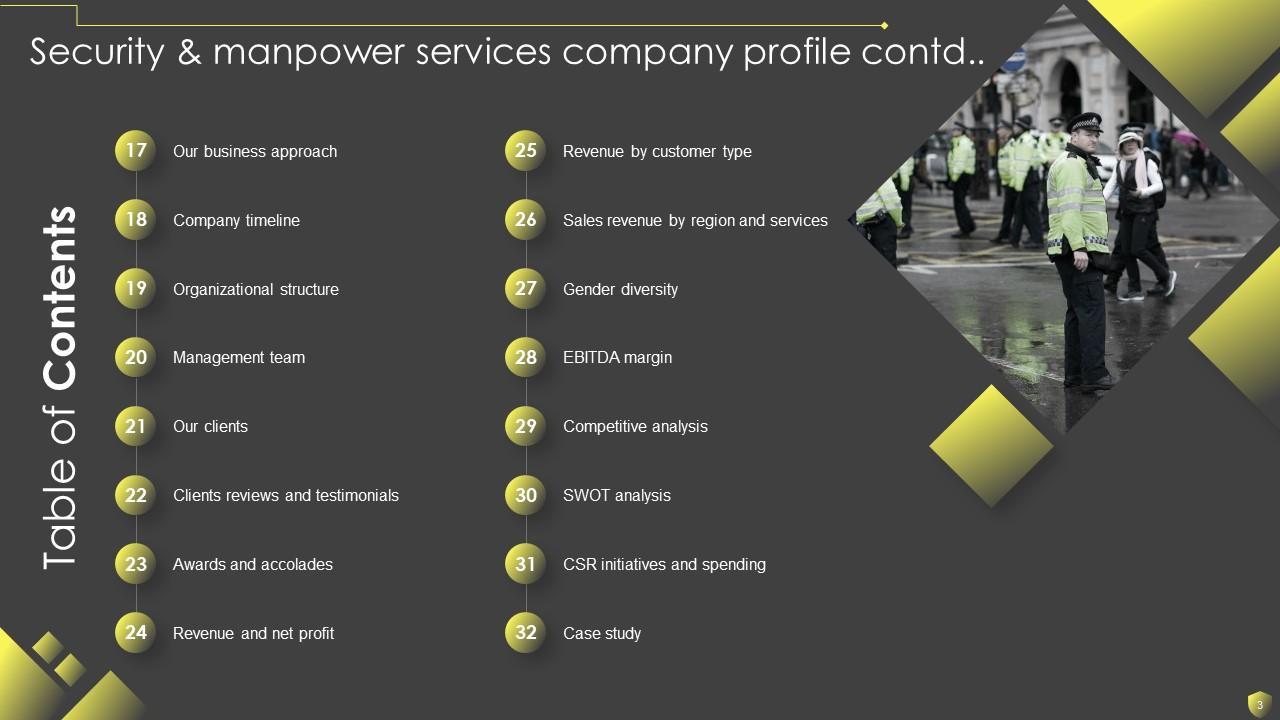
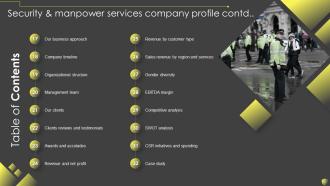
Slide 3: This slide exhibit table of content.
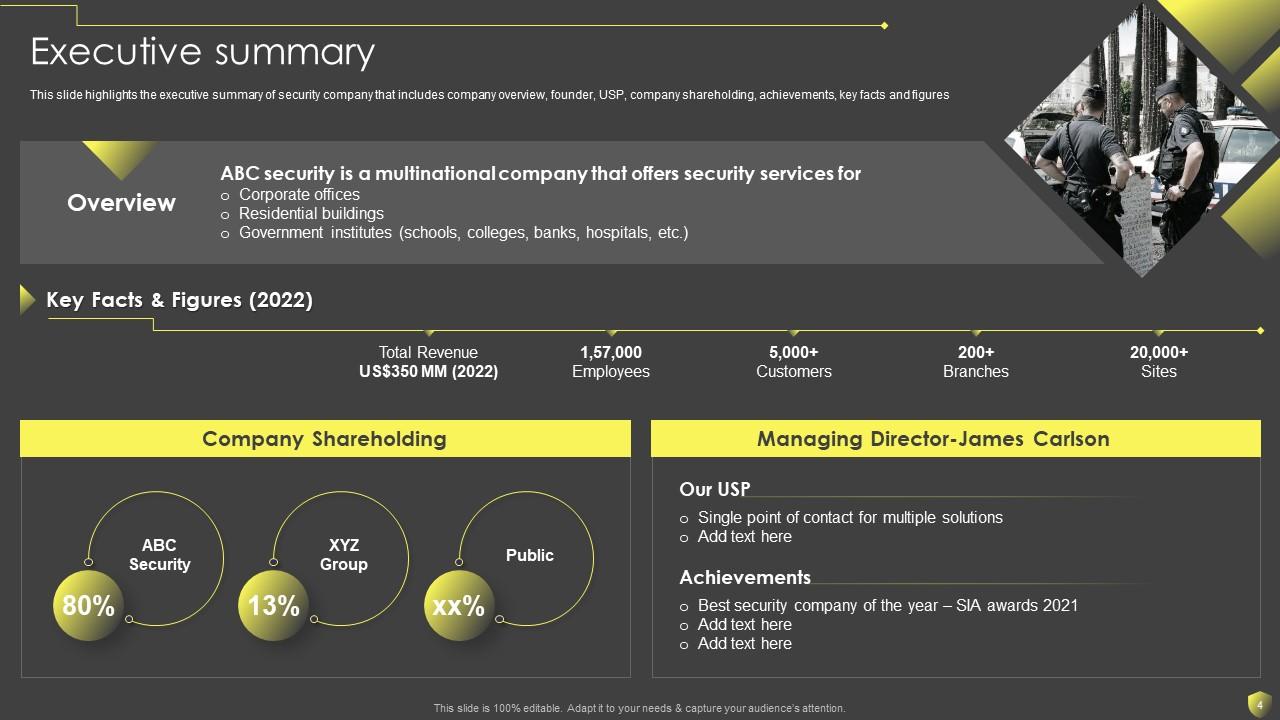
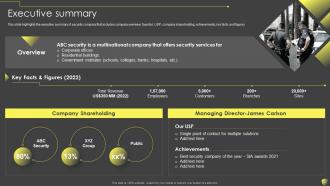
Slide 4: This slide highlights the executive summary of security company.
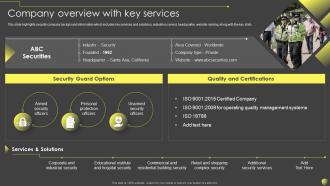
Slide 5: This slide highlights security company background information which includes key services and solutions.
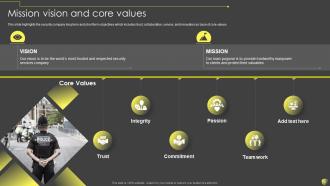
Slide 6: This slide highlights the security company long term and short term objectives which includes trust, collaboration, service, and innovation as base of core values.
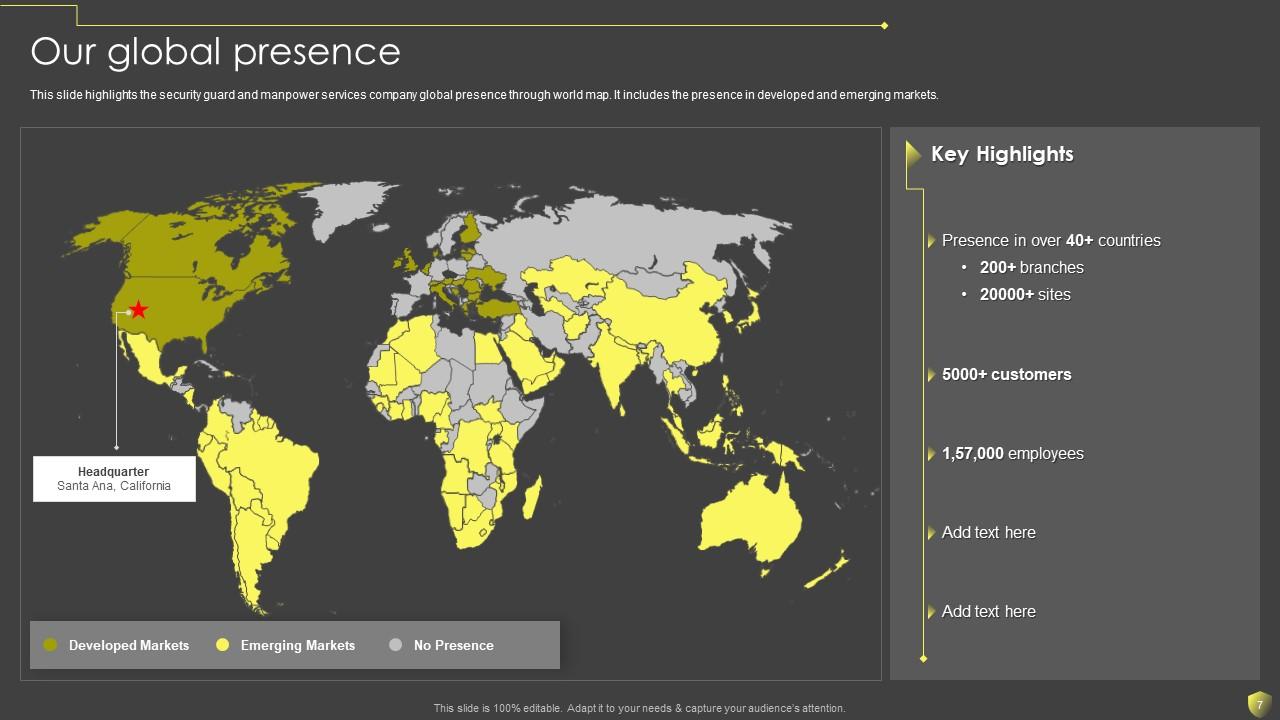
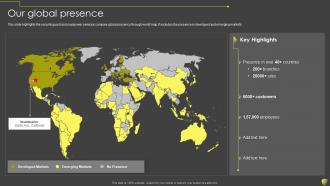
Slide 7: This slide highlights the security guard and manpower services company global presence through world map.
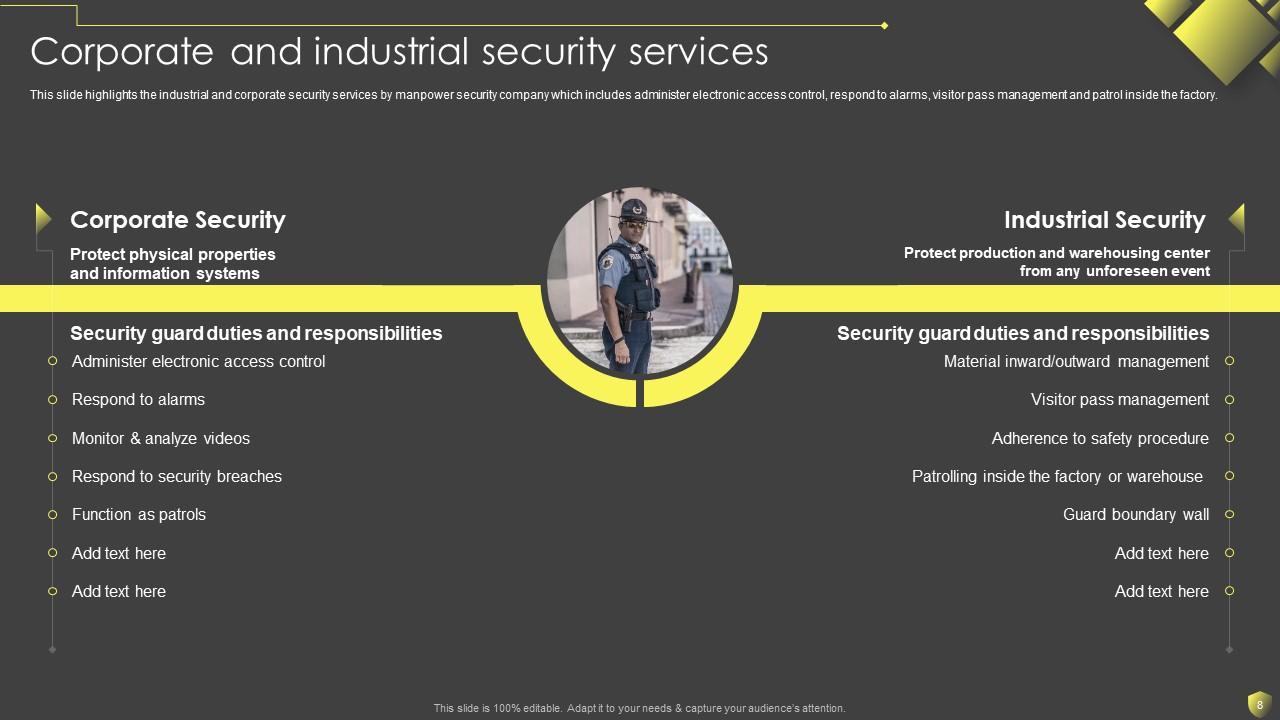
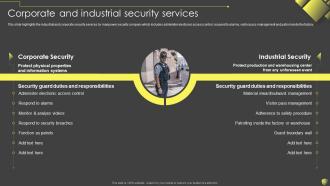
Slide 8: This slide highlights the industrial and corporate security services by manpower security company.
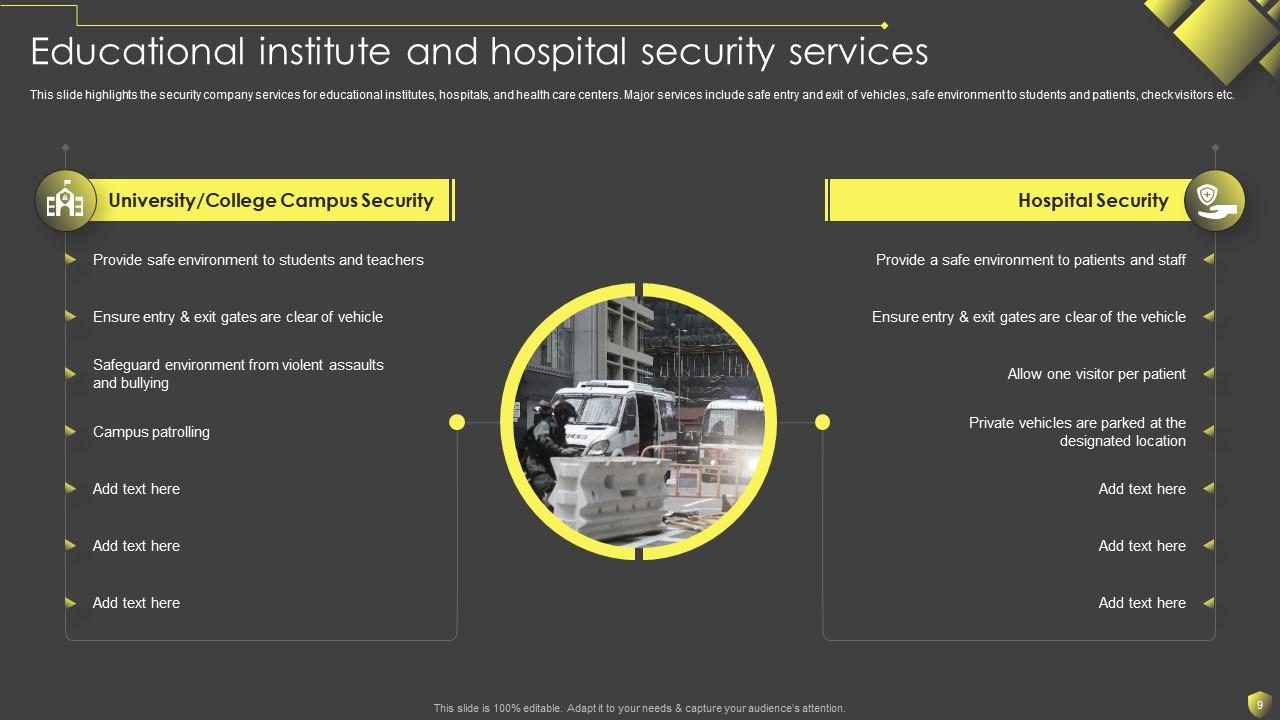
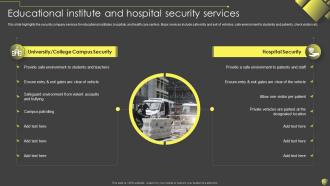
Slide 9: This slide highlights the security company services for educational institutes, hospitals, and health care centers.
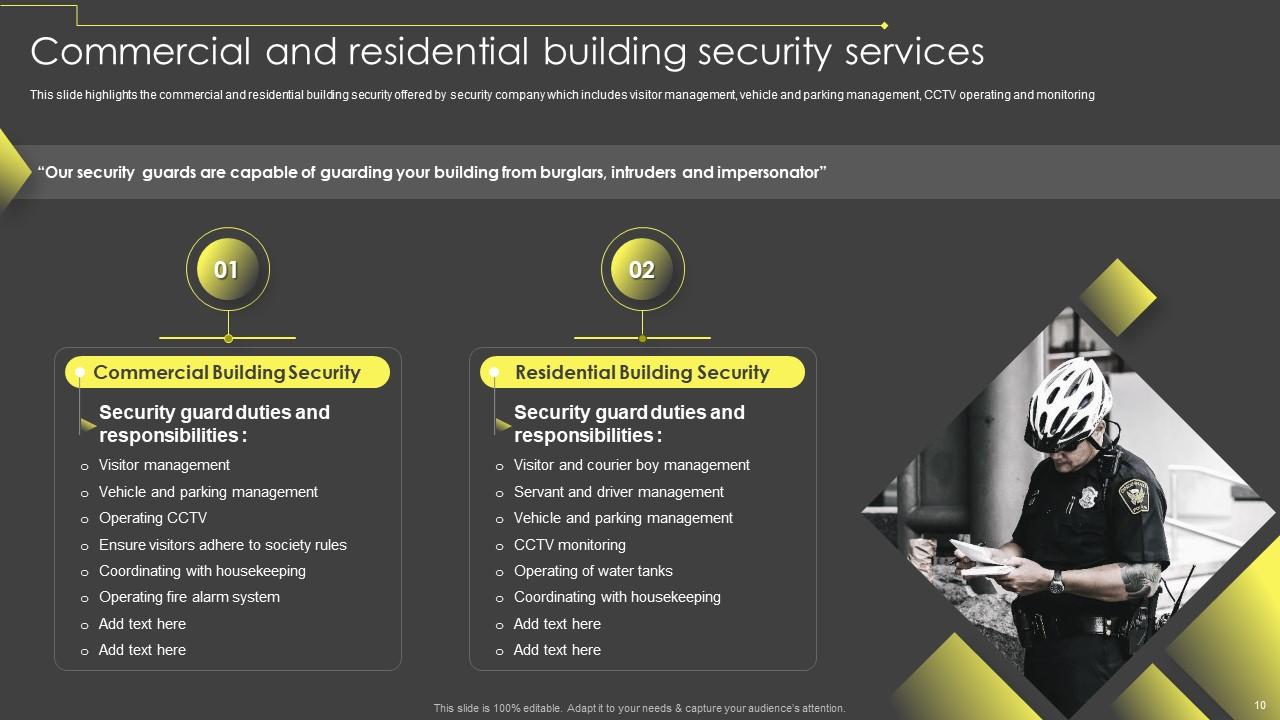
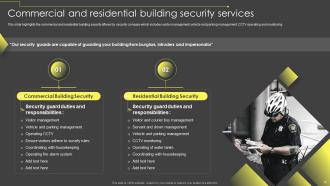
Slide 10: This slide highlights the commercial and residential building security offered by security company.
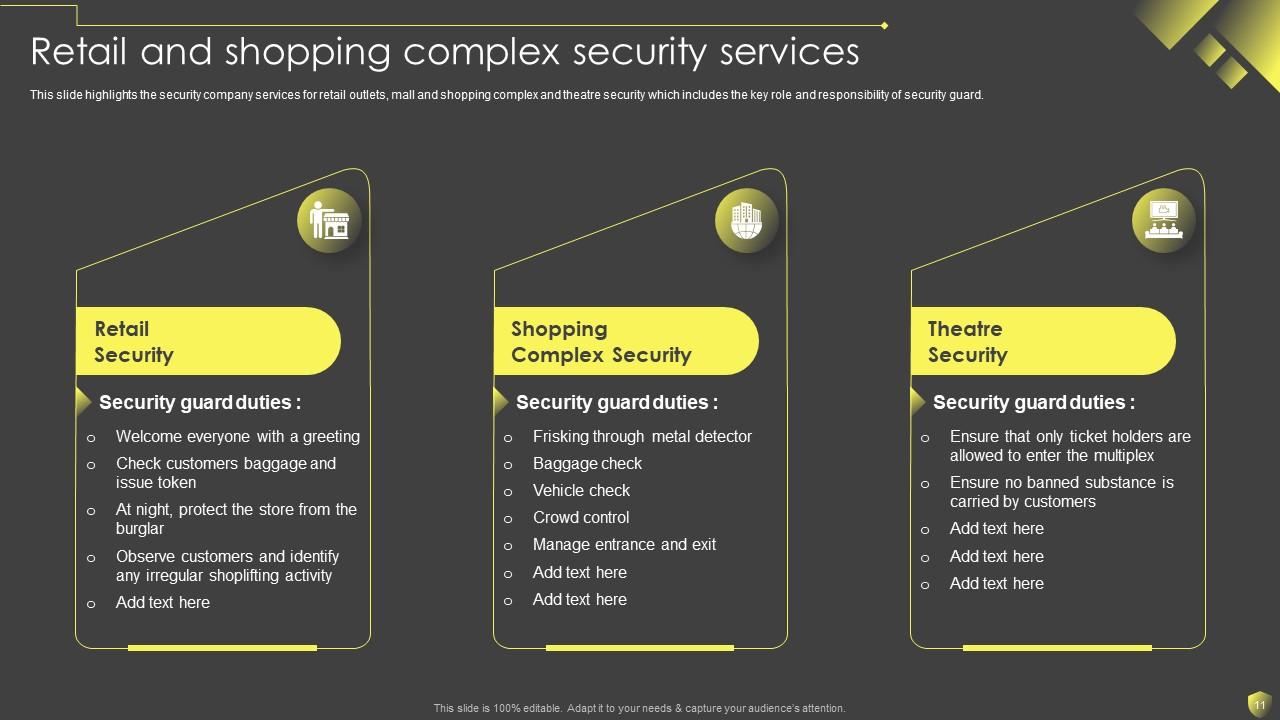
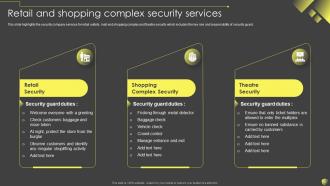
Slide 11: This slide highlights the security company services for retail outlets, mall and shopping complex and theatre security.
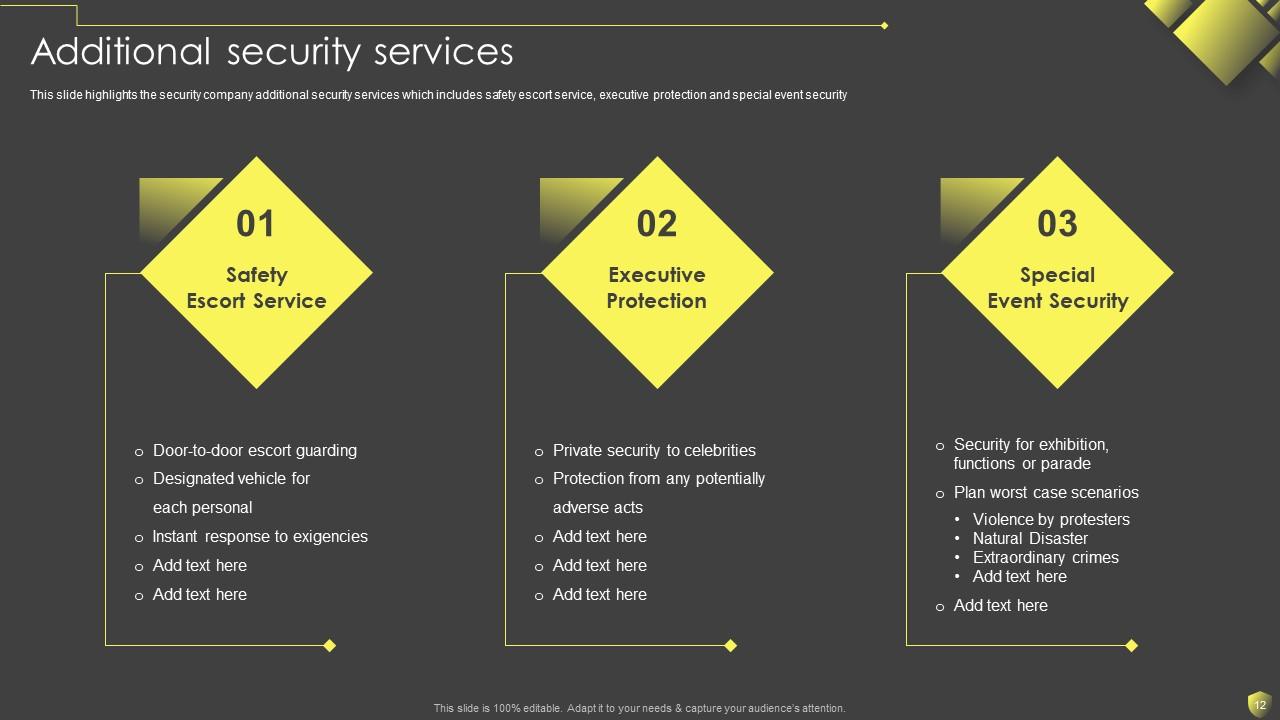
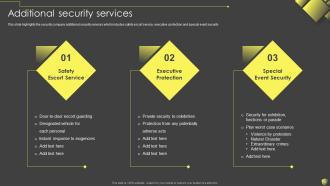
Slide 12: This slide highlights the security company additional security services.
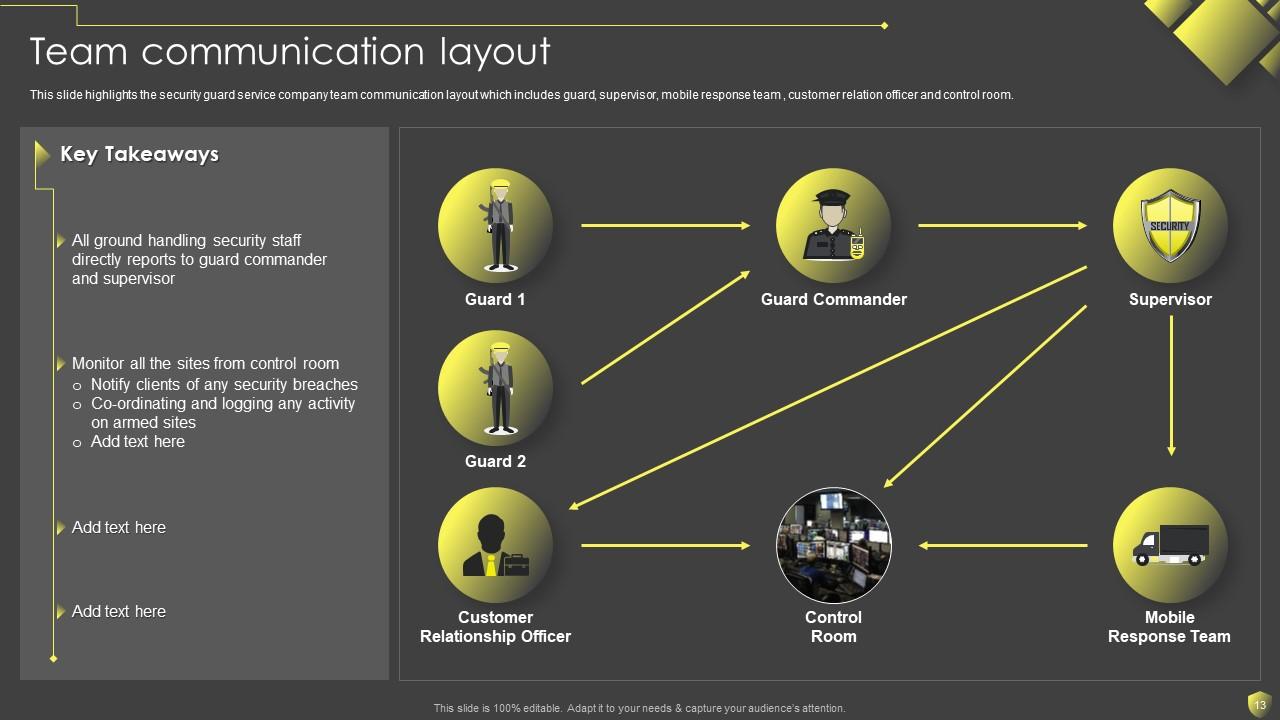
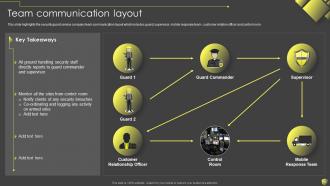
Slide 13: This slide highlights the security guard service company team communication layout.
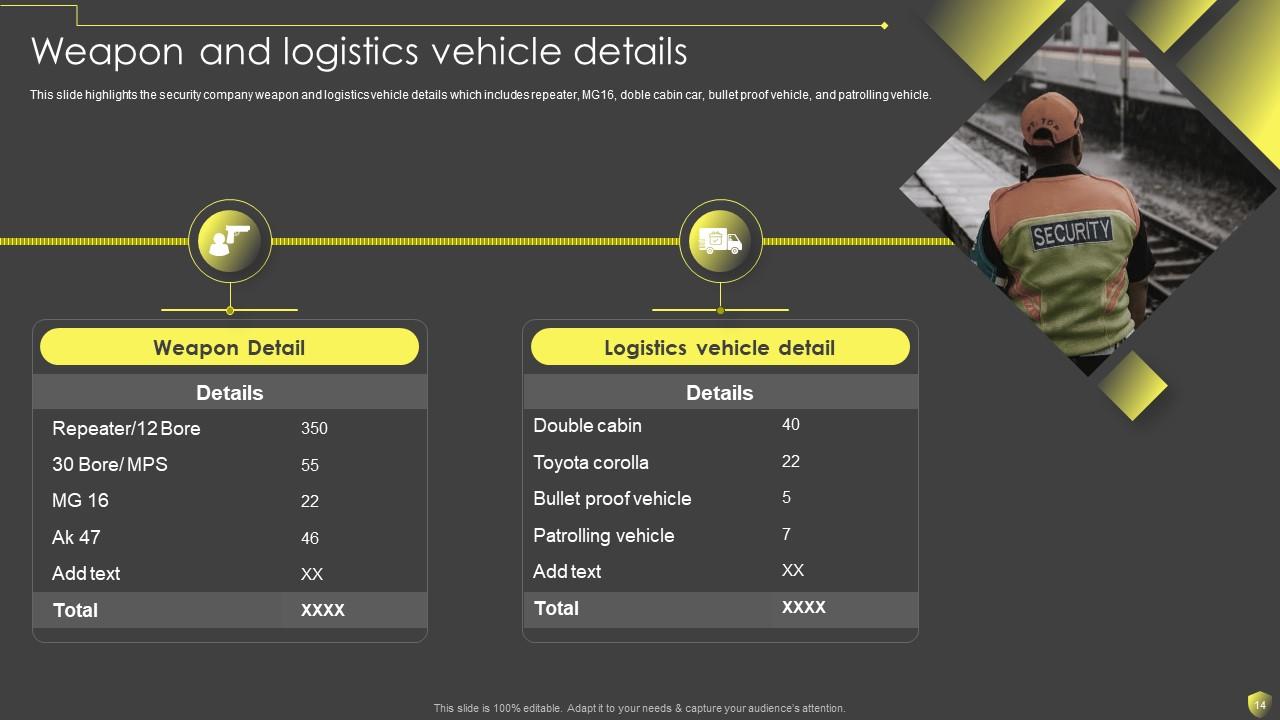
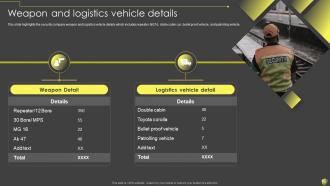
Slide 14: This slide highlights the security company weapon and logistics vehicle details.
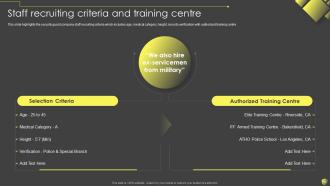
Slide 15: This slide highlights the security guard company staff recruiting criteria.
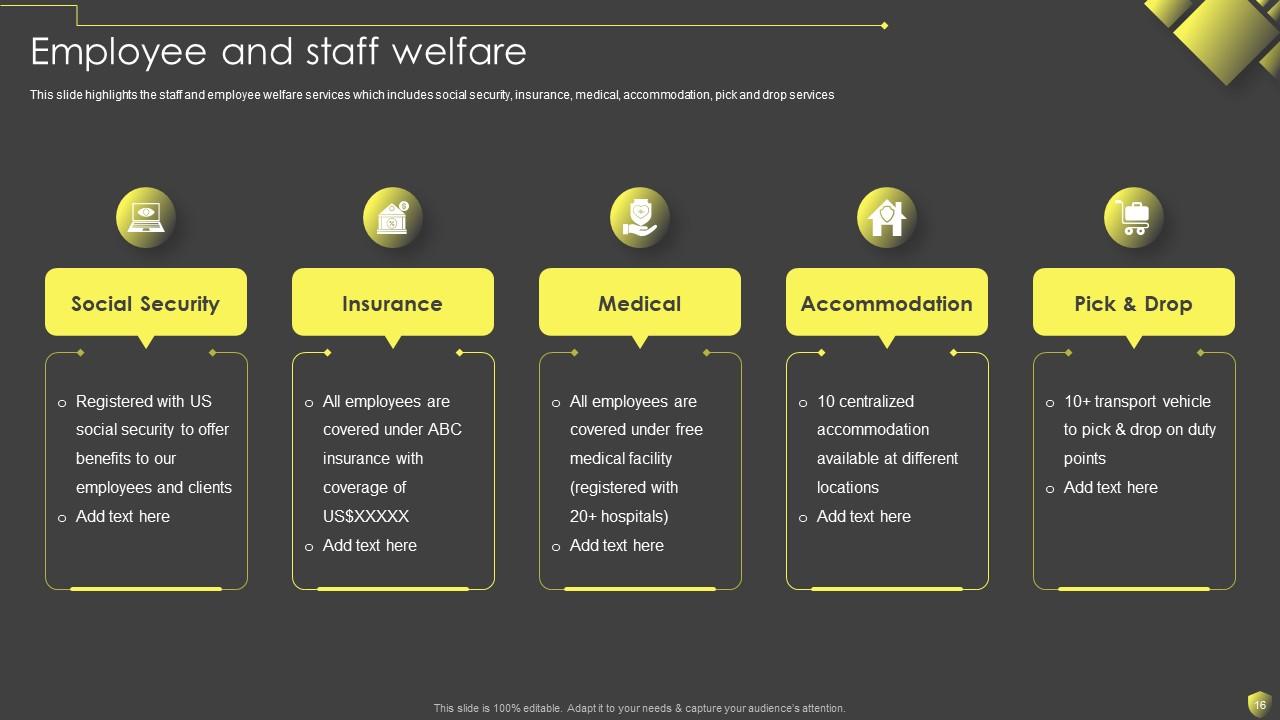
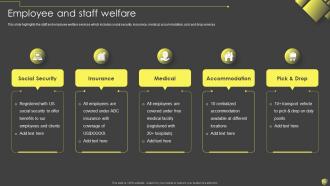
Slide 16: This slide highlights the staff and employee welfare services.
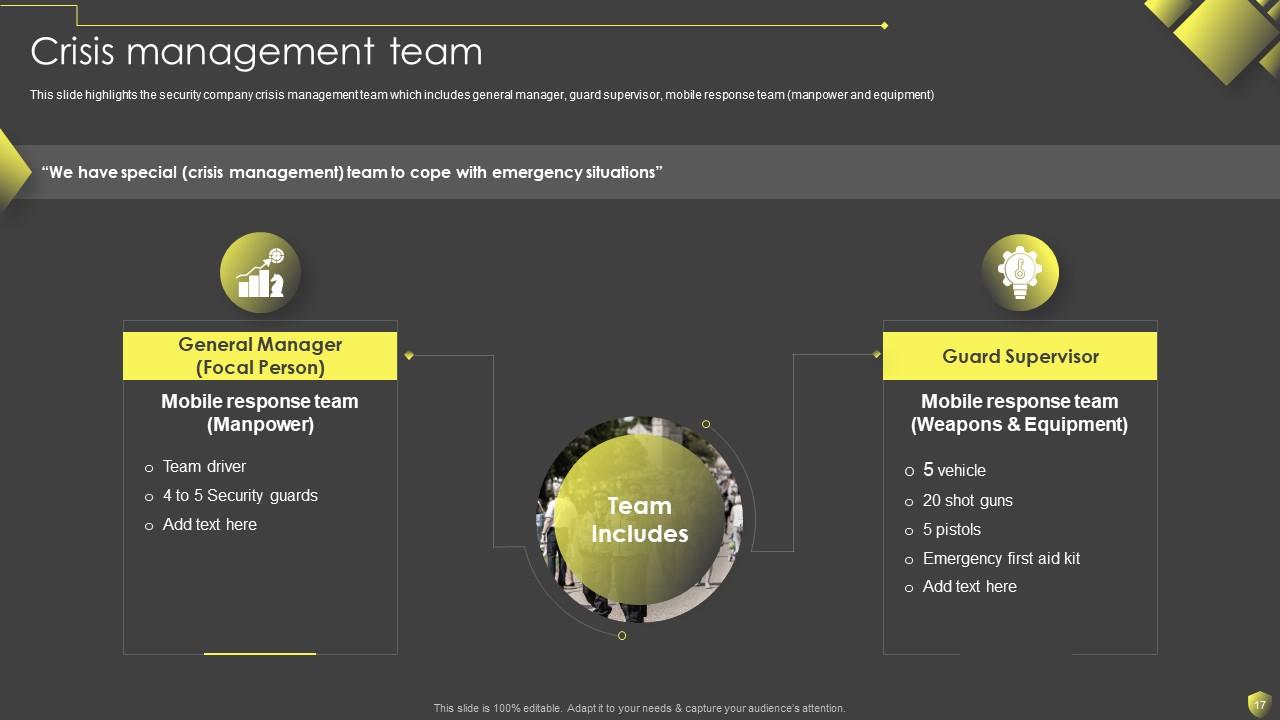
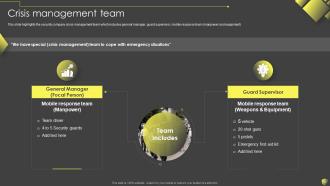
Slide 17: This slide highlights the security company crisis management team.
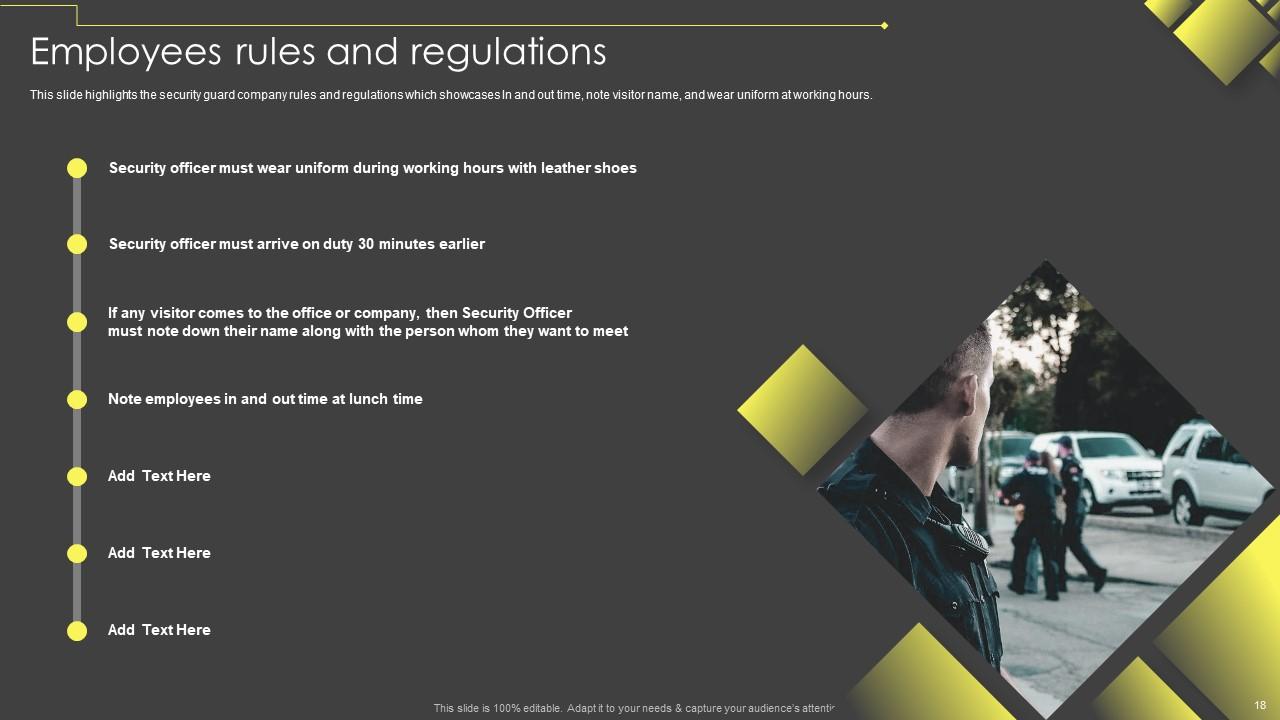
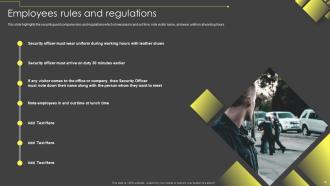
Slide 18: This slide highlights the security guard company rules and regulations which showcases In and out time, note visitor name, and wear uniform at working hours.
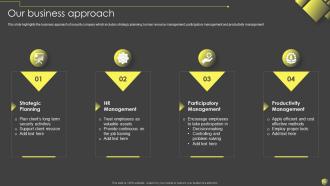
Slide 19: This slide highlights the business approach of security company.
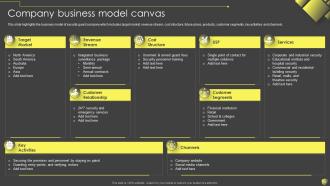
Slide 20: This slide highlights the business model of security guard company.
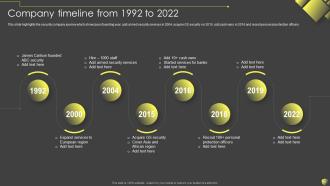
Slide 21: This slide highlights Company timeline from 1992 to 2022.
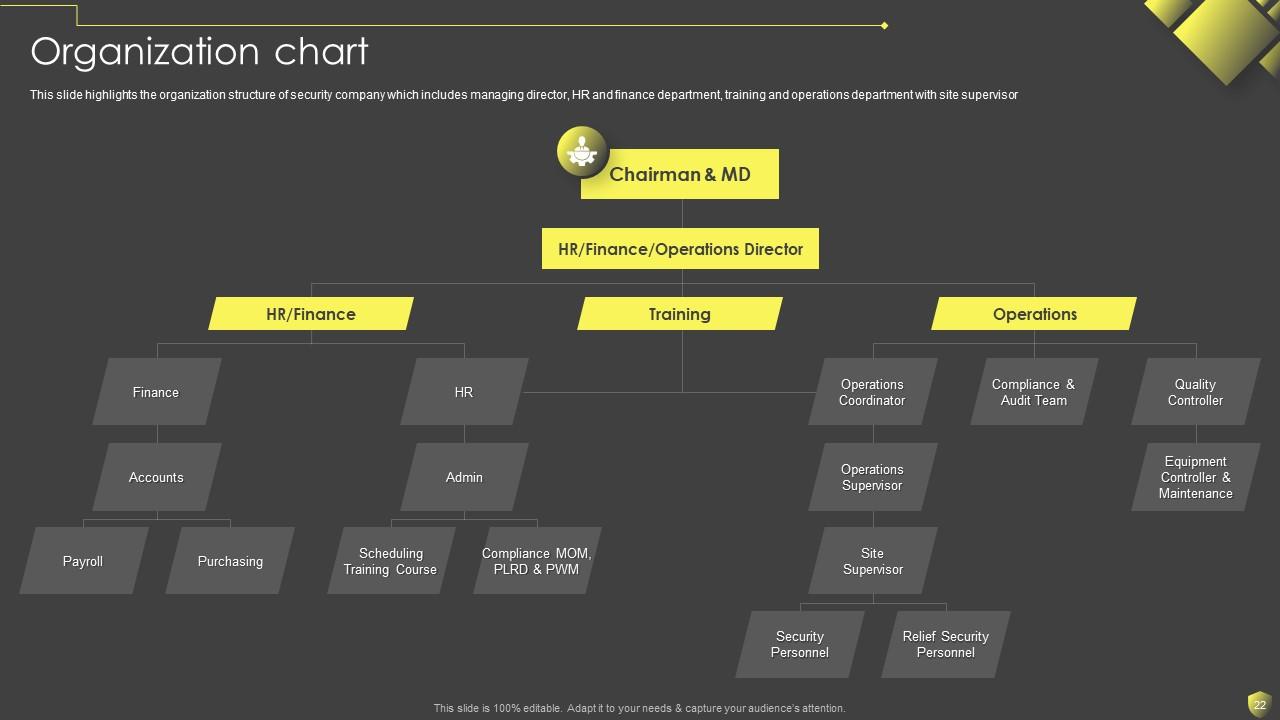
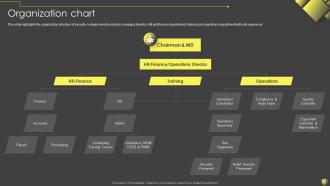
Slide 22: This slide highlights the organization structure of security company.
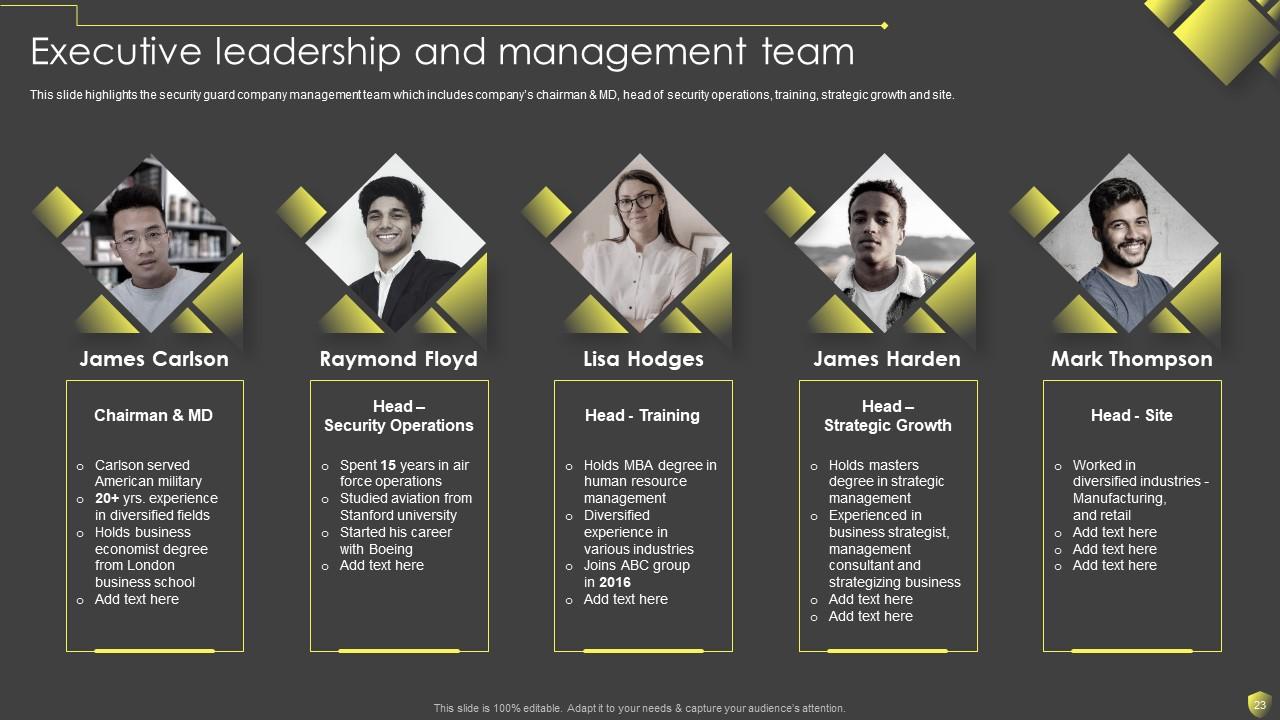
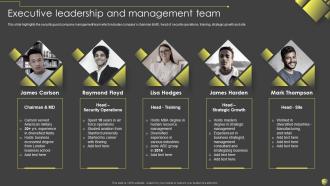
Slide 23: This slide highlights Executive leadership and management team.
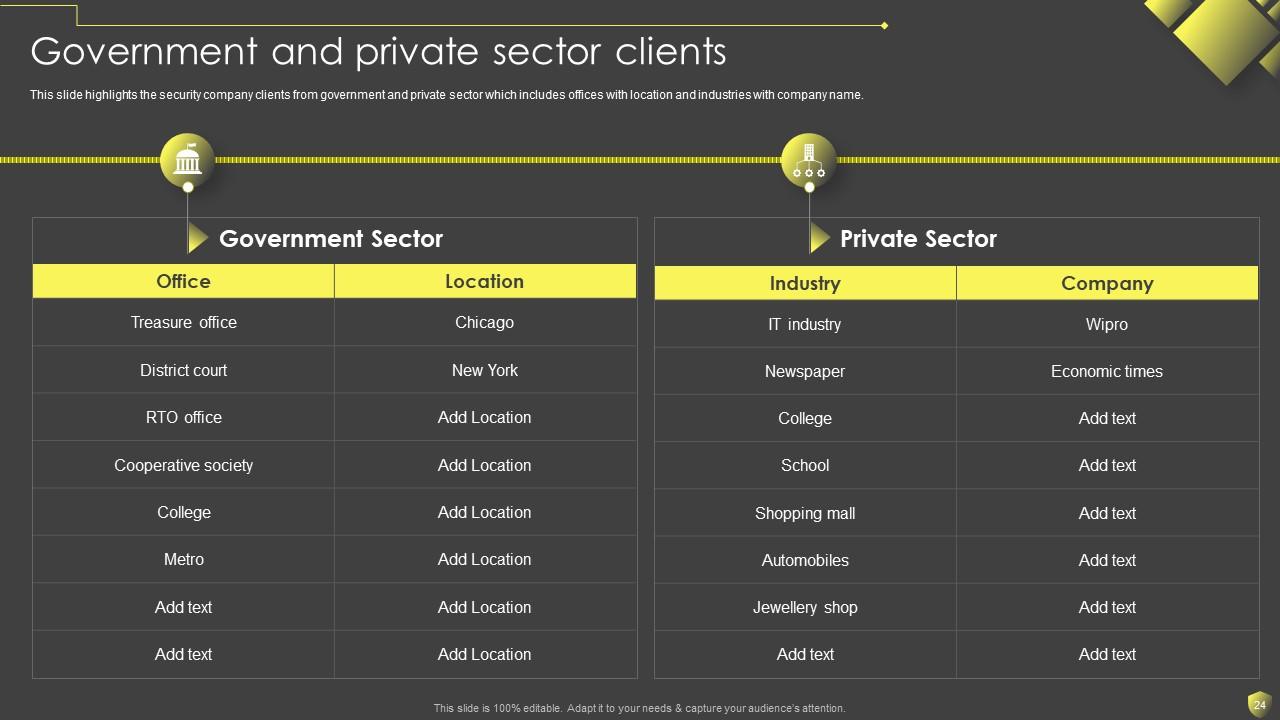
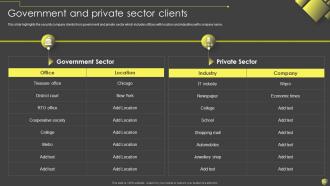
Slide 24: This slide highlights the security company clients from government and private sector.
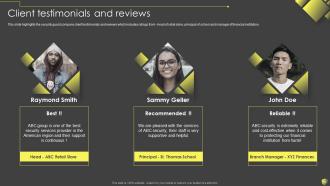
Slide 25: This slide highlights the security guard company client testimonials and reviews.
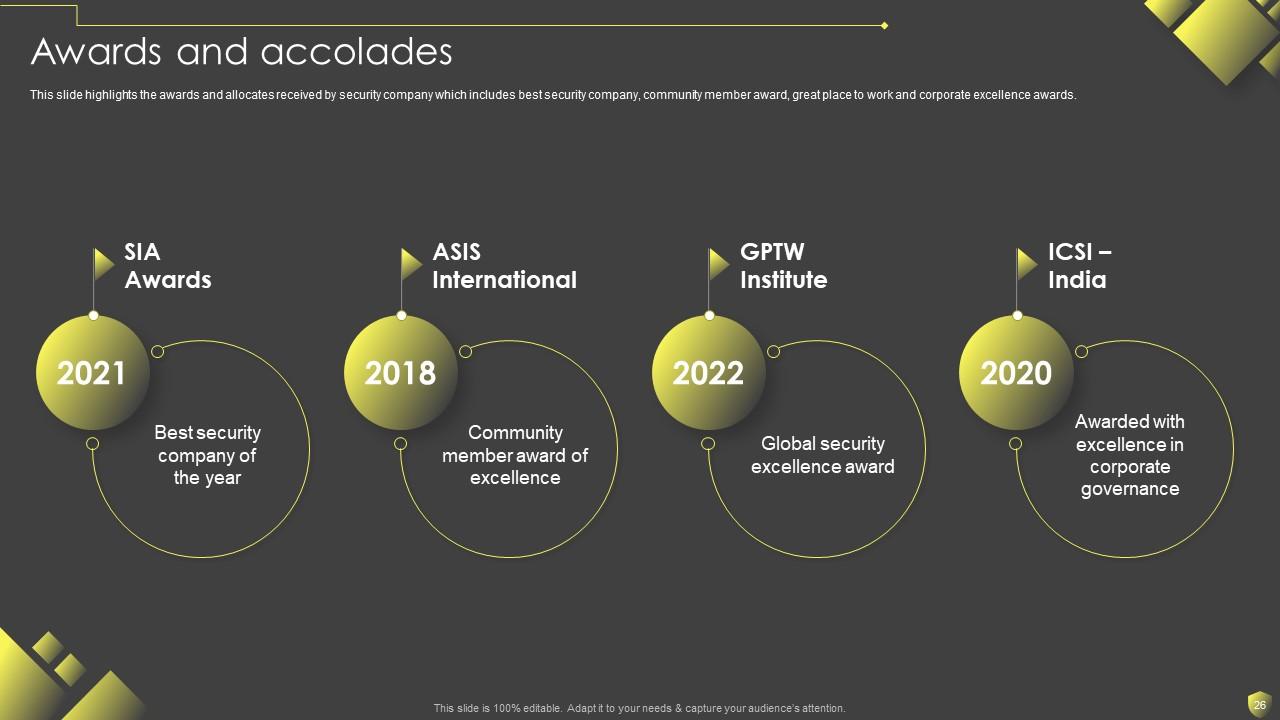
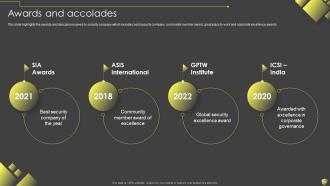
Slide 26: This slide highlights the awards and allocates received by security company.
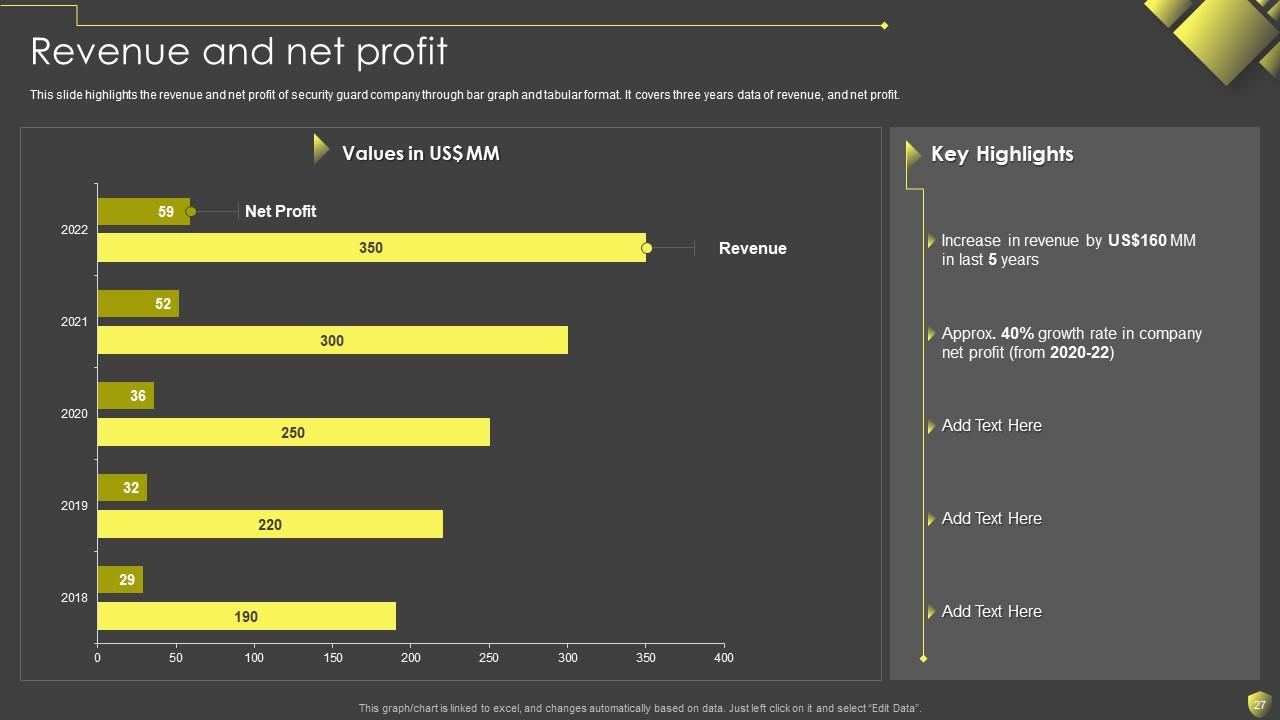
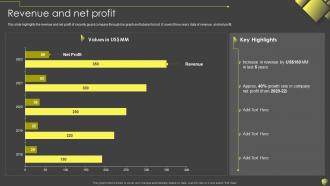
Slide 27: This slide highlights the revenue and net profit of security guard company through bar graph and tabular format.
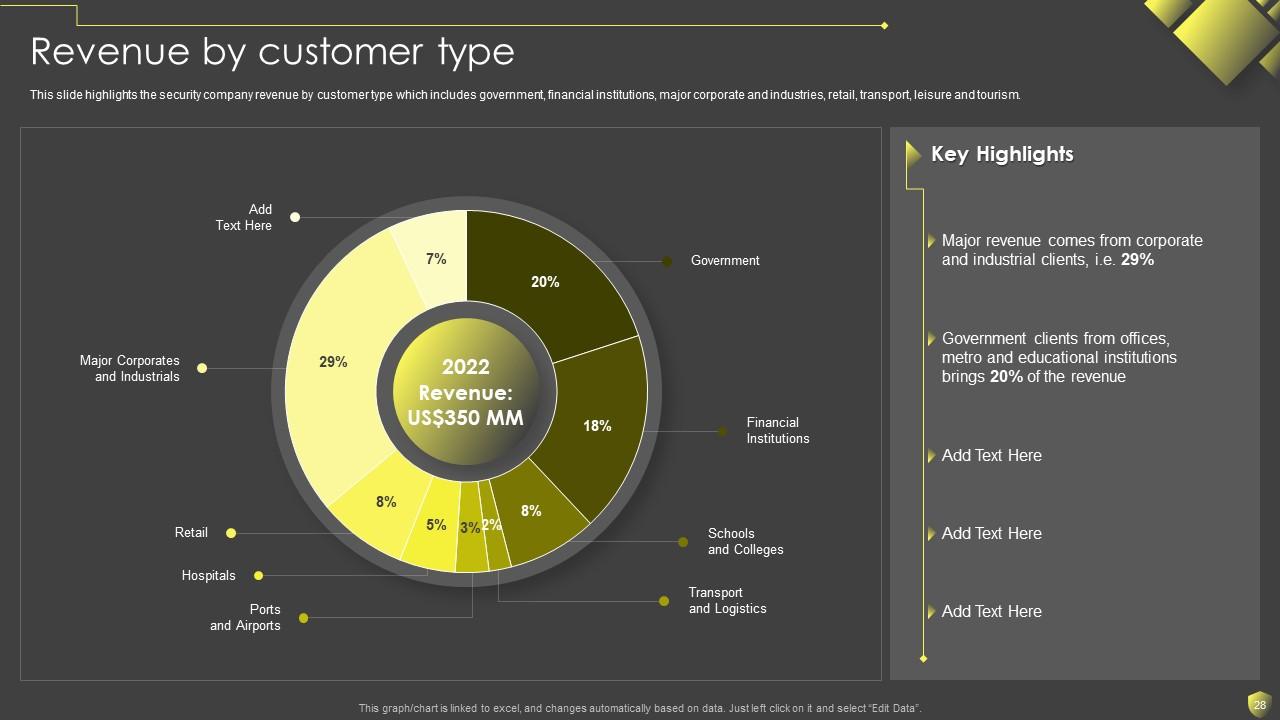
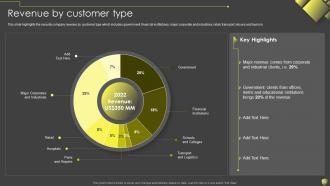
Slide 28: This slide highlights the security company revenue by customer type.
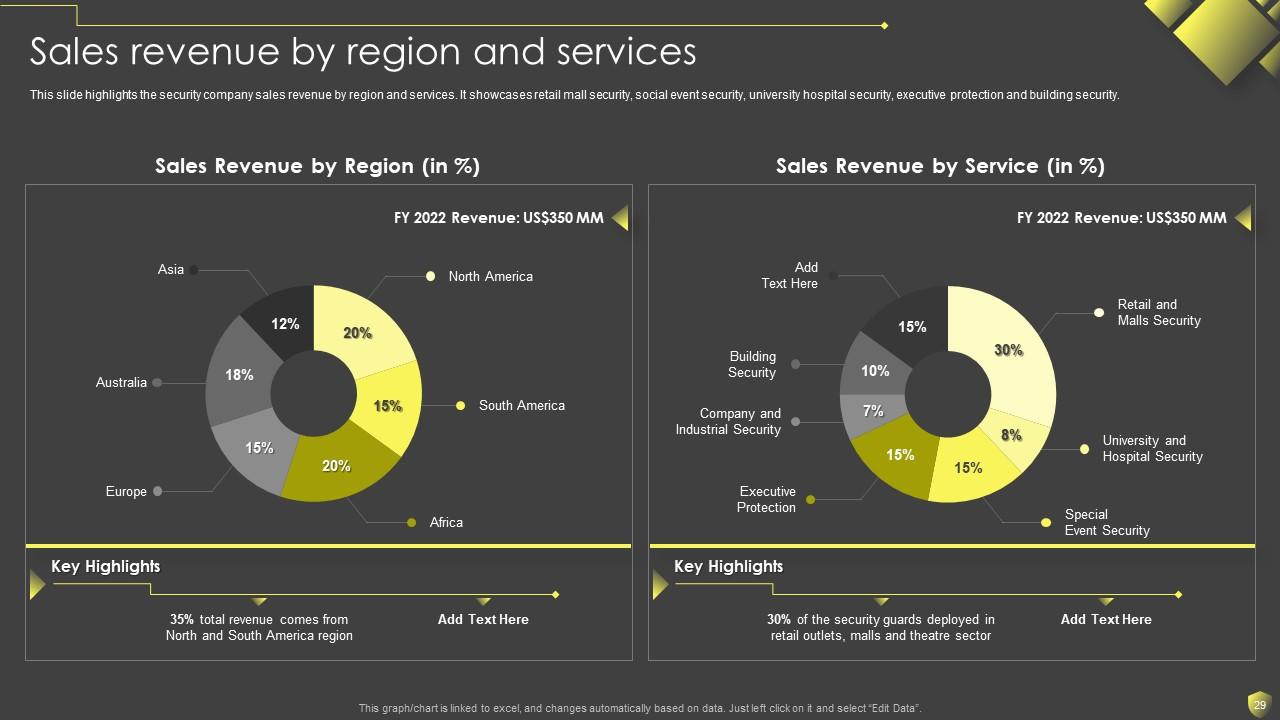
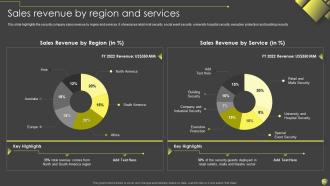
Slide 29: This slide highlights the security company sales revenue by region and services.
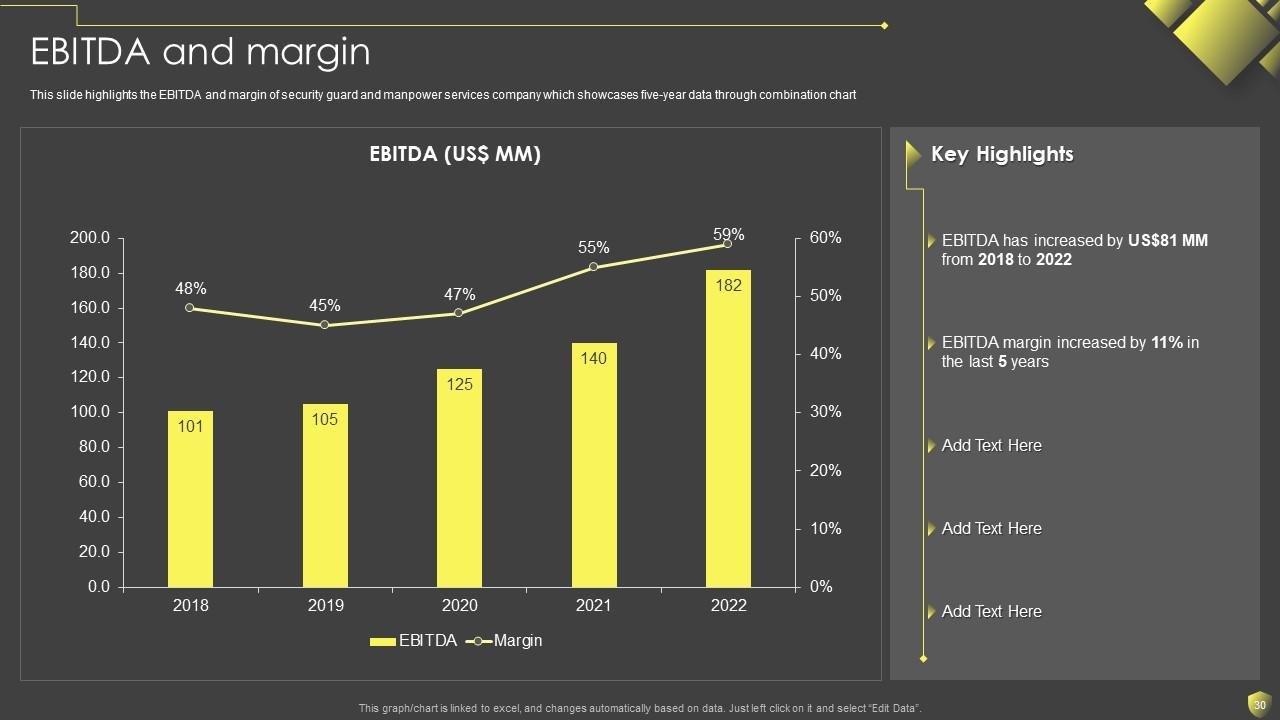
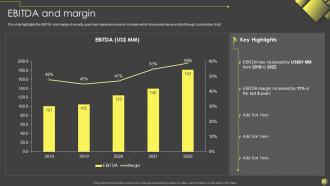
Slide 30: This slide highlights the EBITDA and margin of security guard and manpower services company which showcases five-year data through combination chart.
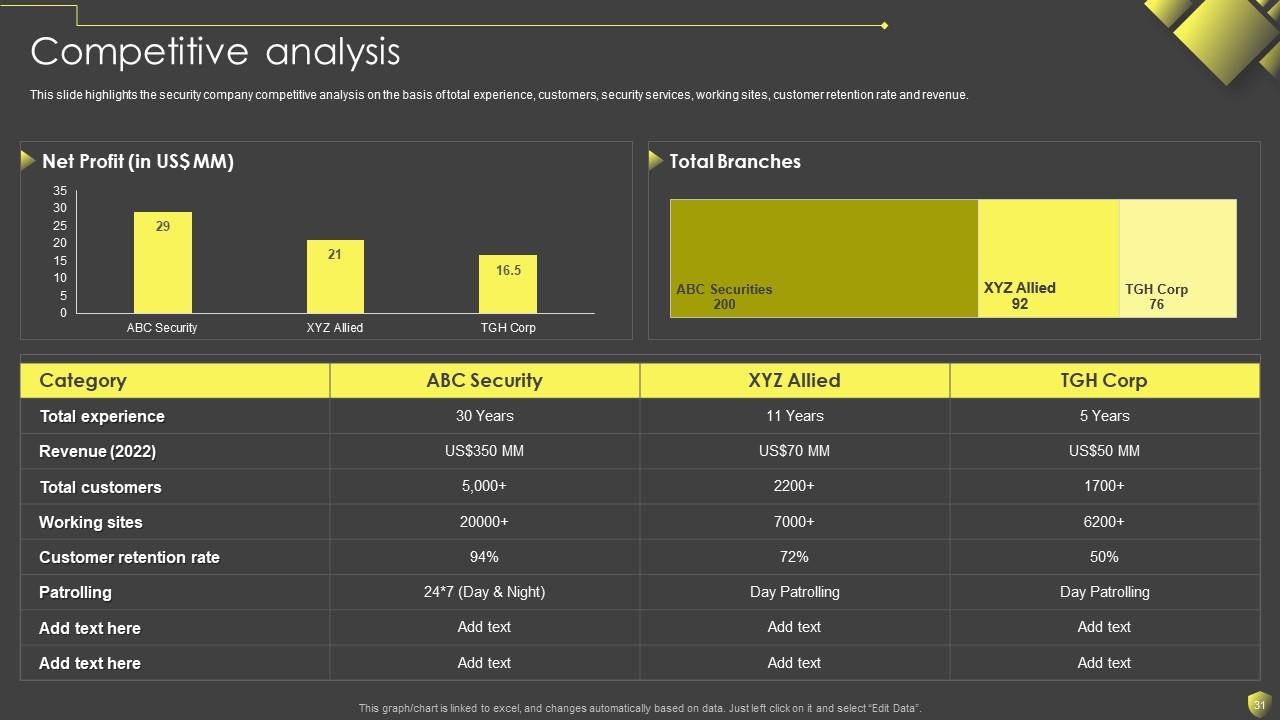
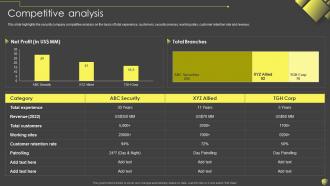
Slide 31: This slide highlights the security company competitive analysis.
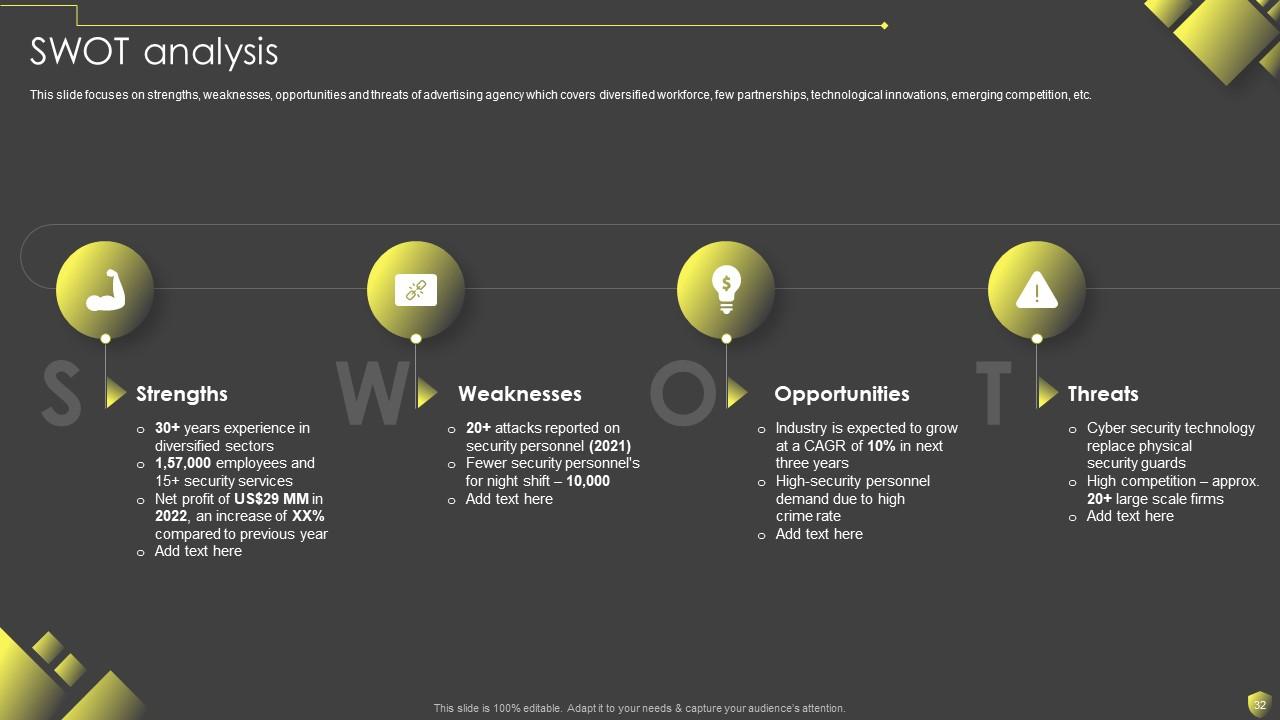
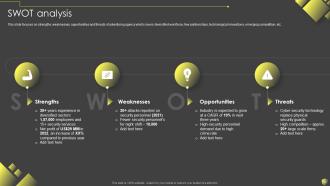
Slide 32: This slide focuses on strengths, weaknesses, opportunities and threats of advertising agency.
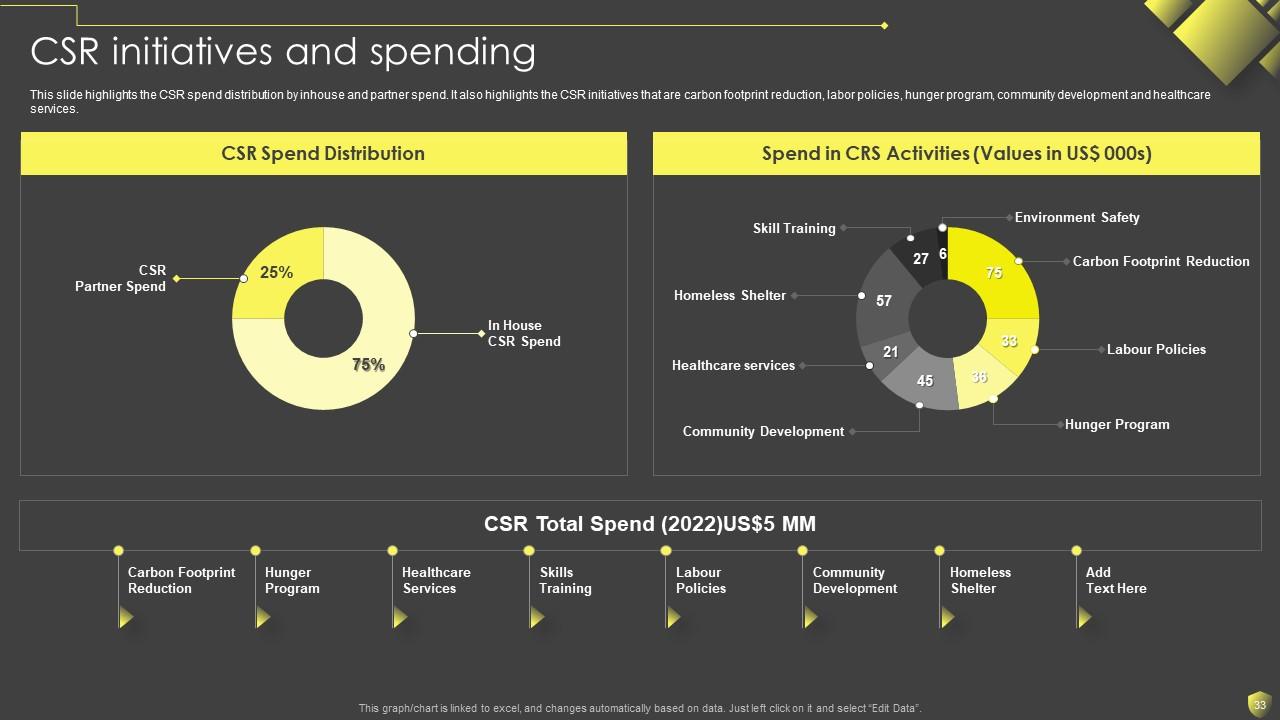
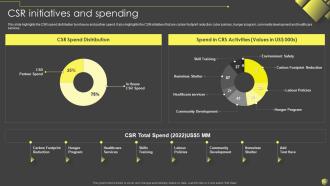
Slide 33: This slide highlights the CSR spend distribution by inhouse and partner spend.
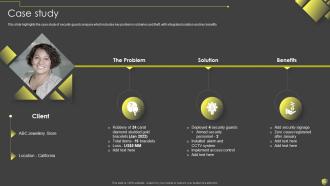
Slide 34: This slide highlights the case study of security guard company.
Slide 35: This is the icons slide.
Slide 36: This slide presents title for additional slides.
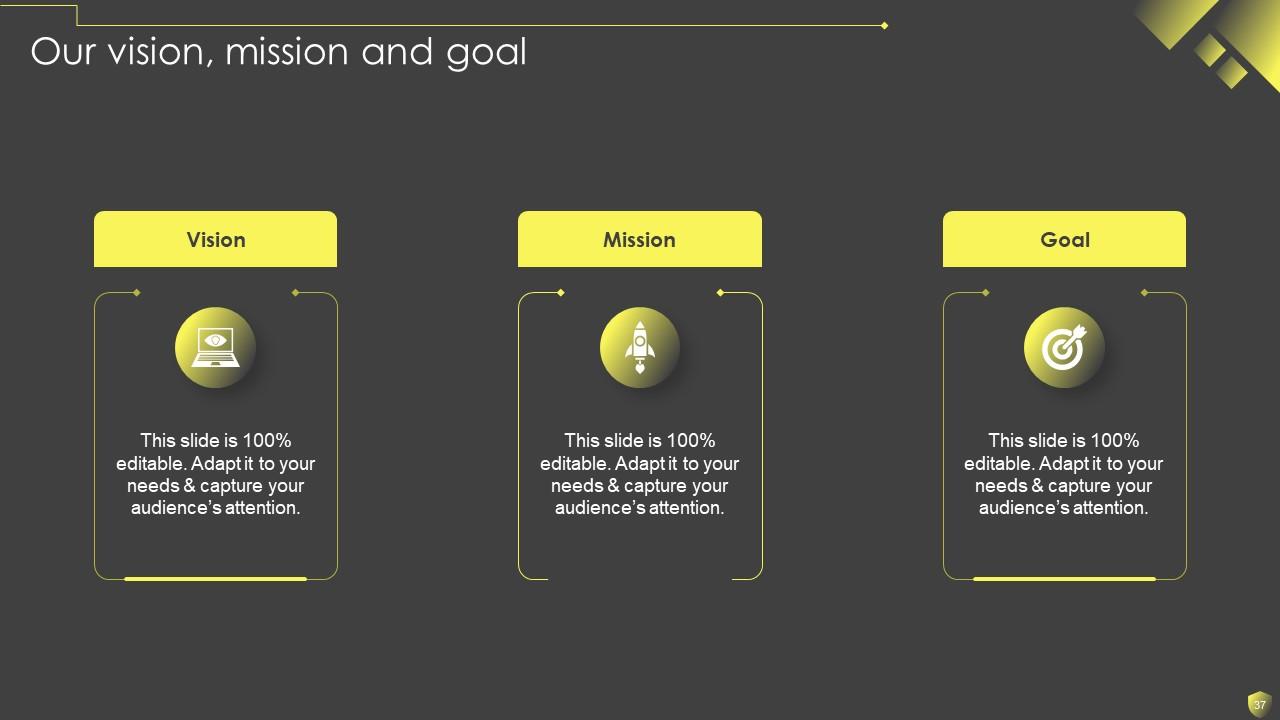
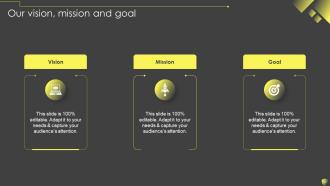
Slide 37: This slide presents your company's vision, mission and goals.
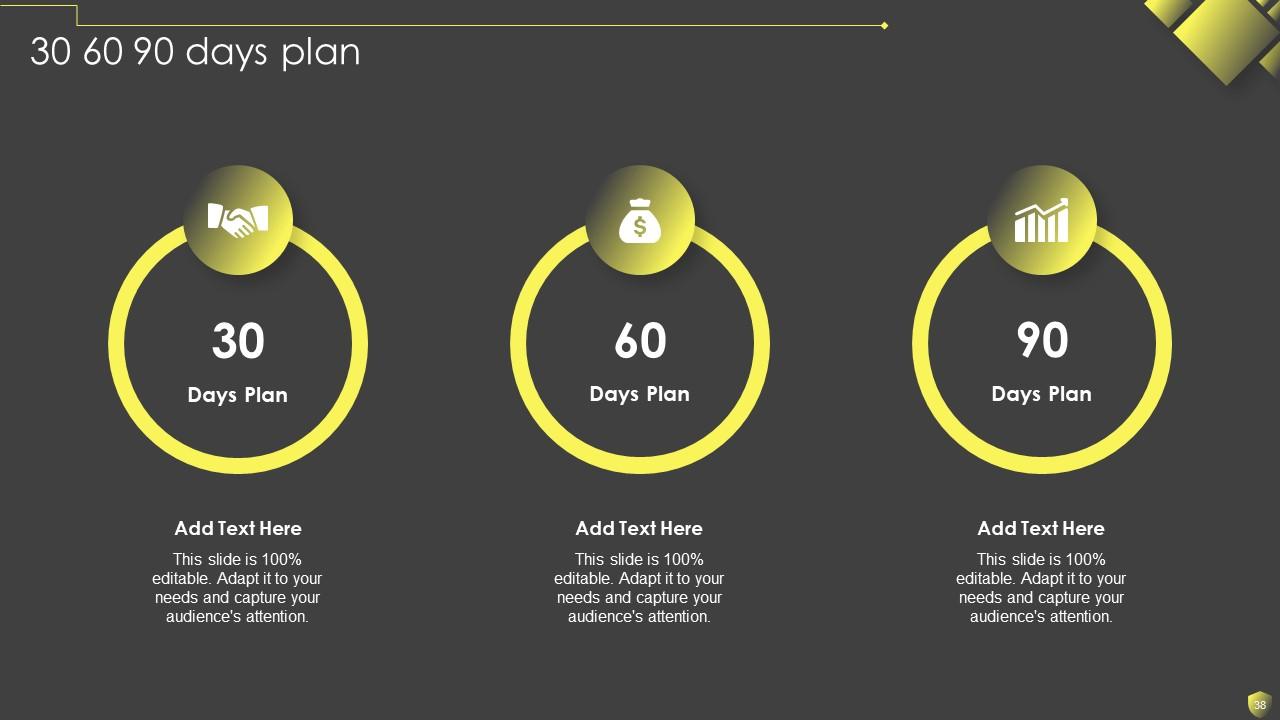
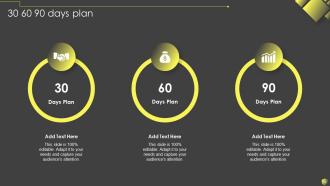
Slide 38: This slide depicts 30-60-90 days plan for projects.
Slide 39: This slide depicts posts for past experiences of clients.
Slide 40: This slide shows puzzle for displaying elements of company.
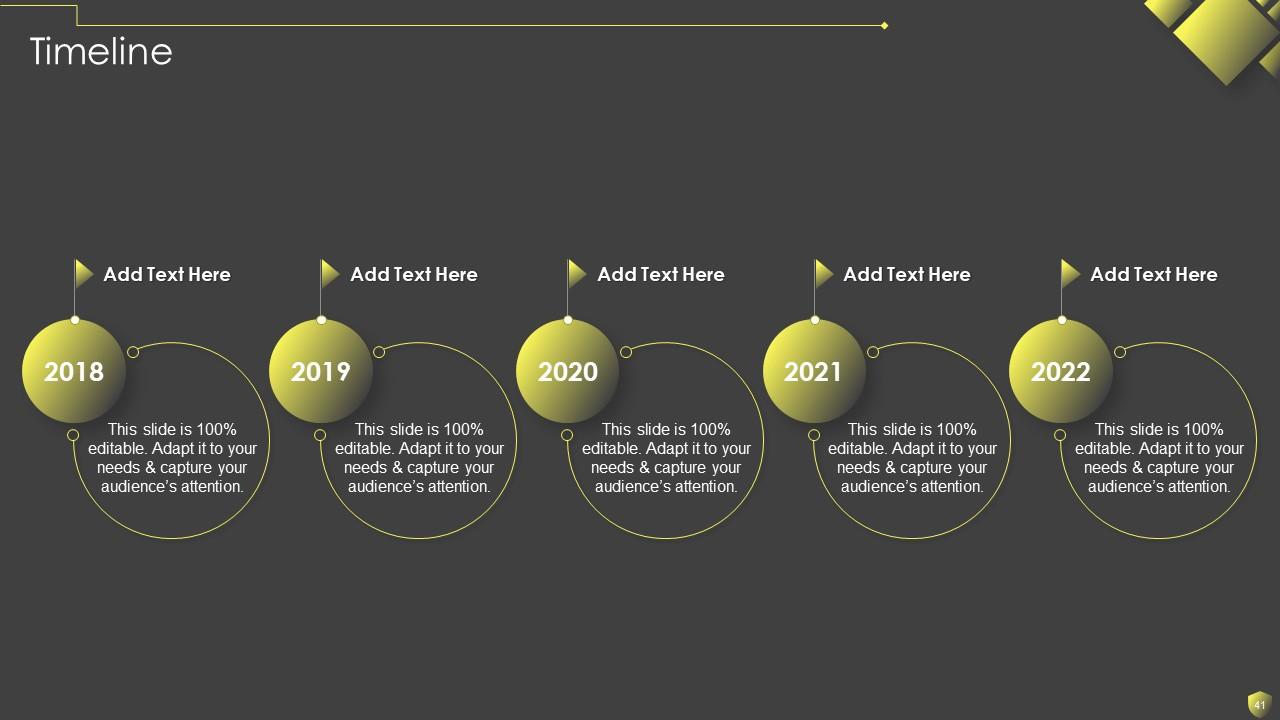
Slide 41: This slide exhibits yearly timeline of company.
Slide 42: This slide exhibits ideas generated.
Slide 43: This slide displays Venn.
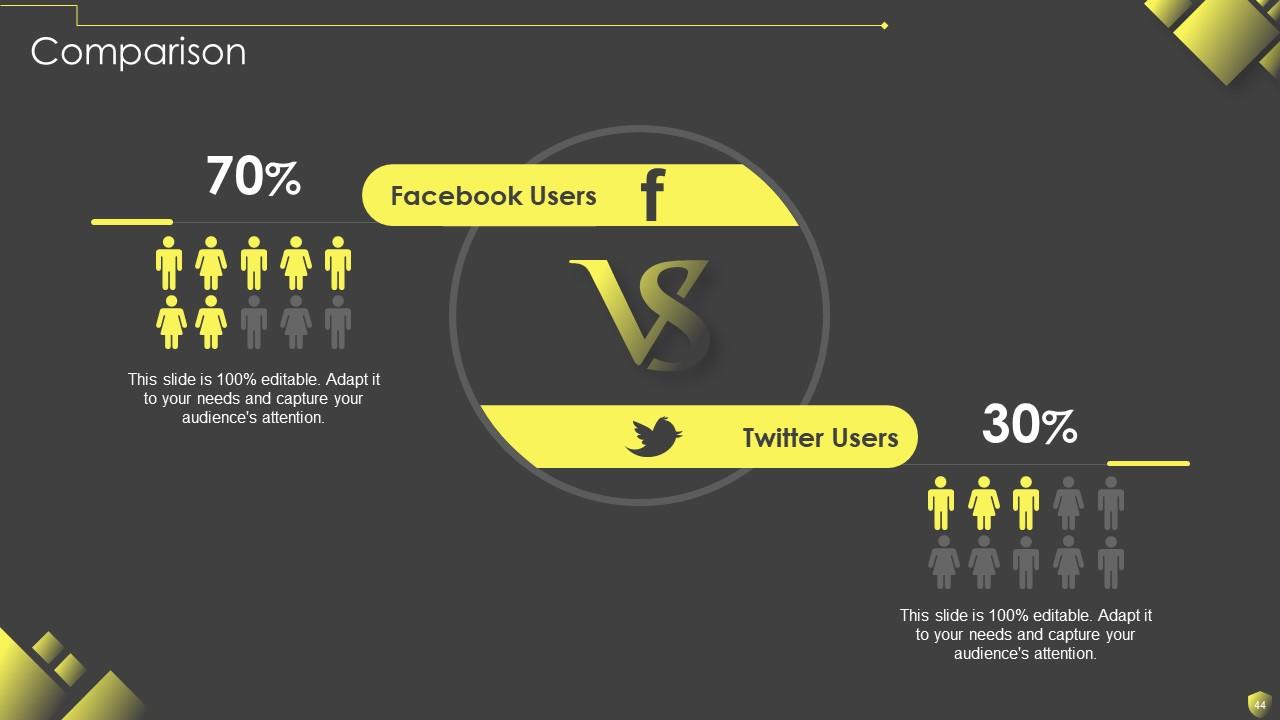
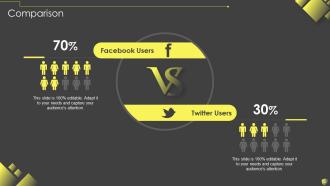
Slide 44: This slide highlights Comparison of facebook nd twitter user.
Slide 45: This slide highlights Magnifying glass.
Slide 46: This is thank you slide & contains contact details of company like office address, phone no., etc.
Security And Manpower Services Company Profile Complete Deck with all 51 slides:
Use our Security And Manpower Services Company Profile Complete Deck to effectively help you save your valuable time. They are readymade to fit into any presentation structure.
-
Impressive templates. Designing a presentation is fun now!
-
Editable, diversified, compatible with MS PPT and Google Slides, and on top of that finest graphics!! I mean in the words of the famous Ross Geller, “What more do you want!”
